West Virginia University officially immortalized Pat White’s legendary career when his iconic No. 5 jersey was retired
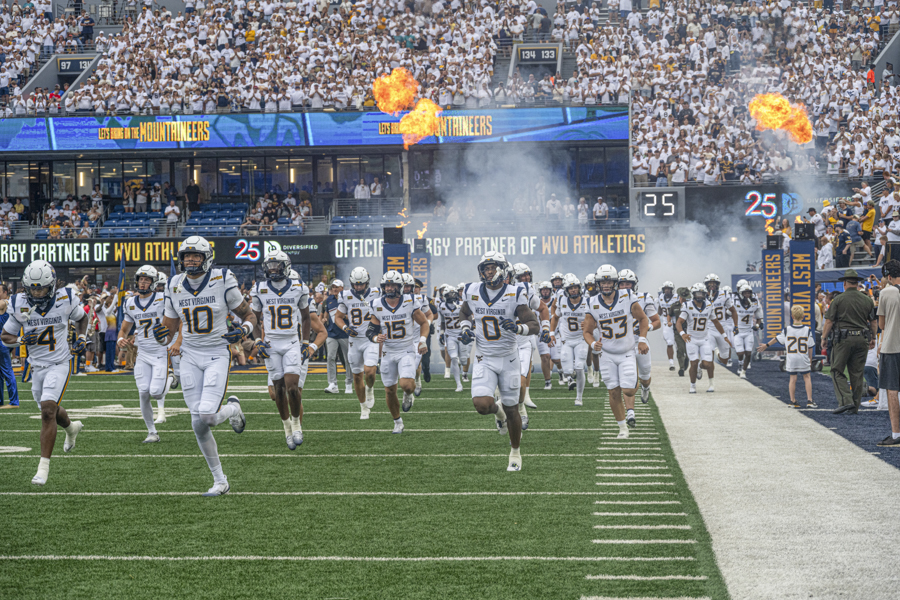
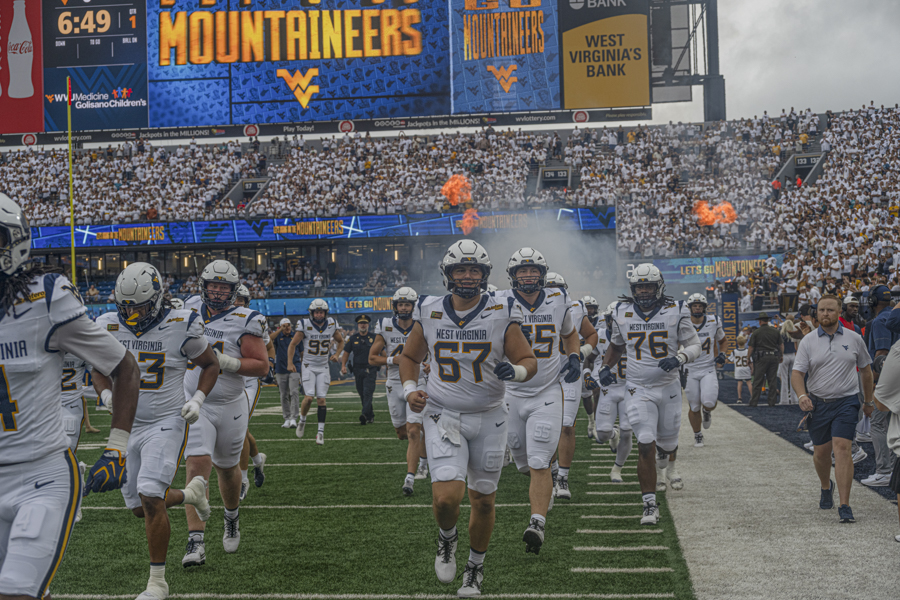
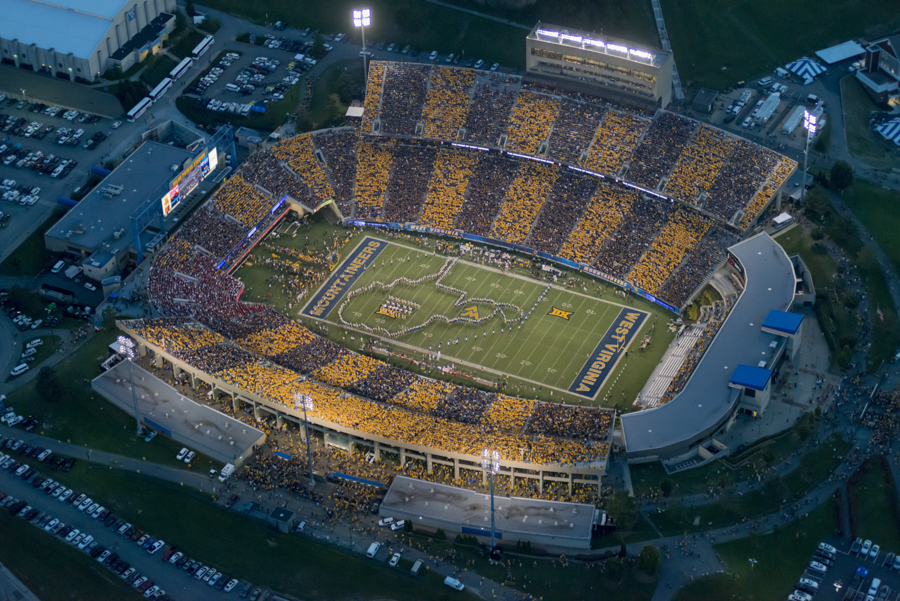
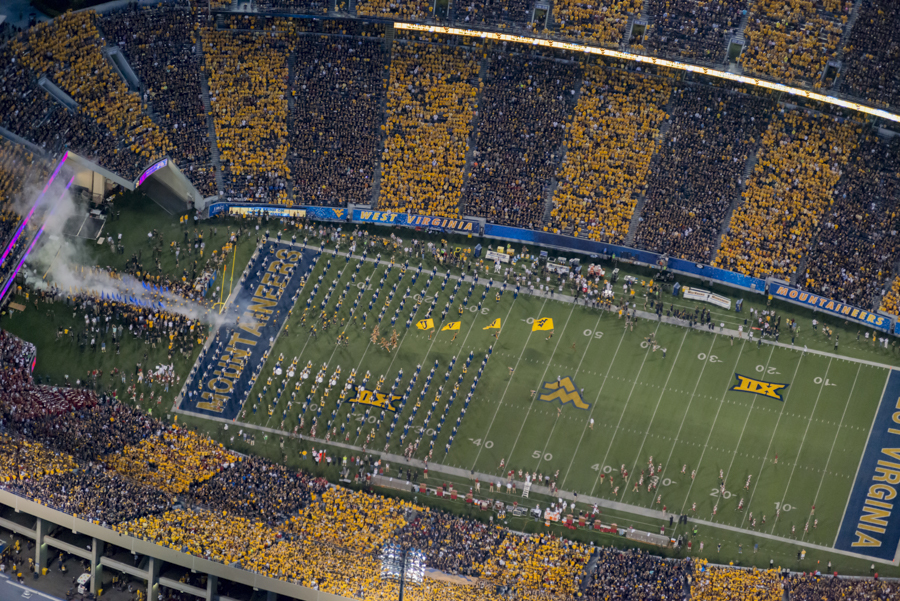
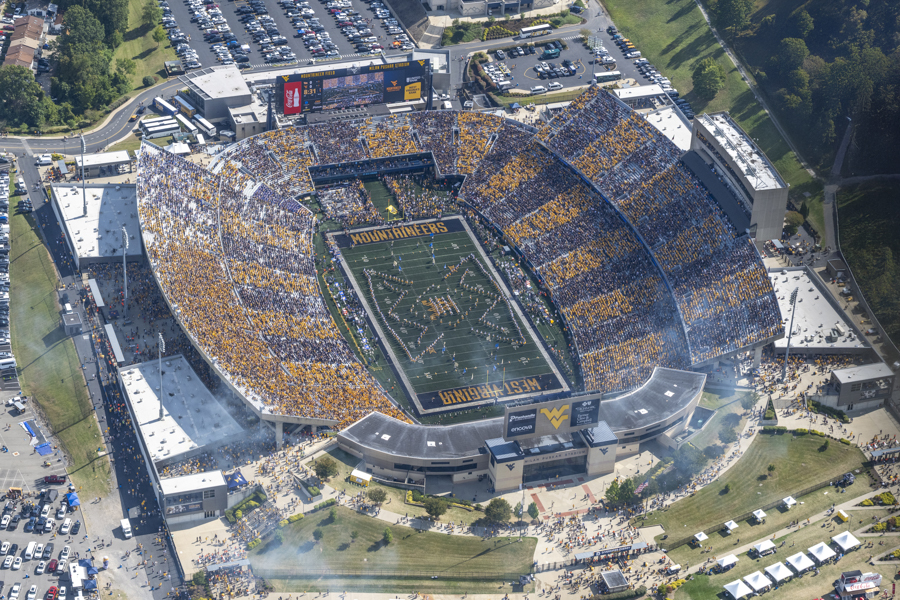
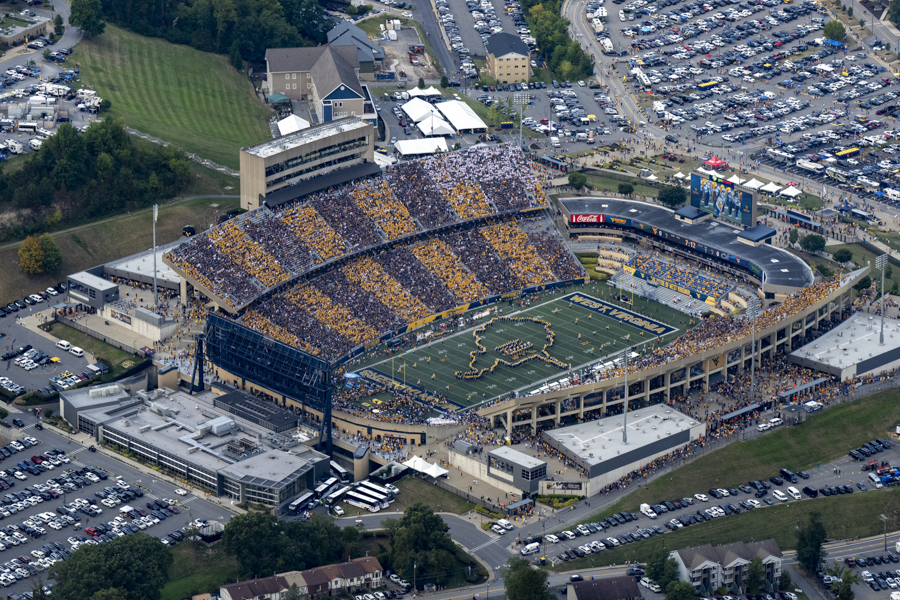
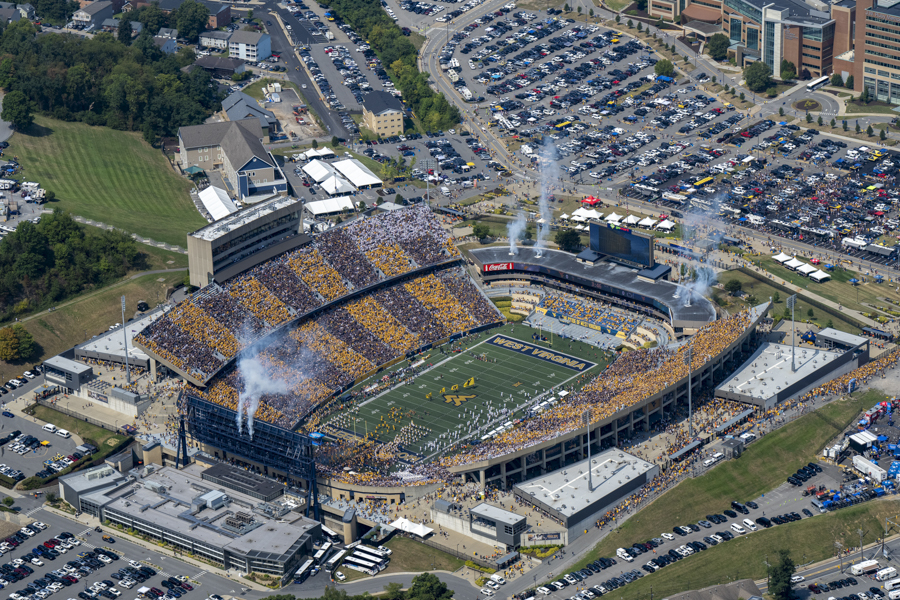
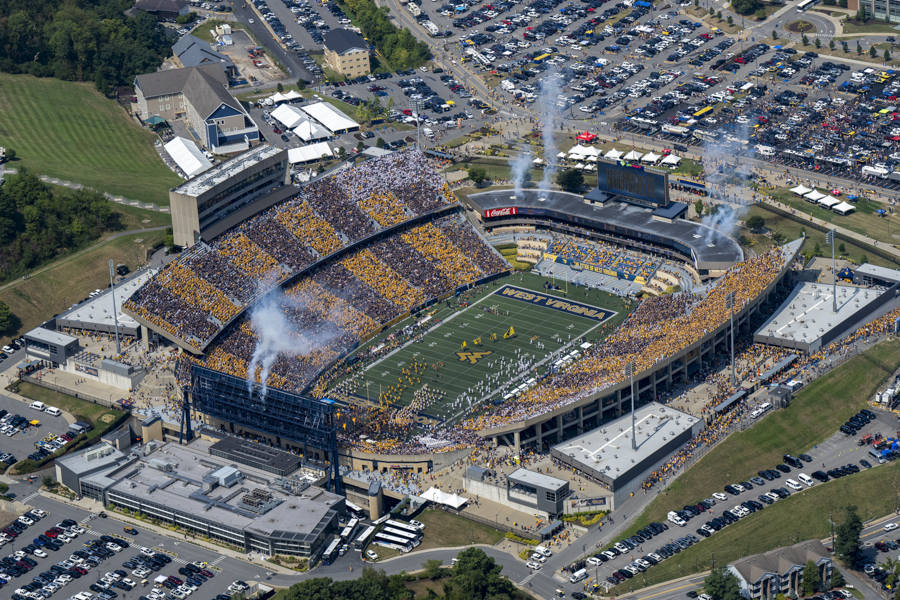
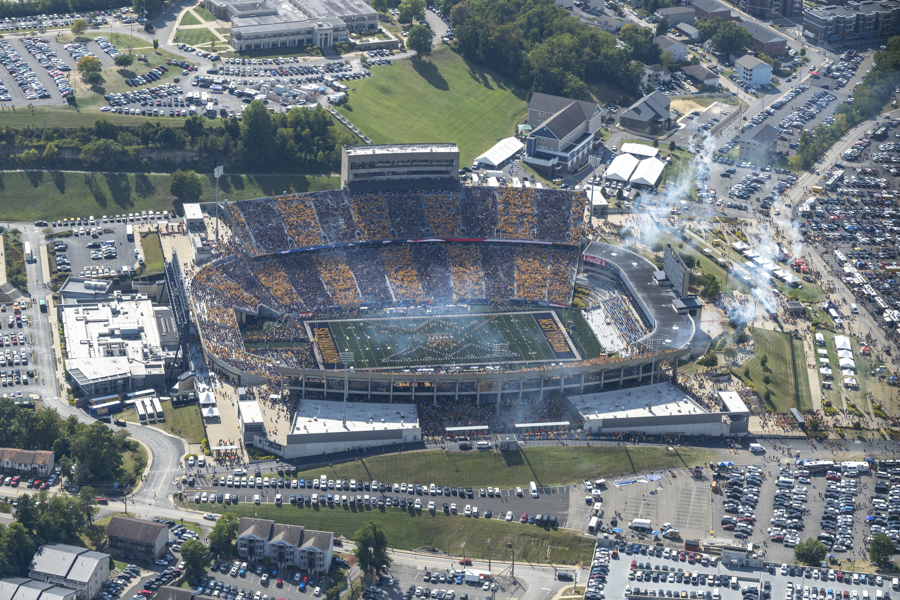
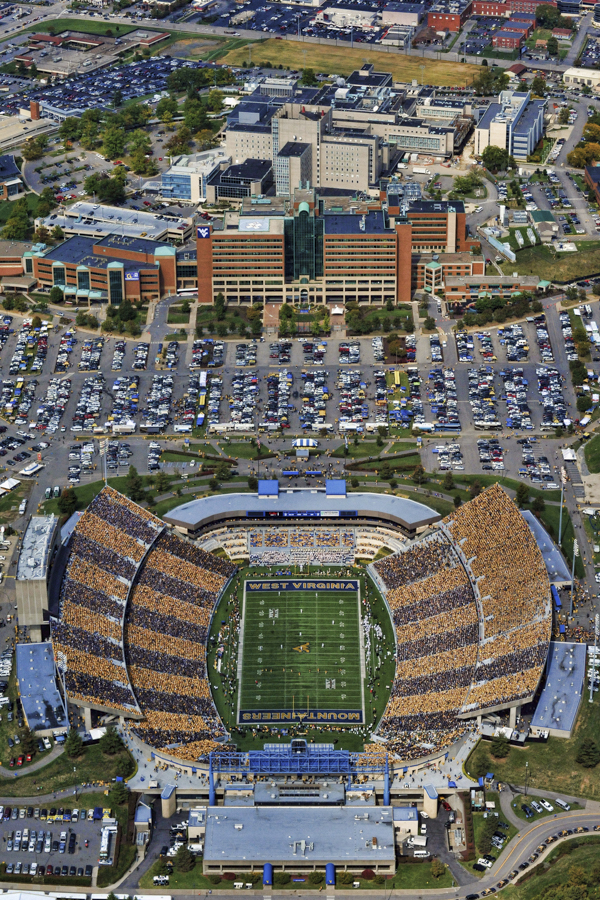
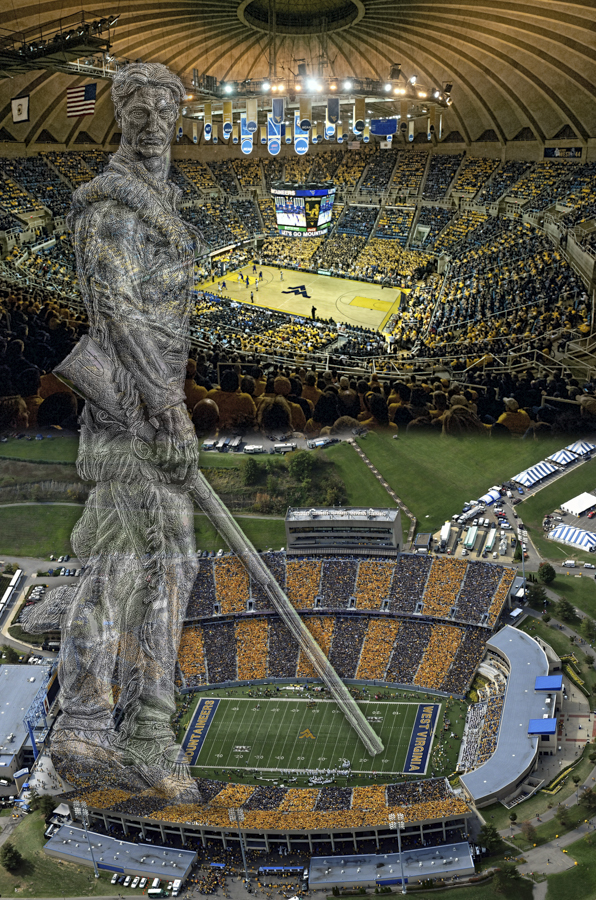
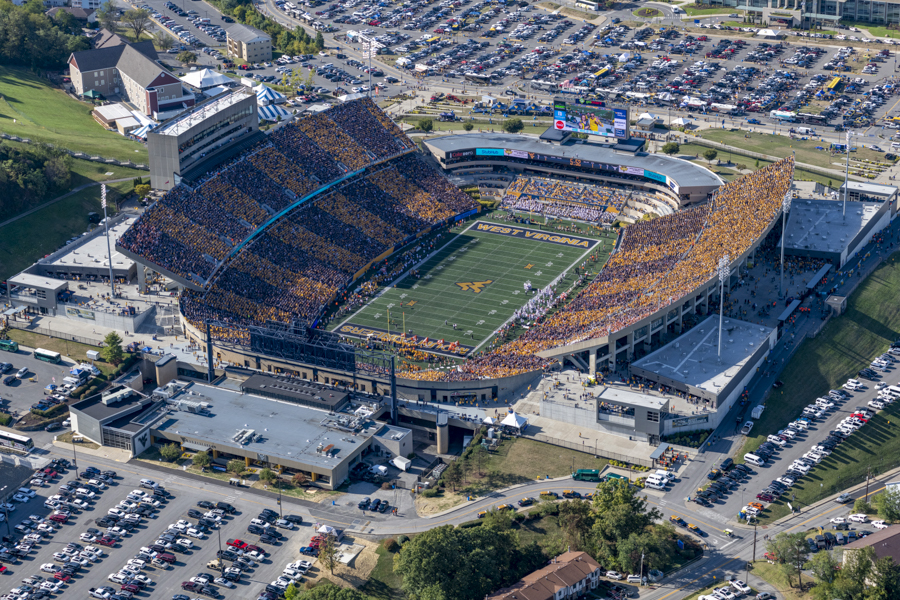
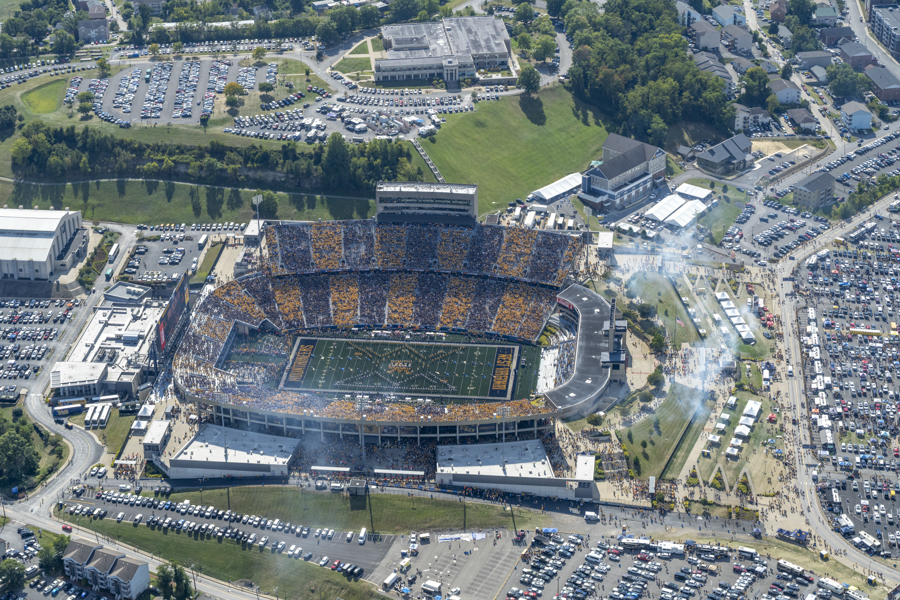
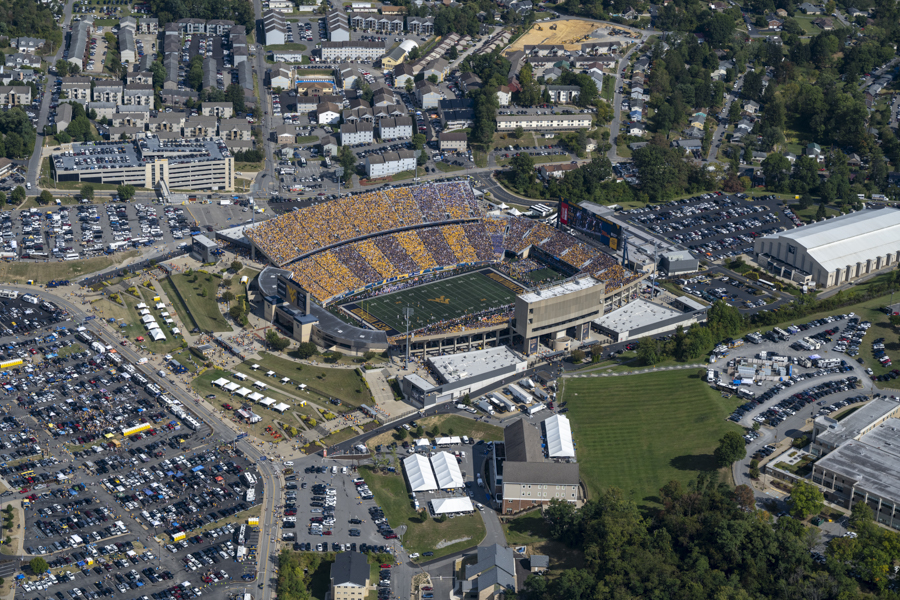
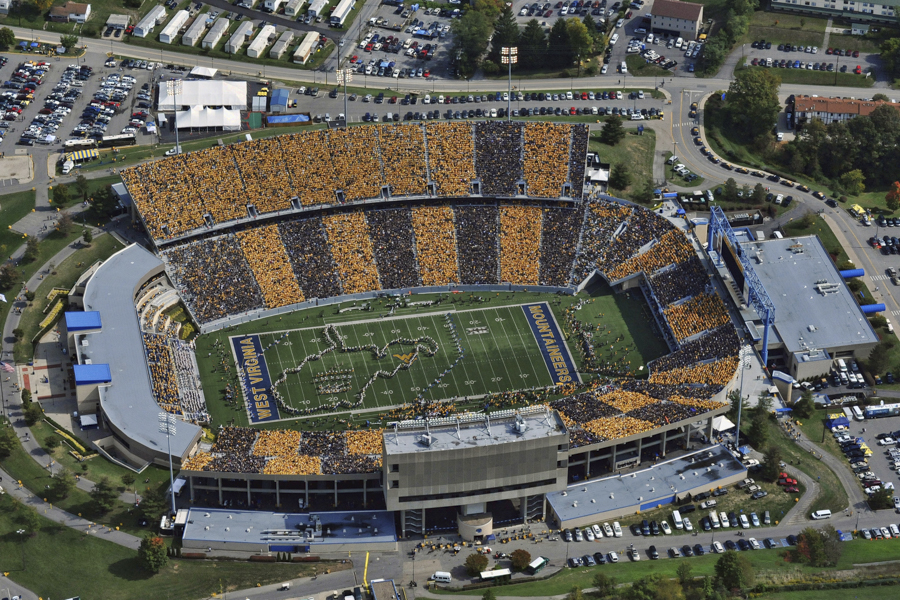
The “White Out” for Pat White at Milan Puskar Stadium gave the crowd plenty to cheer about before the game on a special afternoon honoring the retirement of Pat White’s No. 5 jersey.
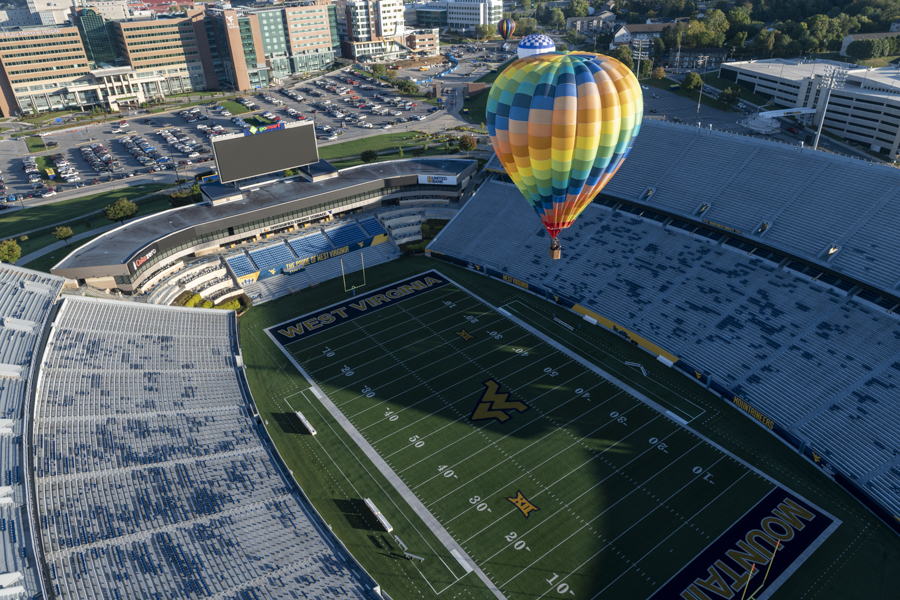
West Virginia University updated its gameday tradition by shifting how the football team enters Mountaineer Field at Milan Puskar Stadium. This change amplifies the pregame atmosphere creating an intense, unified focal point that elevates the crowd’s energy right before kickoff.
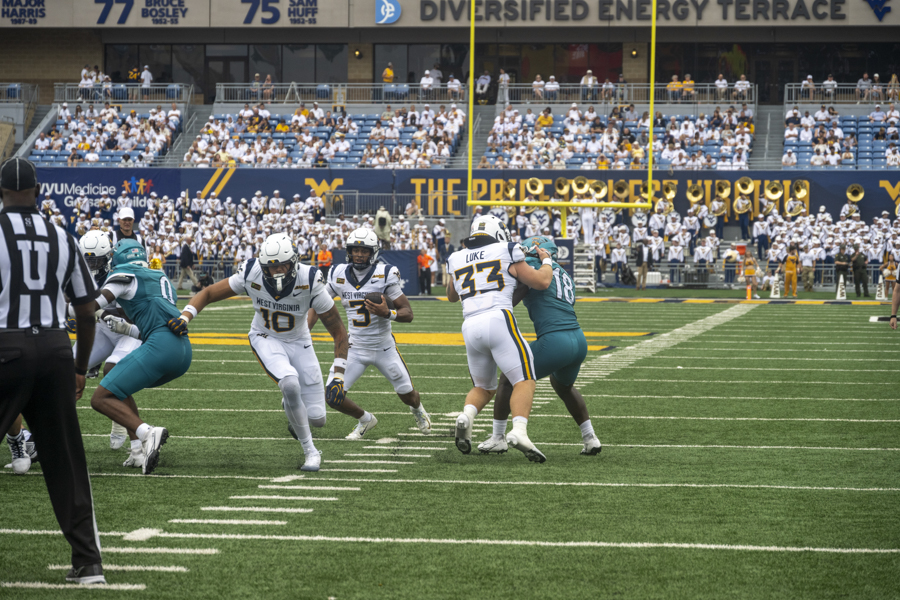
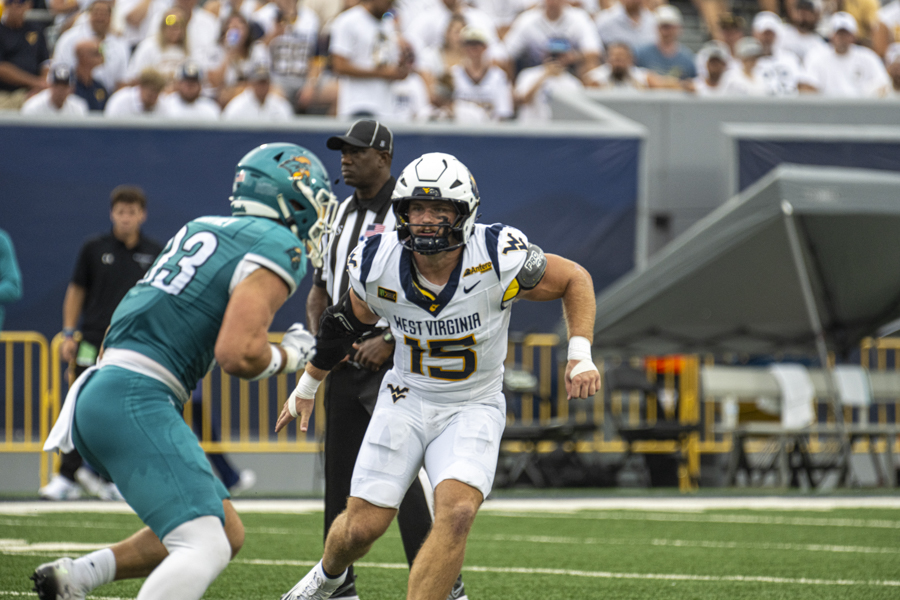
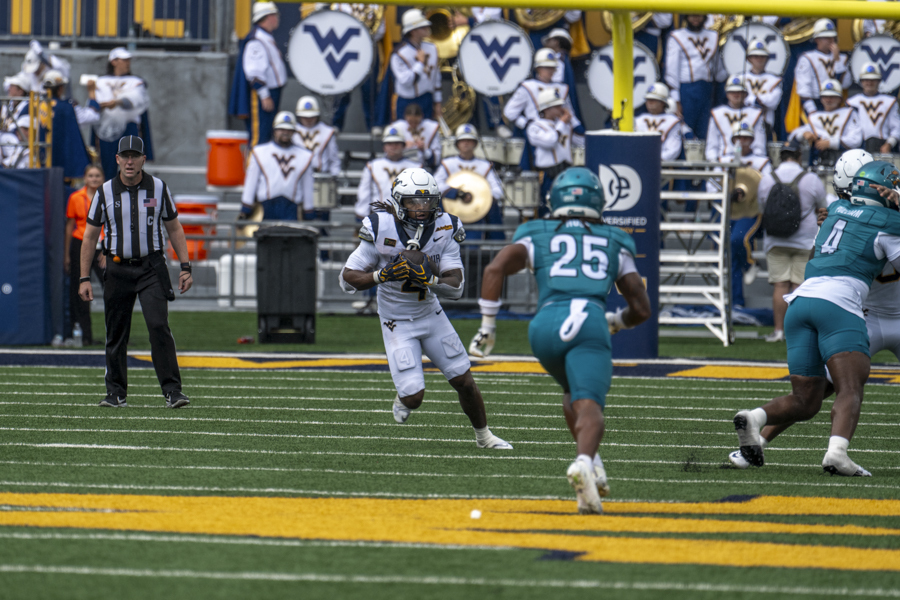
The West Virginia Mountaineers kicked off their 2026 season with a hard‑fought 31–24 victory over Coastal Carolina, a game that showcased explosive early offense and late defensive resilience. WVU stormed out to a commanding 24–0 halftime lead behind dominant performances from Cam Cook and Michael Hawkins Jr., giving the Milan Puskar Stadium crowd plenty to cheer about after a special afternoon honoring the retirement of Pat White’s No. 5 jersey.
In the first half, WVU looked nearly unstoppable. Cook set the tone immediately with a 72‑yard burst on the opening play, leading to his first of two rushing touchdowns. Hawkins Jr., in his Mountaineer debut, added a 49‑yard touchdown strike to Armoni Weaver‑Bomar and later punched in a rushing score of his own. By halftime, WVU had piled up 336 yards and controlled every phase of the game, leaving Coastal Carolina searching for answers.
The second half, however, told a different story. Coastal Carolina quarterback Deuce Bailey ignited a furious rally, throwing three touchdown passes and helping the Chanticleers outgain WVU 425–413 by game’s end. A late field goal cut the lead to seven, but WVU secured the win when the ensuing onside kick sailed out of bounds. Despite the shaky finish, the Mountaineers walked away with a season‑opening victory and a clear sense of promise from their new offensive leaders.
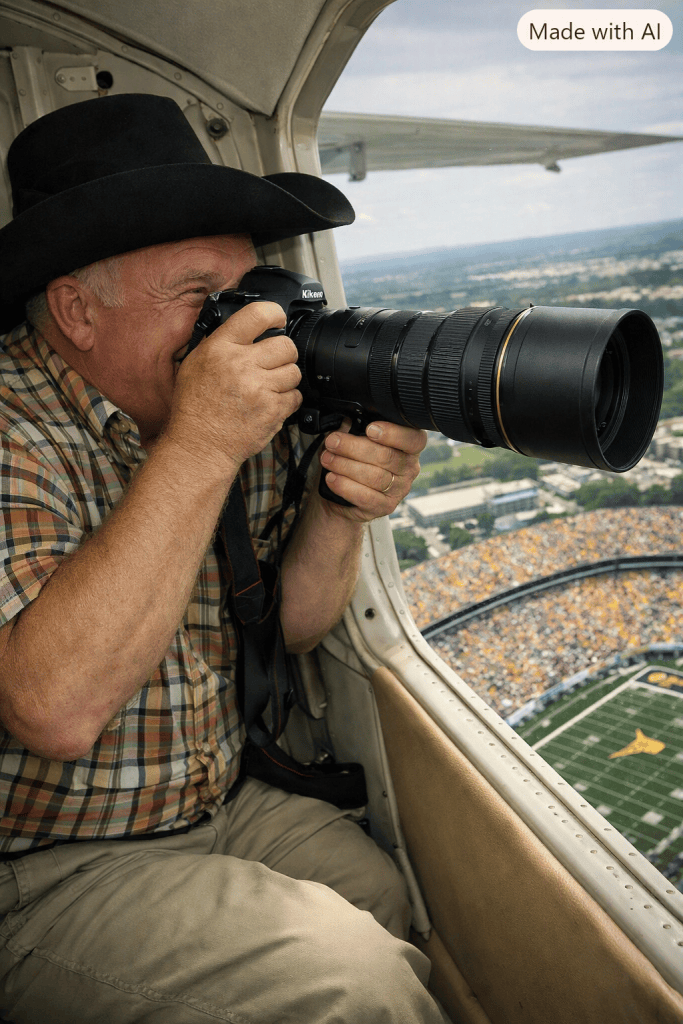
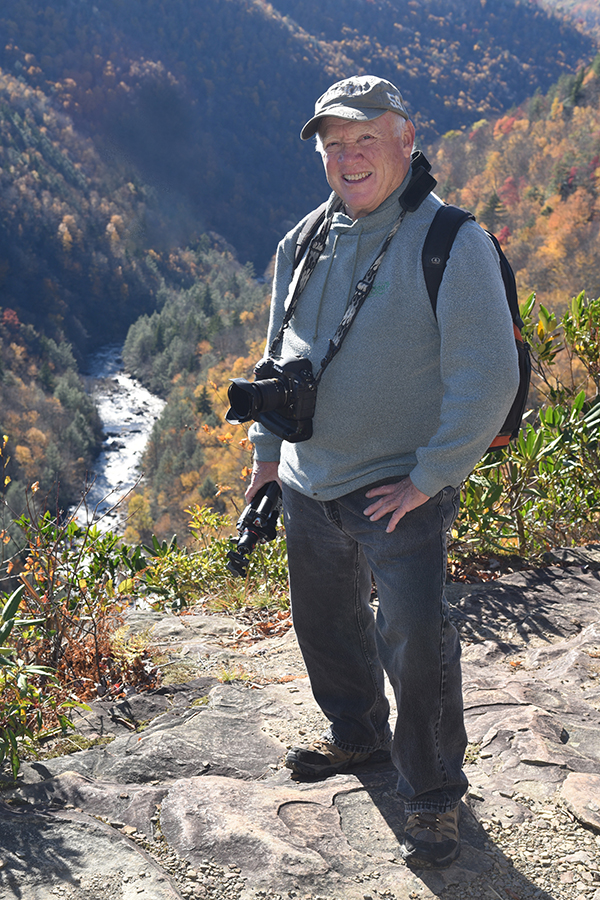
For more than sixteen years since retiring as manager of WVU Photographic Services, I’ve continued doing what I love most—capturing the spirit, energy, and tradition of West Virginia University through photography. Today, I still photograph every WVU football home game and WVU basketball home game, preserving the moments that define Mountaineer pride. Game days have a pulse all their own, and being on the sidelines with a camera in hand keeps me connected to the university and the community that shaped my career.
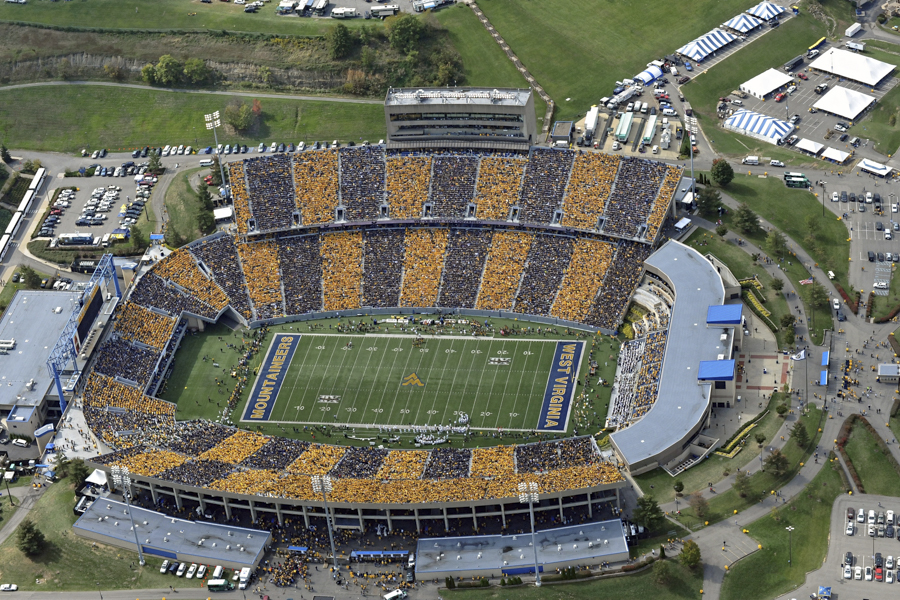
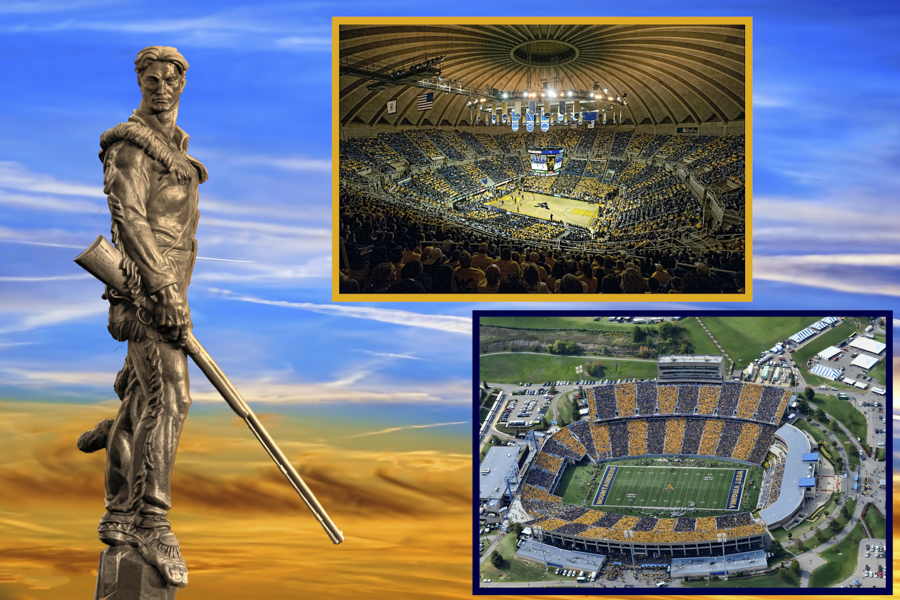
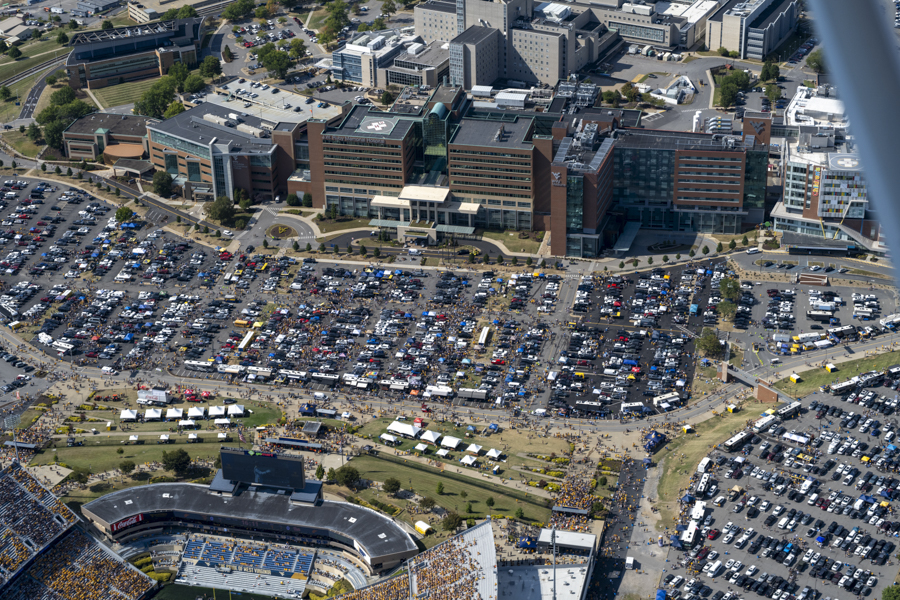
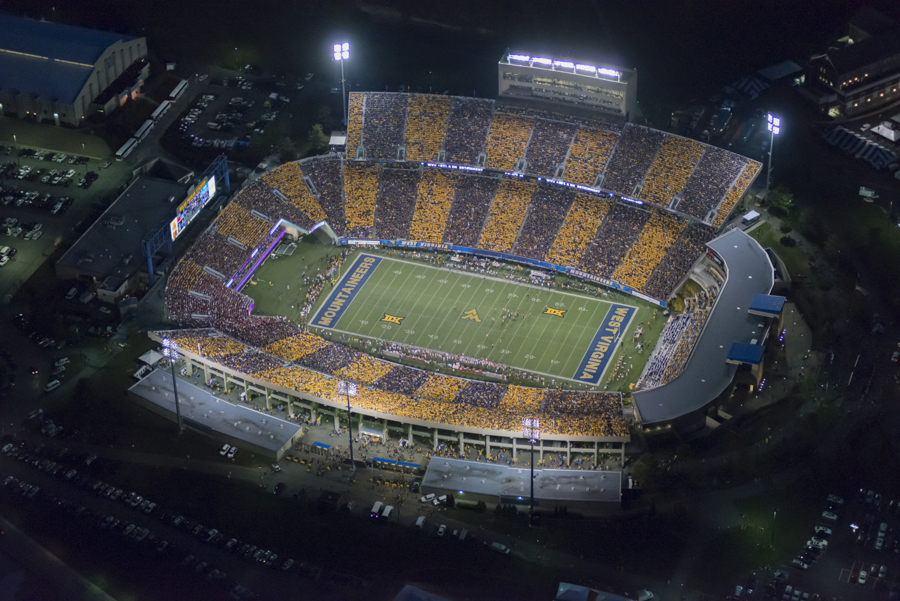
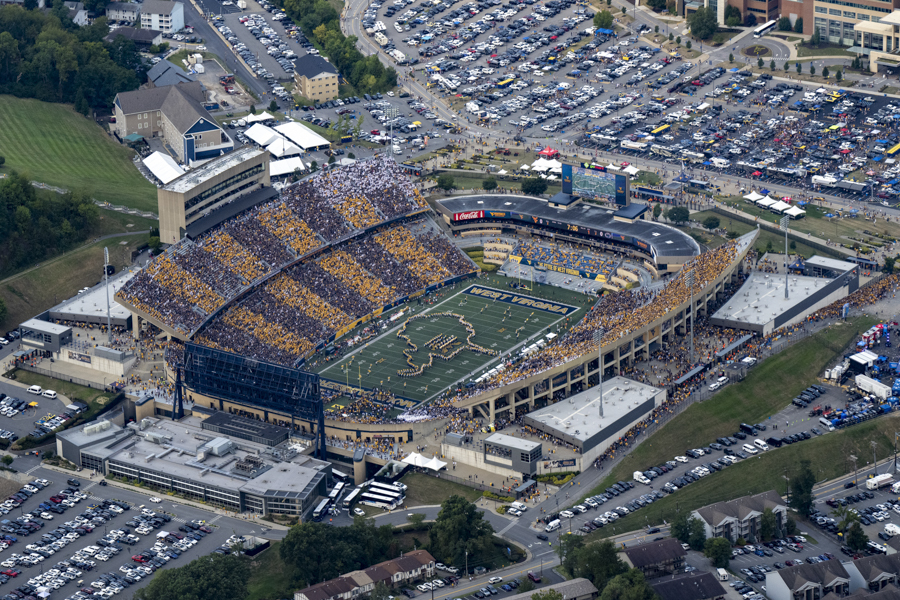
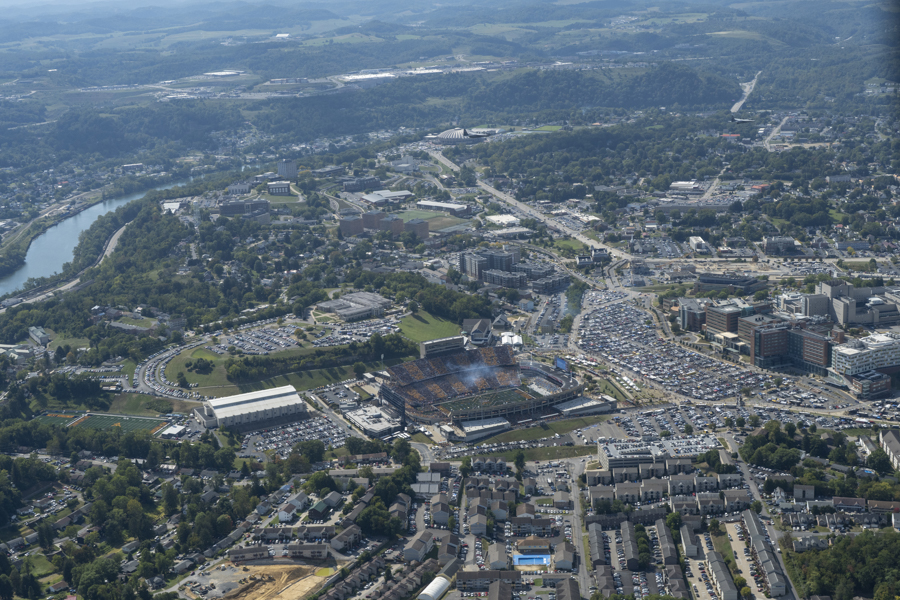
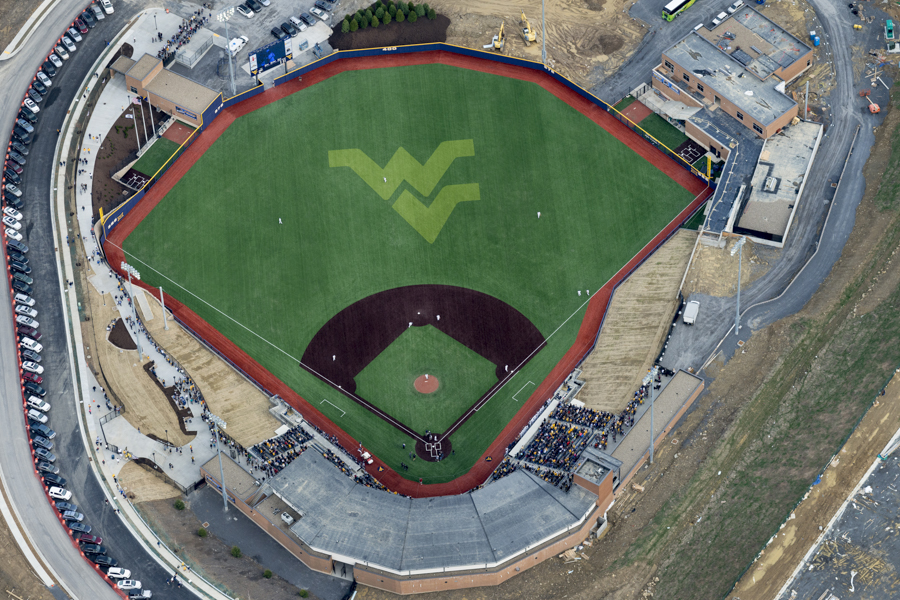
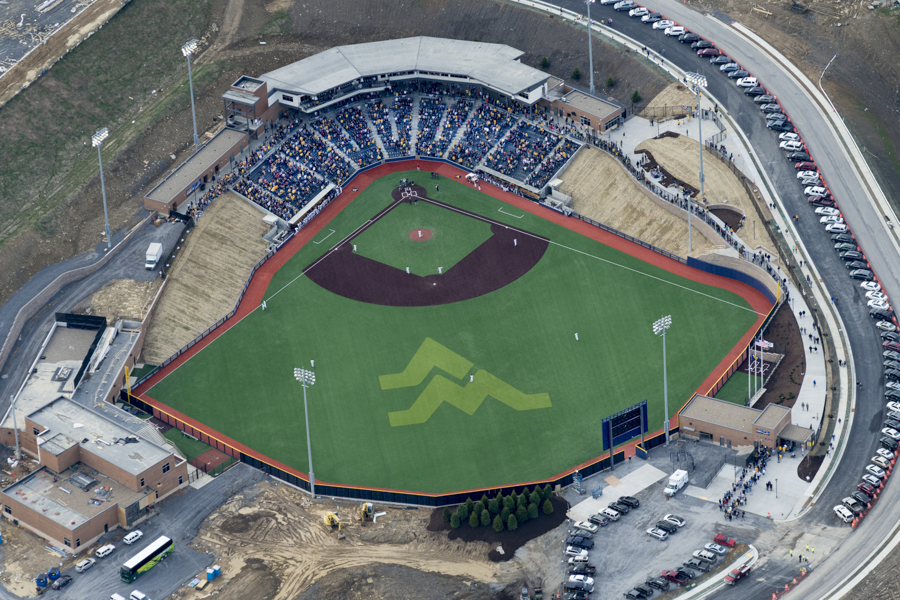
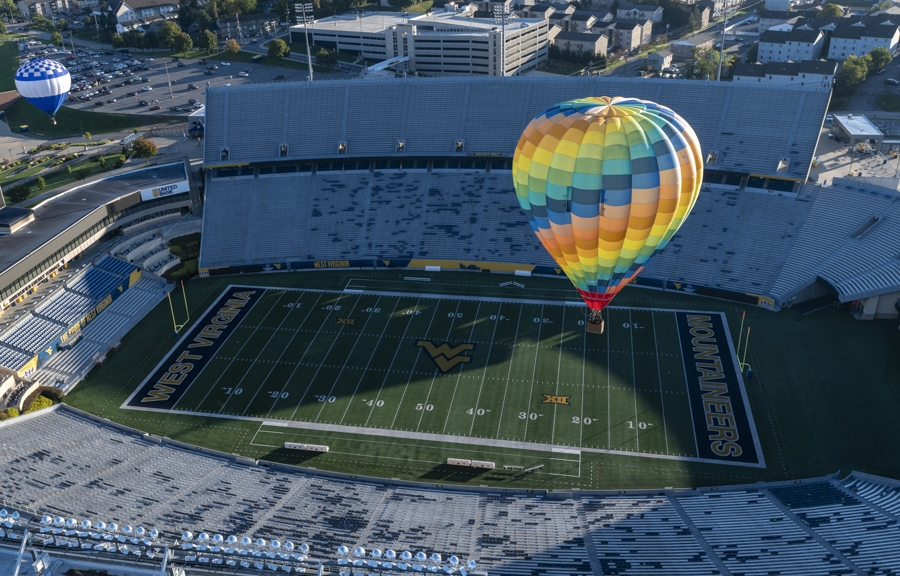
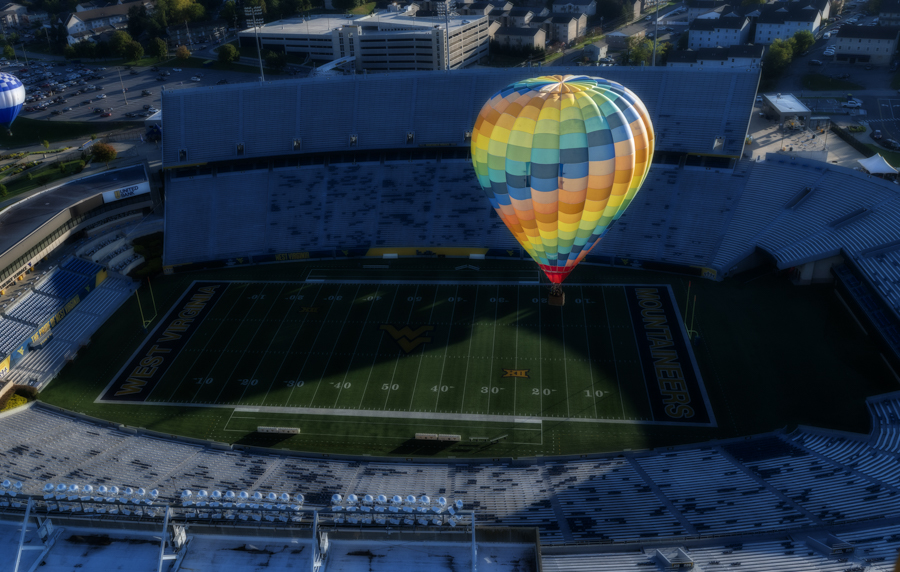
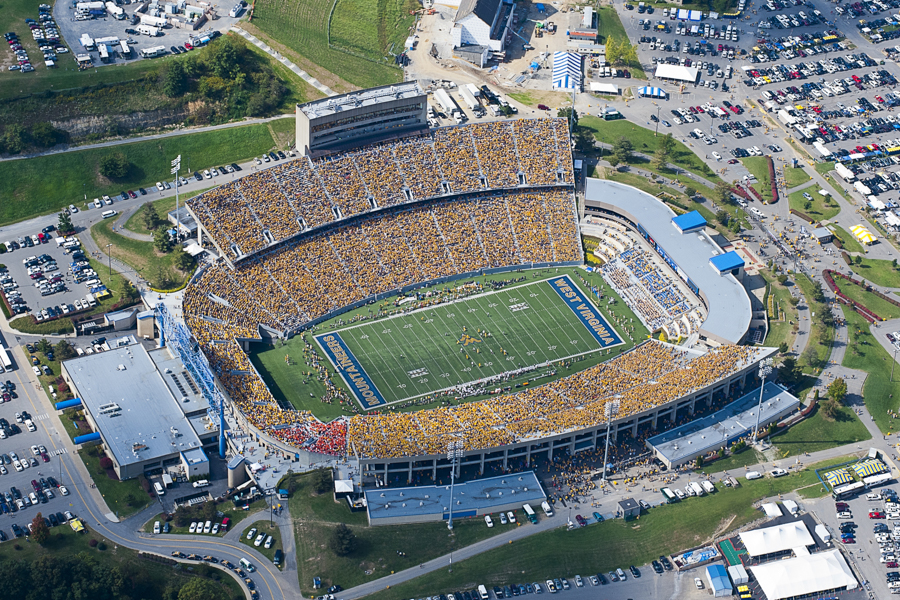
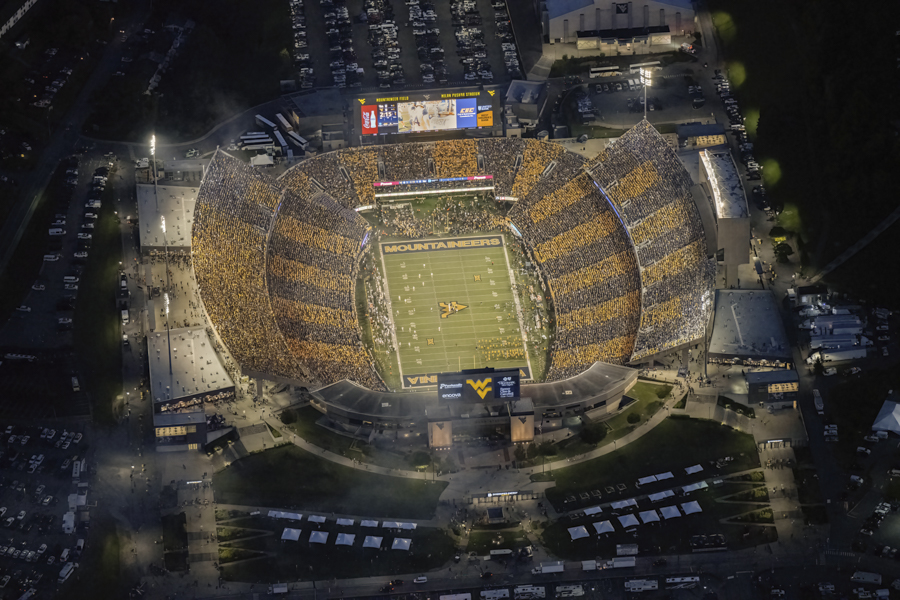
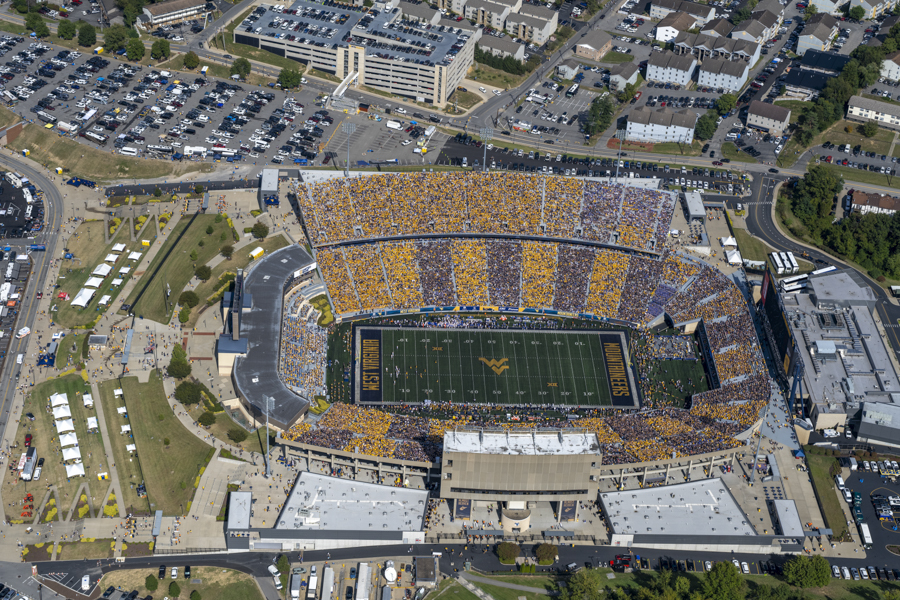
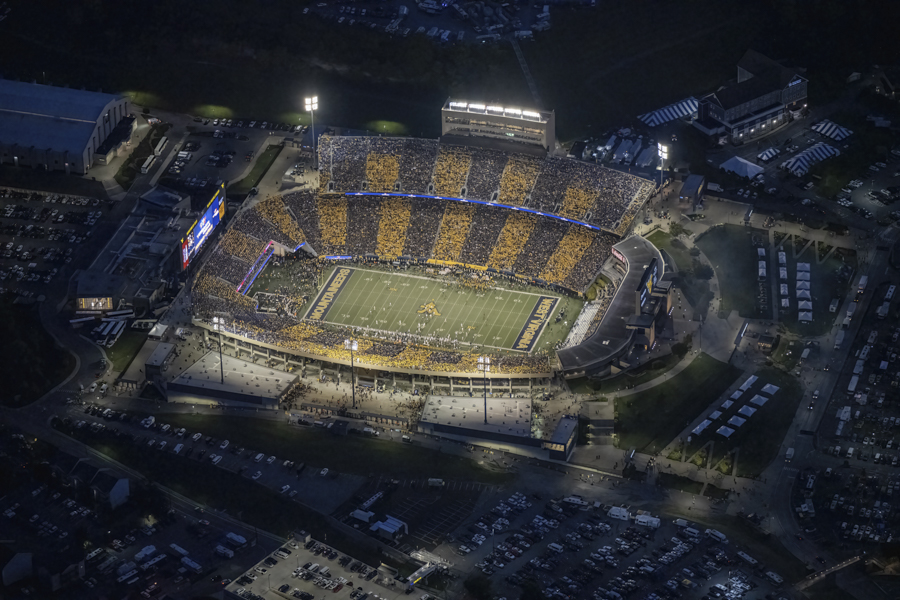
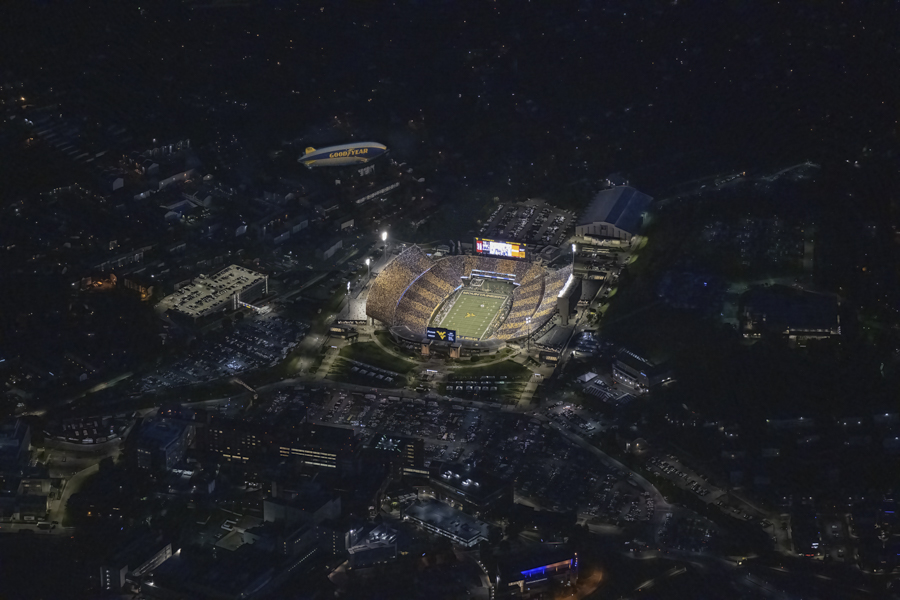
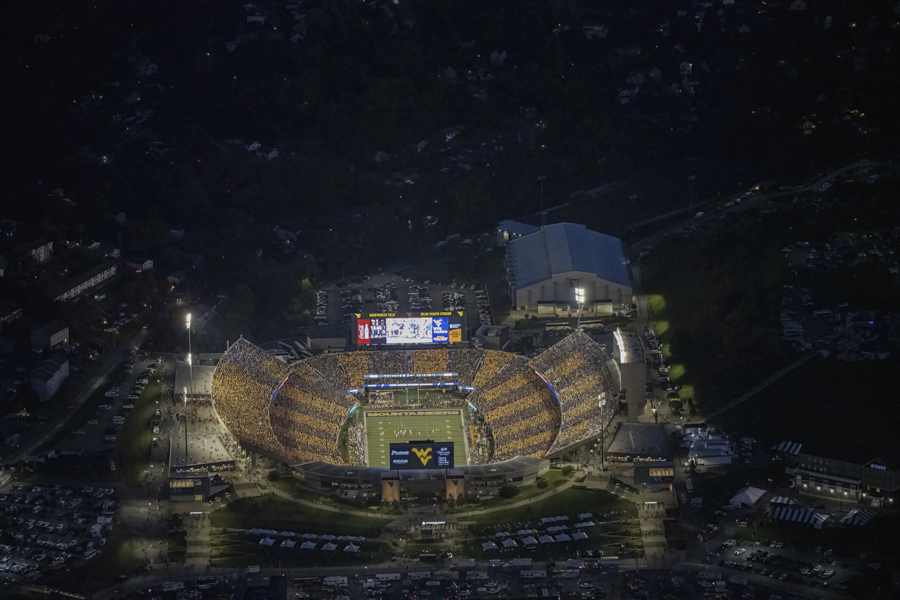
My work also includes aerial photography of major WVU football games, offering a dramatic, sweeping perspective of Milan Puskar Stadium that few ever get to see. Flying above the field and documenting the scale, color, and excitement from the air remains one of the most rewarding assignments I take on. Even after all these years, I genuinely enjoy every opportunity to photograph WVU—whether from the sidelines or the sky.
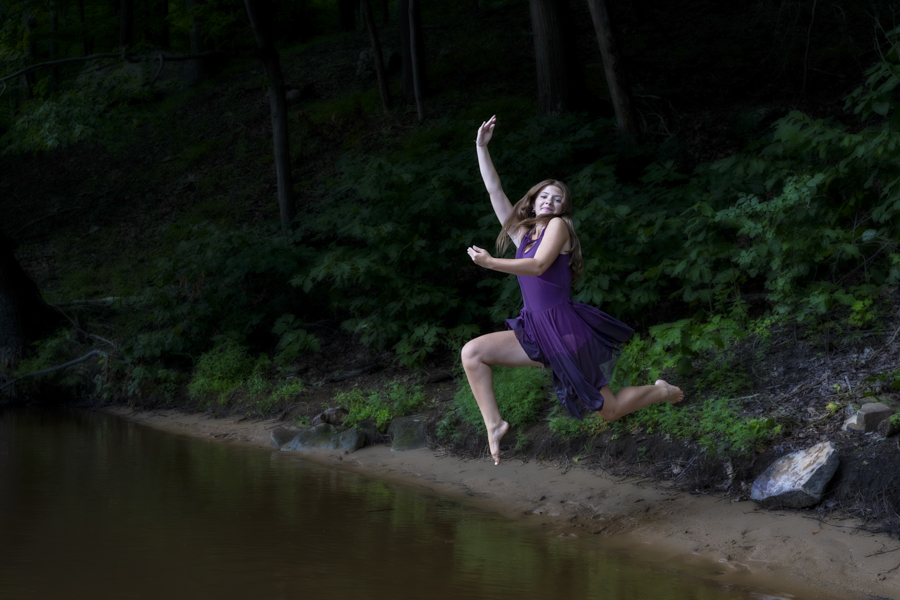
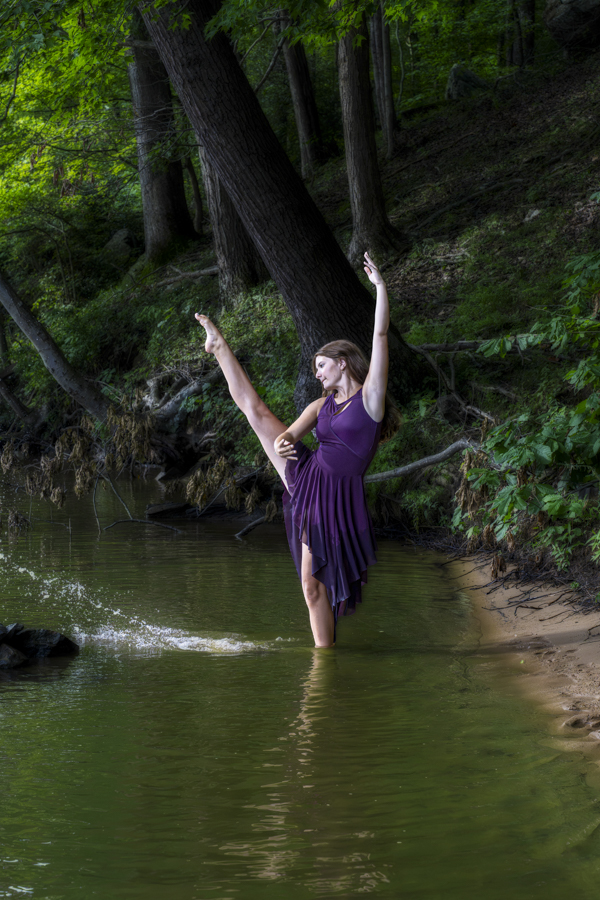
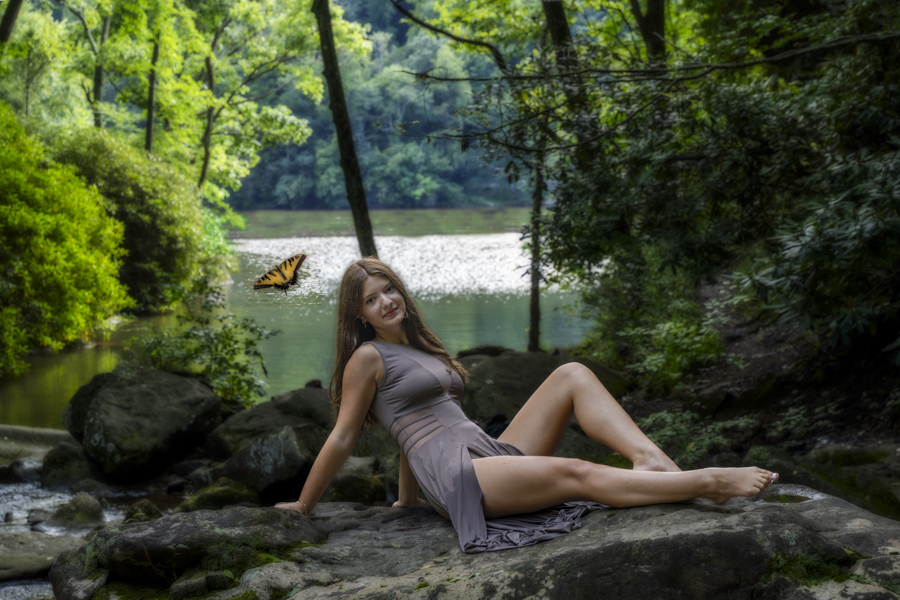
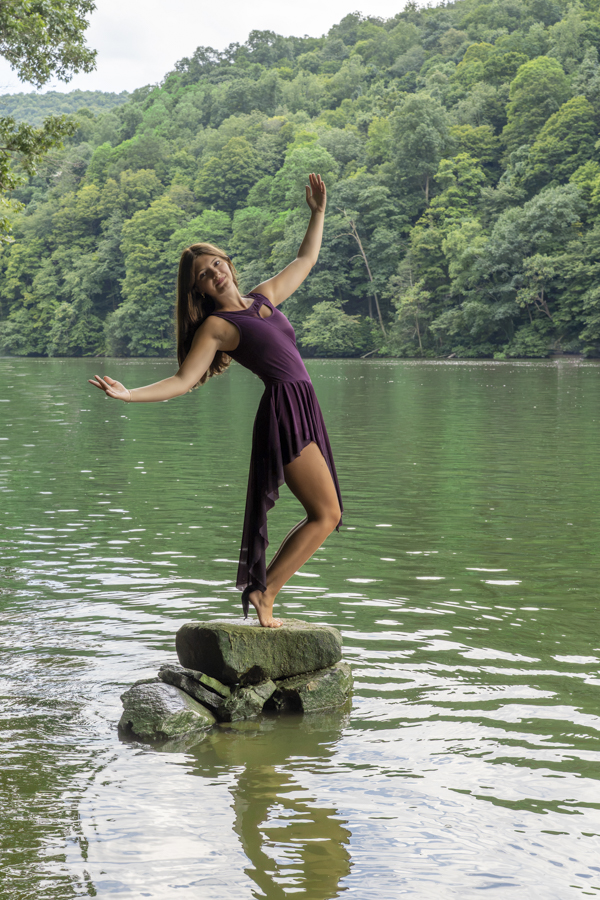
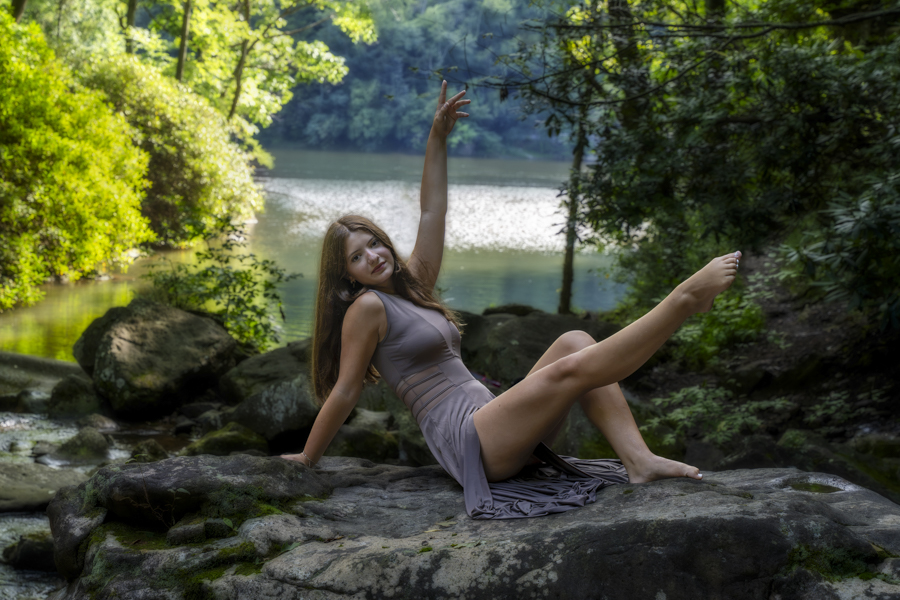
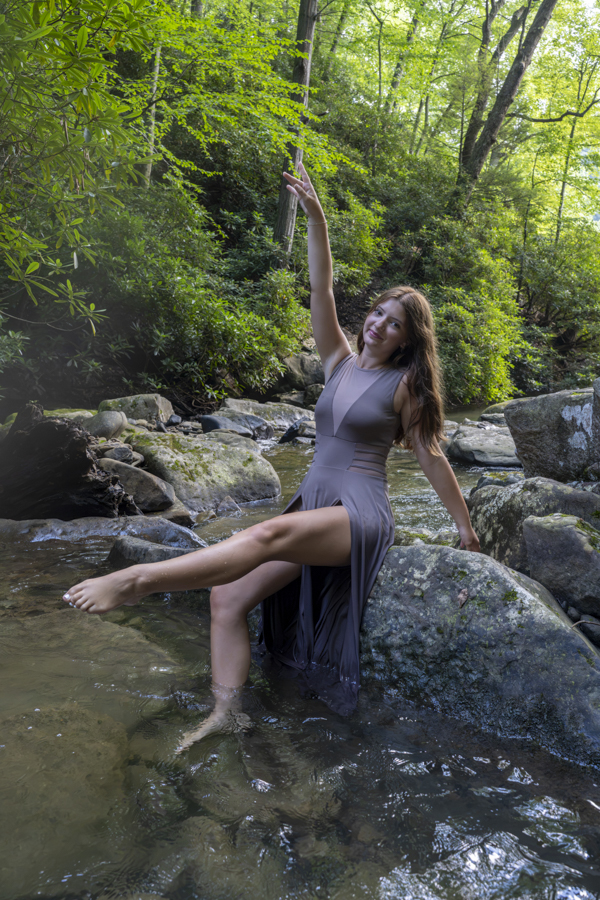
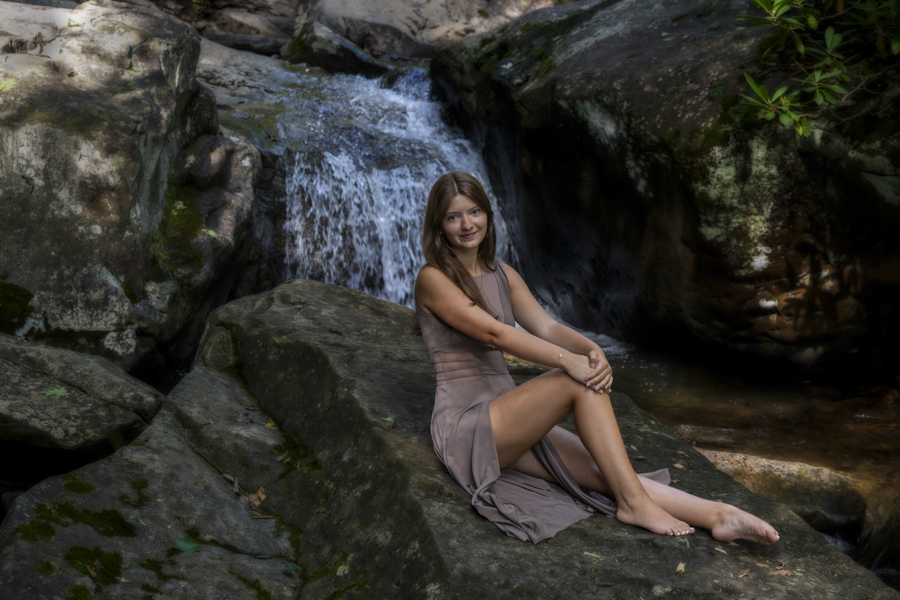
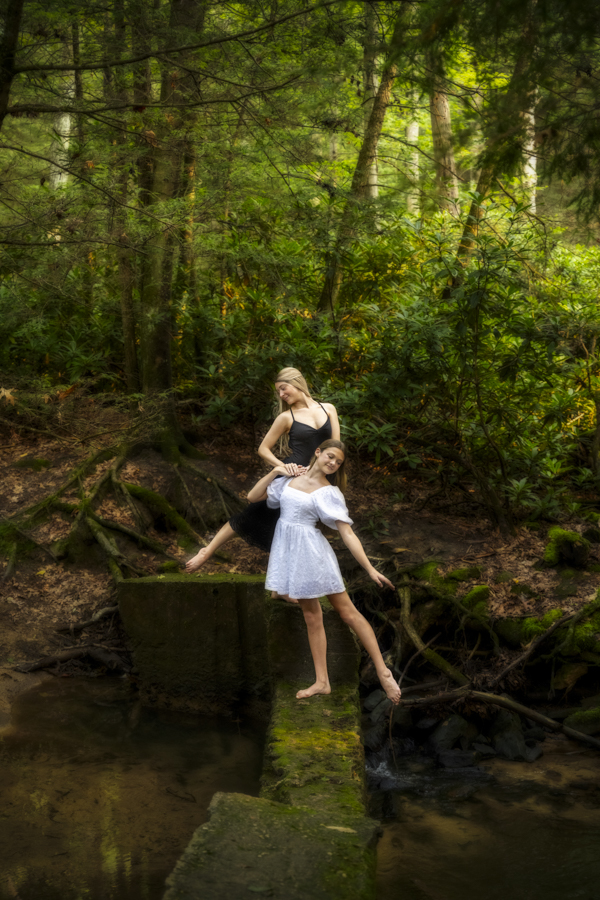
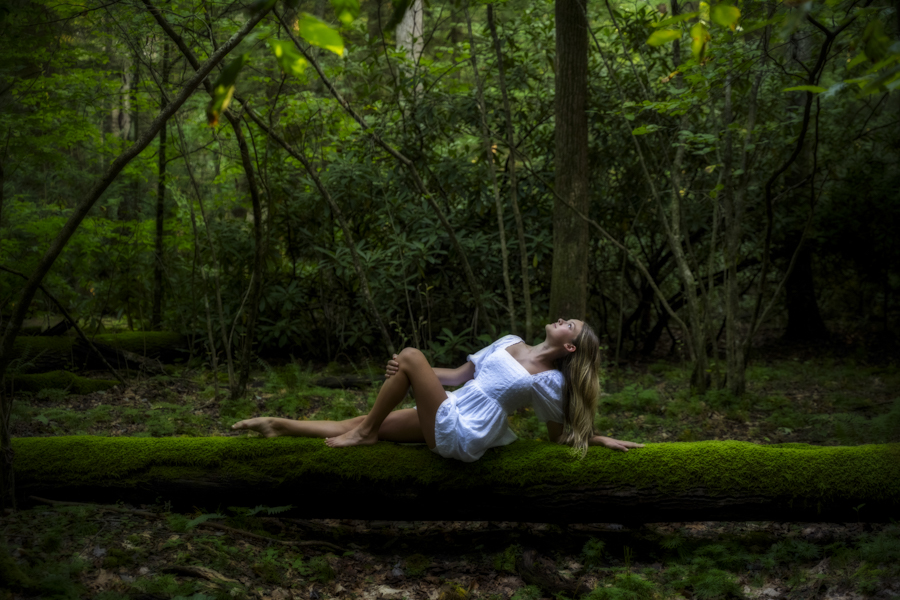
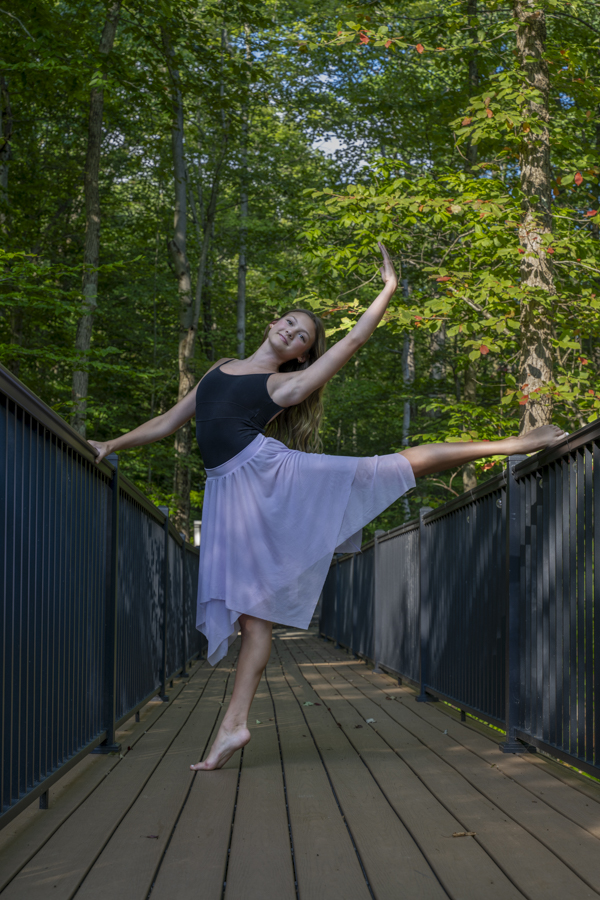
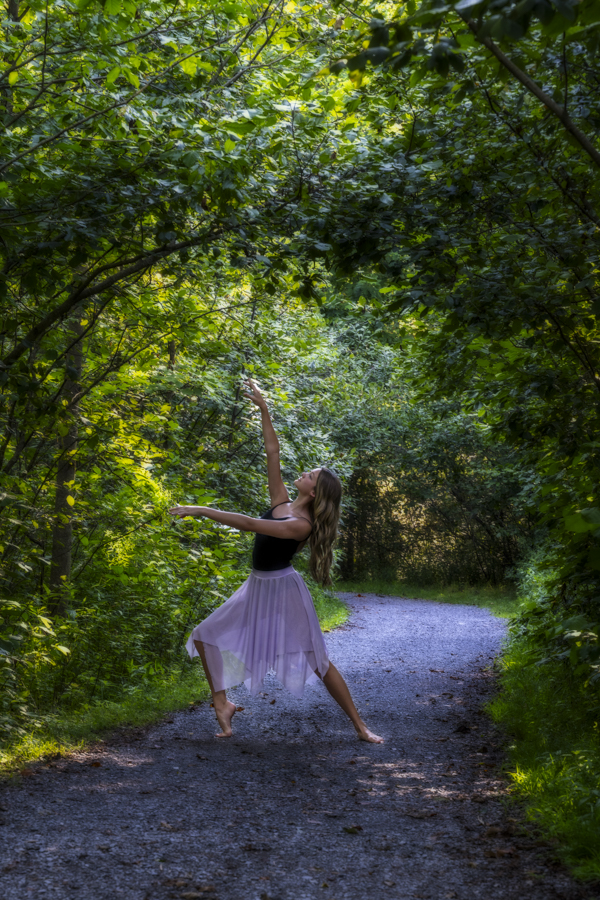
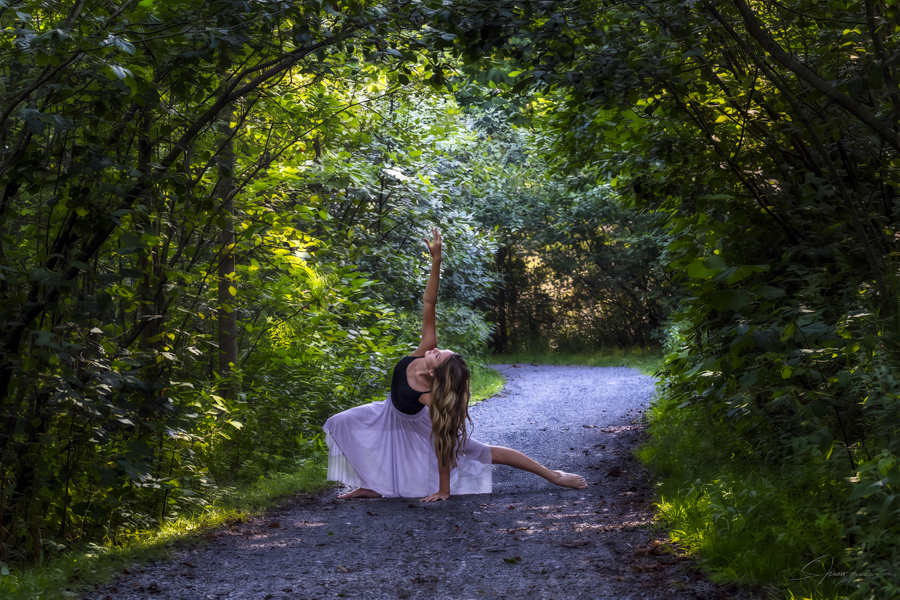
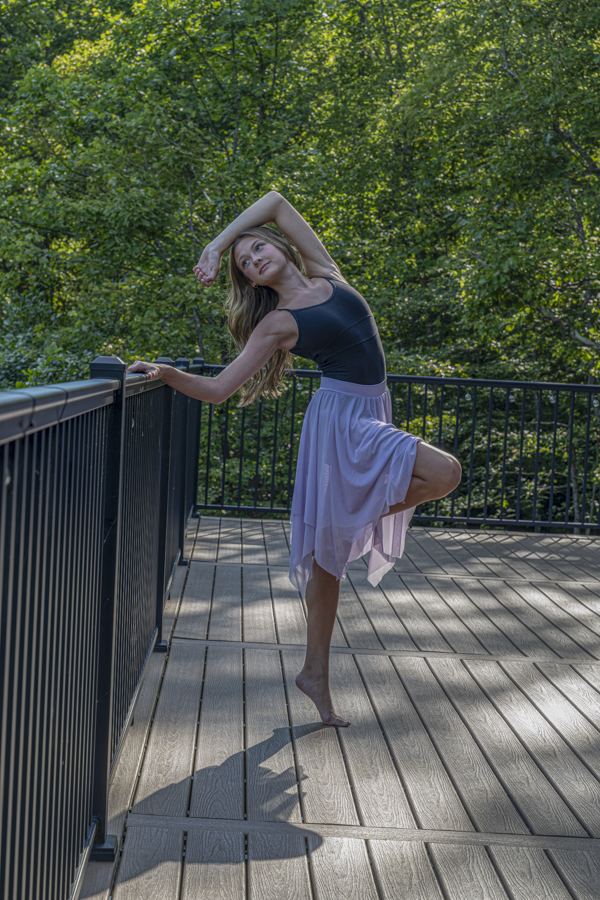
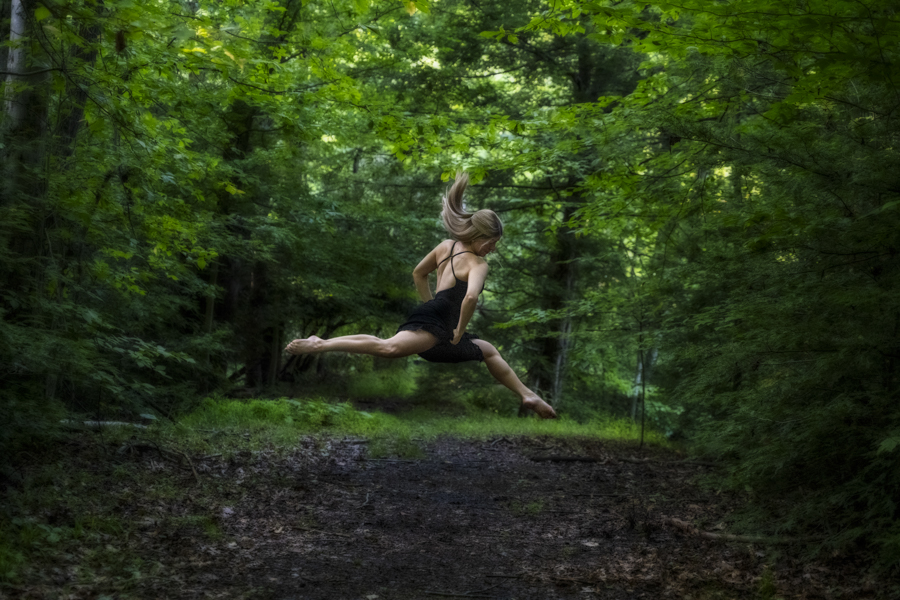
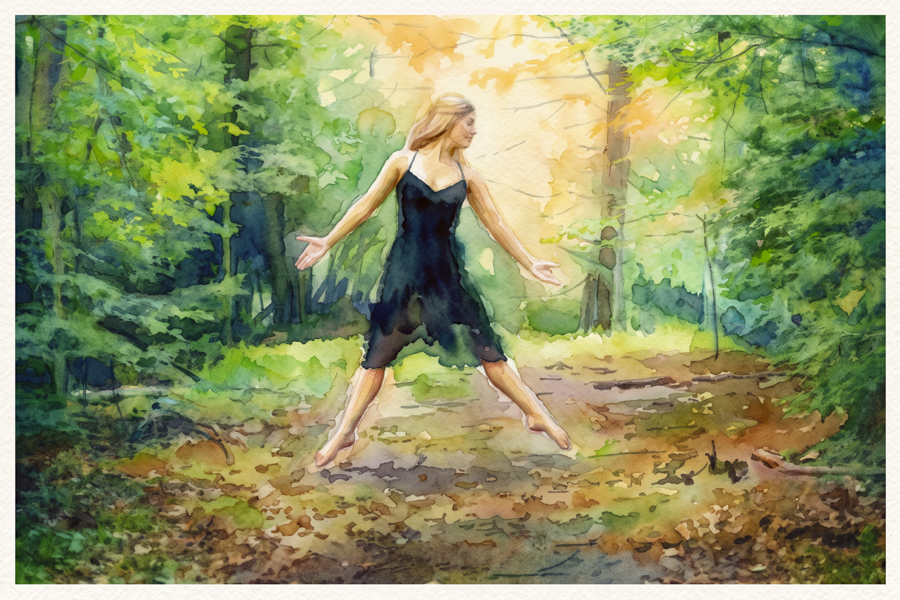
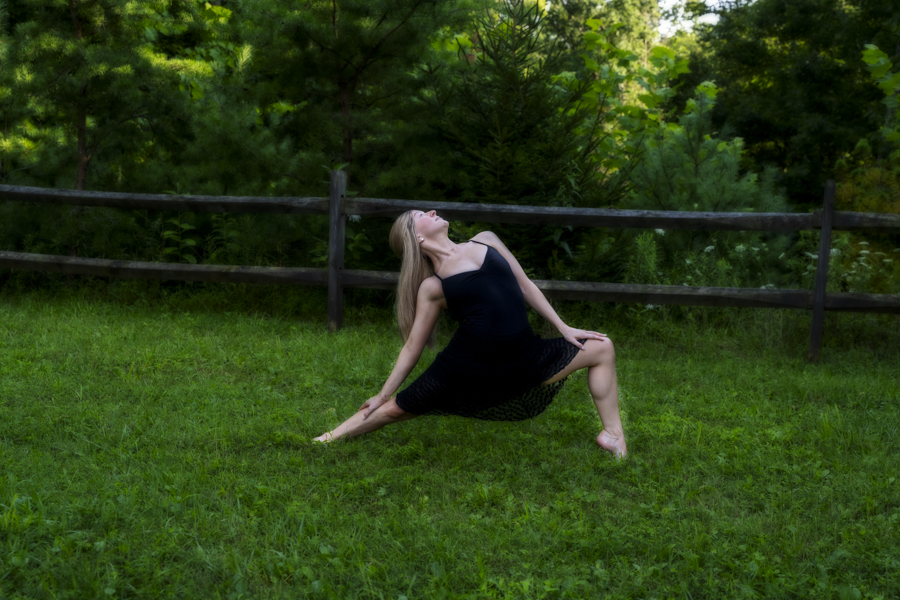
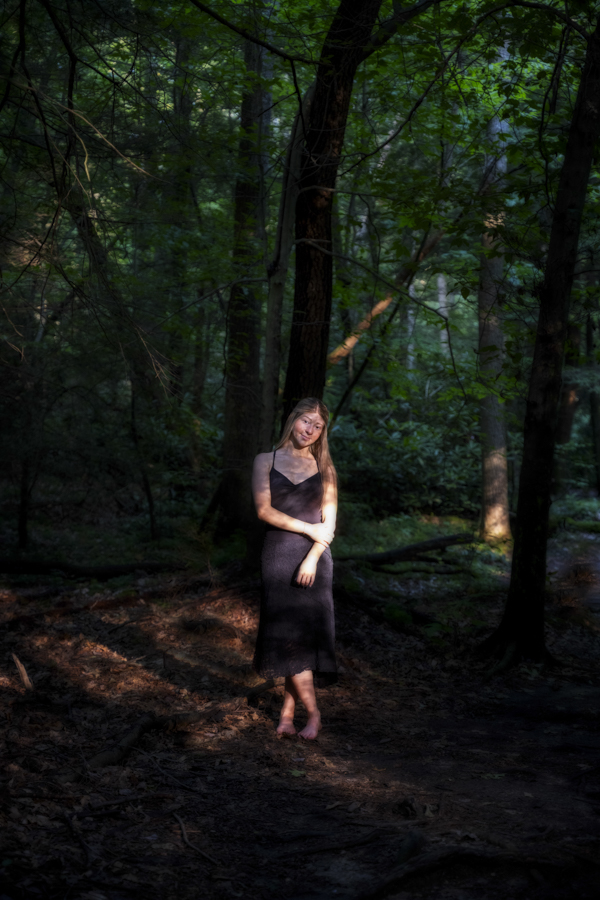
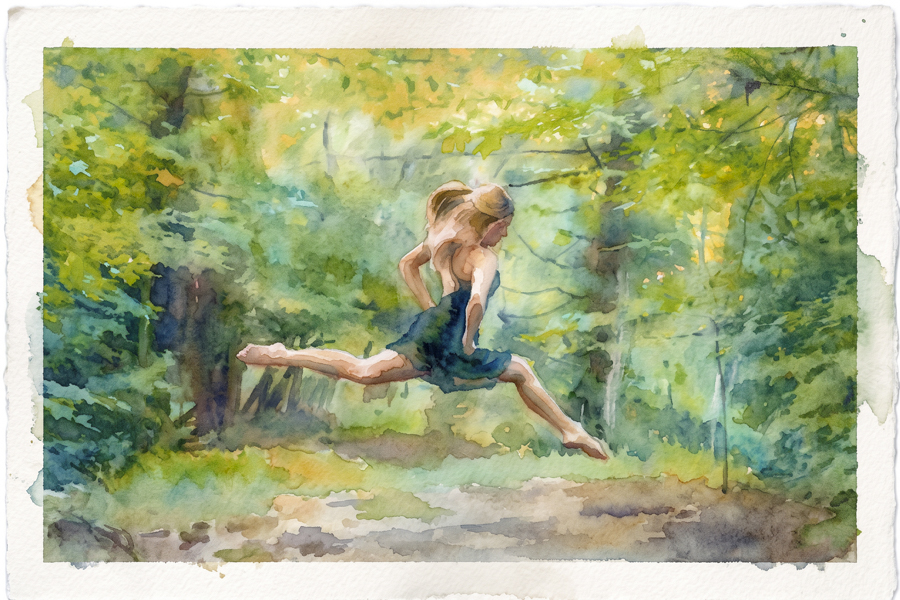
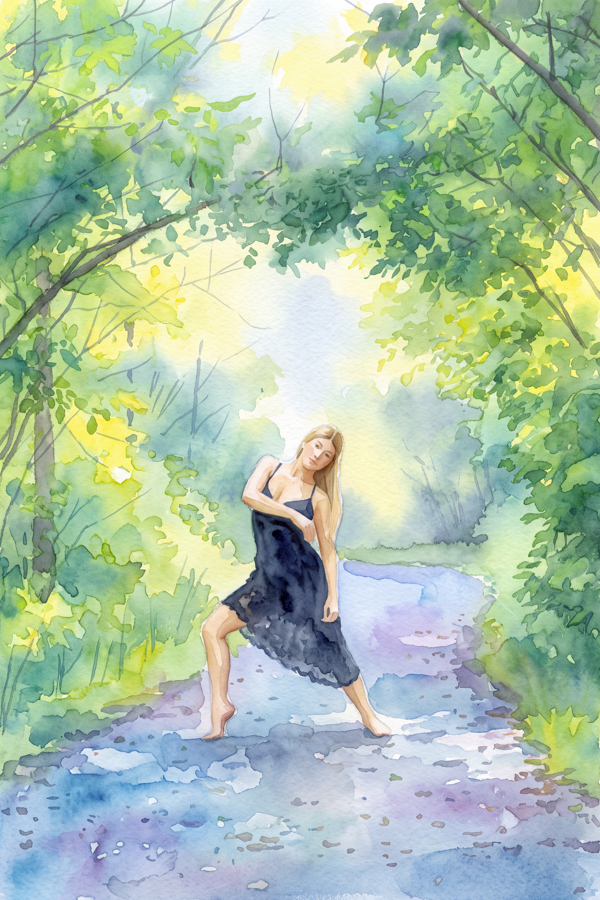
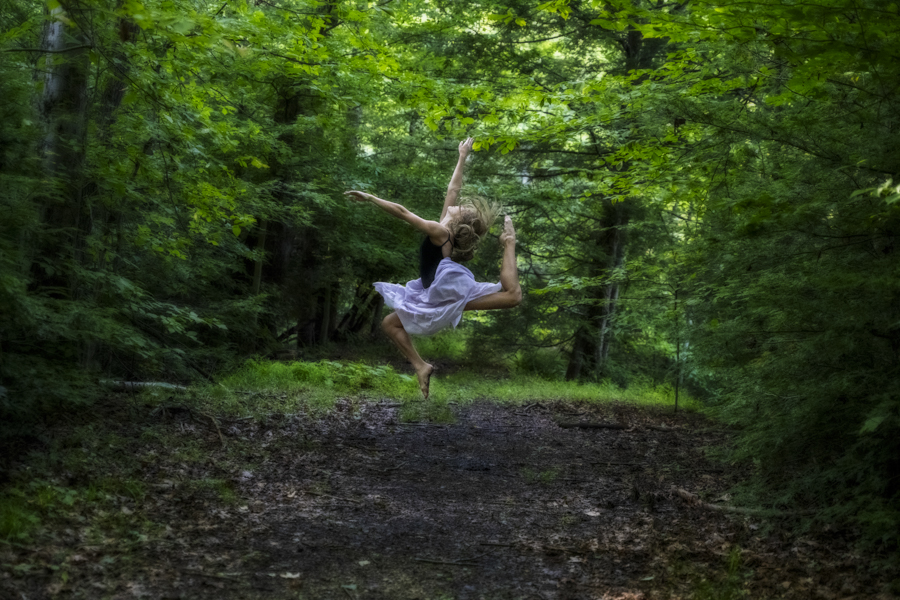
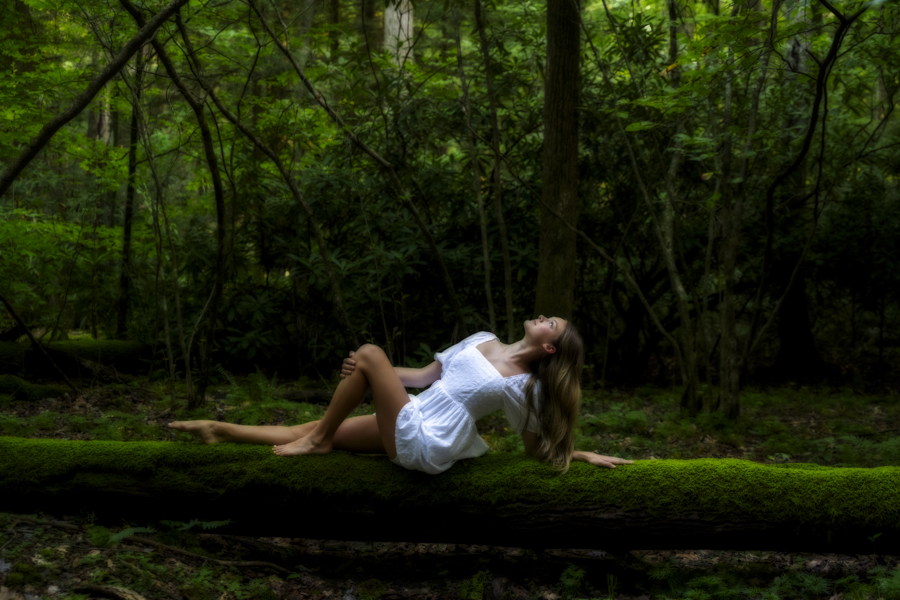
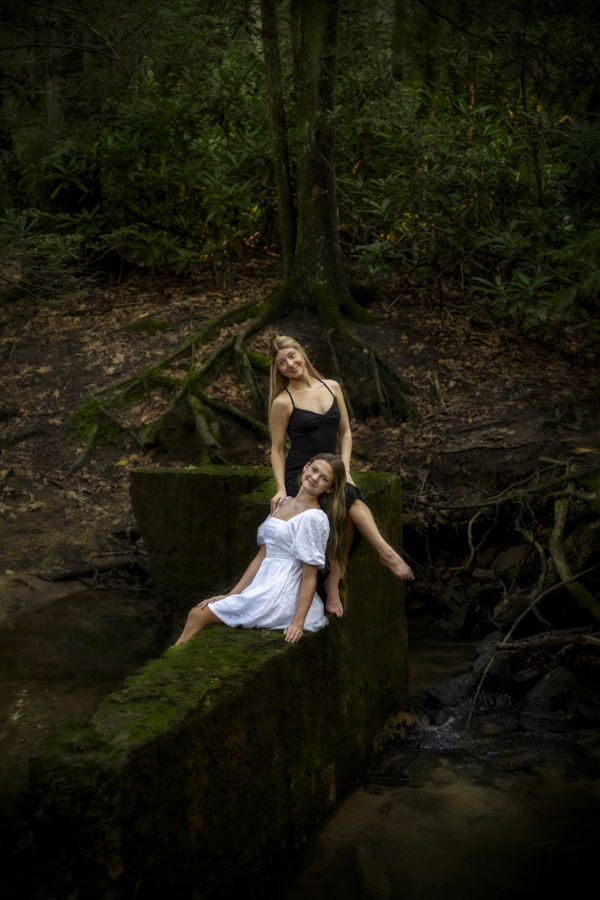
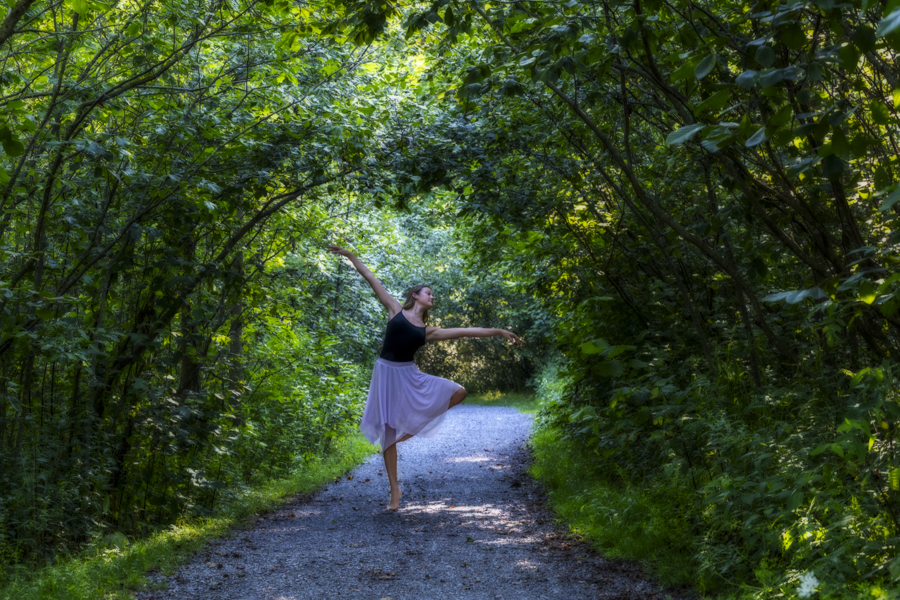
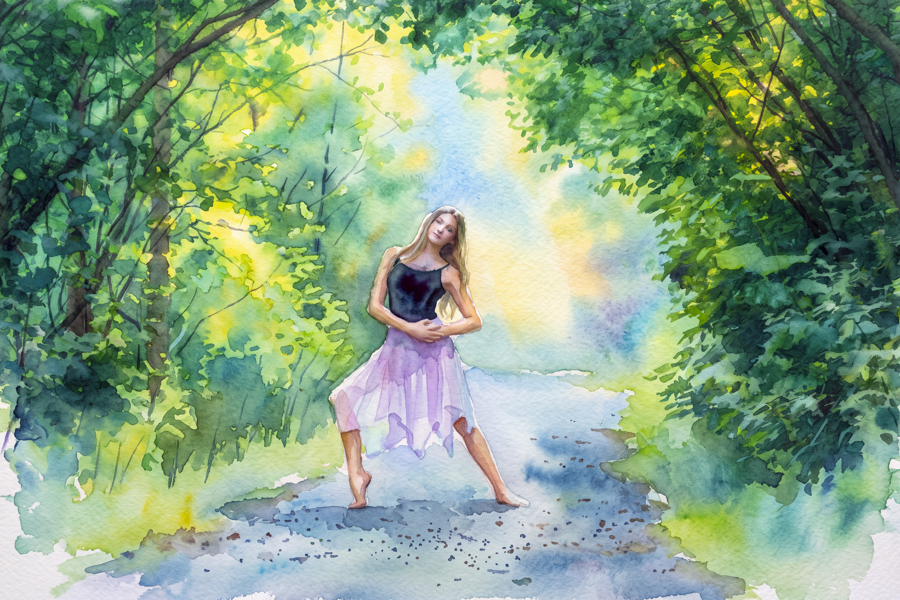
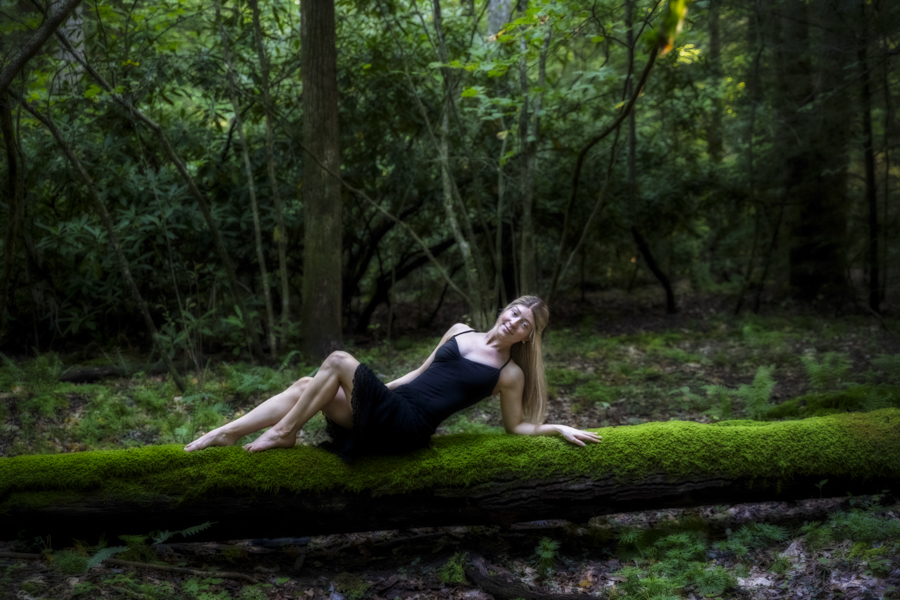
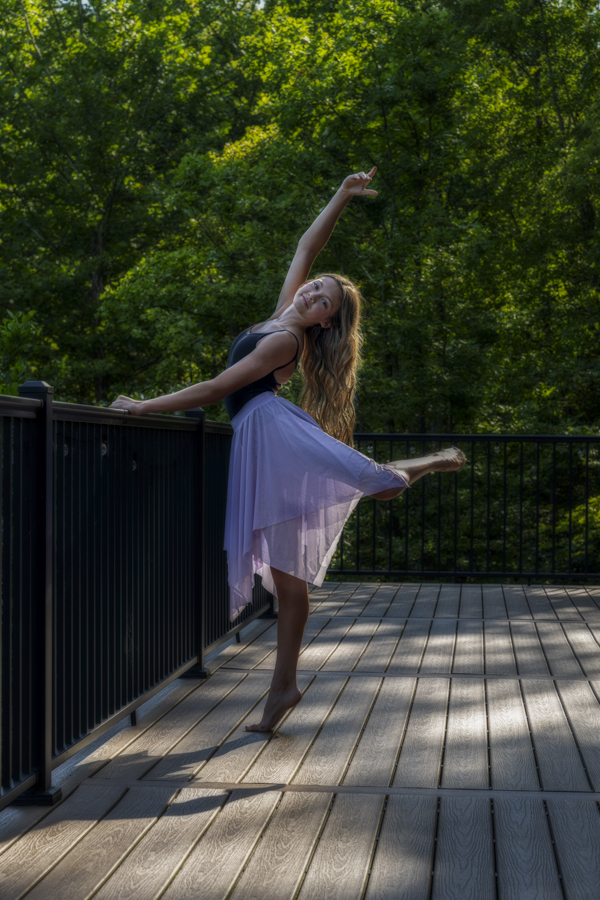
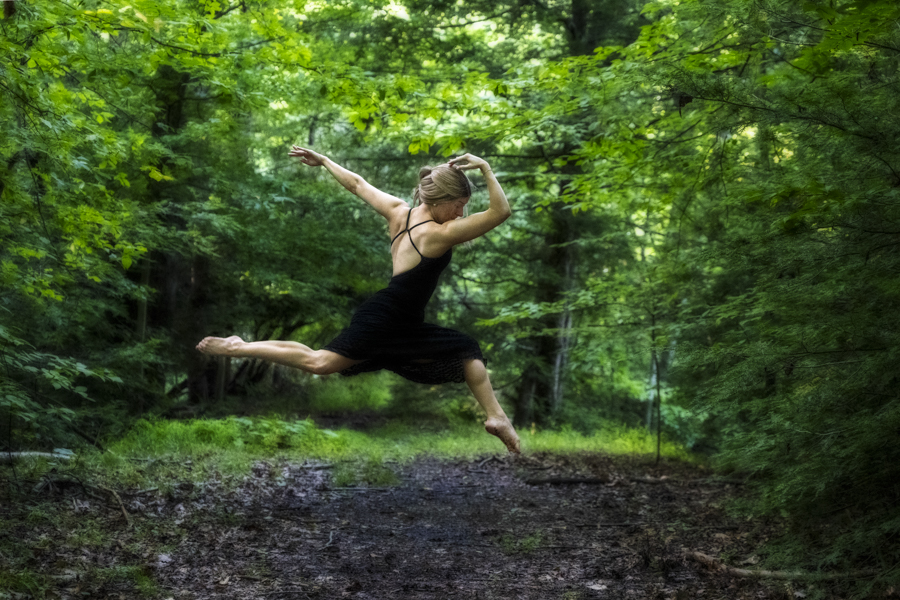
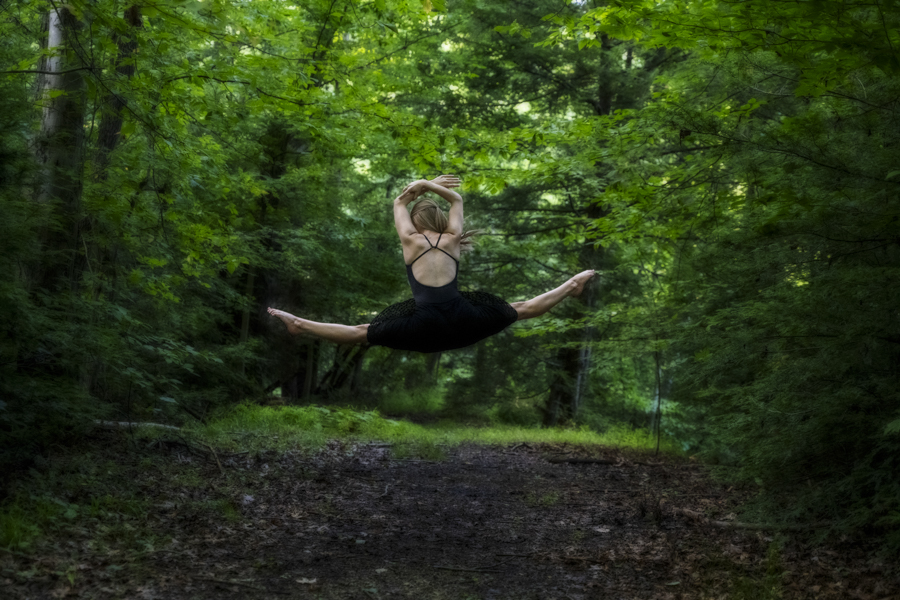
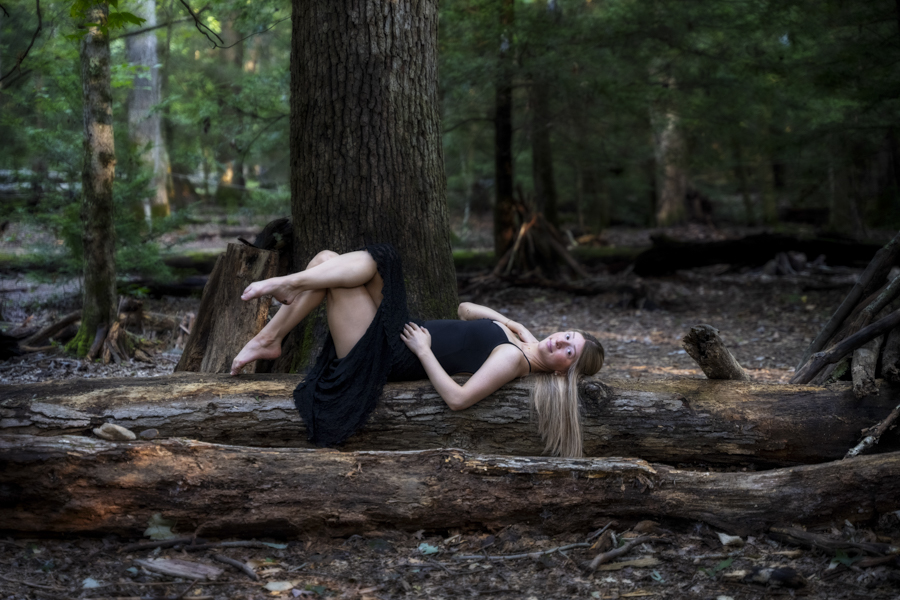
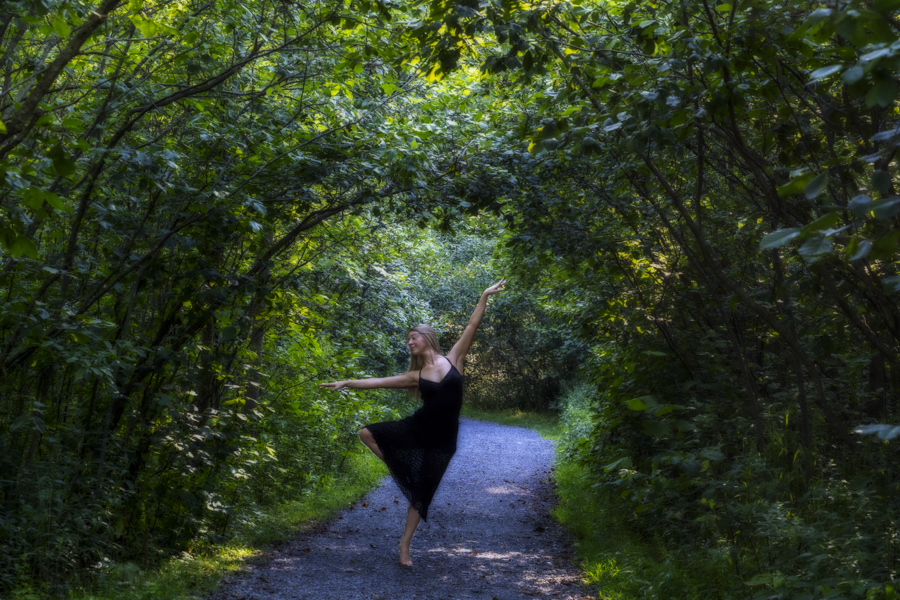
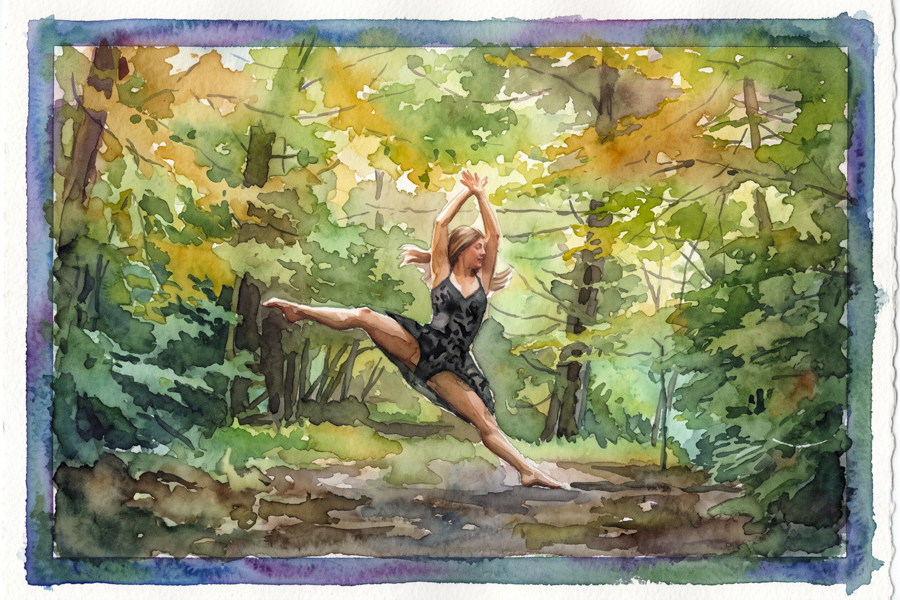
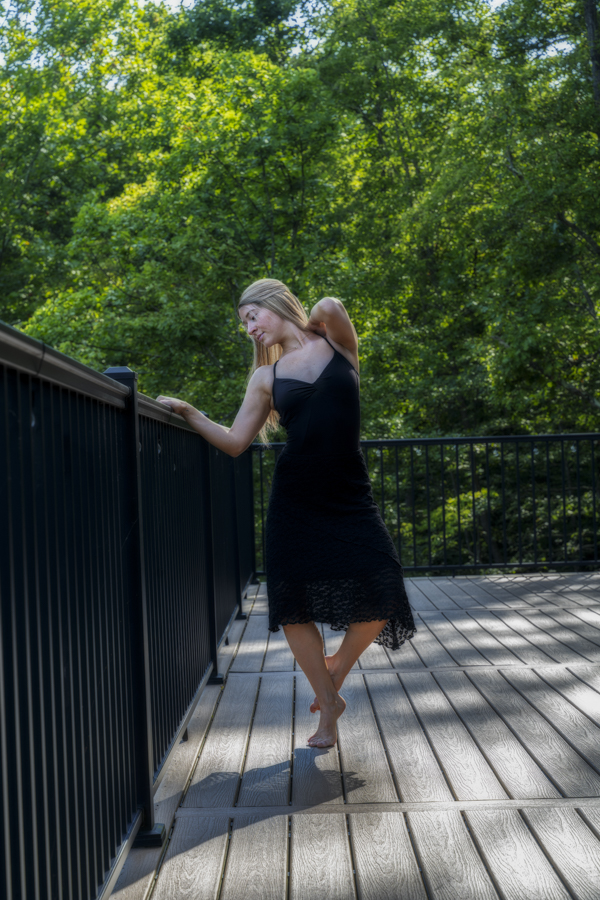
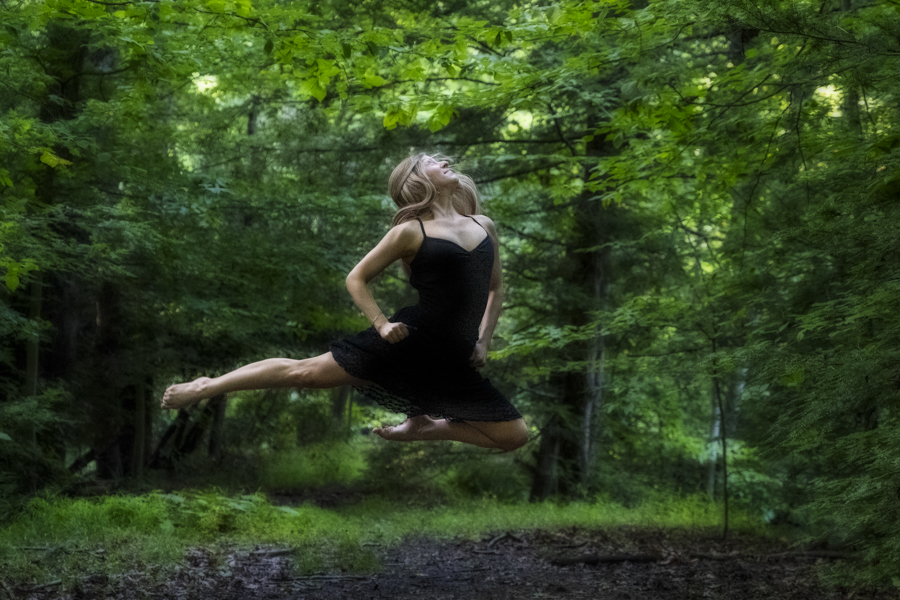
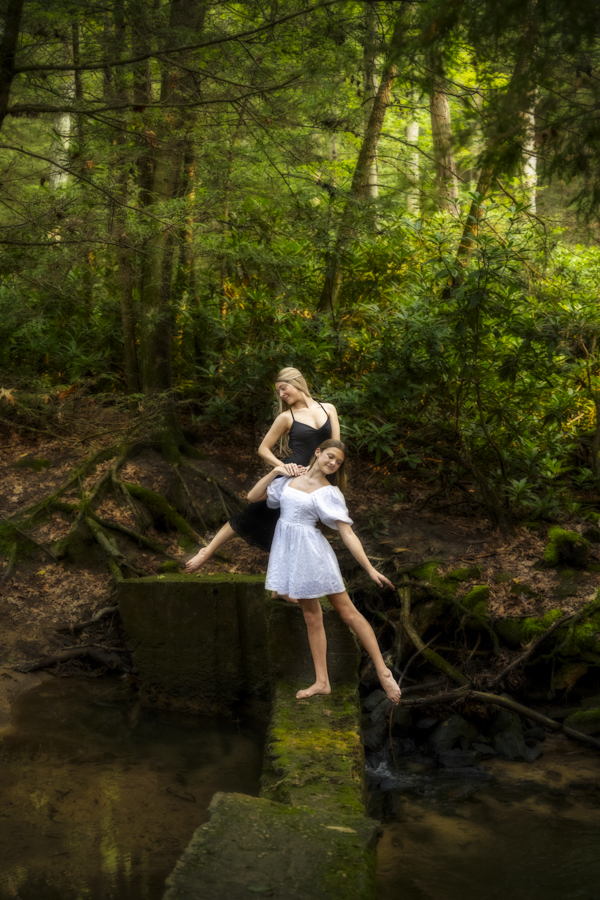
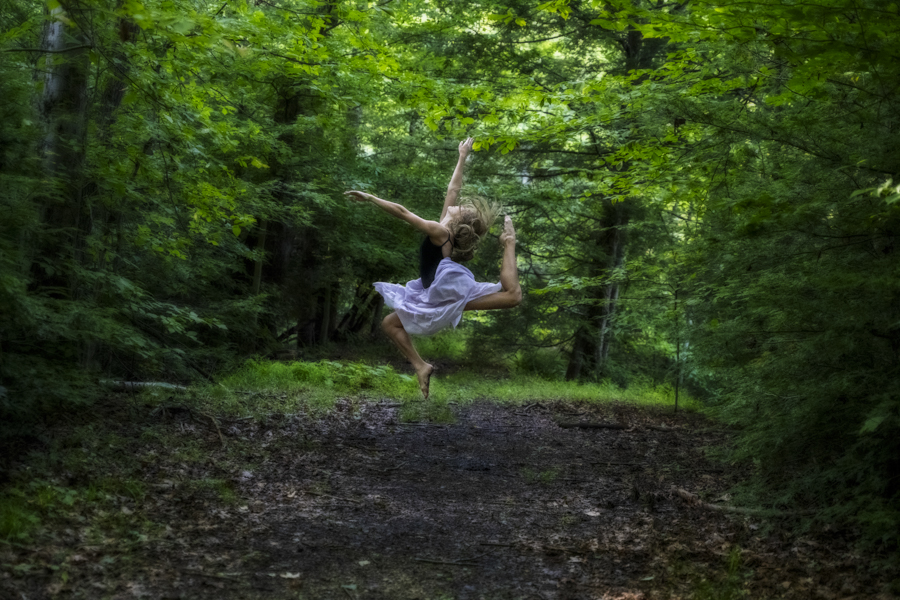
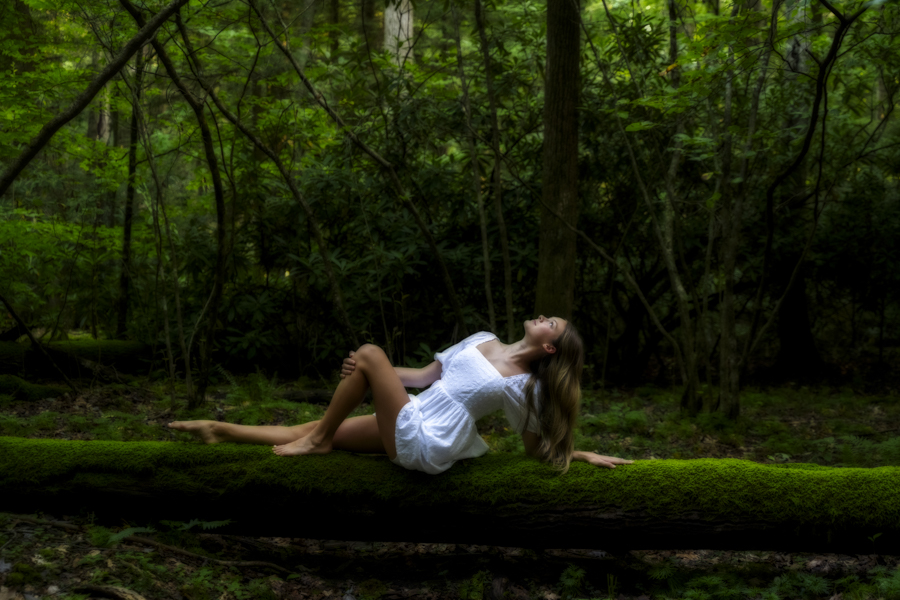
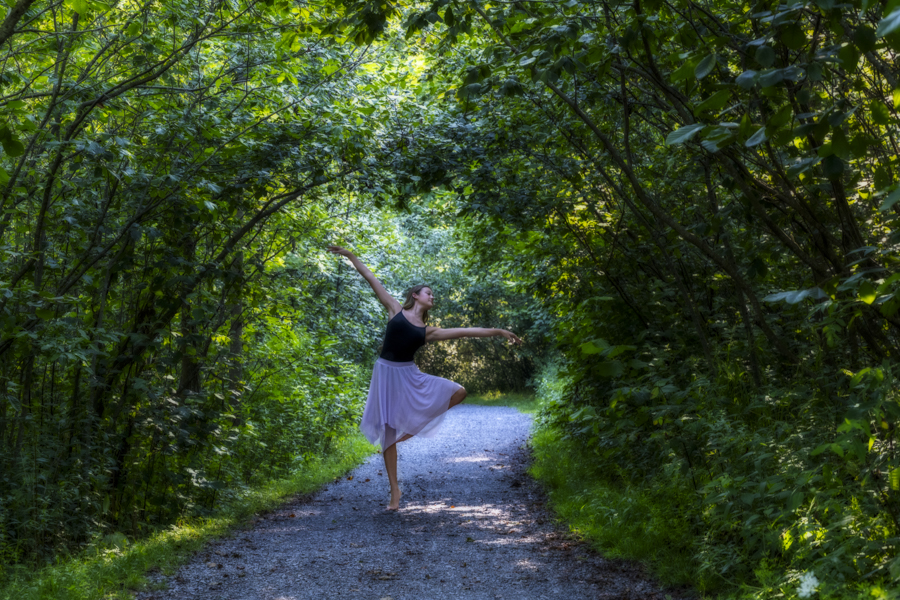
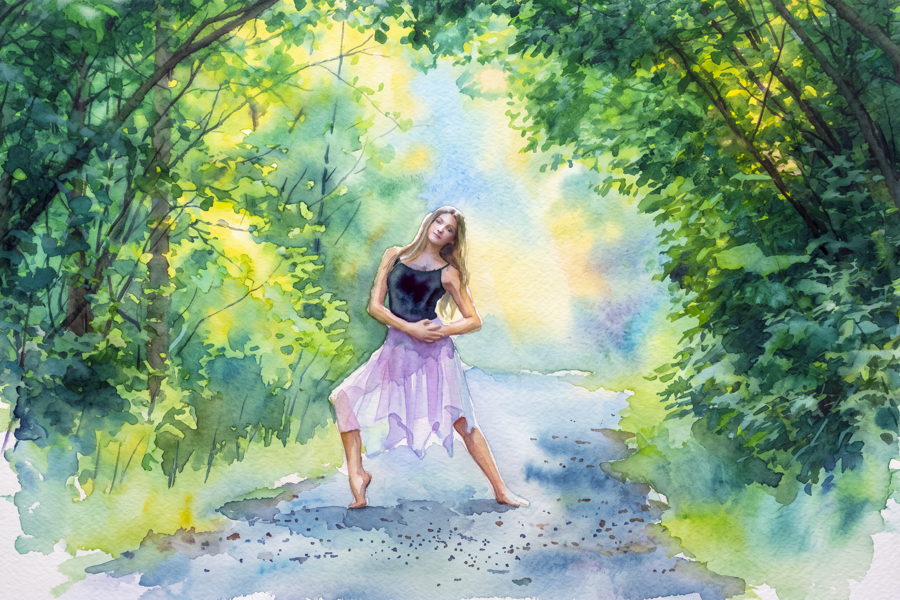
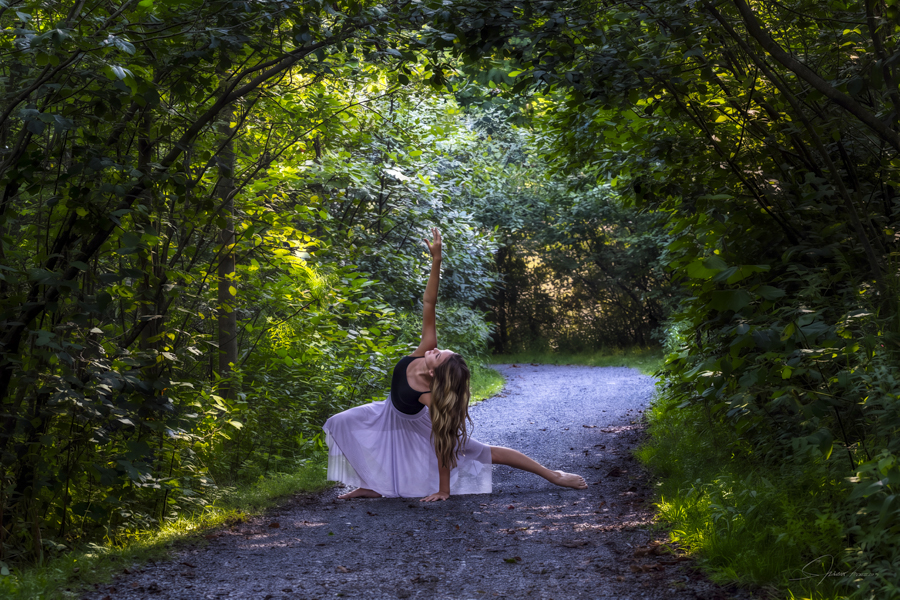
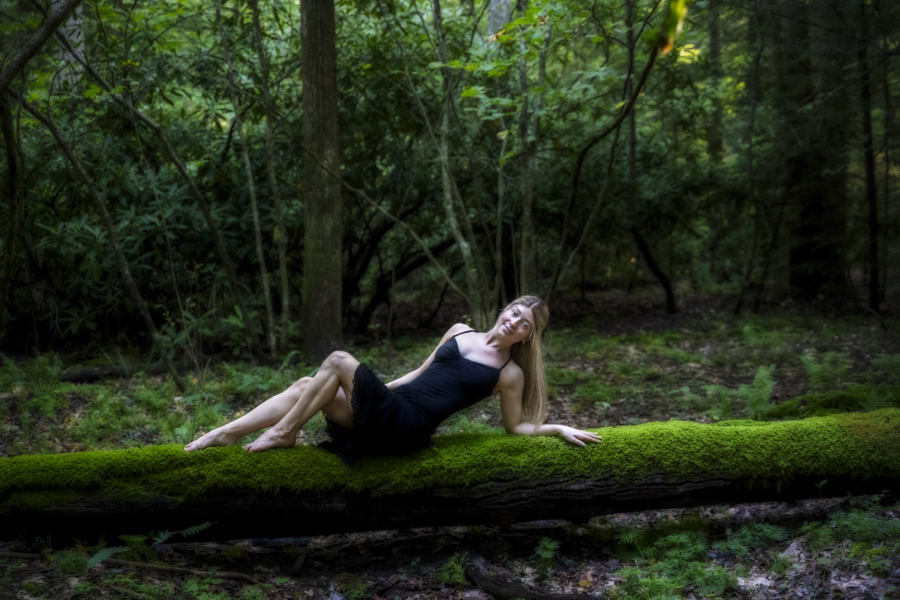
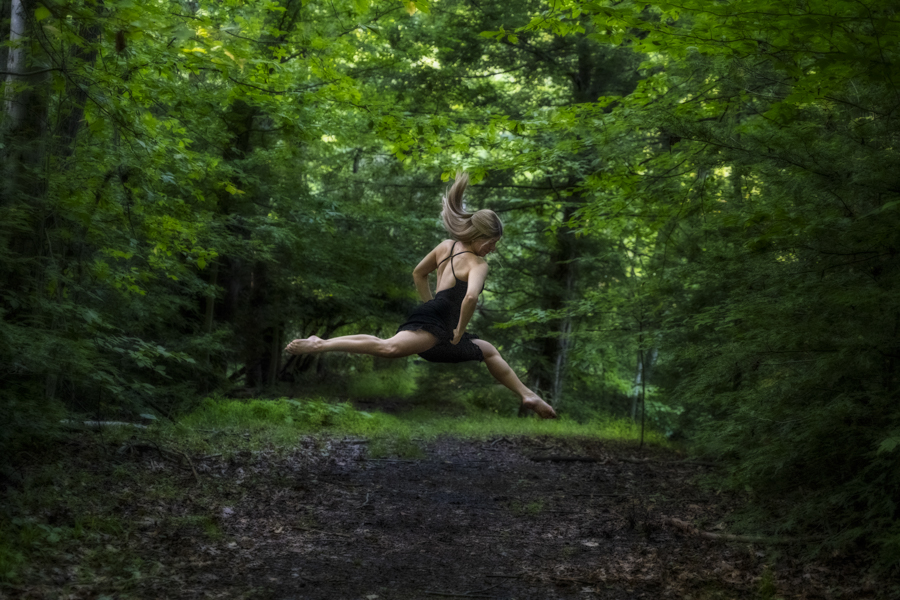
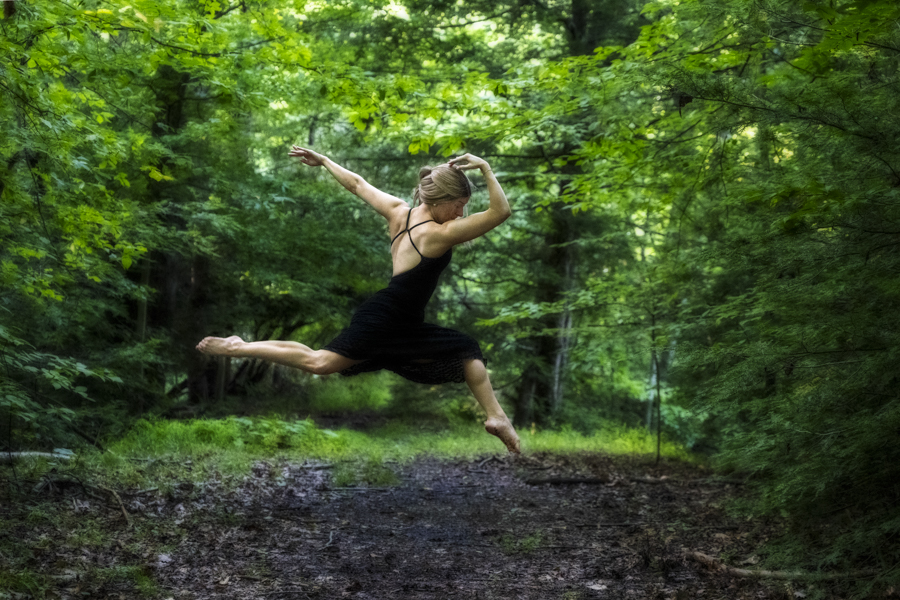
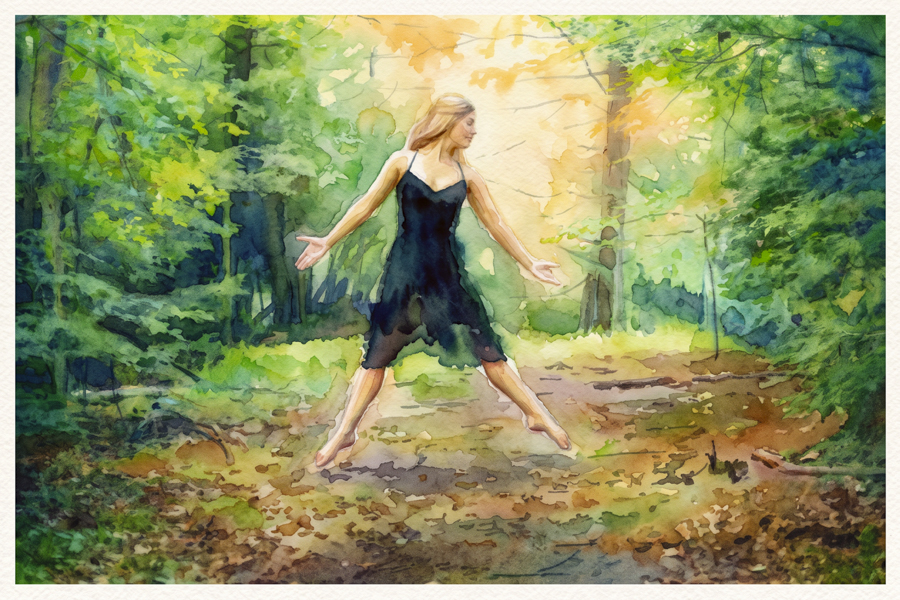
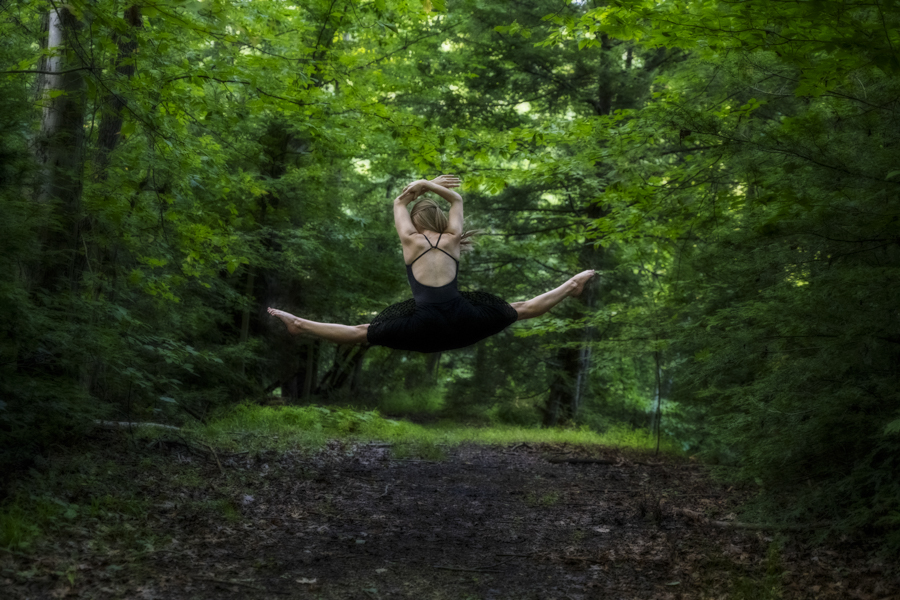
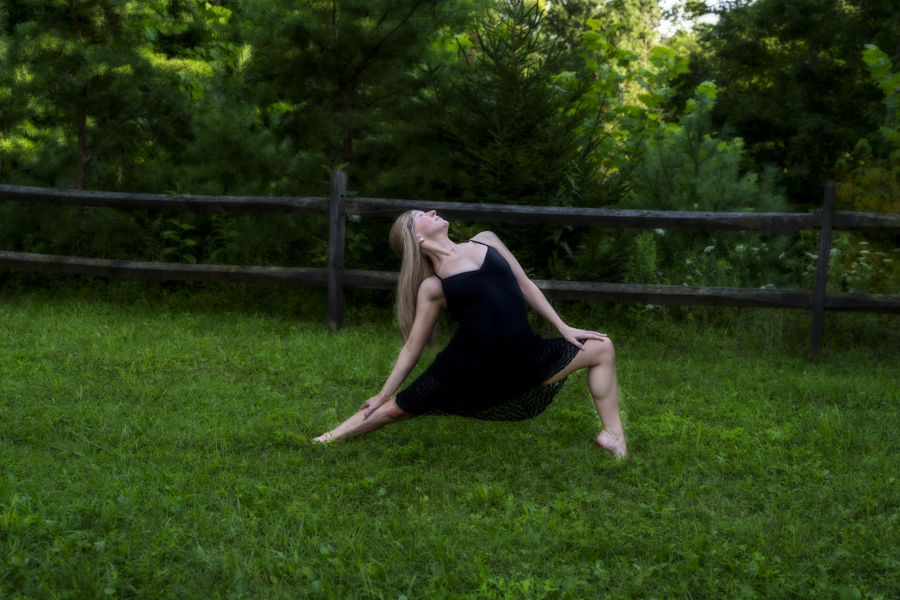
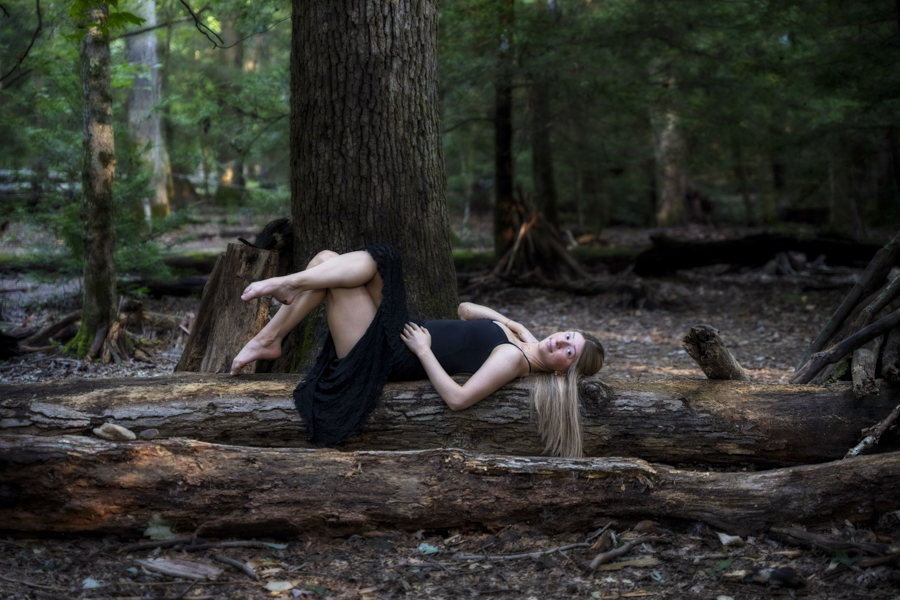
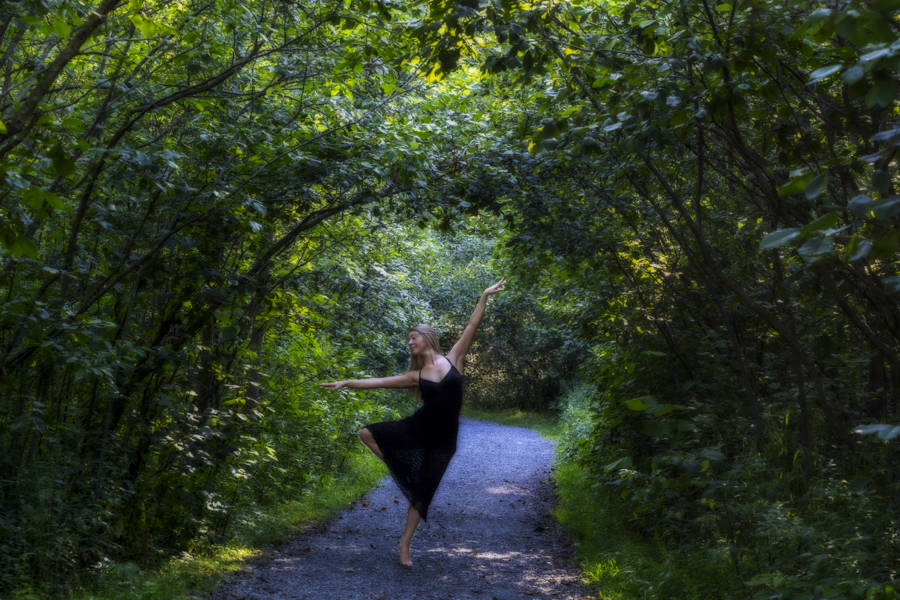
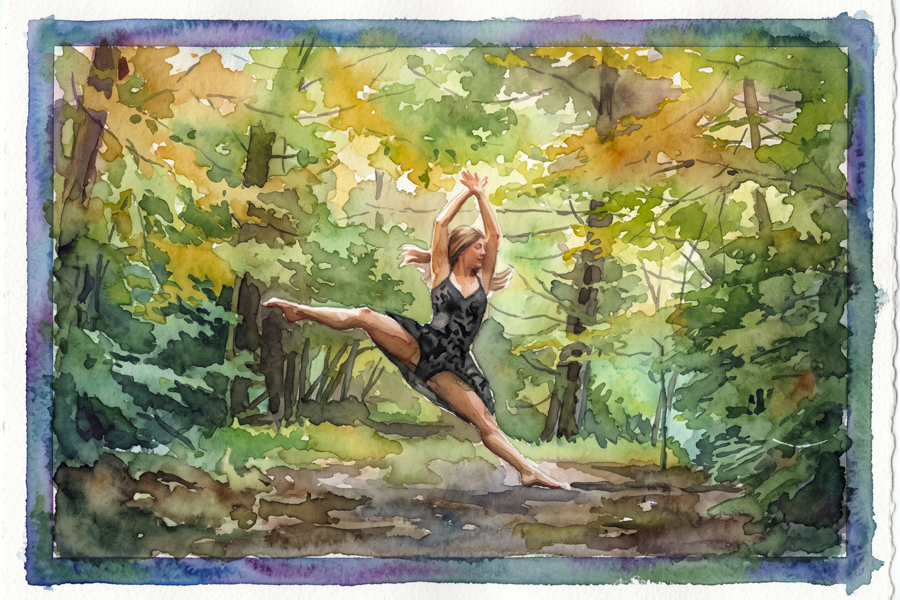
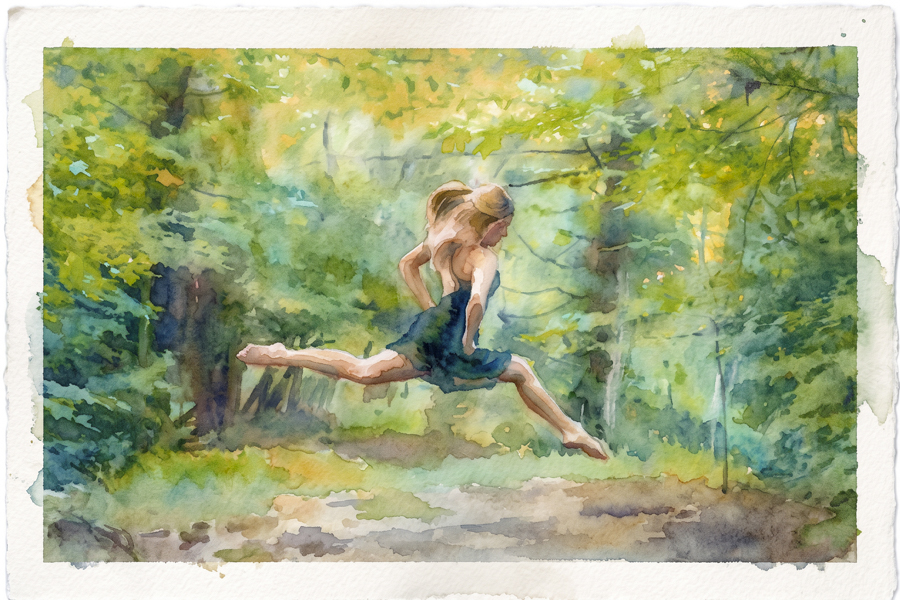
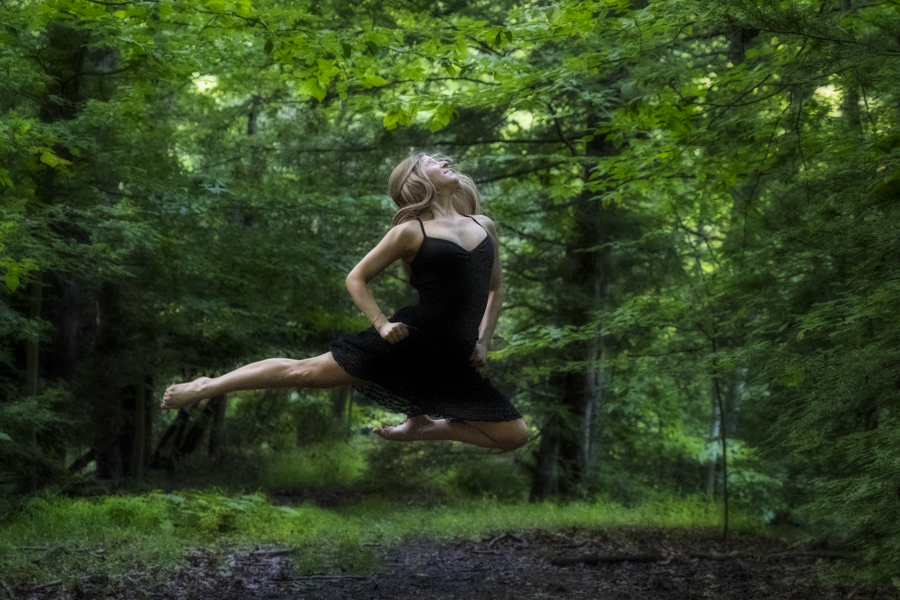
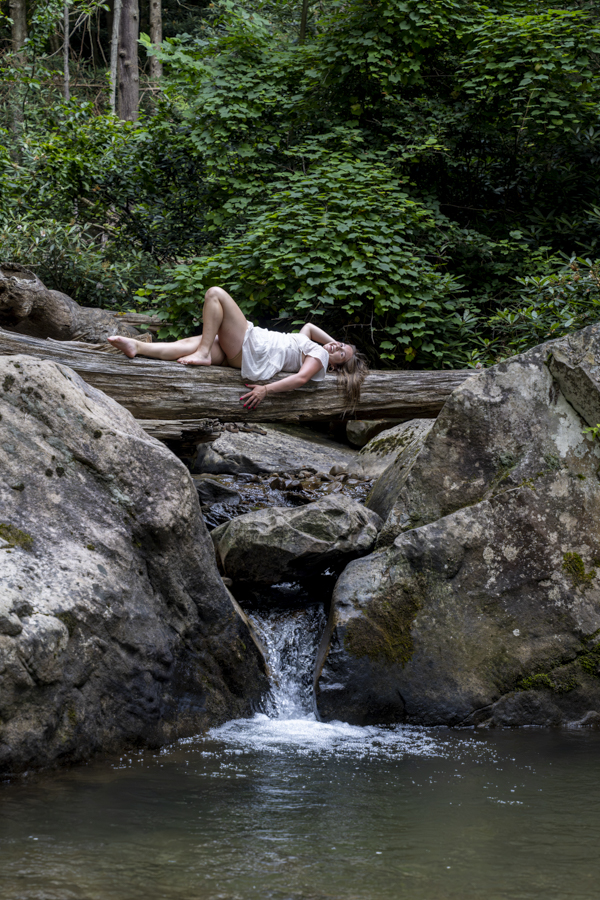
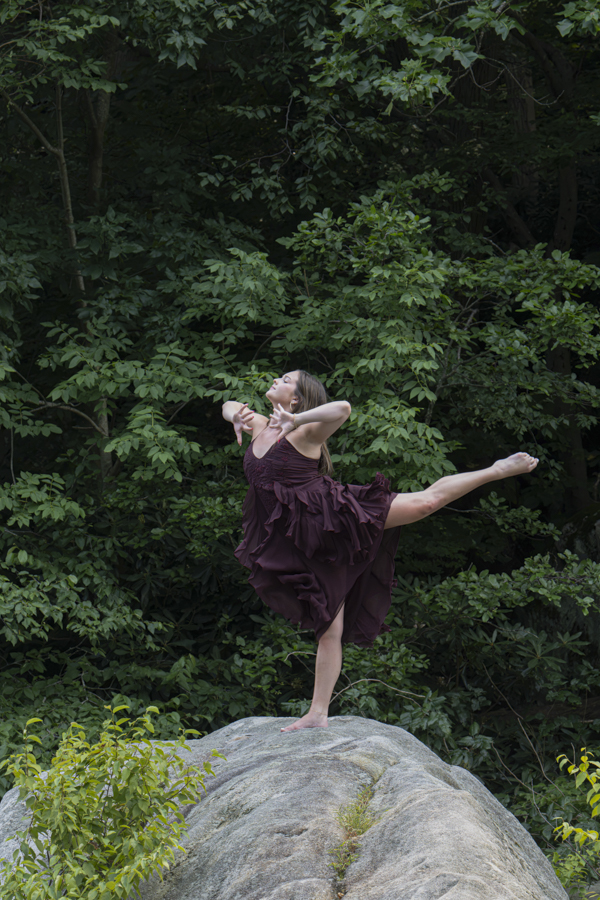
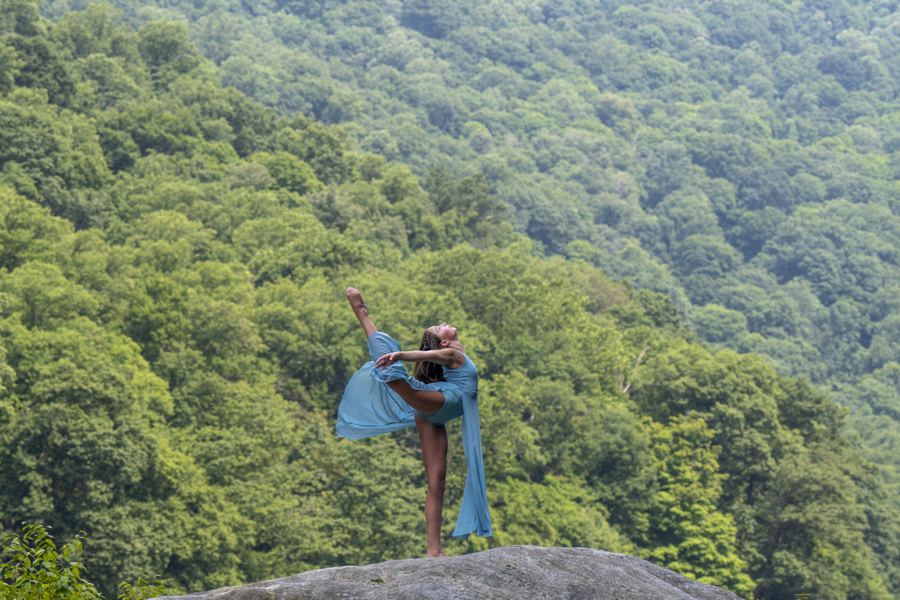
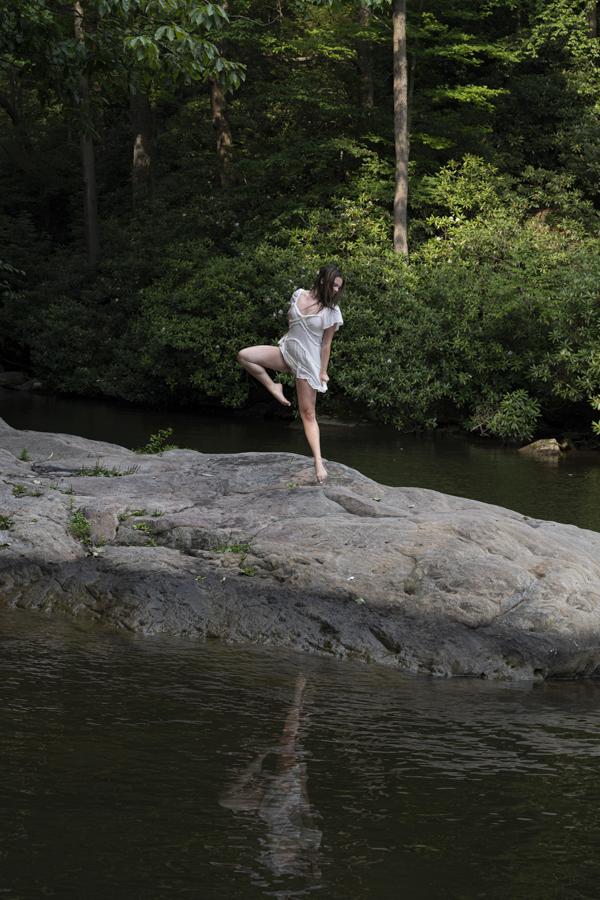
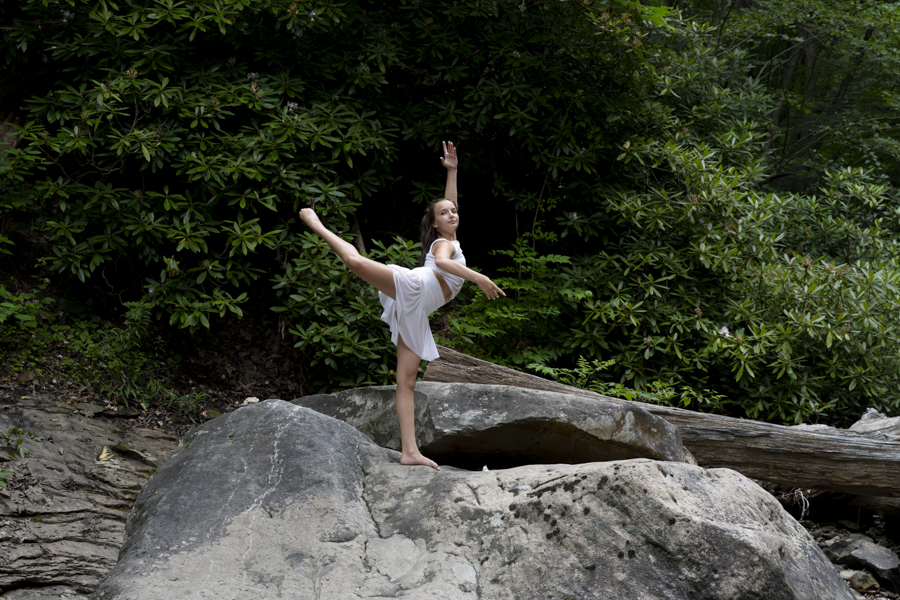
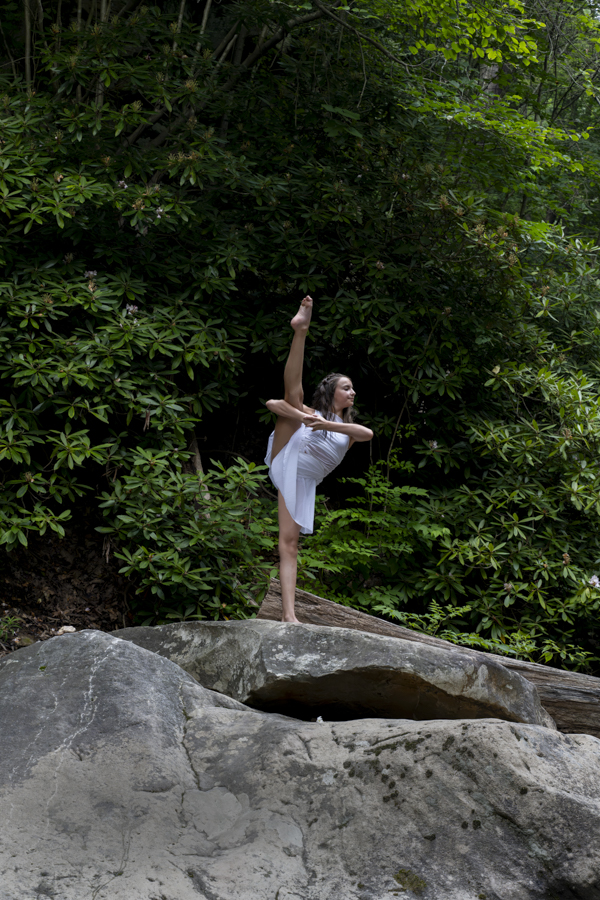
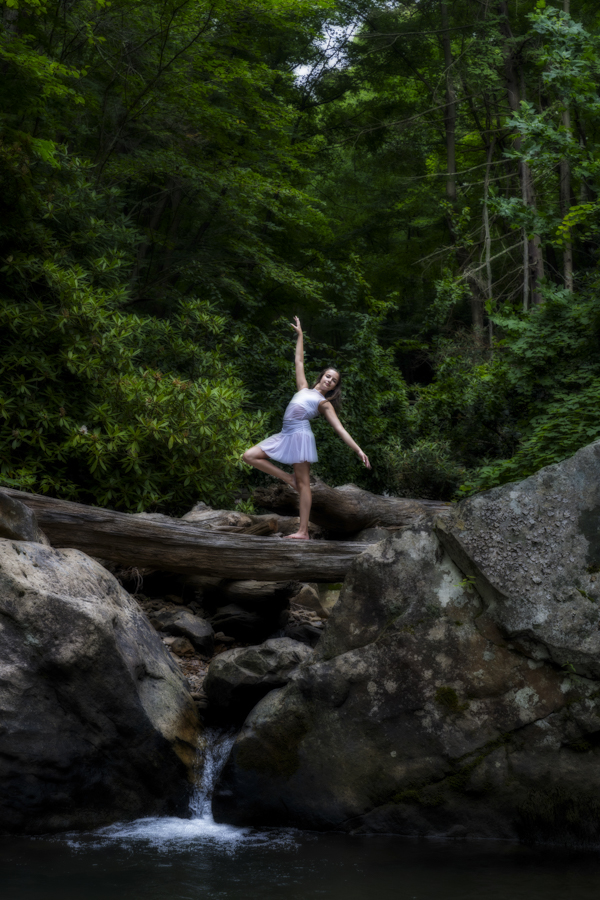
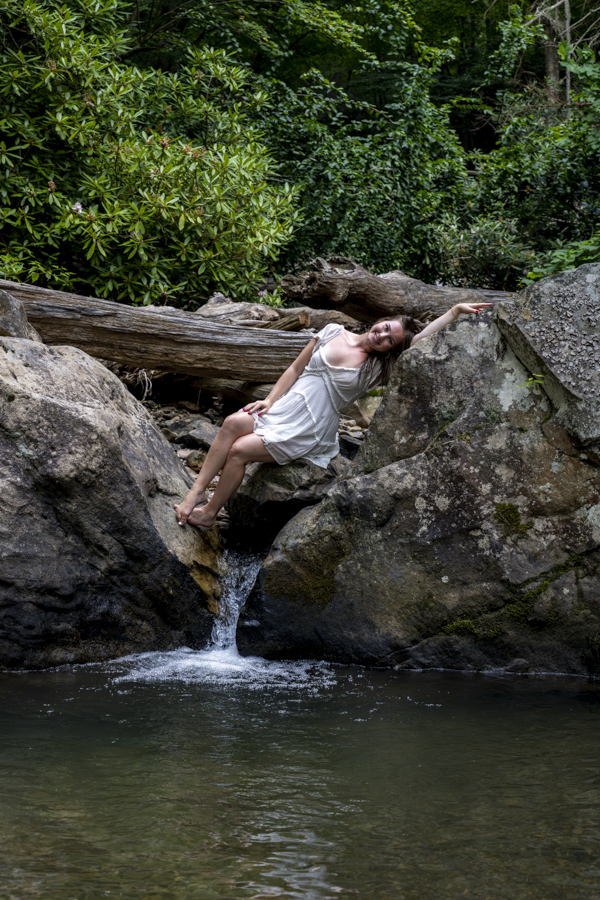
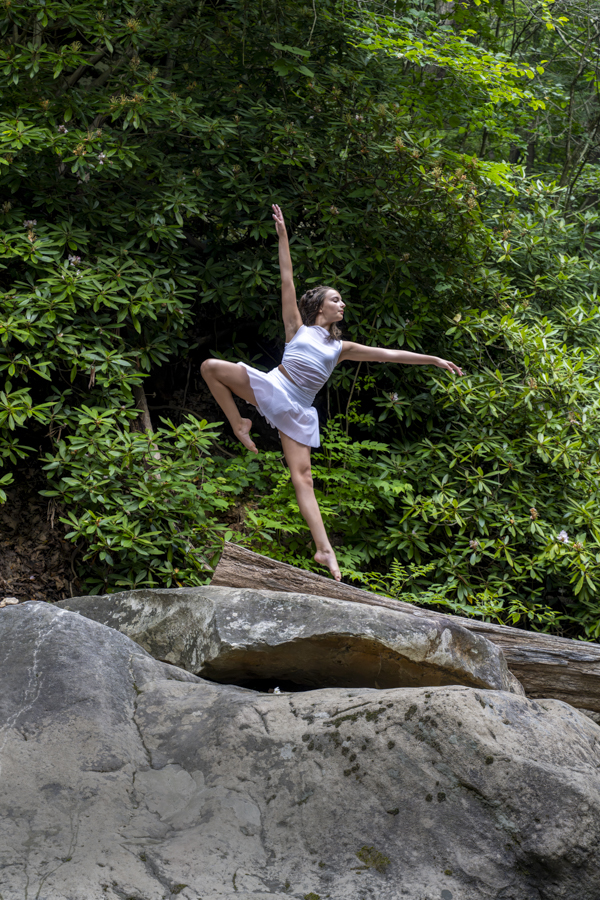
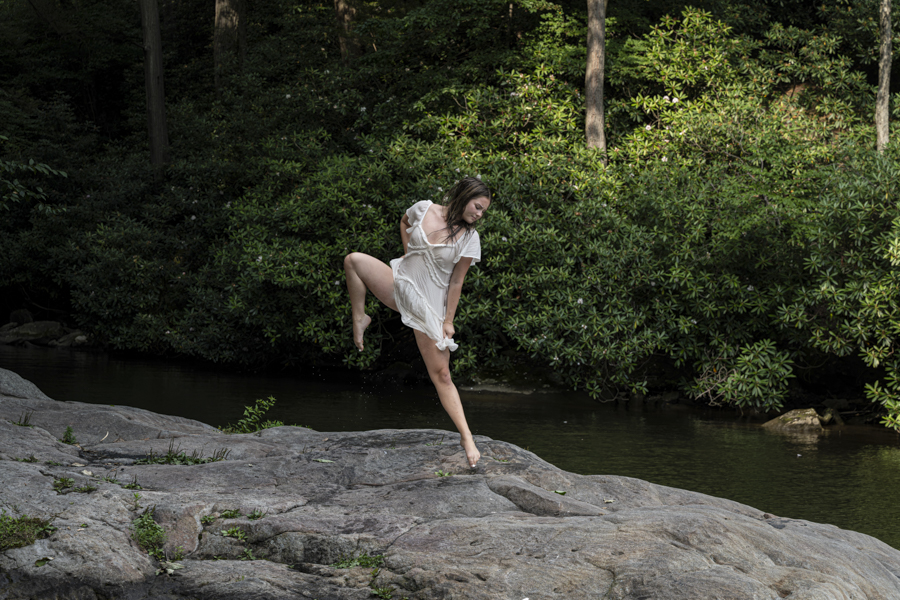
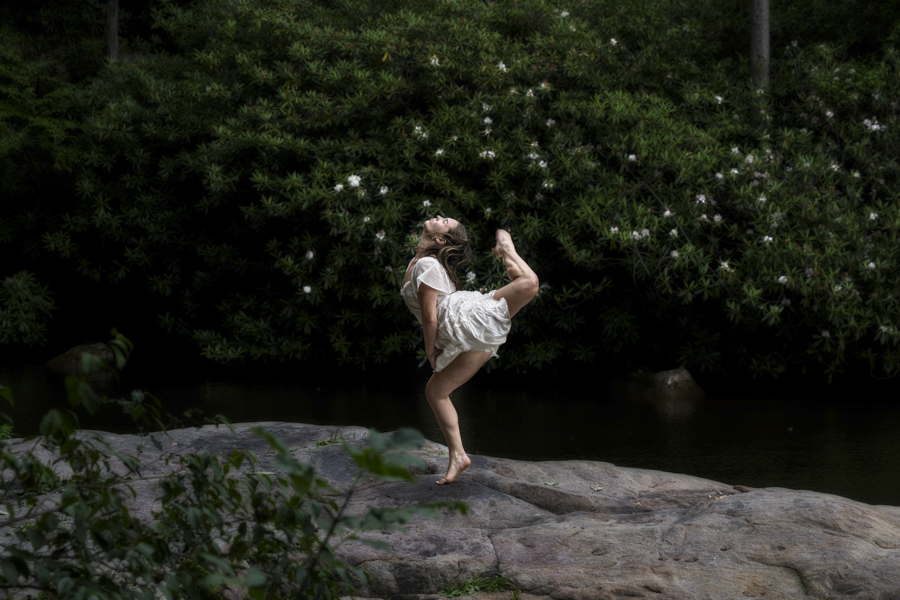
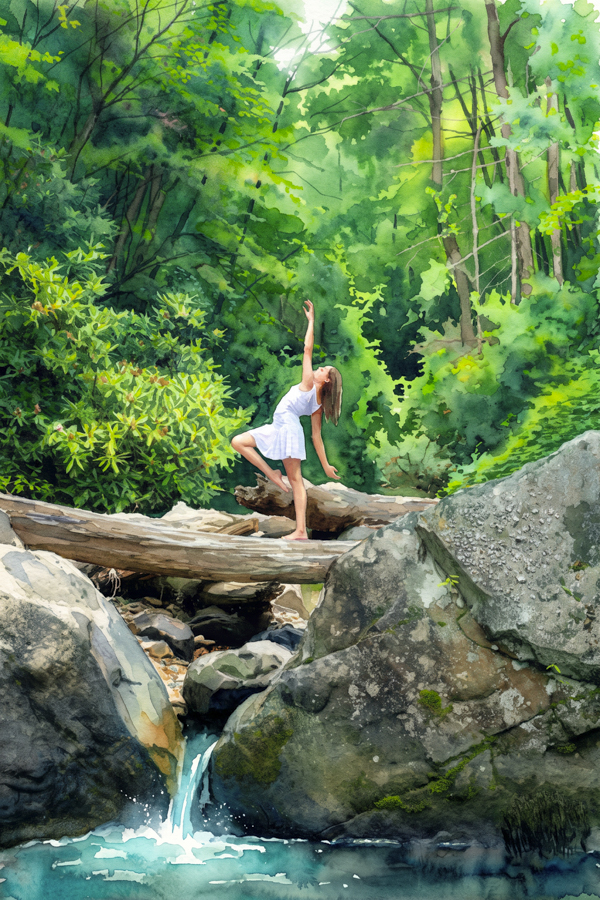
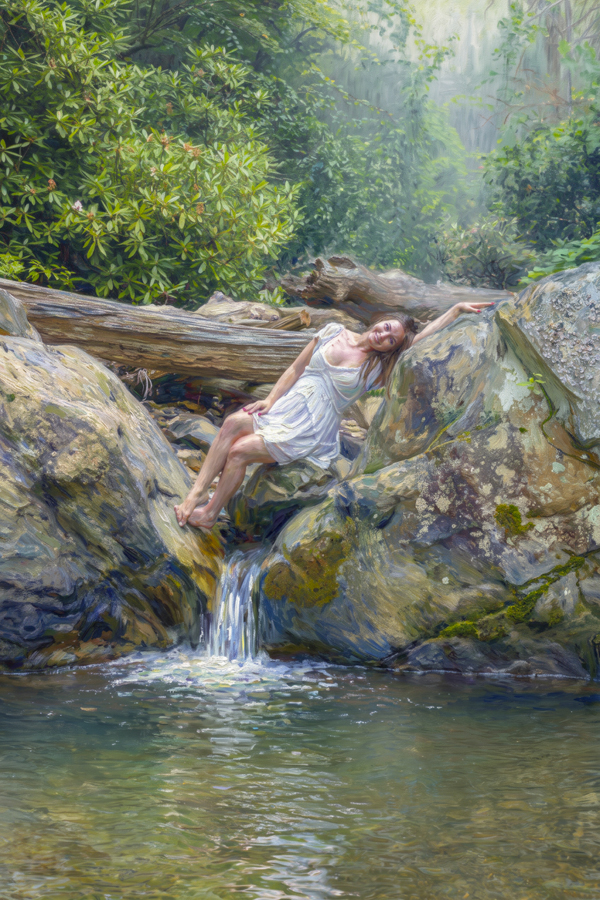
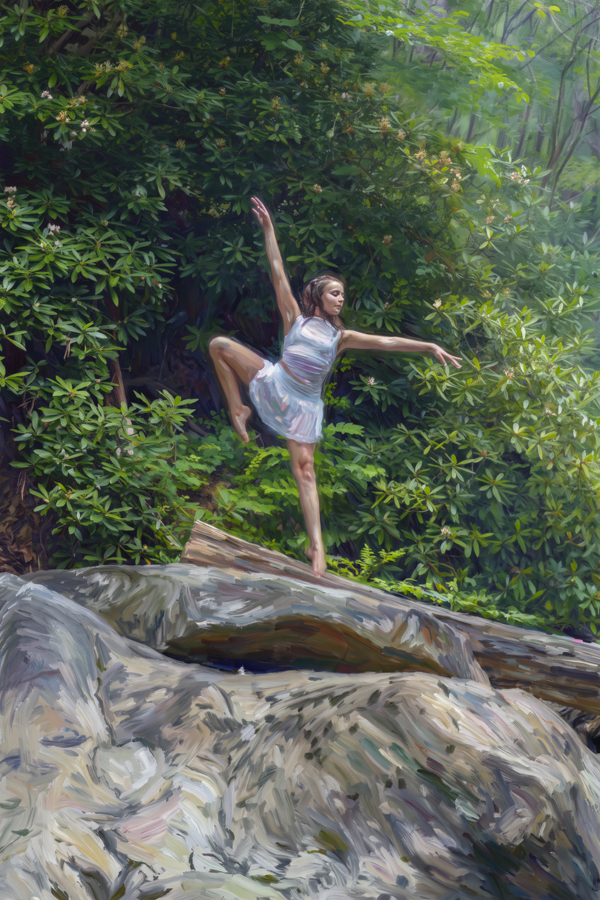
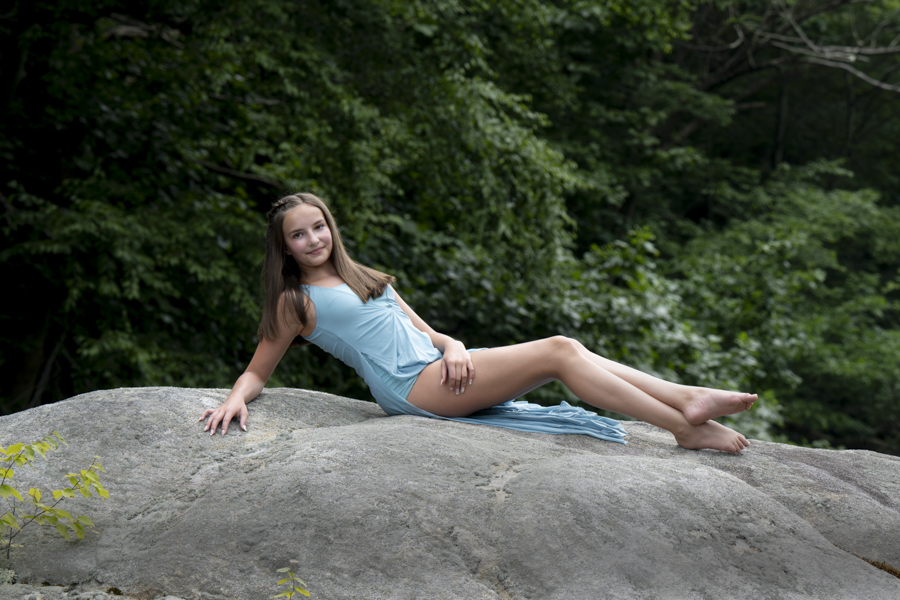
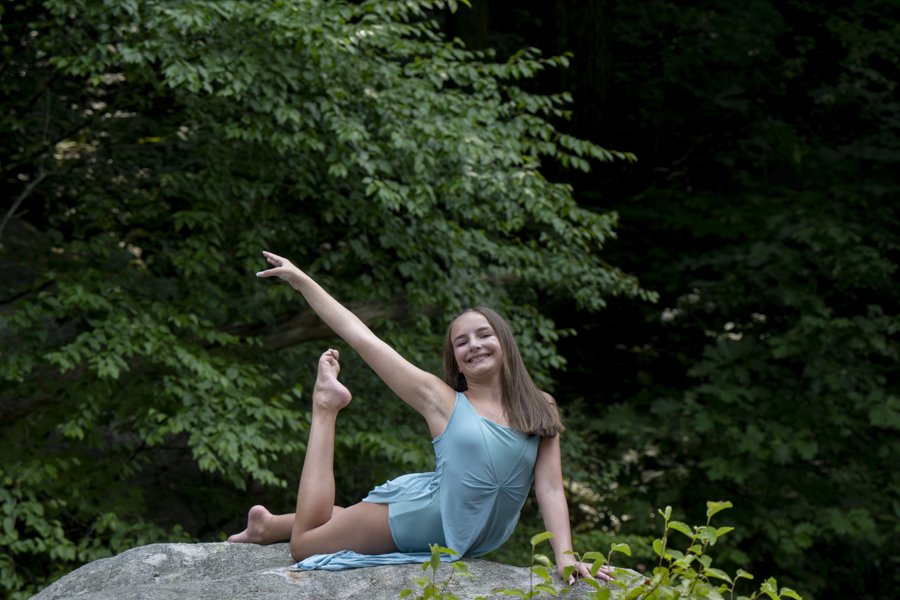
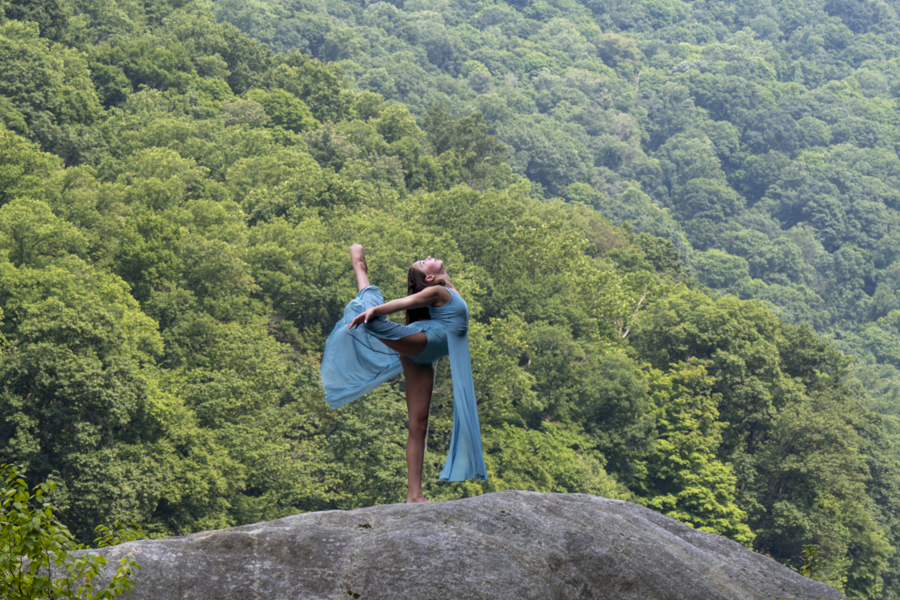
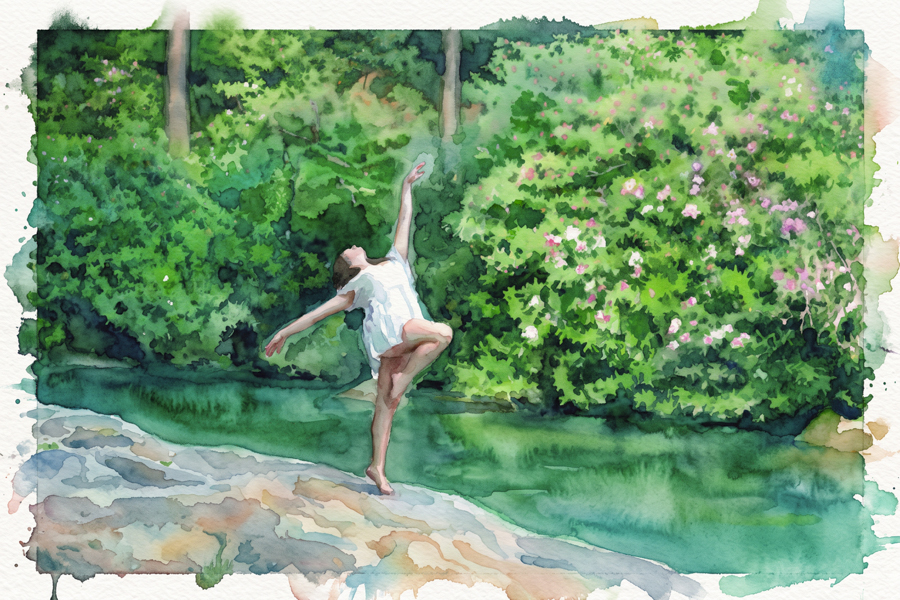
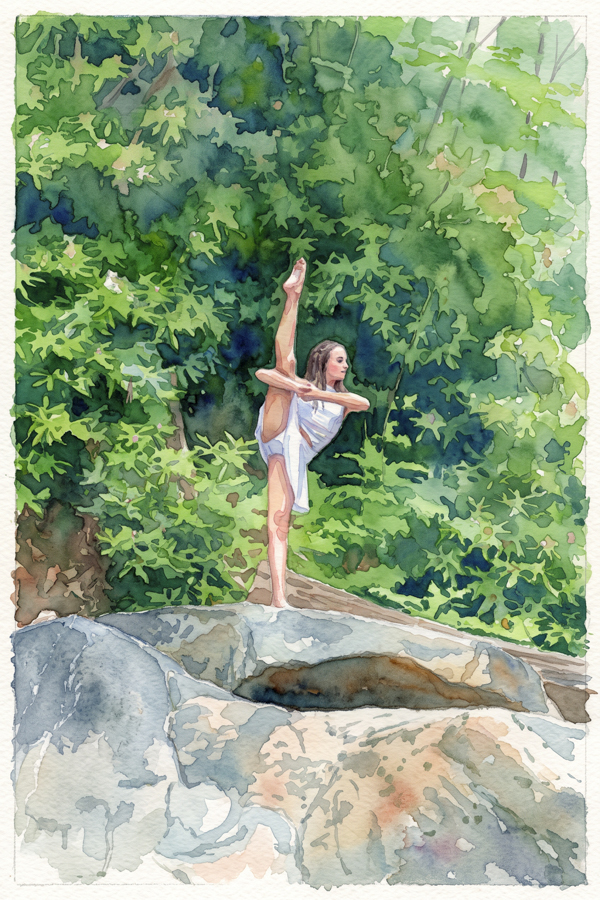
Photographing talented dancers in nature is an exhilarating study in contrasts. When you take hyper-disciplined movement out of the controlled studio and drop it into an unpredictable landscape, magic happens. A dancer’s form brings a striking sense of human precision—the sharp point of a shoe, a soaring grand jeté, an impossibly elongated line—to a world shaped by organic chaos.
Frame a contemporary artist leaping against the raw, jagged silhouette of a sea cliff, or a ballerina holding a quiet arabesque among towering, ancient redwoods, and the scene instantly transforms into a compelling dialogue between technical mastery and untamed wilderness.
The real joy, though, lies in collaborating with the environment’s fleeting elements to heighten the emotion of the motion. Nature provides a dynamic canvas that no backdrop can replicate: golden hour light catching the fine spray of a waterfall behind a turning dancer, wind breathing life into flowing fabric, or shadows stretching across desert dunes. It forces both photographer and performer to adapt in real time, turning unpredictable weather and terrain into creative partners. Capturing that exact millisecond where extreme physical exertion, artistic grace, and the wild beauty of the outdoors intersect is pure adrenaline—it’s freezing poetry in motion.
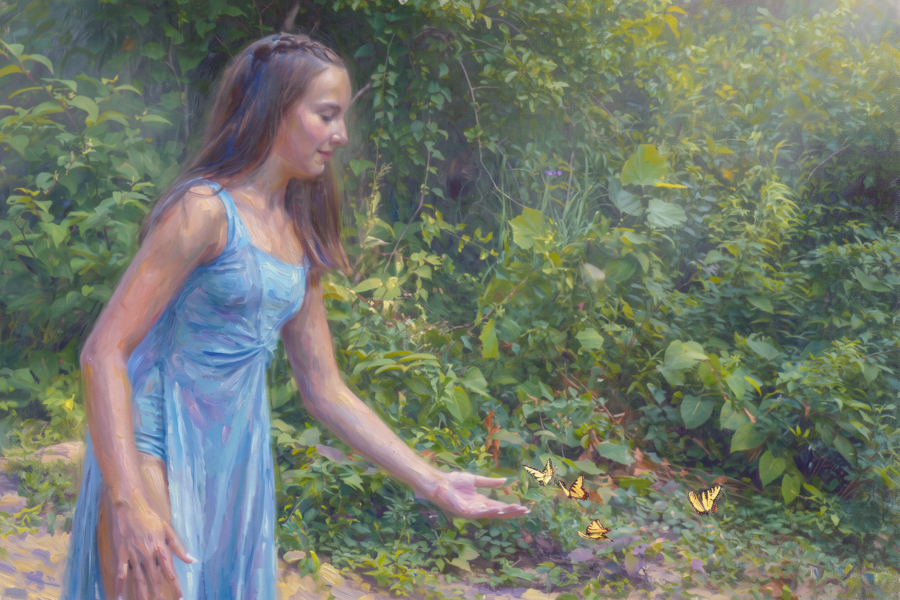
Sunlight filters through the high, glass-paneled canopy of the conservatory, casting geometric shadows across sprawling fern beds and vibrant orchids. In the center of the lush garden on Tyrone Road, two dancers move with effortless precision, their fluid motions echoing the natural curves of the surrounding flora. With every bend and leap, they transform the serene botanical haven into a dynamic stage, their footsteps silent against the stone paths. The rich scent of damp earth and blooming jasmine fills the air as they spin in tandem, their arms sweeping outward like unfurling petals, seamlessly blending human grace with the living beauty of Morgantown’s natural landscape.
As the music builds, the performance defies gravity—the dancers leap with such extraordinary elevation and suspended momentum that they seem to genuinely take flight above the exotic foliage. Caught mid-air against the lush backdrop of tropical palms, they drift momentarily weightless, their silhouettes framed by the soft, diffused light of the afternoon. Cascading vines and vibrant blooms brush against them as they descend smoothly, only to launch upward once more in a breathtaking display of strength and aerial art. In this quiet corner near Cheat Lake, the boundary between the dancers and the garden dissolves, leaving behind a fleeting, spellbinding moment of movement and imagination.
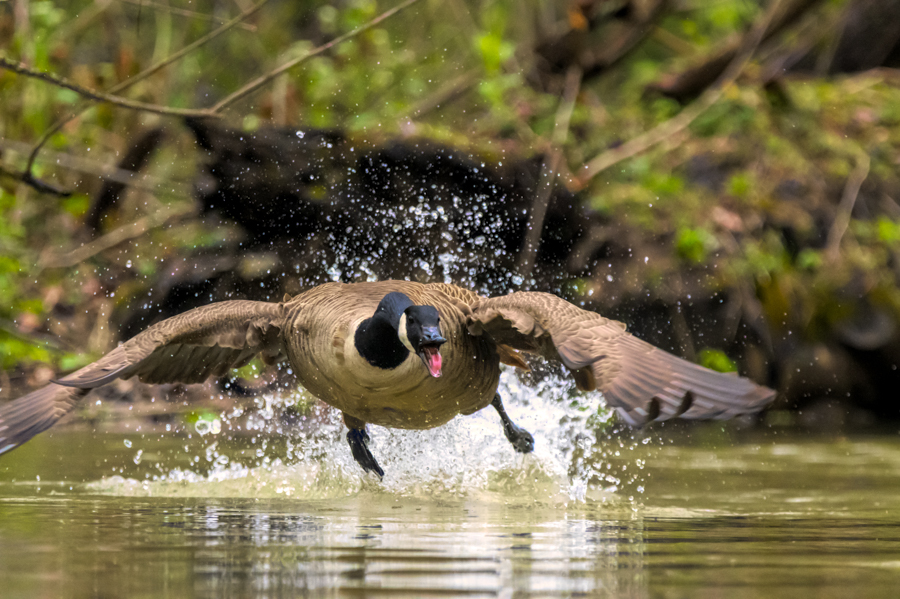
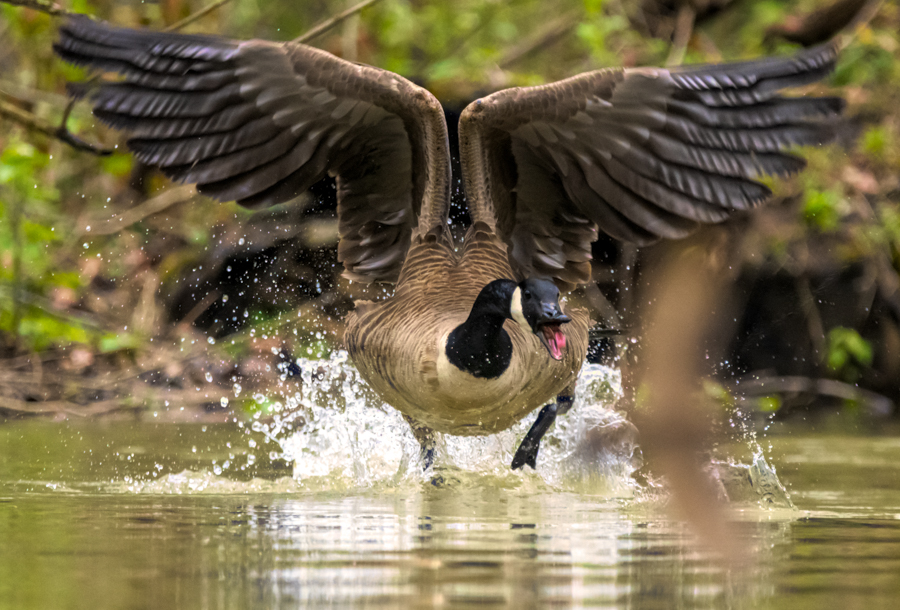
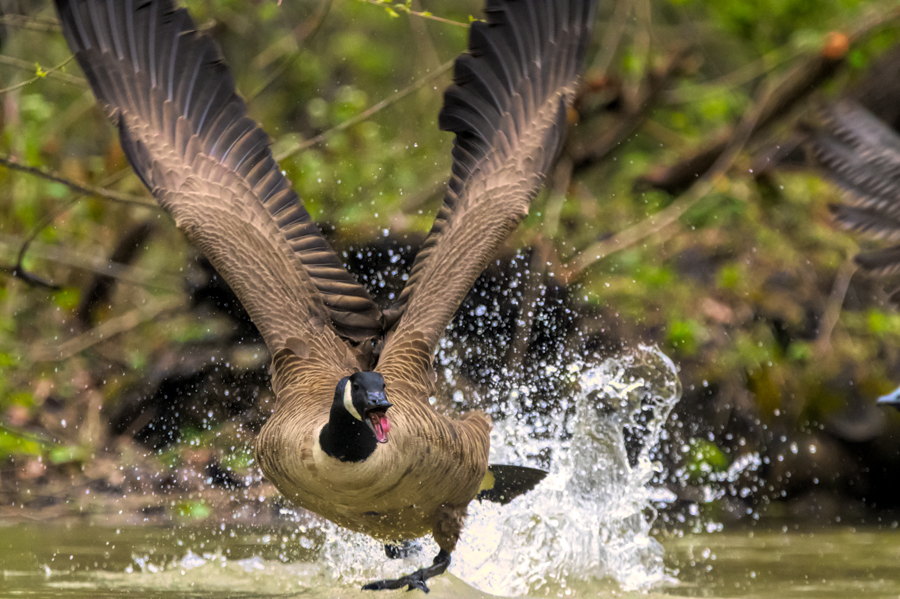
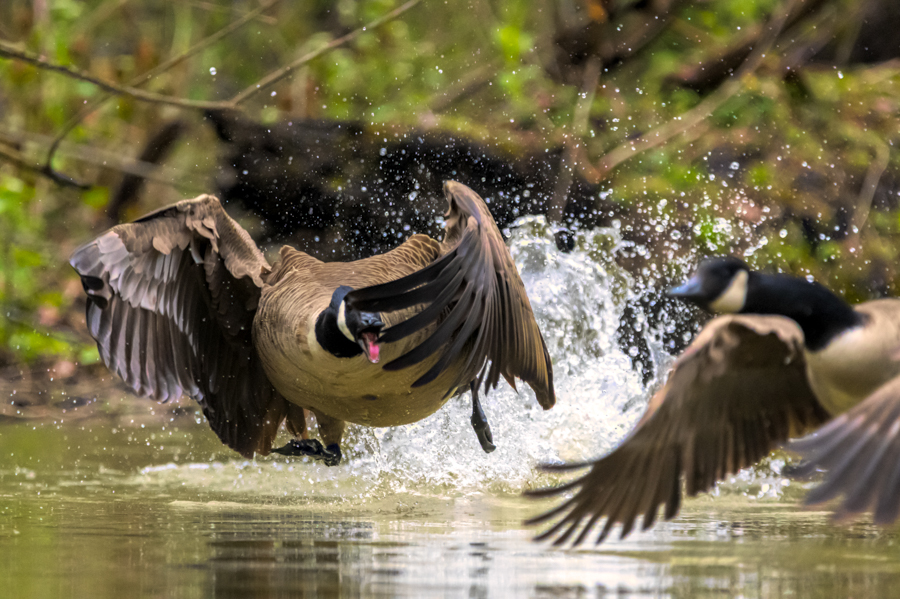
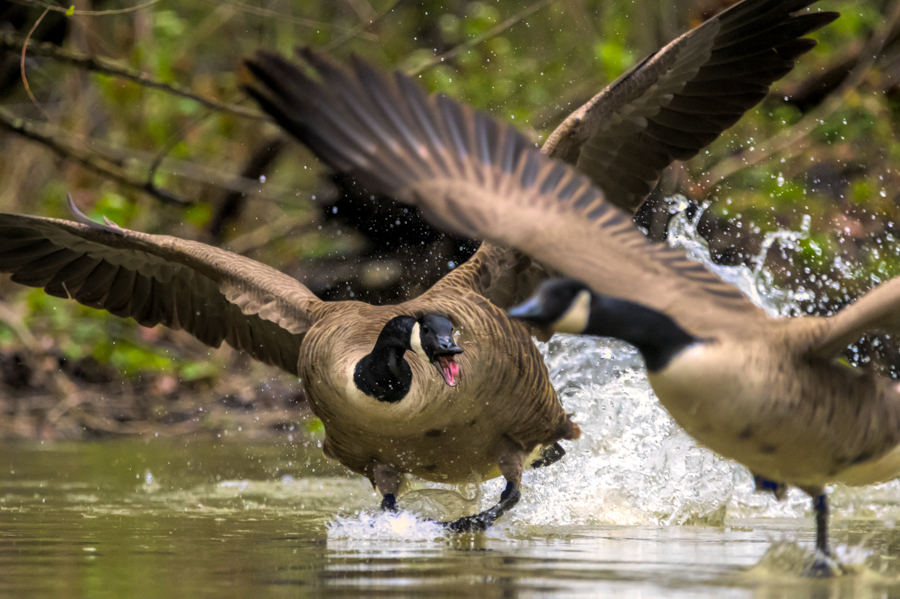
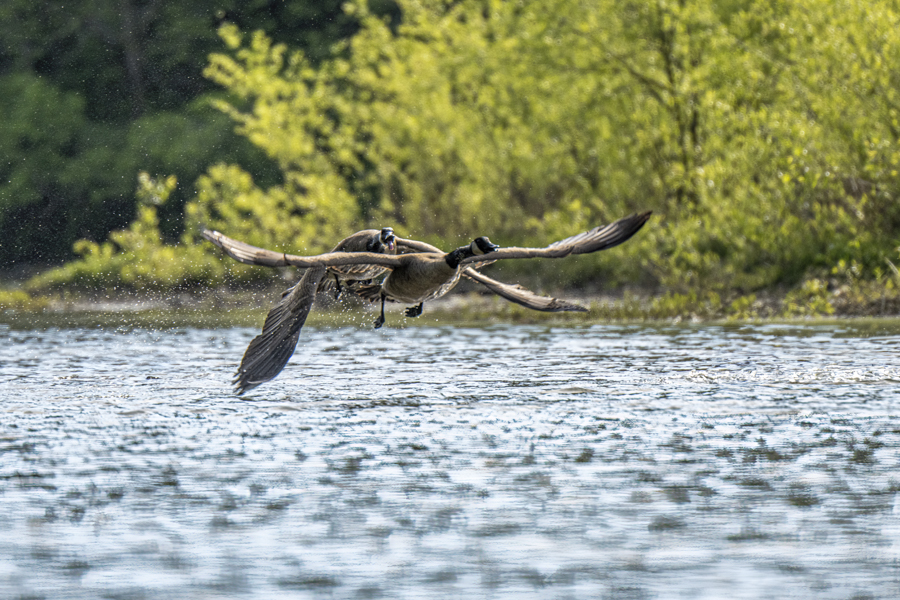
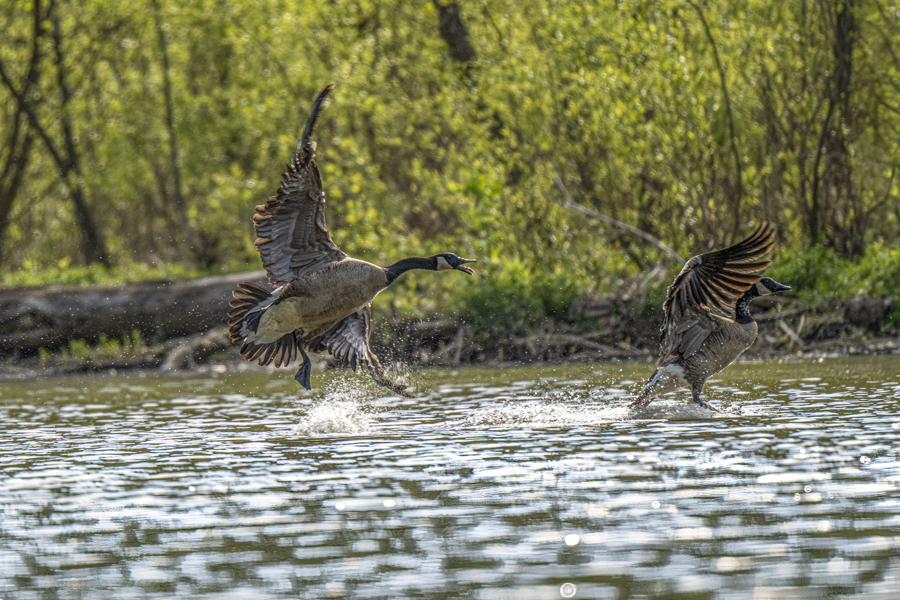
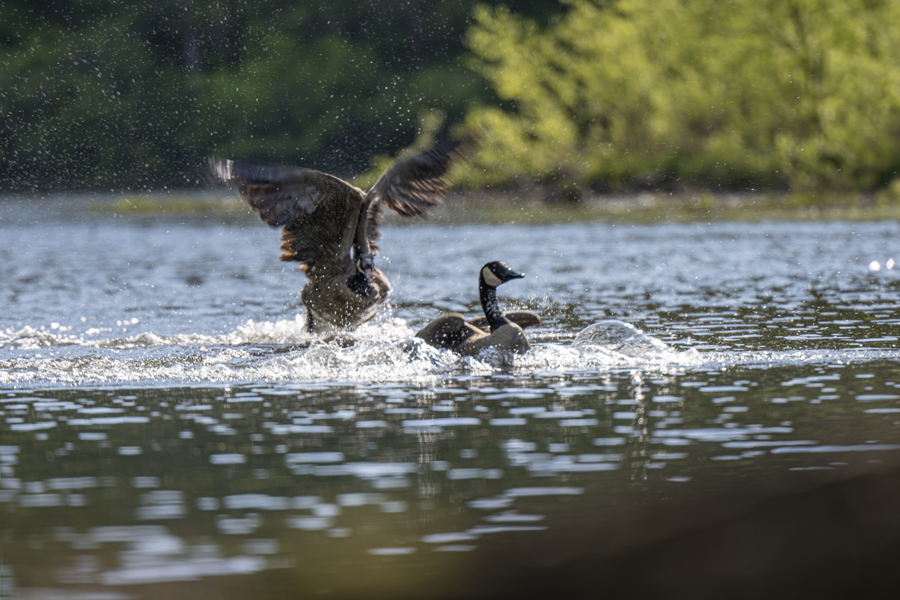
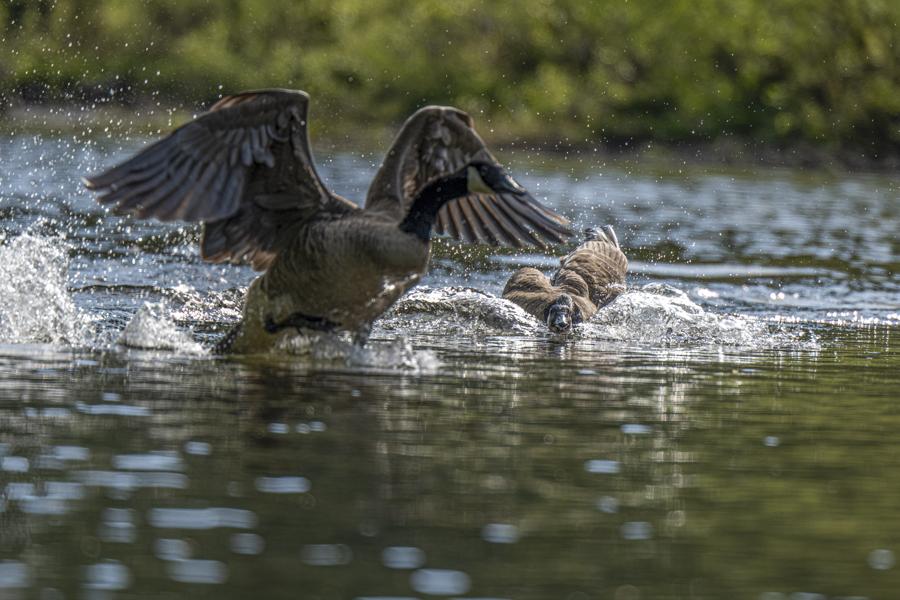
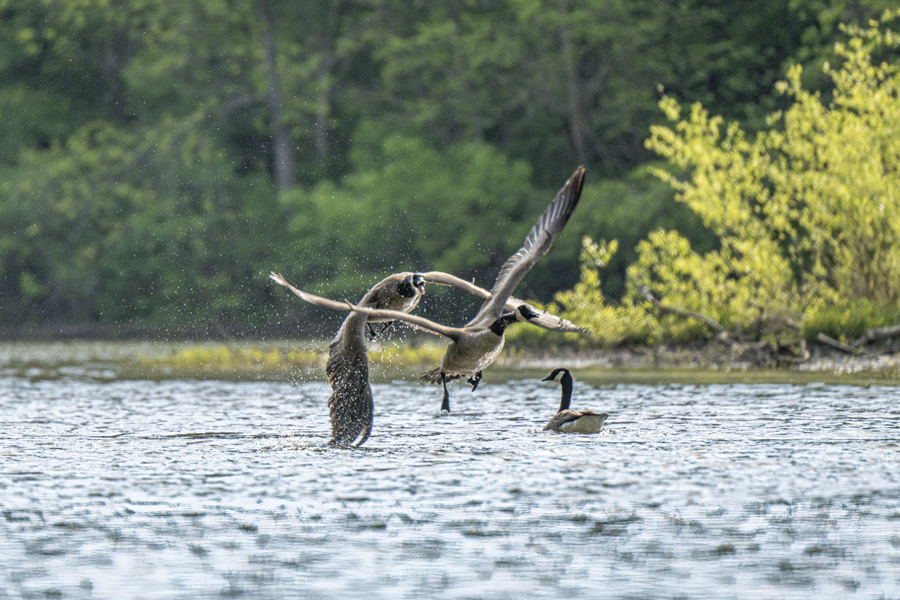
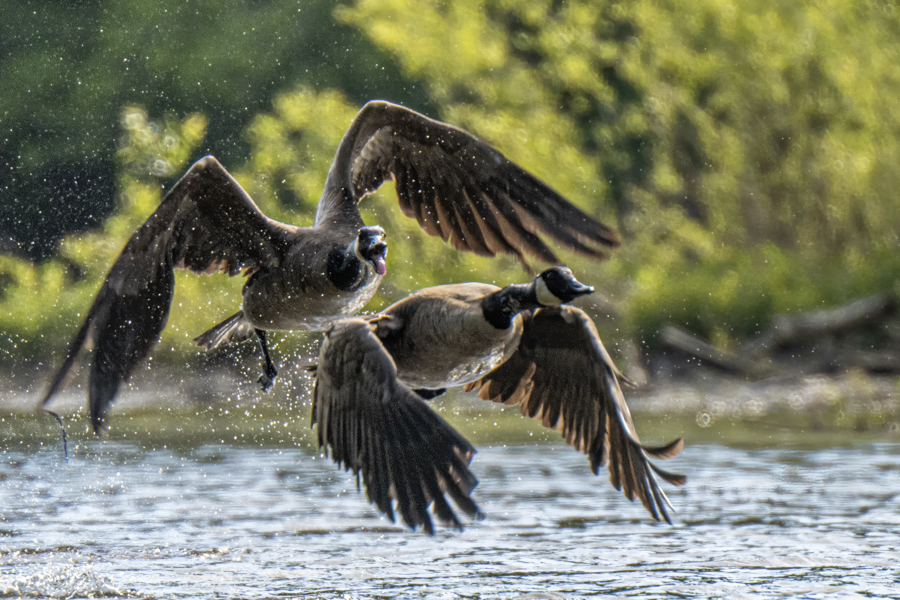
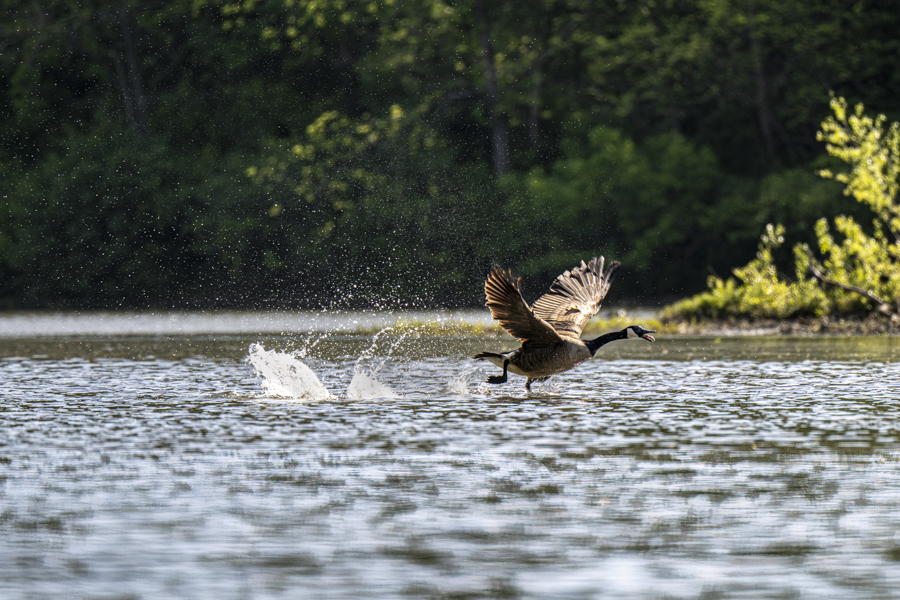
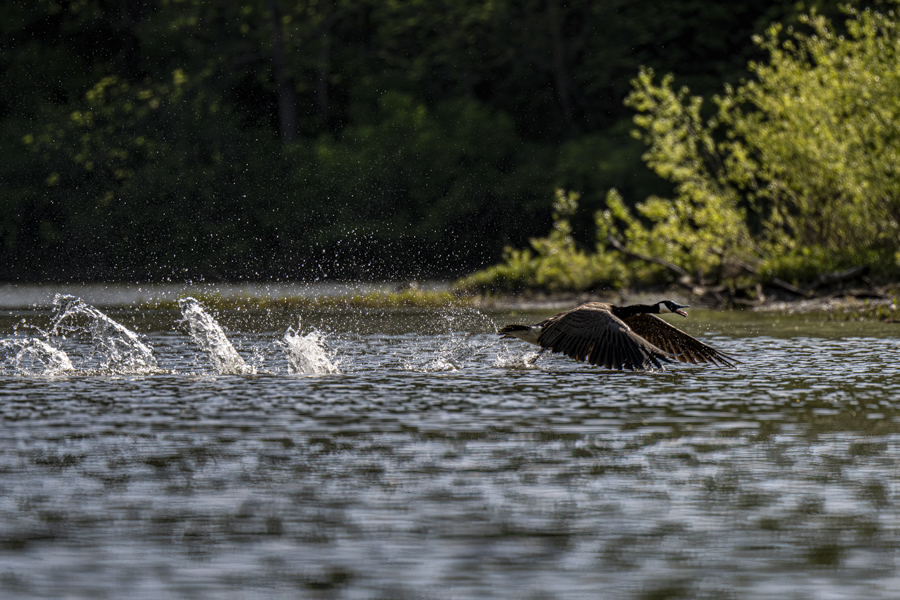
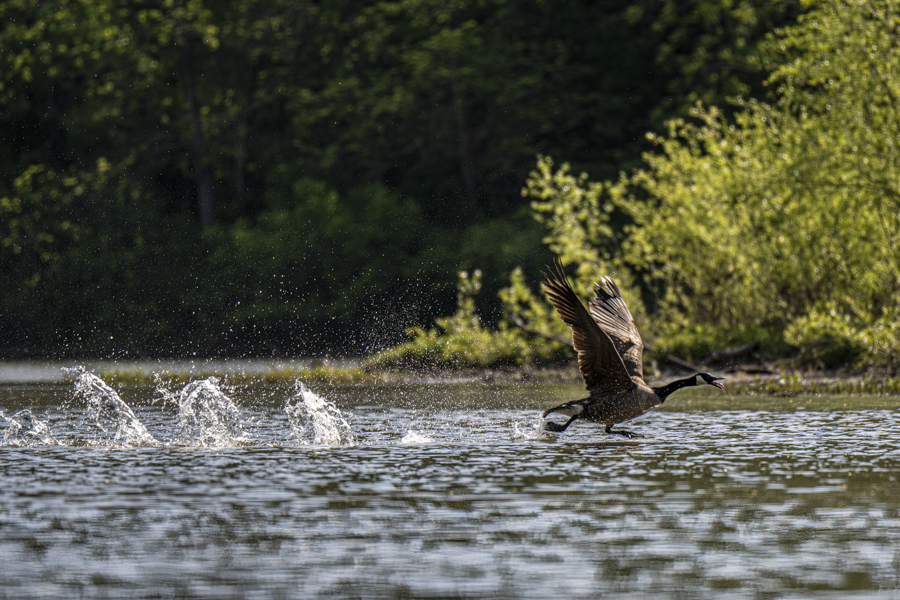
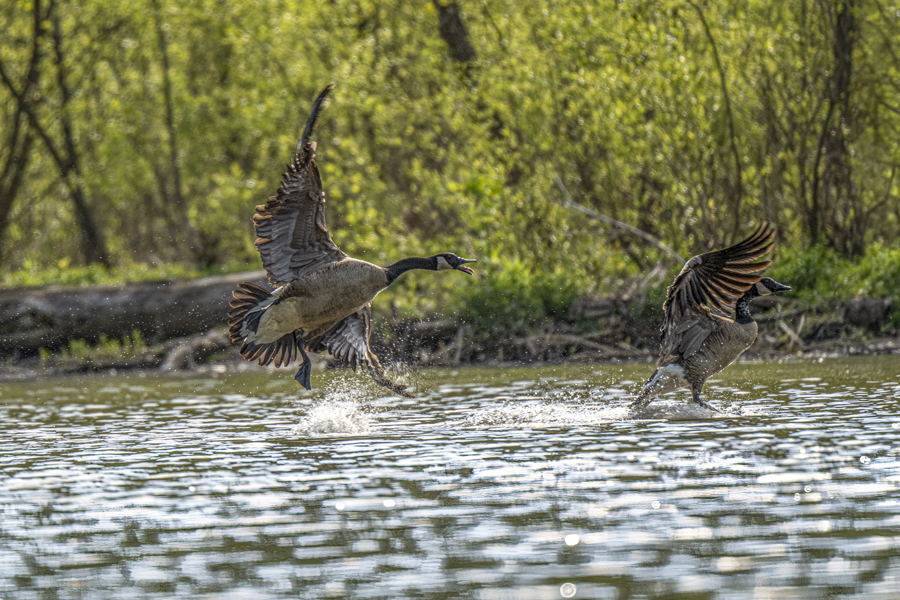
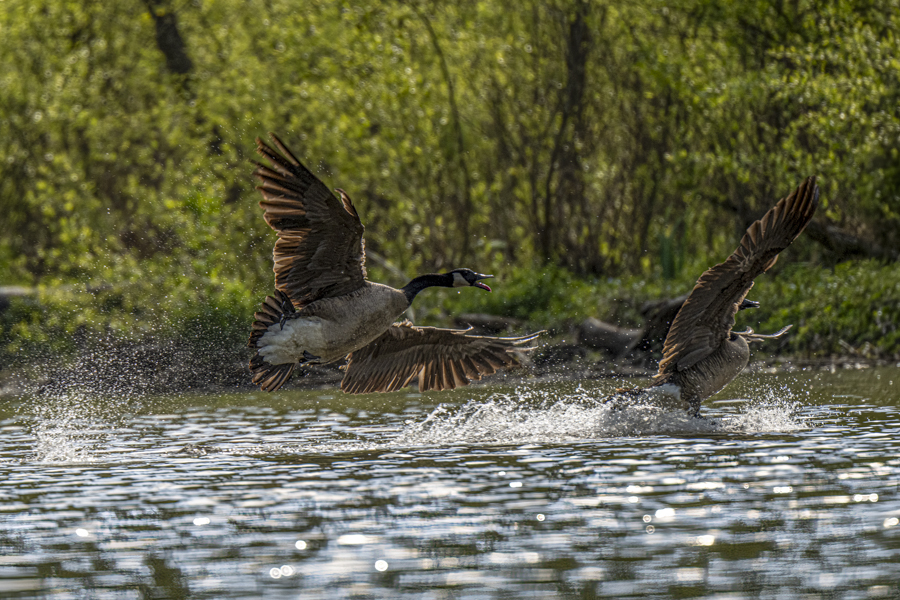
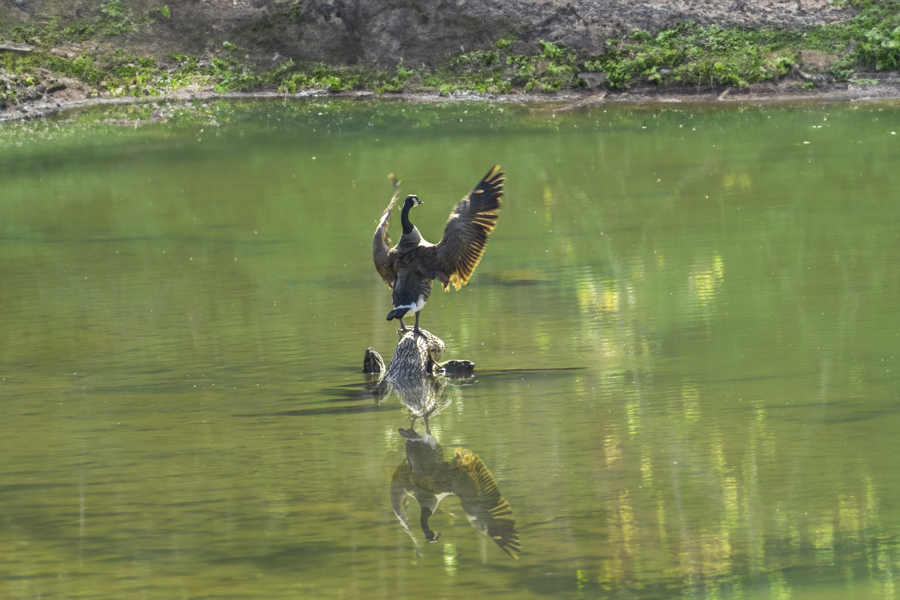
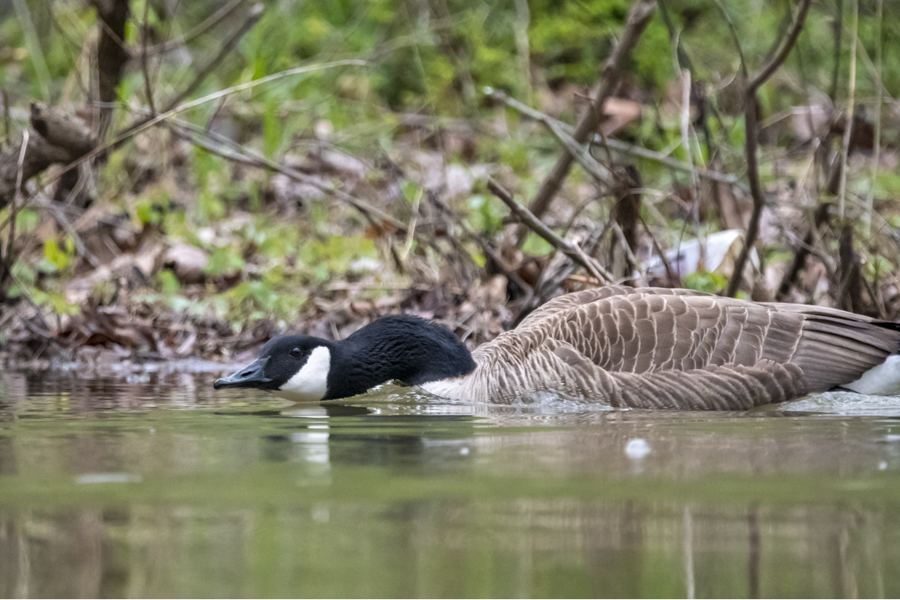
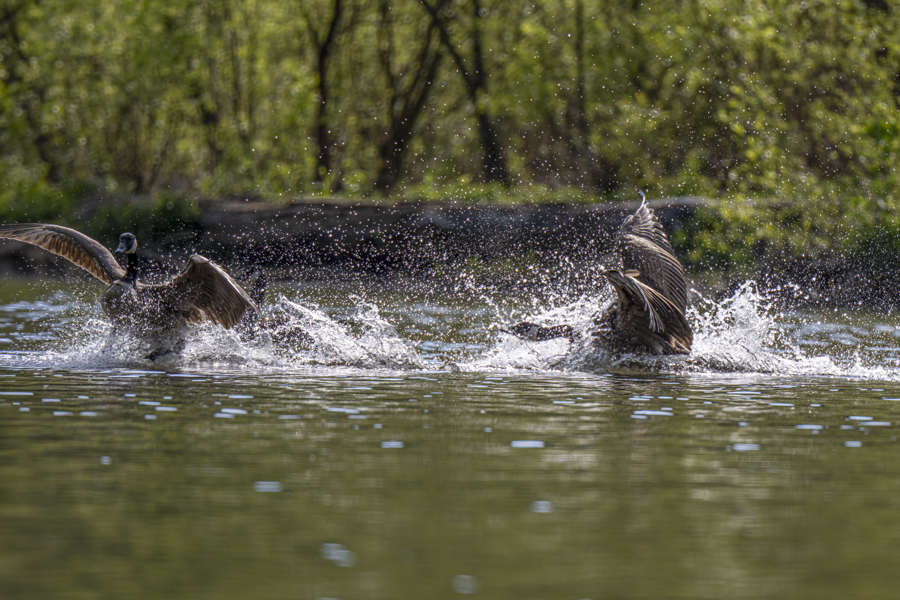
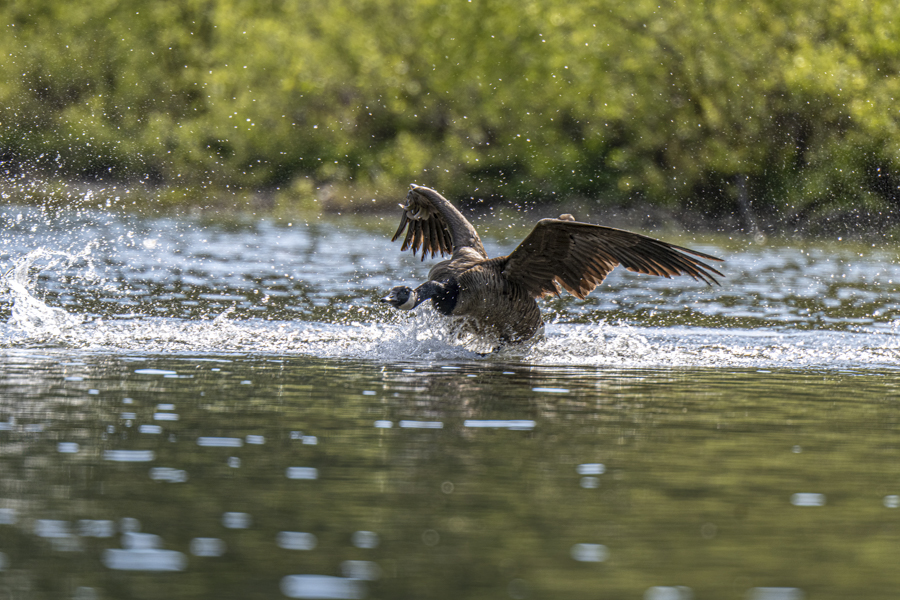
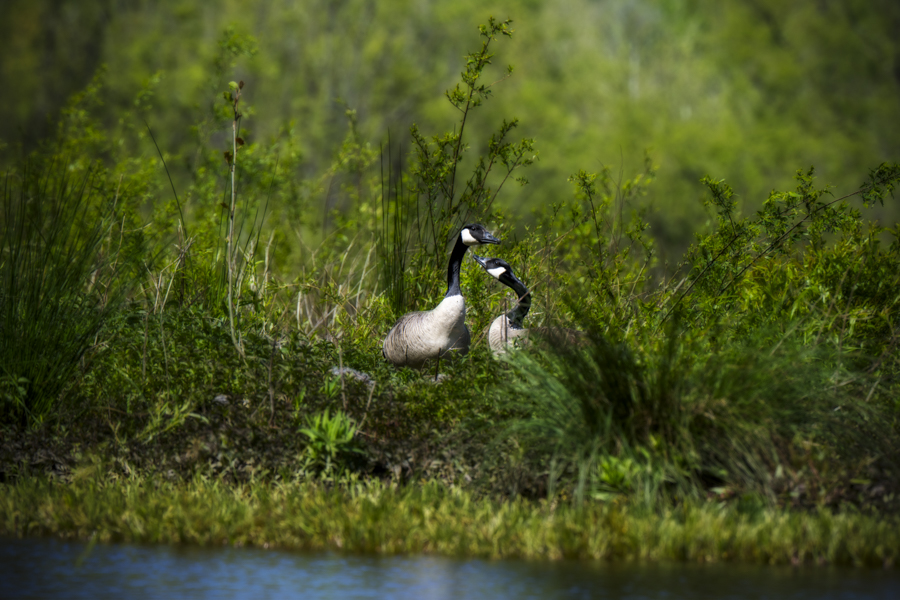
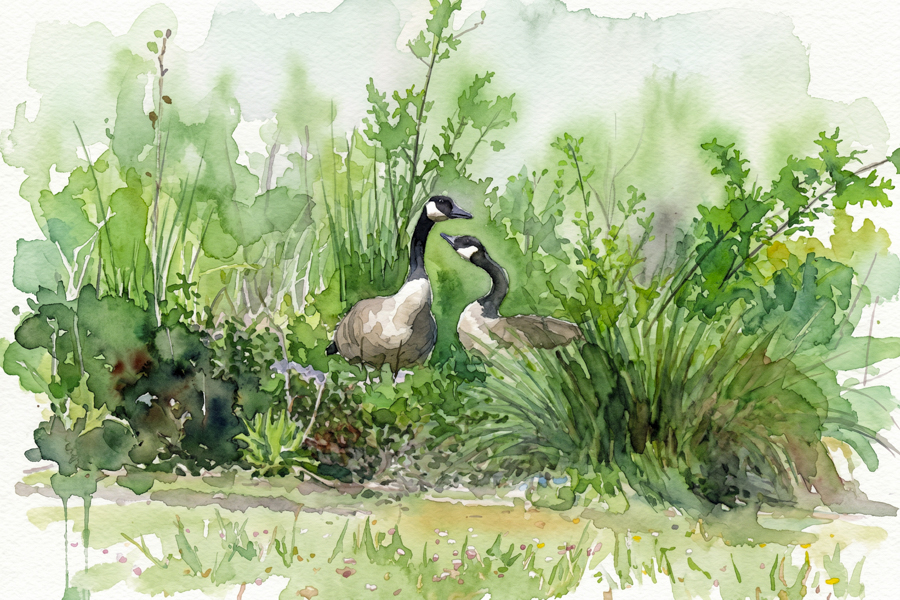
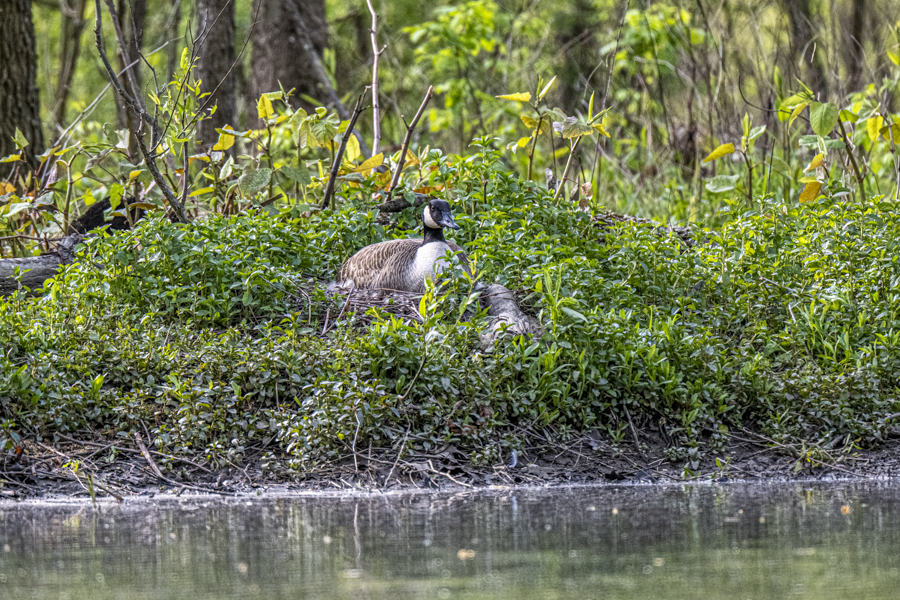
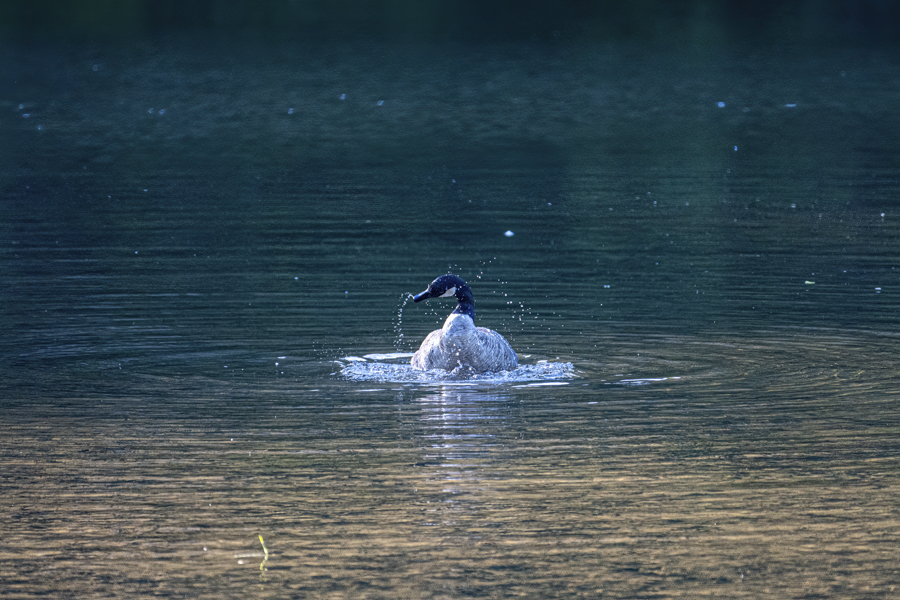
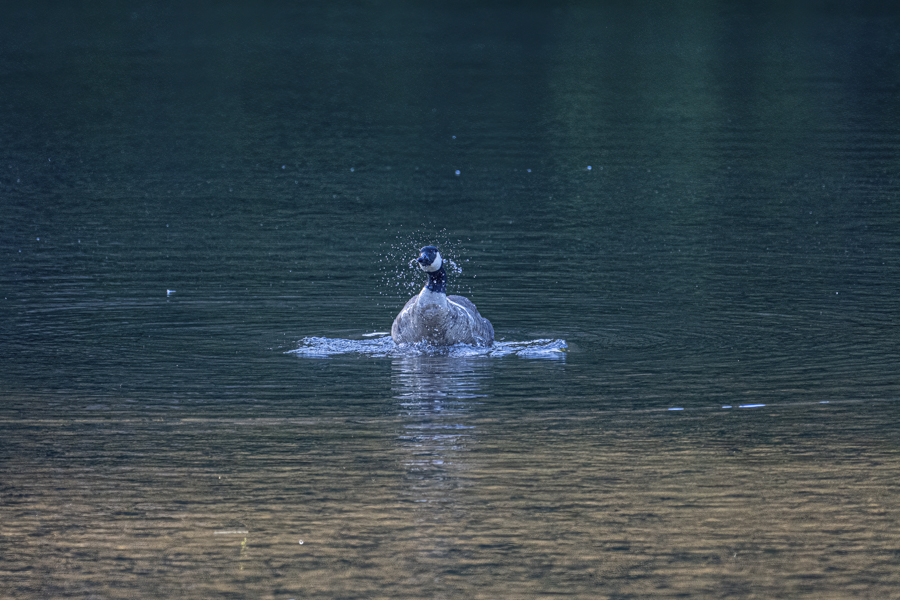
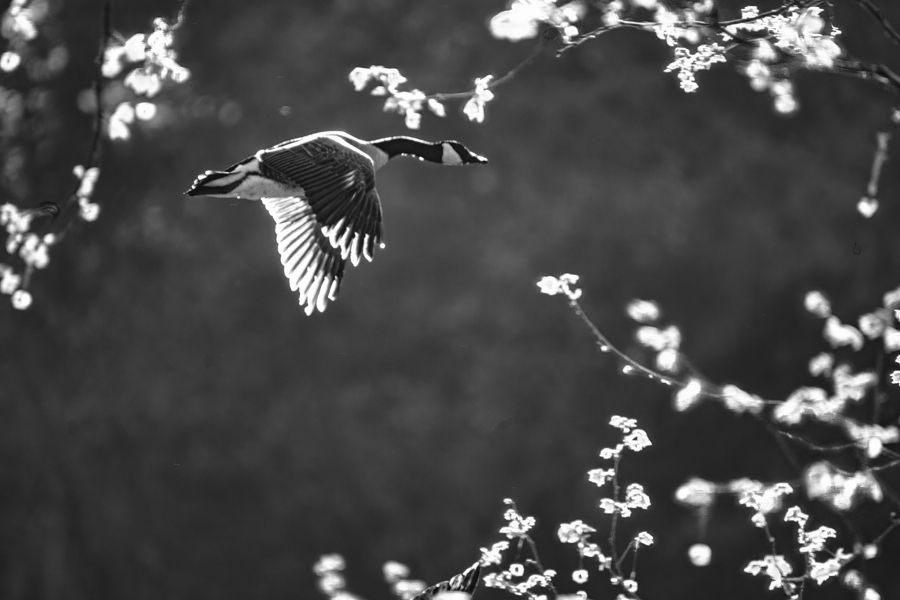
Geese fight to defend their territory because that space directly determines whether their mate, eggs, and goslings survive. During the breeding season—typically early spring through early summer—their hormones and parental instincts intensify, making them far more vigilant and reactive. A bonded pair selects a nesting site that offers safety and access to food and water, and the gander becomes the primary defender of that area. Any animal or goose that crosses the invisible boundary is treated as a potential threat, triggering a sequence of warning behaviors such as honking, hissing, lowering the neck, and spreading the wings to appear larger. If these signals fail, the goose may escalate to chasing or striking with its wings, all aimed at driving the intruder away rather than causing serious harm.
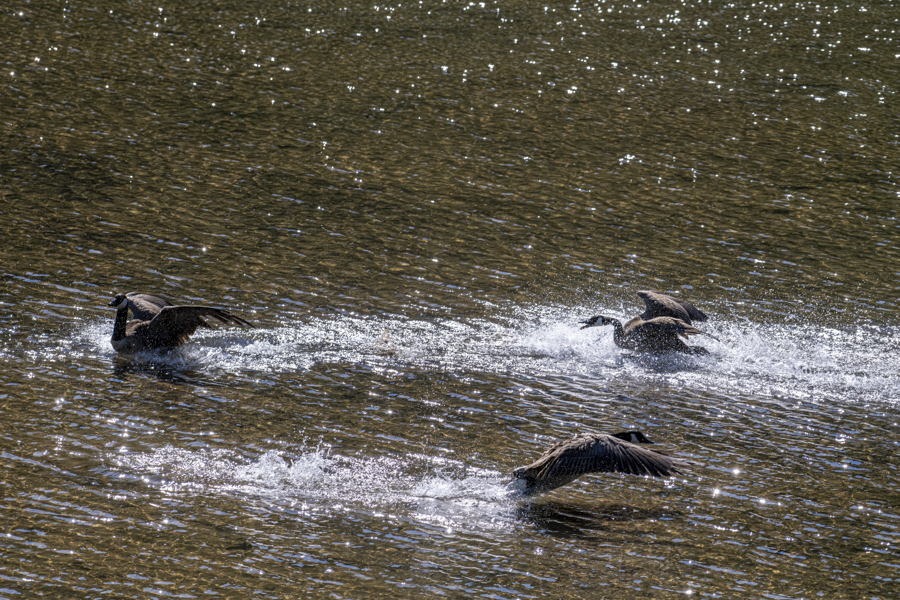
Territorial defense is also tied to competition within the flock. Geese fight to secure mates, maintain dominance, and protect limited resources like feeding areas or shoreline nesting spots. These confrontations follow a predictable ladder of escalation—starting with a stare and progressing to a head‑low posture, wing spreading, and finally a charge. The behavior may look aggressive, but it is a highly structured survival strategy. A goose that seems calm in winter can become fiercely defensive in March because the stakes have changed: defending territory means defending future offspring.
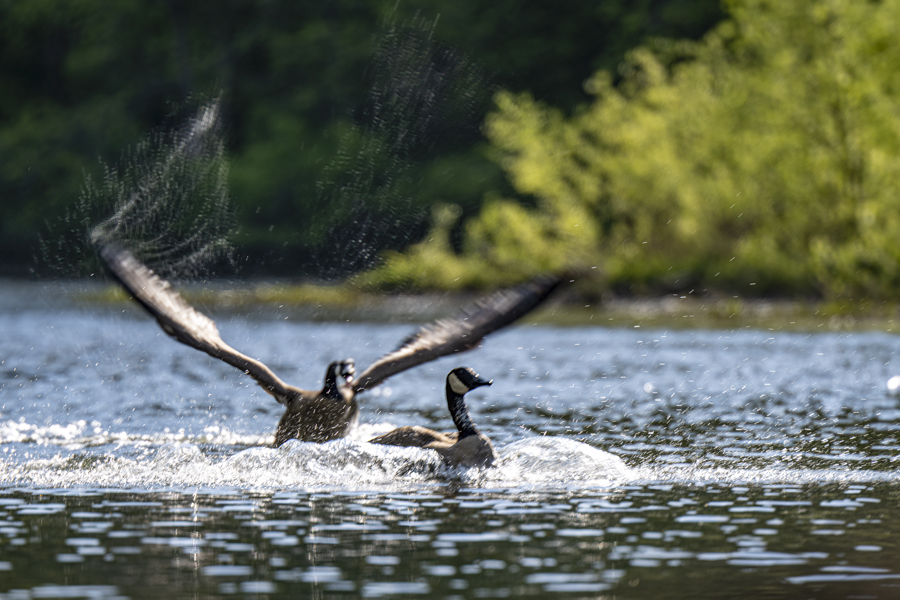
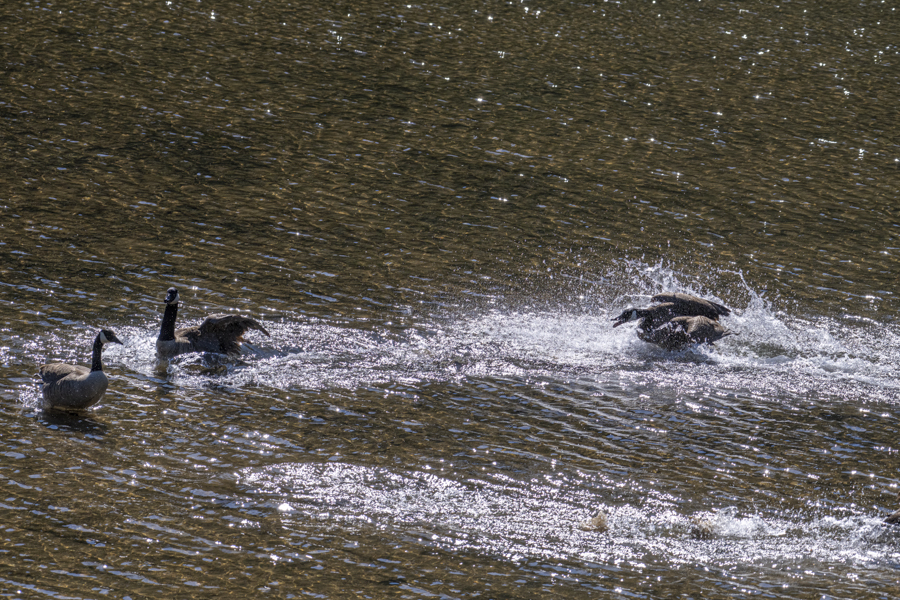
Real mad gooseMad goose chasing away competition
The Biological Imperative of Defense
The intensity of goose aggression is directly linked to their reproductive cycle and the need to defend their young. Geese are highly territorial, and this protective instinct is heightened during the nesting season, which typically runs from late February through June.
The pair has a significant investment in their clutch, which requires about 28 days of incubation before the goslings hatch. This high investment means any perceived threat near the nesting site, which is often close to water and includes urban areas like parks and golf courses, triggers a strong defensive reaction. The aggression is not random; it is a response to ensure the survival of their vulnerable offspring.
Interpreting Aggressive Displays
Geese use a sequence of physical and vocal signals to warn intruders to retreat before a physical confrontation occurs. The initial warning often involves loud, sharp honking combined with a specific body posture. A goose preparing to defend its space will stand erect, lower its head and neck parallel to the ground, and spread its wings to appear larger and more intimidating.
If the warning is ignored, the next step is usually a hissing sound, signaling imminent action. The goose may then engage in a “head-pump” behavior, rapidly moving its neck up and down, before charging the perceived threat. This charge is typically a bluff intended to scare off the intruder, sometimes culminating in a wing-slap or pecking, confirming that the actions are warnings rather than unprovoked attacks.
How Human Interaction Shapes Behavior
The environment created by human development, particularly in urban areas, has altered goose behavior. Geese thrive in environments with short, manicured lawns and nearby water sources. This constant proximity to people leads to a process known as habituation, where geese lose their natural fear of humans.
Artificial feeding is a major factor contributing to bolder behavior, as it causes geese to associate humans with food. When geese are fed, they become less wary and may approach people with expectation, leading to aggressive demands when food is not provided. This environmental conditioning exacerbates their natural territoriality, making them more likely to confront people who enter their space.
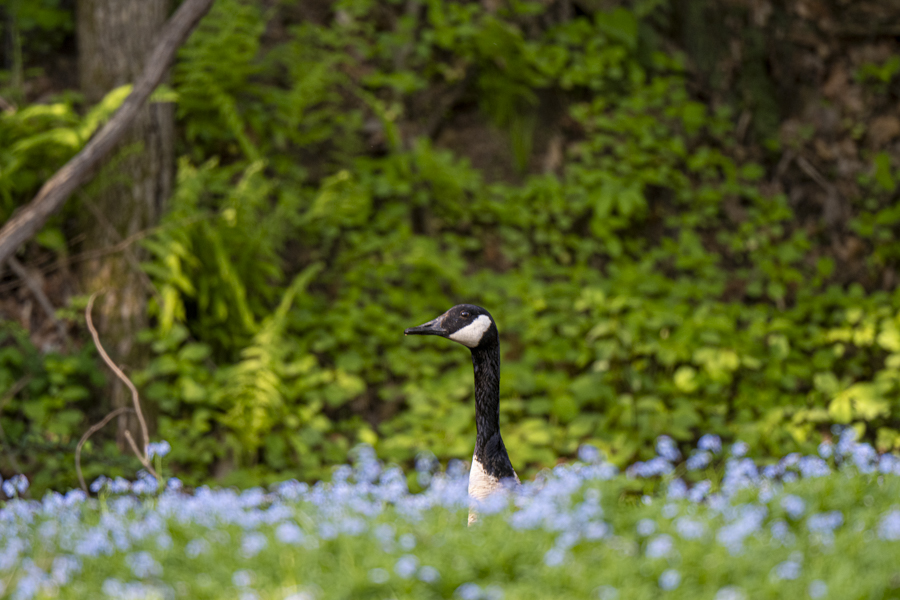
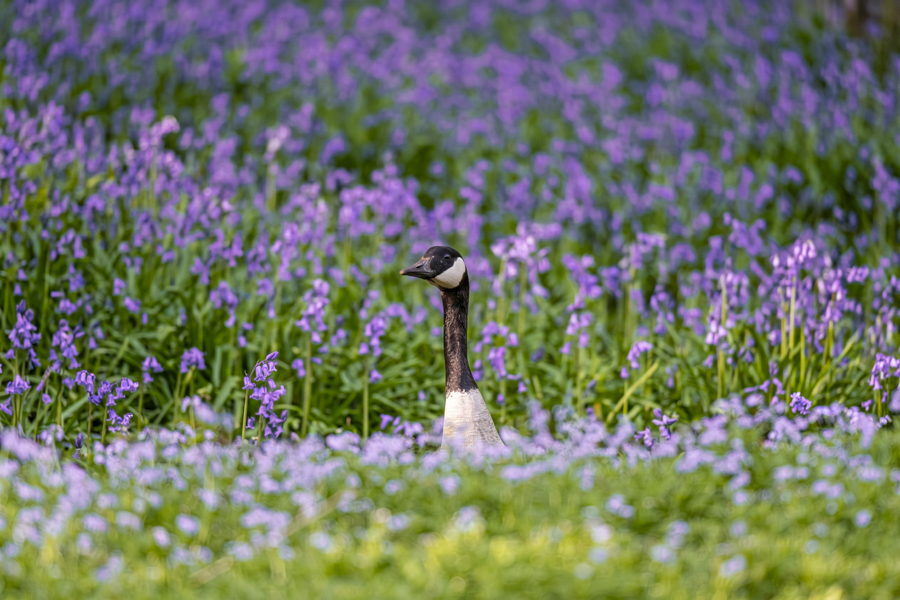
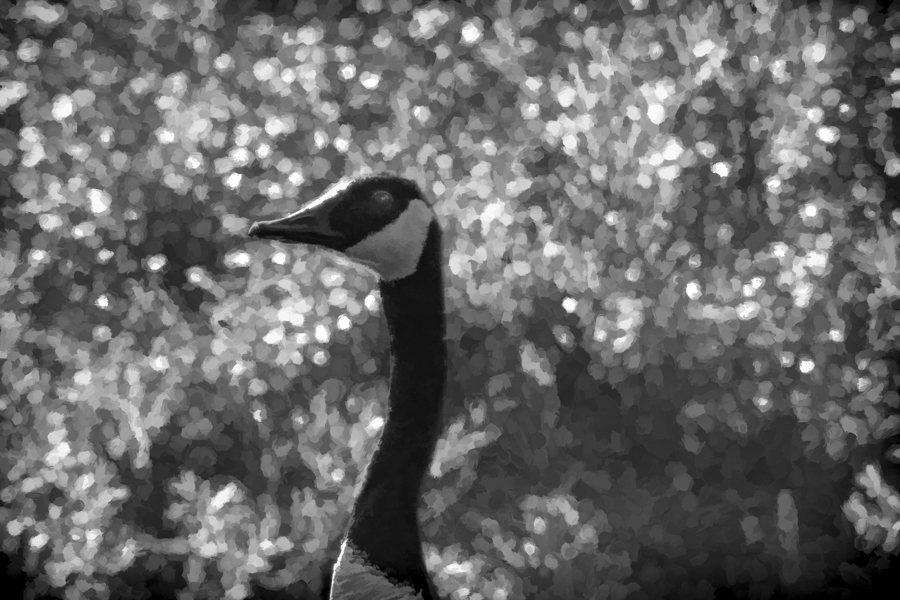
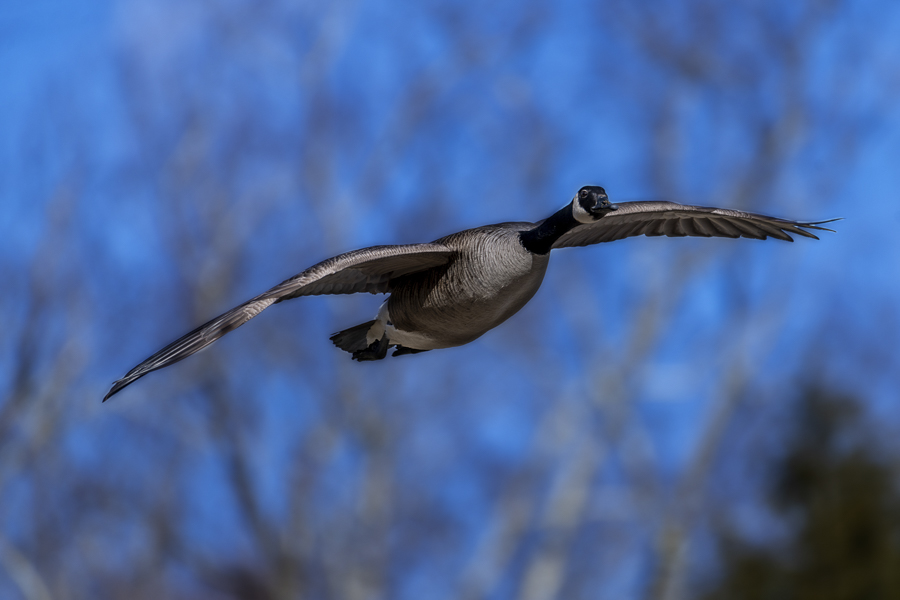
Canadian Goose
Strategies for Safe Coexistence
To avoid conflict, respect the goose’s personal space, especially during the nesting season. Never offer food to geese, as this reinforces the habituation cycle and can lead to aggressive begging. Maintaining a distance of at least 50 feet from a goose, particularly one near a nest or goslings, prevents activating its defensive instincts.
If a goose begins to display warning signs, the safest response is to maintain eye contact and slowly back away without turning your back. Running or yelling can intensify the goose’s defensive reaction. By calmly retreating and making yourself appear large, you signal that you are not a predator, which usually encourages the goose to cease its aggressive display.
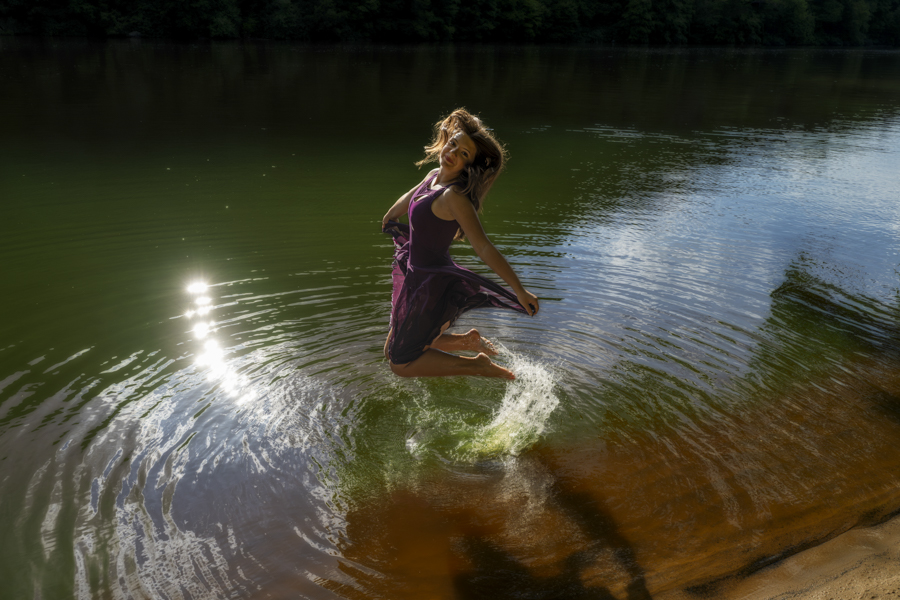
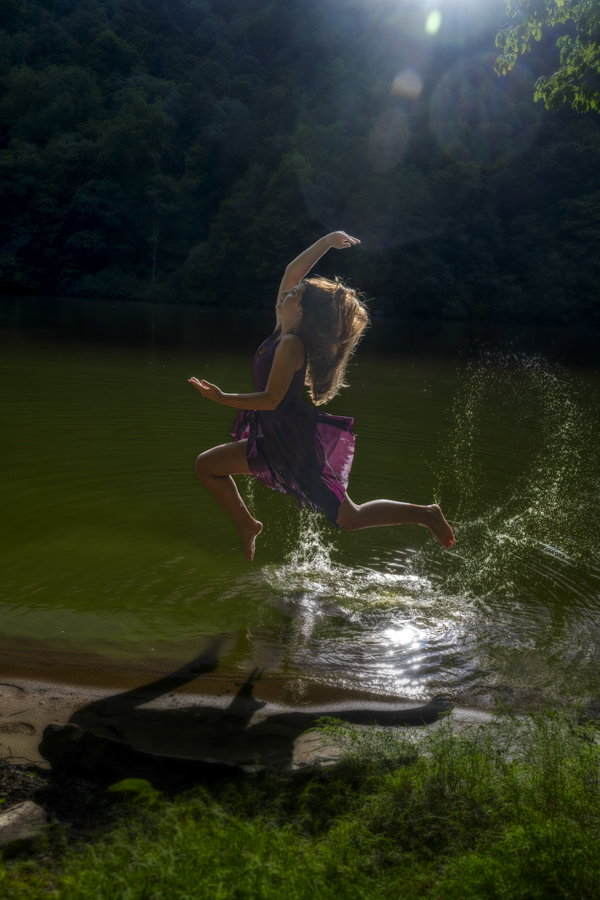
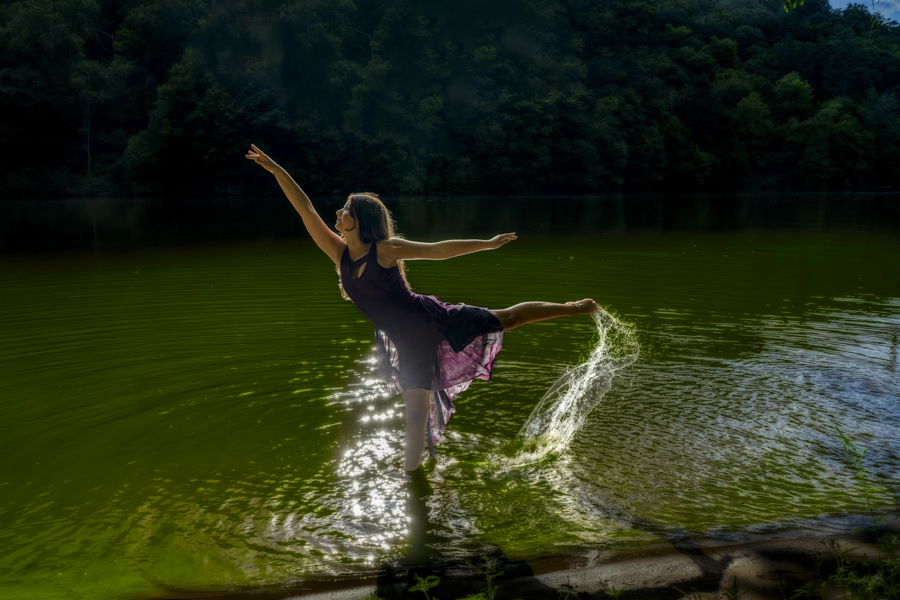
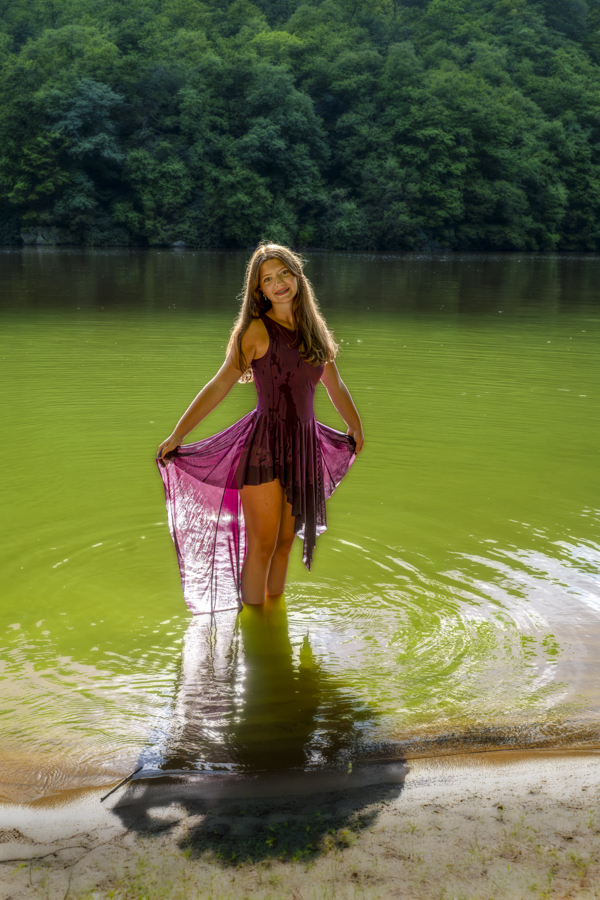
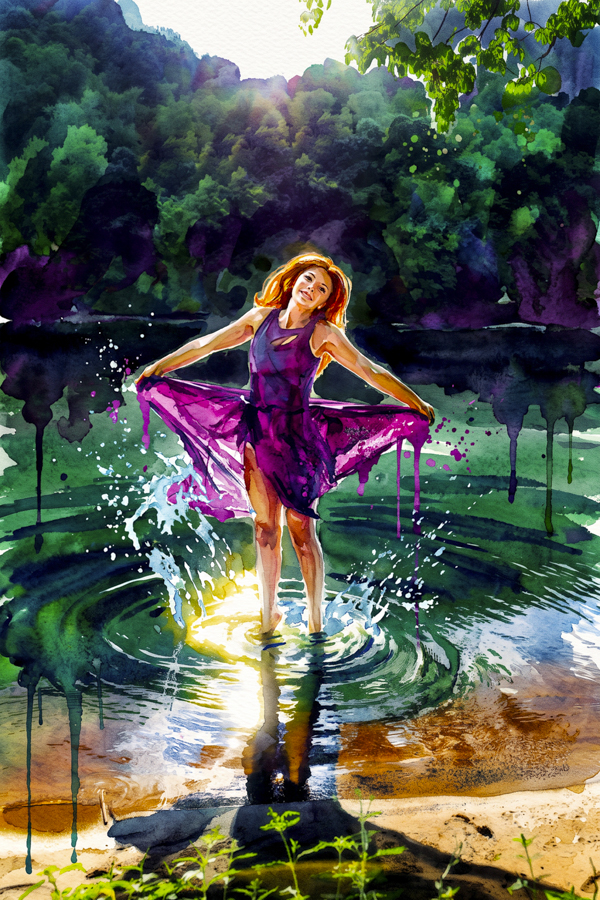
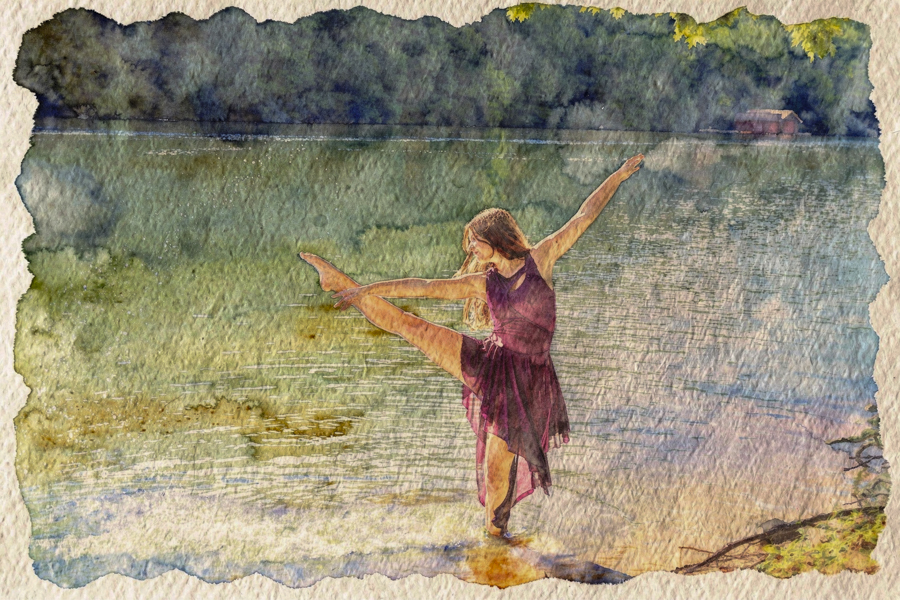
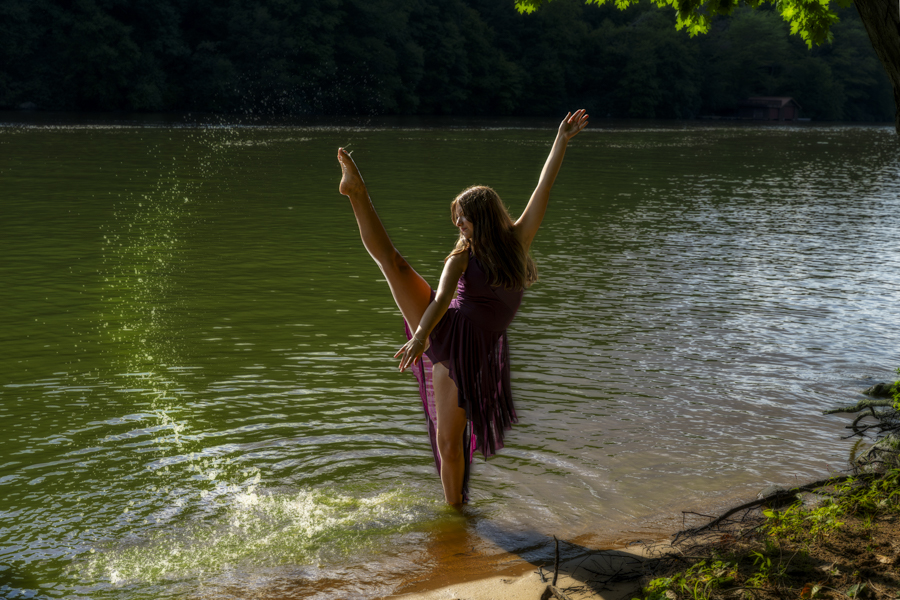
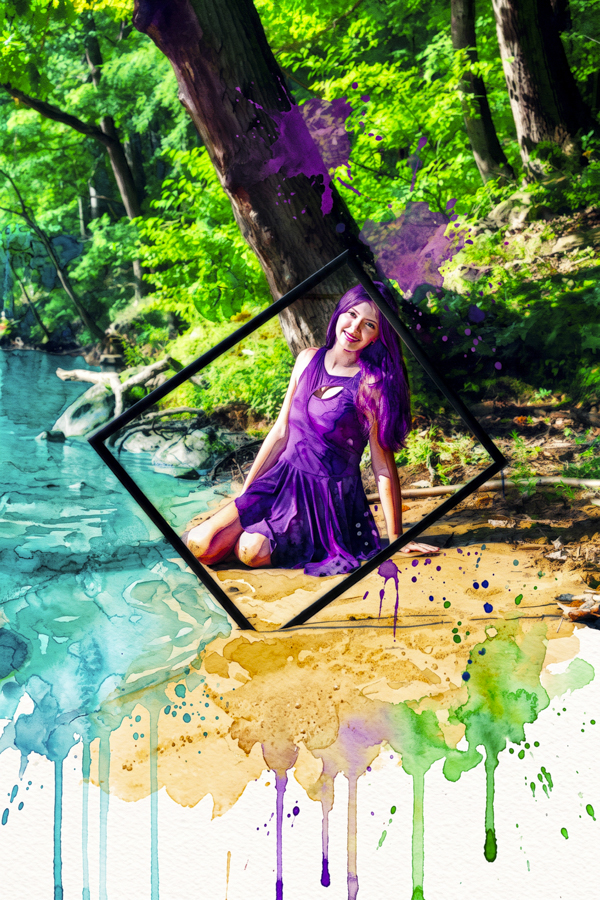
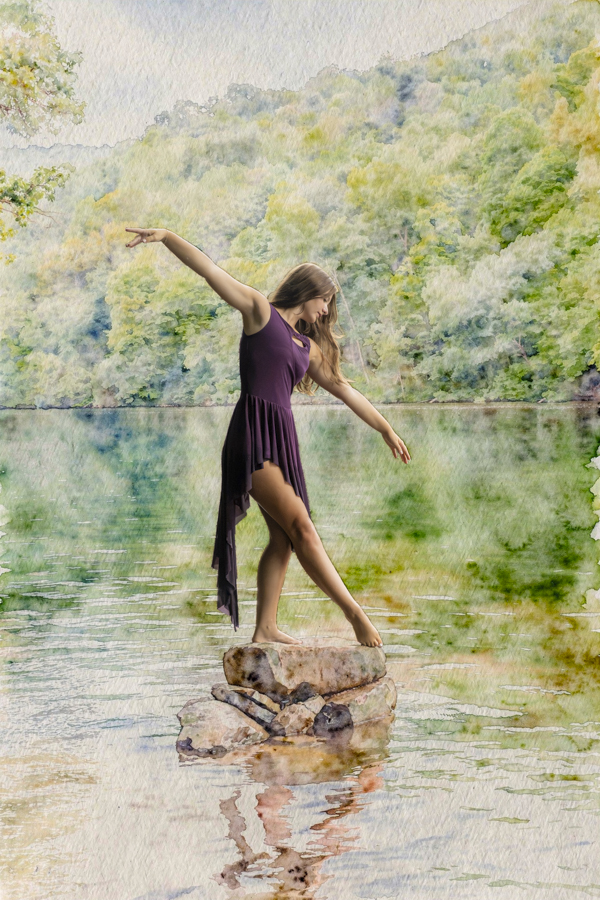
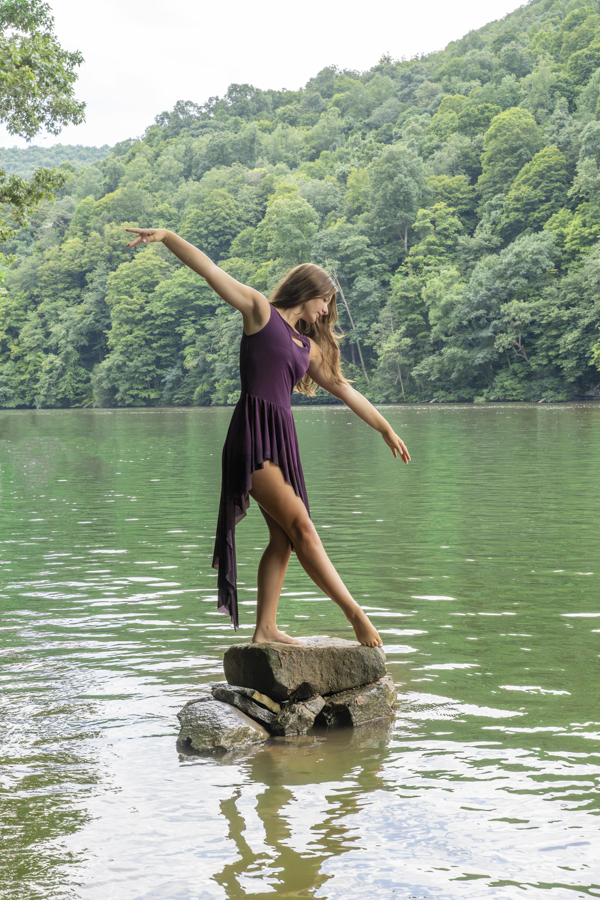
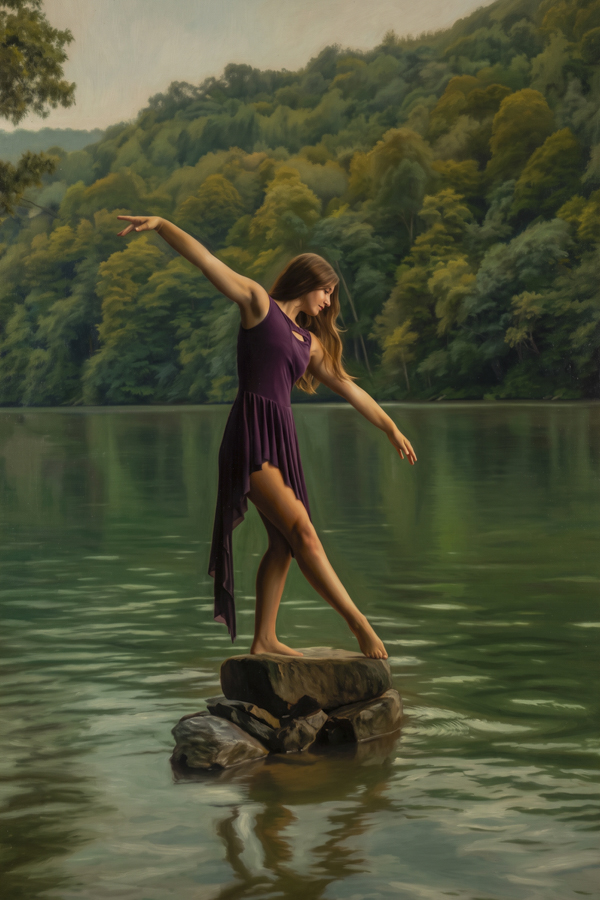
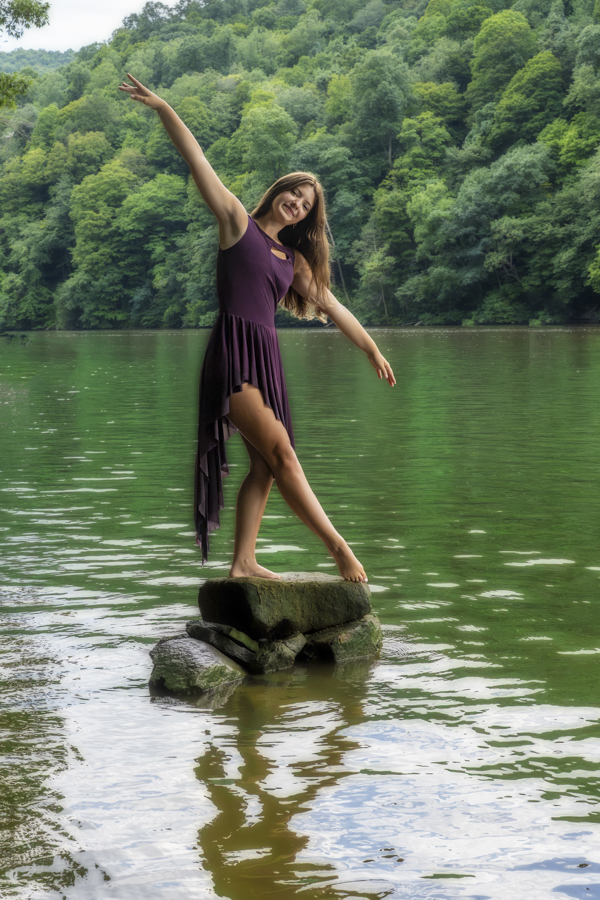
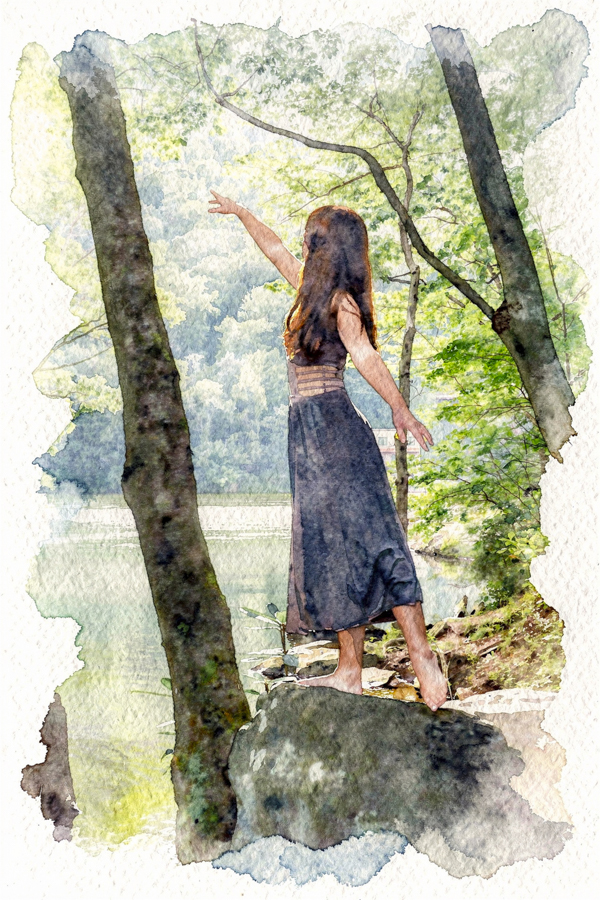
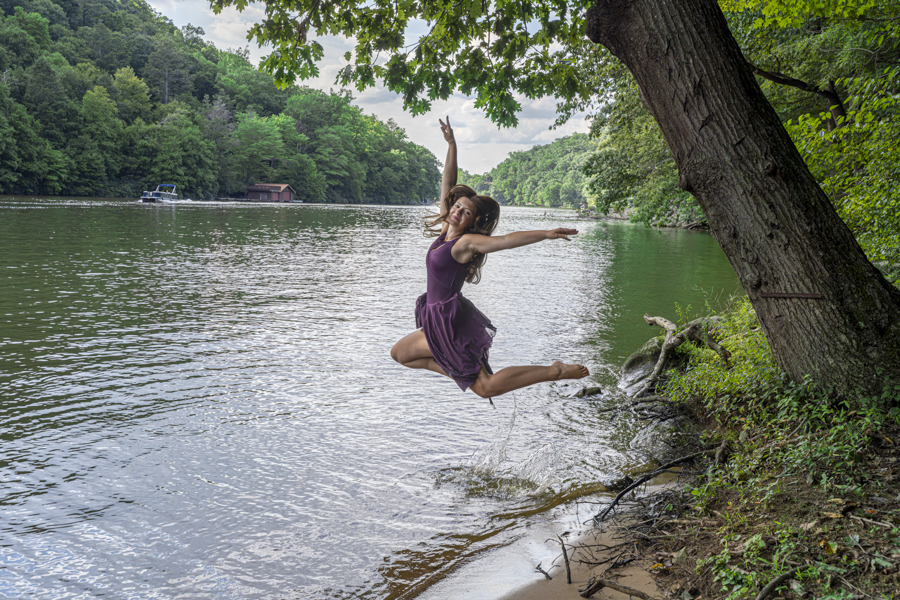
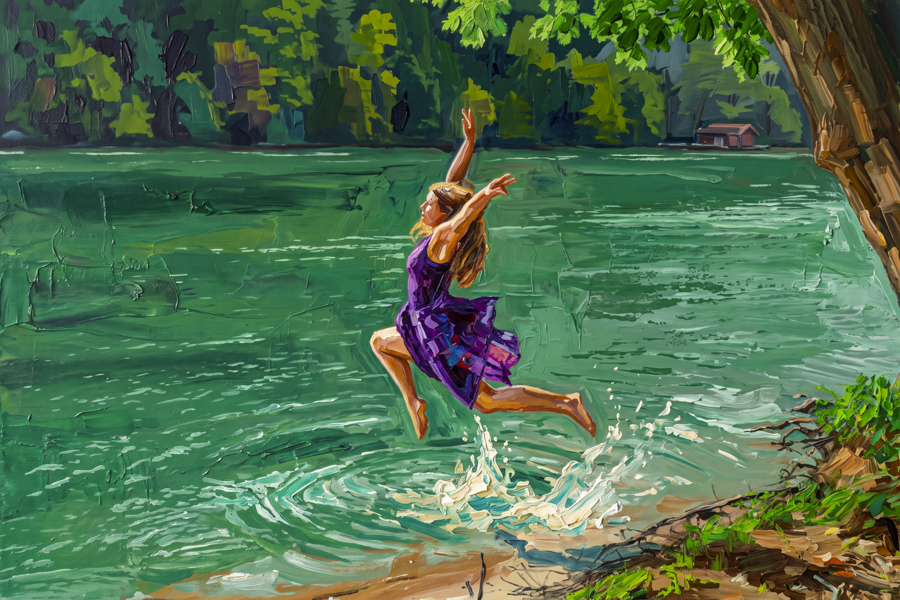
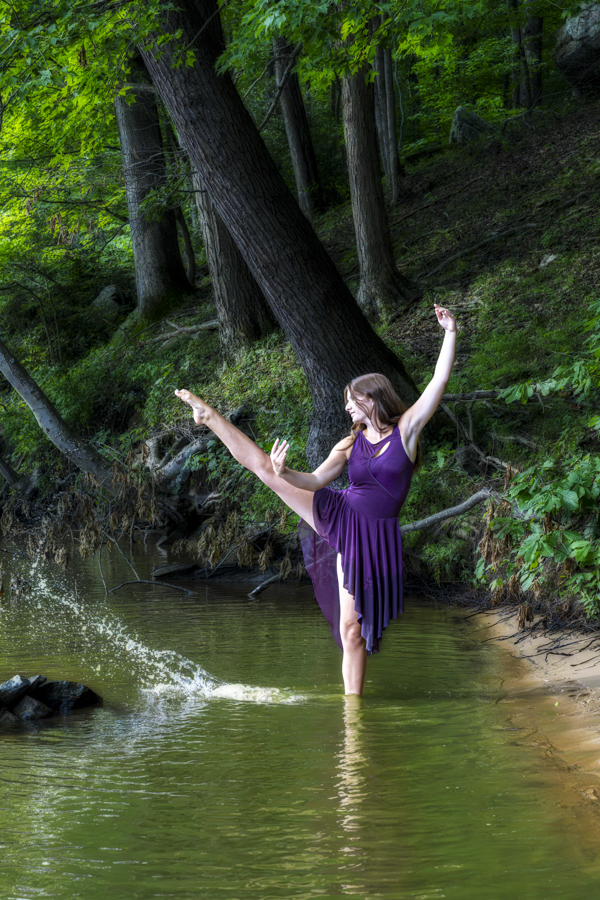
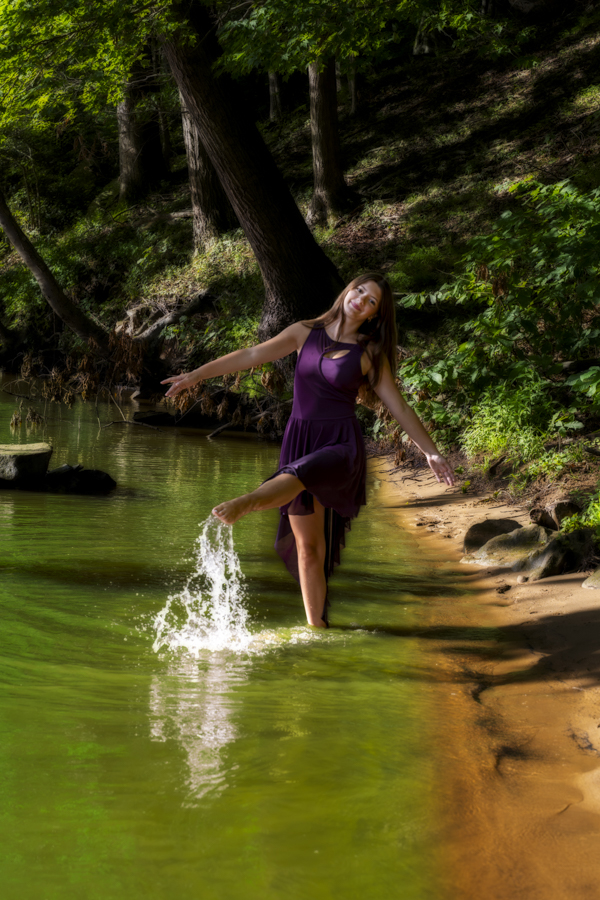
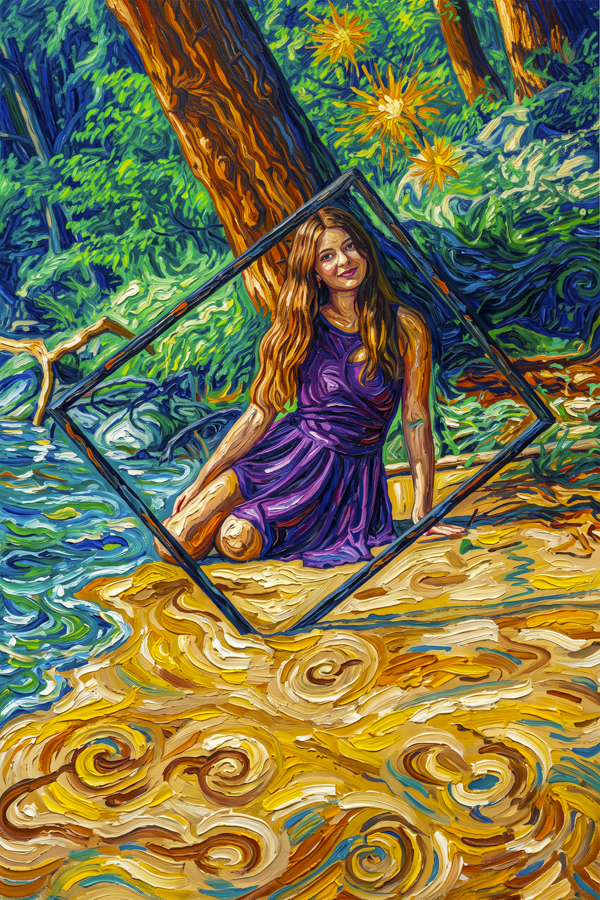
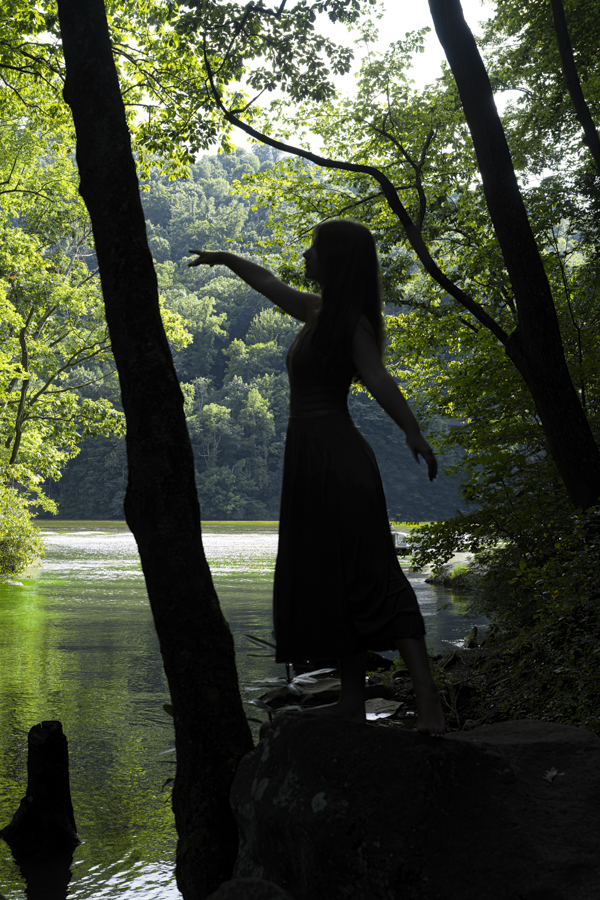
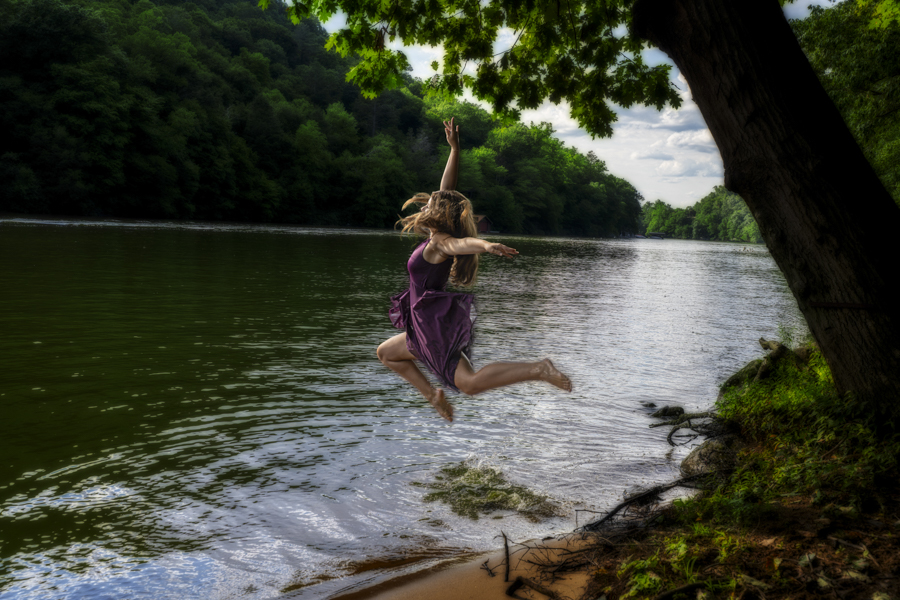
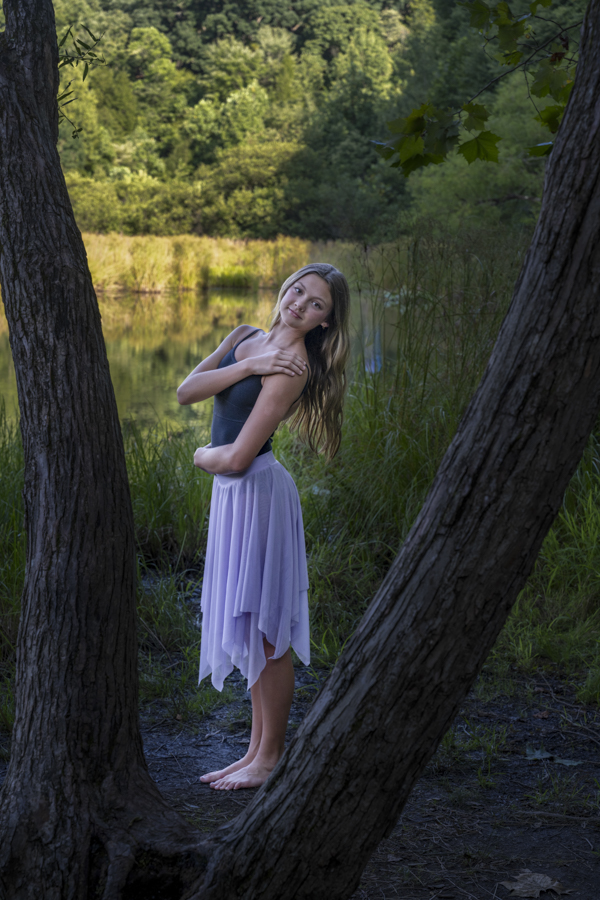
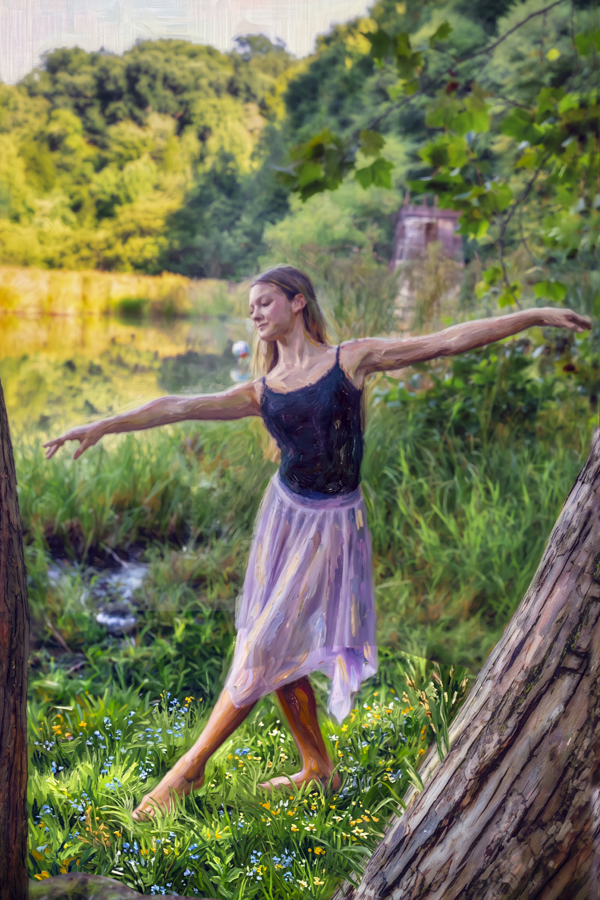
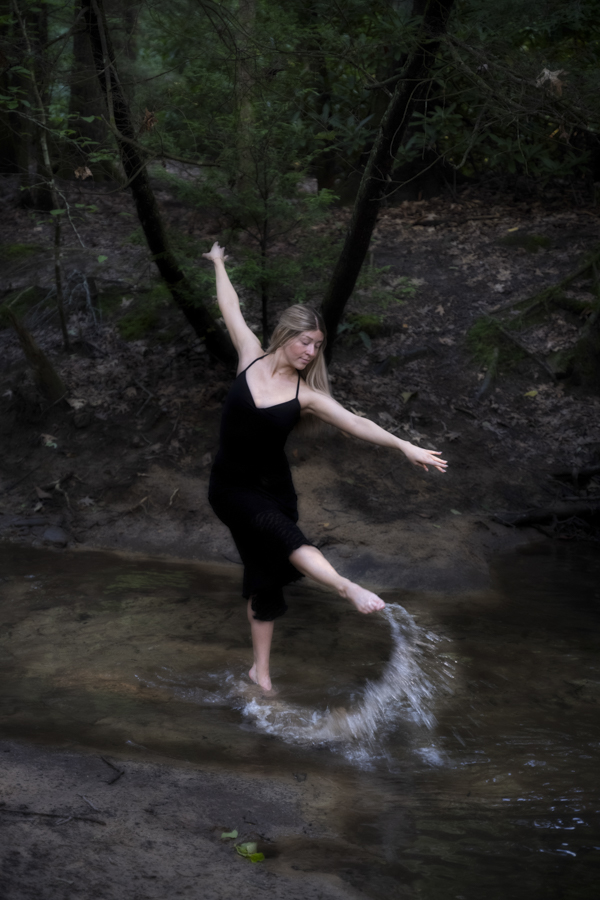
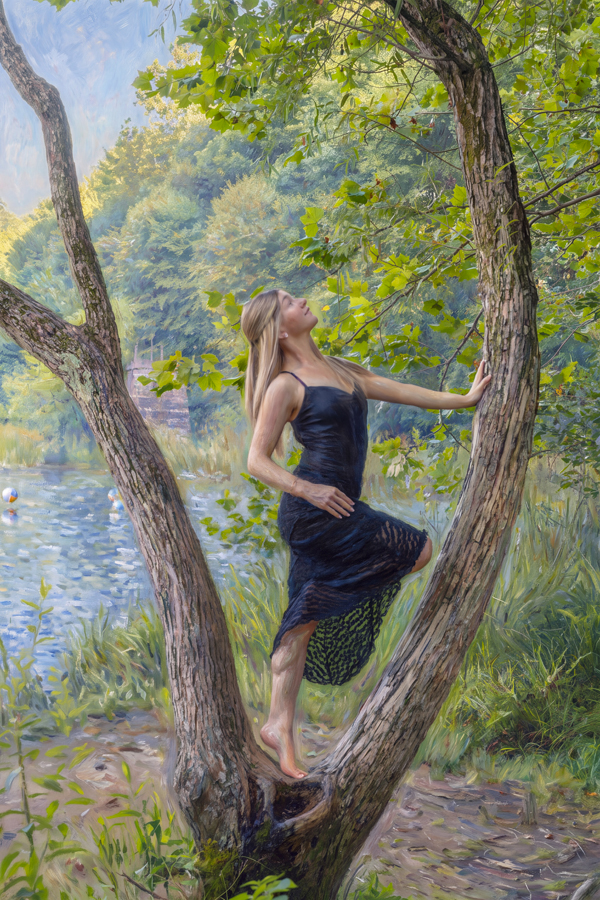
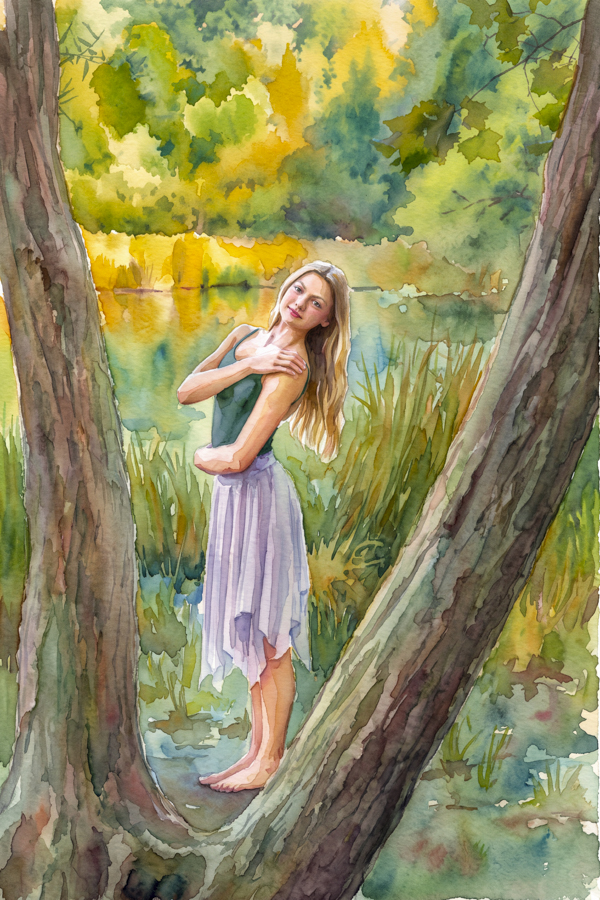
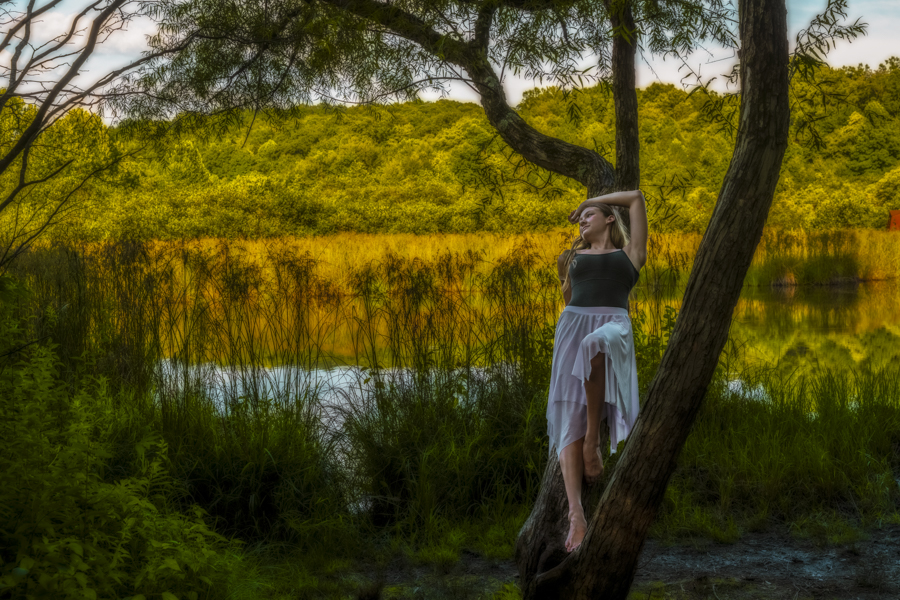
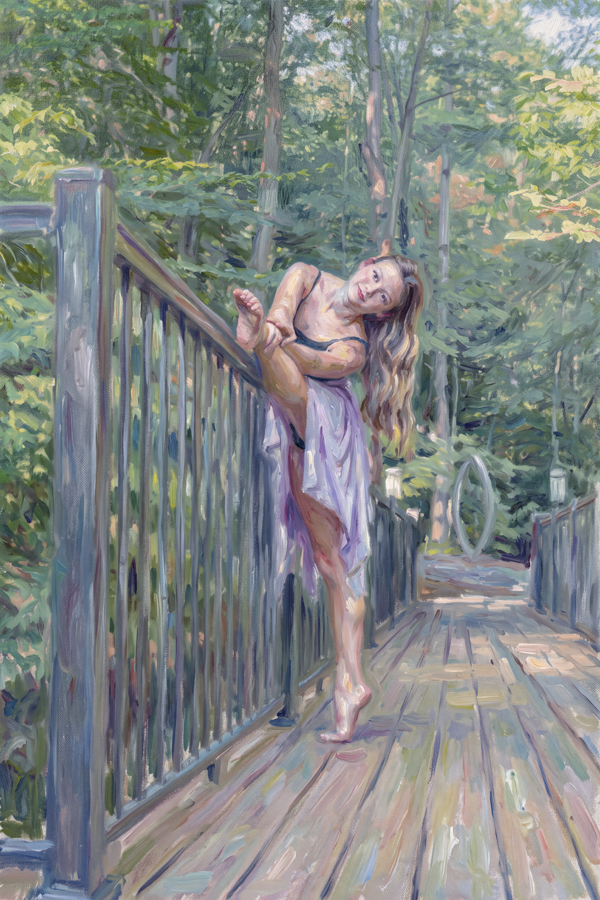
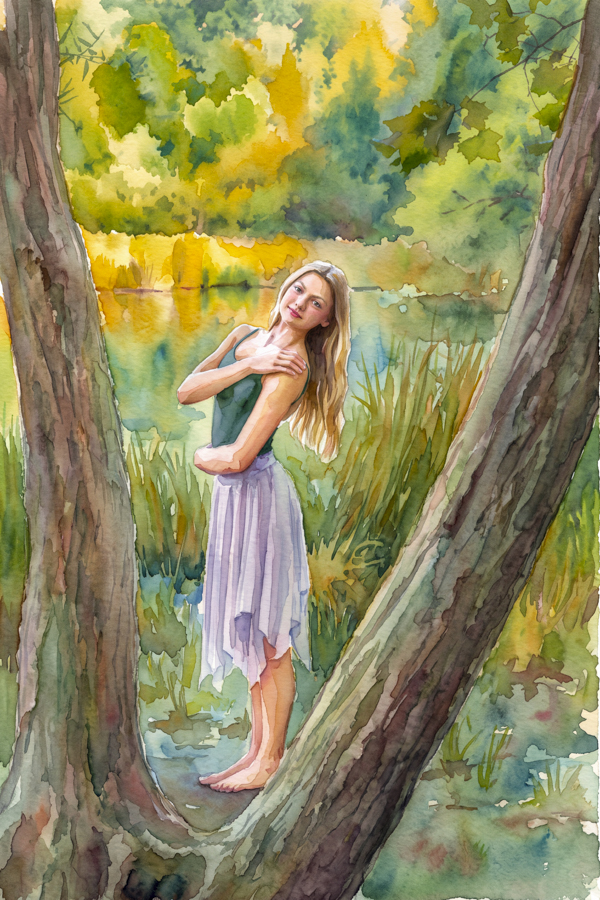
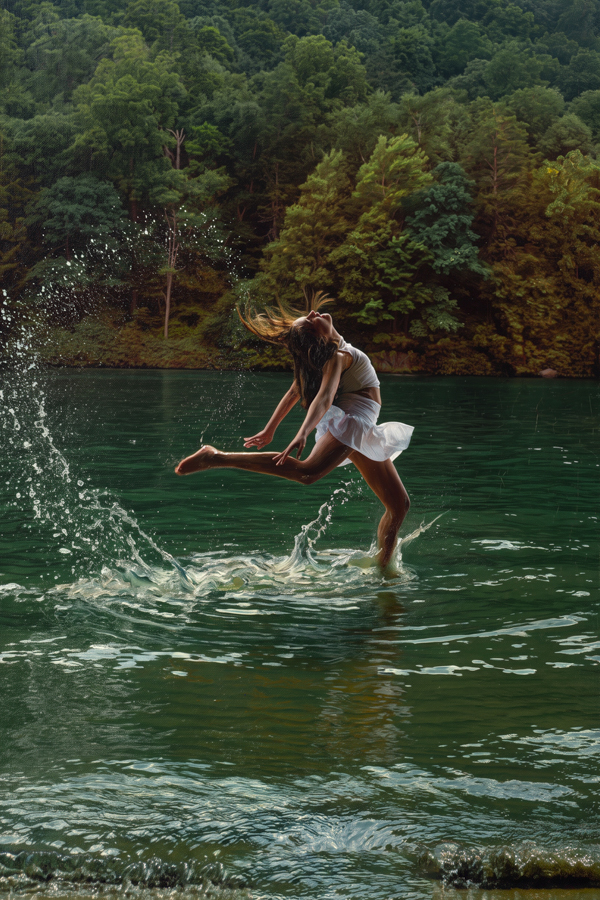
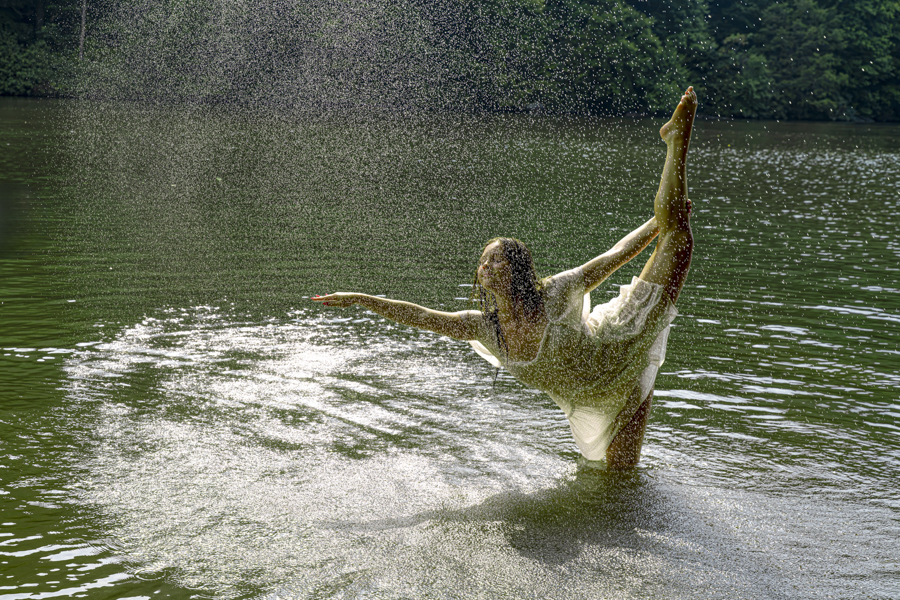
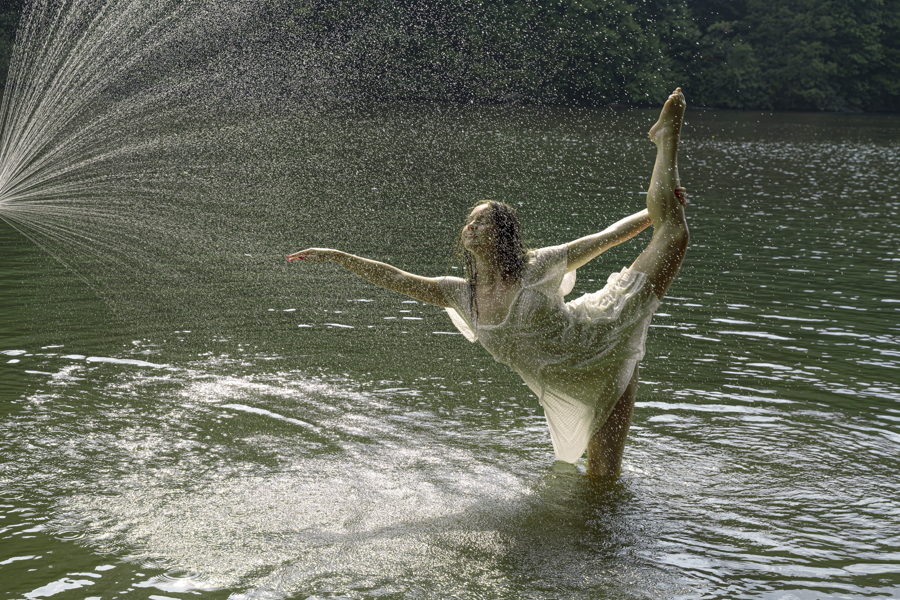
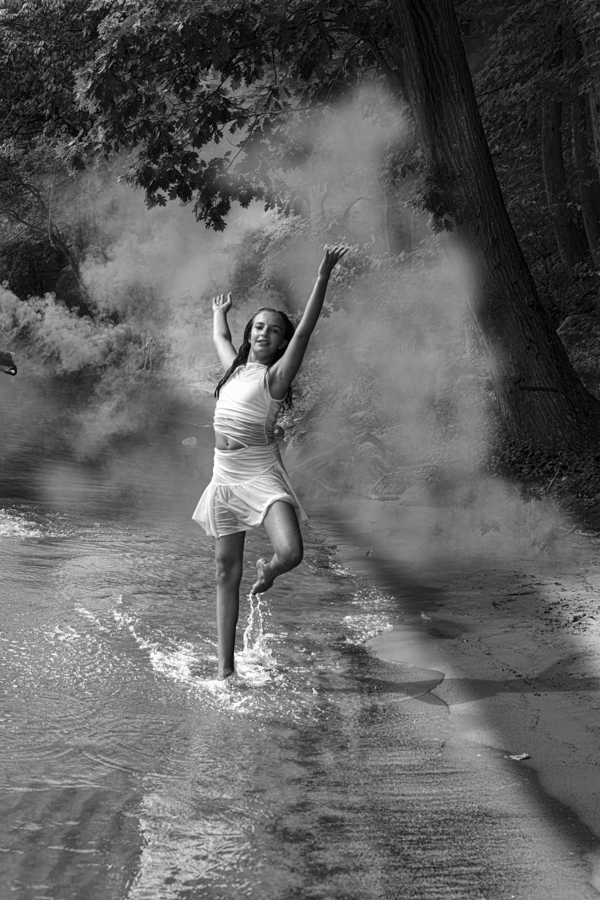
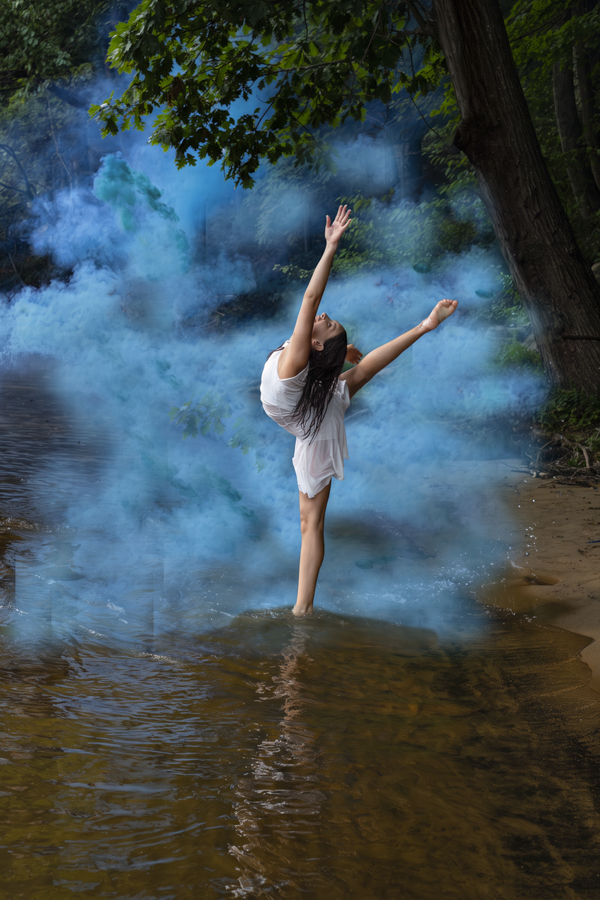
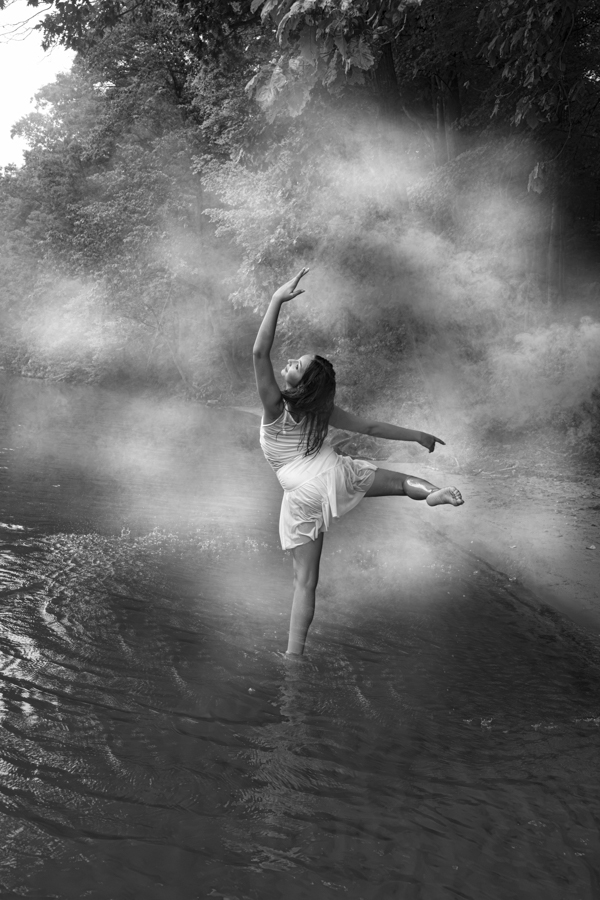
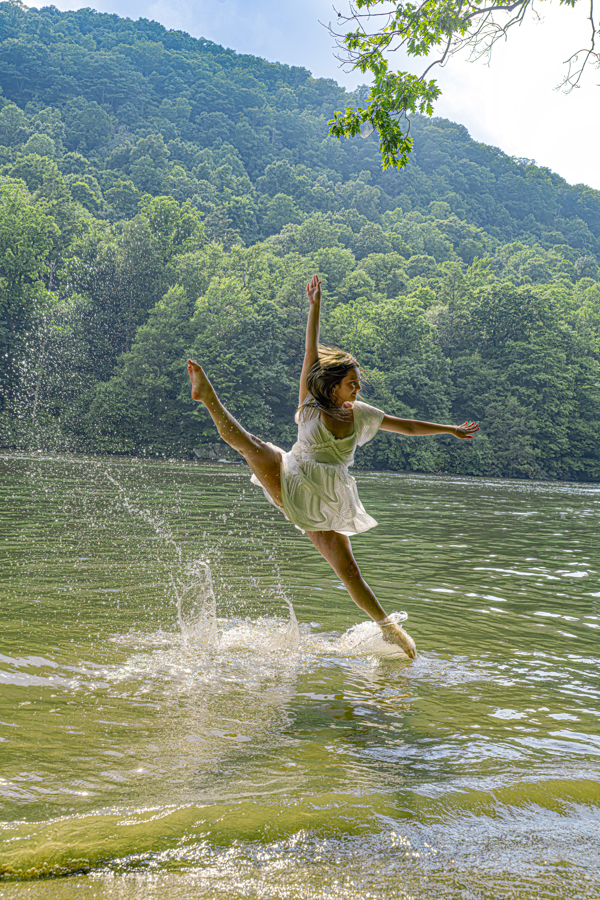
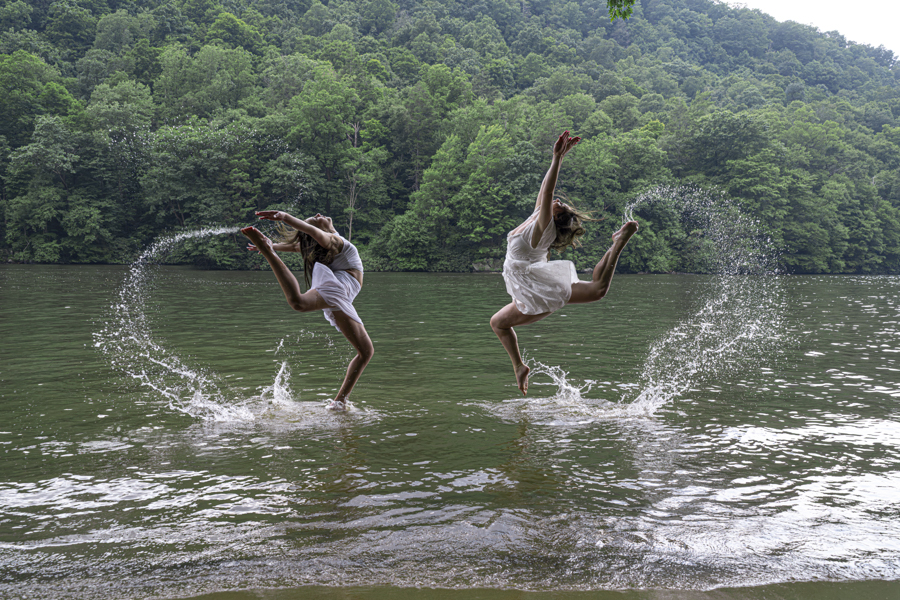
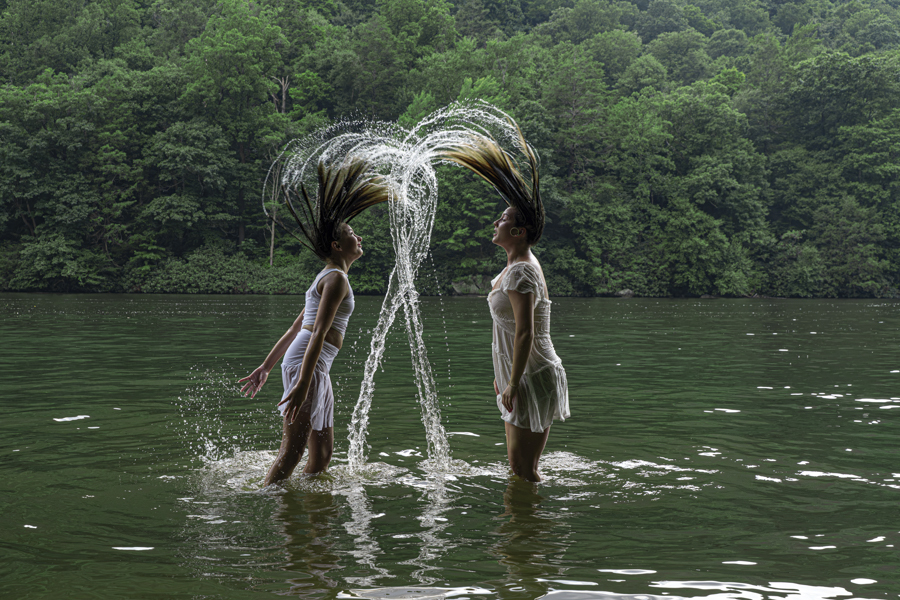
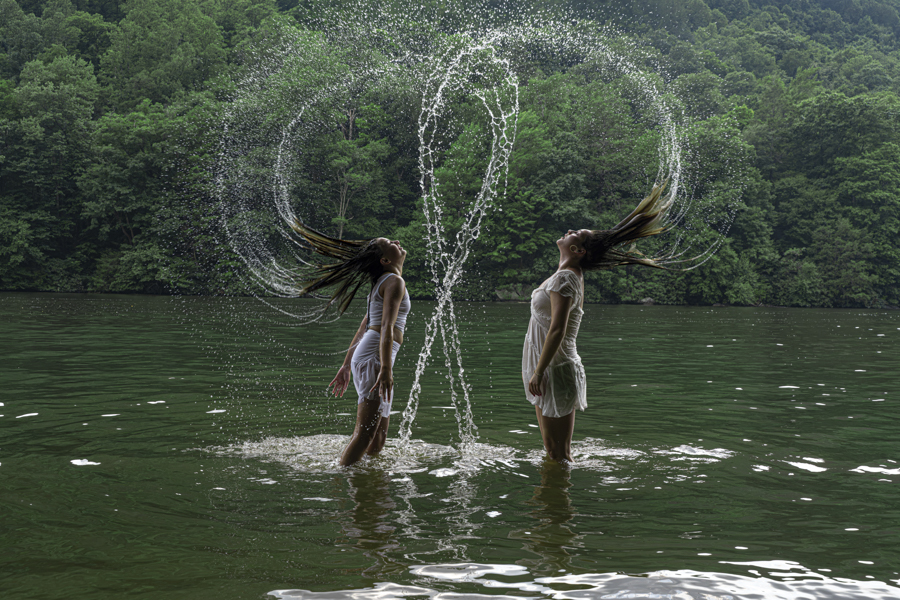
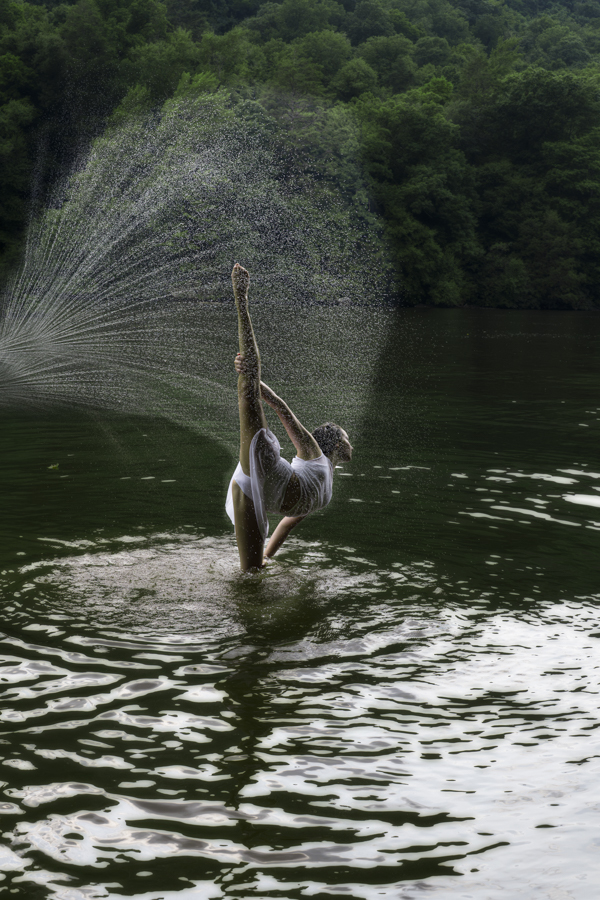
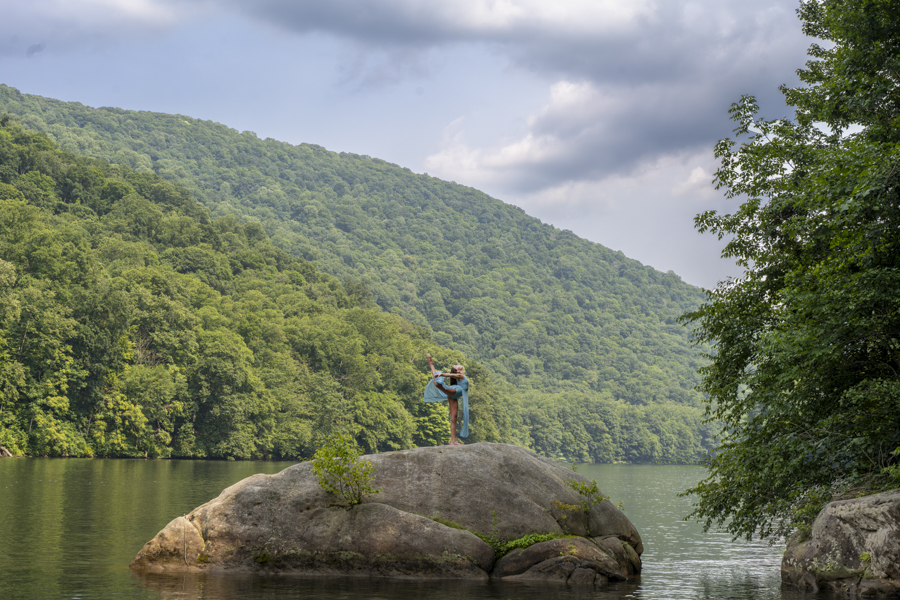
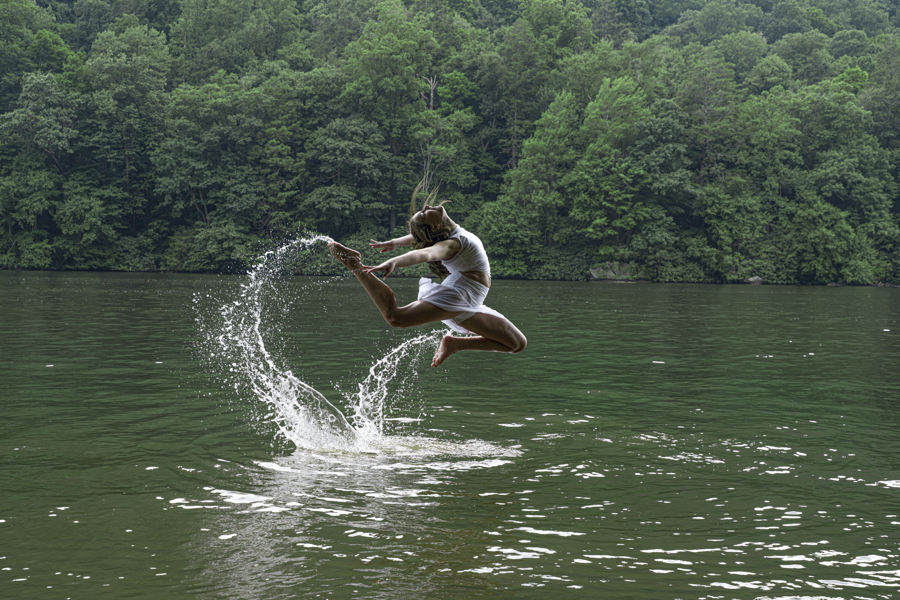
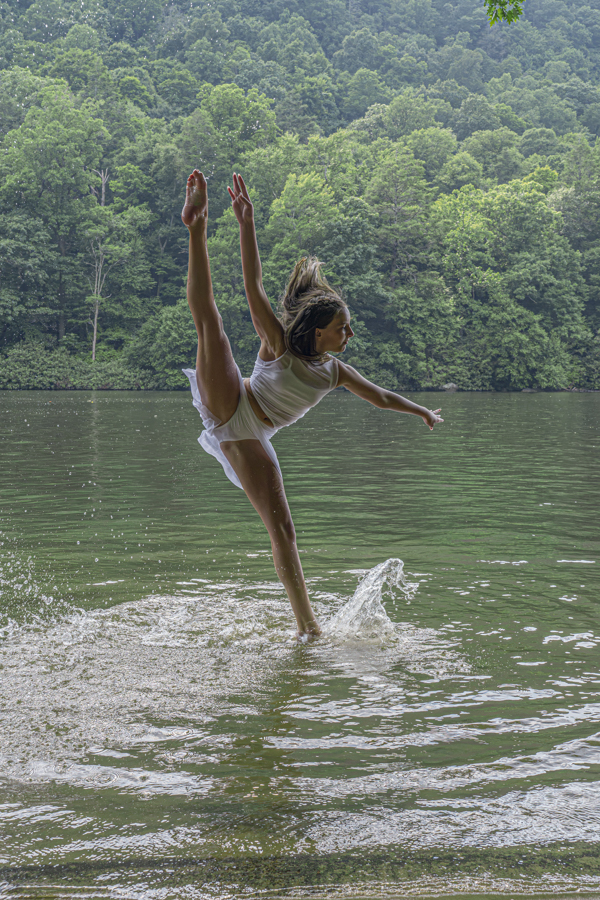
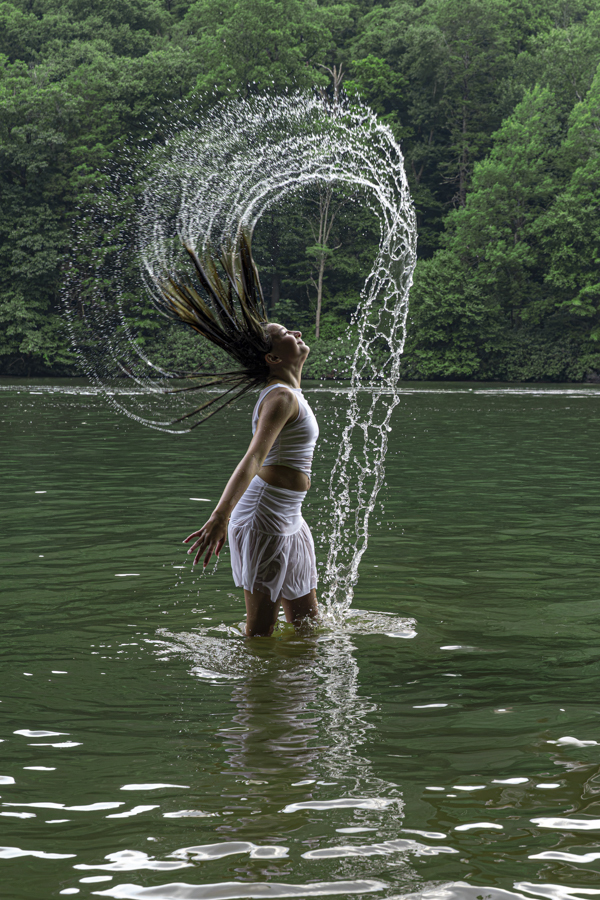
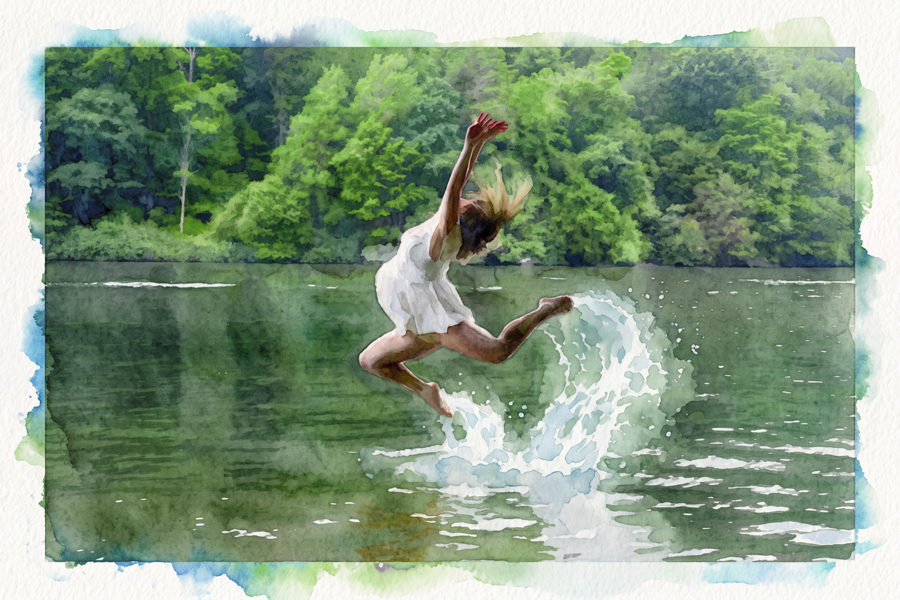
Dance in an open natural setting—especially around the tranquil, reflective expanse of a lake—transforms movement into a dialogue with nature. Freed from the rigid boundaries of an indoor studio, dancers interact with soft sands, wooden docks, and cool water, letting the environment shape their posture and rhythm. The stillness of the shoreline creates a striking contrast with the fluid power of a leap or the quiet poise of an extension. In this space, every movement feels amplified; flowing fabrics catch the lakeside breeze, and the dancer’s form mirrors the organic lines of the surrounding landscape.
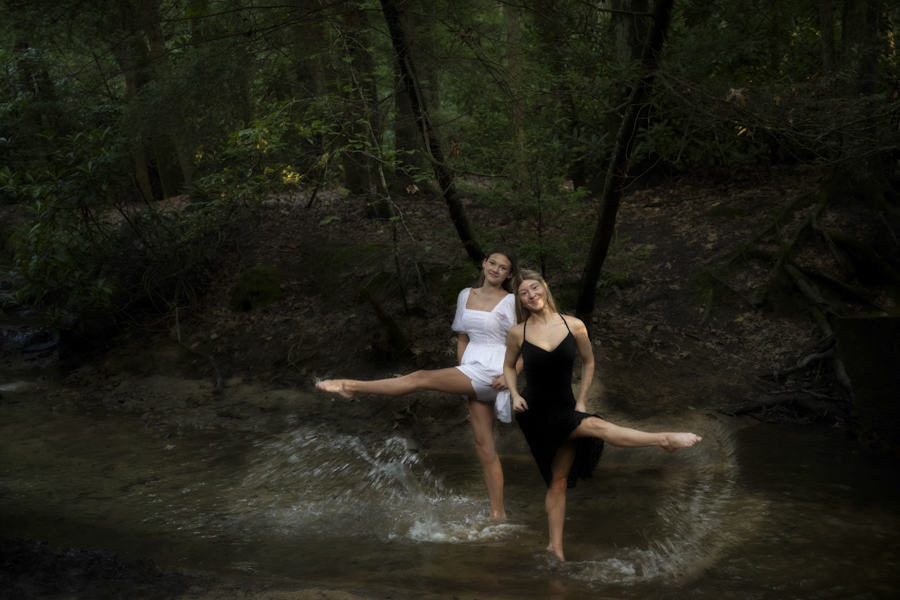
Dancers Amelia and StellaDancers Amelia and StellaDancers Amelia and StellaDancers Amelia and StellaDancers Amelia and StellaDancers Amelia and StellaDancers Amelia and StellaDancers Amelia and StellaDancers Amelia and StellaDancers Amelia and StellaDancers Amelia and StellaDancers Amelia and StellaDancers Amelia and StellaDancers Amelia and StellaDancers Amelia and StellaDancers Amelia and Stella
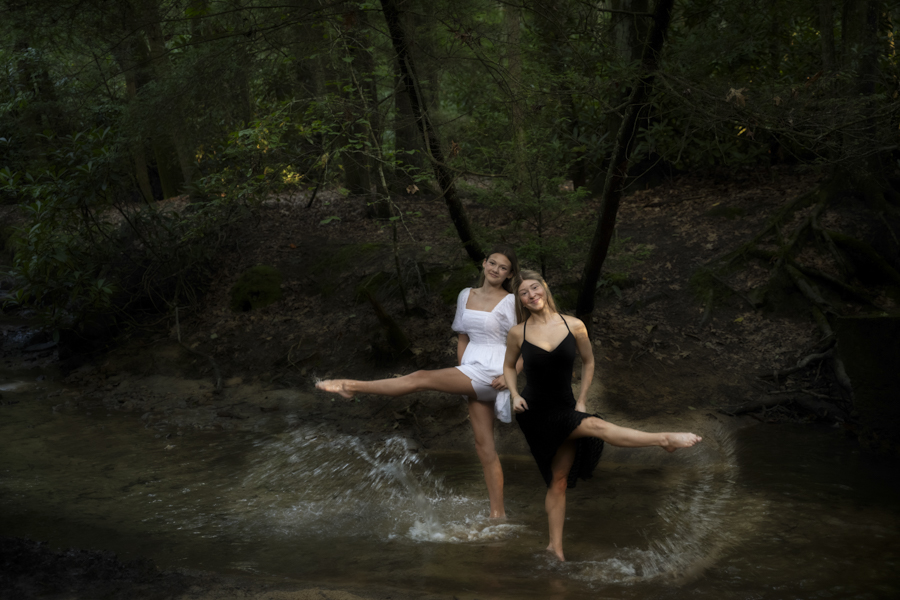
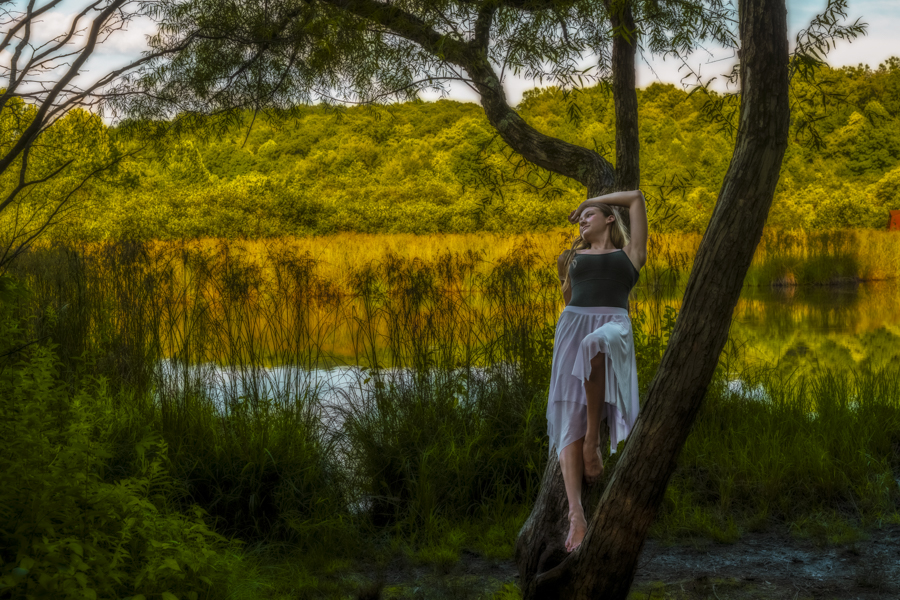
Photographing dancers in a lake environment offers a captivating play on light, texture, and motion. As seen in the image above, setting a shoot during golden hour creates a natural backlight that outlines the dancer’s silhouette against low-angled sunlight and warm water reflections. High shutter speeds allow you to freeze suspended droplets as a dancer moves through the shallows, turning splashes into dynamic, sparkling elements that frame the pose. By lowering your camera angle near the water line, you can capture both the crisp athleticism of the dancer and the expansive horizon, resulting in images that feel simultaneously grounded and weightless.
Dancers Amelia and StellaDancers Amelia and StellaDancers Amelia and StellaDancers Amelia and StellaDancers Amelia and StellaDancers Amelia and StellaDancers Amelia and StellaDancers Amelia and StellaDancers Amelia and StellaDancers Amelia and StellaDancers Amelia and StellaDancers Amelia and StellaDancers Amelia and StellaDancers Amelia and StellaDancers Amelia and StellaDancers Amelia and StellaDancers Amelia and StellaDancers Amelia and StellaDancers Amelia and StellaDancers Amelia and Stella
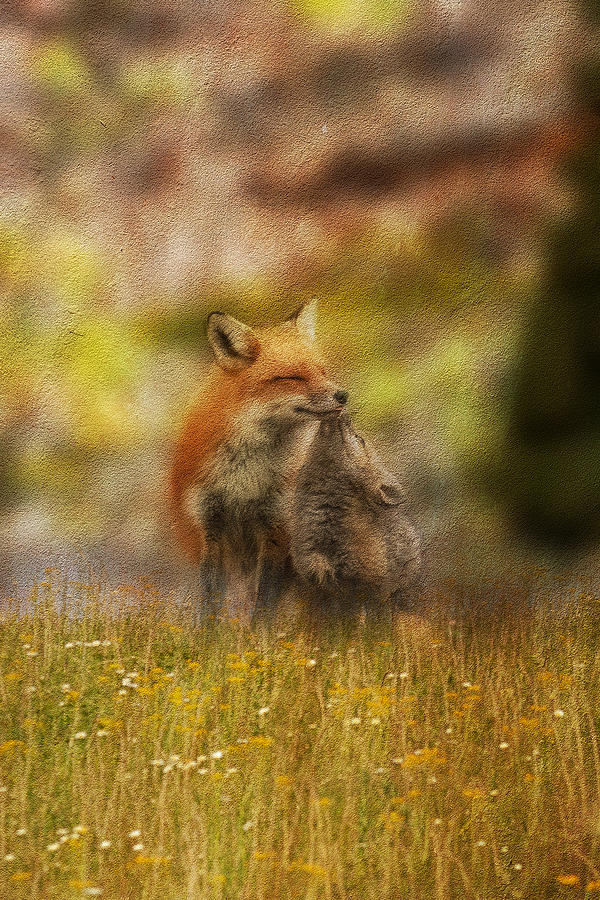
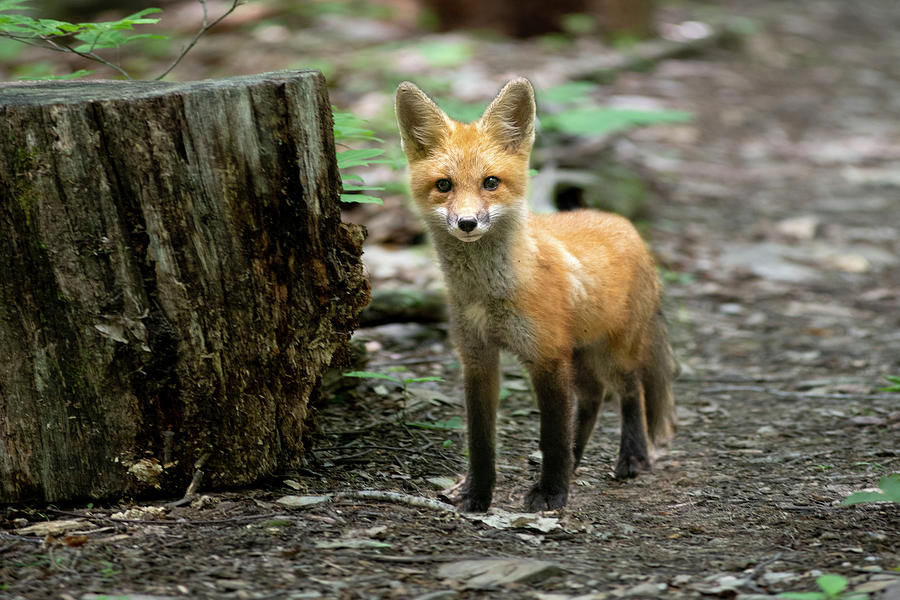
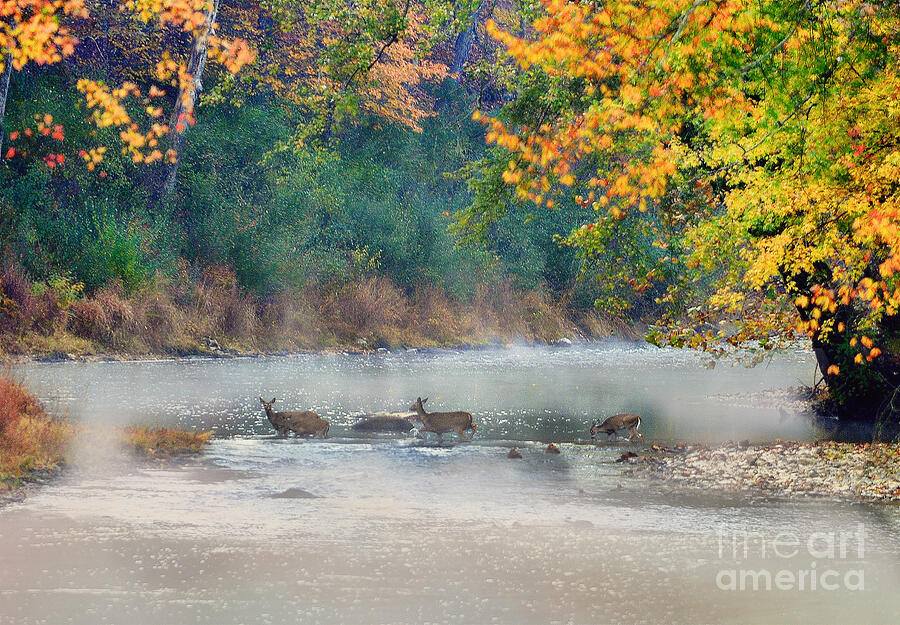
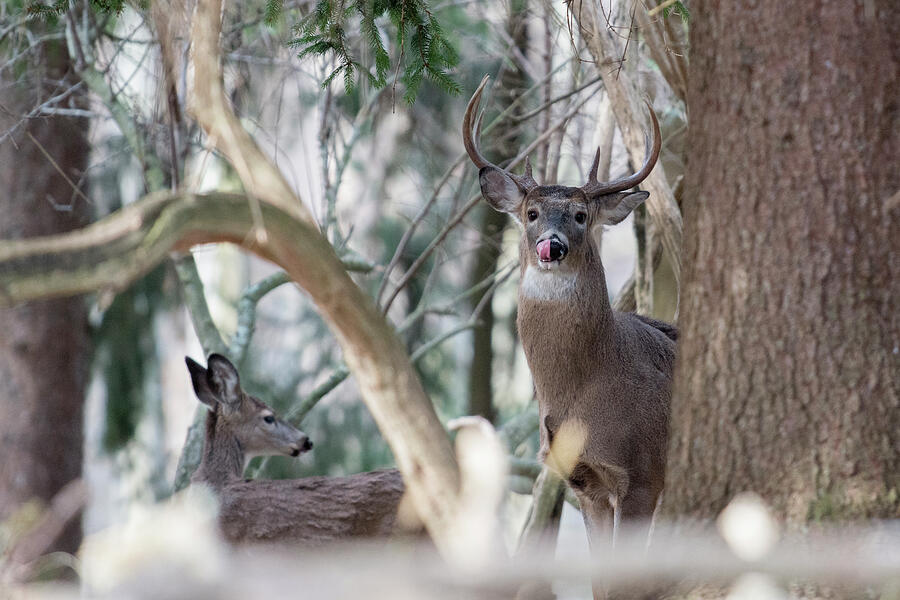
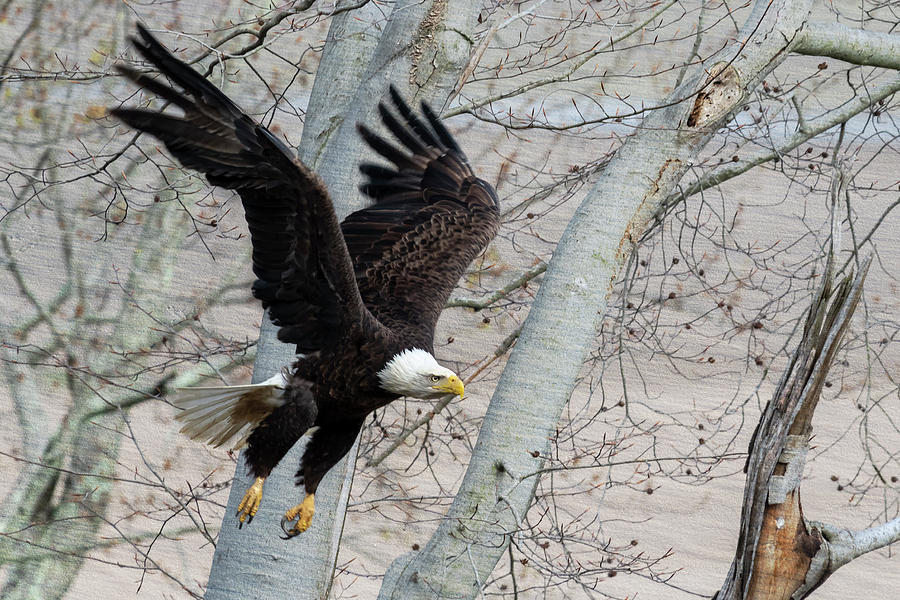
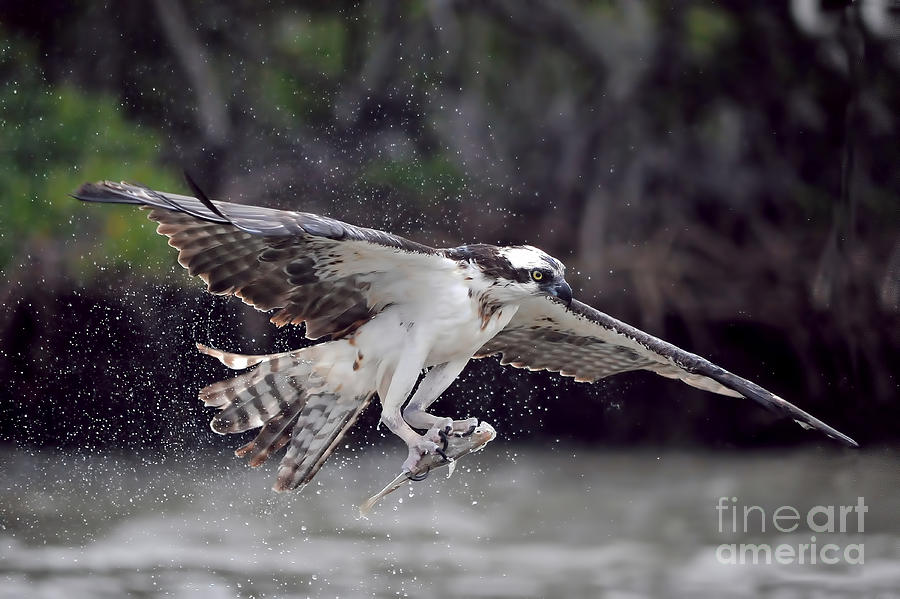
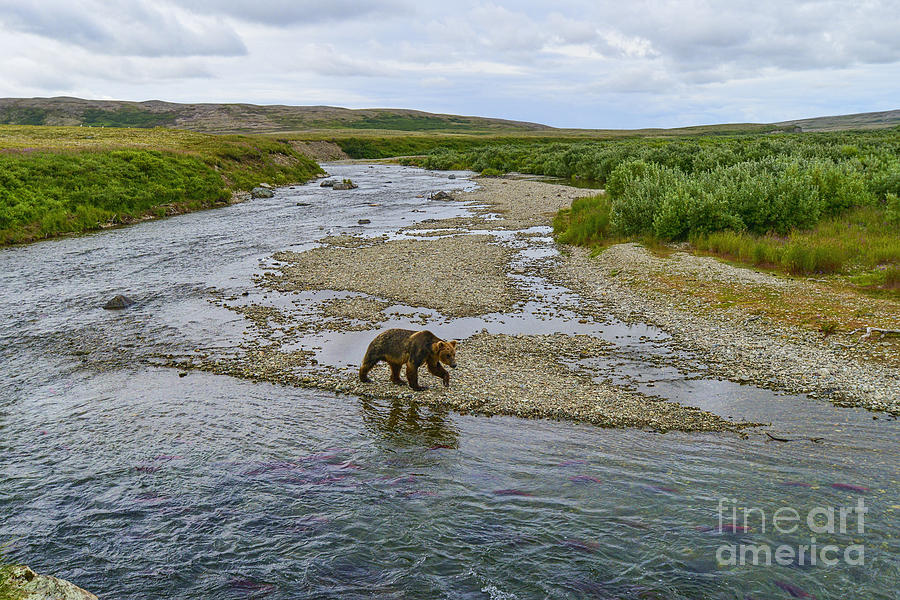
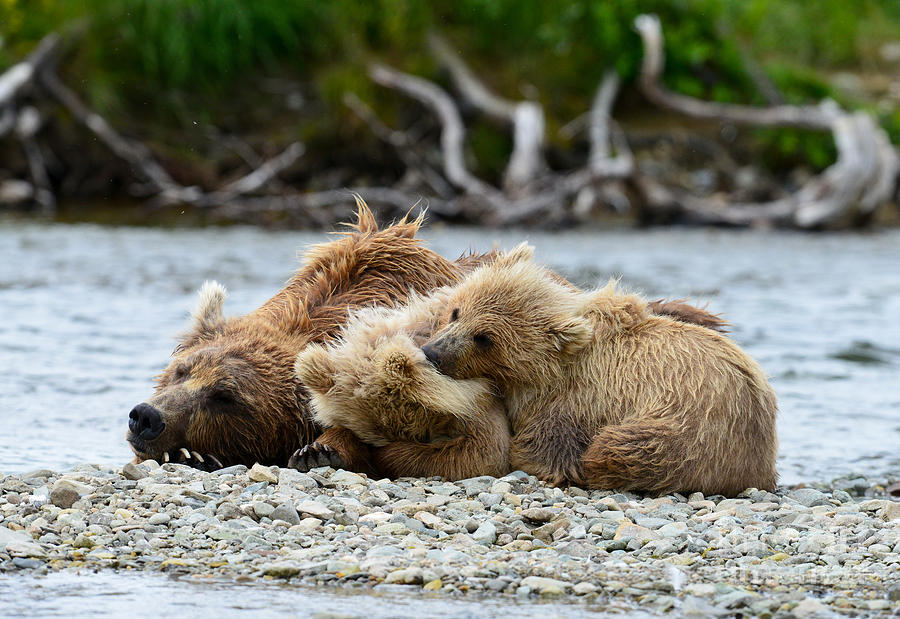
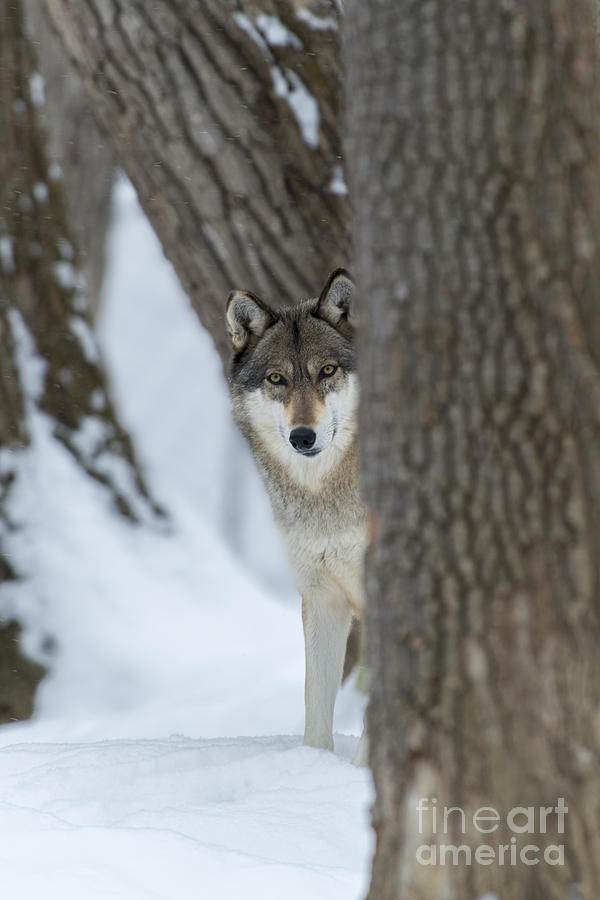
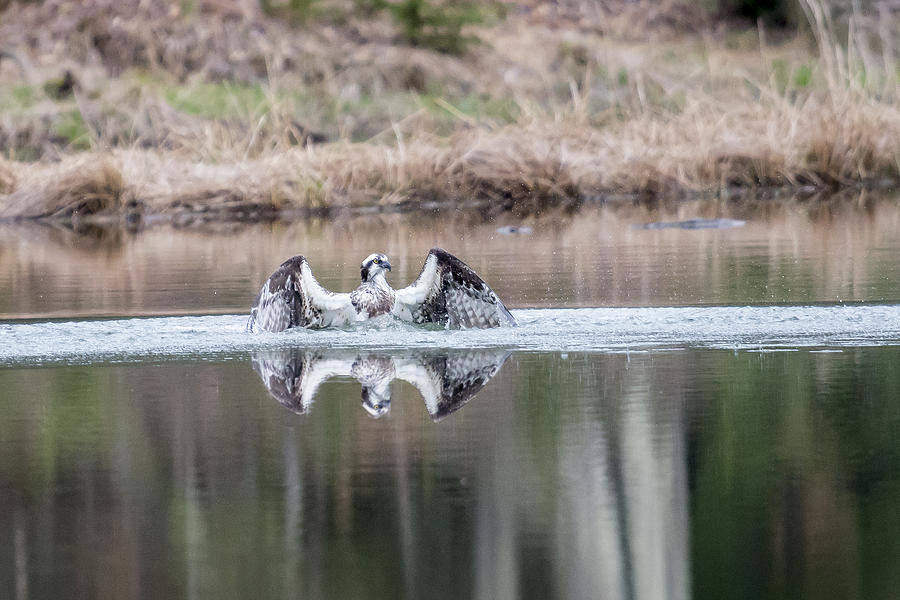
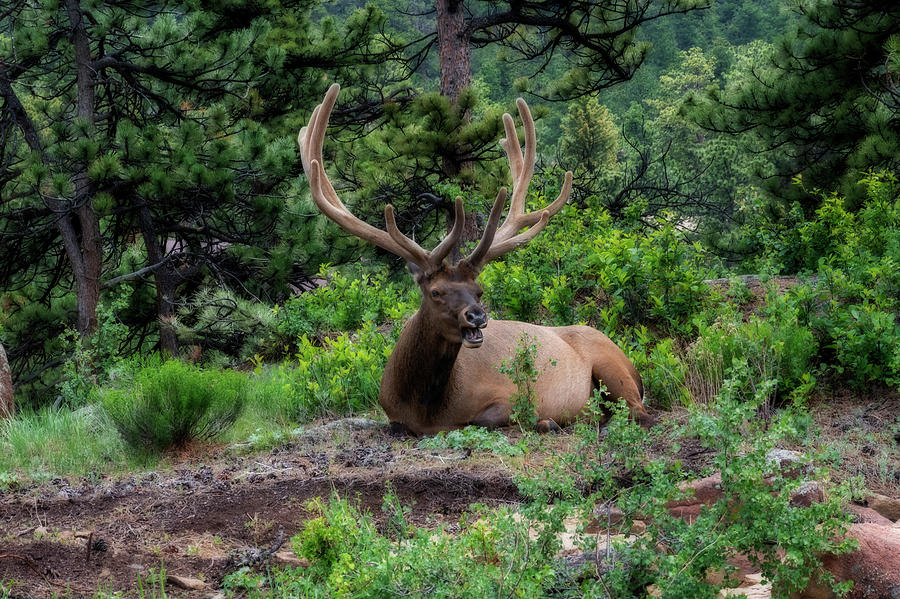
A fox pausing in fresh snow, a whitetail stepping through morning fog, or an osprey caught in sharp focus can change the feeling of a room faster than another coat of paint. The best wildlife wall art does more than fill an empty wall. It gives a space a point of view – one rooted in wild places, memorable encounters, and the details that make nature worth looking at twice.
For some homes, that means a powerful animal portrait above the fireplace. For others, it is a small bird print near a reading chair, or a wide scenic photograph that brings the stillness of a mountain morning into an office. The right choice is not always the loudest image. It is the photograph that feels at home in your home.
What Makes the Best Wildlife Wall Art?
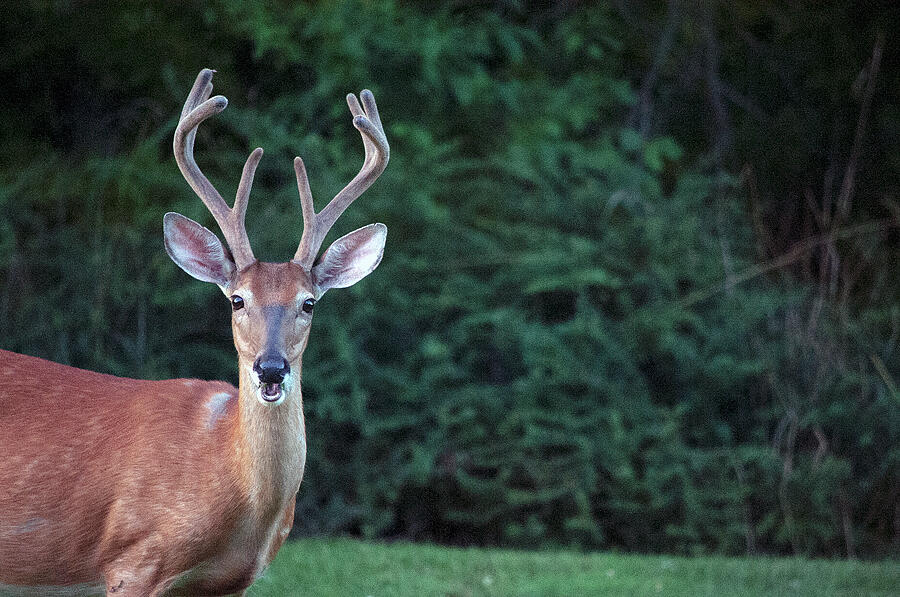
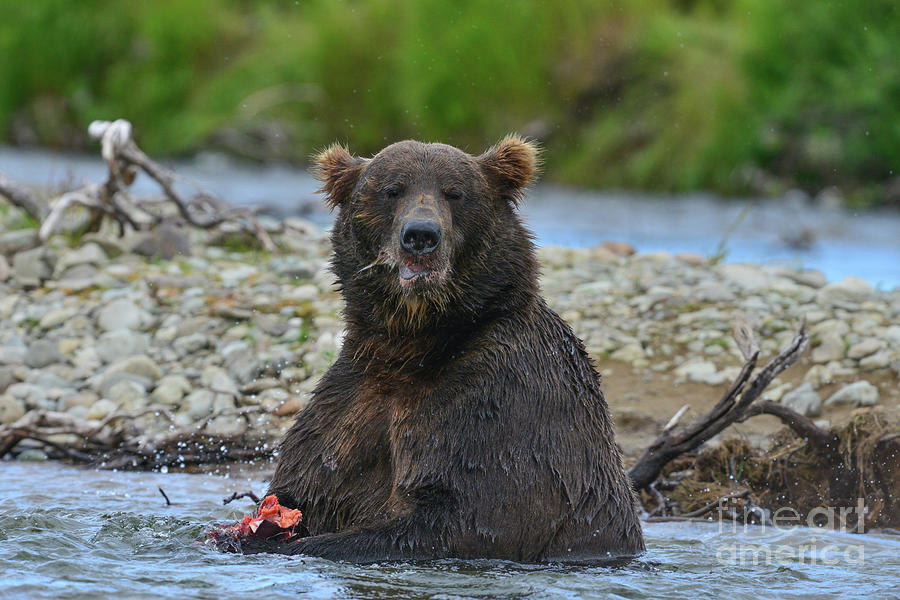
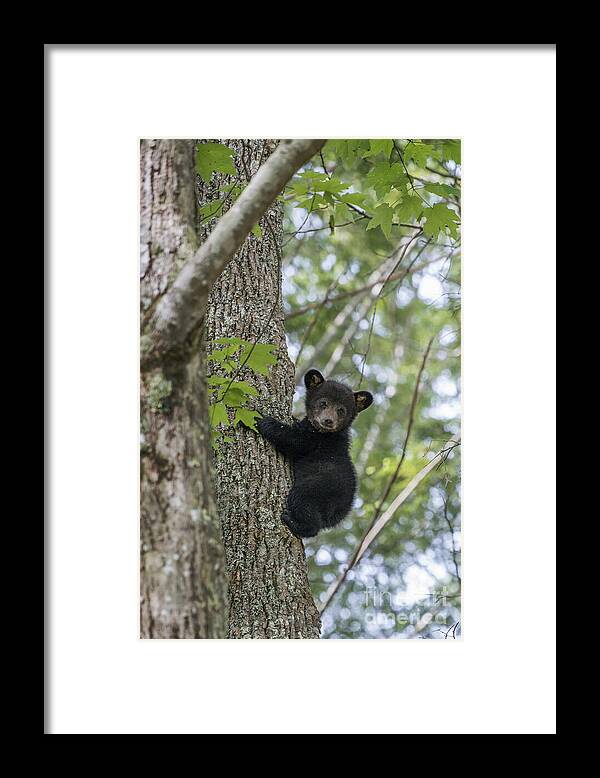
Wildlife photography has a special advantage over generic decor: the subject already has a story. A bear in the woods suggests strength and solitude. A songbird on a branch can bring color and lightness to a kitchen or sunroom. A deer standing at the edge of a field can feel especially meaningful to someone who grew up in the country or spends every fall watching the woods come alive.
The strongest pieces combine that emotional connection with careful photography. Look for a clear focal point, natural color, convincing detail, and a composition that gives the animal room to exist in its environment. A close portrait can be dramatic, but an animal photographed within a larger landscape often creates a deeper sense of place.
Original photography matters here. It captures a real moment rather than a decorative idea of wildlife. The angle of light, the changing season, the weather, and the animal’s behavior all make the image specific. That specificity is what keeps a print interesting after the first week it hangs on the wall.
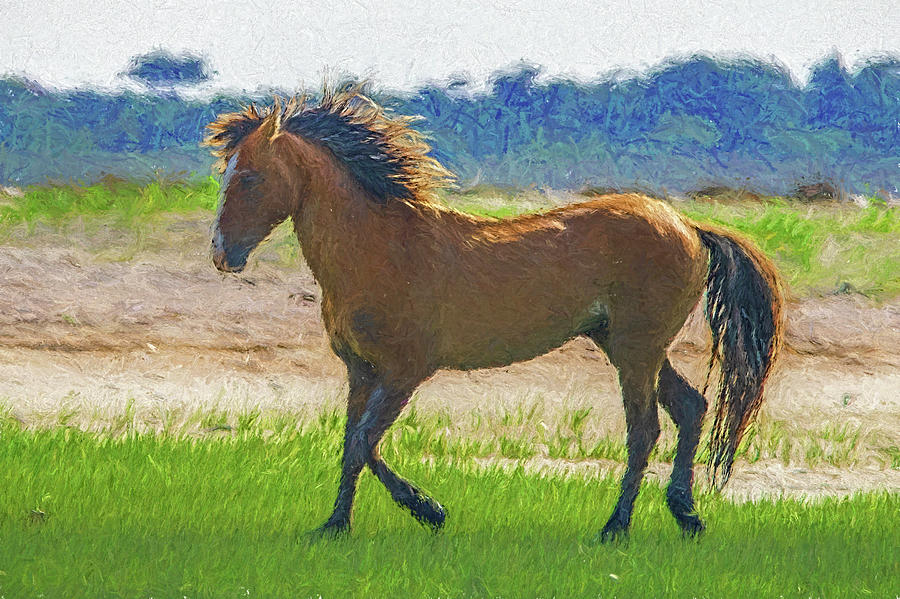
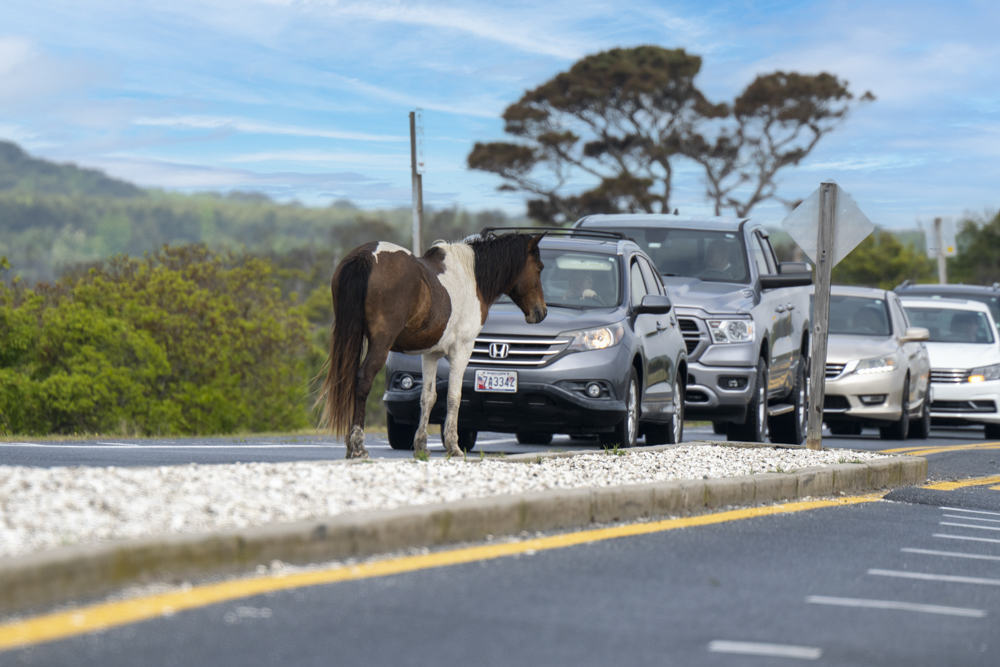
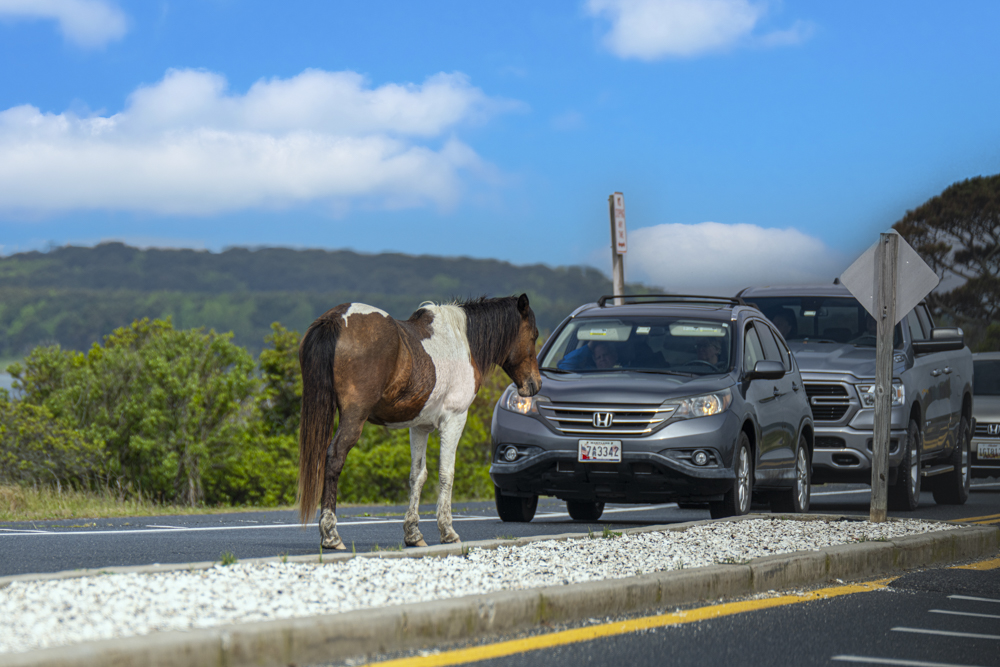
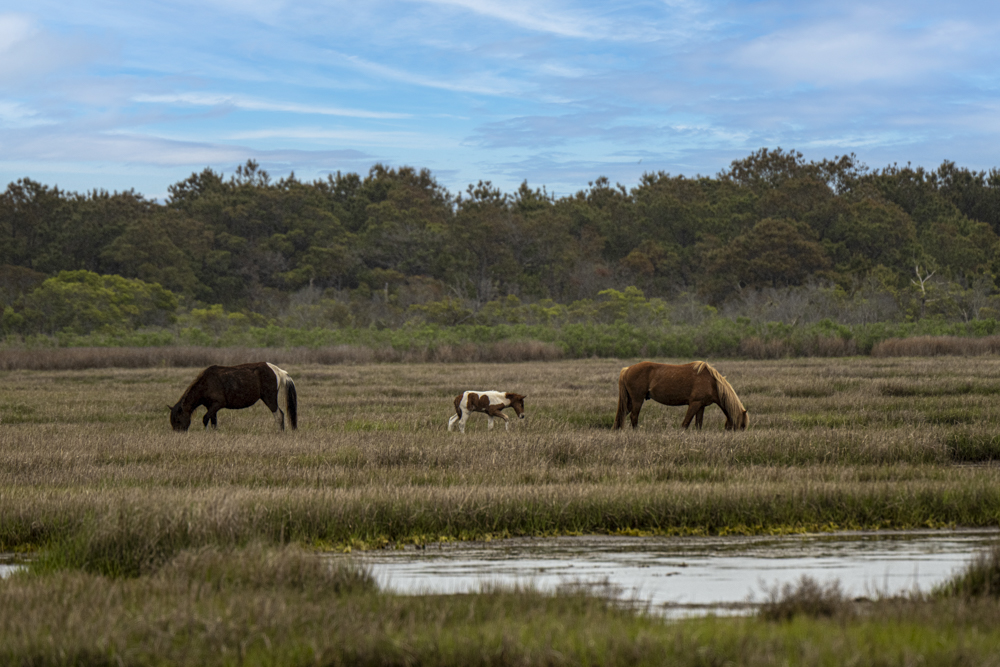
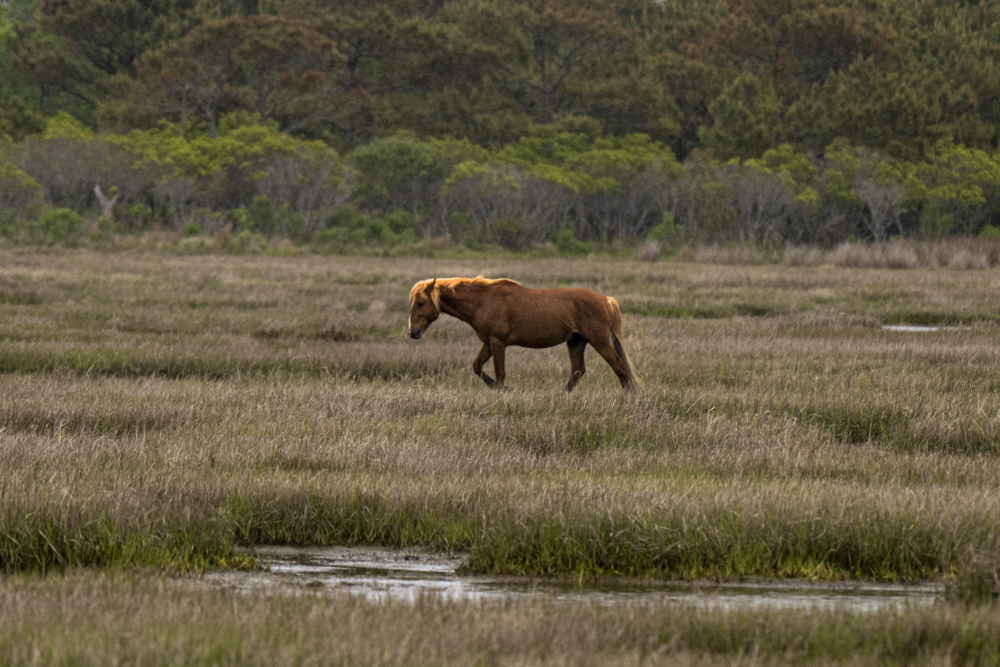
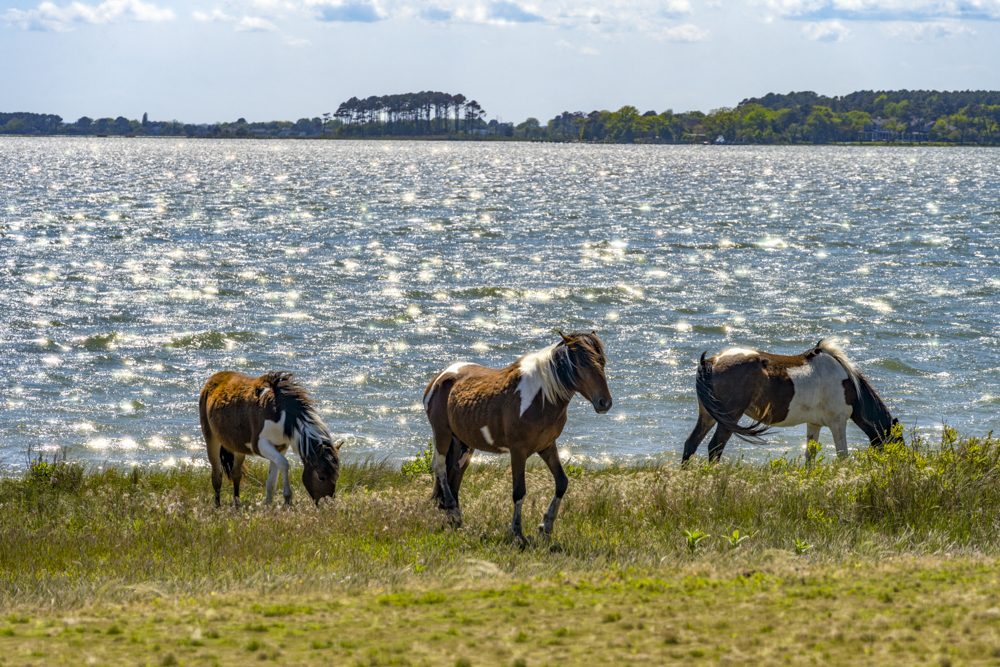
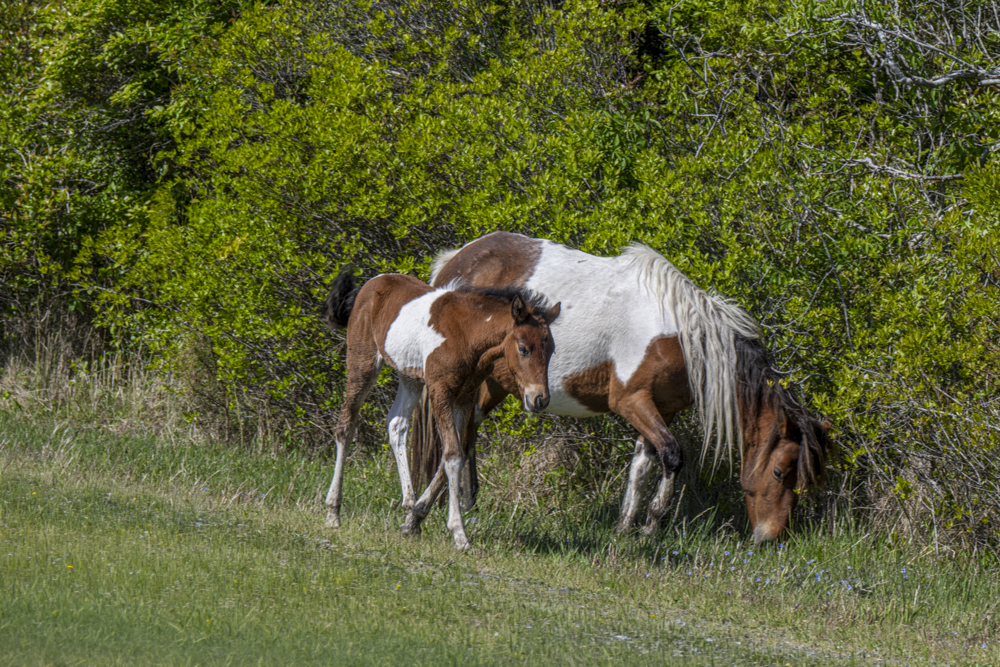
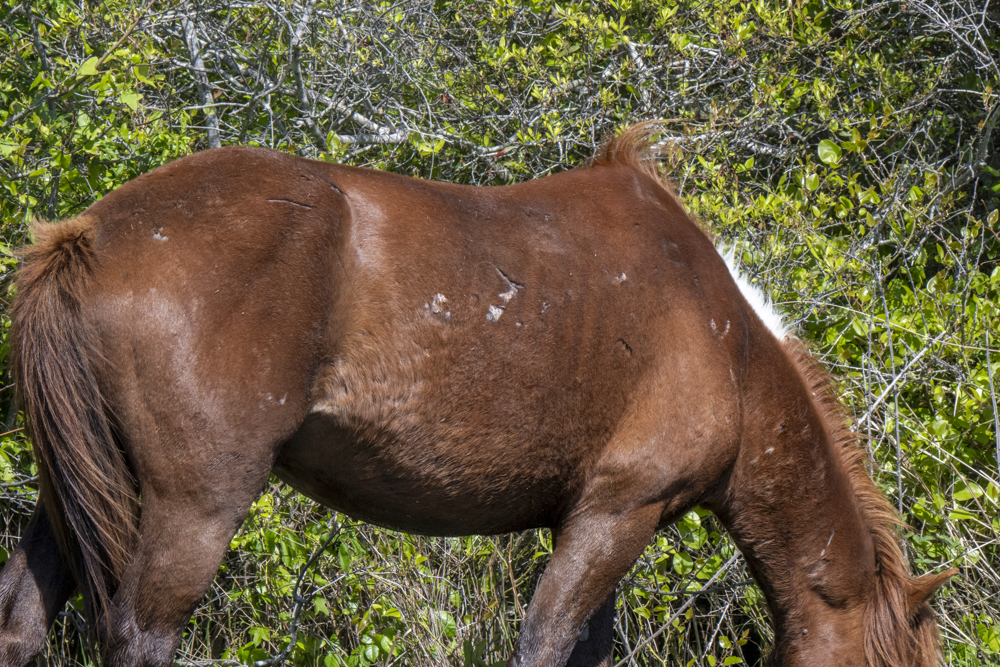
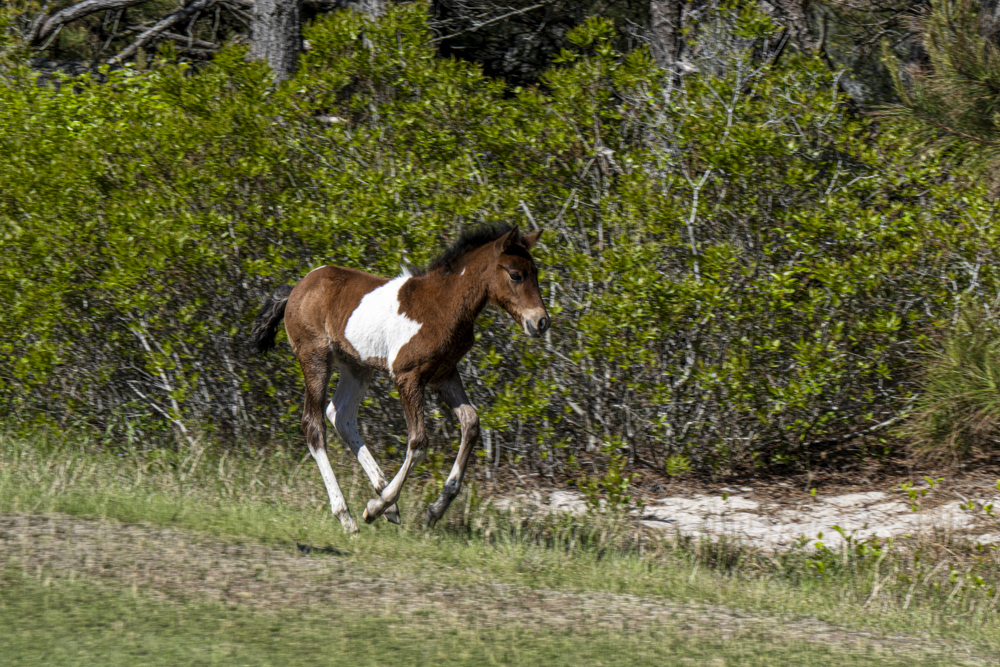
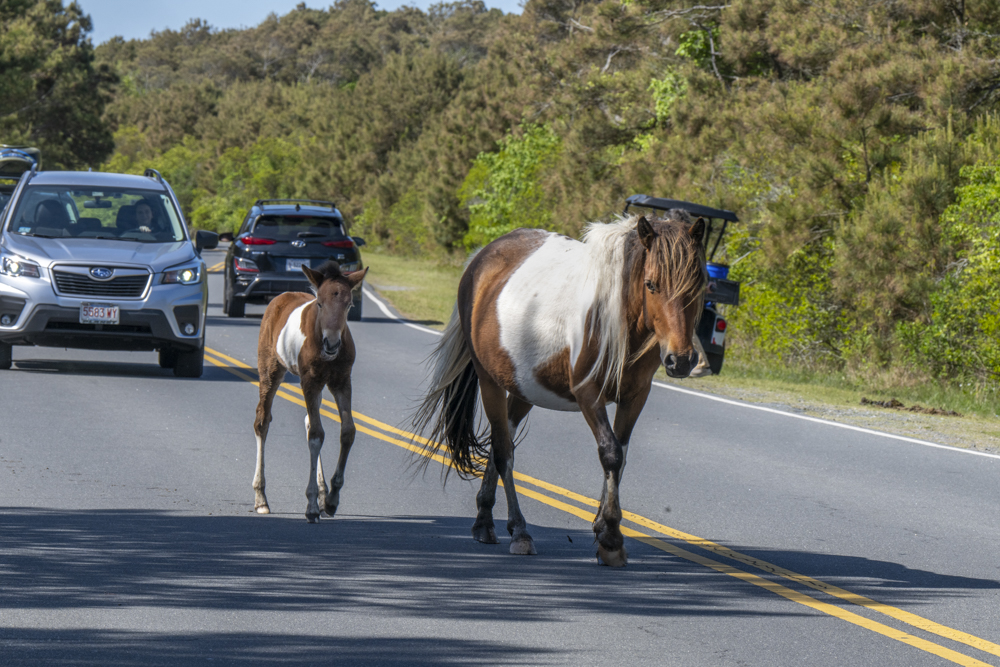
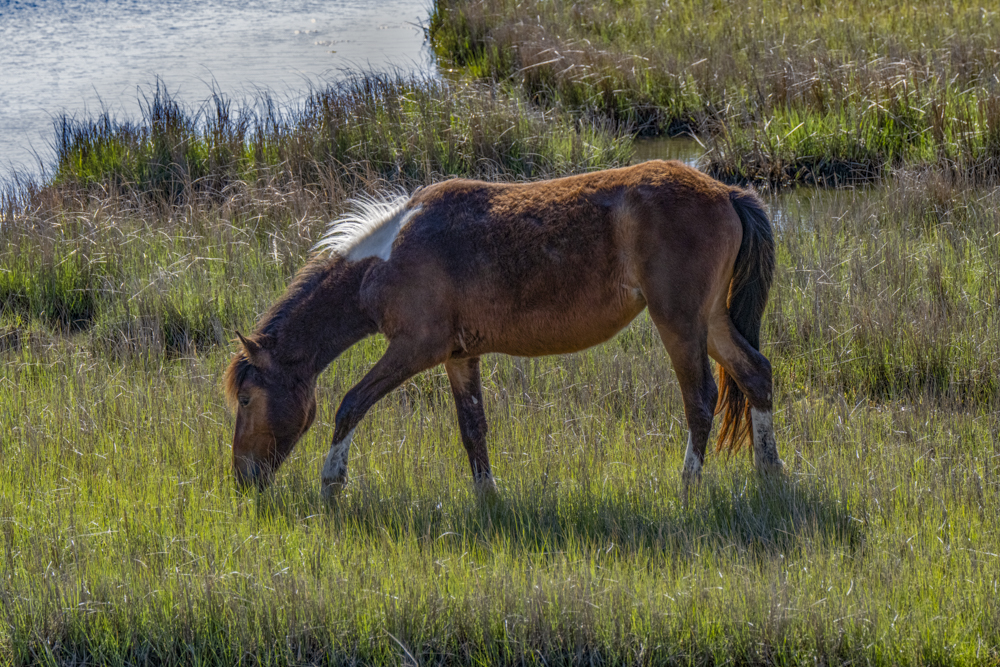
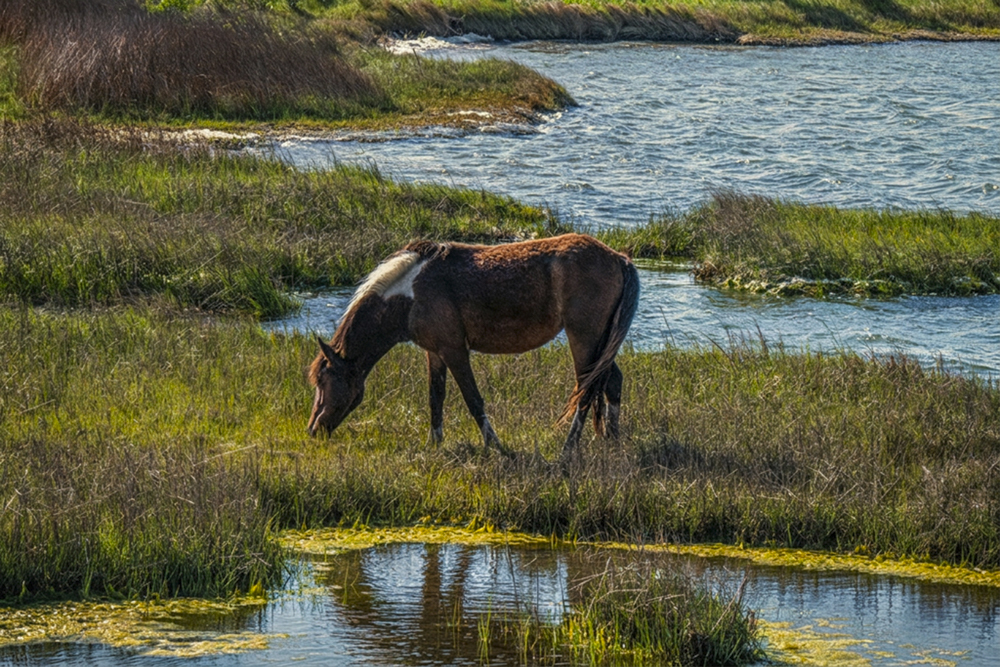
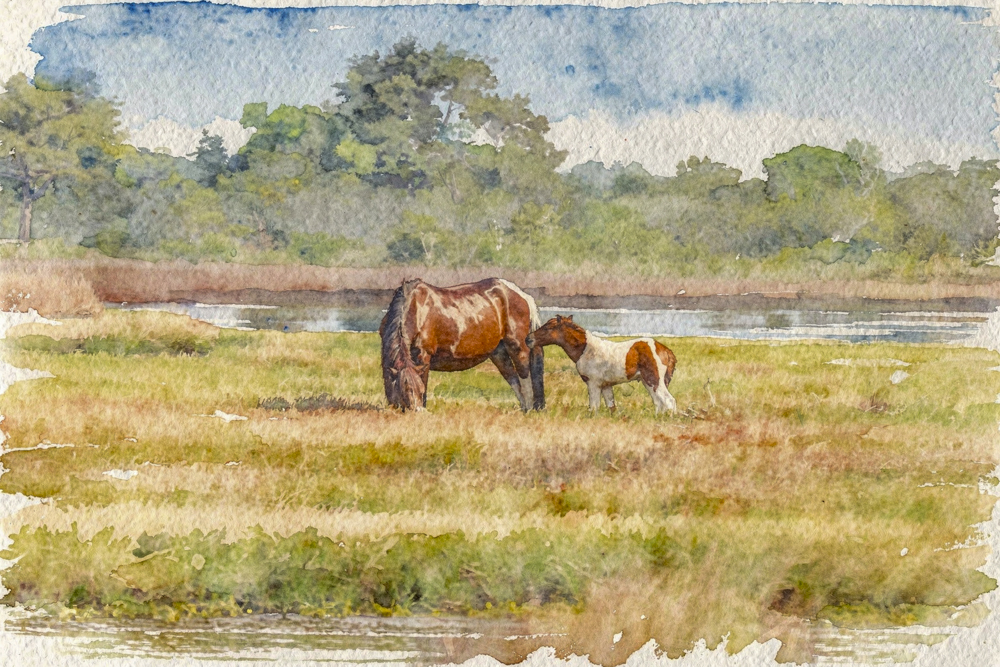
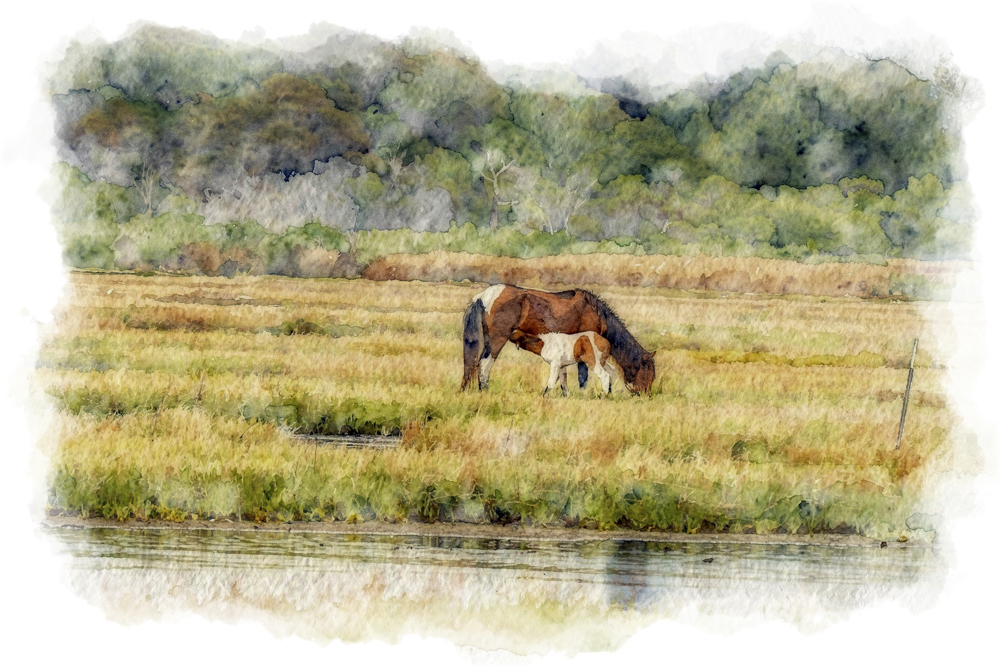
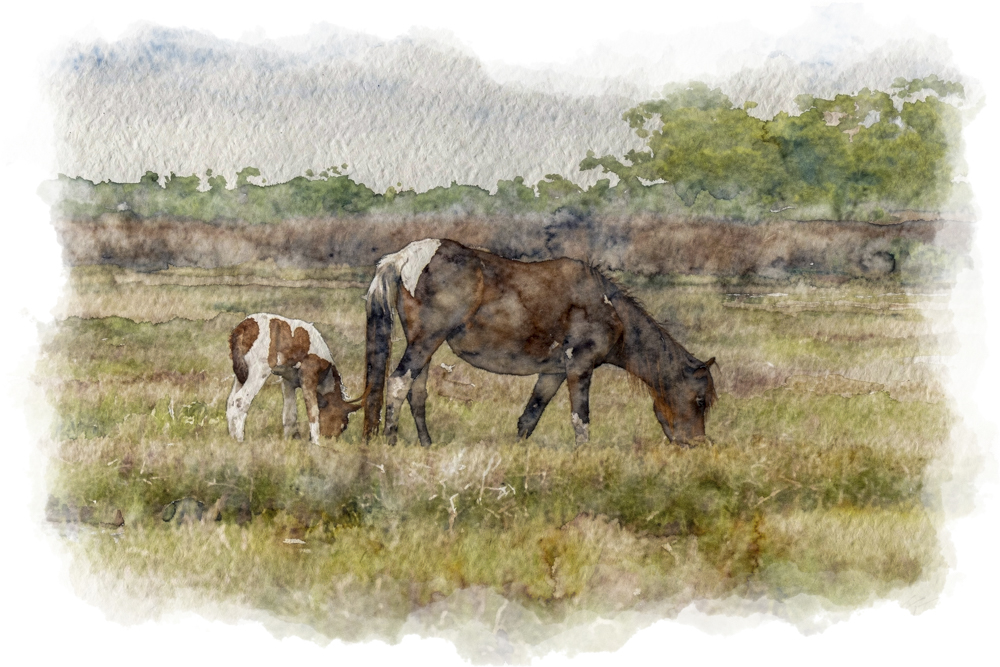
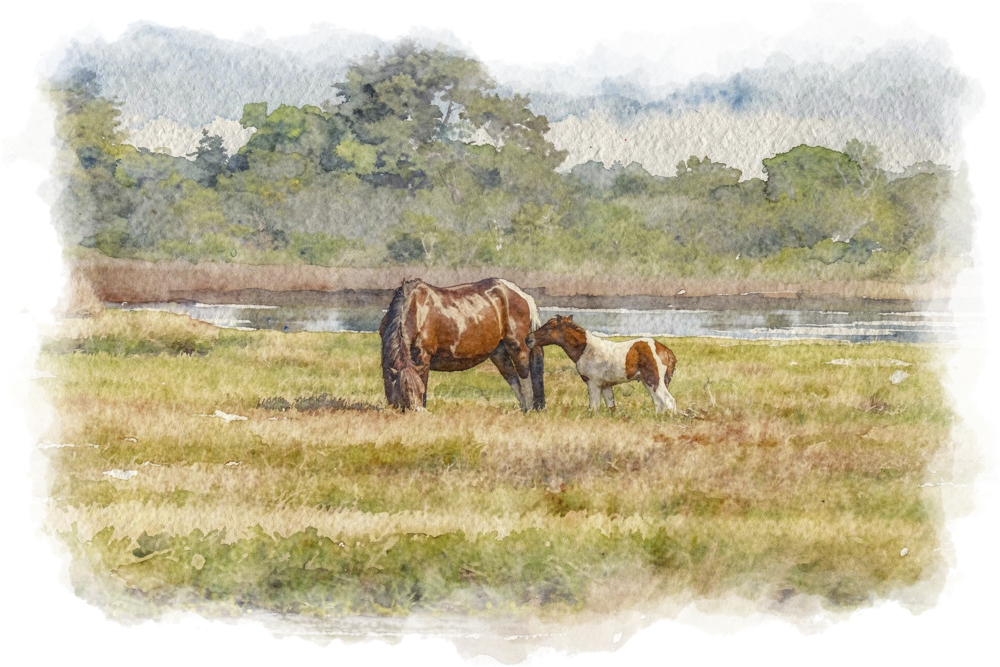
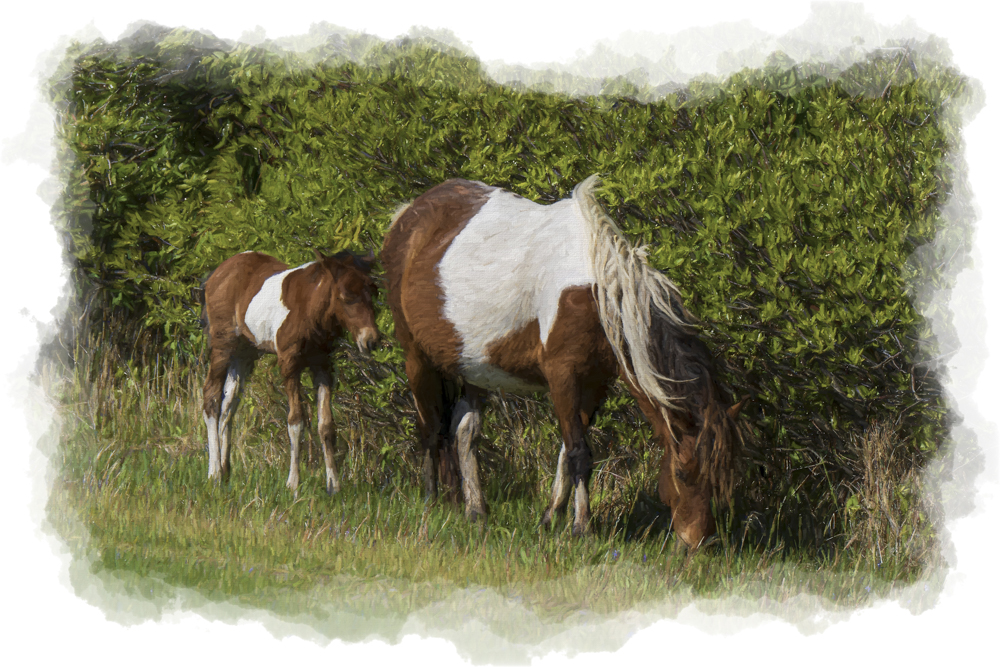
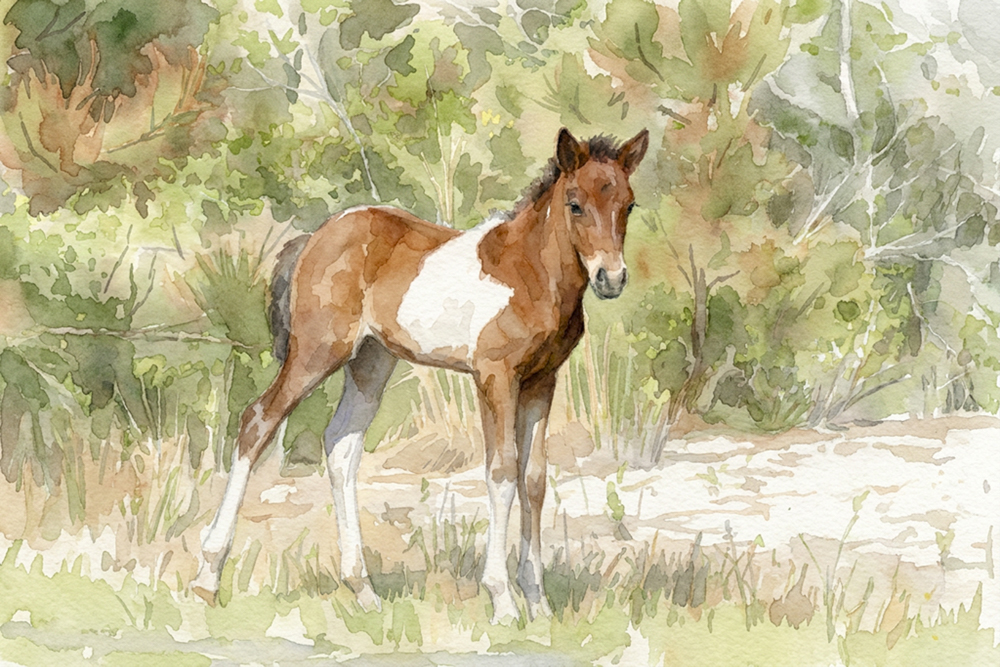
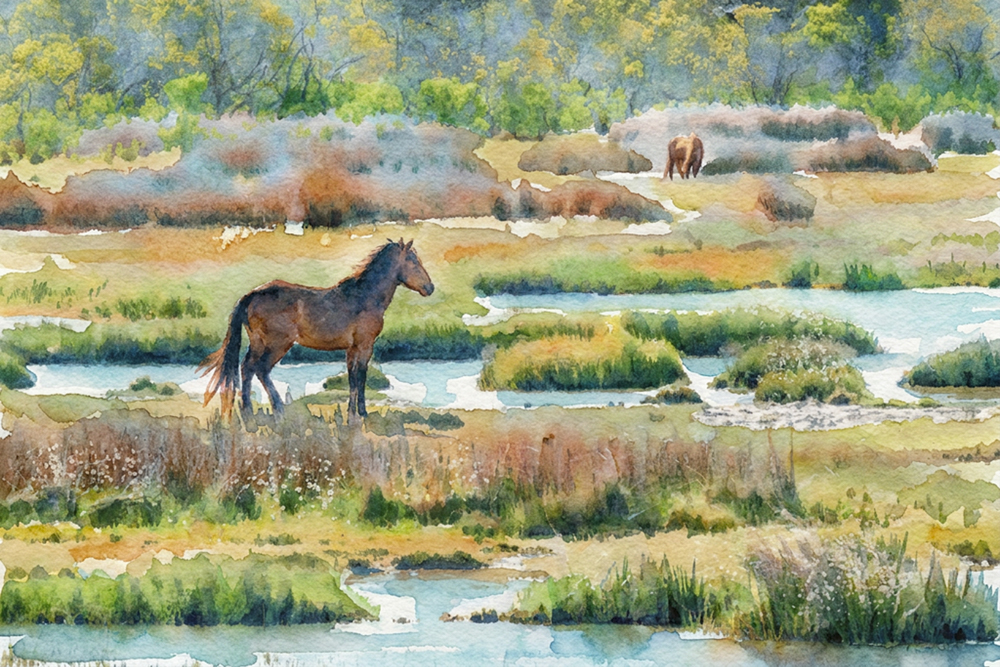
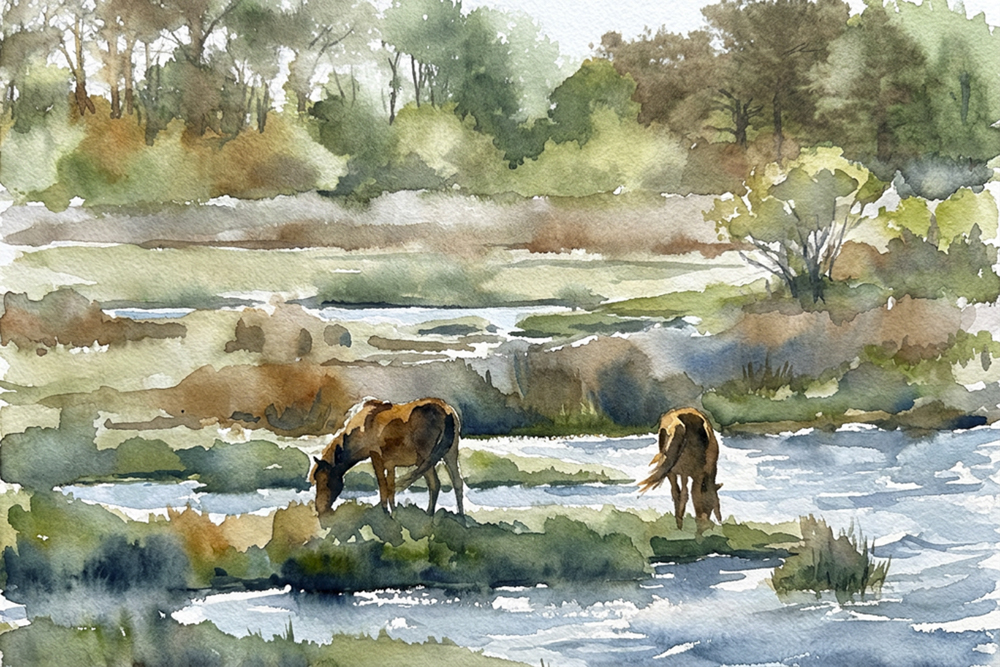
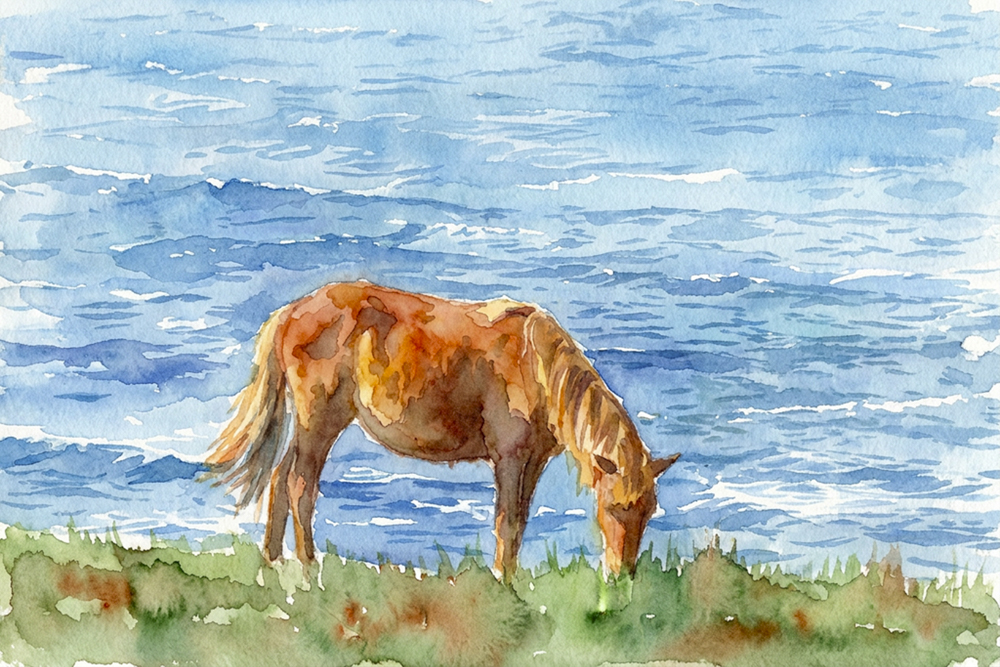
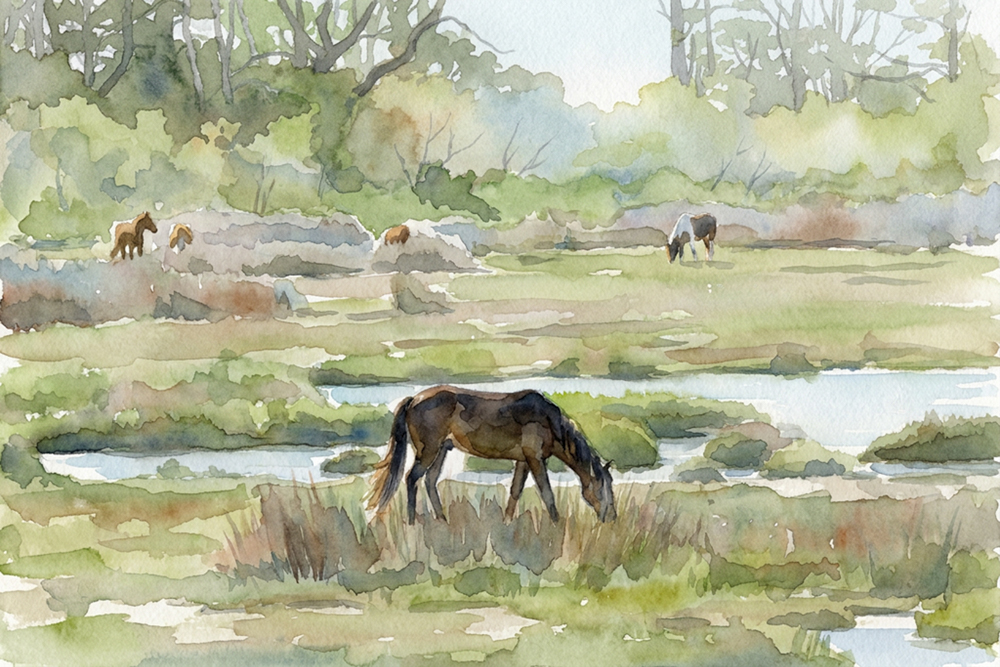
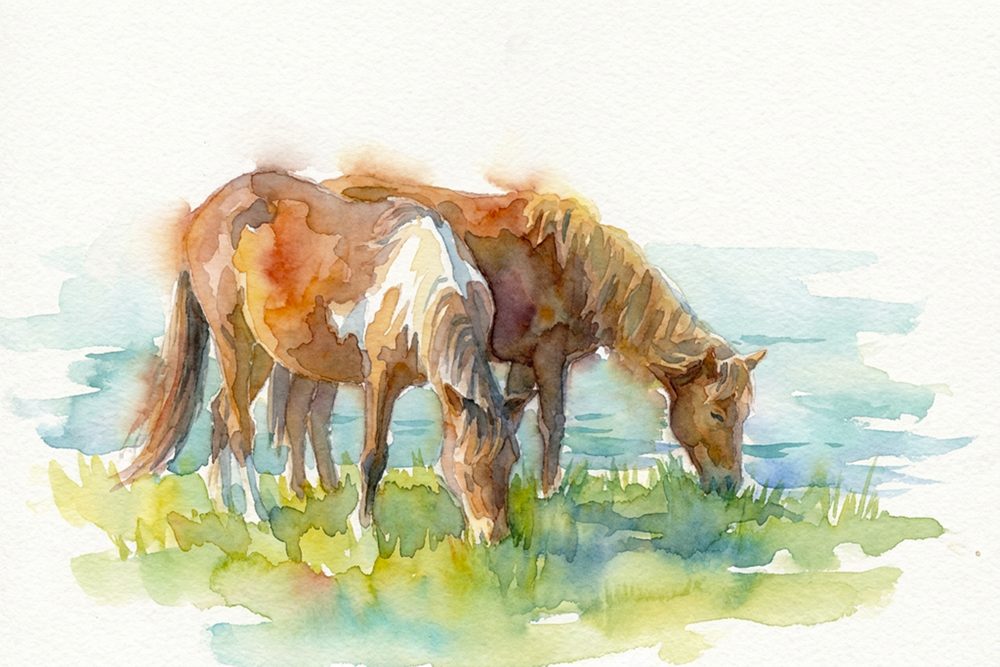
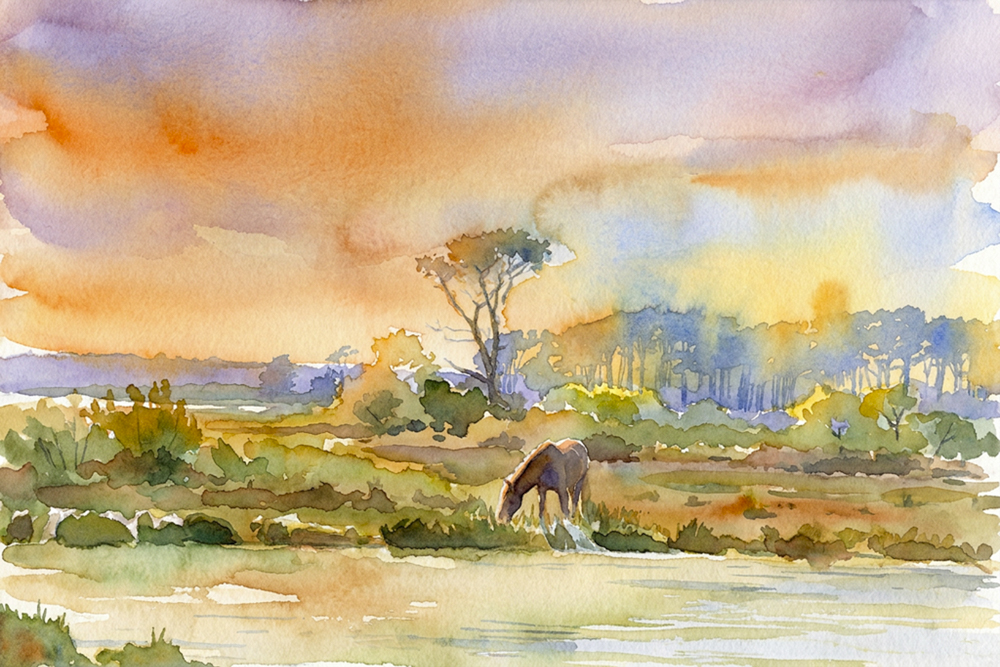
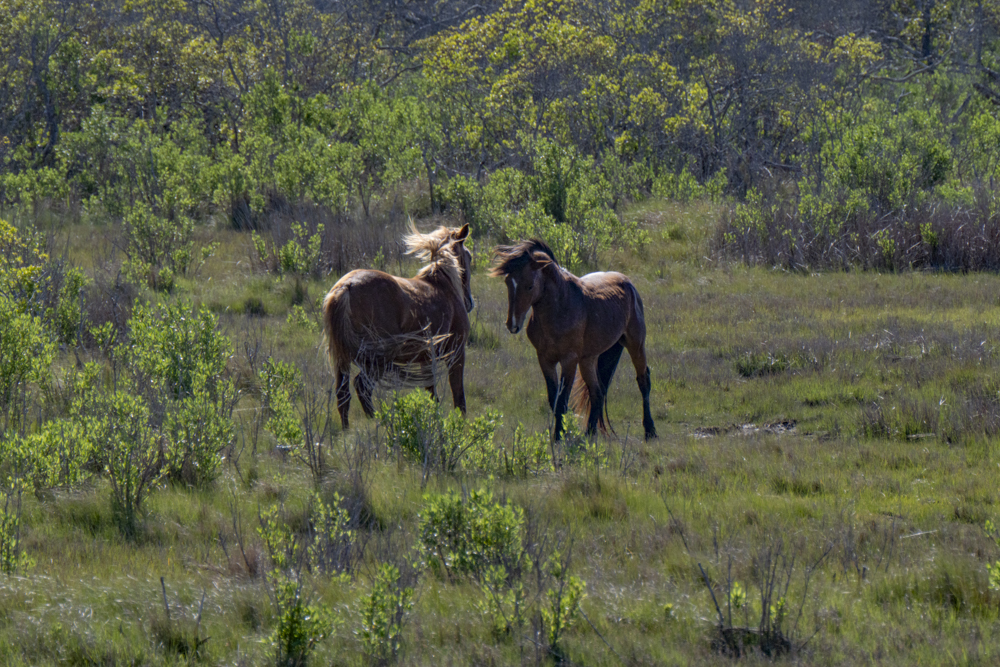
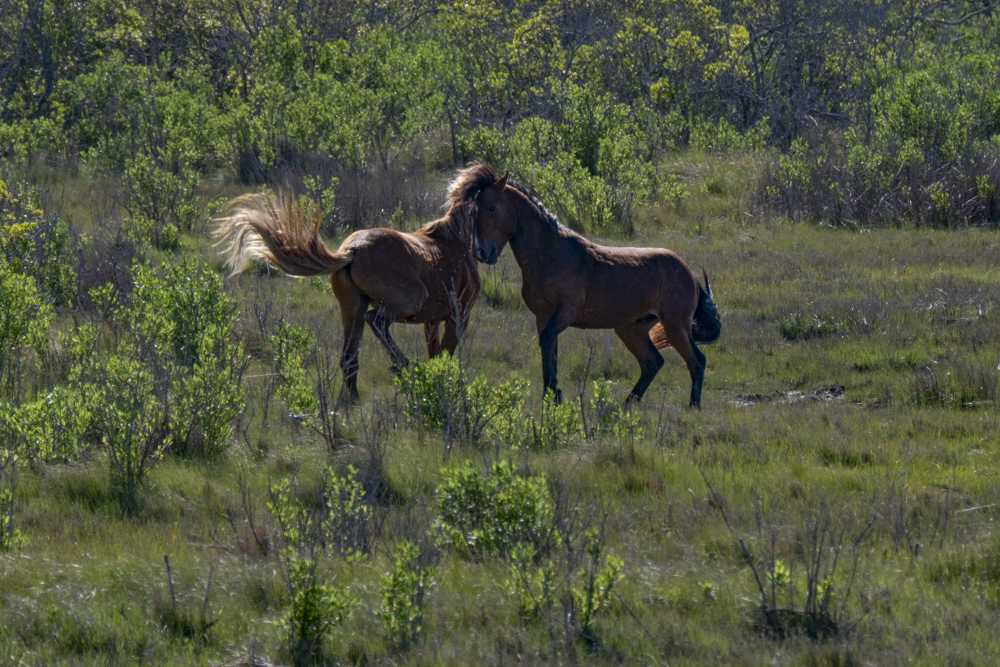
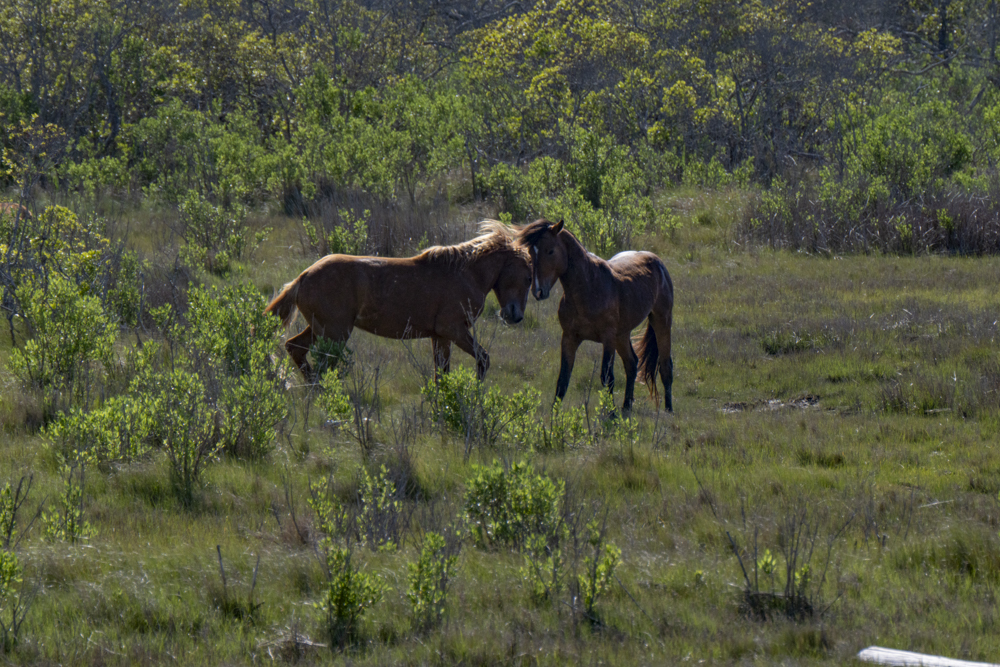
The wild horses of Assateague Island are a naturalized, free‑roaming population descended from domestic animals that adapted over centuries to the island’s harsh, windswept environment. Split into two herds—one managed by the National Park Service in Maryland and the other by the Chincoteague Volunteer Fire Company in Virginia—their numbers are carefully controlled to protect the fragile barrier‑island ecosystem. The Maryland herd is maintained within a target range of 80–100 horses through long‑term fertility management, while the Virginia herd is capped at about 150 adults under a federal permit. Although not considered a native species, they are protected as part of the island’s cultural and ecological heritage, and conservation efforts focus on maintaining genetic health, preventing overgrazing, and ensuring visitors keep a safe distance so the horses can remain truly wild.
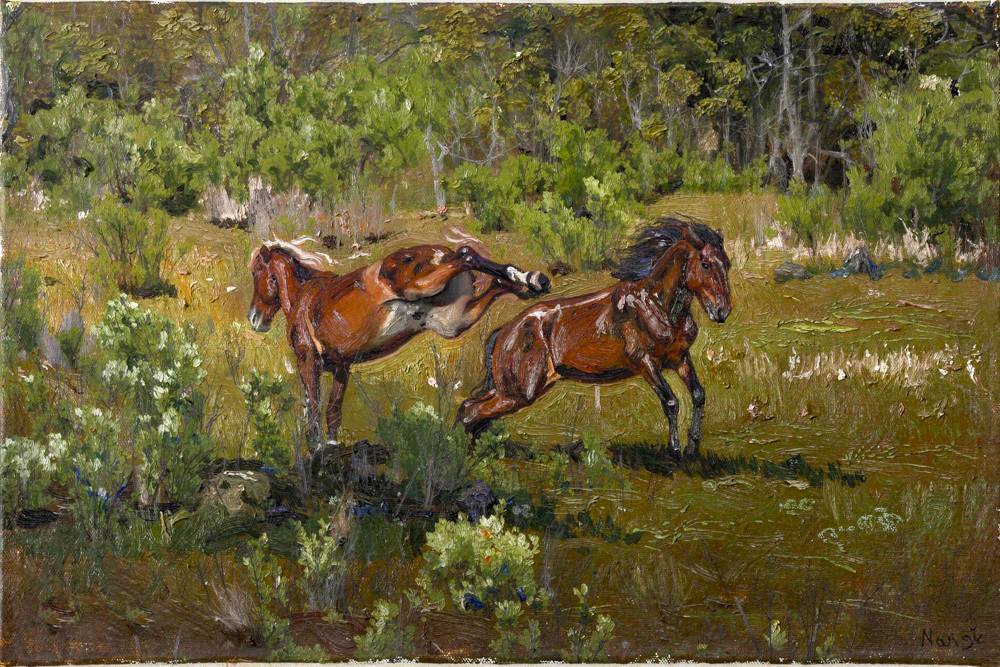
Artistic Rendering of the wild horses
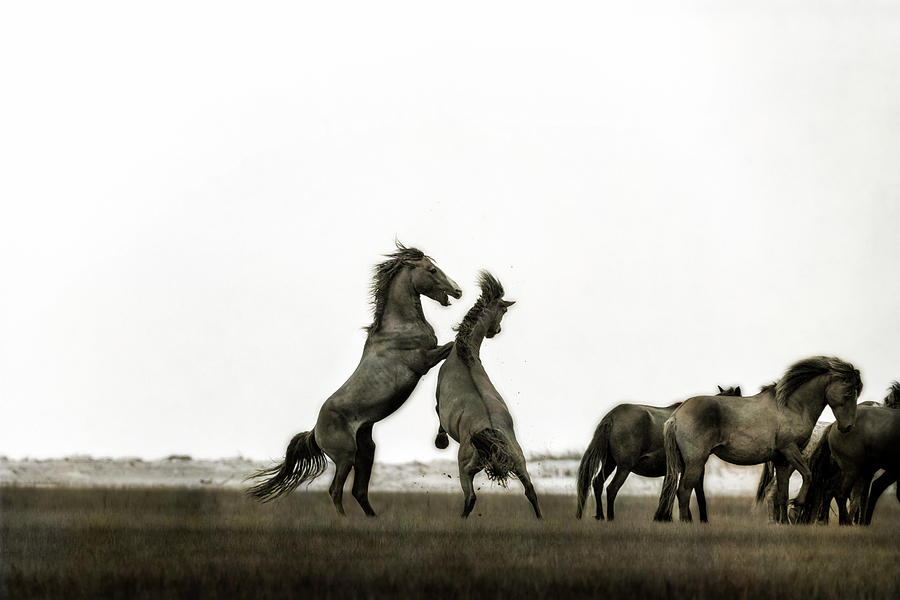
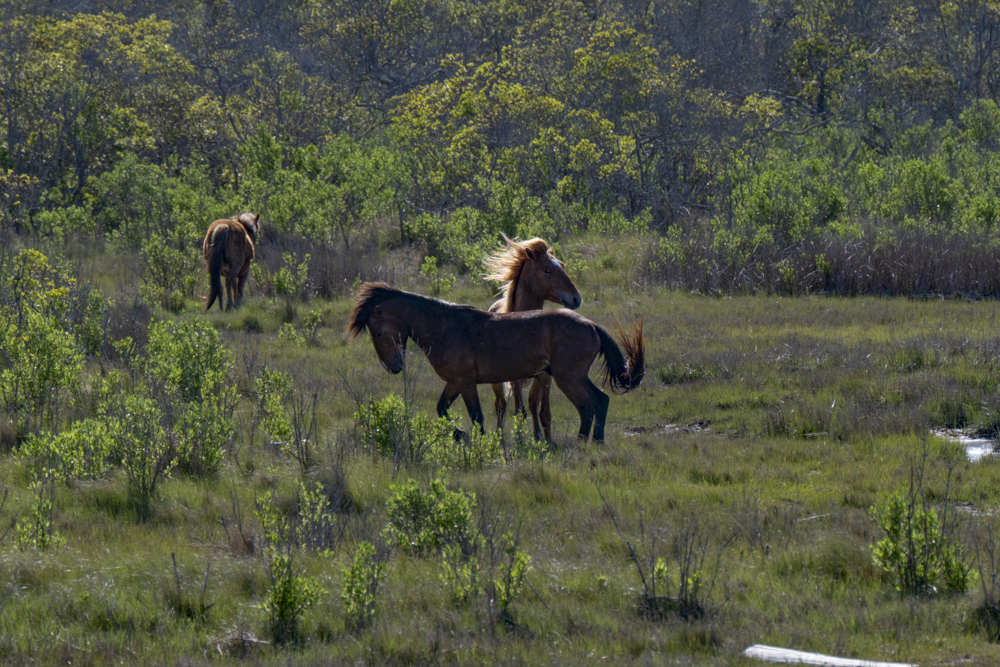
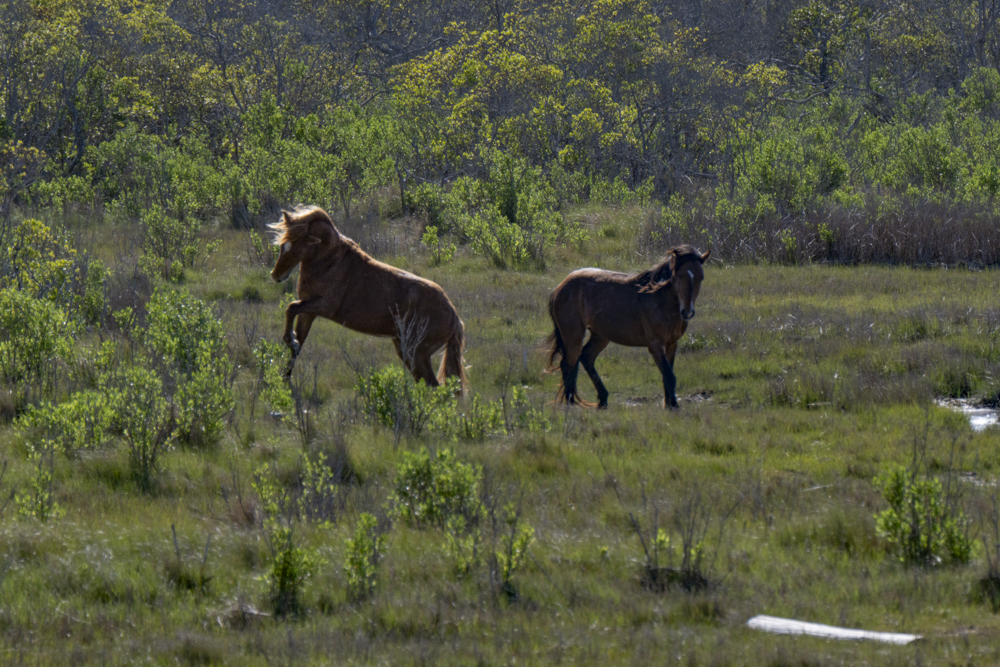
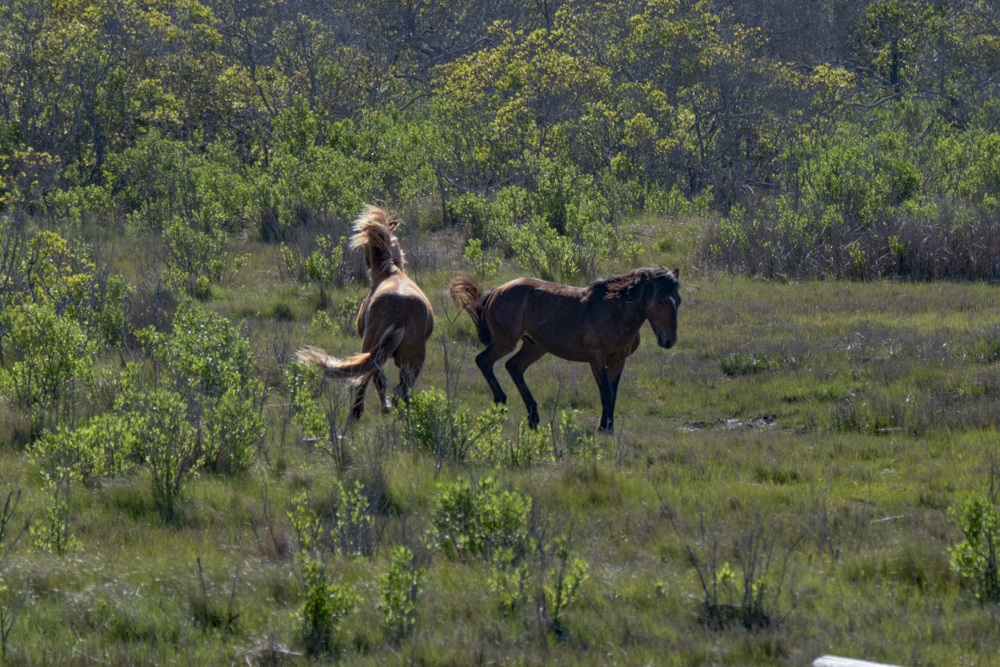
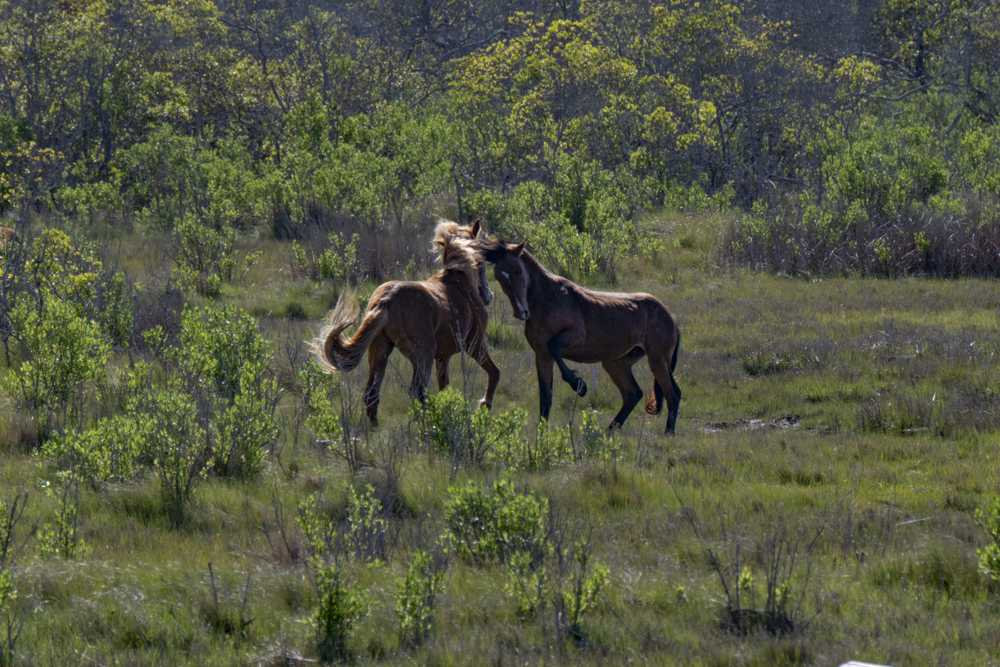
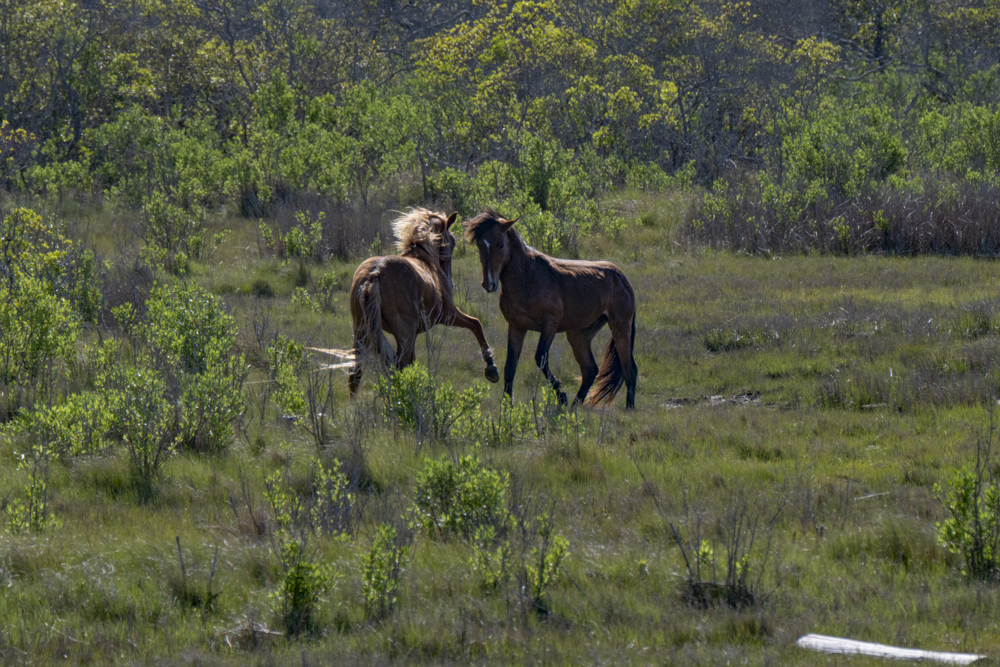
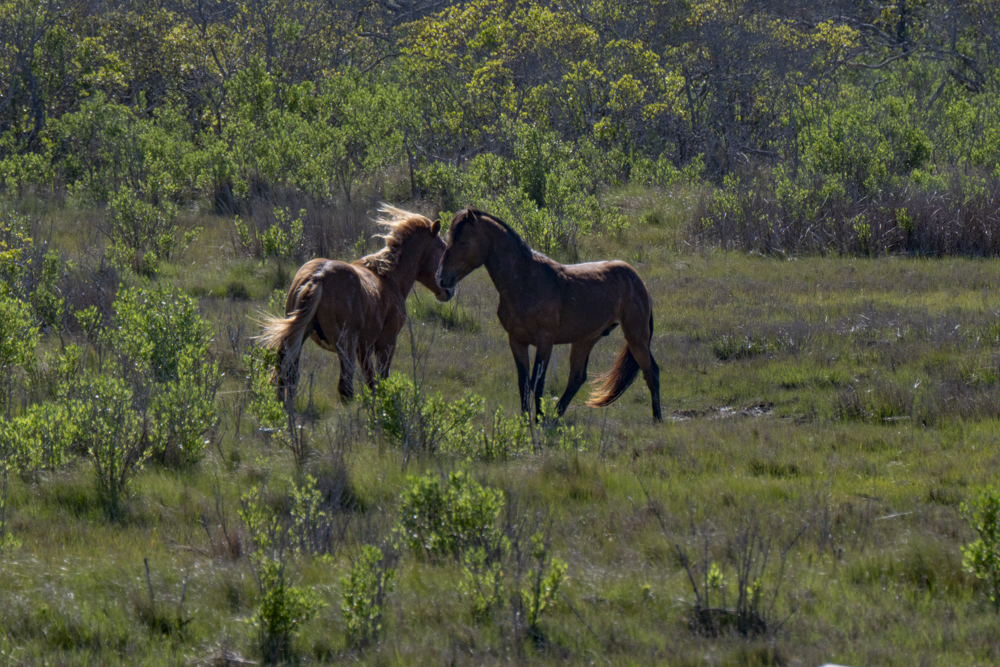
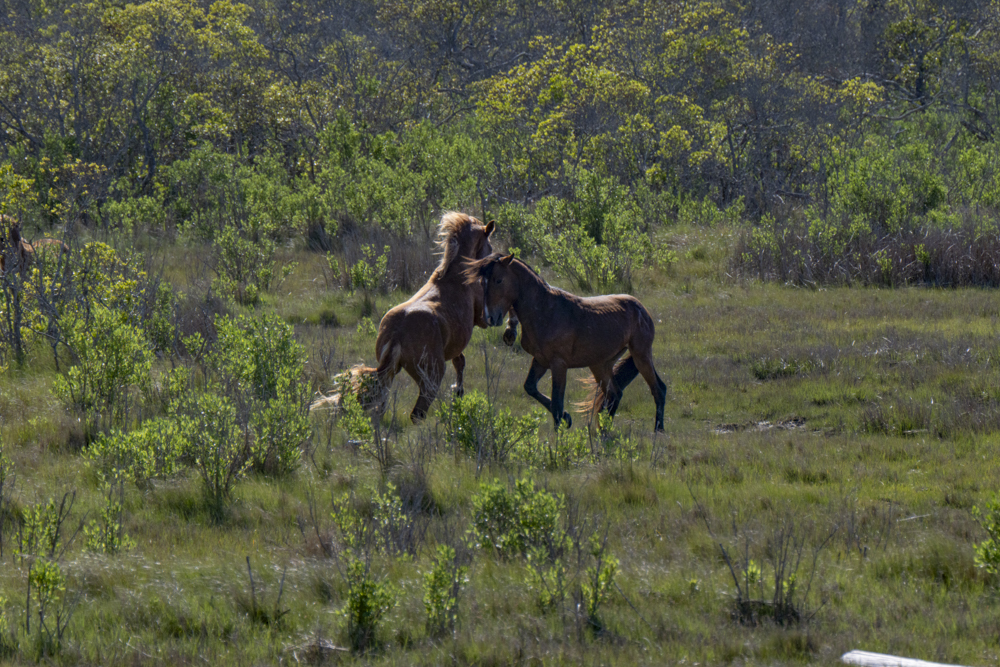
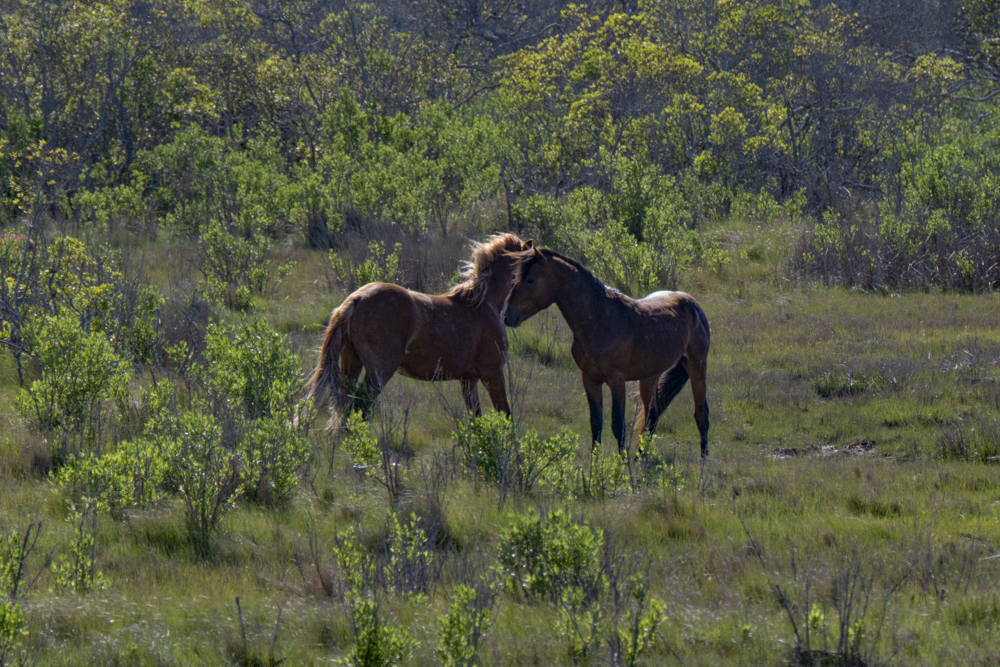
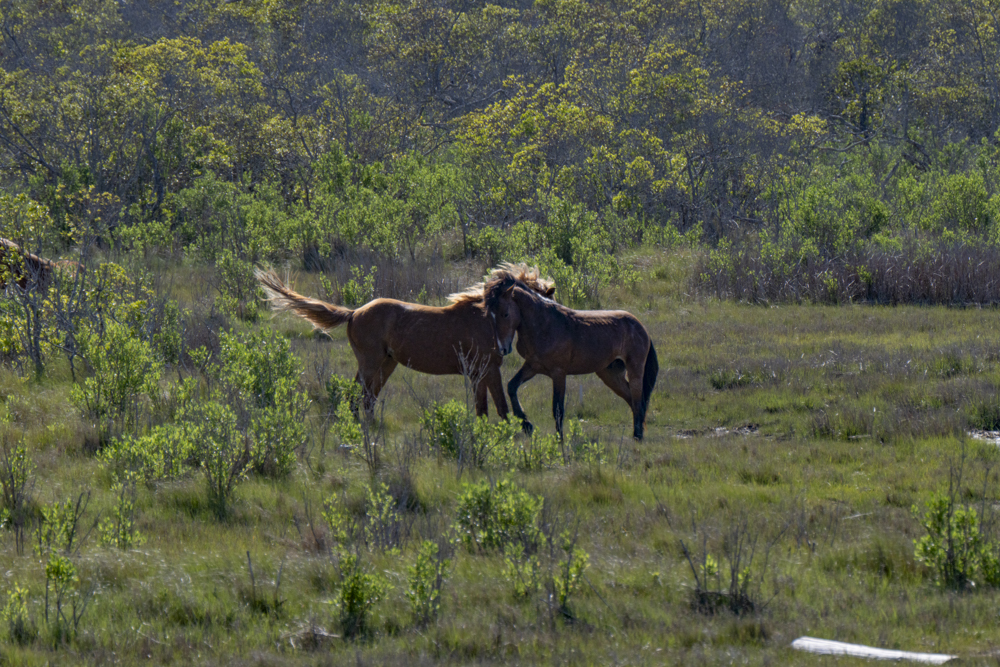
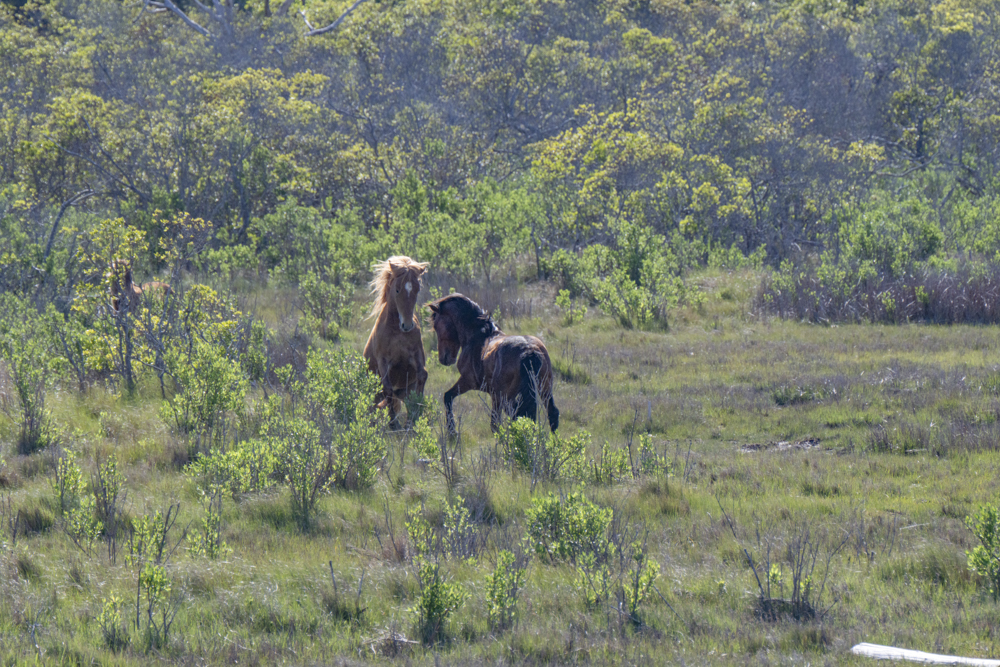
Stallions on Assateague Island often clash in dramatic, rearing battles because competition is at the core of their social structure. These wild horses live in small bands led by a dominant stallion, and maintaining control over mares—and the territory that supports them—is essential for passing on genes and ensuring the band’s stability. When a rival approaches, stallions use ritualized aggression: circling, squealing, striking, and occasionally full‑contact fighting. Though intense, this behavior is a natural part of establishing hierarchy, reducing long‑term conflict, and keeping the population’s social order intact. Their fights look fierce, but they’re driven by instinctive roles within a complex, tightly knit wild herd.
Artistic rendering of the horse fight
Two wild horses — stallions — kicking and running through a grassy meadow, captured mid-action in a natural marshland setting conveying freedom, energy and untamed animal behavior.
Bright neon lights illuminate the boardwalk entrance at night, creating a vivid spectacle. The colors are sharply contrasting against the dark sky. At Ocean City
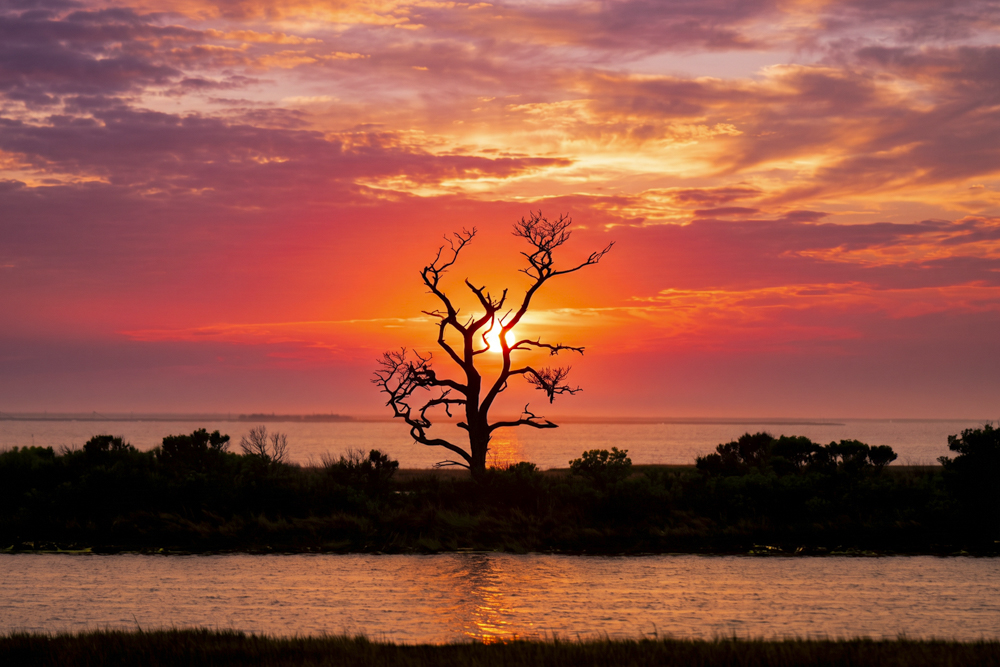
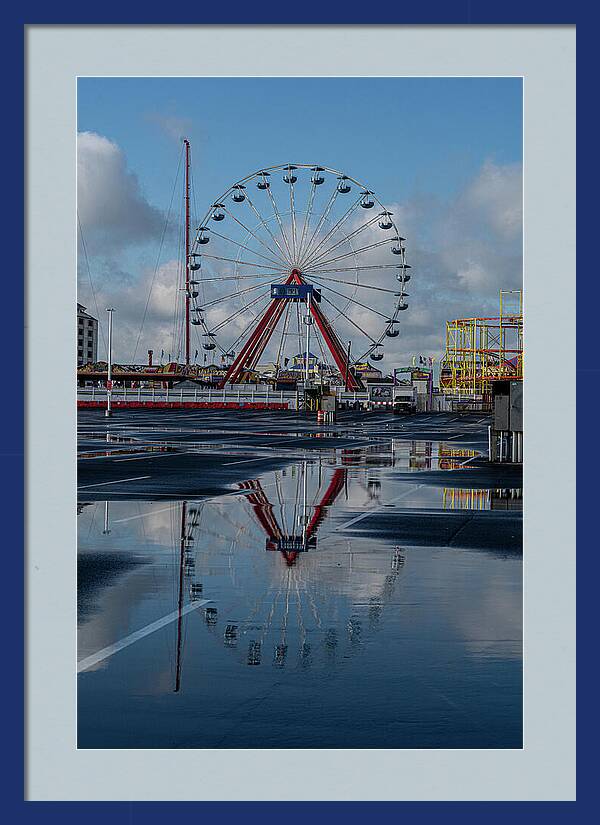
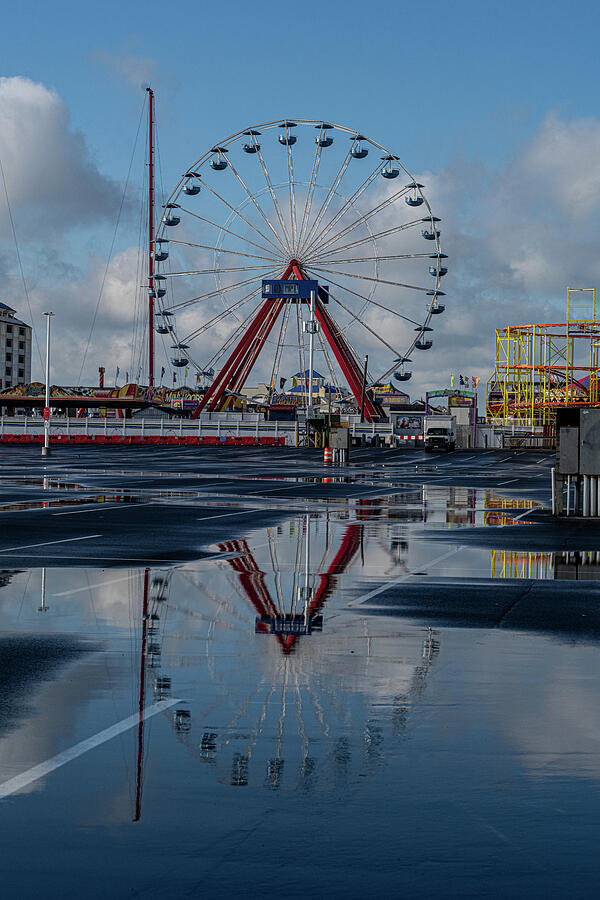
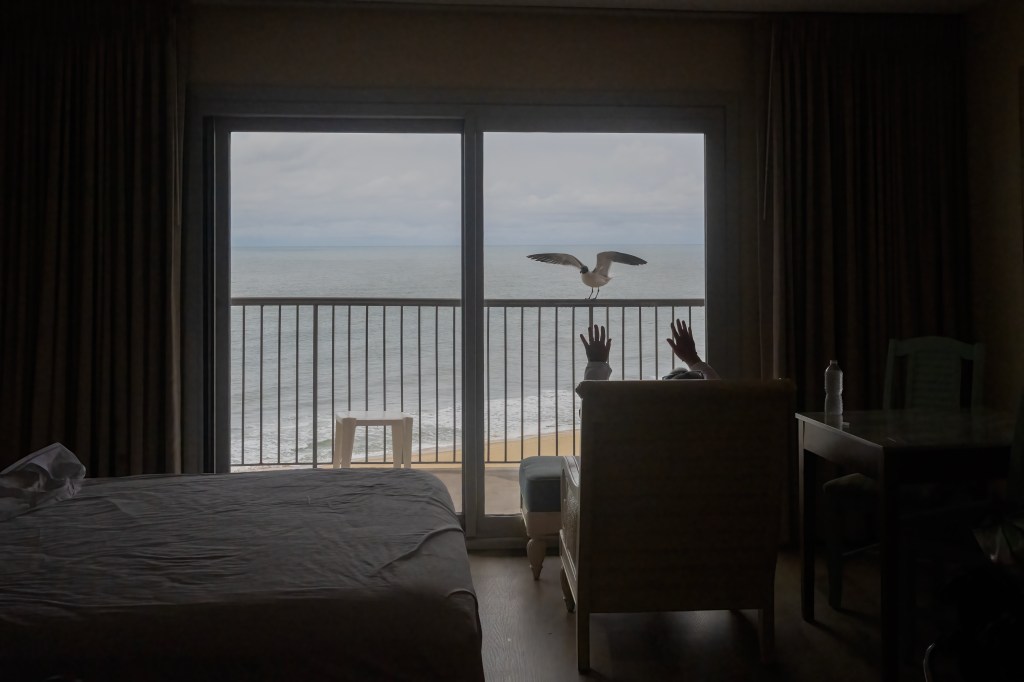
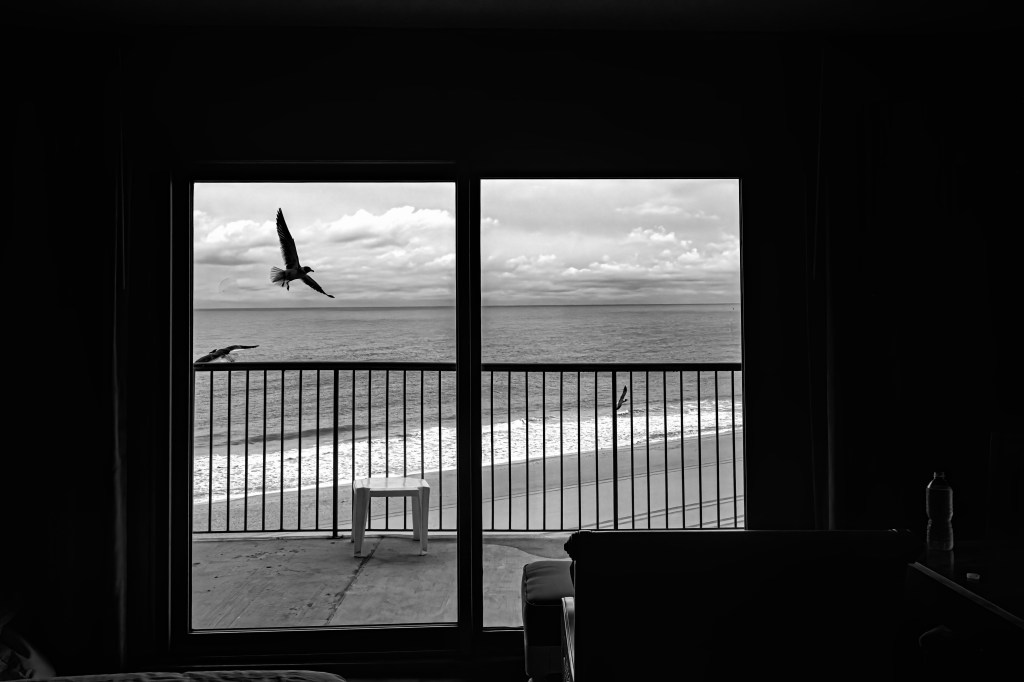
Vacationing and photographing in Ocean City before the season begins has a magic that peak‑summer crowds can’t touch. The boardwalk feels almost cinematic in its quiet—shops still shuttered, gulls calling over the empty sand, and the Atlantic rolling in with a calm rhythm that feels like it’s just for you. For a photographer, that shoulder‑season stillness gives you room to breathe and experiment. Soft spring light hits the water at low angles, giving you long shadows, pastel skies, and reflections that disappear once the beach fills with umbrellas and footprints. It’s the perfect time to wander with your camera and let the town reveal itself slowly, without the rush of July energy.
Early mornings are especially rewarding. With the sun rising over the ocean, you can capture clean horizons, empty lifeguard stands, and the kind of serene atmosphere that feels worlds away from the summer bustle. Even the iconic spots—like the inlet, the pier, or the arcades—take on a different personality before the season starts. Their colors pop against the cool air, and the absence of crowds lets you frame scenes with intention. Whether you’re shooting long‑exposure waves, architectural details along the boardwalk, or candid moments of locals preparing for the season, Ocean City in the off‑season gives you a rare blend of calm, character, and creative freedom.
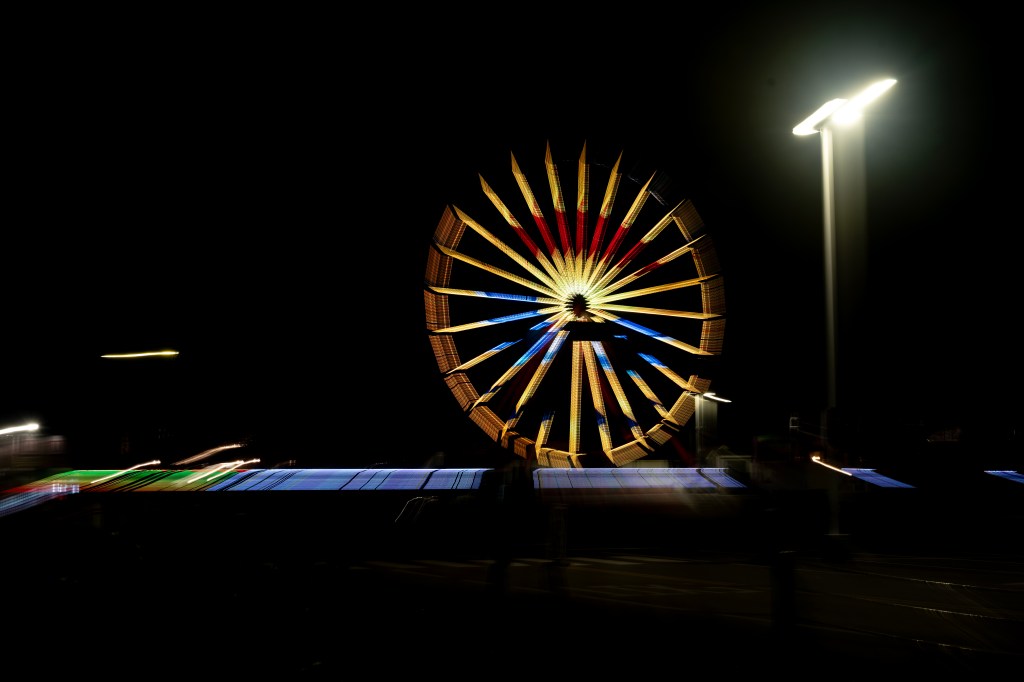
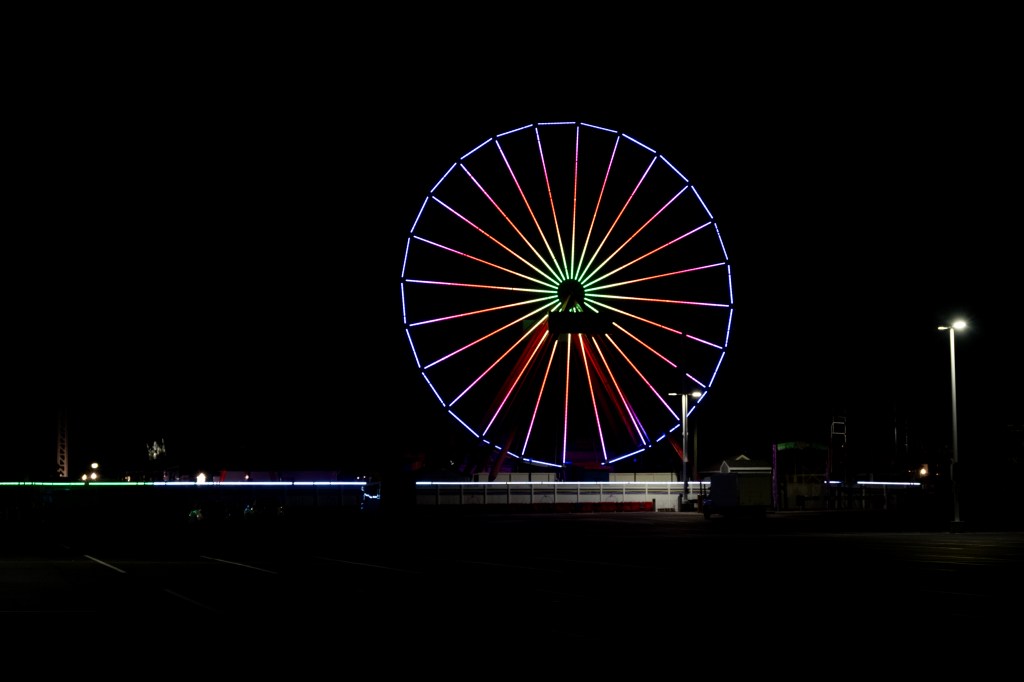
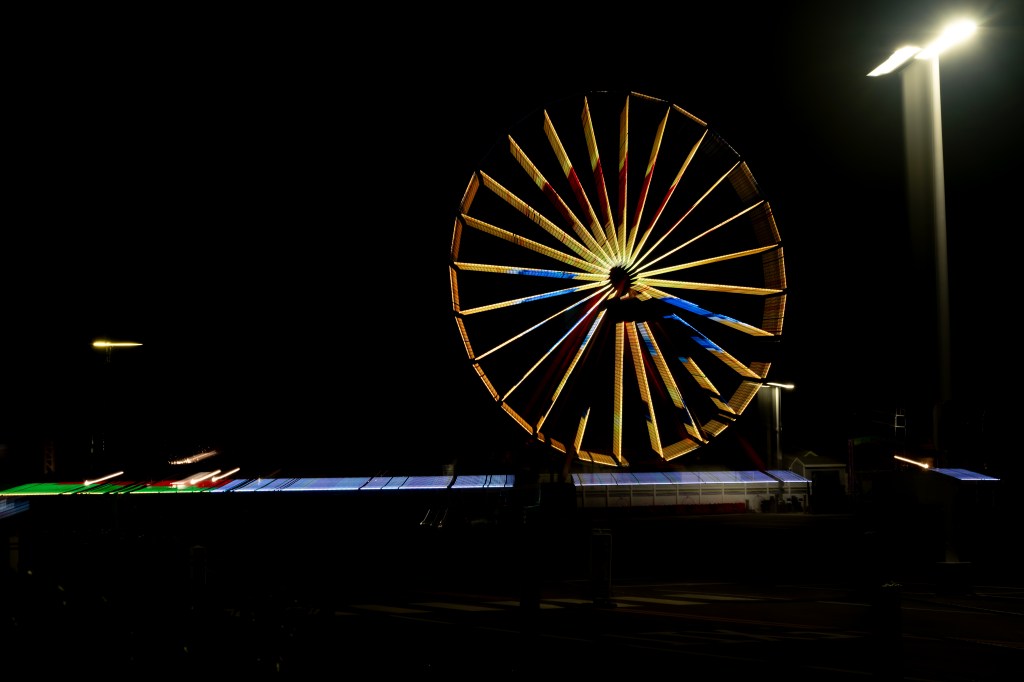
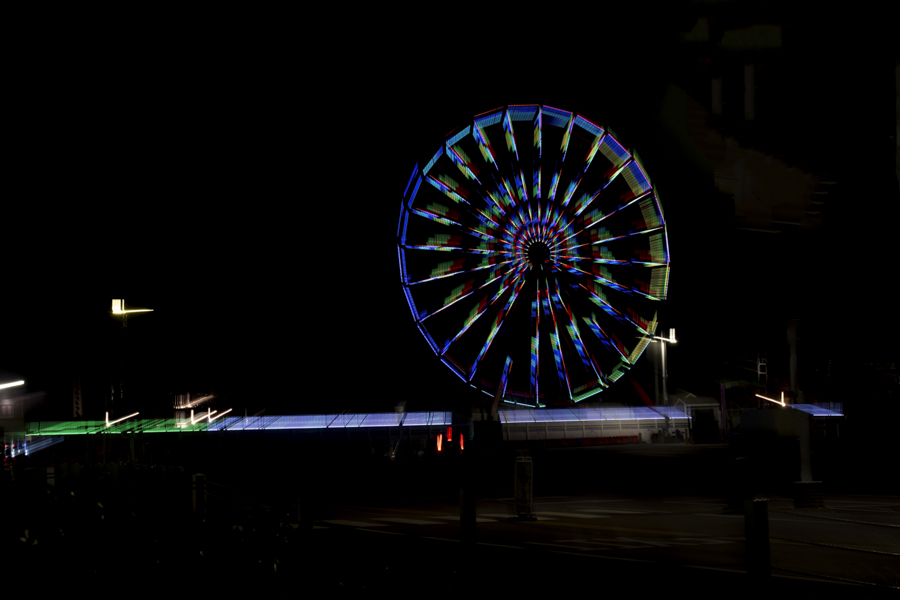
A vibrant Ferris wheel brightly illuminates the night sky. Light trails create an energetic foreground, adding to the dynamic scene. At Ocean City
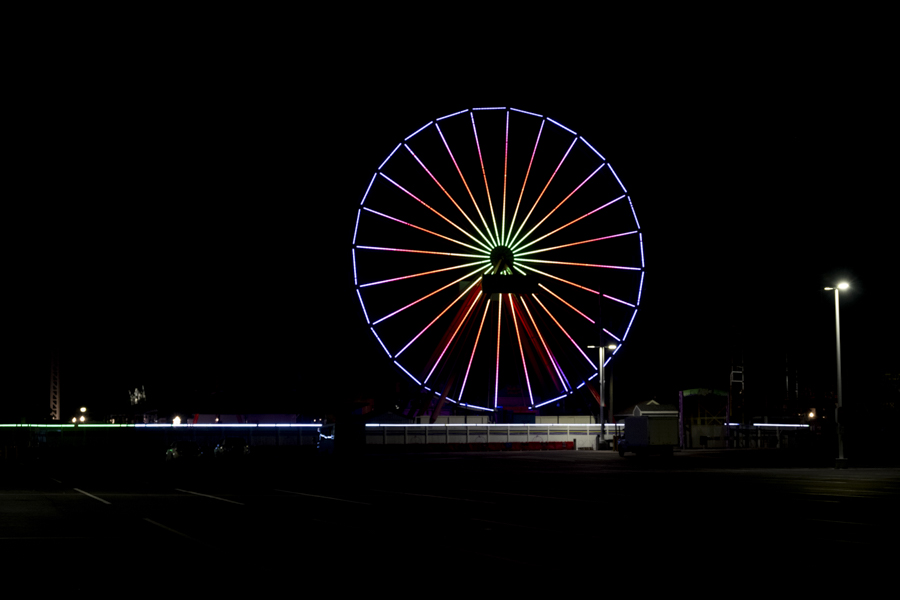
A Ferris wheel brightly lit with colorful lights is set against the dark night sky. The vibrant illumination creates a striking contrast, drawing attention to the wheel’s structure. At Ocean City
A vibrant Ferris wheel brightly illuminates the night sky. Light trails create an energetic foreground, adding to the dynamic scene. At Ocean City
A Ferris wheel brightly lit with colorful lights is set against the dark night sky. The vibrant illumination creates a striking contrast, drawing attention to the wheel’s structure. At Ocean City
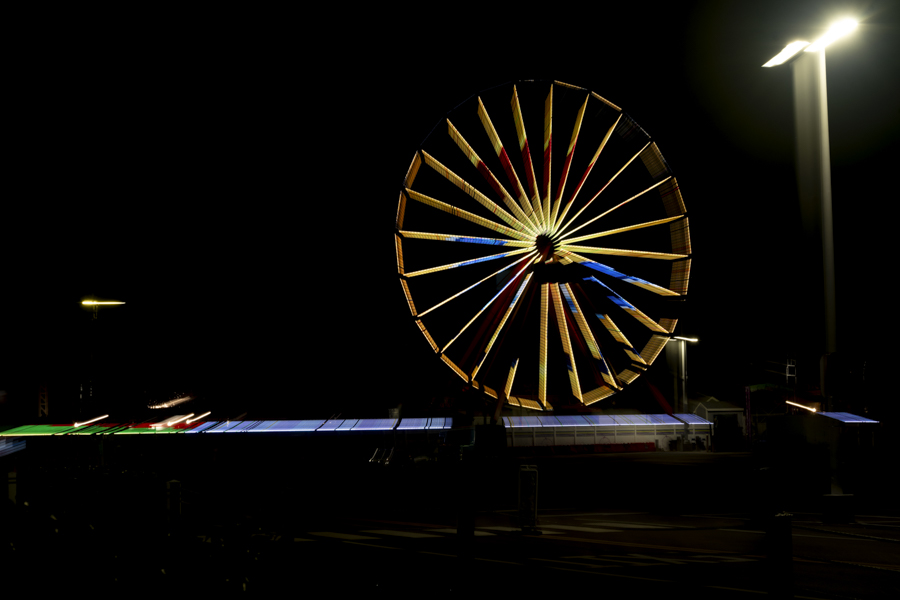
A vibrant Ferris wheel brightly illuminates the night sky. Light trails create an energetic foreground, adding to the dynamic scene. At Ocean City
A colorful Ferris wheel glows with multicolored lights at night, captured with long exposure to create motion blur and vibrant streaks above a quiet boardwalk amusement area.
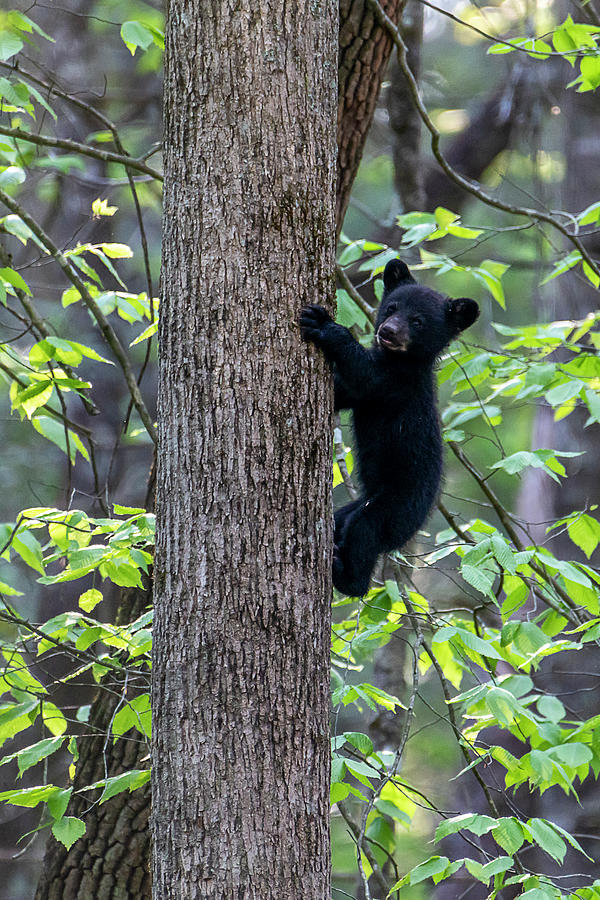
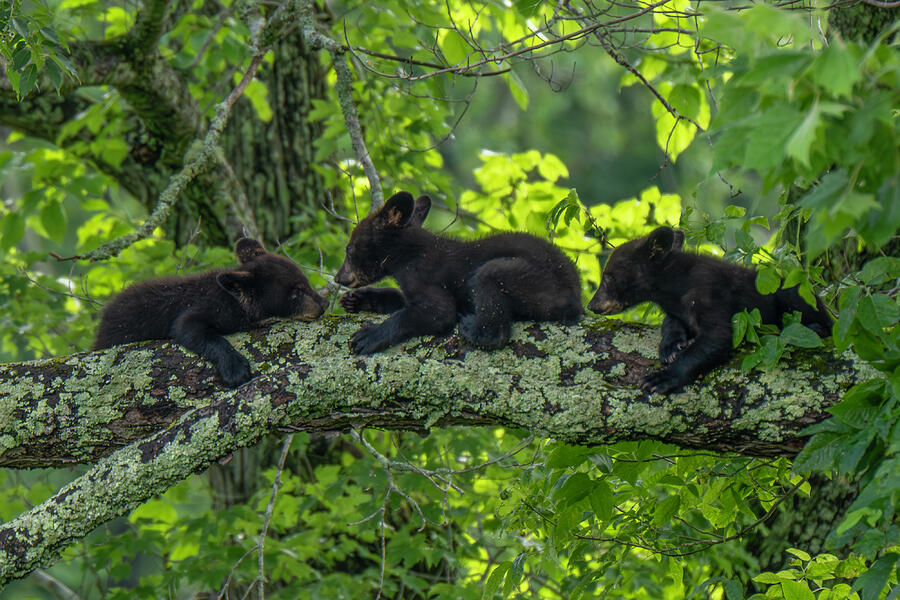
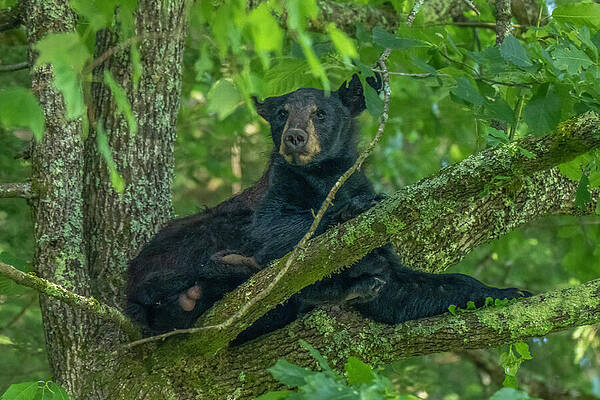
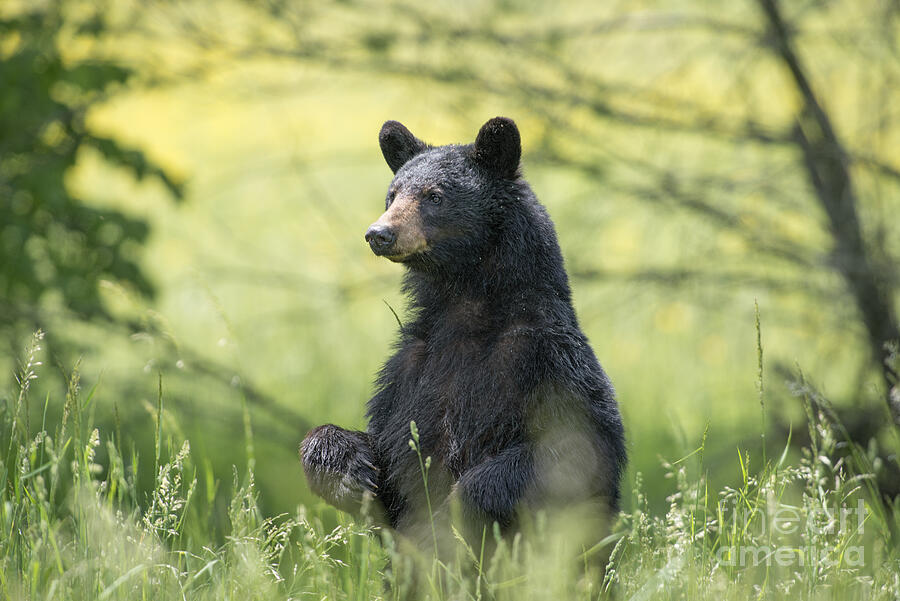
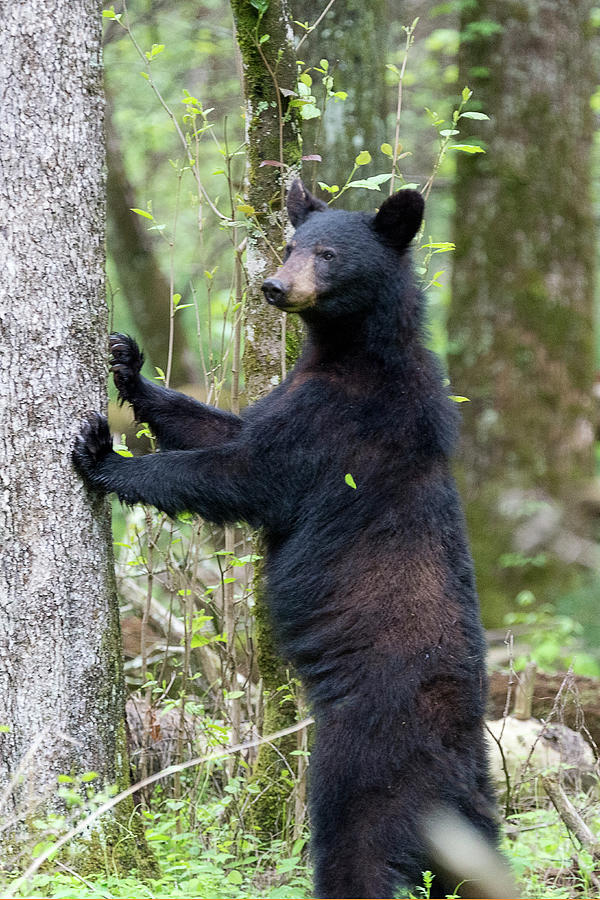
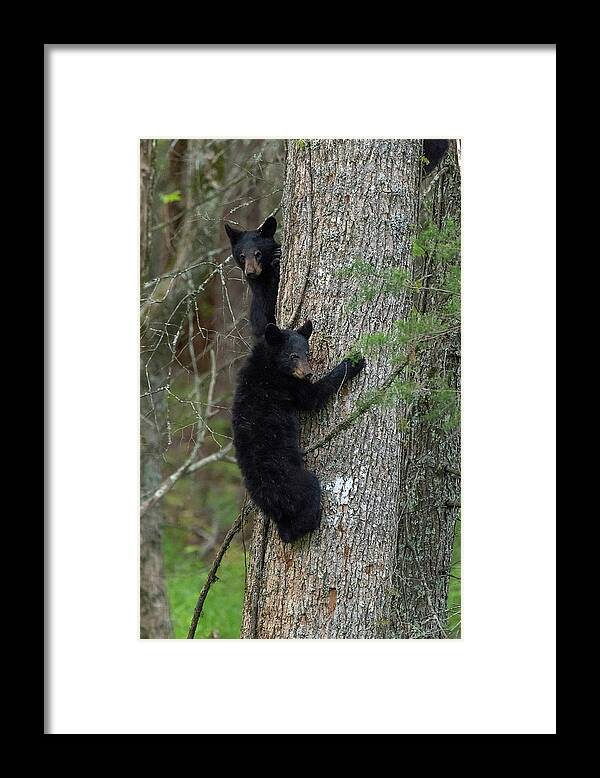
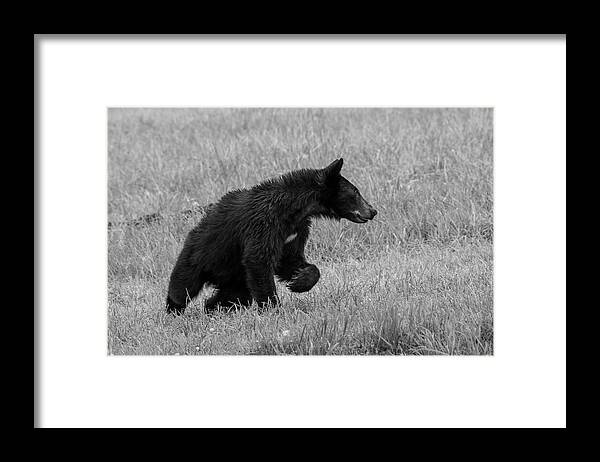
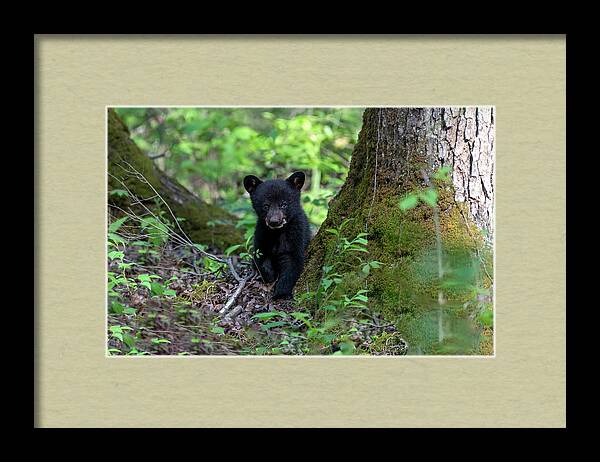
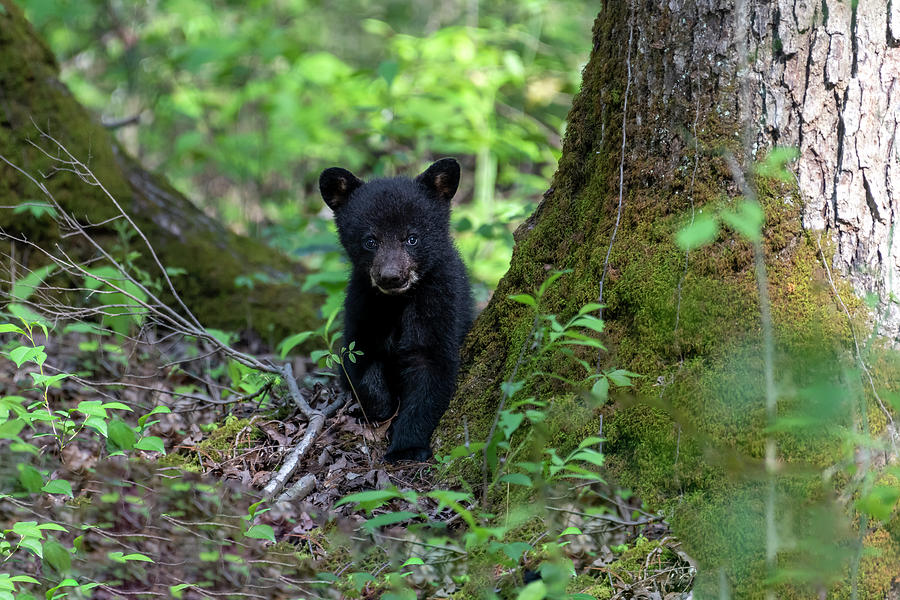
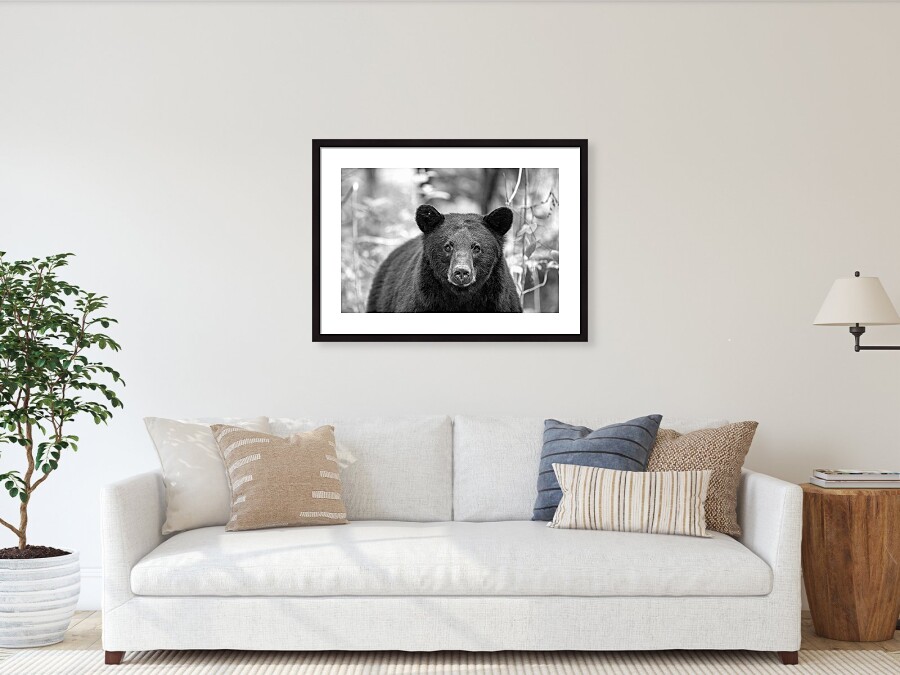
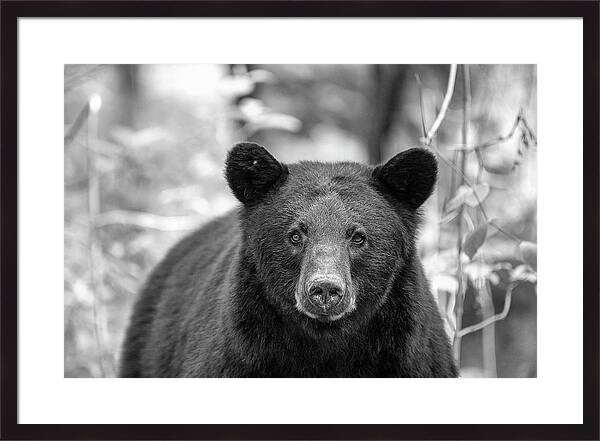
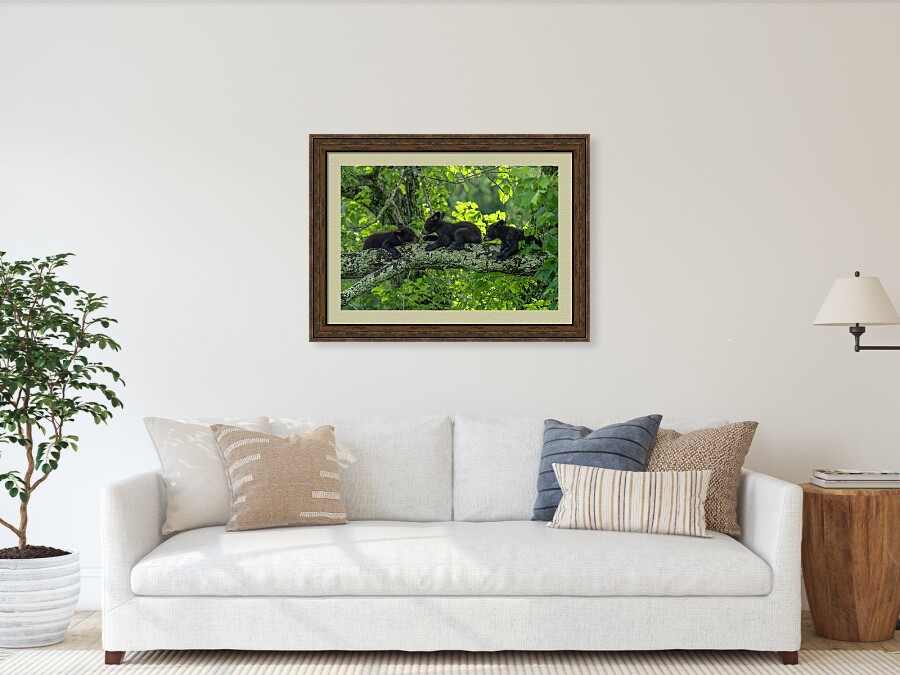
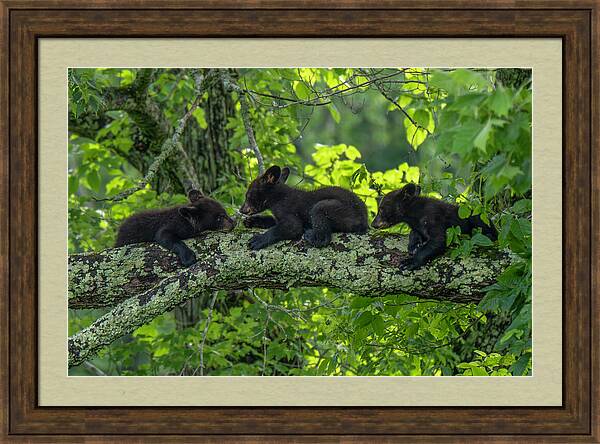
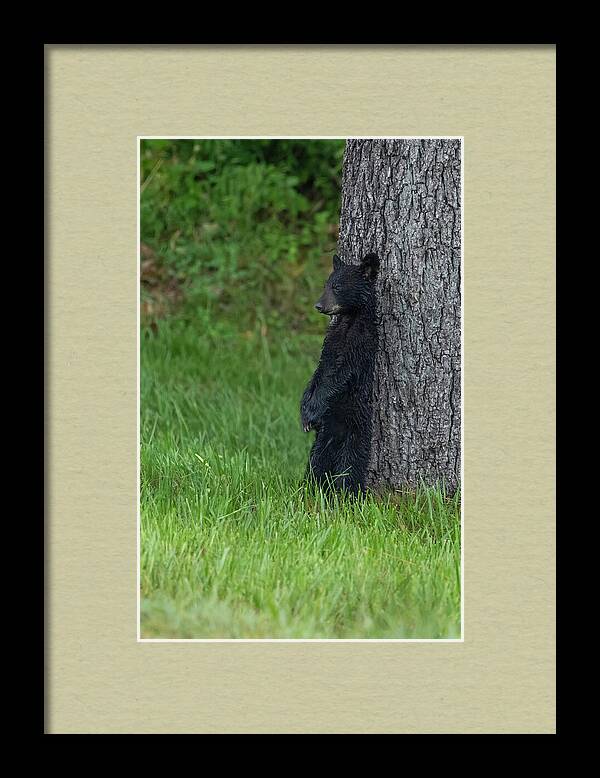
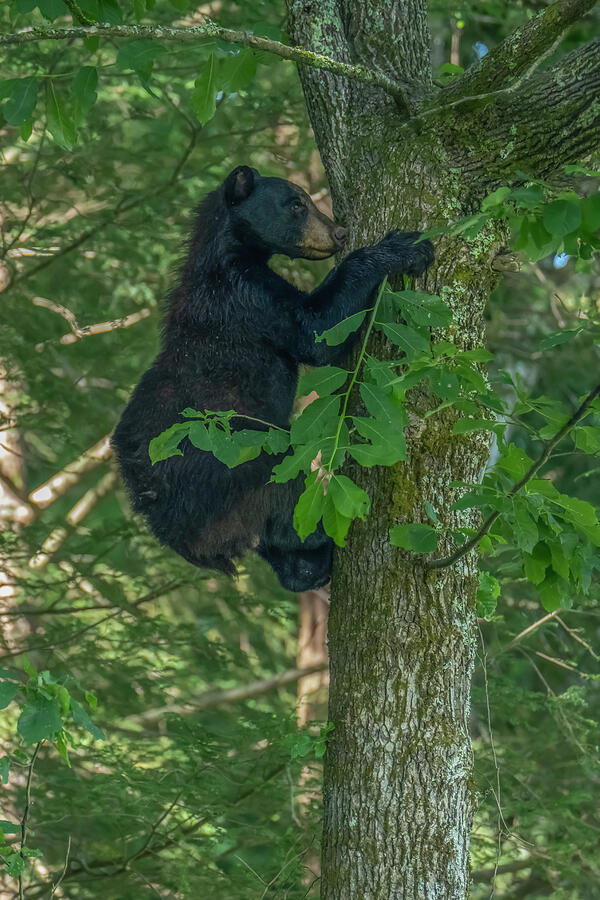
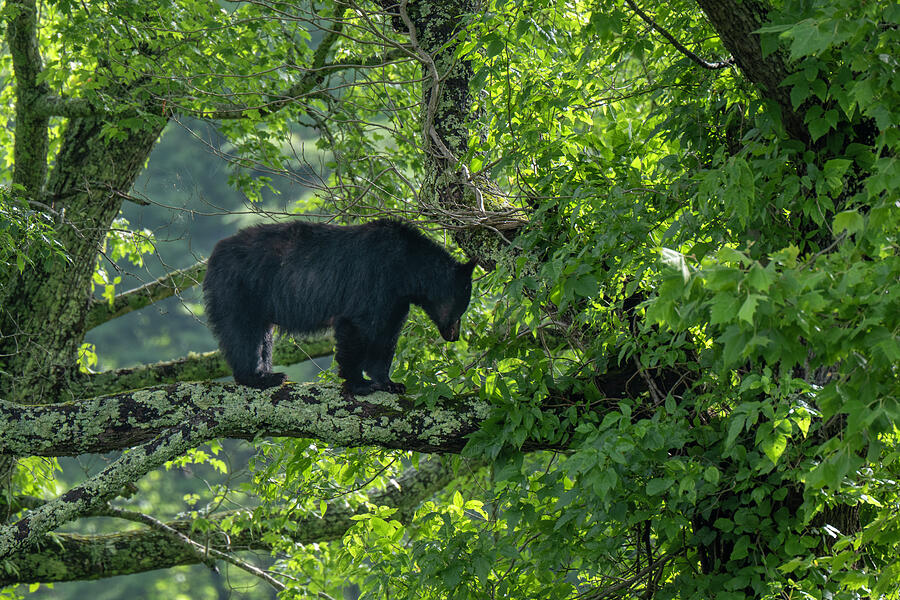
The American black bear is one of the most recognizable and misunderstood wildlife species in North America. As observers spend more time studying these remarkable animals, their intelligence, adaptability, and problem‑solving abilities become increasingly evident. Black bears prefer solitude, avoid conflict whenever possible, and rarely display aggression toward people—traits that often mirror human behavior more than expected.
The Daily Challenges of Black Bear Survival
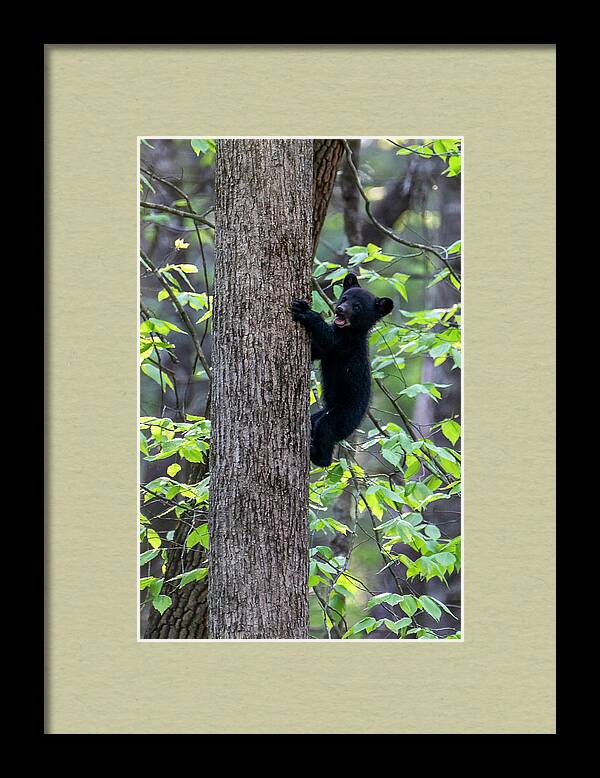
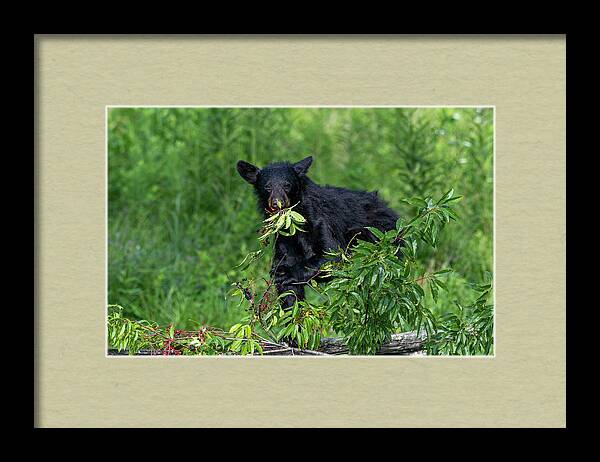
Life for a black bear is far from simple. Each day is shaped by the need to locate food, avoid threats, raise cubs, and endure the changing seasons. These challenges highlight the importance of giving bears the space they need to survive and thrive in their natural habitats.
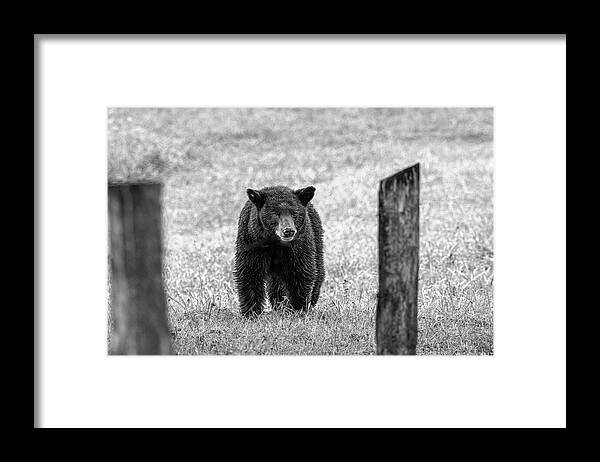
Occasionally, a bear may choose to approach a person, but such encounters occur entirely on the bear’s terms. Ethical wildlife viewing requires respecting these boundaries and allowing wild animals to remain wild.
Why Feeding Black Bears Is Dangerous
One of the most harmful actions a person can take is feeding a black bear. Wildlife professionals often repeat a critical truth: “A fed bear is a dead bear.” When bears become conditioned to human food, they lose their natural fear of people. This behavior frequently leads to dangerous situations that almost always end poorly for the bear. Responsible behavior from humans is essential to keeping both wildlife and communities safe.
The Role of Research in Wildlife Photography
Behind every compelling wildlife photograph lies a commitment to understanding the subject. Many wildlife photographers dedicate significant time to reading, researching, and learning about the animals they capture through the lens. While not all are experts, their passion for knowledge deepens their appreciation for the species they photograph and strengthens the educational value of their work.
The Ecological Importance of Black Bears
The more people learn about wildlife, the clearer it becomes that every species plays a vital role in the ecosystem. Black bears contribute to forest health by dispersing seeds across vast landscapes, helping maintain biodiversity and supporting long‑term ecological balance. In nature, no role is insignificant.
Inspiring Conservation Through Photography and Education
Through photography and public education, it is possible to foster greater understanding, appreciation, and respect for the American black bear. By showcasing these animals in their natural environments, photographers help raise awareness about the importance of conservation and the protection of wild places throughout West Virginia and beyond. Dan Friend












































































































































































































 DLF Photo Blog - Dan Friend