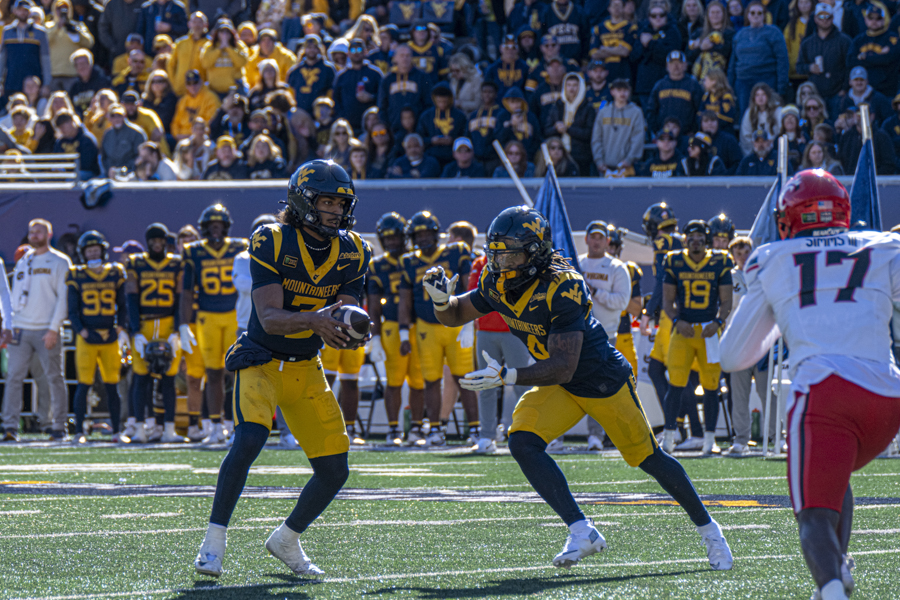
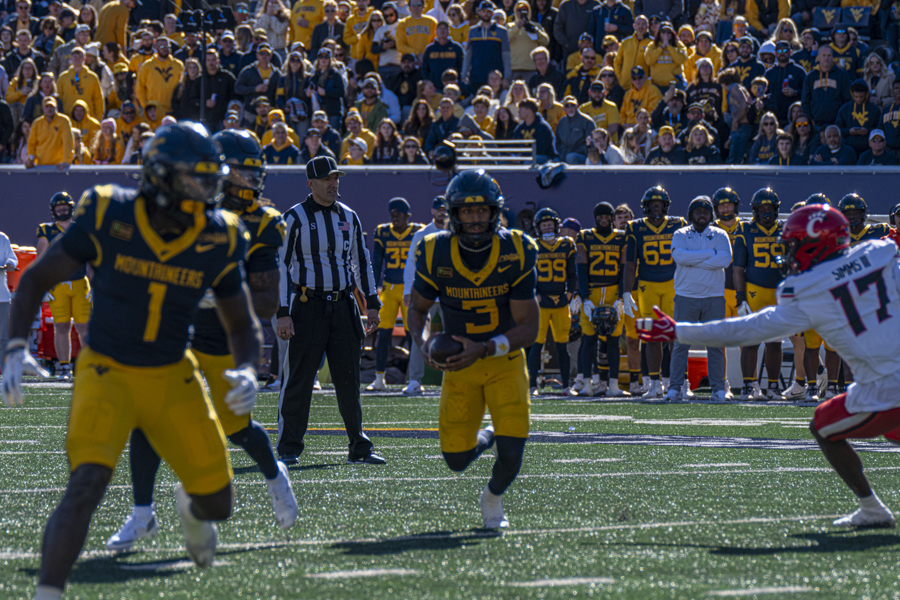
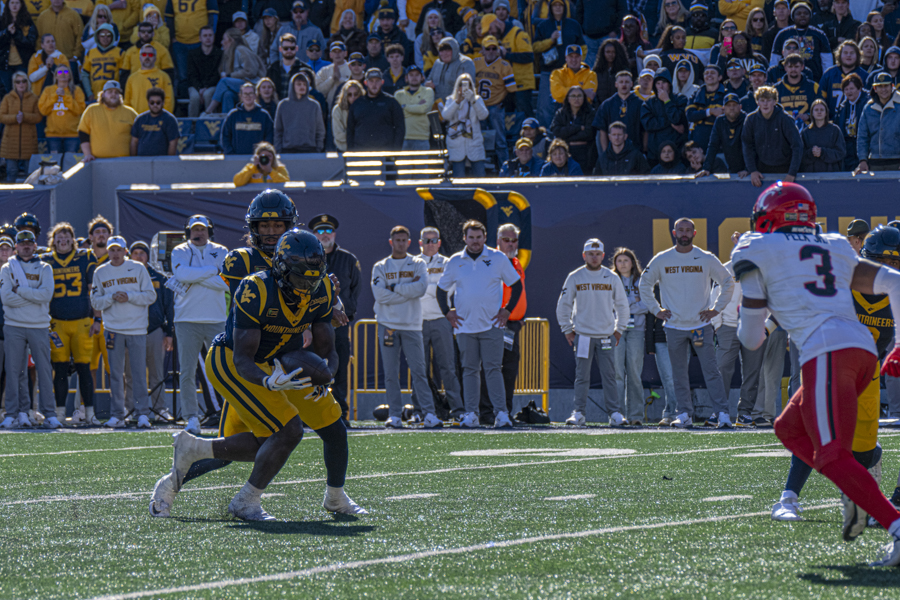
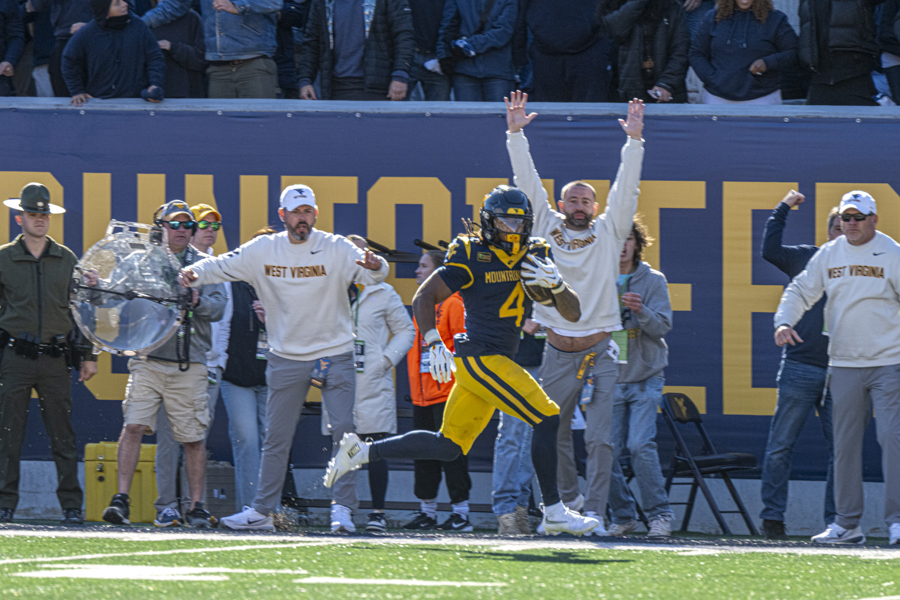
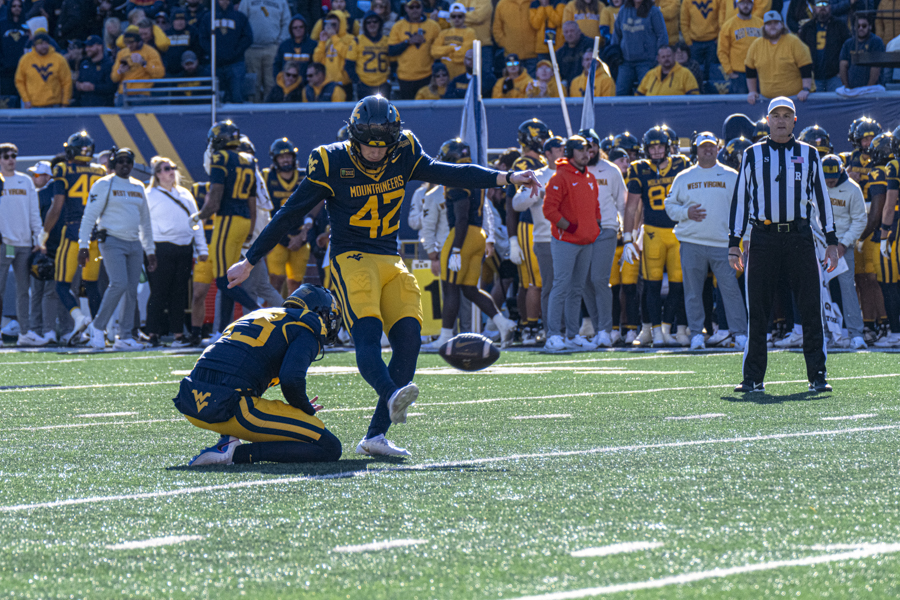
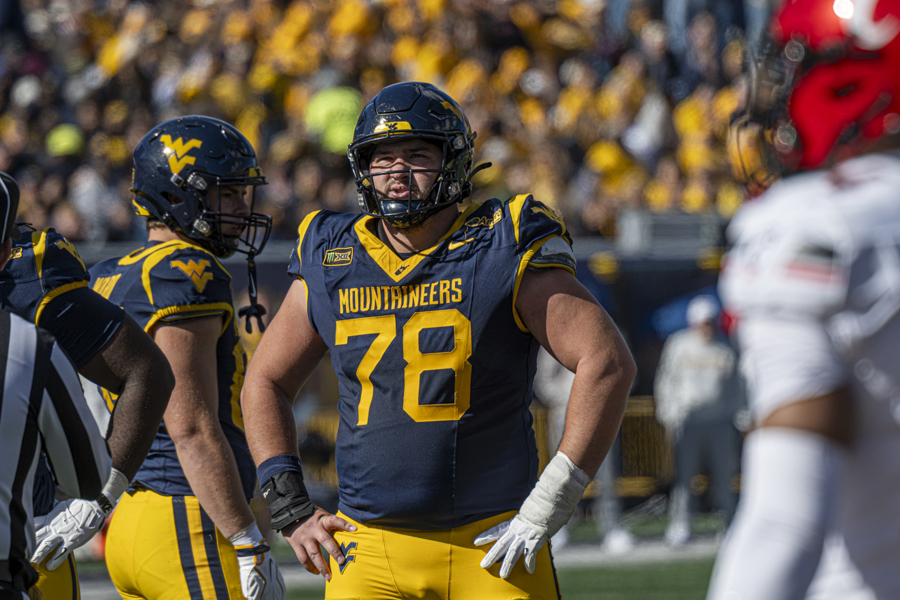
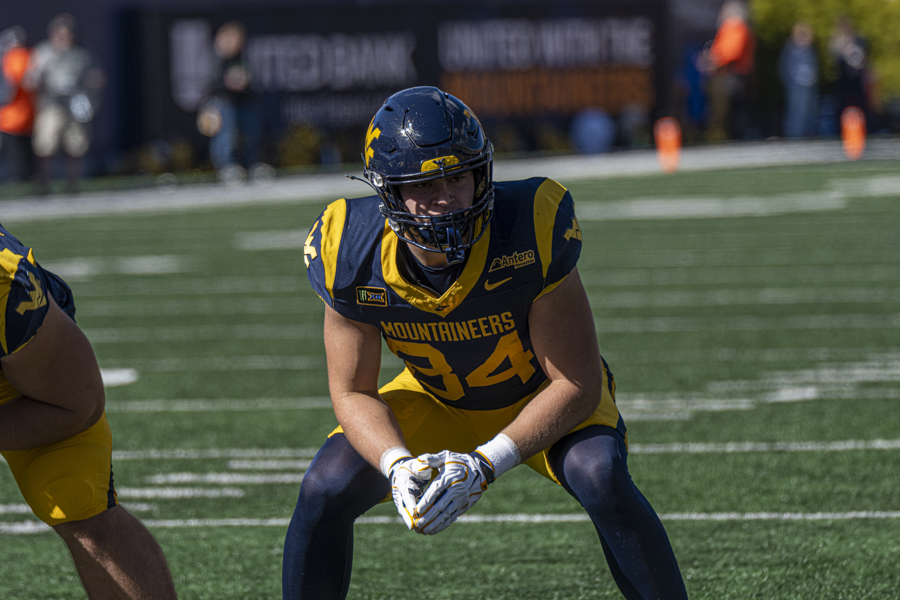
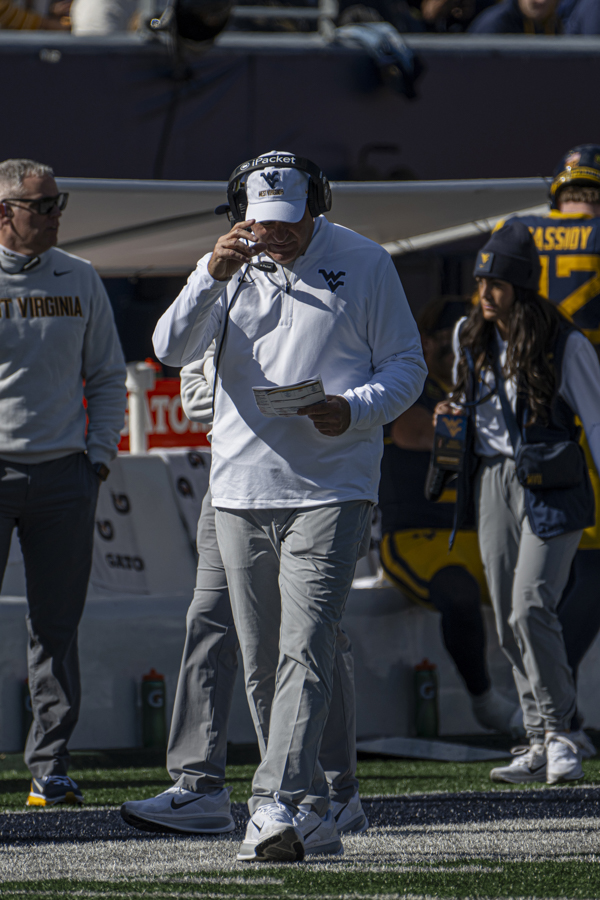
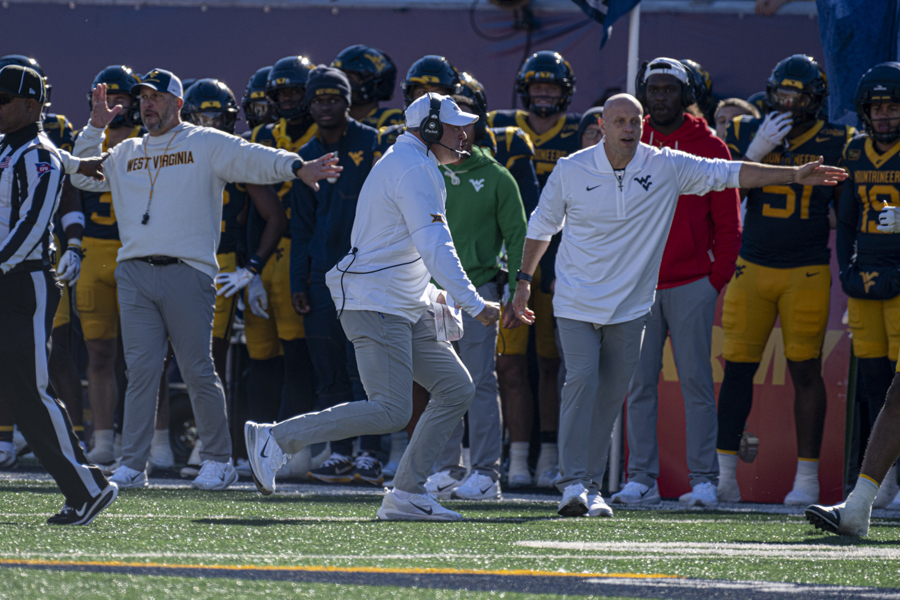
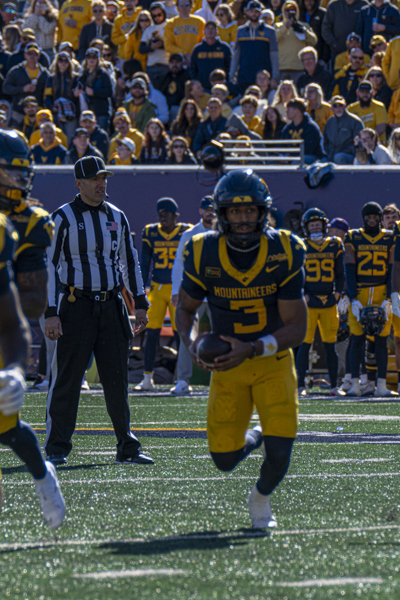
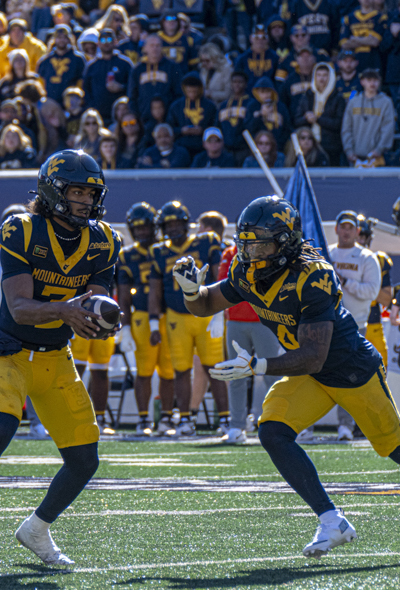
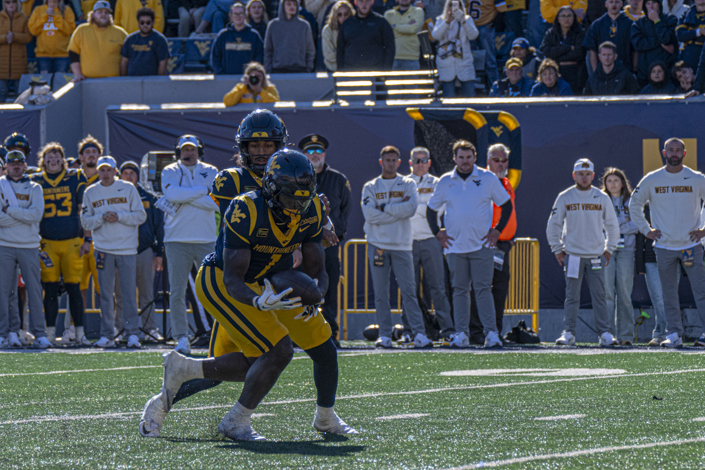
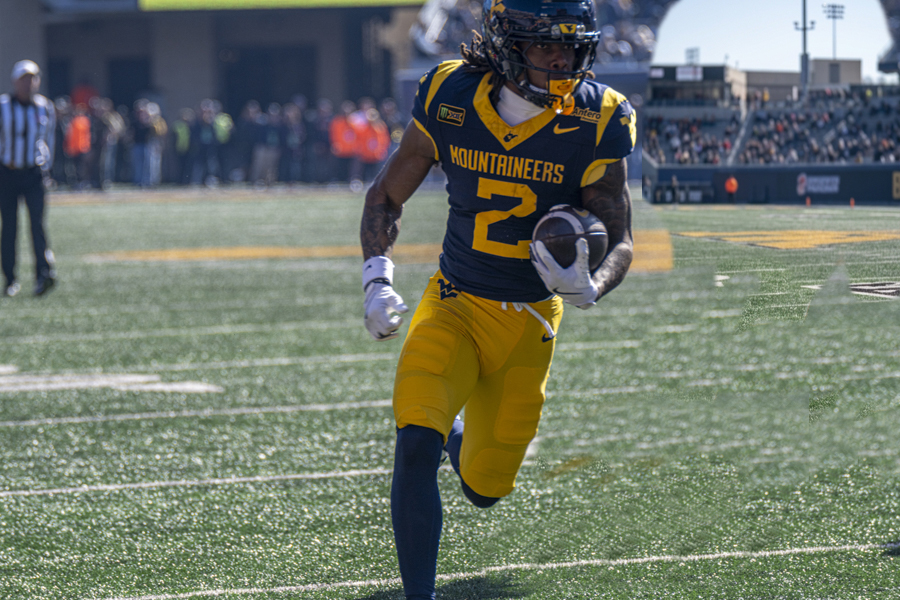
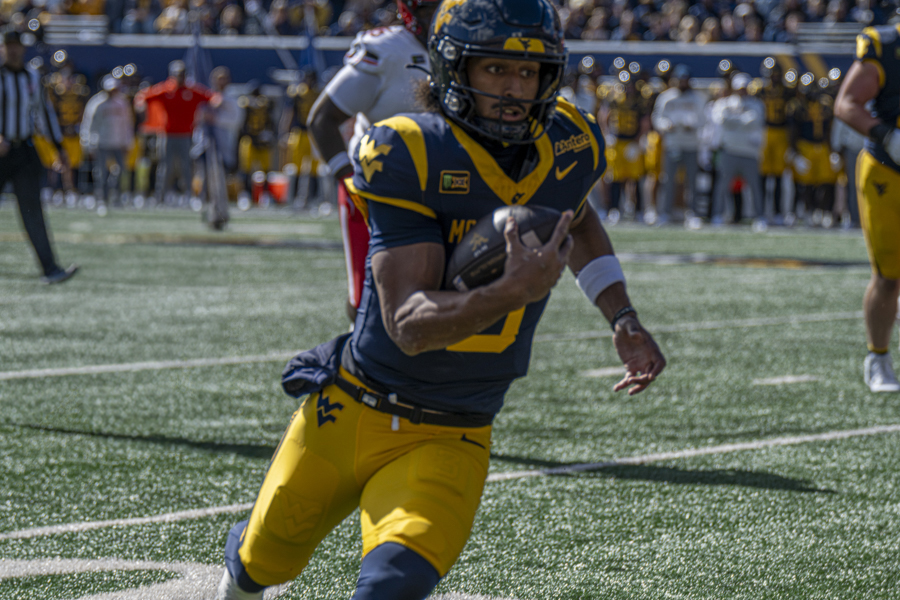
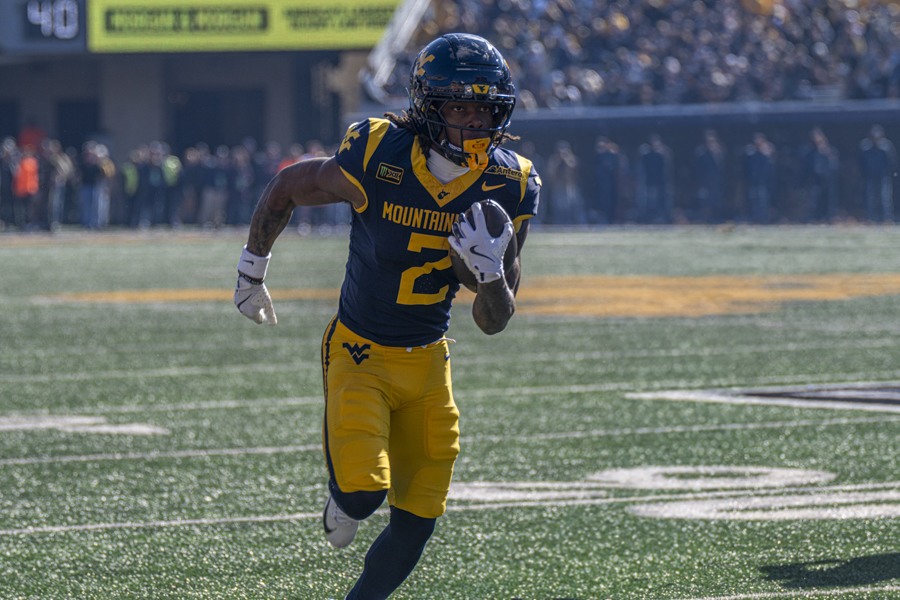
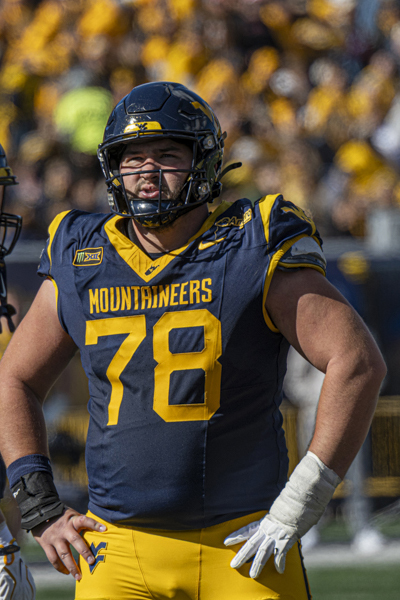
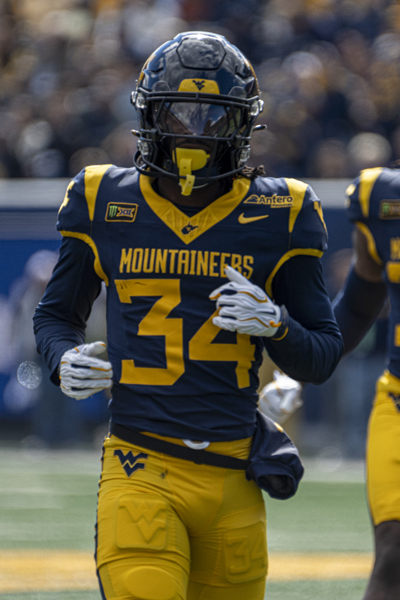
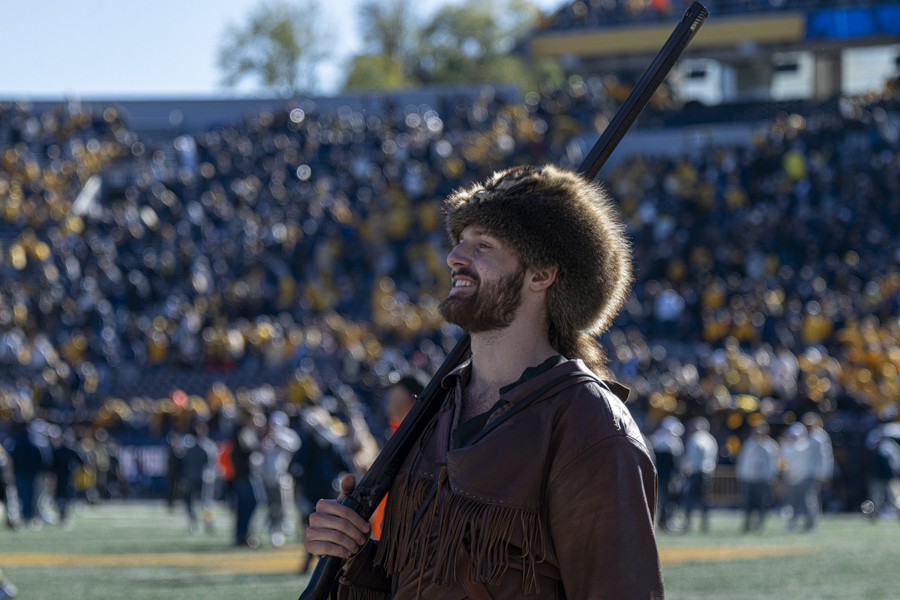
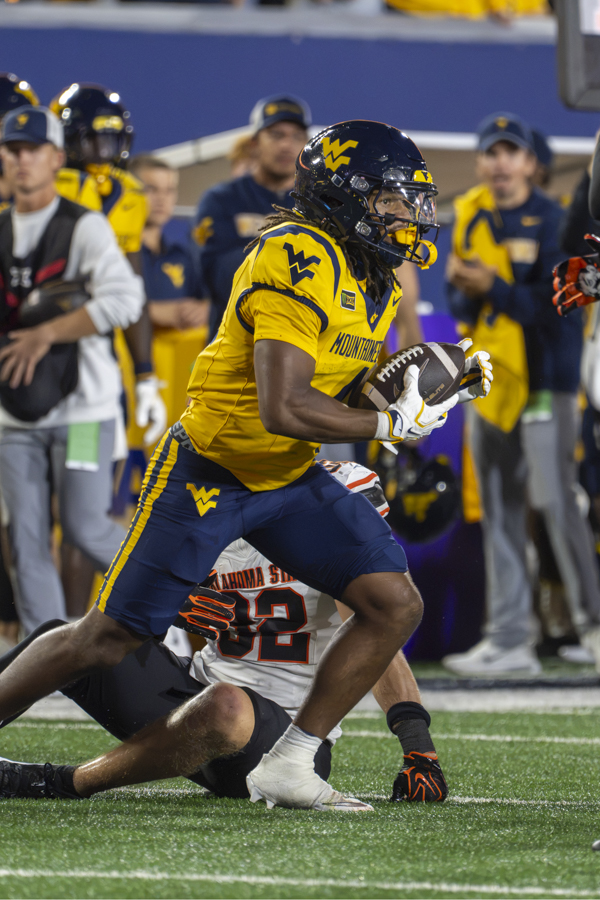
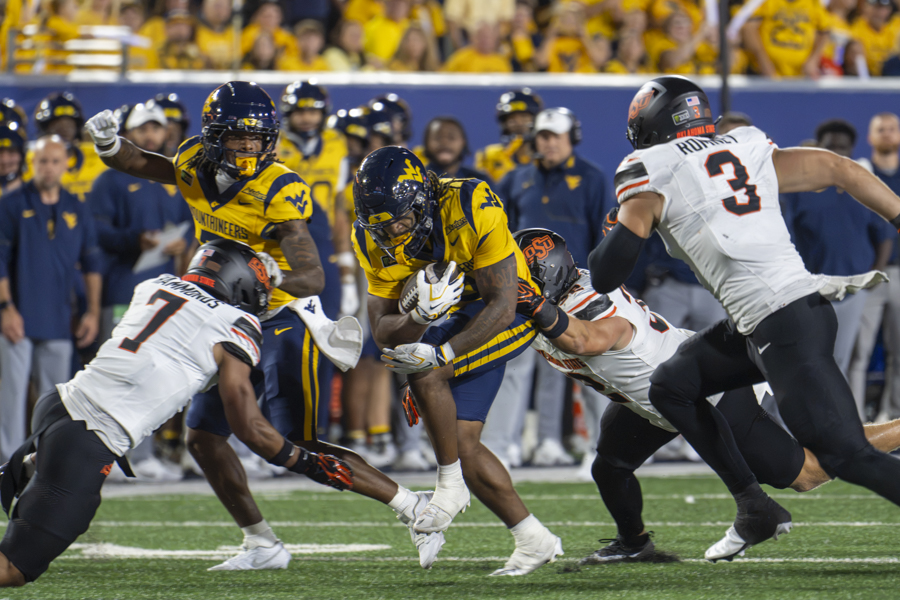
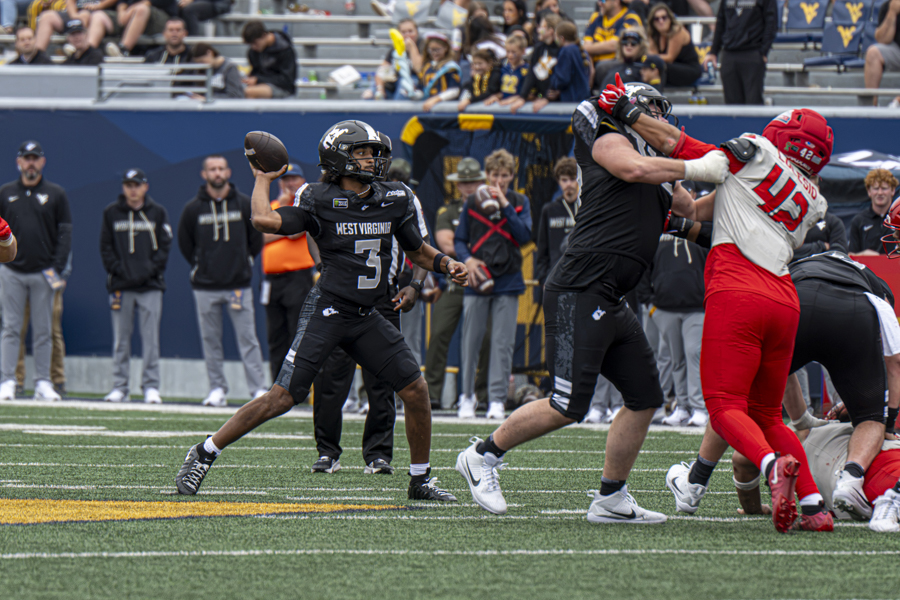
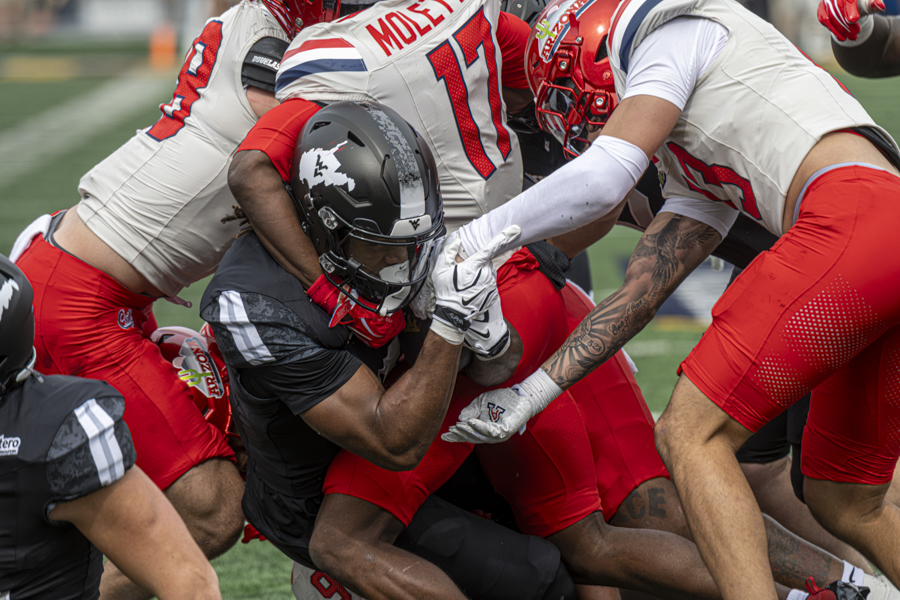
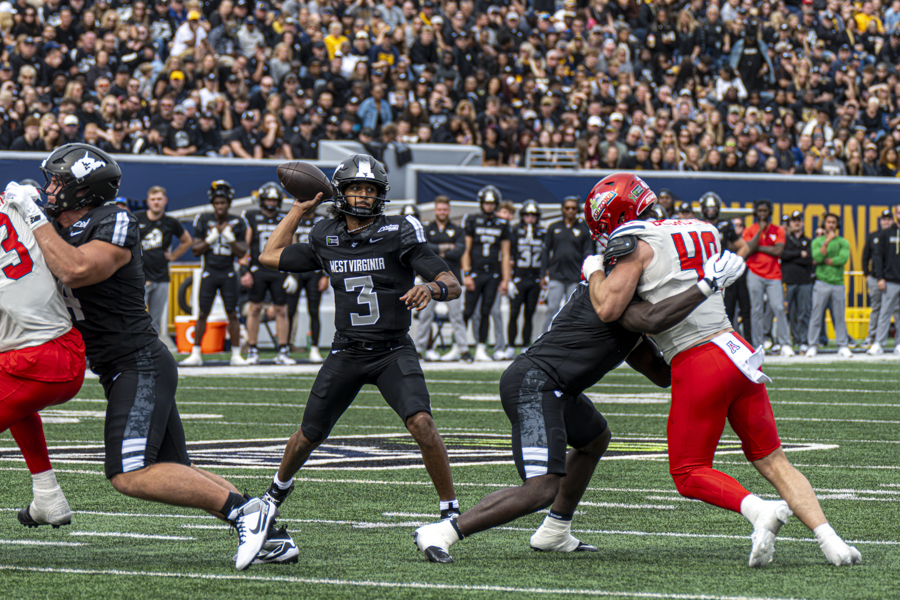
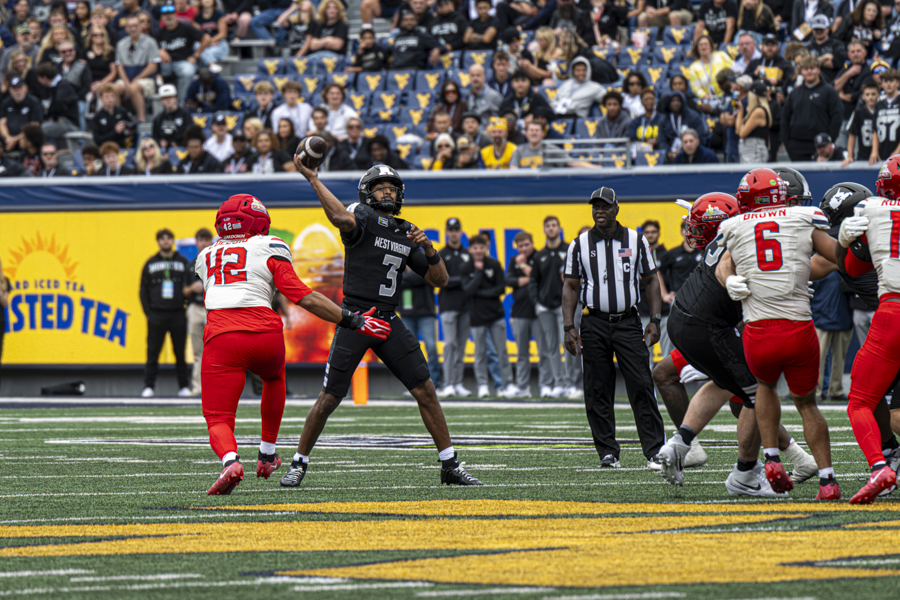
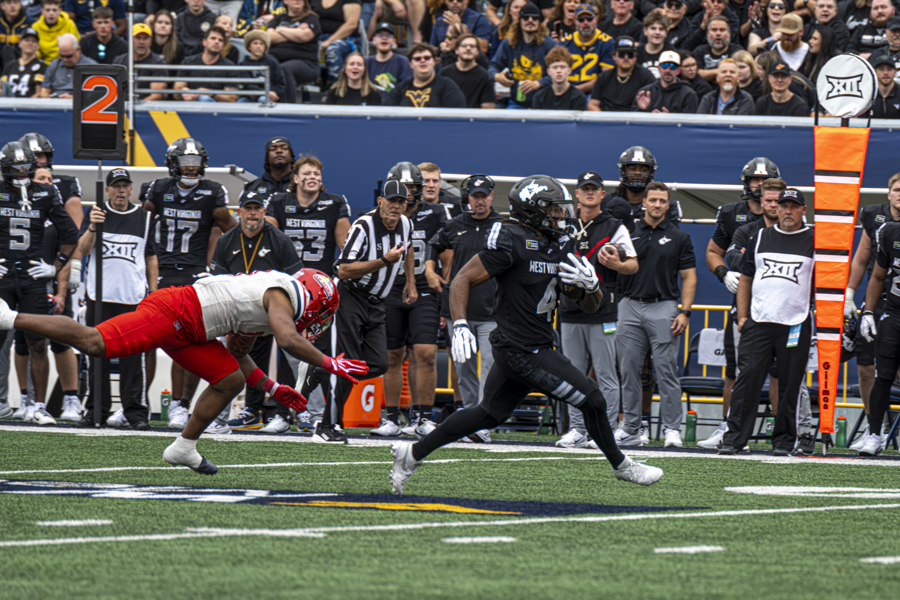
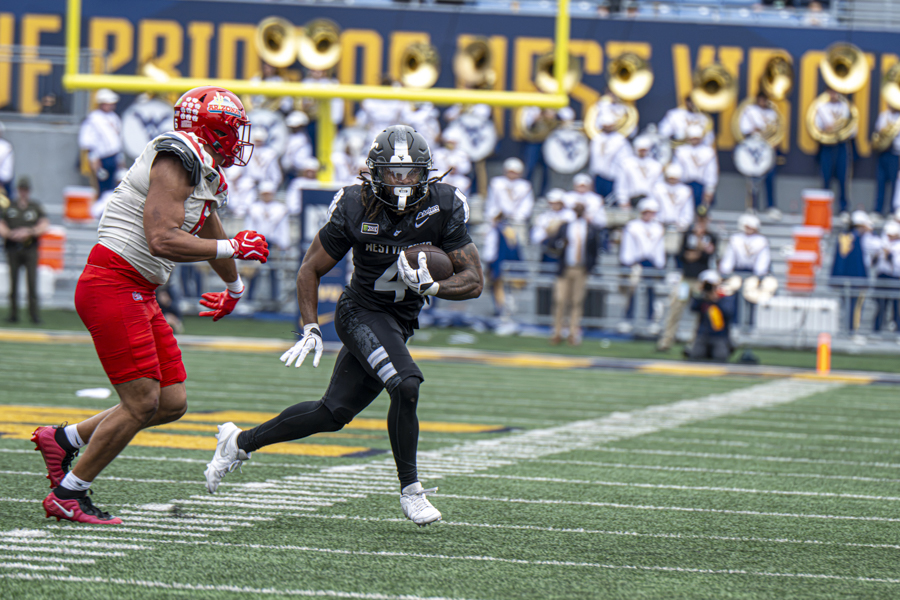
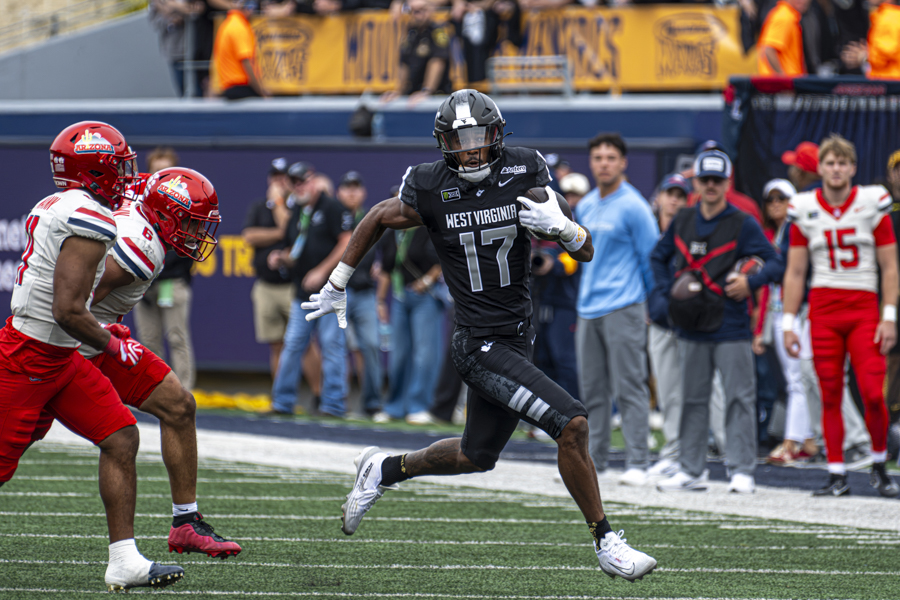
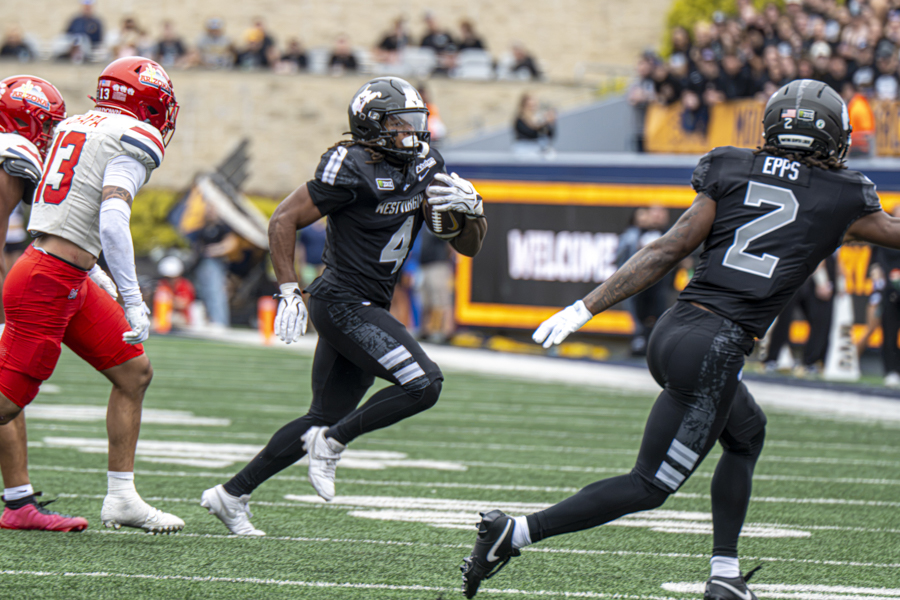
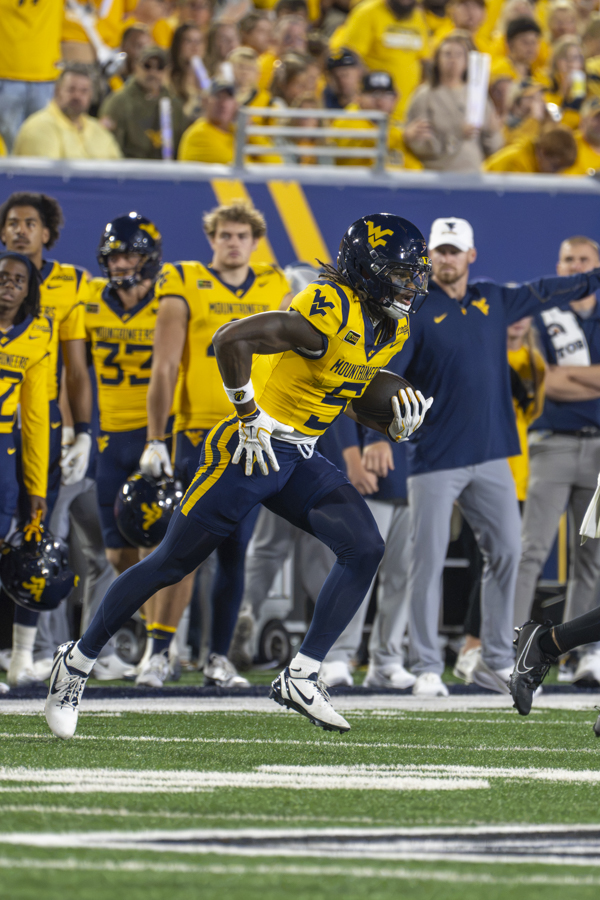
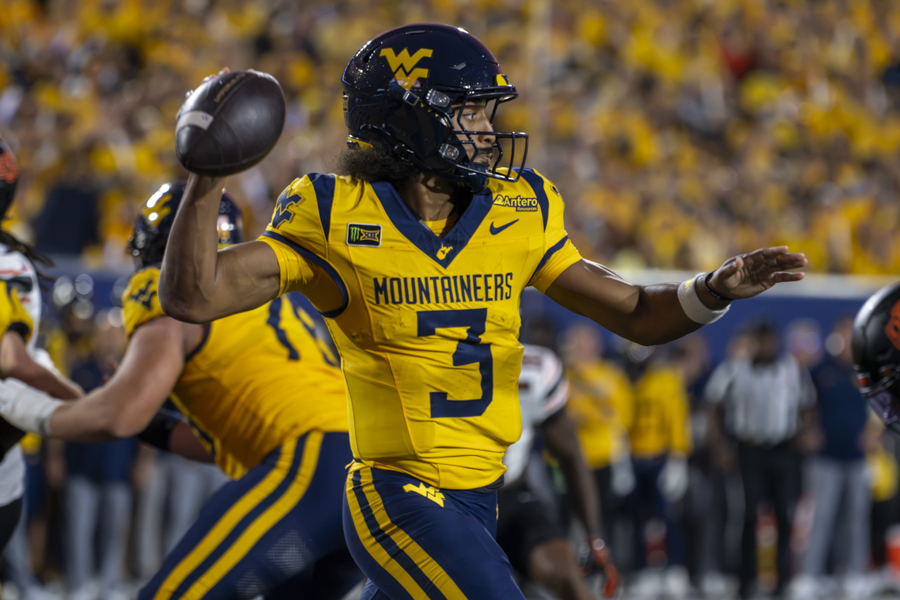
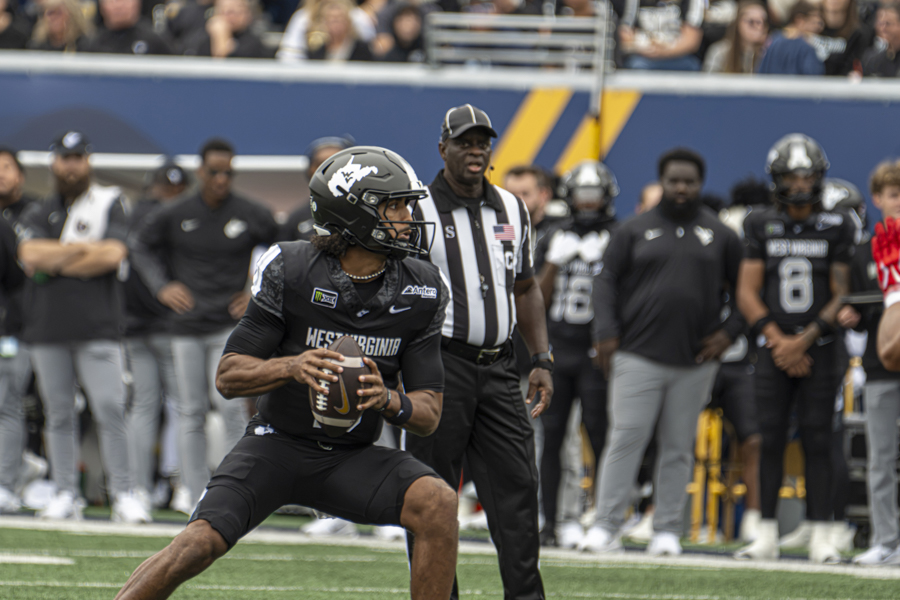
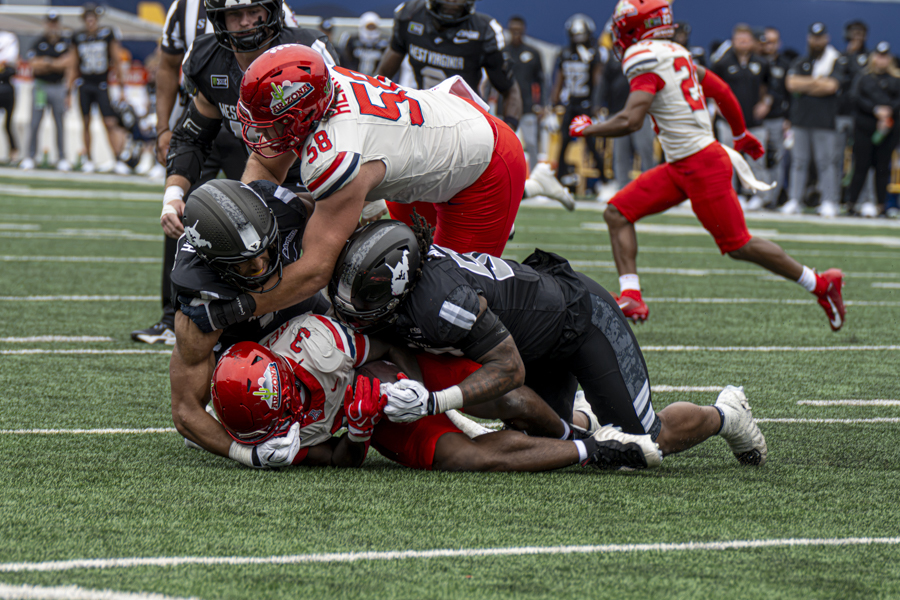
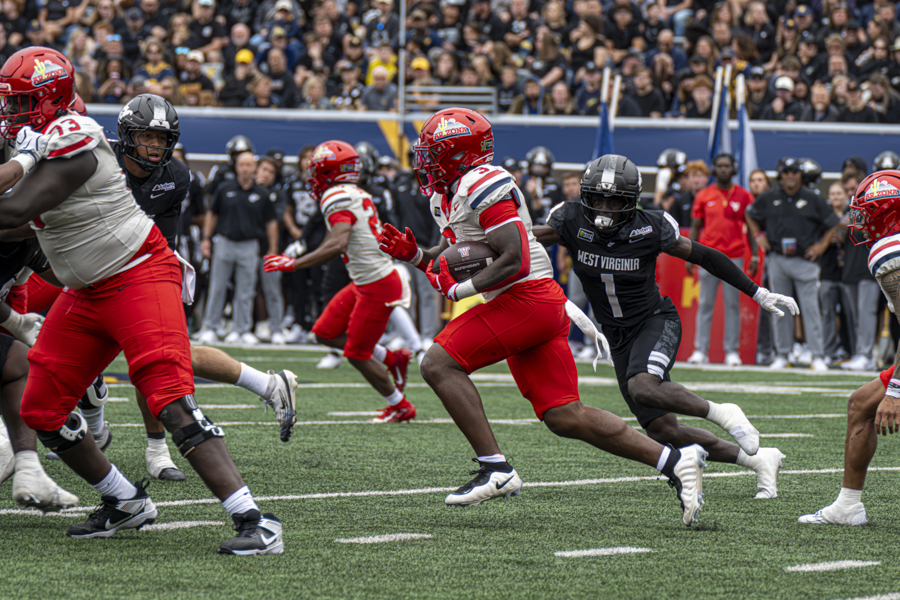
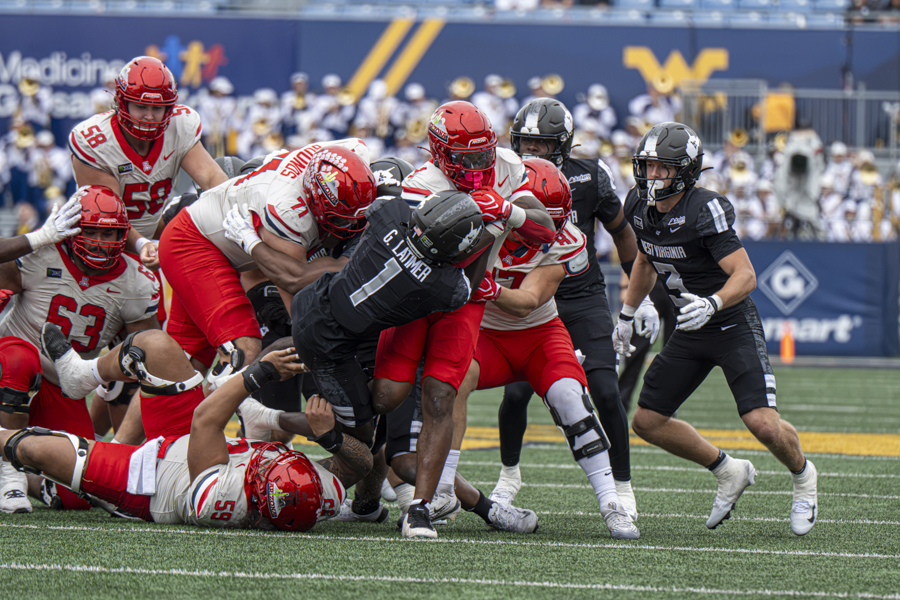
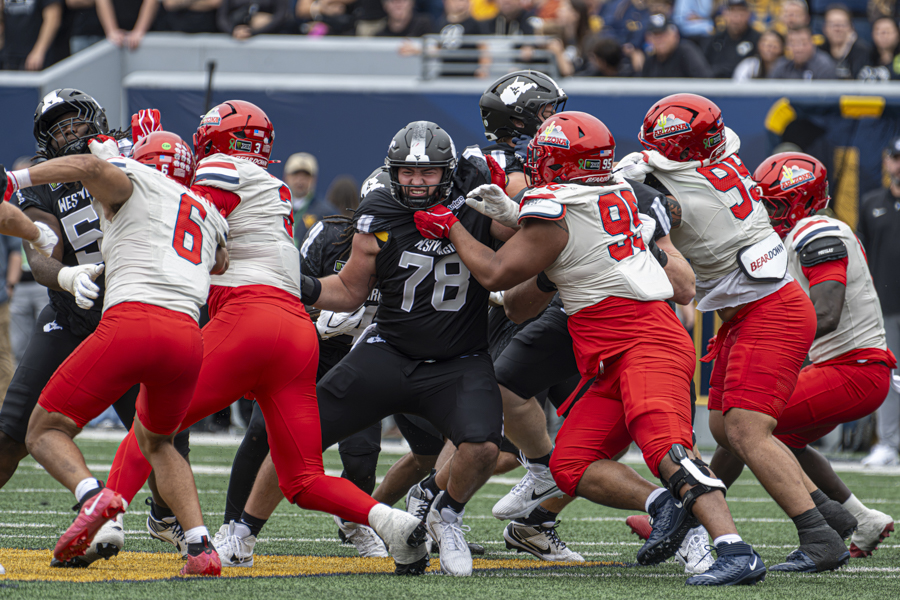
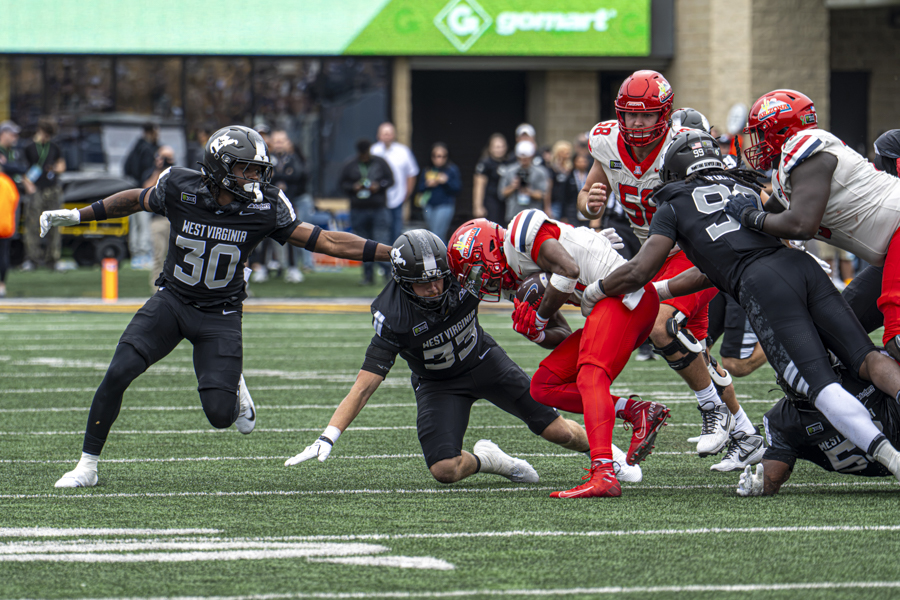
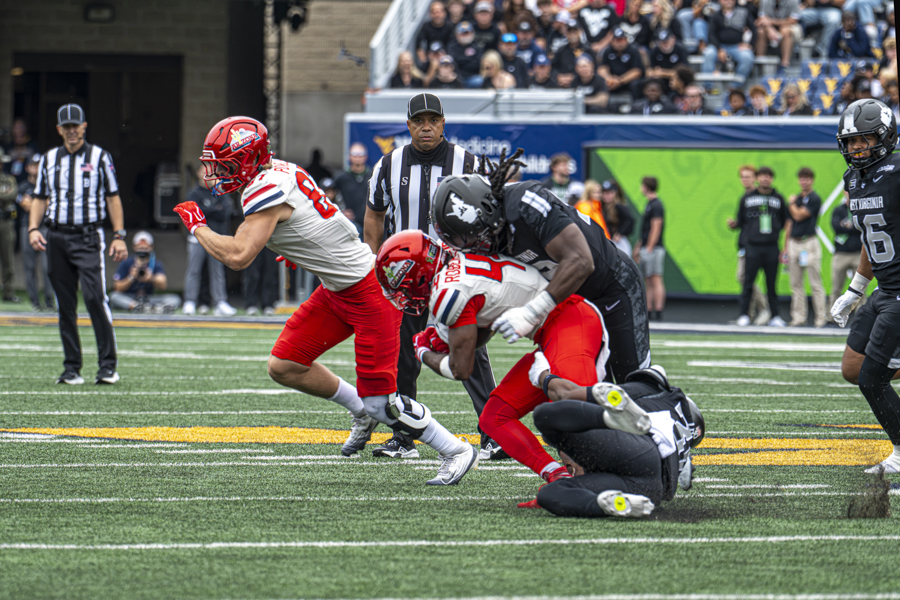
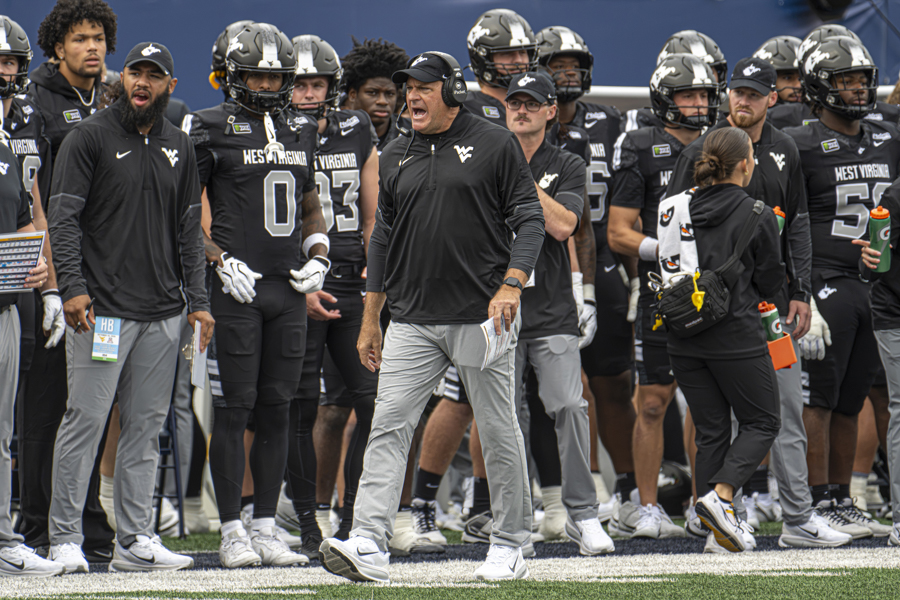
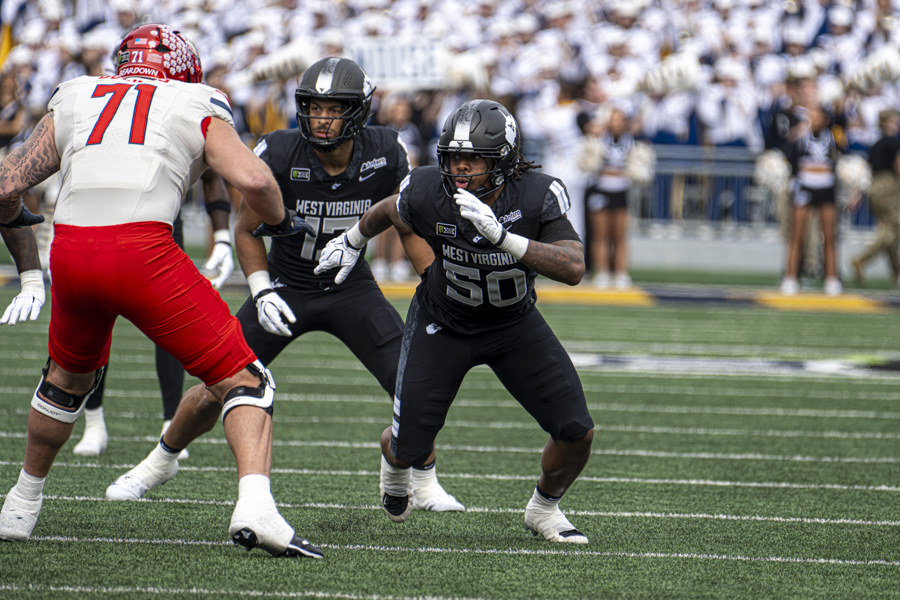
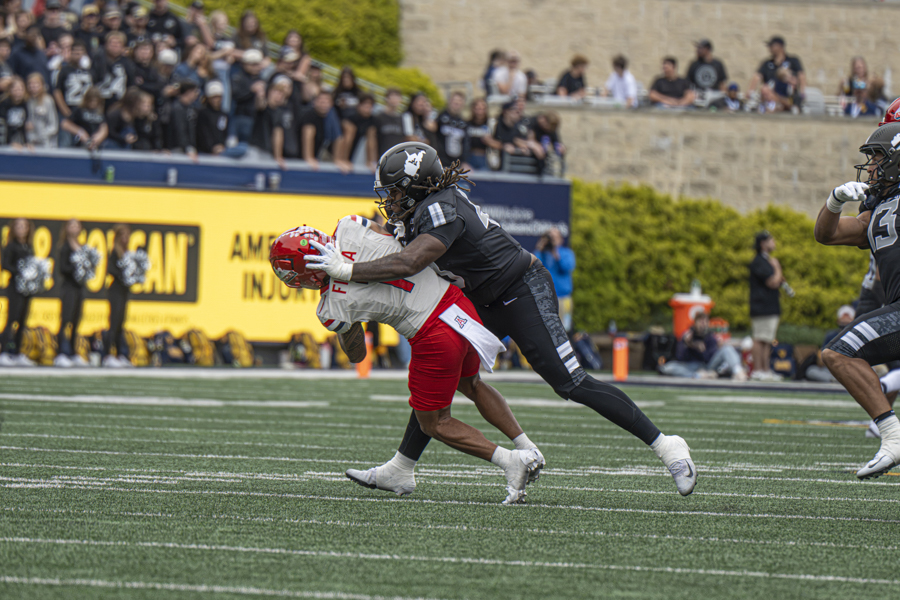
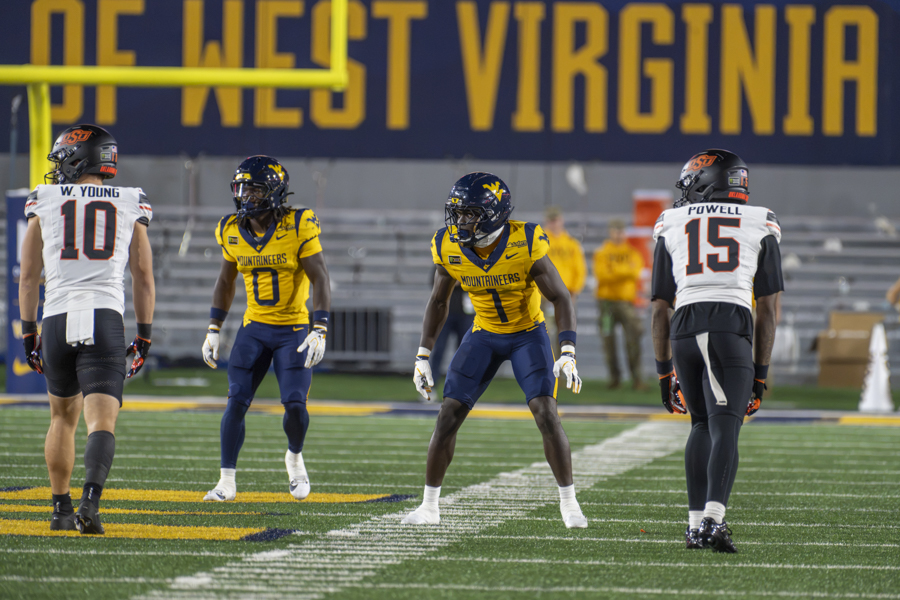
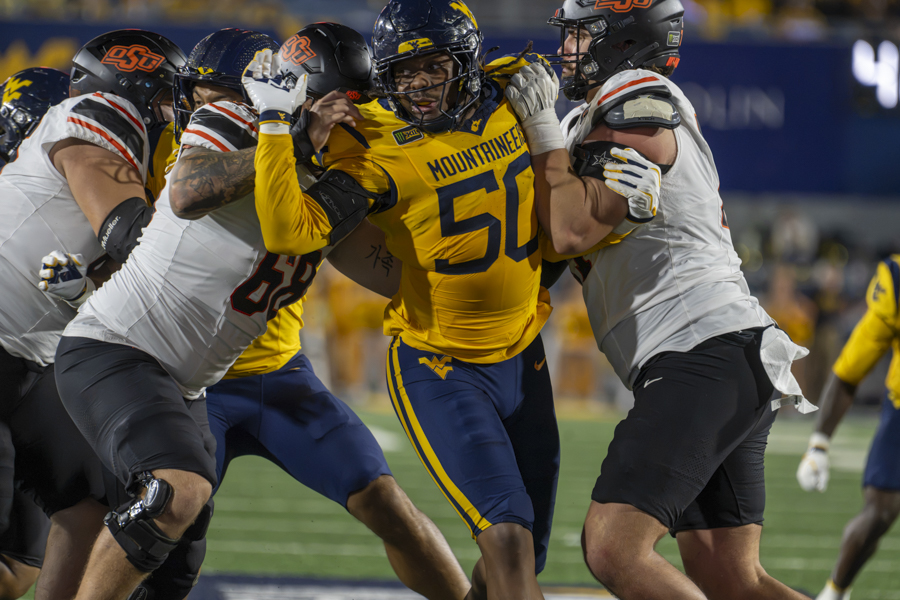
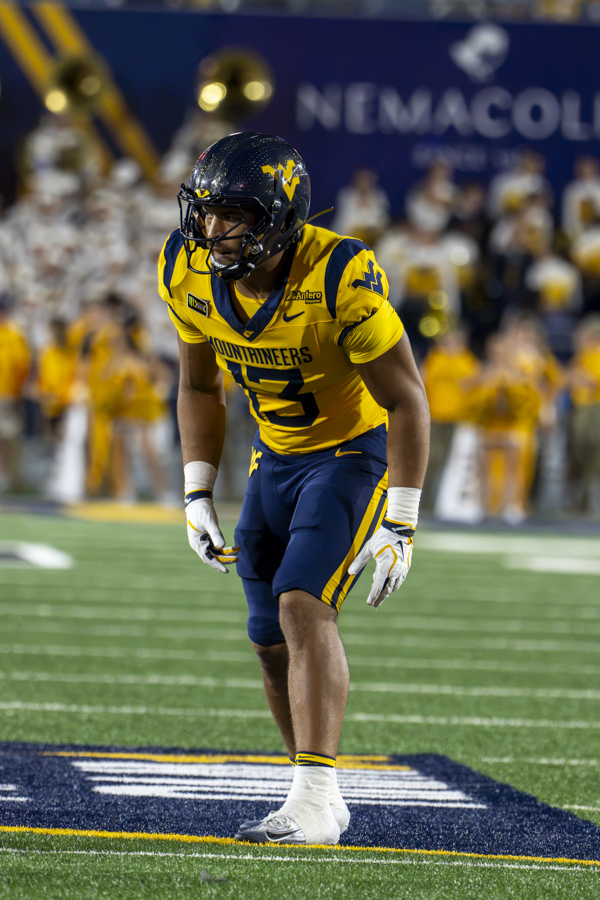
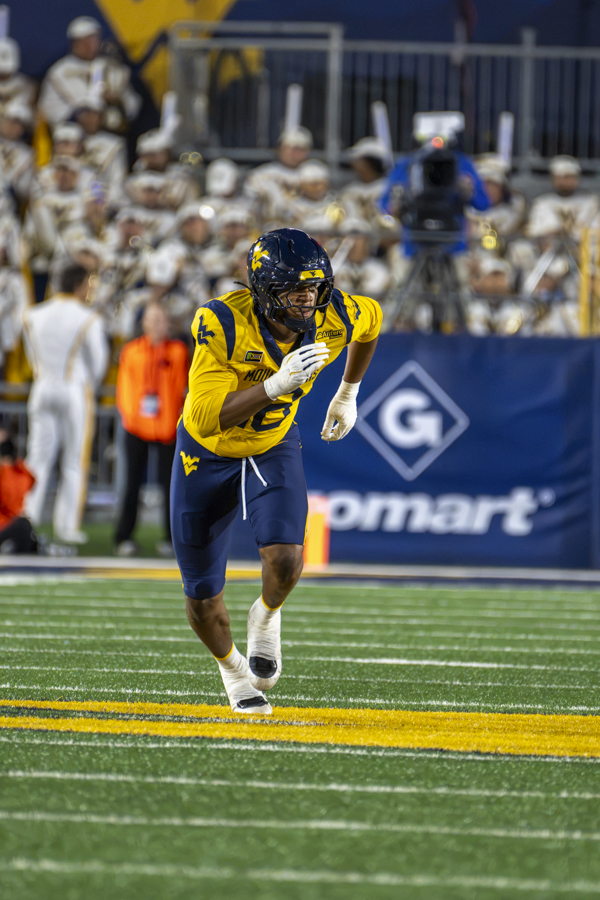
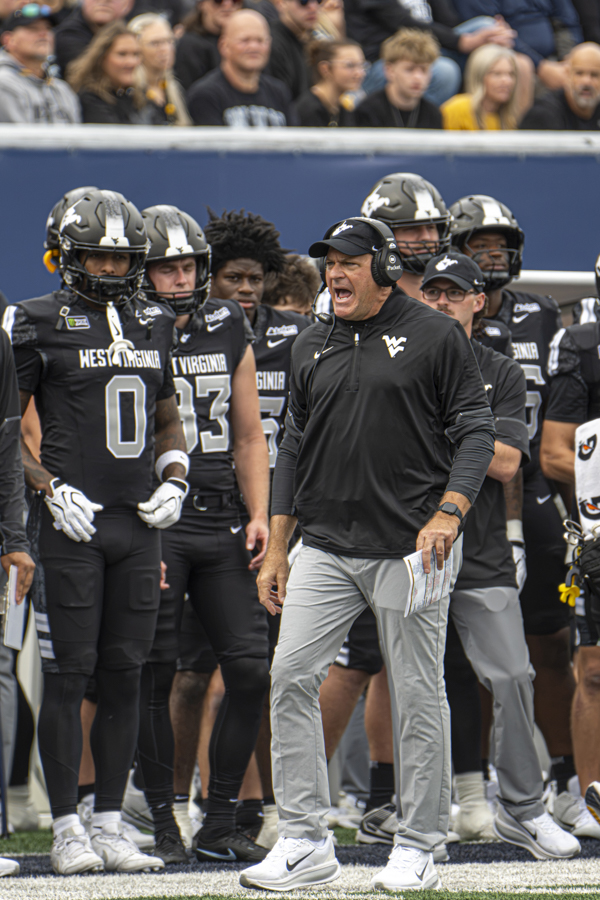
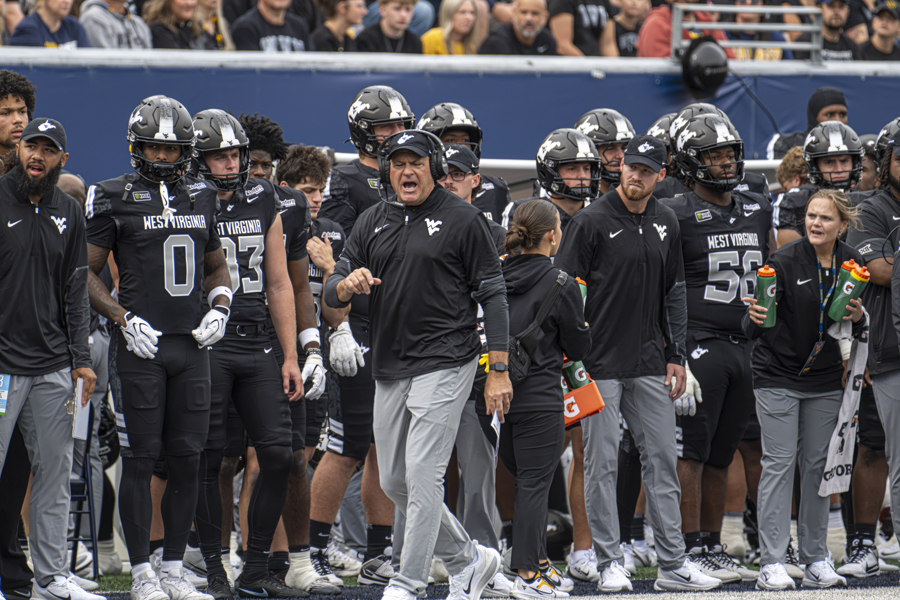
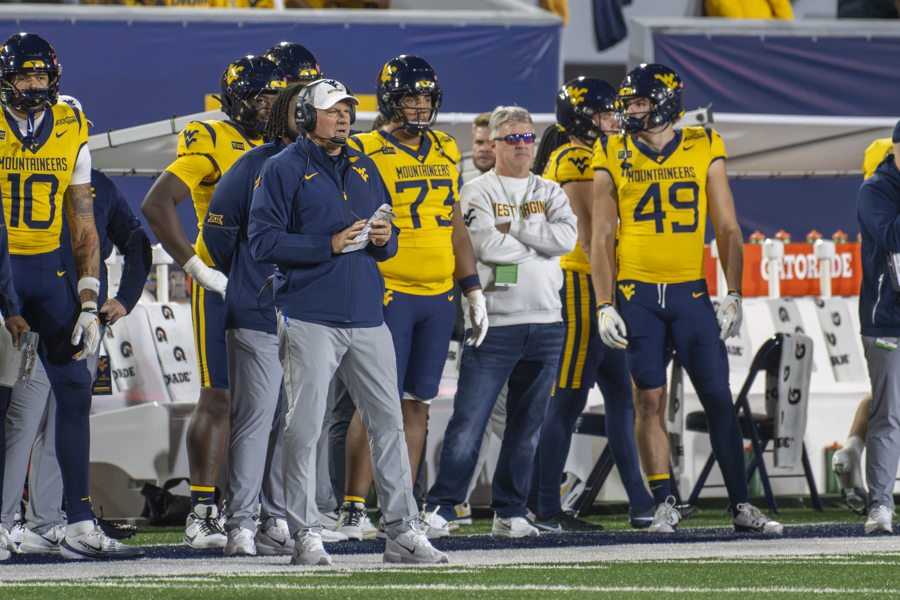
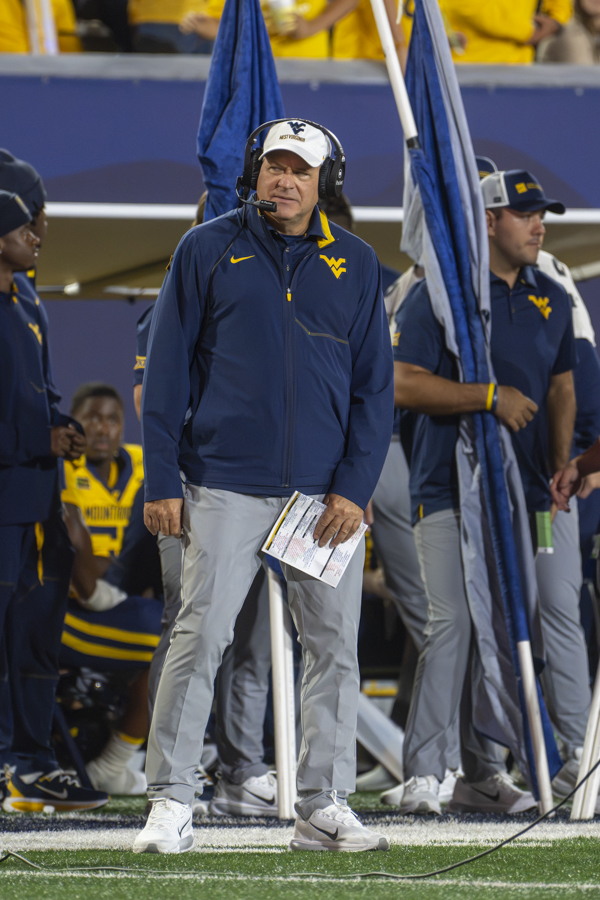
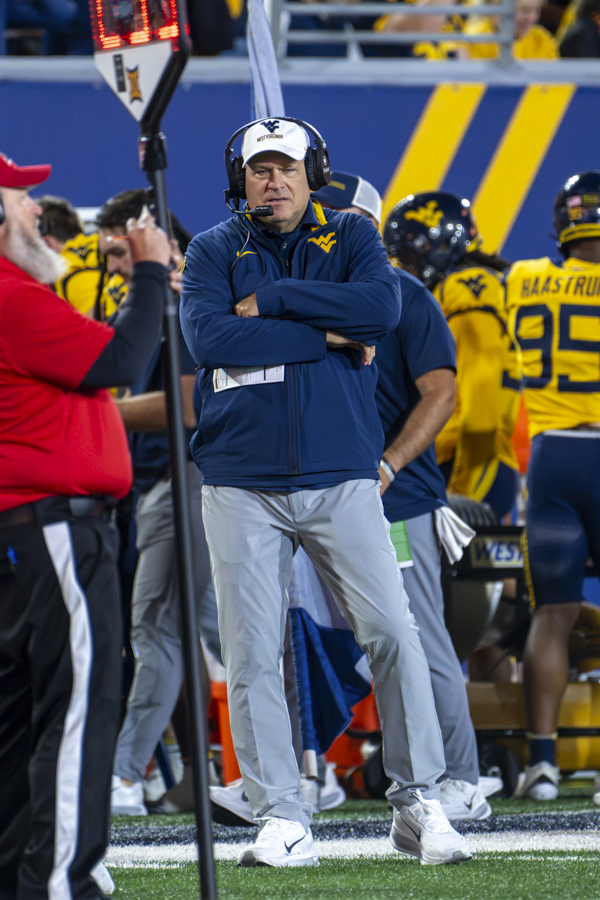
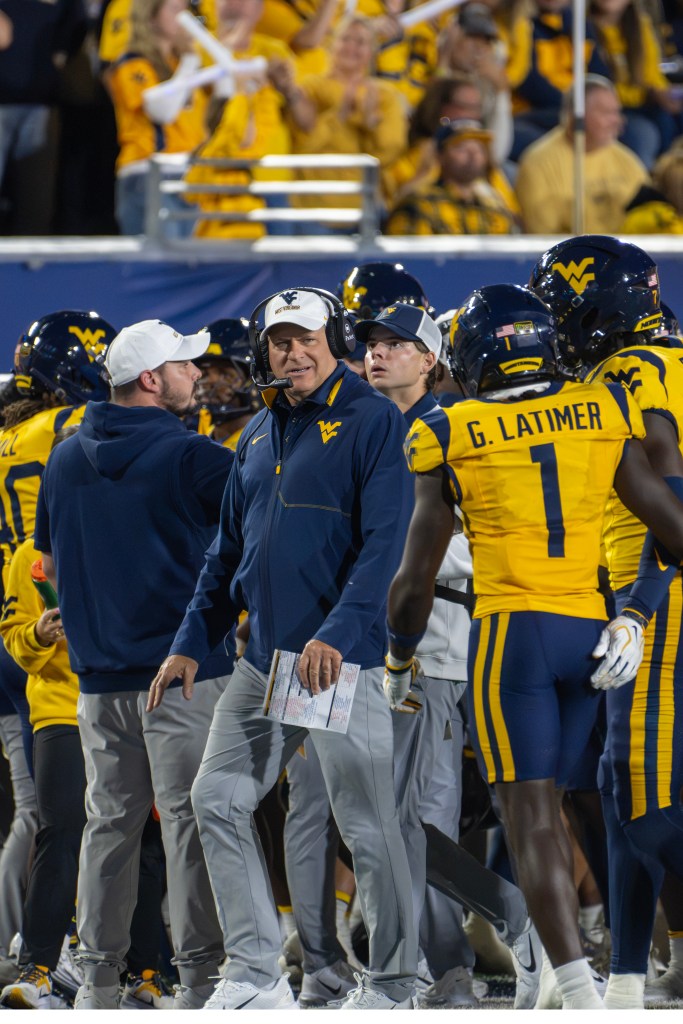
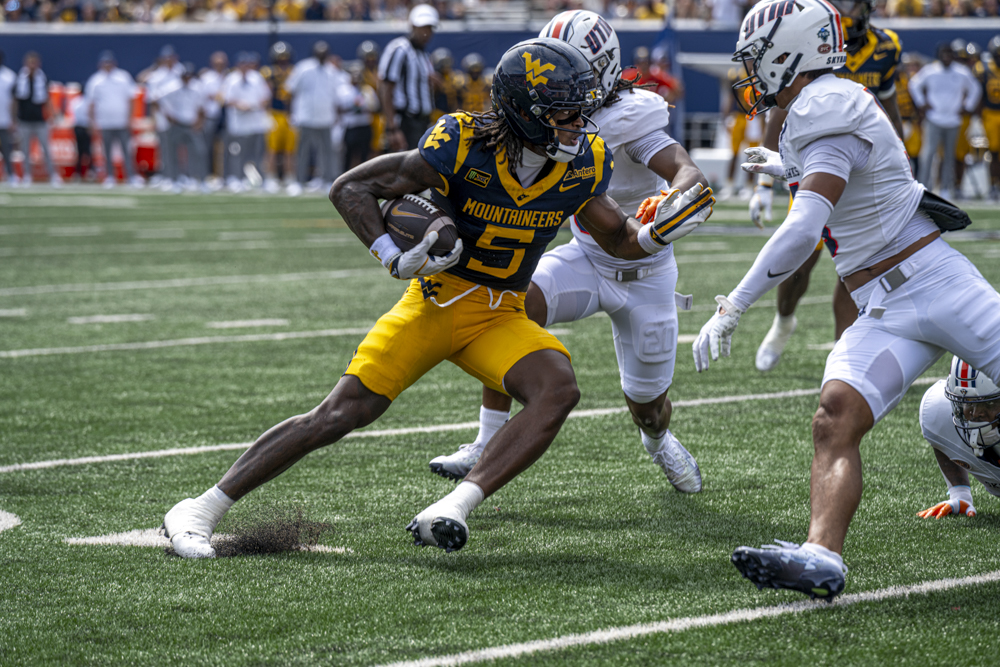
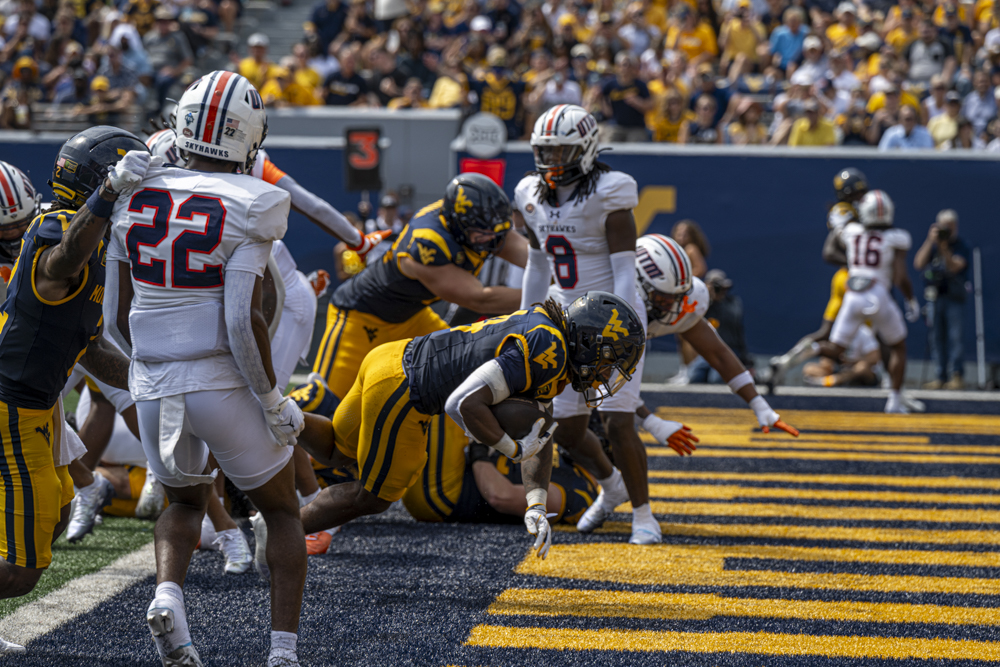
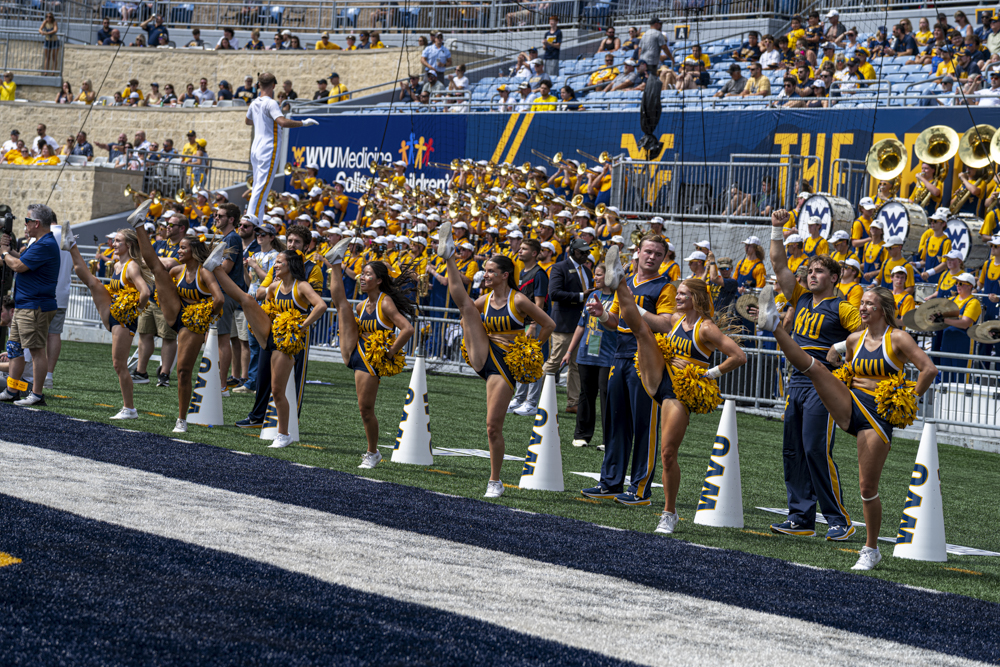
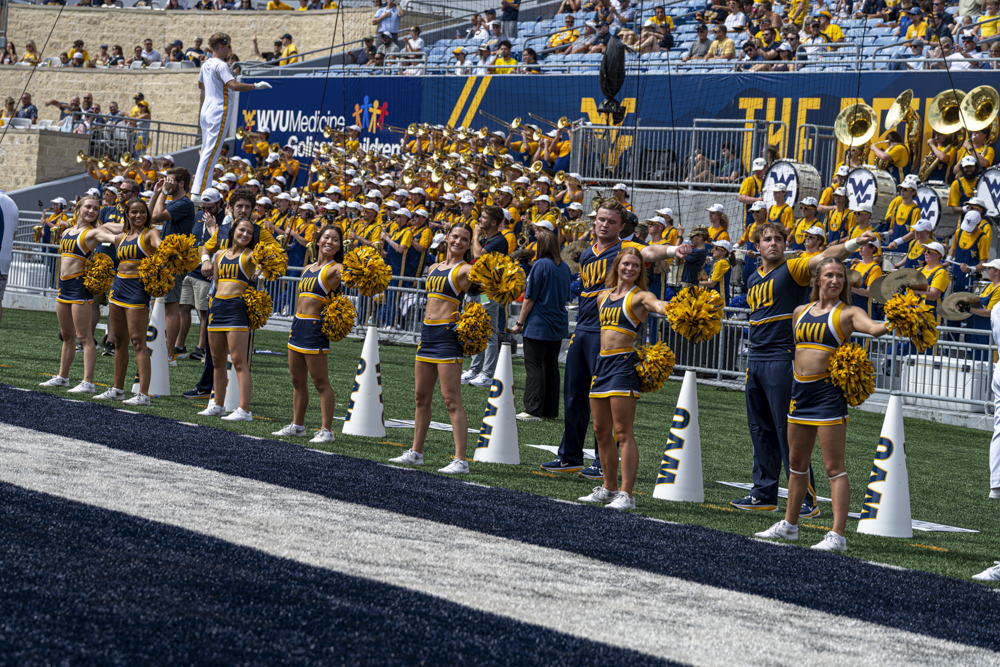
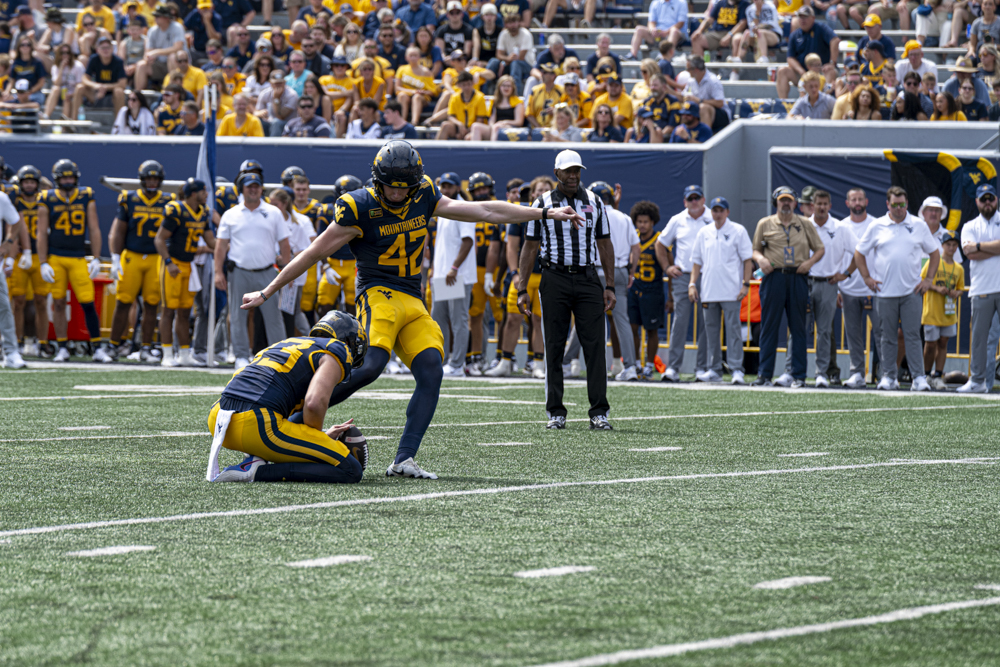
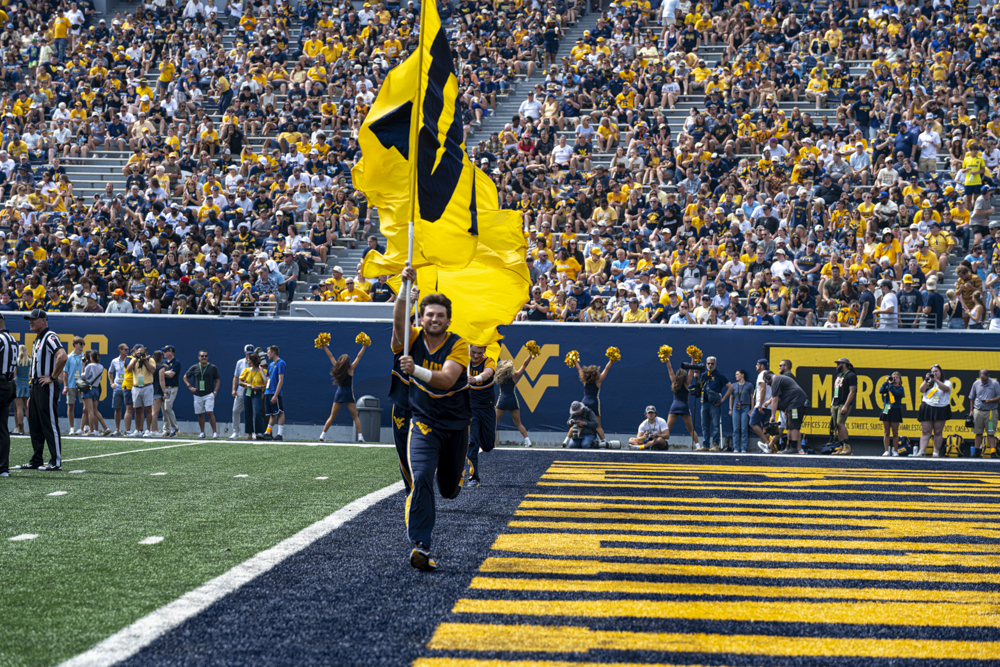
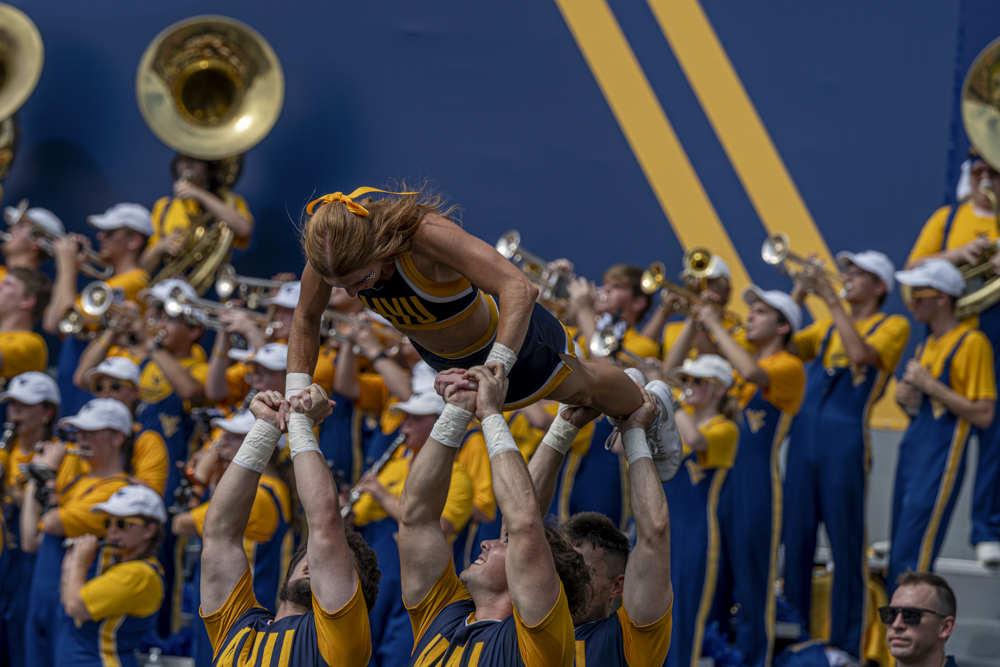
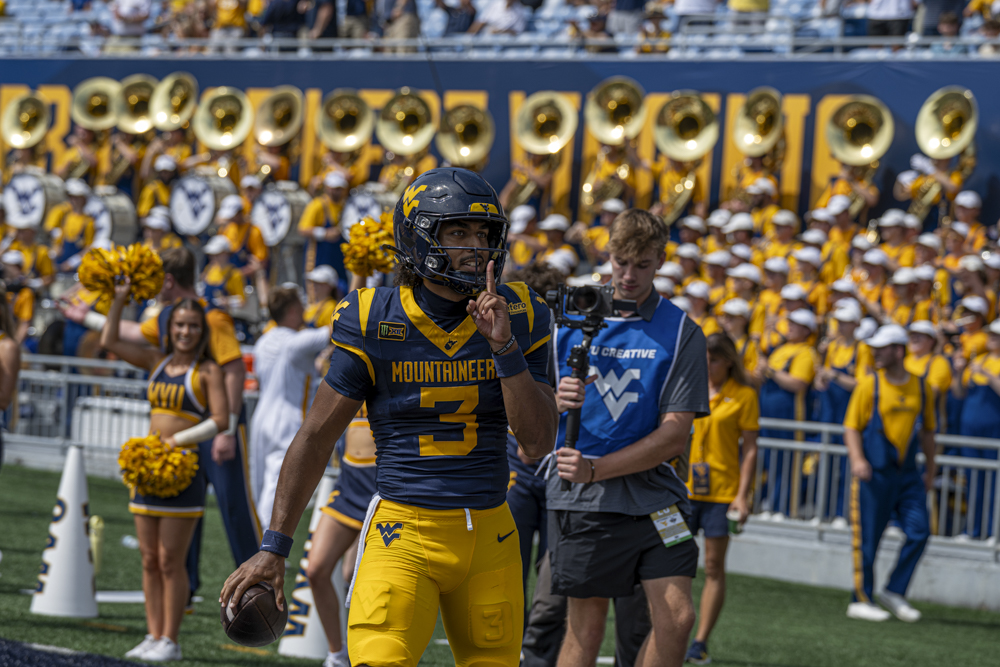
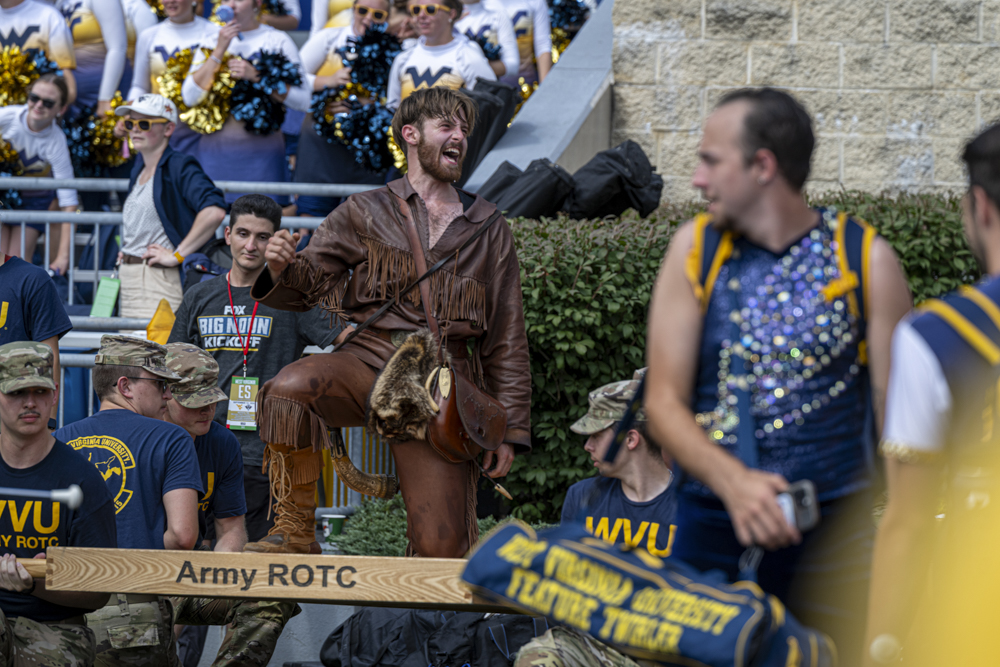
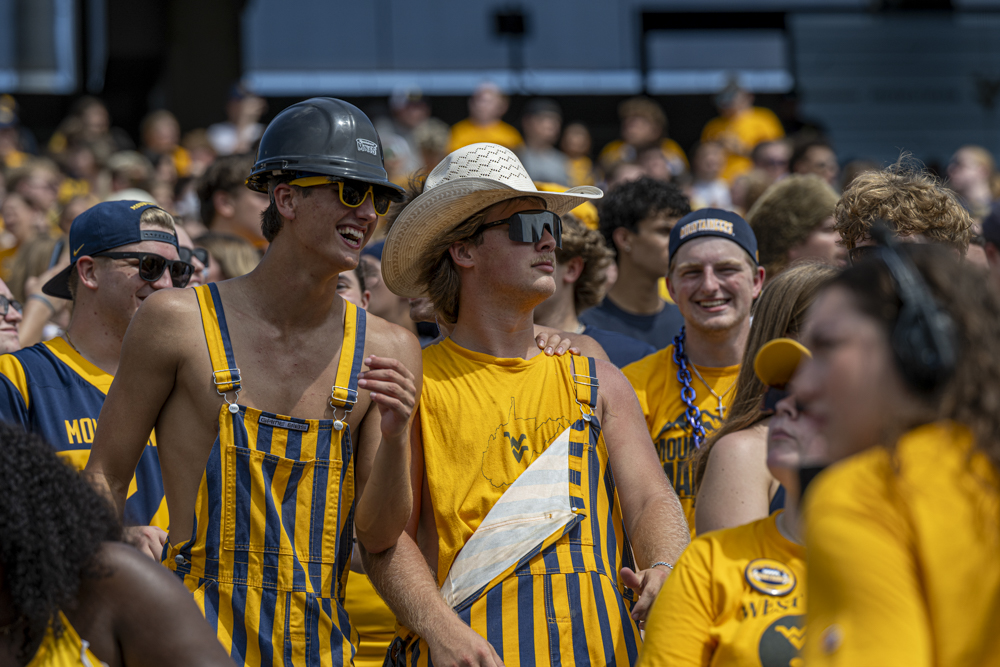
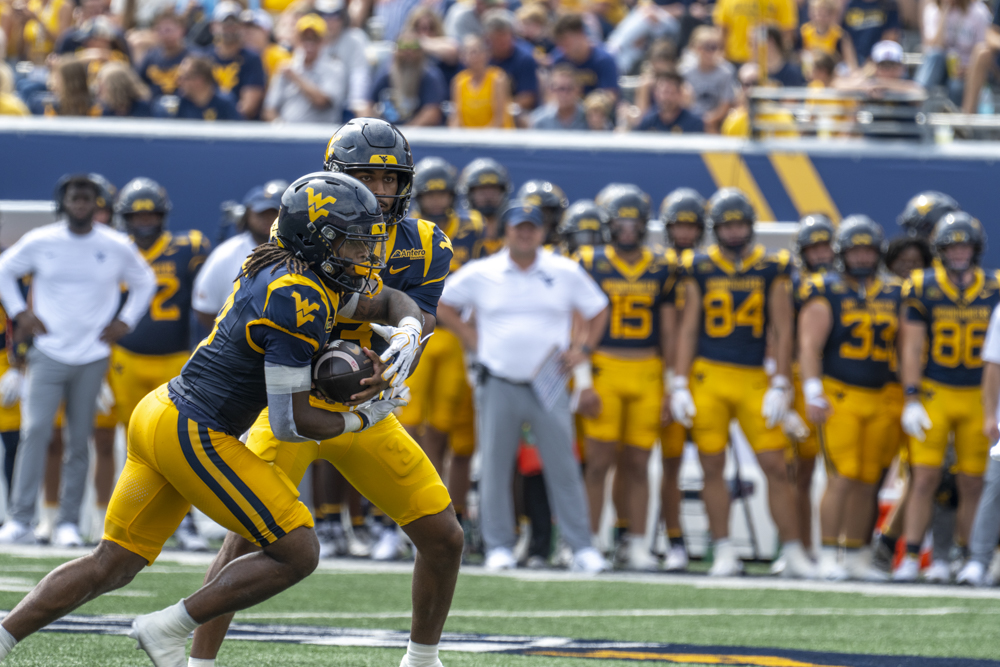
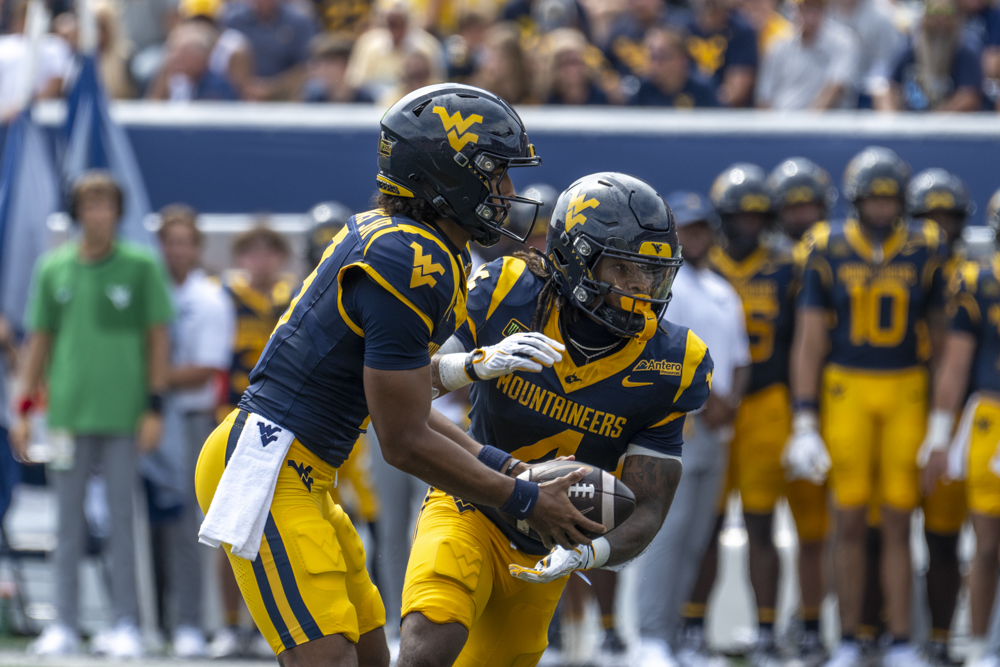
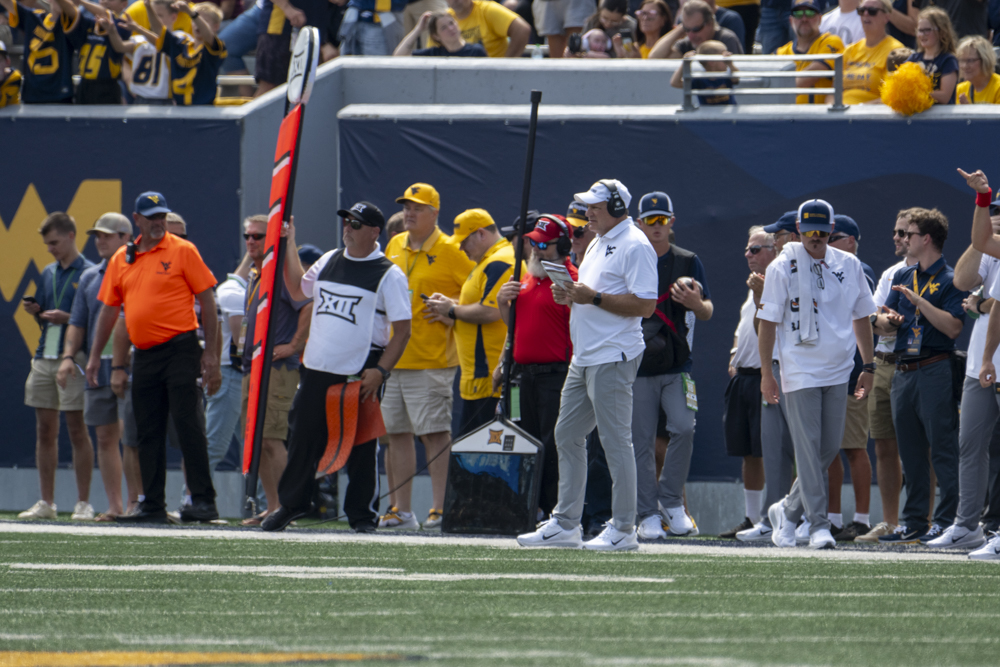
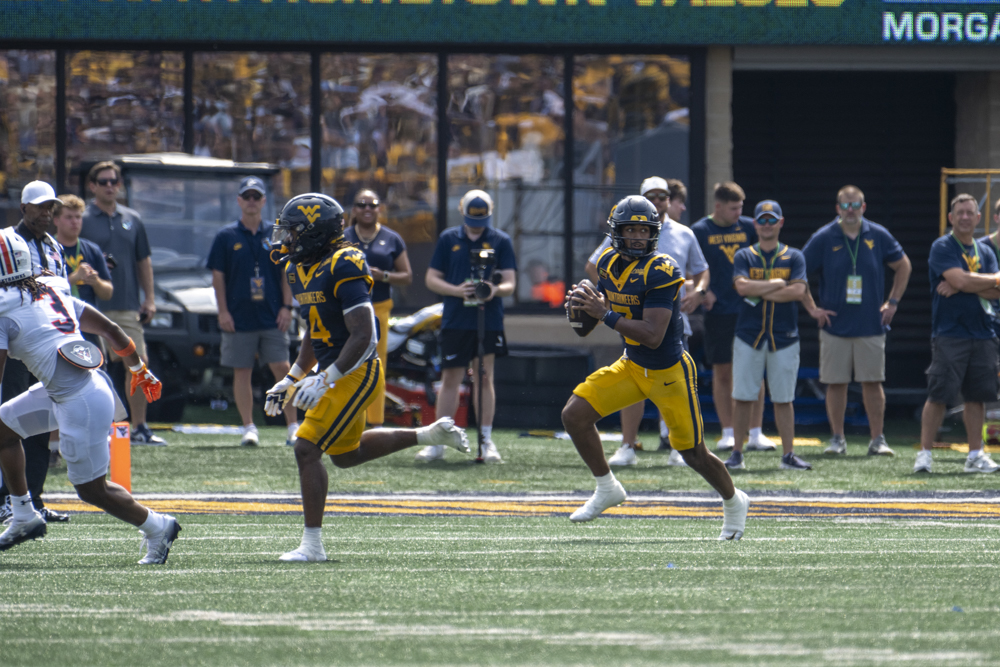
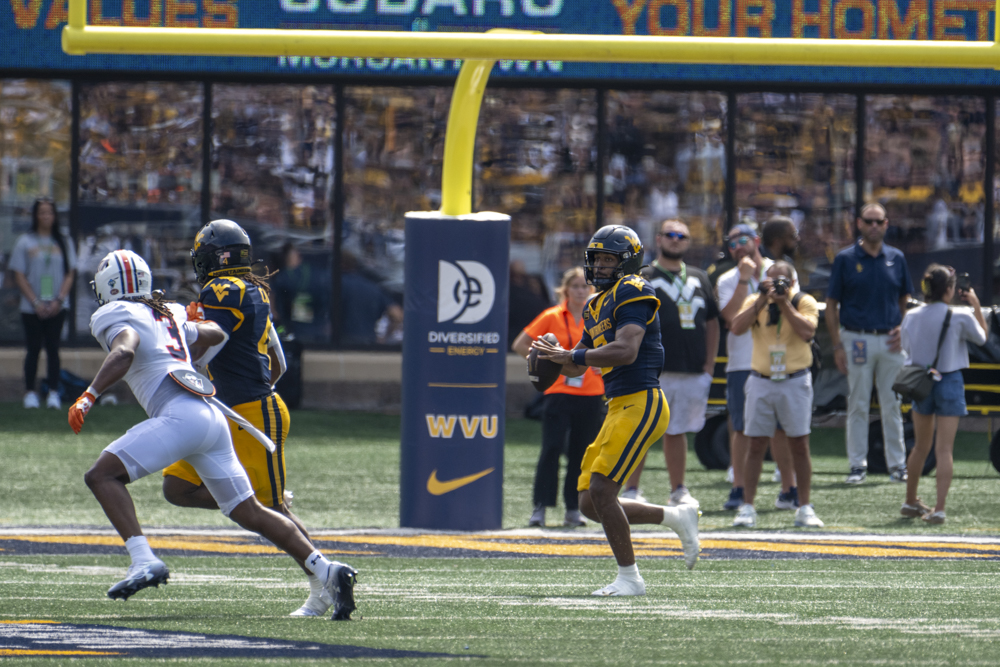
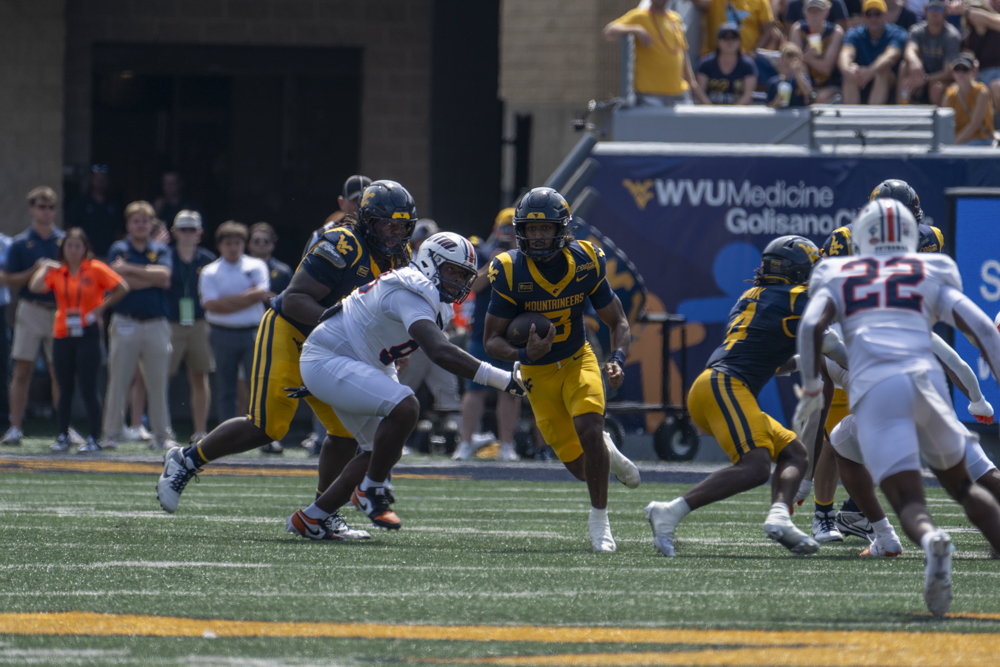
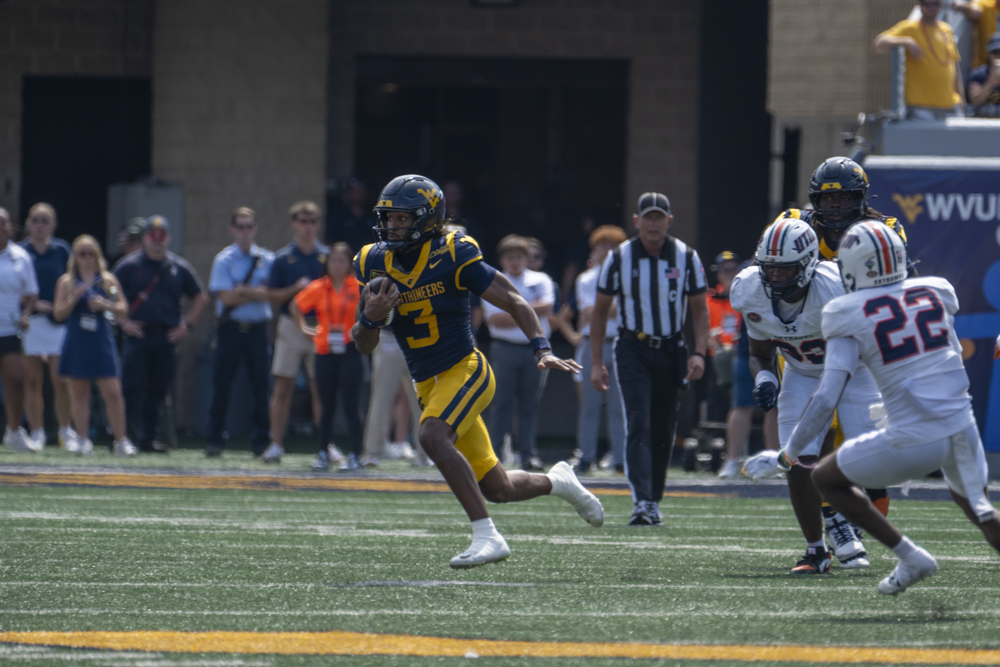
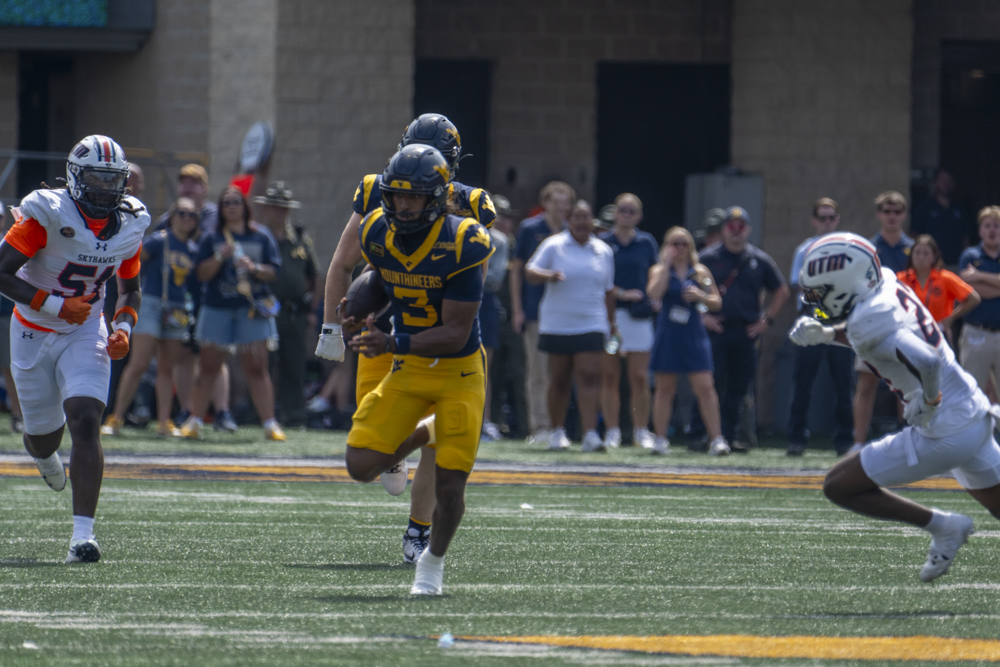
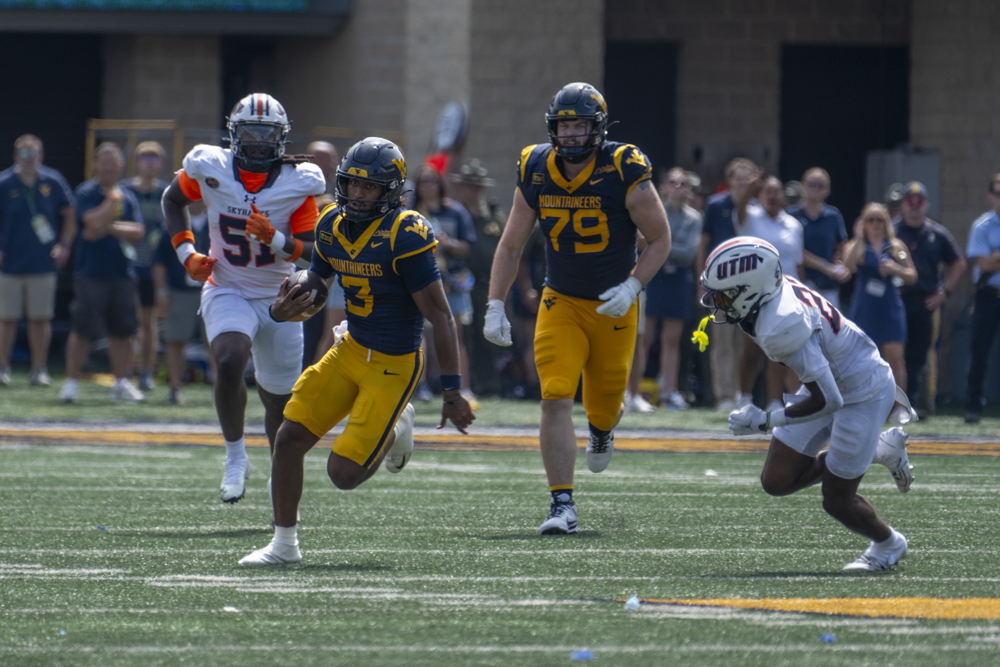
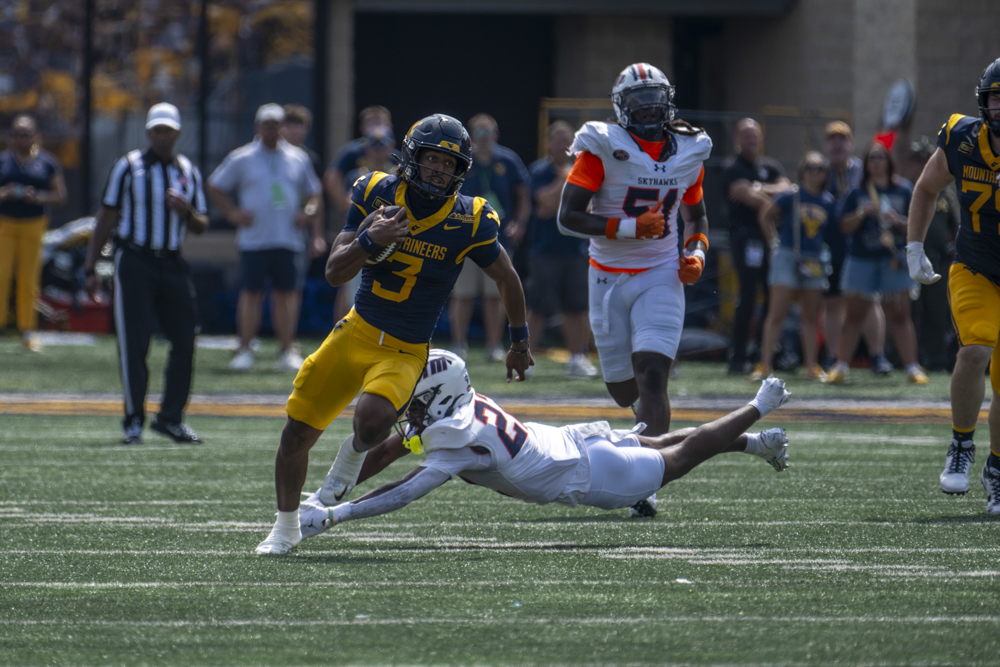
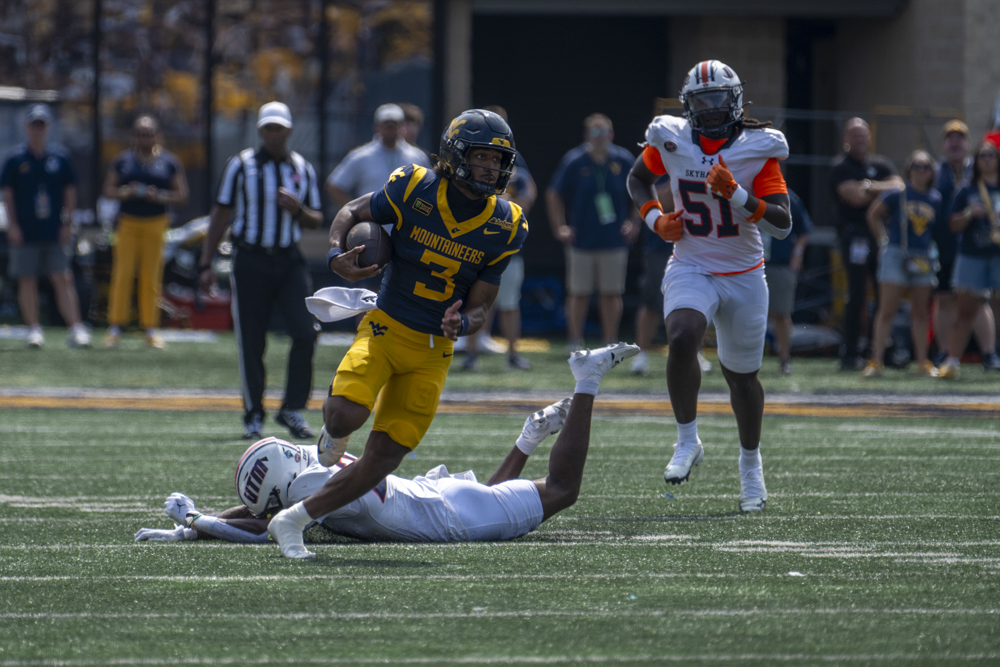
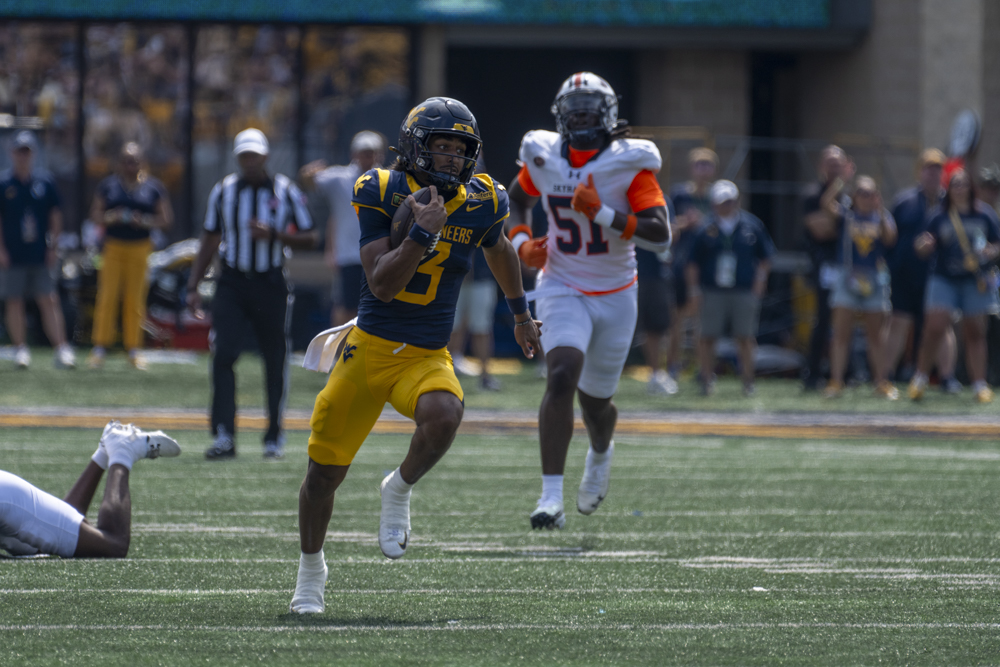
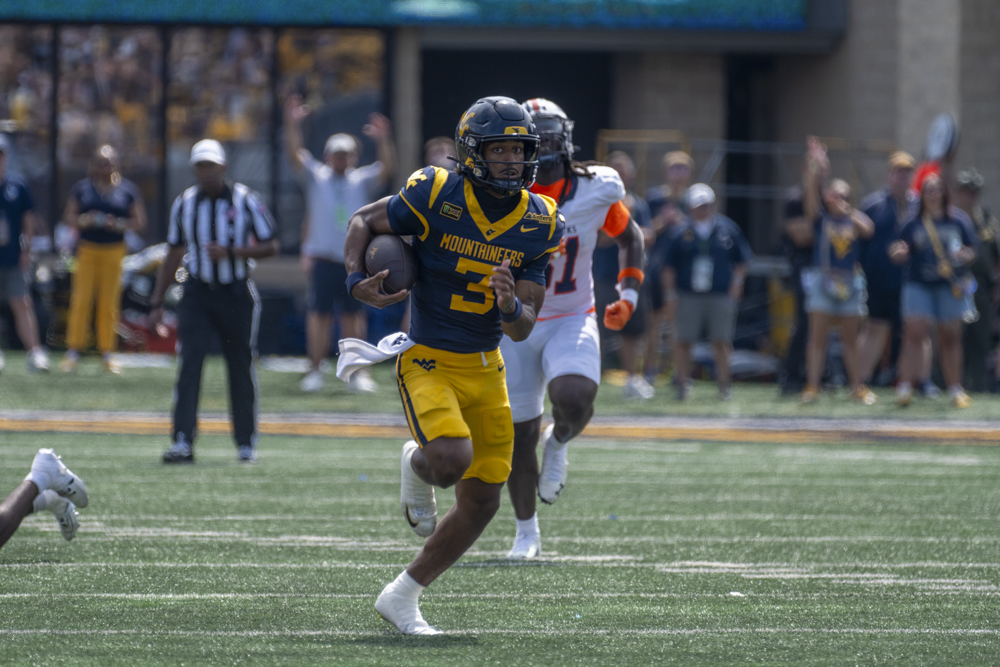
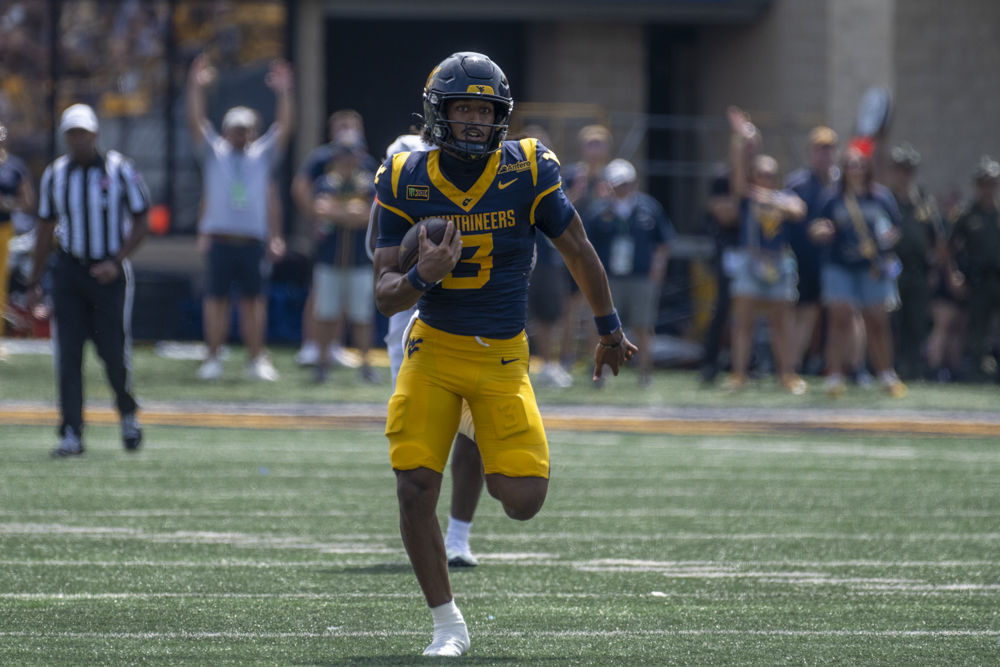
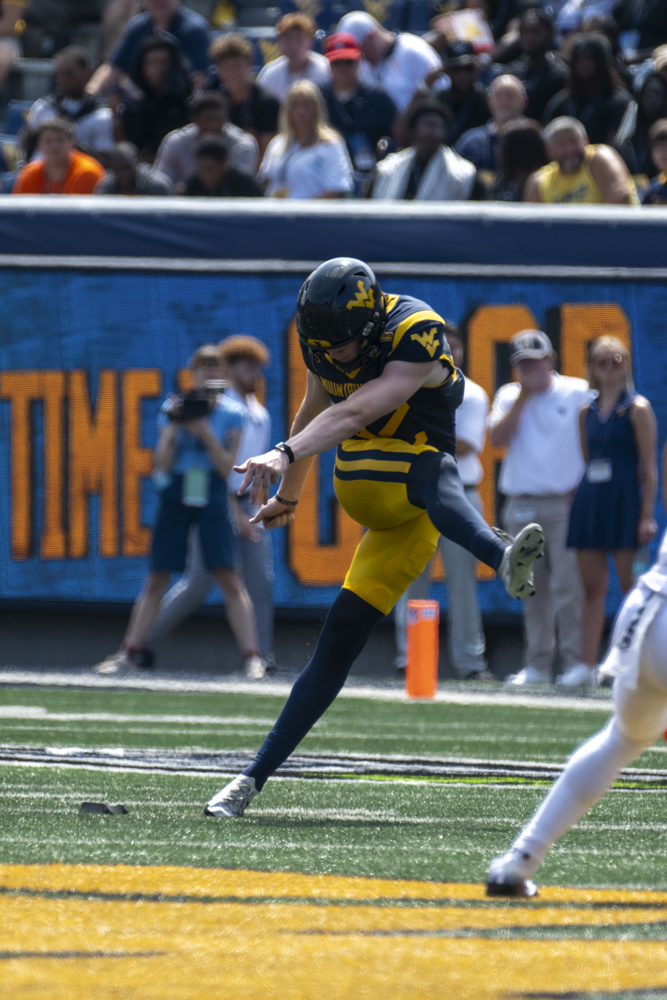
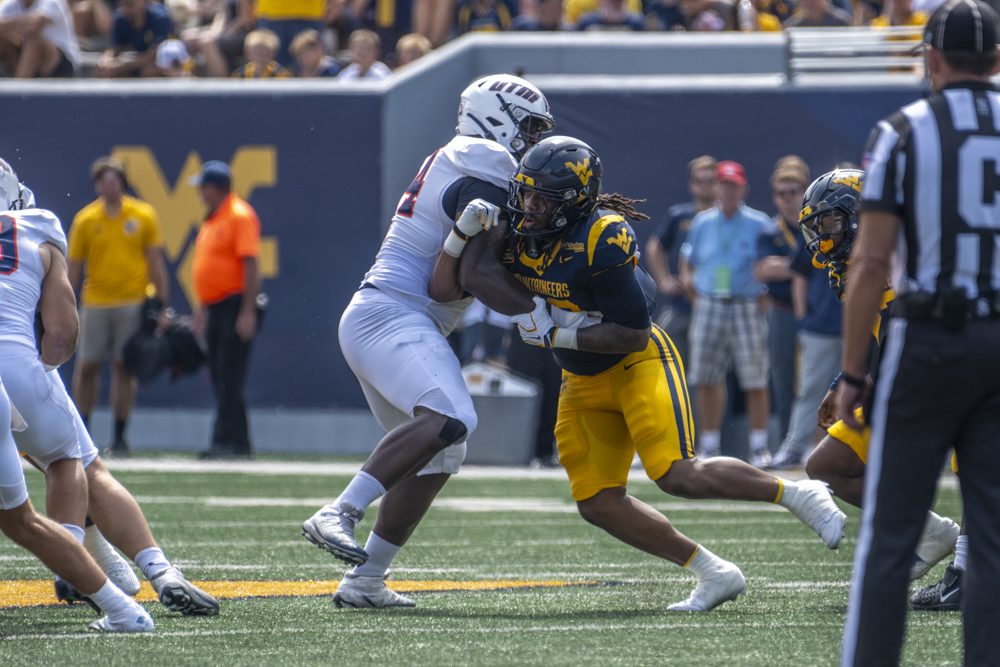
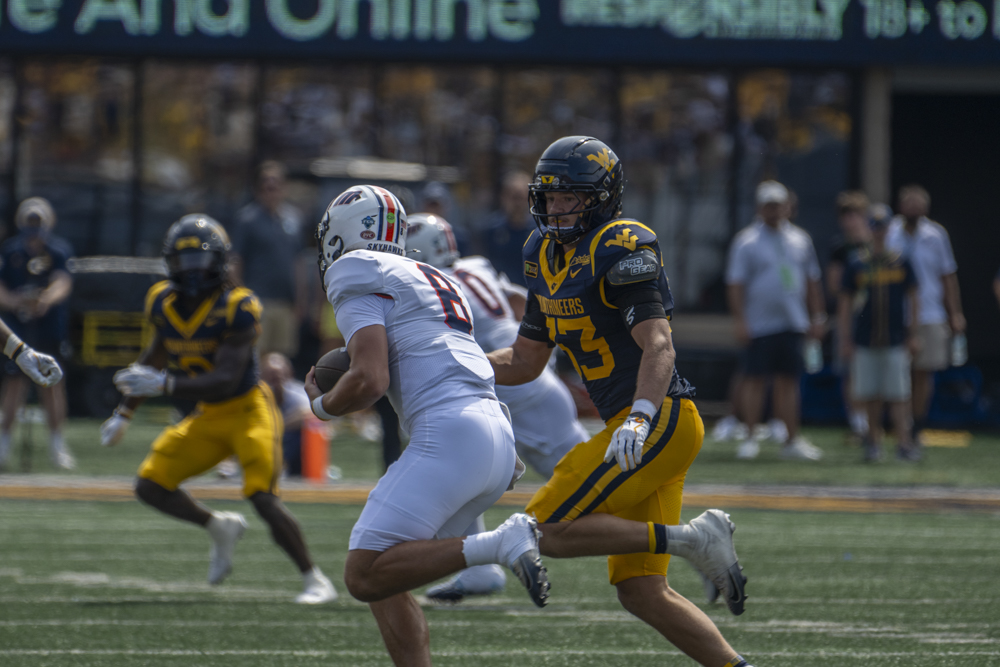
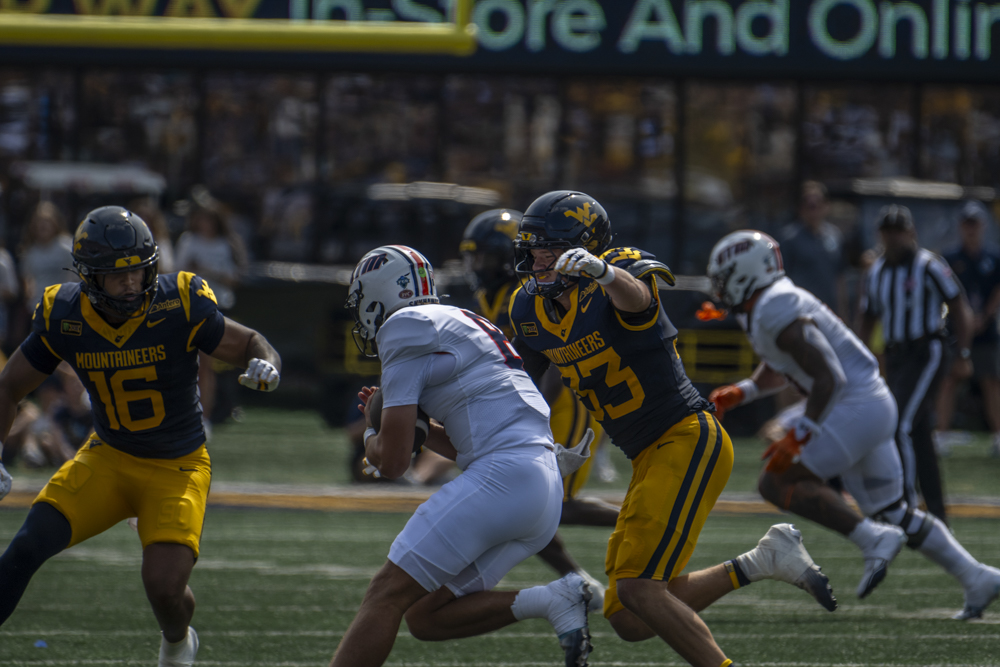
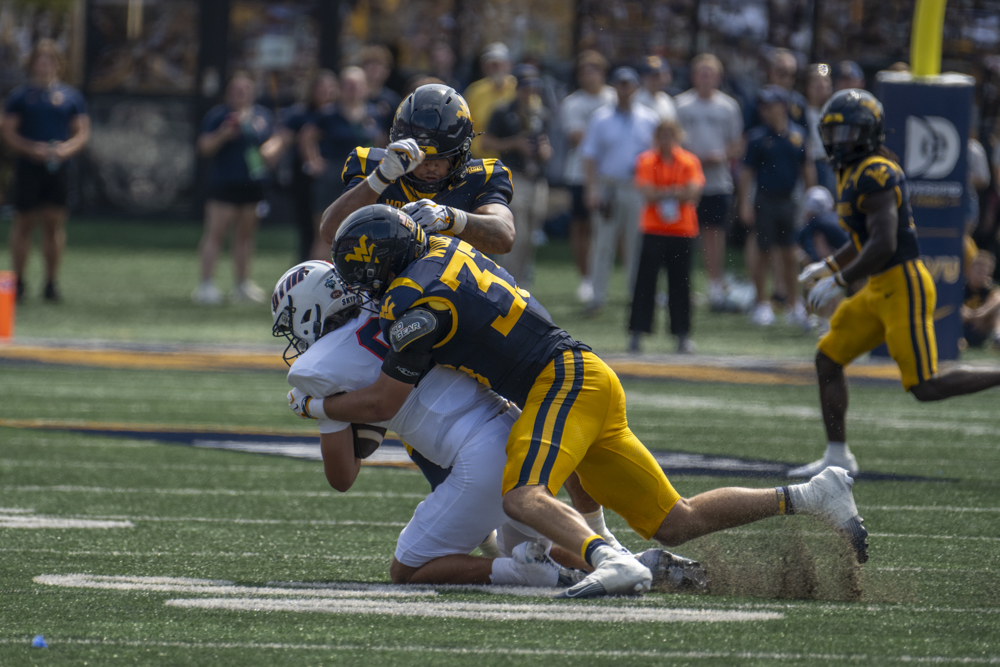
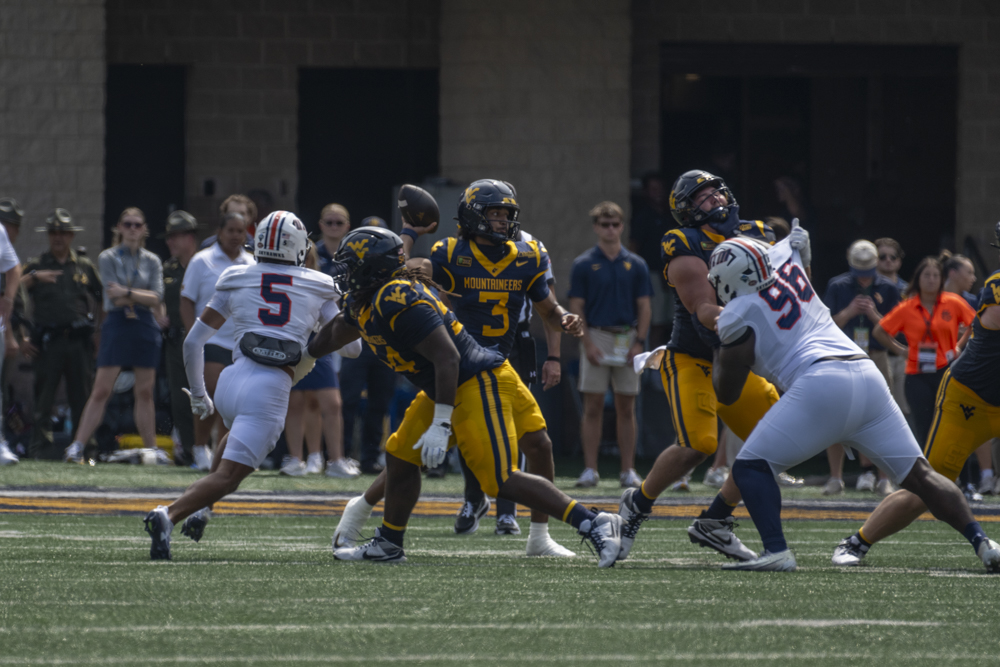
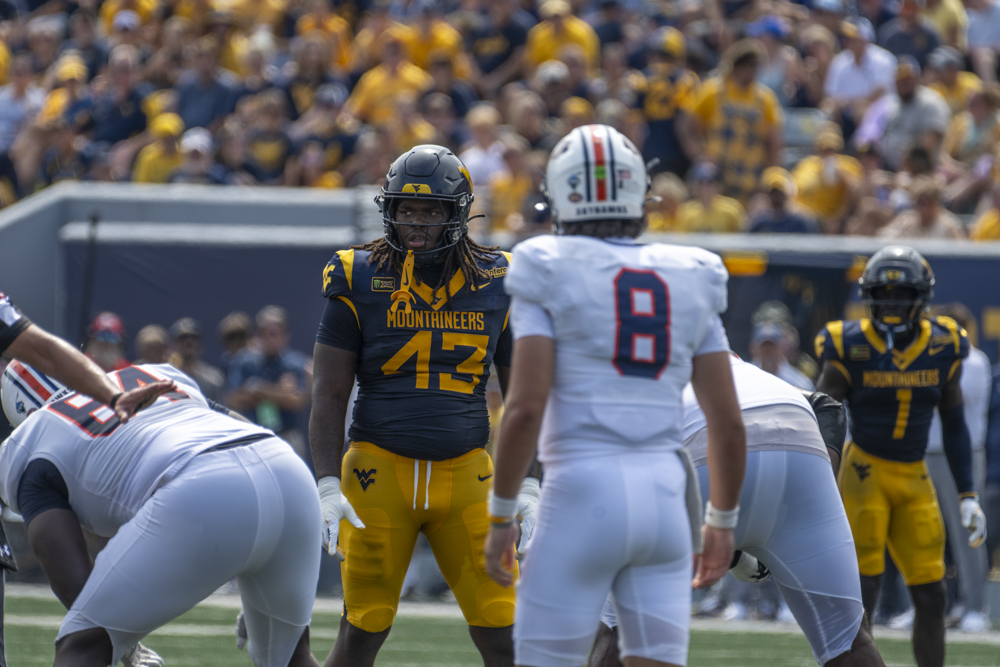
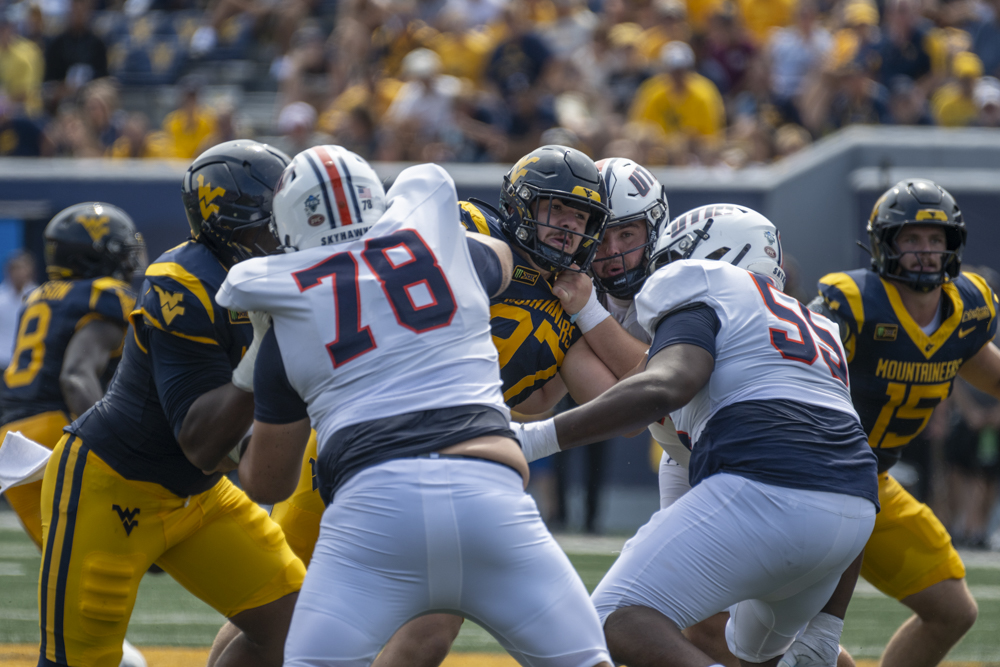
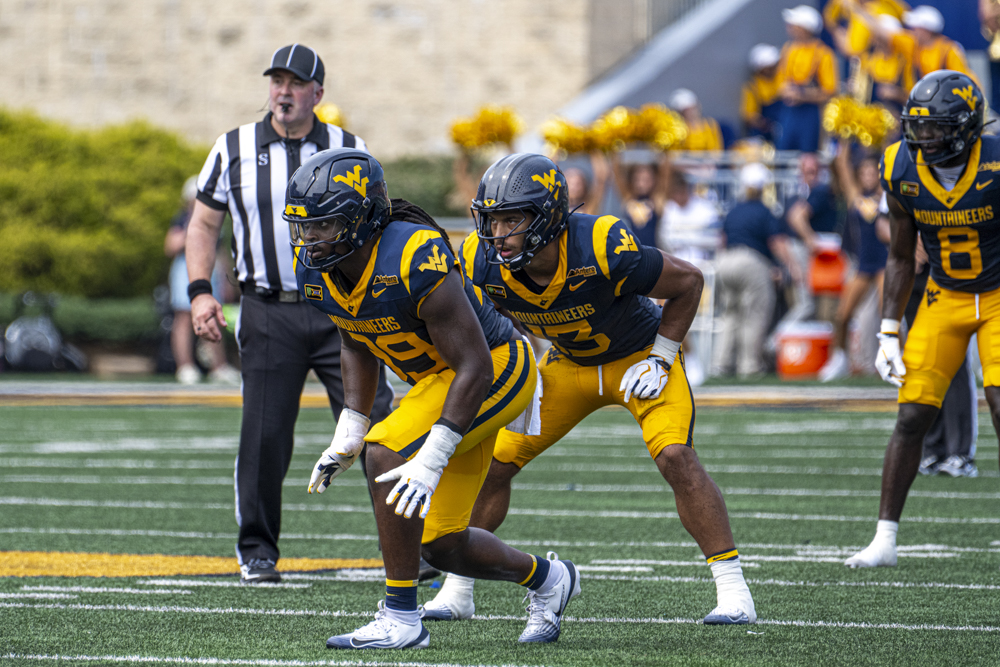
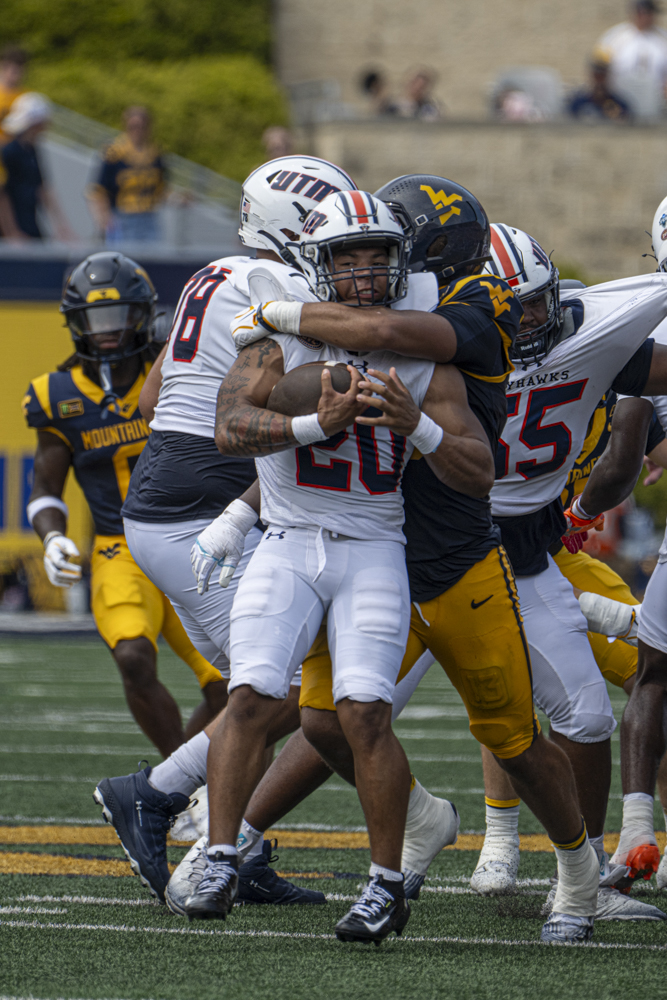
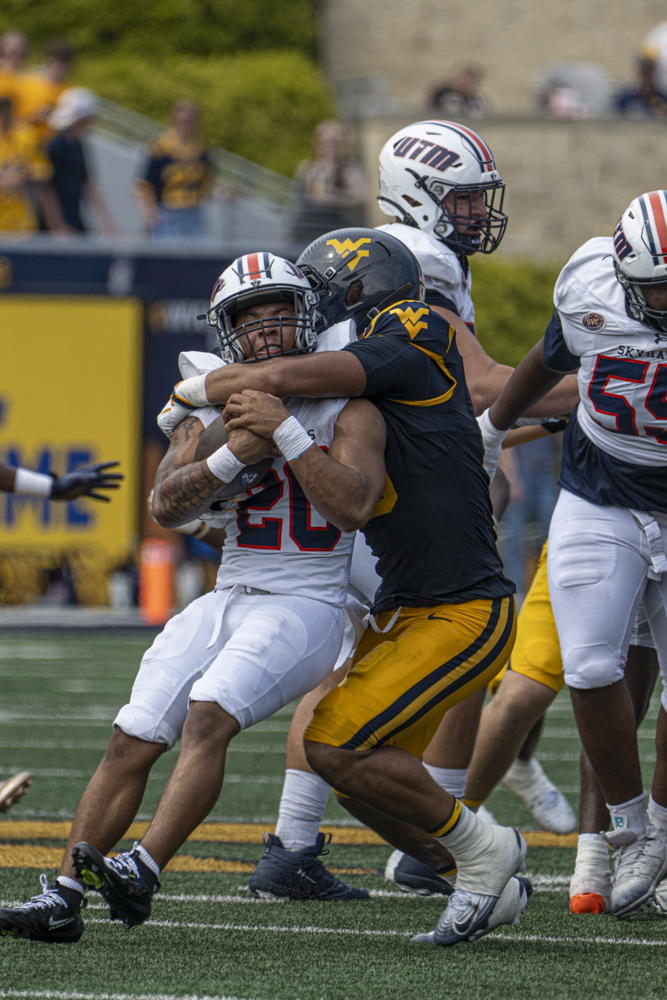
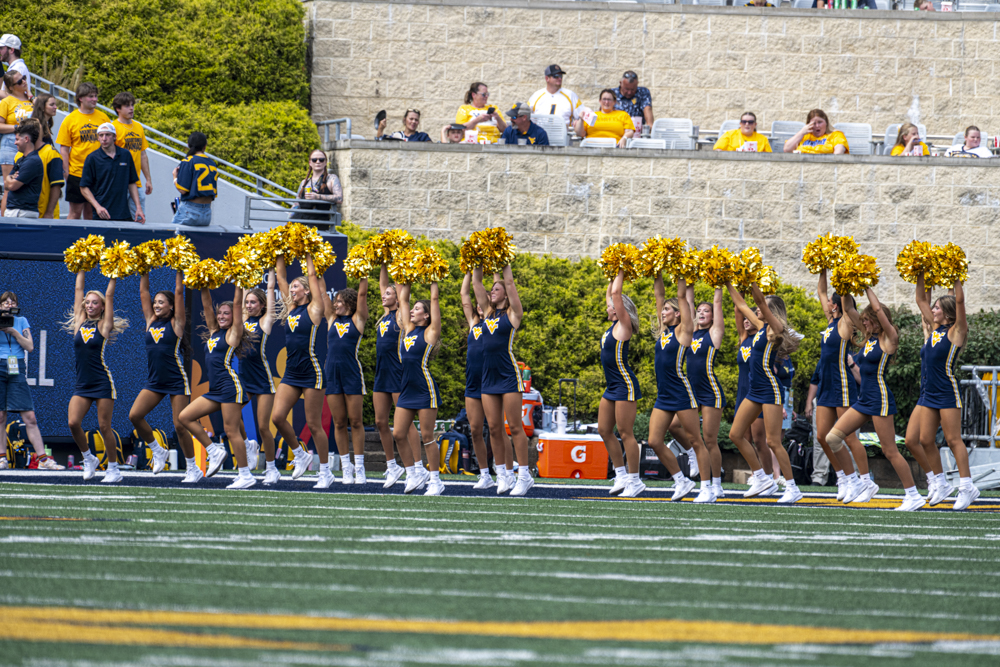
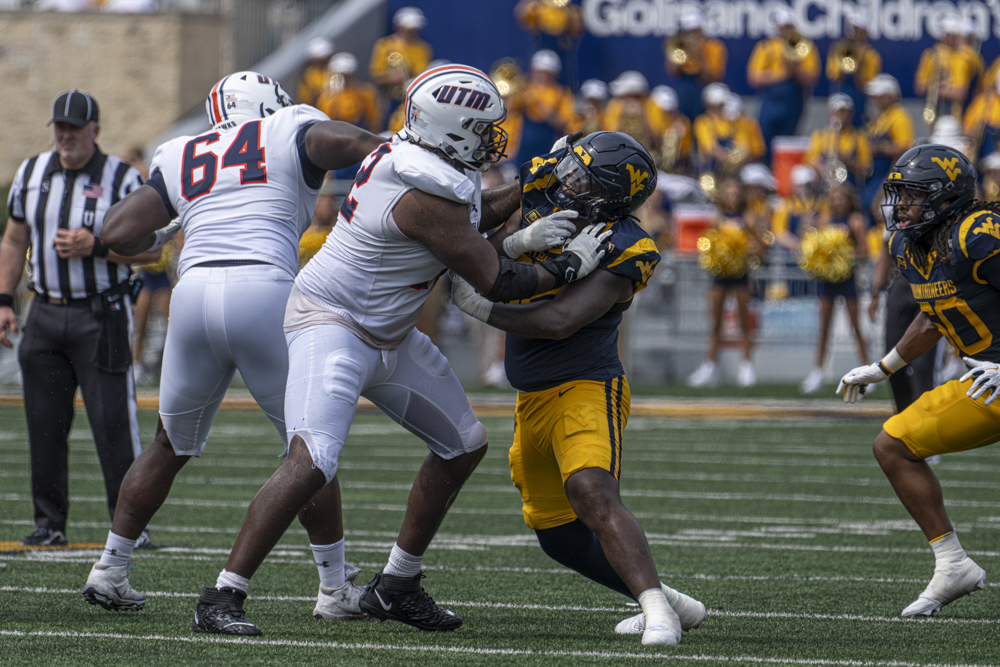
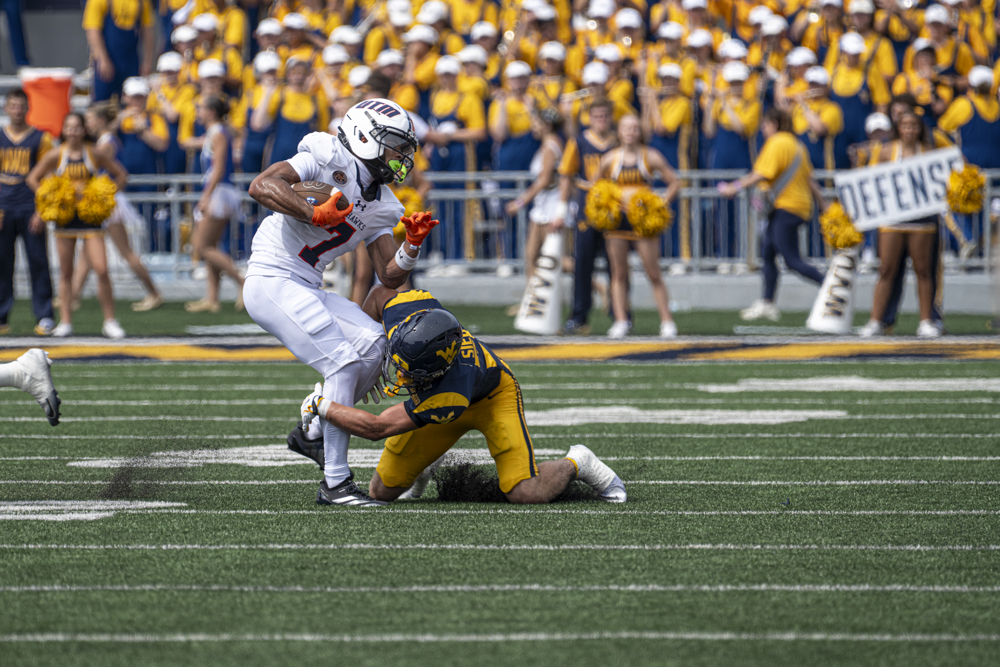
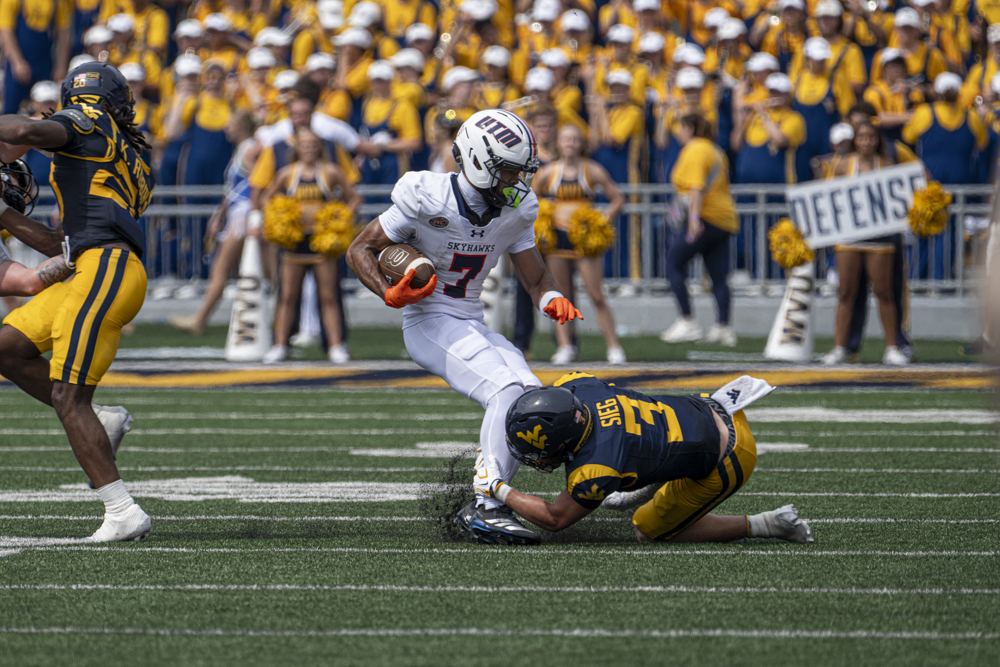
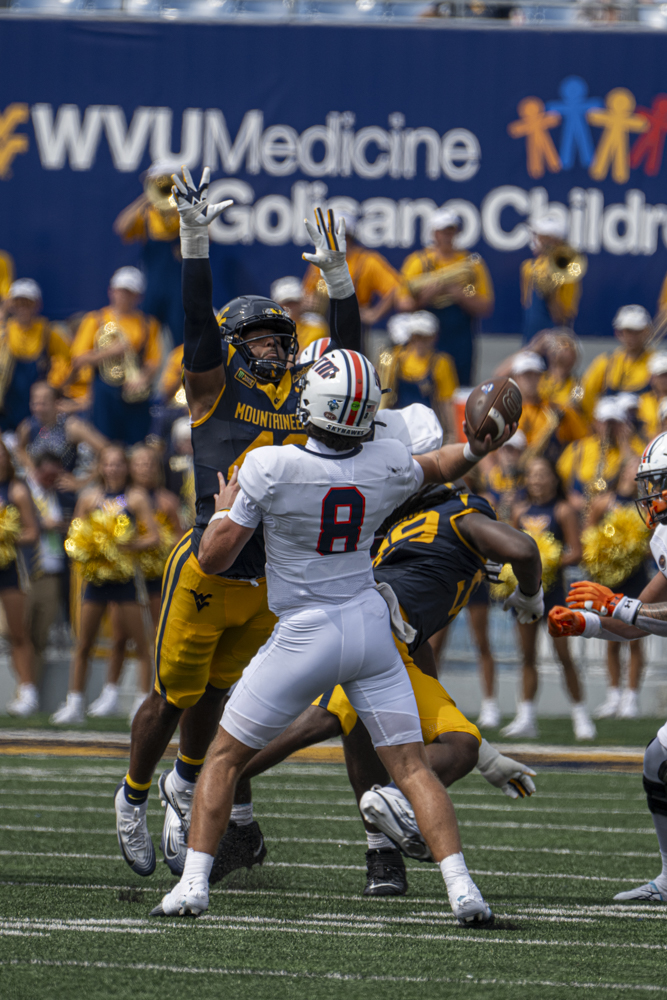
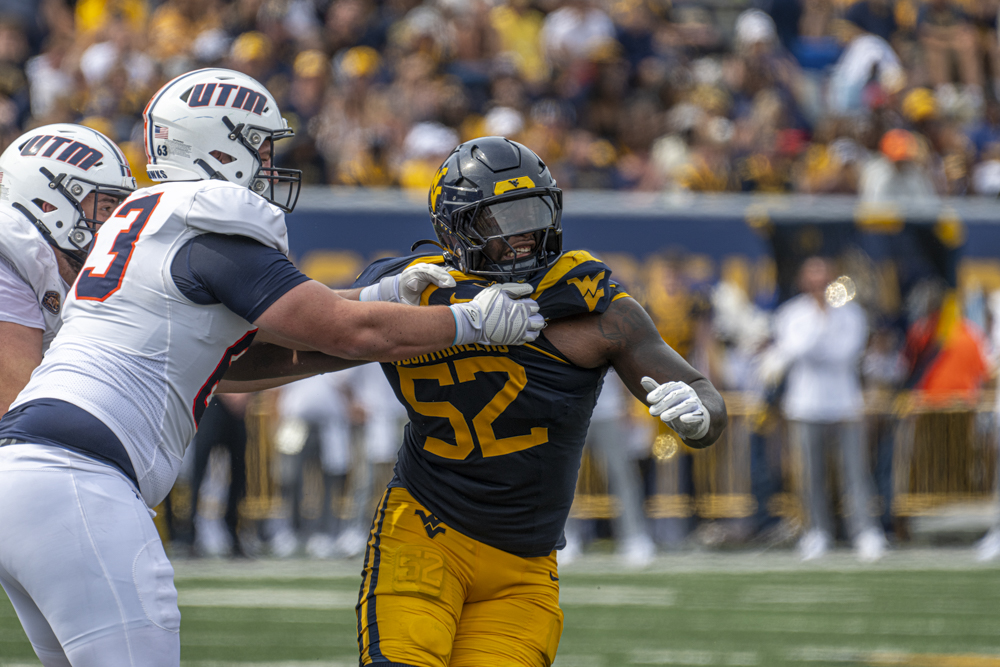
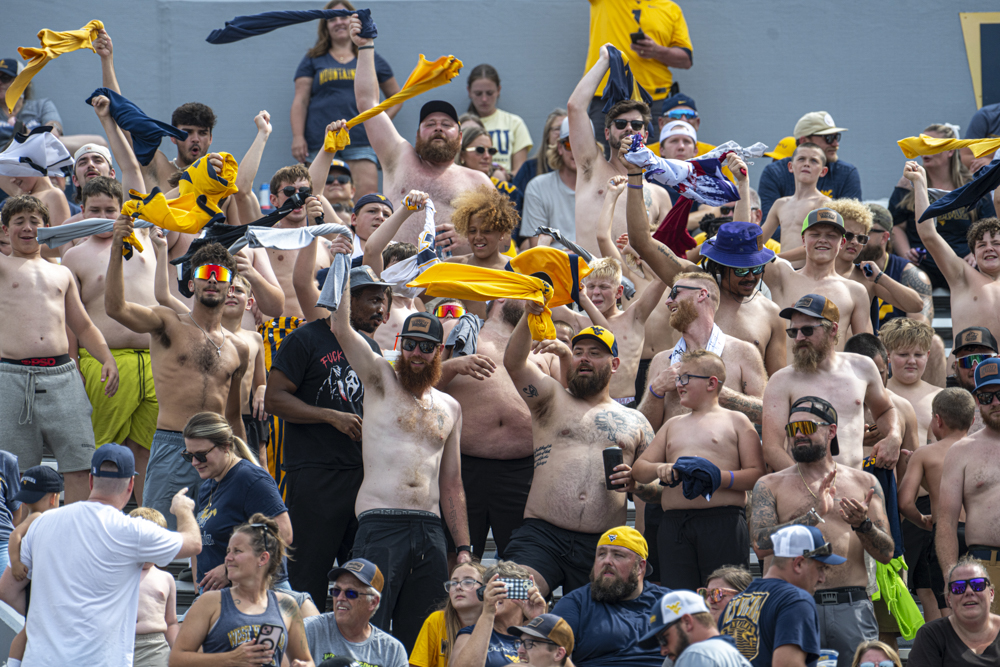
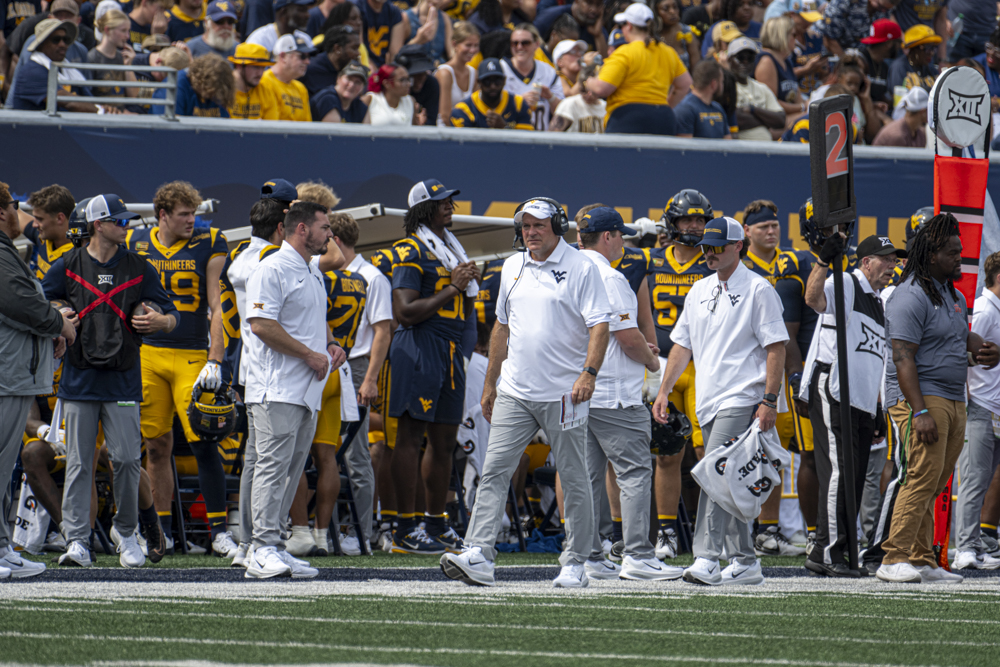
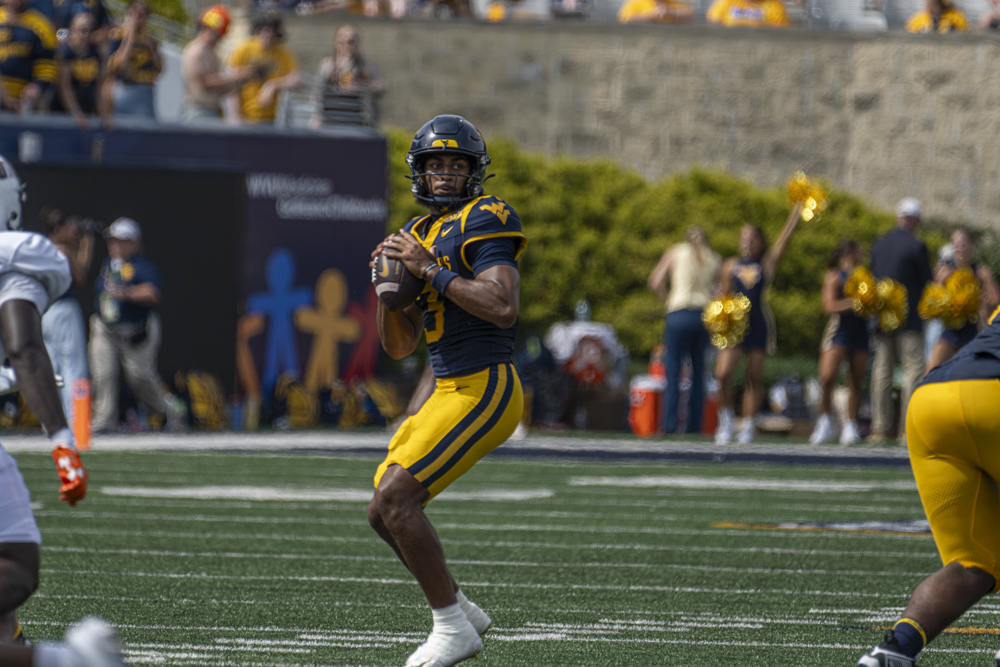
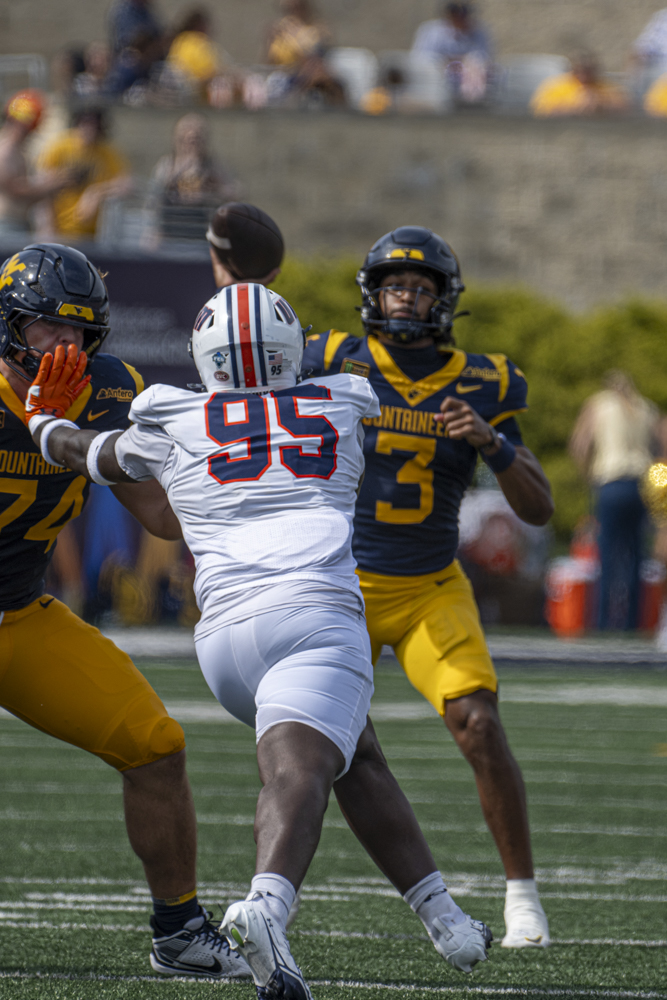
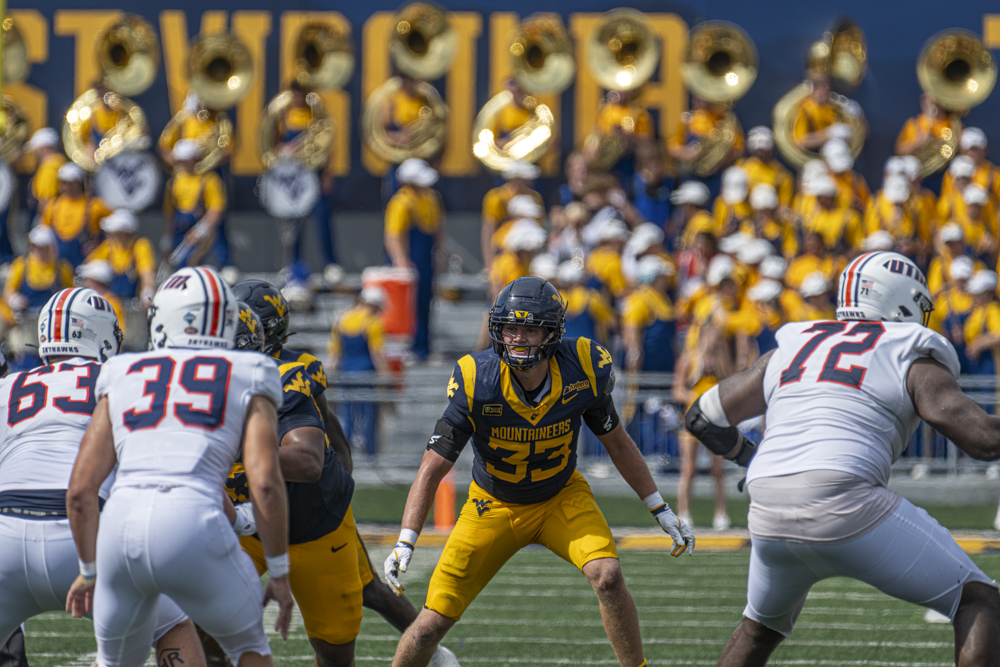
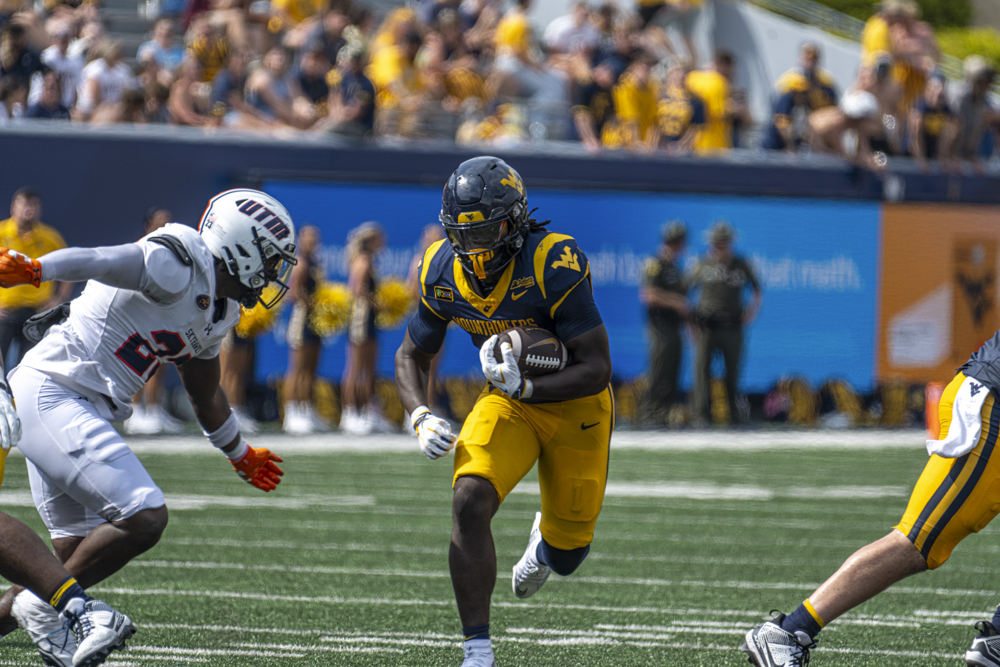
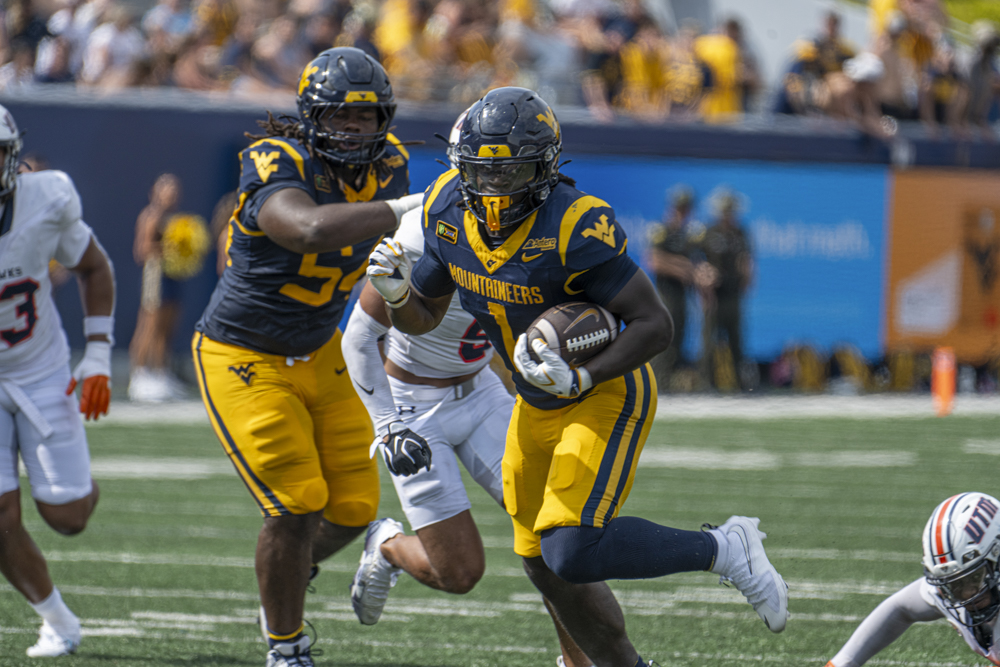
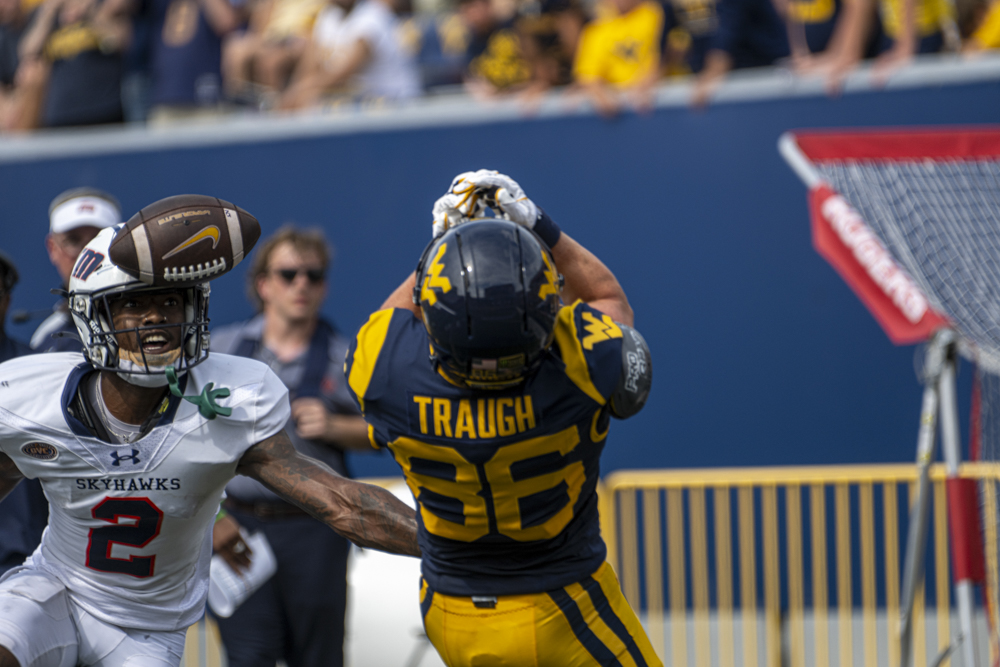
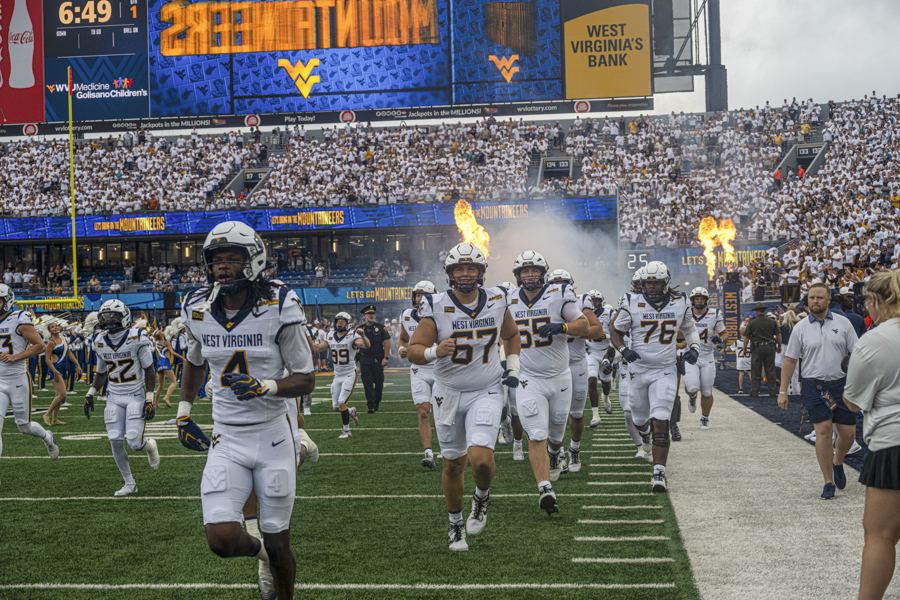
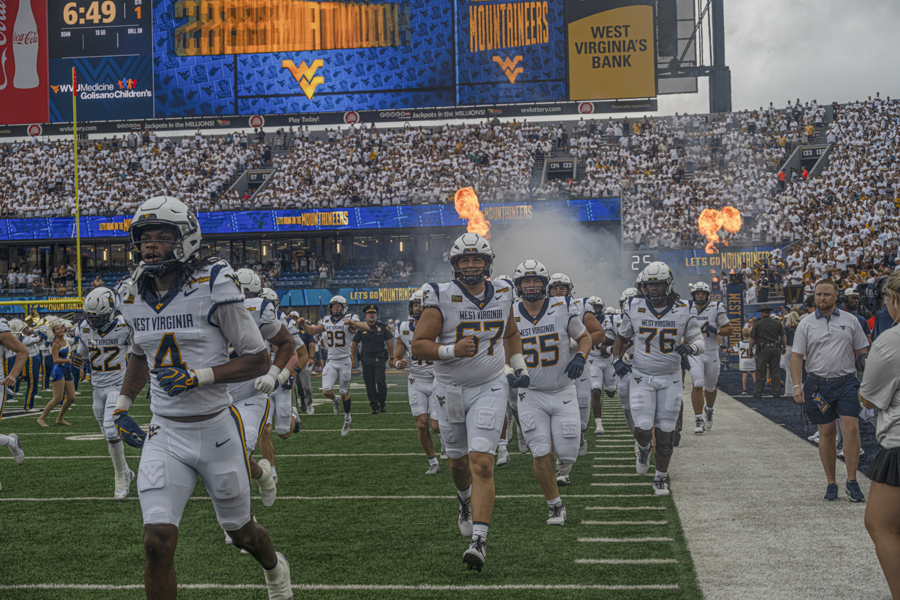
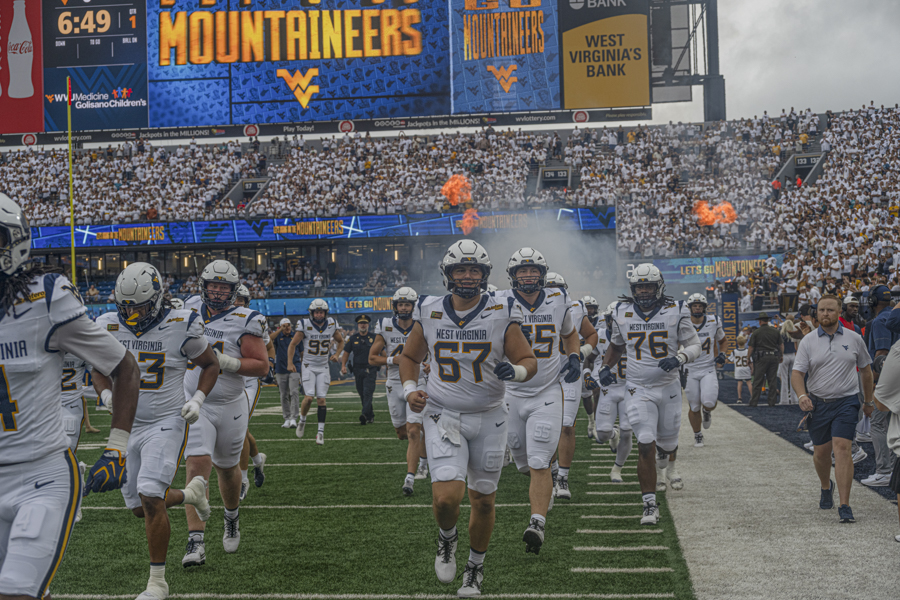
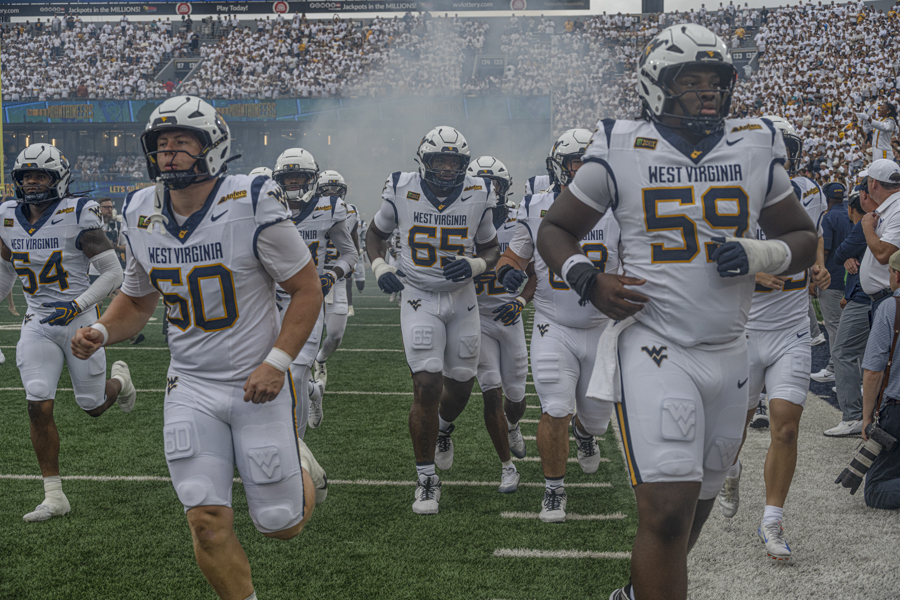
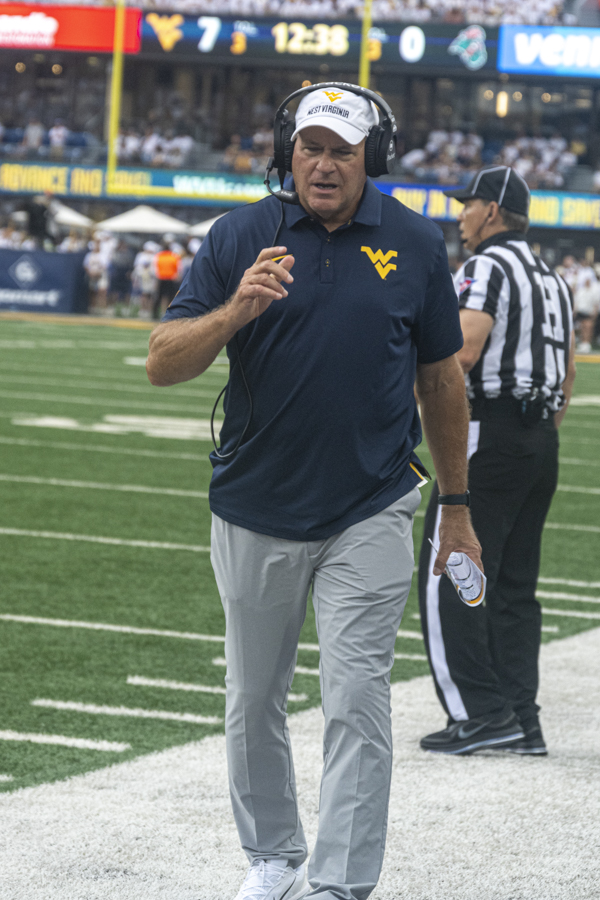
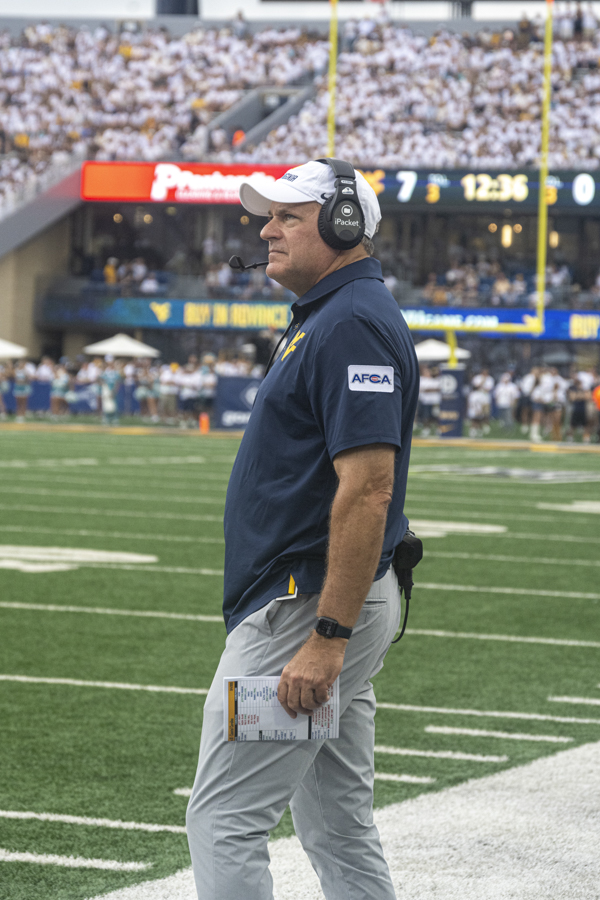
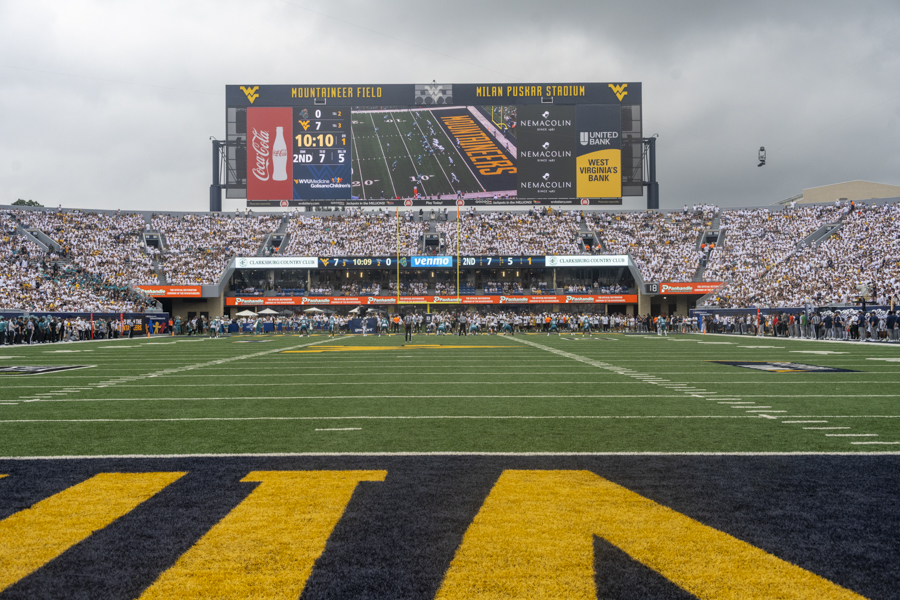
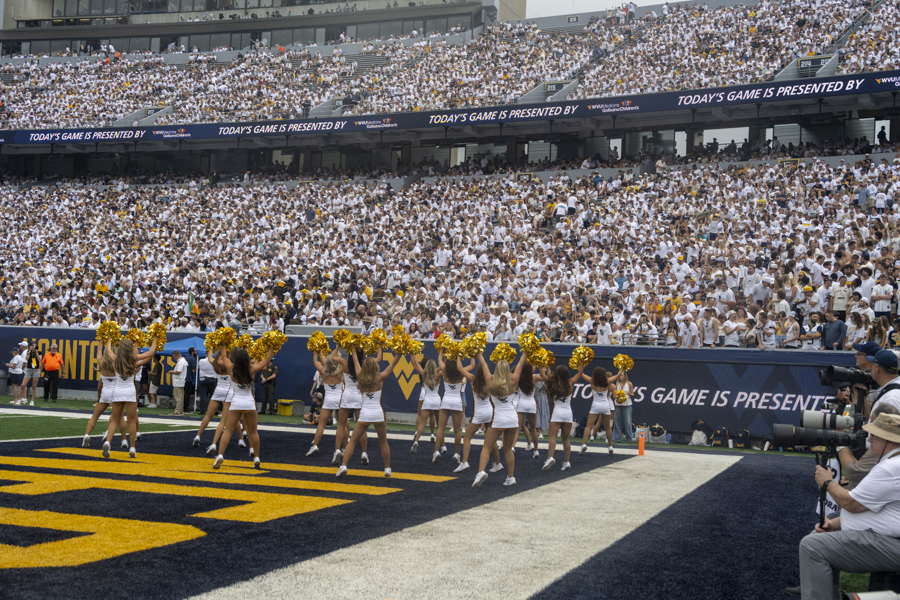
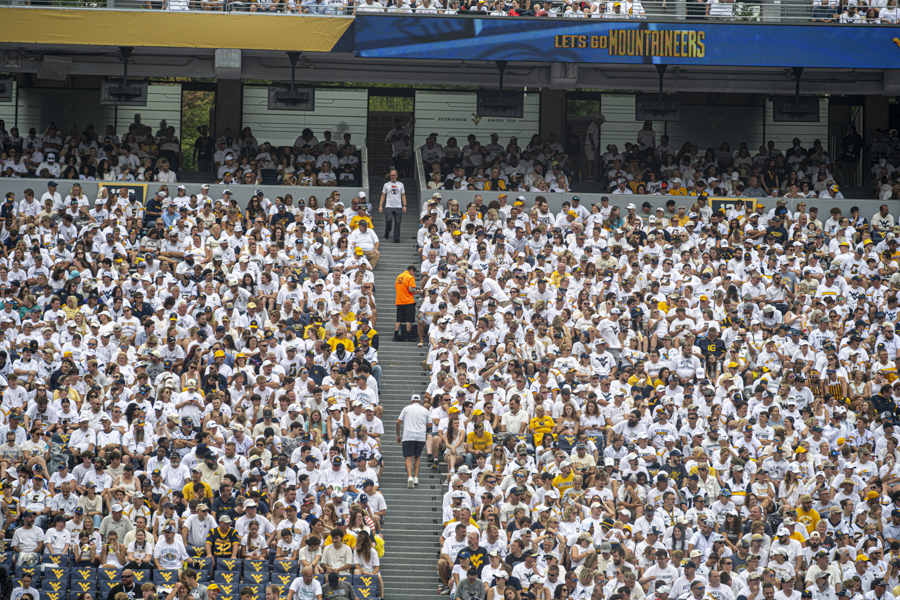
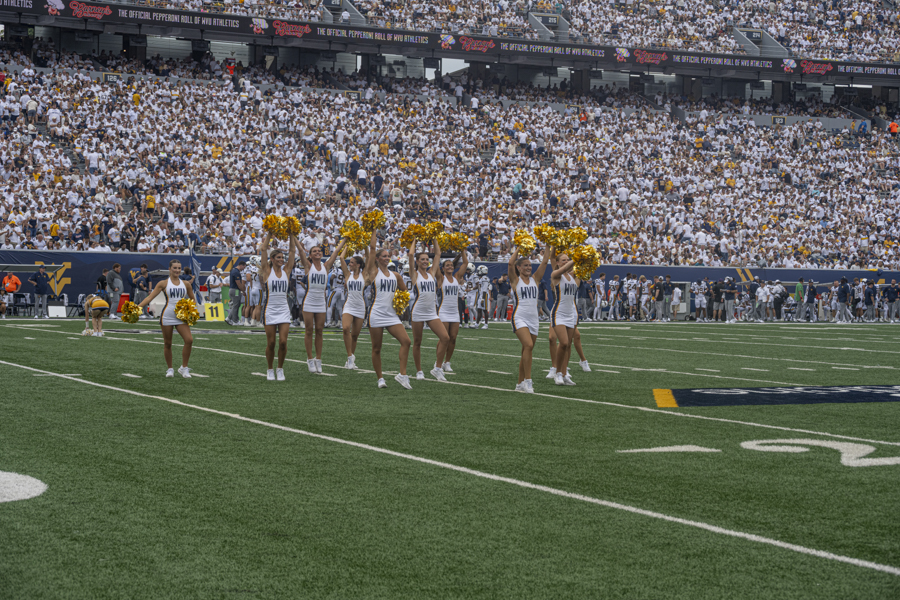
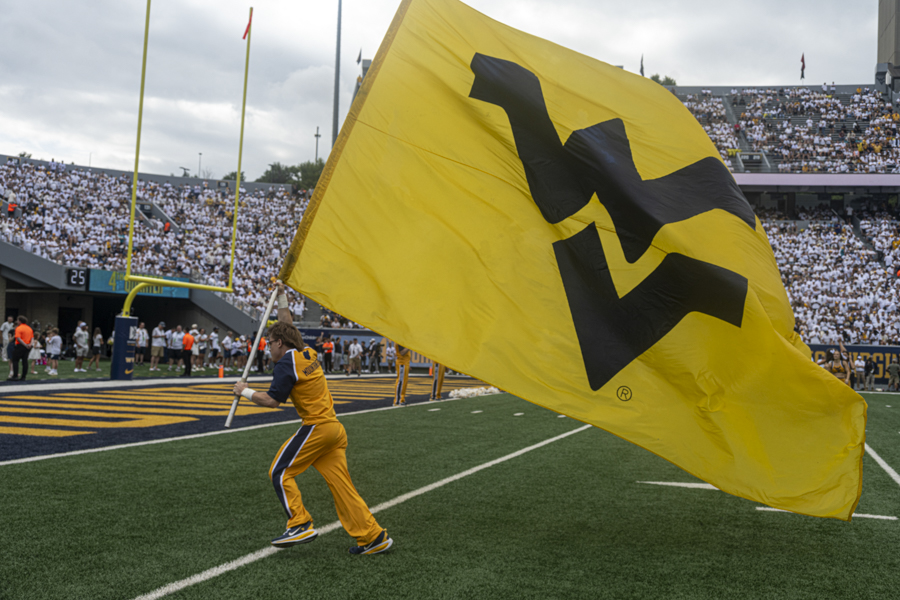
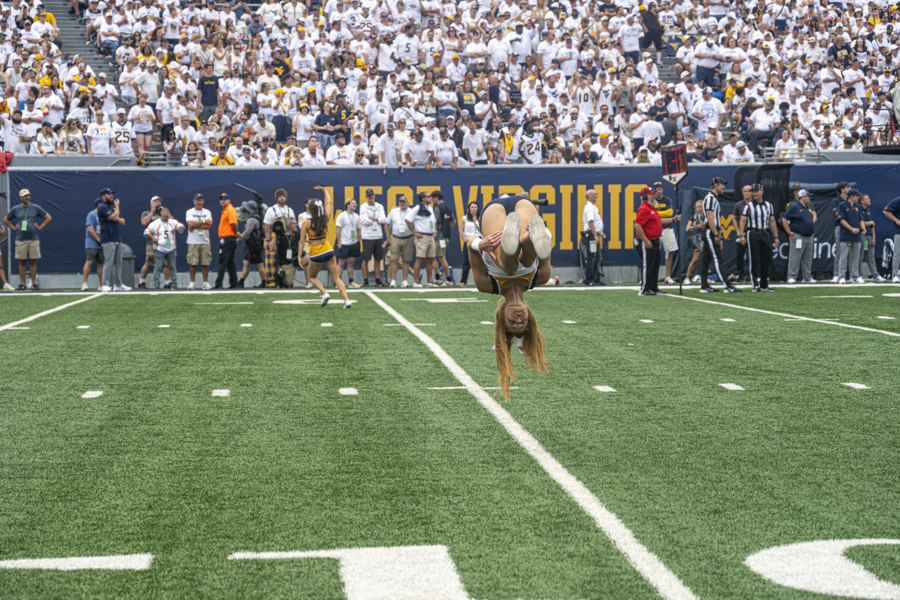
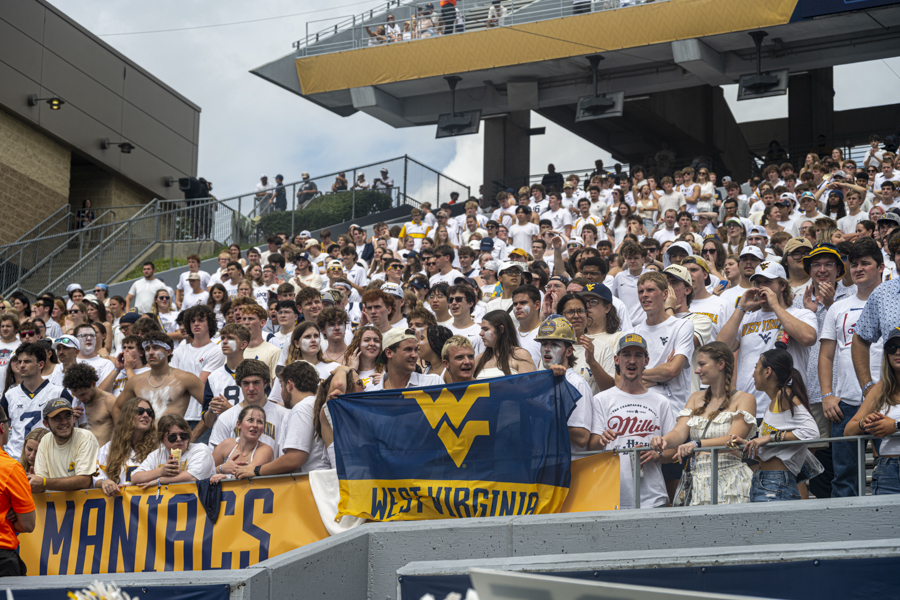
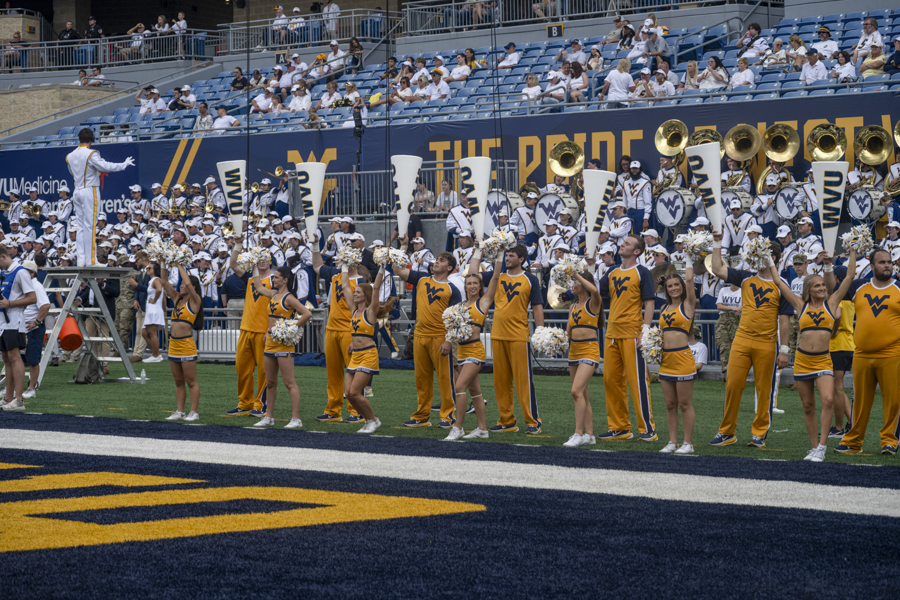
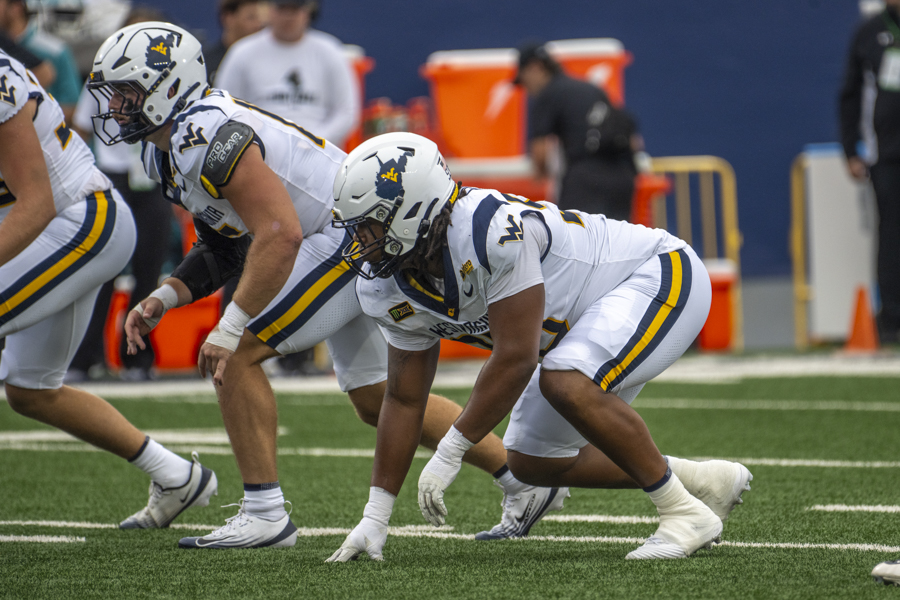
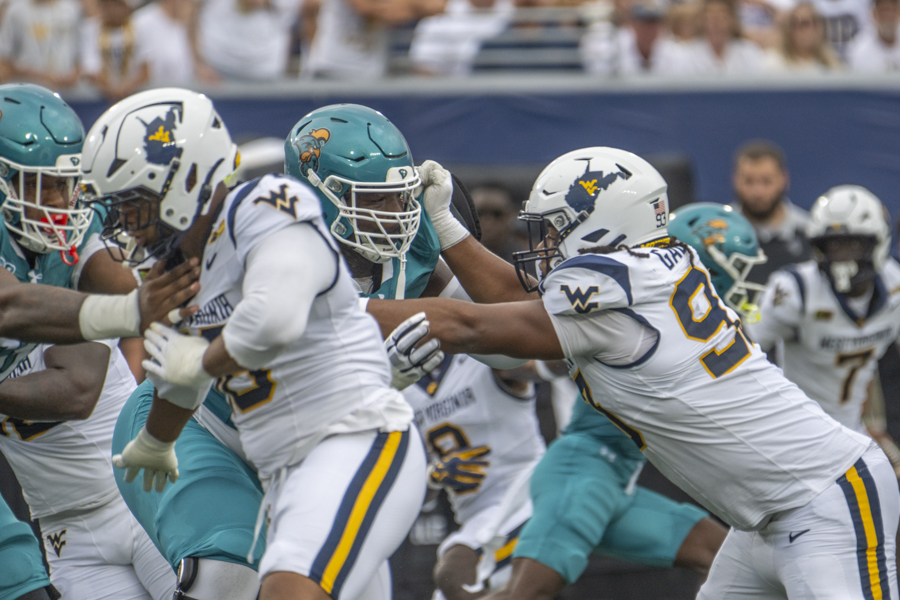
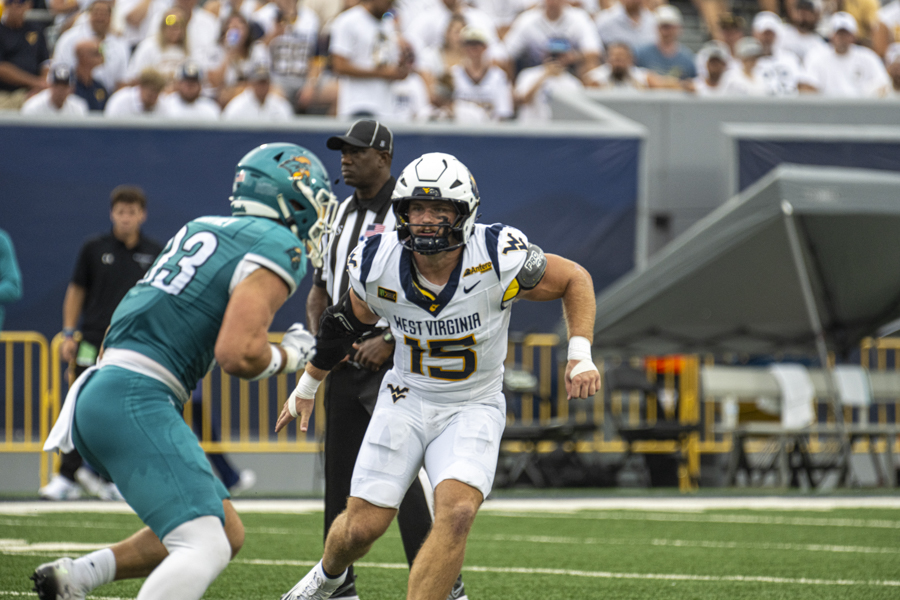
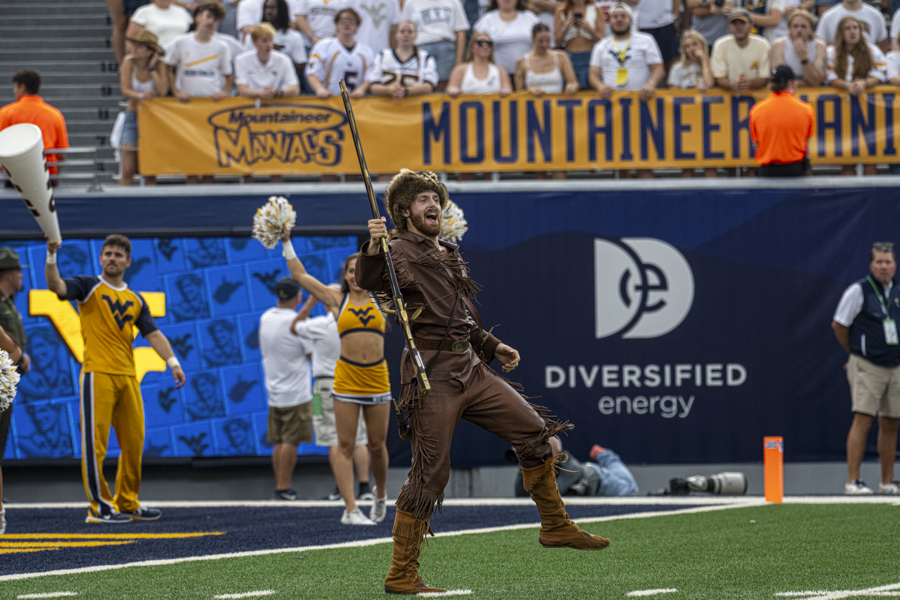
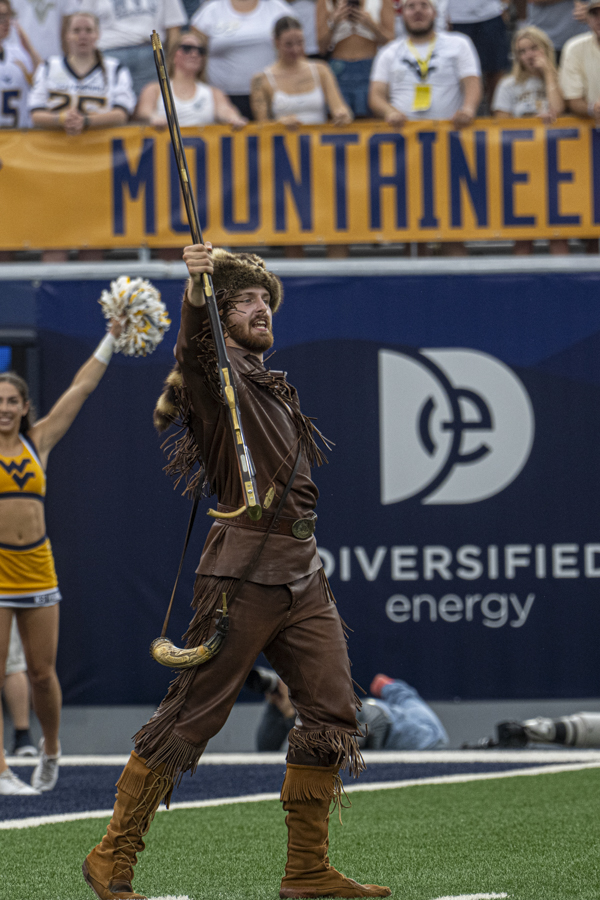
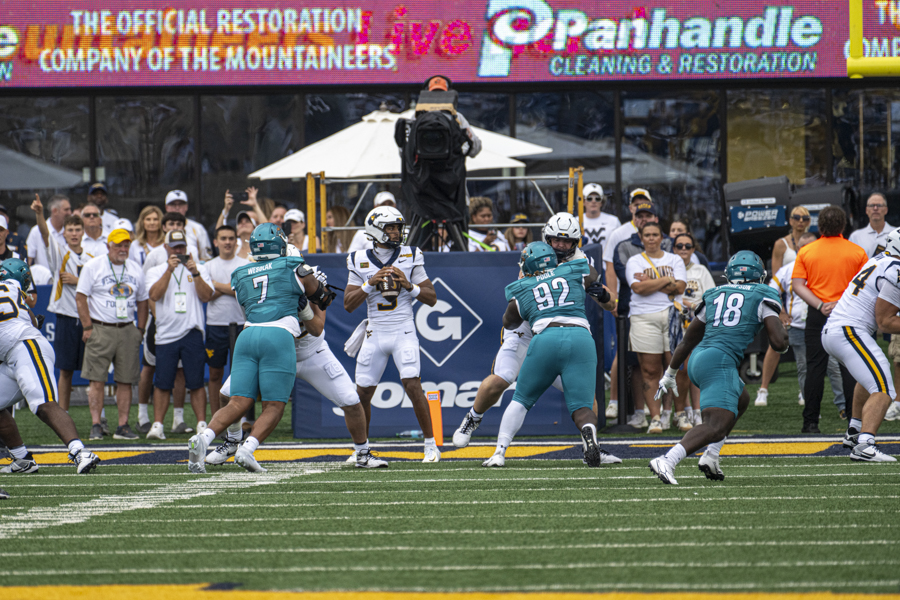
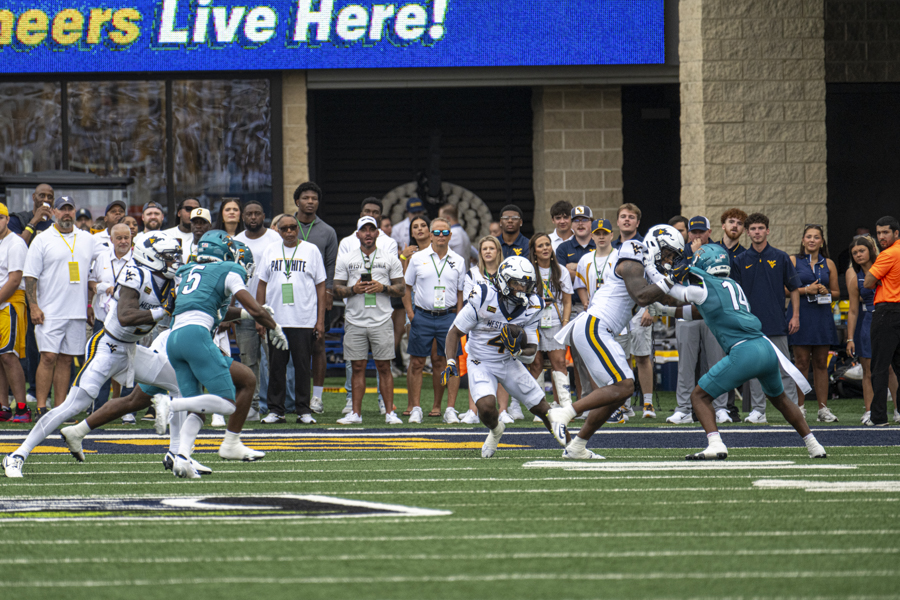
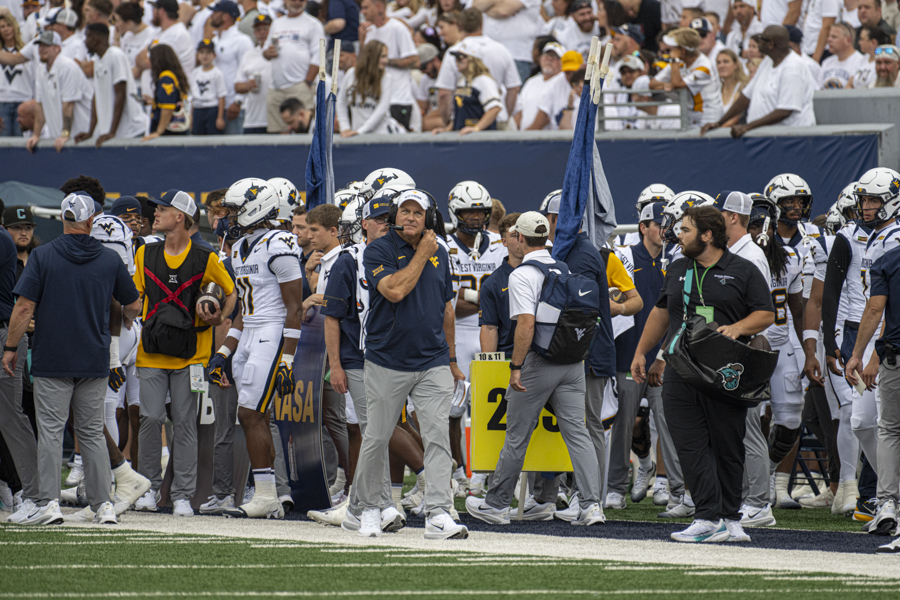
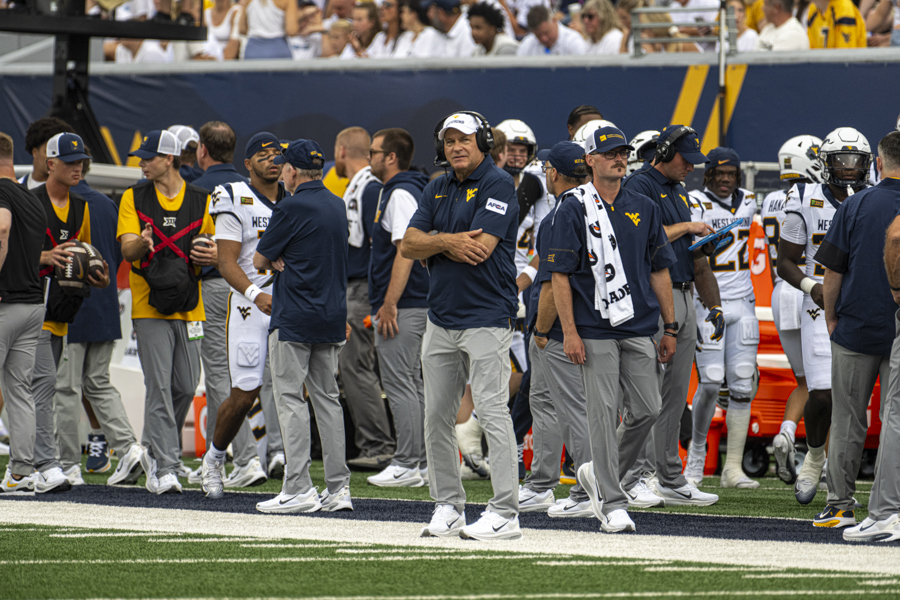
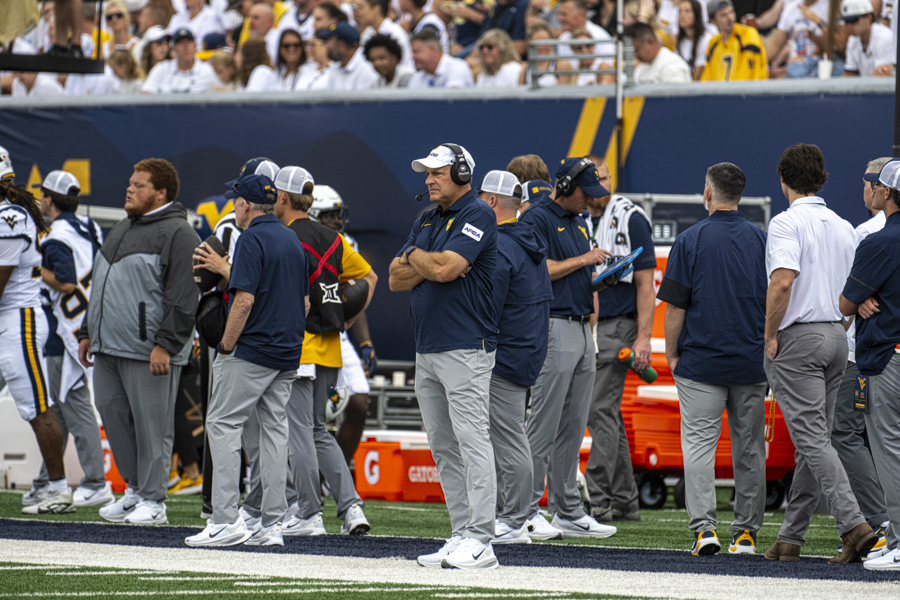
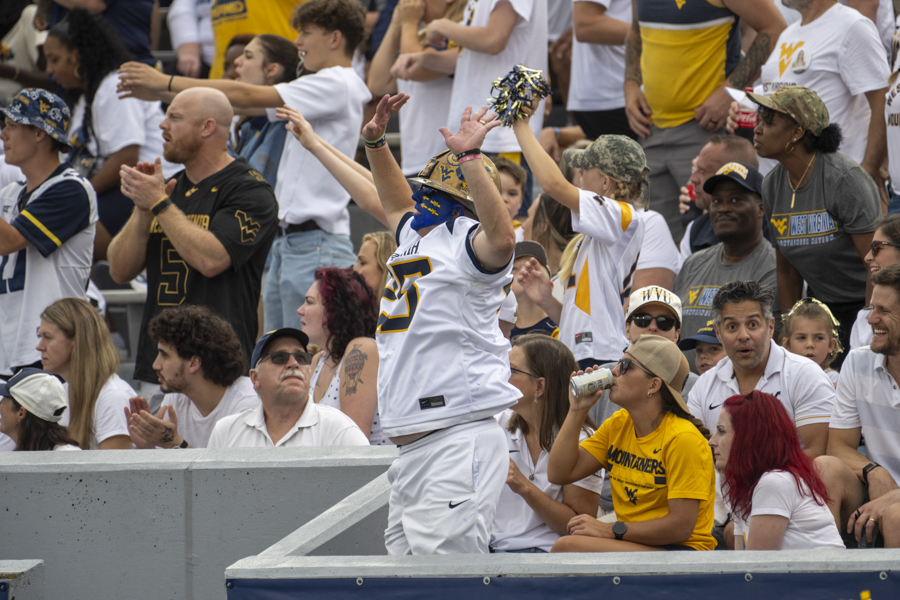
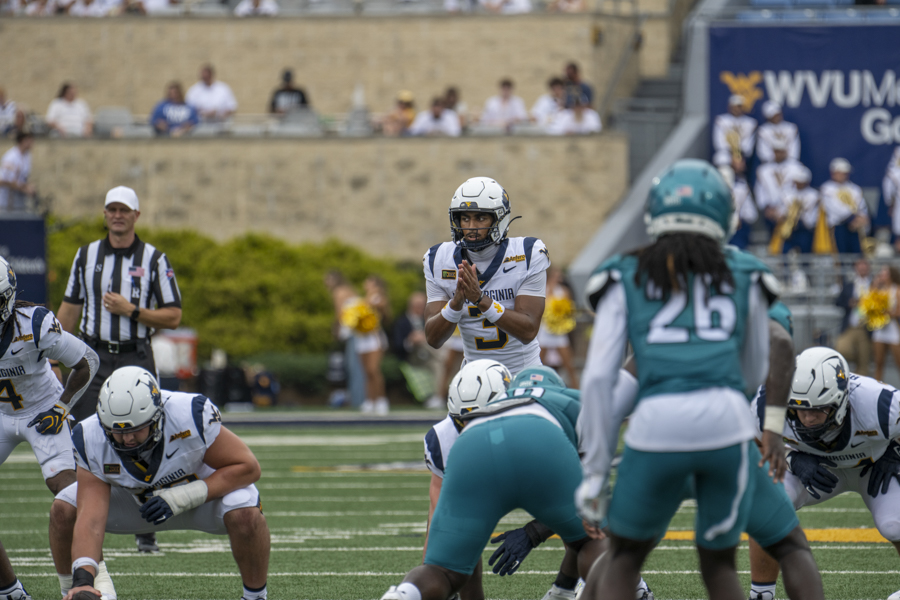
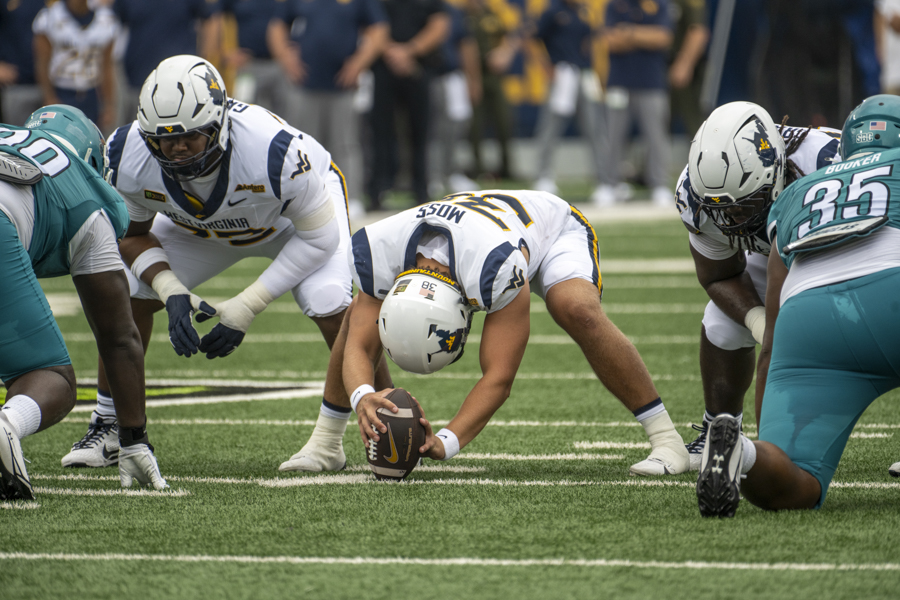
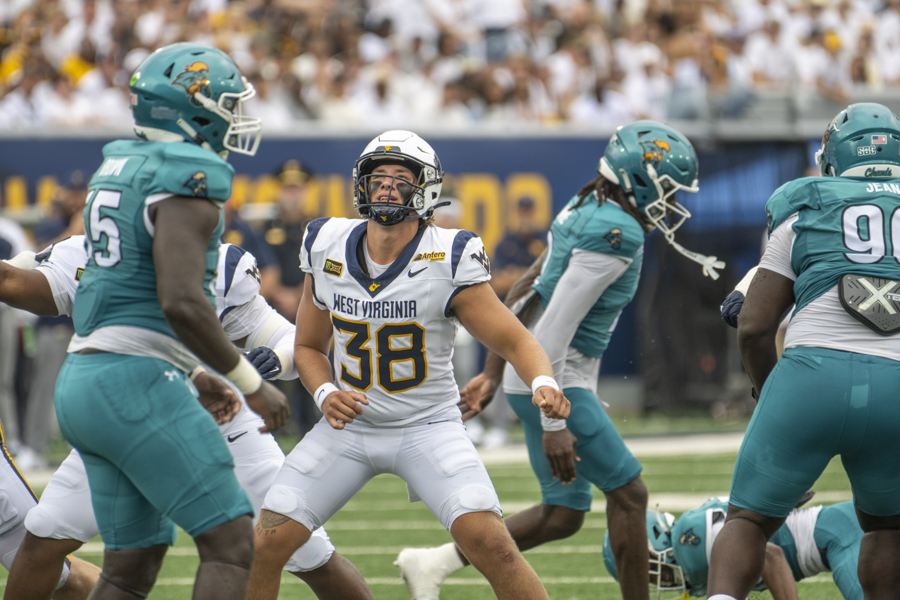
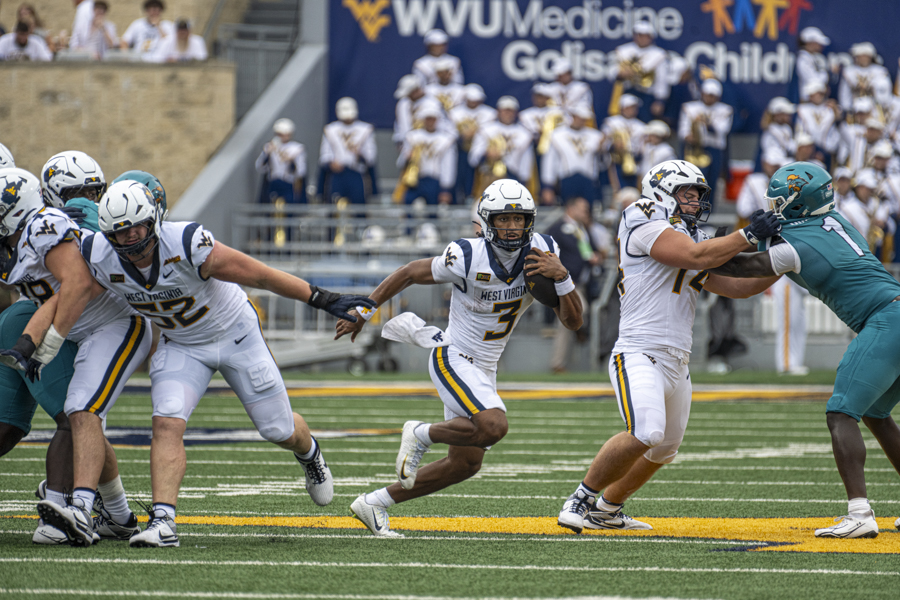
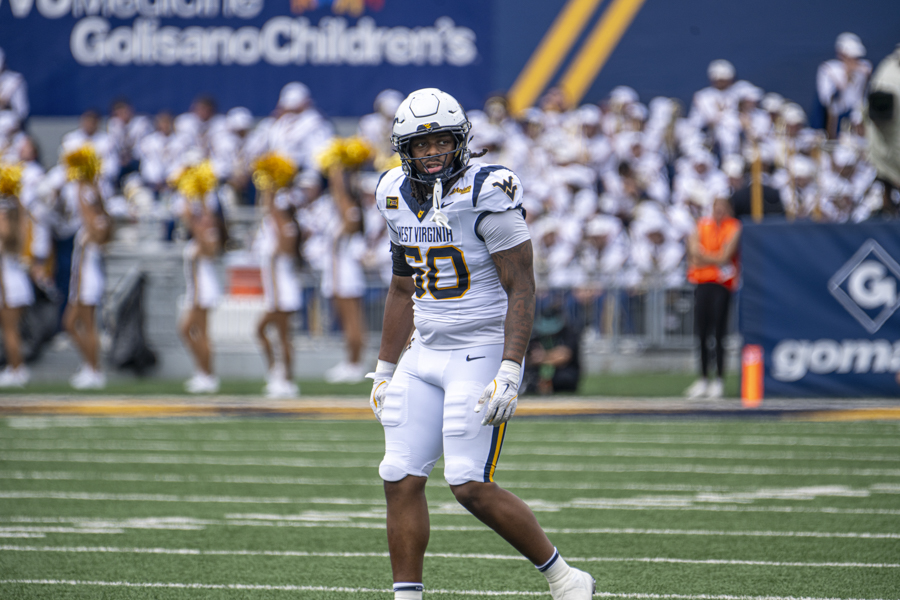
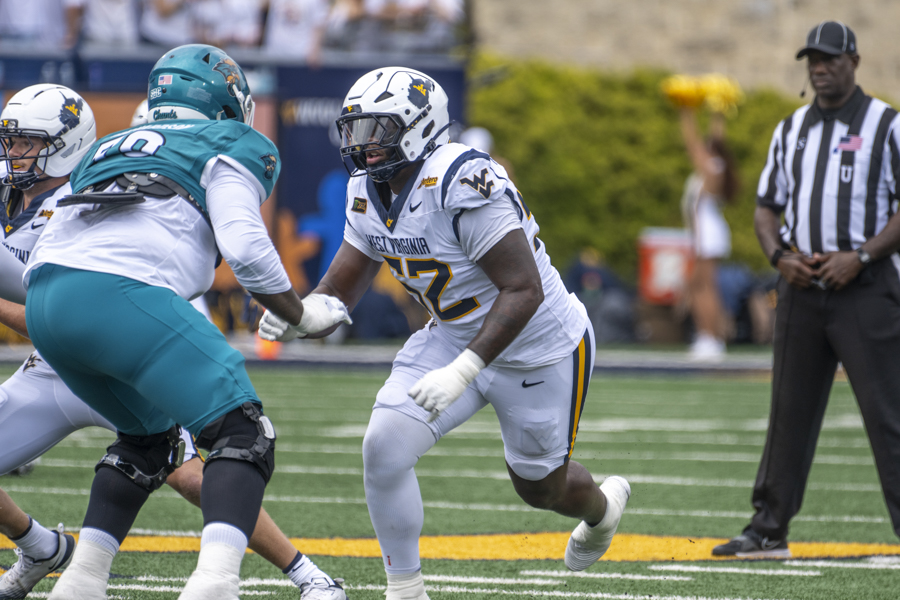
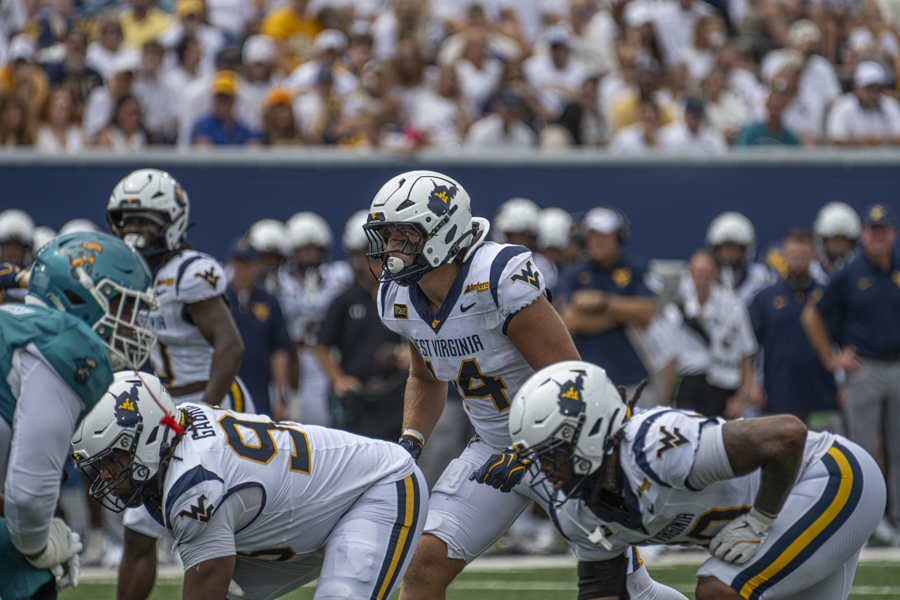
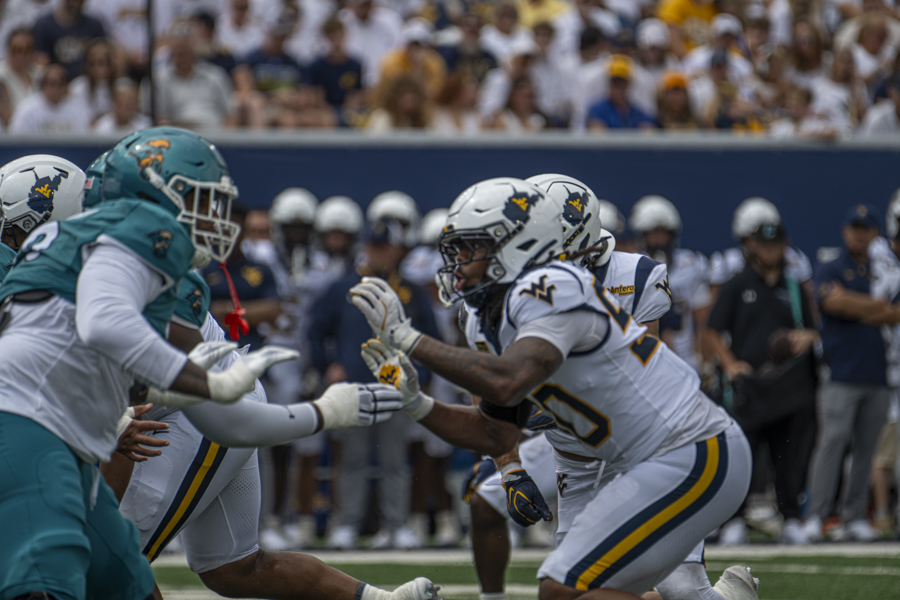
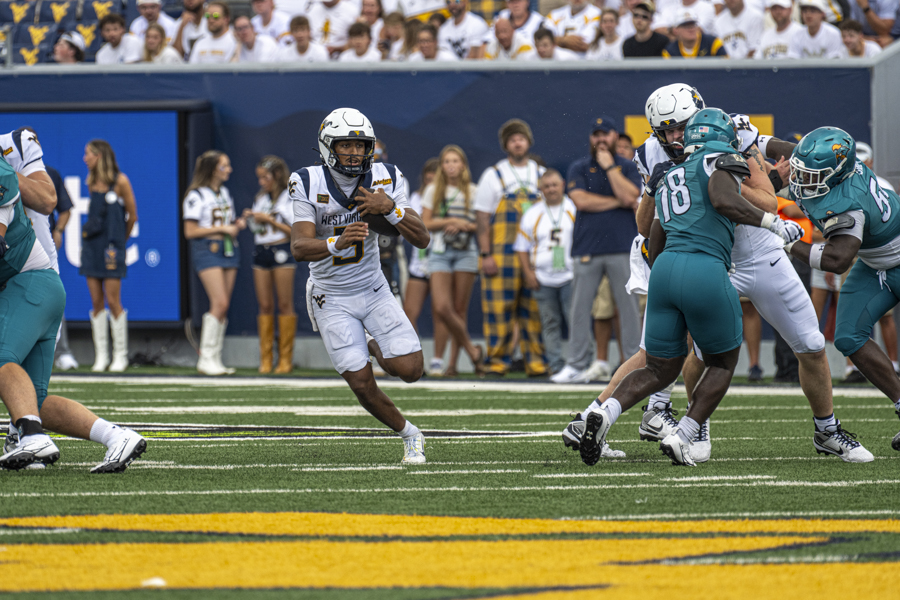
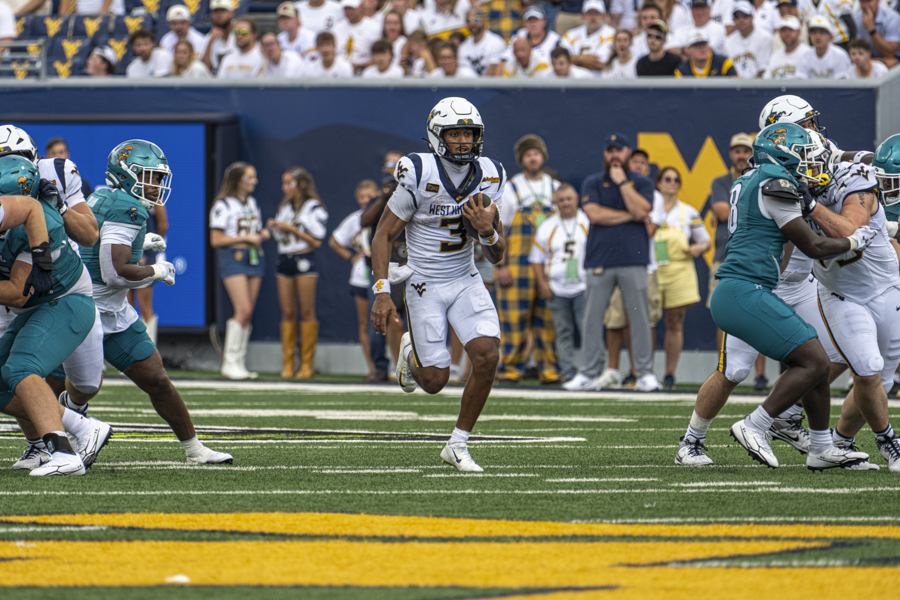
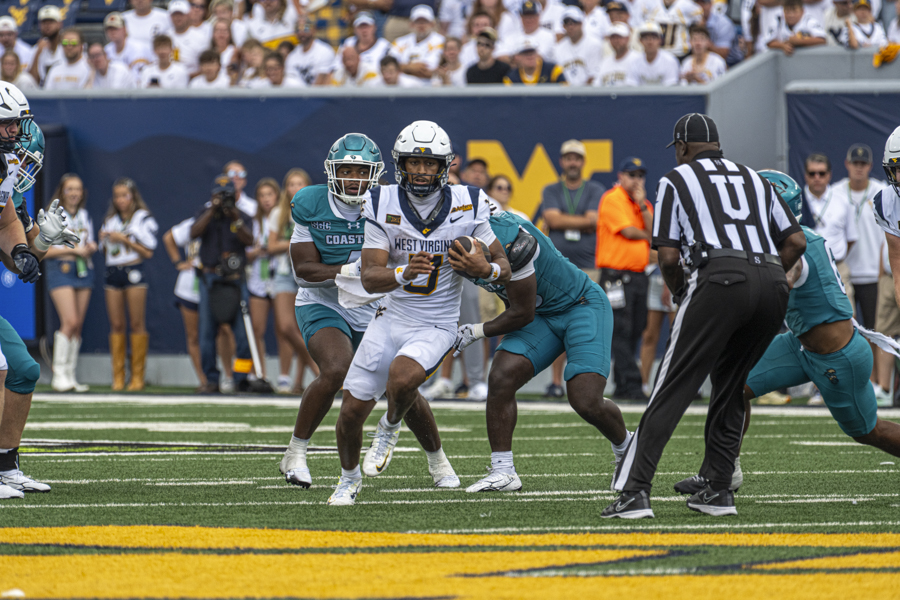
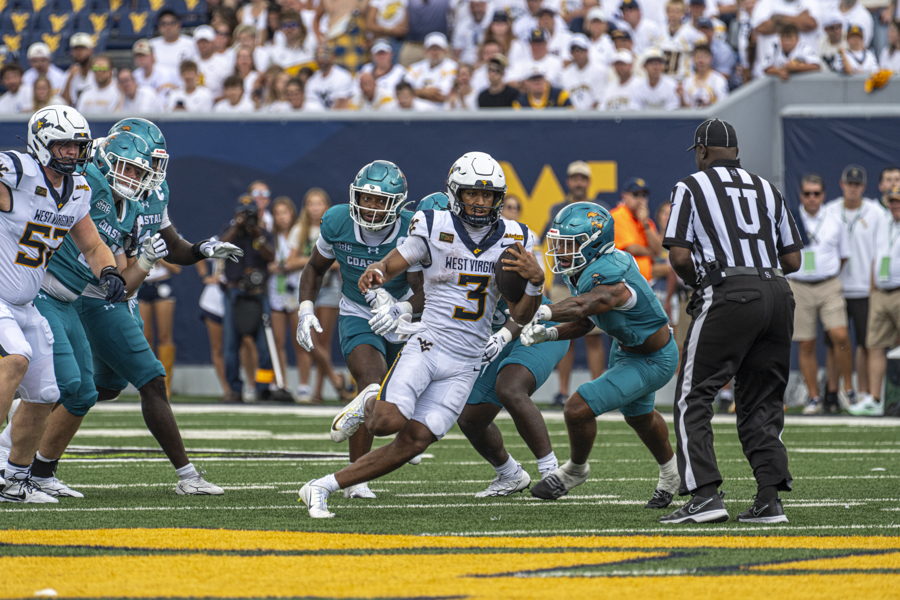
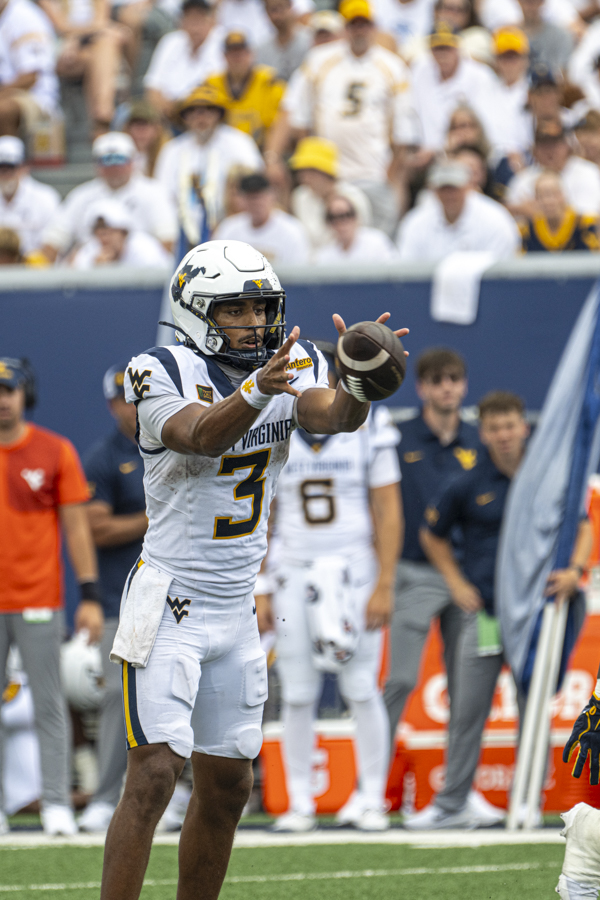
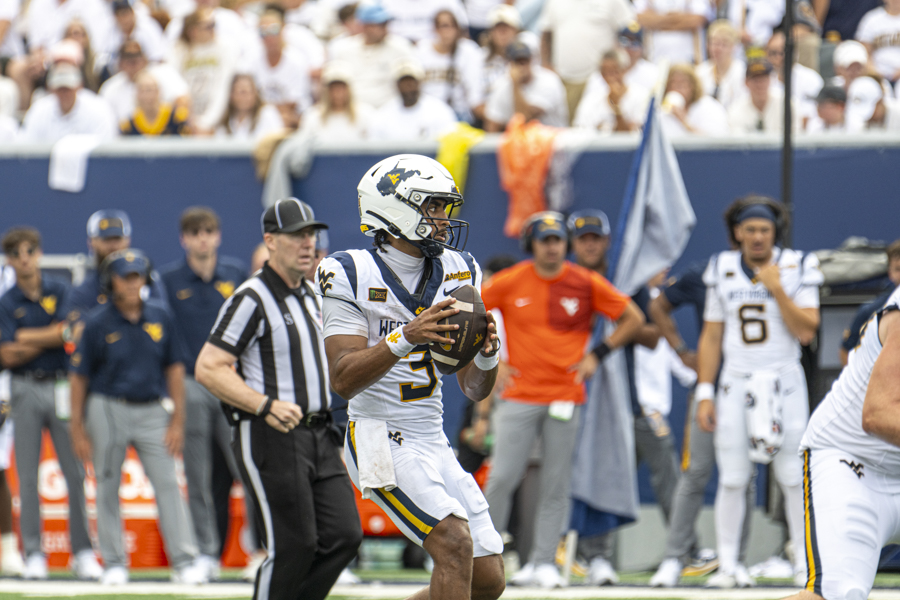
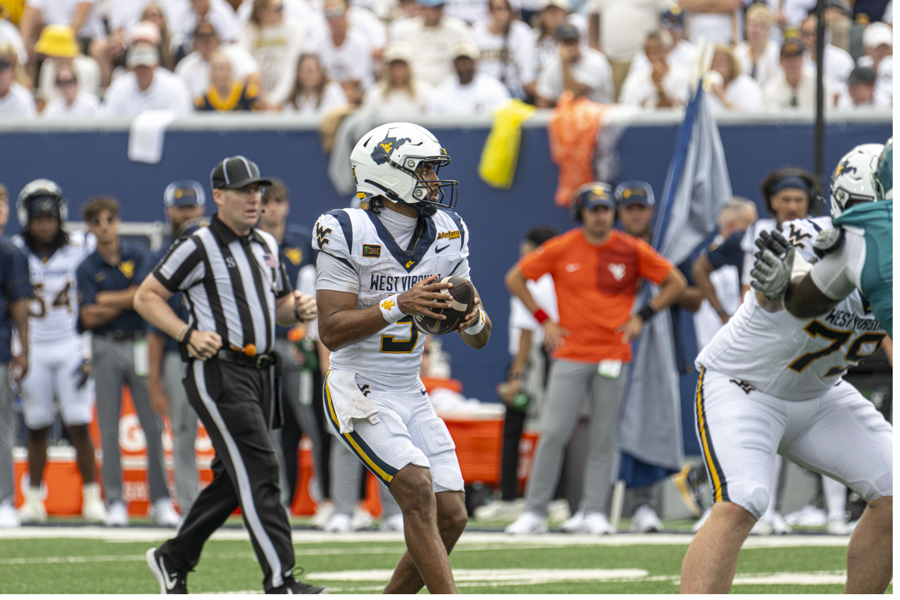
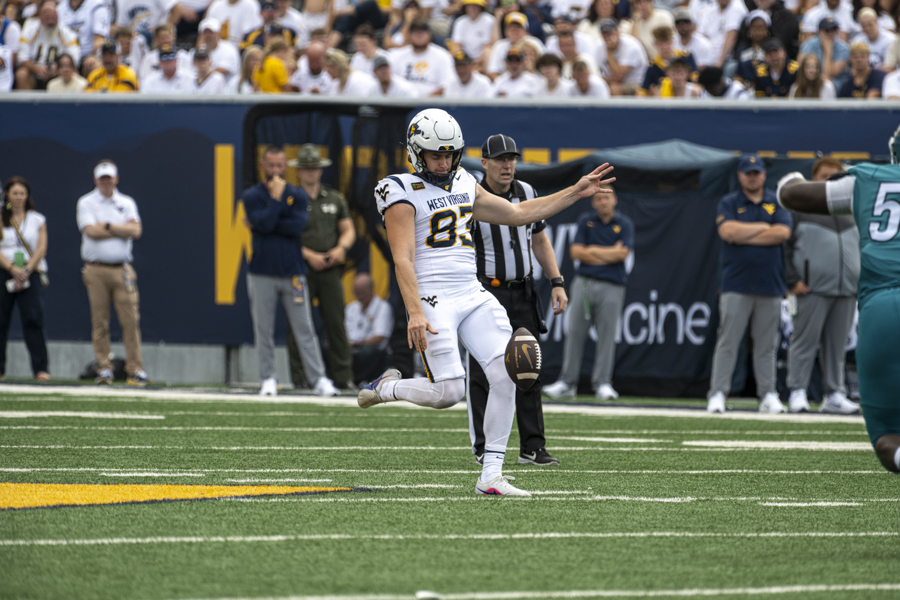
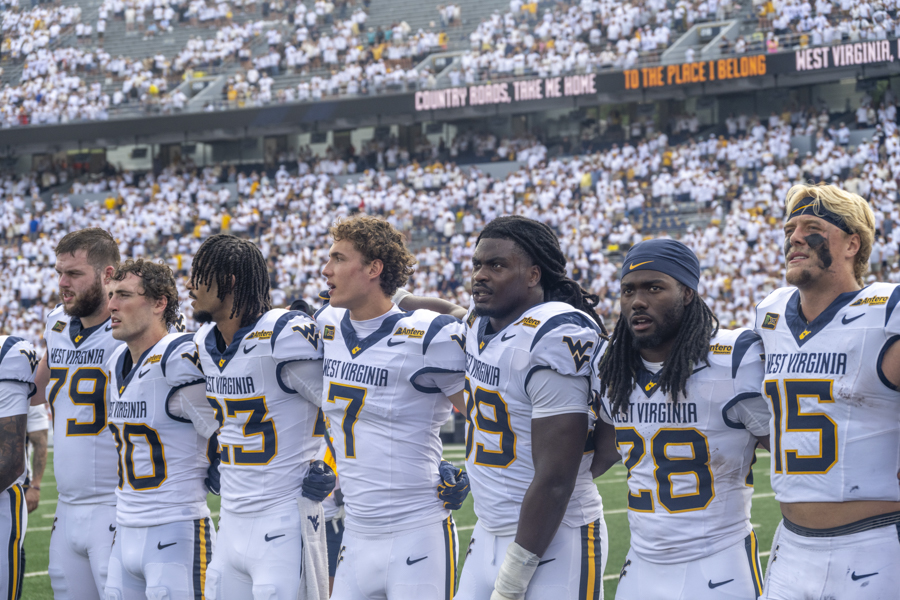
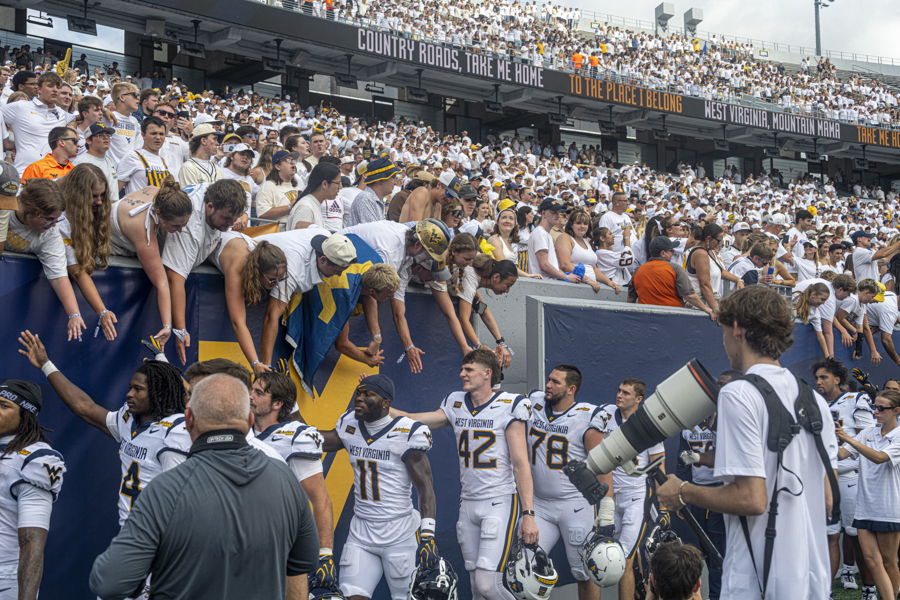
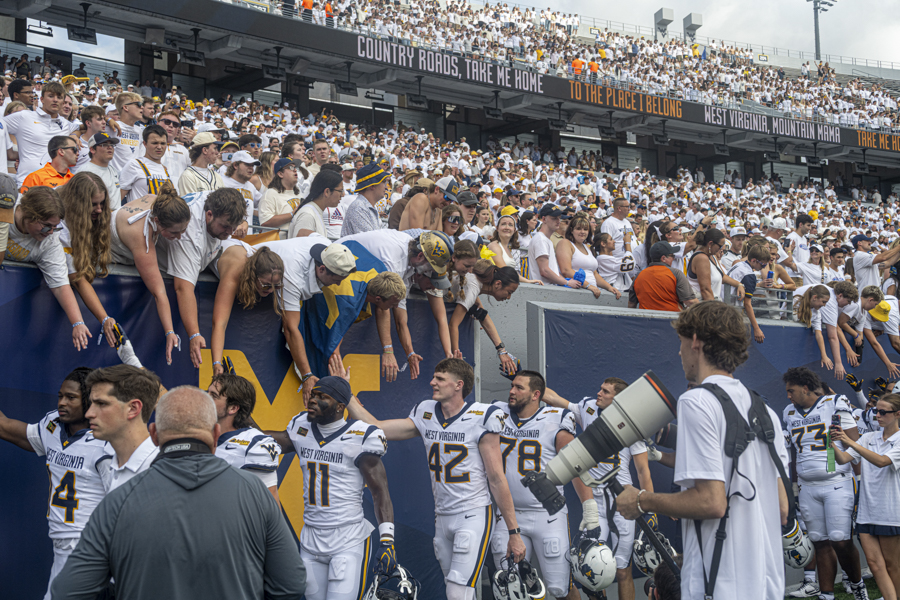
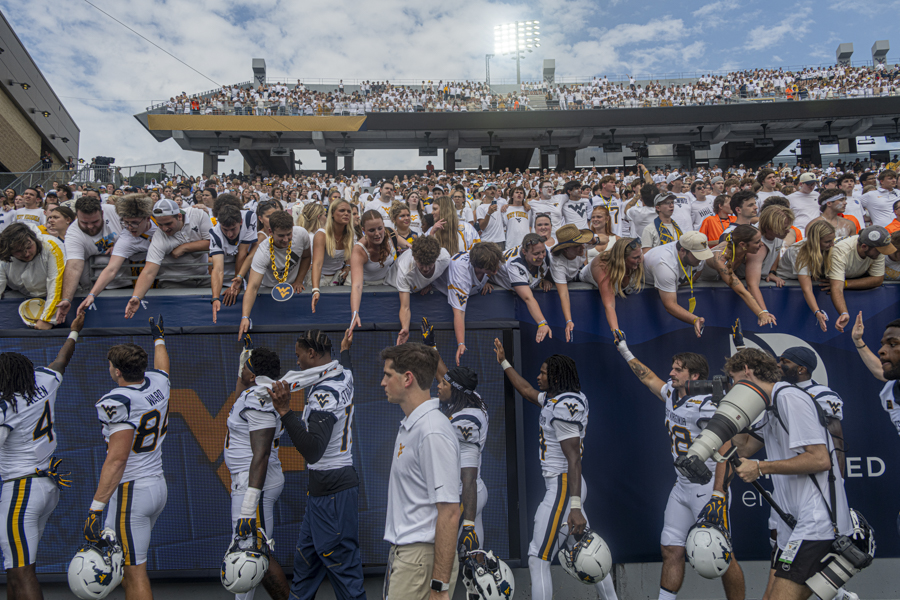
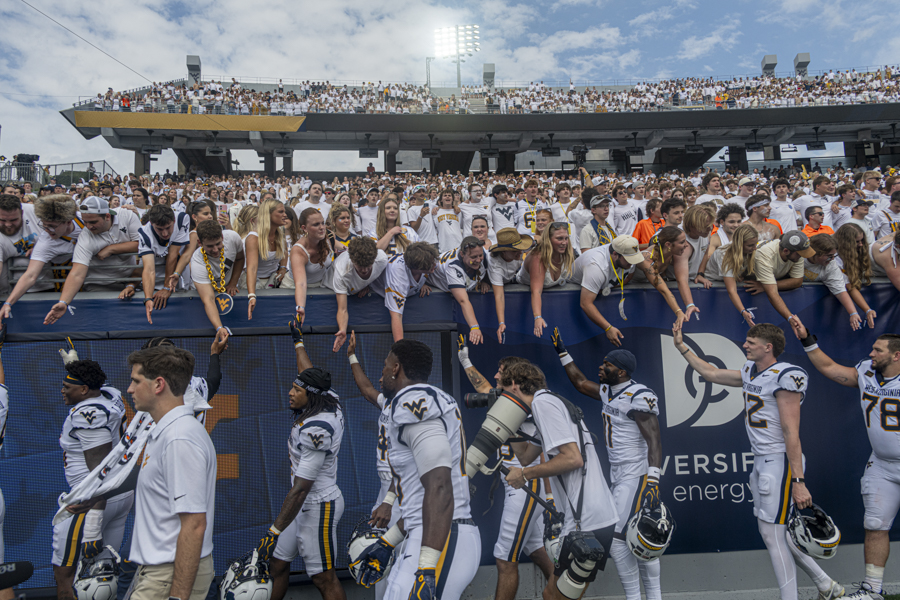
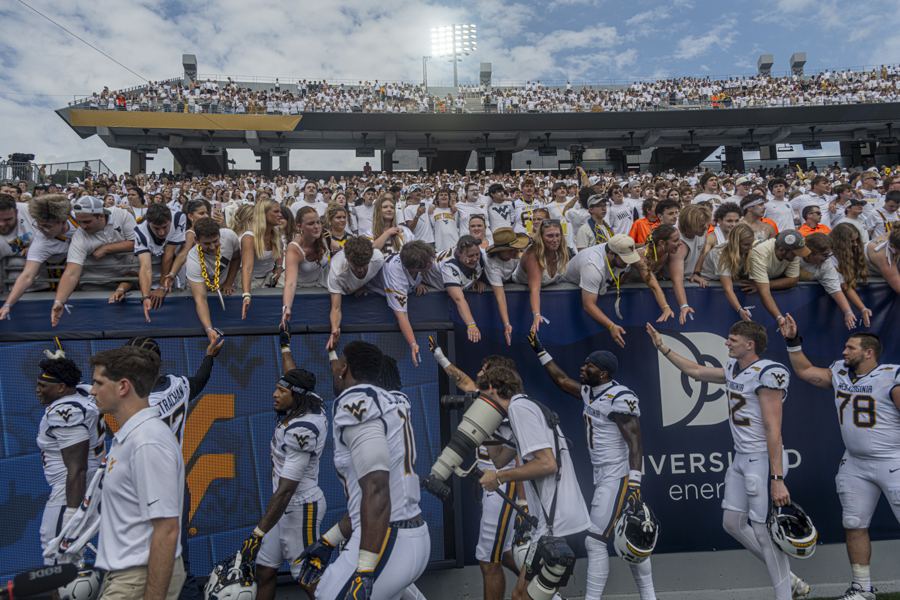
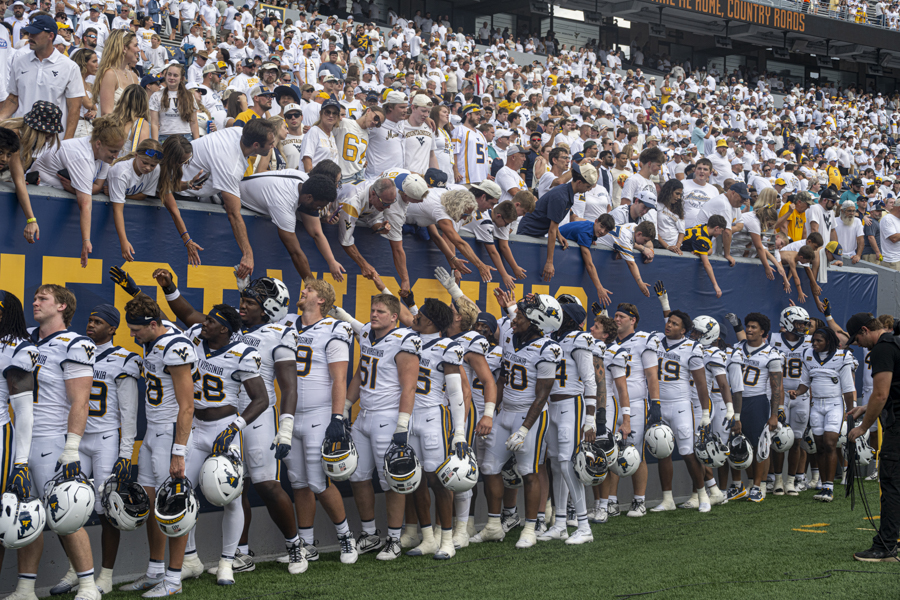
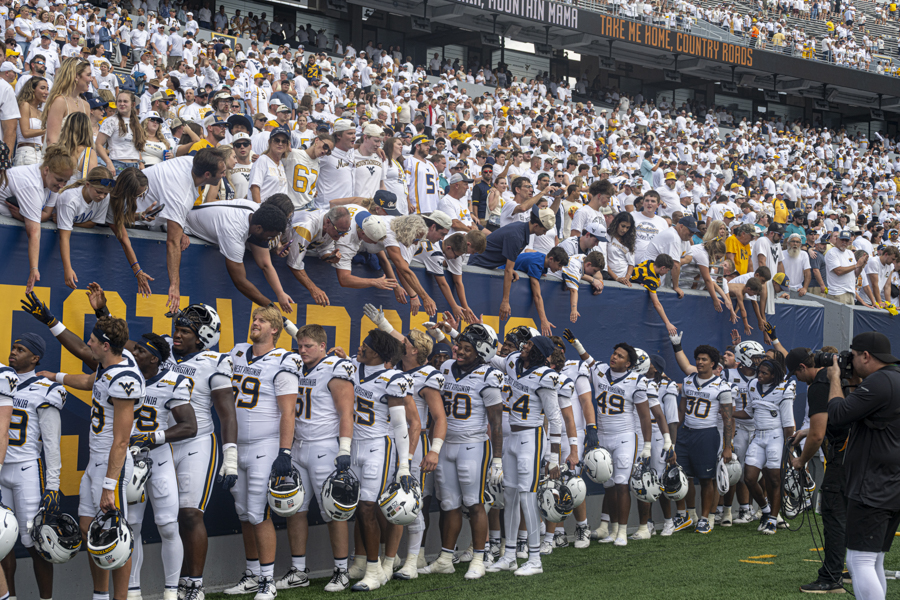
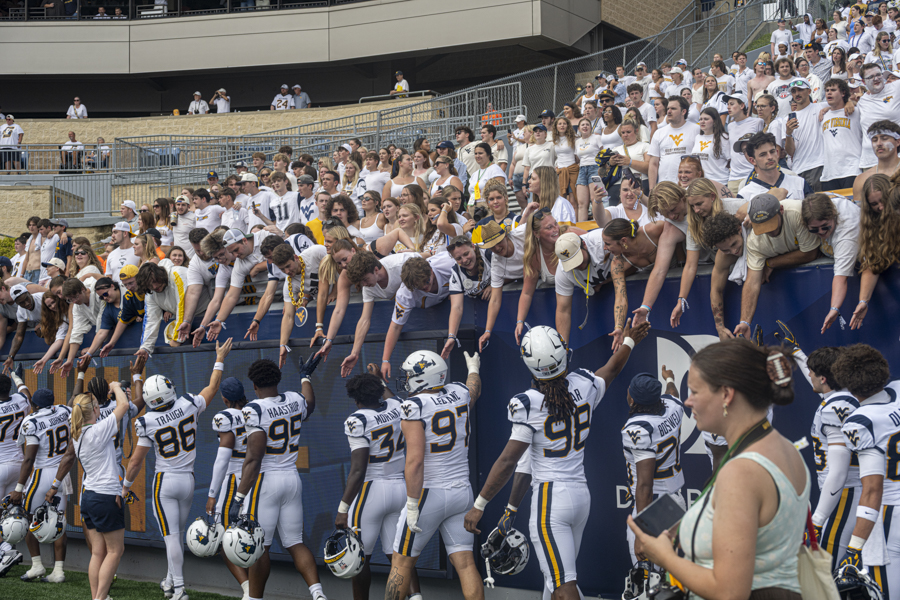
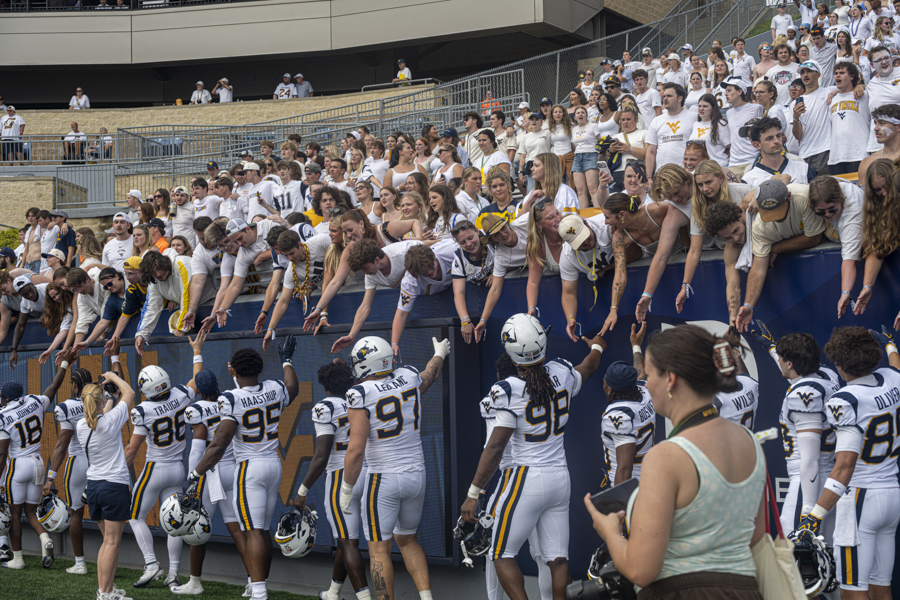
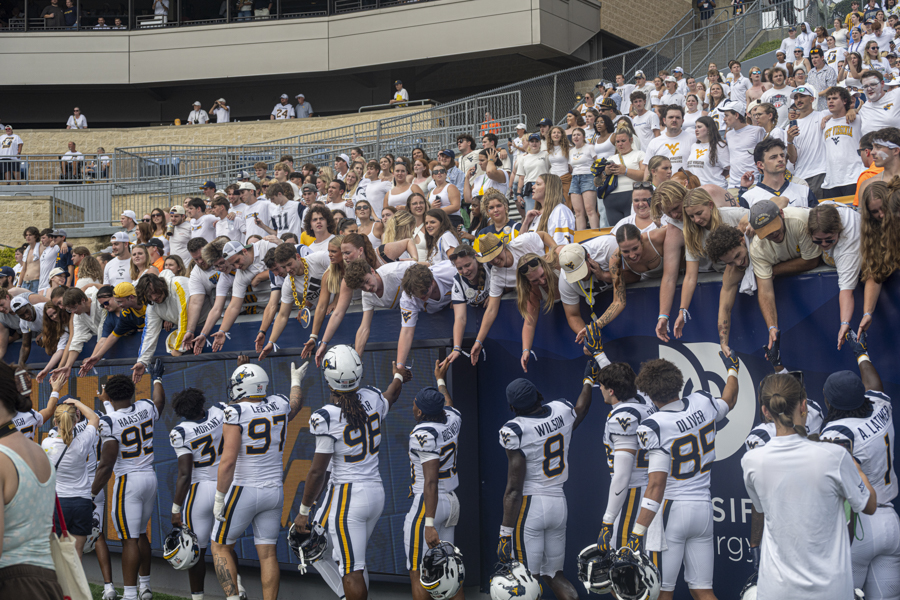
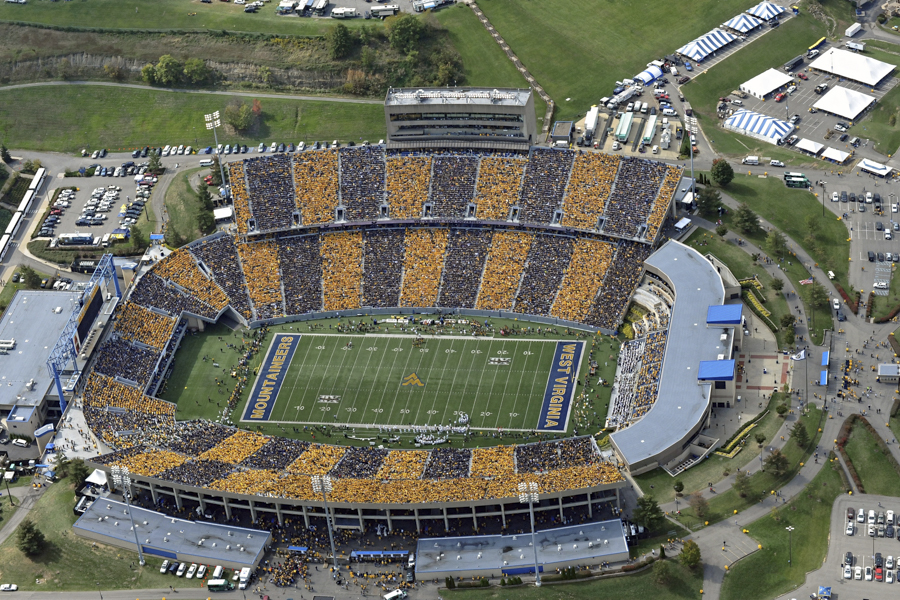
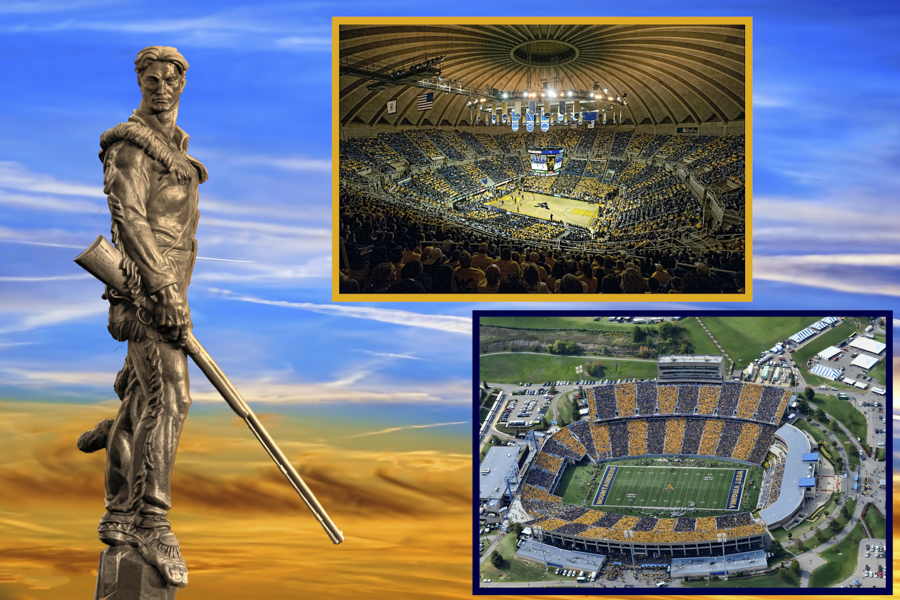
For the West Virginia vs. TCU game, the meaning goes far beyond just one conference matchup. At 4-3 overall and 1-3 in the Big 12, WVU is at a crossroads in the 2026 season. A win would keep momentum alive after the exciting victory over Cincinnati and would give the Mountaineers a much-needed road win against a conference opponent.
From a program perspective, the game matters in several ways:
Validation of Rich Rodriguez’s rebuilding effort. WVU’s offense has become one of the most productive in the country, but the defense has struggled badly. A win over TCU would show the Mountaineers can beat a quality Big 12 opponent despite those defensive issues.
Bowl positioning. At 4-3, WVU needs two more wins to become bowl eligible. Winning at TCU would move the Mountaineers to 5-3 and put them firmly on track for postseason play.
Conference credibility. WVU has lost several Big 12 games and sits near the bottom of the conference standings. A victory would help stop the slide and restore confidence that the program can compete weekly in the Big 12.
Momentum heading into a difficult stretch. The Mountaineers face more challenging conference games ahead. Winning at TCU would make the second half of the season feel like an opportunity rather than a salvage operation.
Bowl positioning. At 4-3, WVU needs two more wins to become bowl eligible. Winning at TCU would move the Mountaineers to 5-3 and put them firmly on track for postseason play.
2. Conference credibility. WVU has lost several Big 12 games and sits near the bottom of the conference standings. A victory would help stop the slide and restore confidence that the program can compete weekly in the Big 12.
3. Momentum heading into a difficult stretch. The Mountaineers face more challenging conference games ahead. Winning at TCU would make the second half of the season feel like an opportunity rather than a salvage operation.
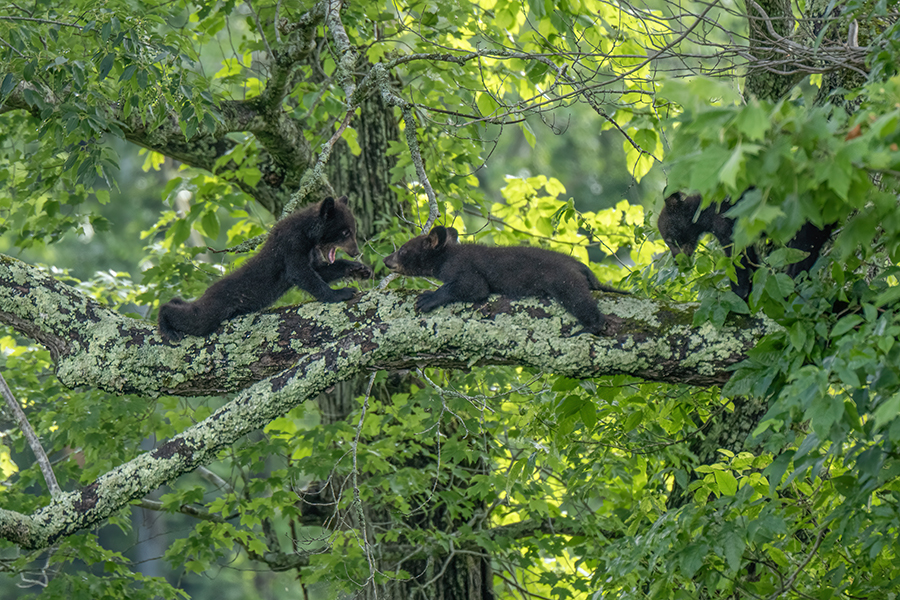
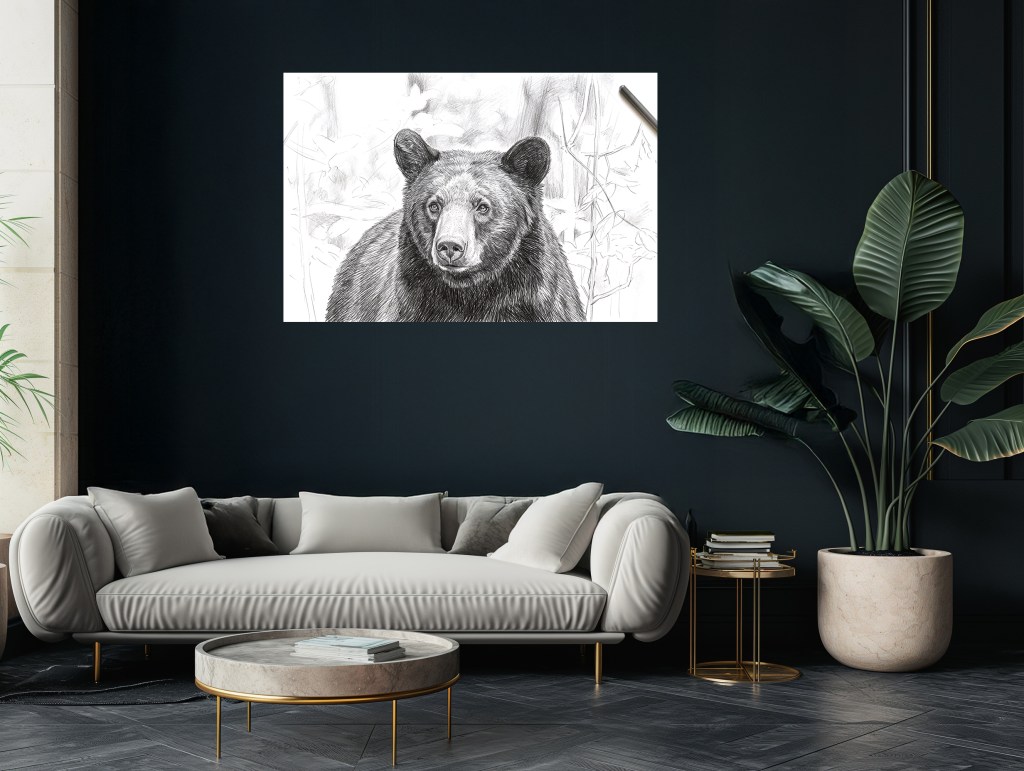
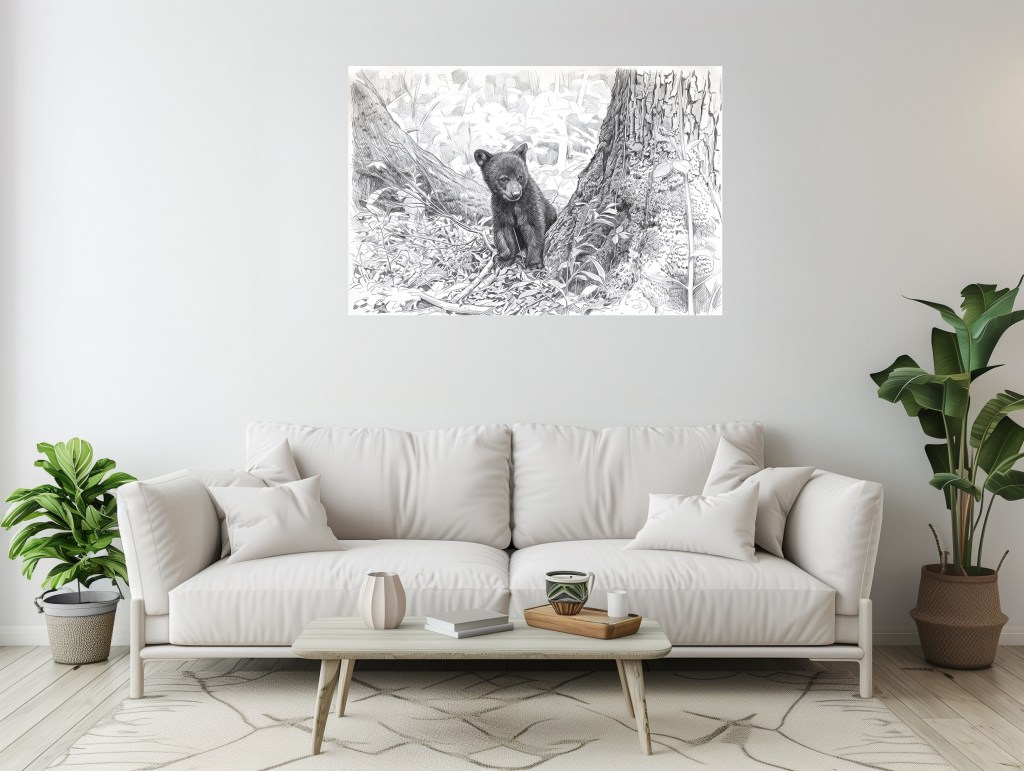
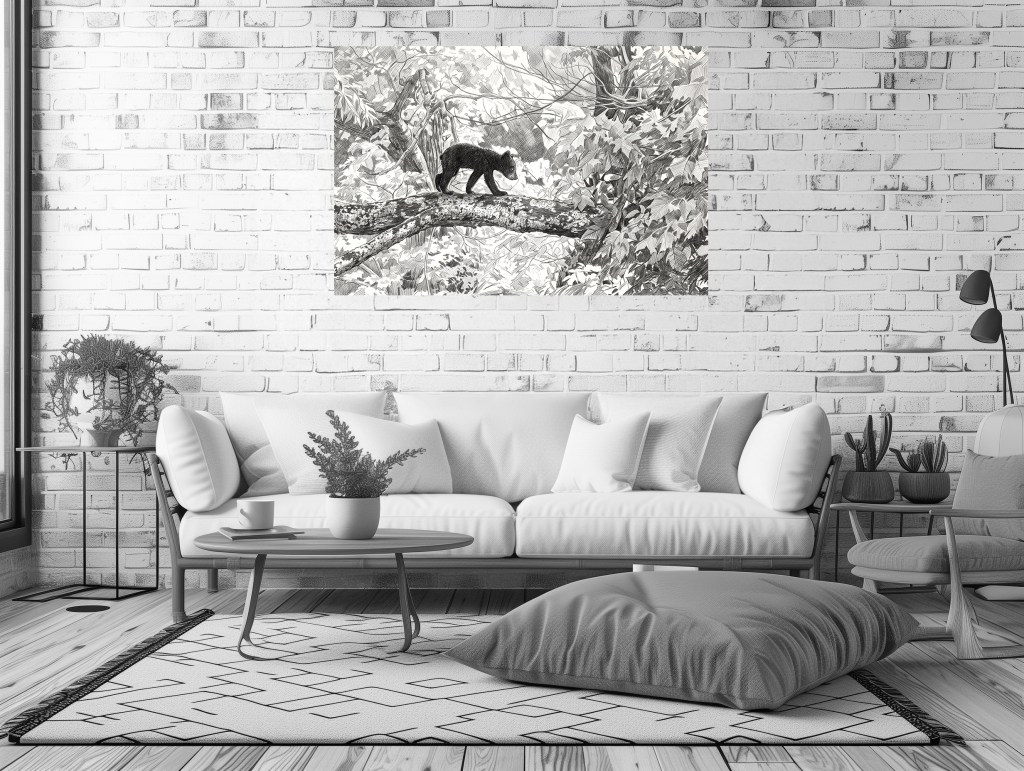
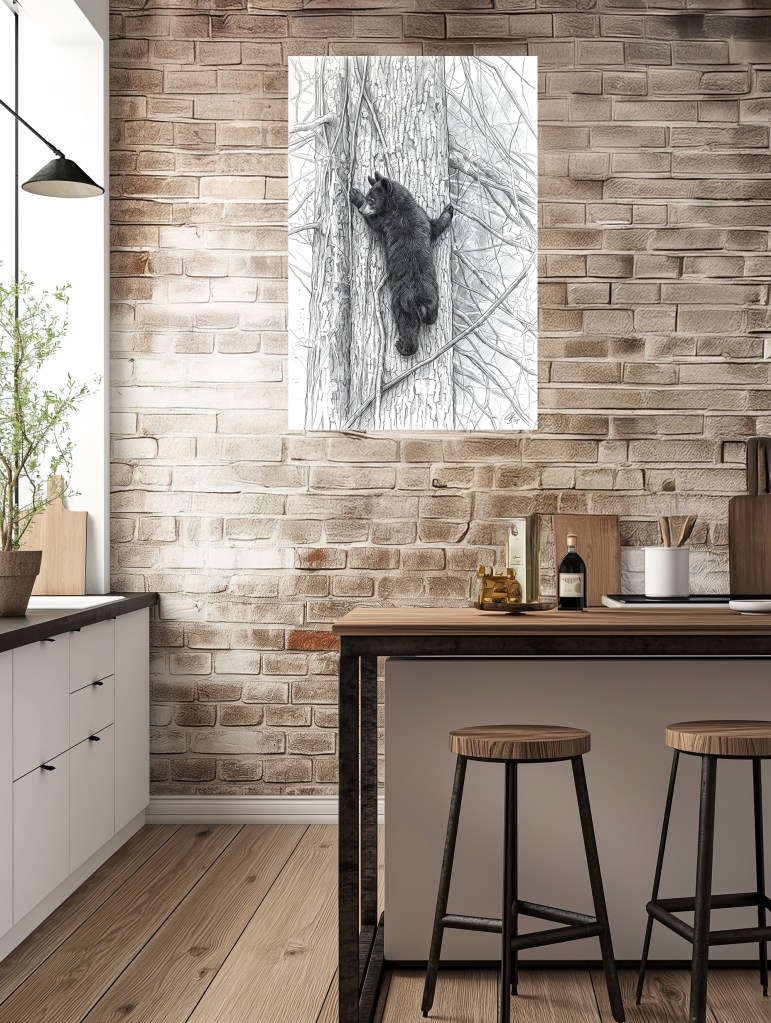
Start with my original image which I feel is a cool image in itself
Three bear cubs are seen exploring and playing on a large tree branch covered in moss in a forest with vibrant green foliage. The cubs appear curious as they navigate their surroundings amidst a lush, natural environment.
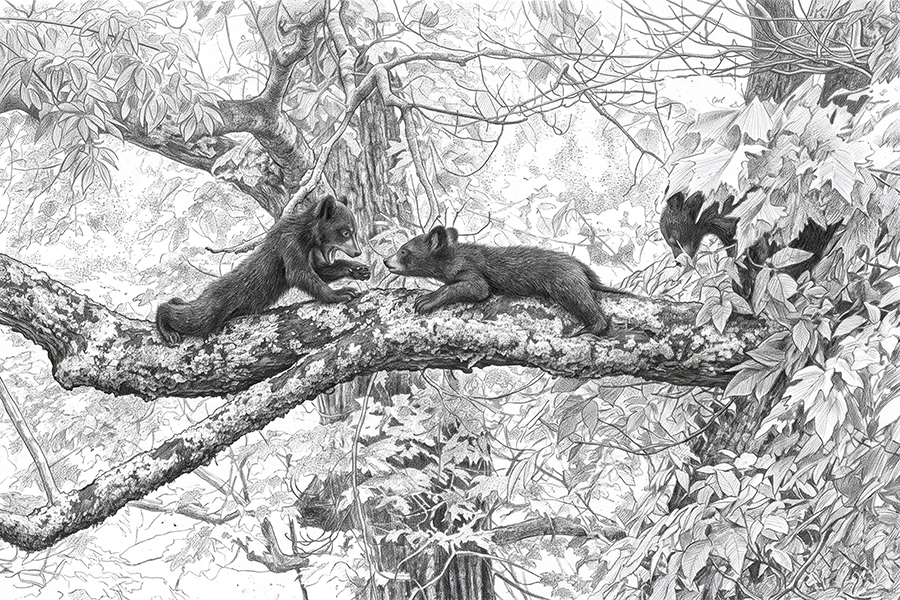
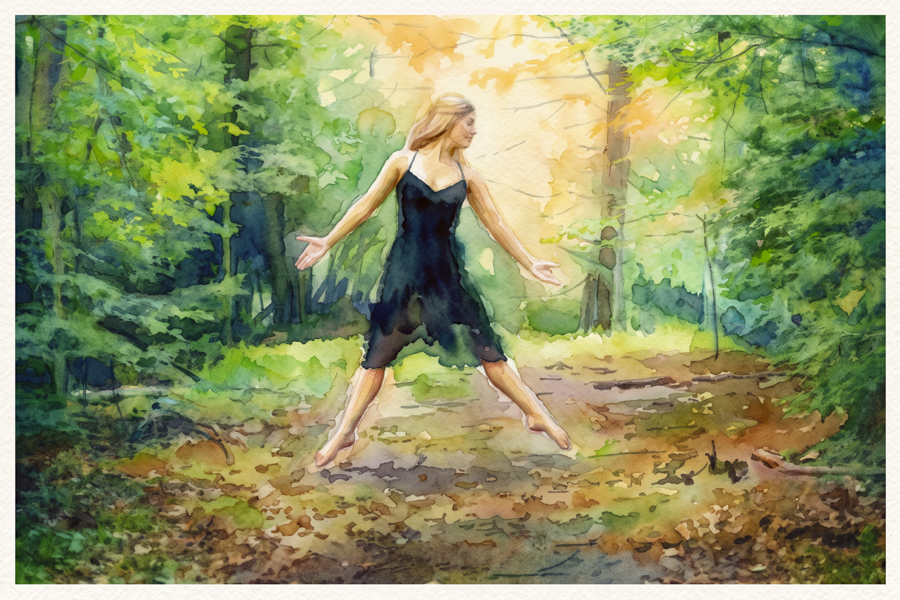
I enjoy taking my photographs and transforming it into a new type of images and new type of wall art
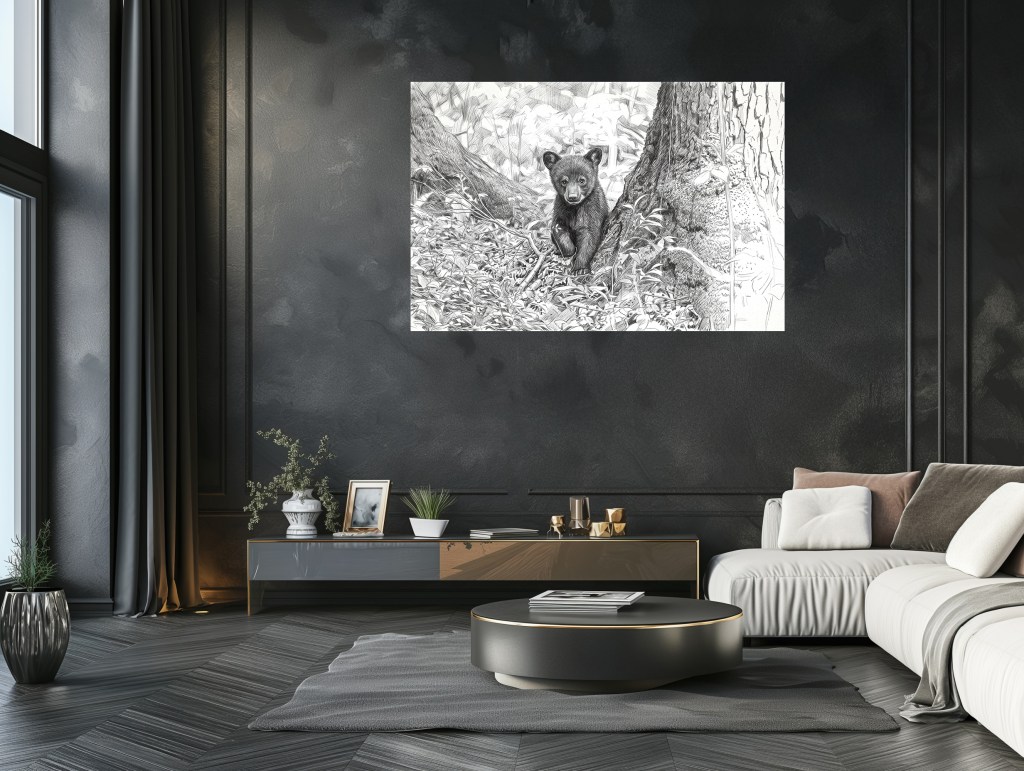
Detailed pencil illustration of two playful bear cubs stretched across a mossy tree branch in a dense forest, surrounded by leaves and a curious bird; evokes nature, innocence and exploration.
WVU is now 3-3 overall and 0-3 in Big 12 play, having dropped conference games to Oklahoma State (41-24), Iowa State (45-42), and Arizona (52-31).
Can The Season be Saved
Reasons for Optimism
The offense has shown it can score. WVU put up 42 points at Iowa State and 31 against Arizona.
The next game is at home against Cincinnati, providing an opportunity to stop the losing streak.
There are still six regular-season games left, so bowl eligibility is very attainable. WVU only needs three more wins to reach six victories.
The Big Concern
The defense has surrendered 41, 45, and 52 points in the last three conference losses. Until that improves, it will be difficult to compete with the better teams remaining on the schedule.
What Would “Saving the Season” Look Like?
At this point, a Big 12 championship run would be a long shot. That’s my opinion based on the 0-3 conference start and the teams still ahead on the schedule, including road games at Texas Tech and Utah.
However, I think most Mountaineer fans would consider the season salvaged if WVU:
Beats Cincinnati this week.
Gets to at least 7-5 or 8-4.
Finishes with momentum under Rich Rodriguez.
Earns and wins a bowl game.
My gut feeling? The season can still be saved, but the Cincinnati game feels like the turning point. Win it, and people start talking about a respectable bowl season. Lose it, and the conversation shifts to rebuilding for next year.
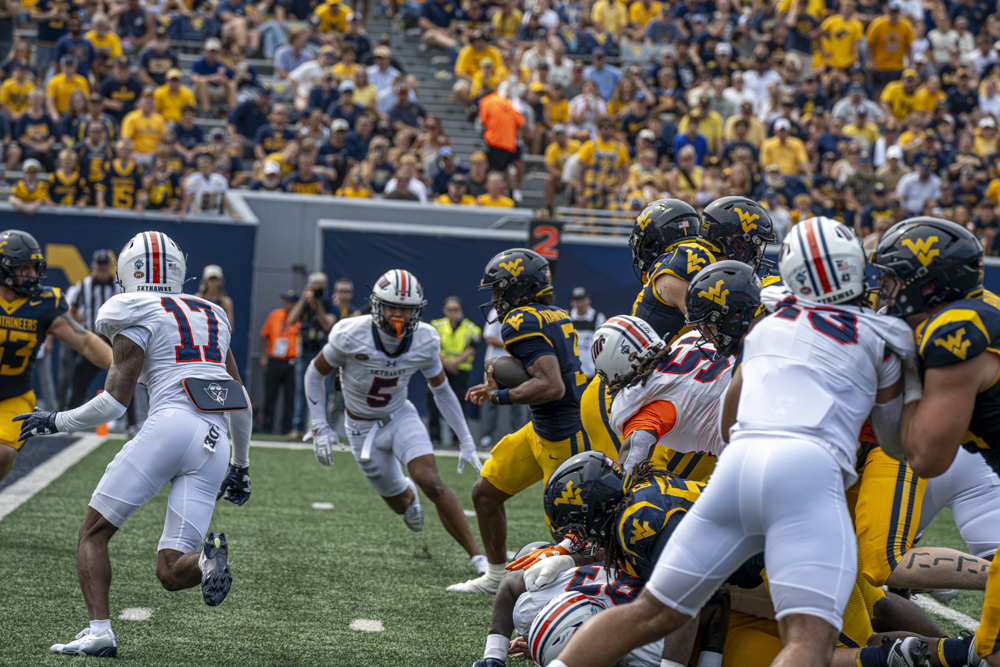
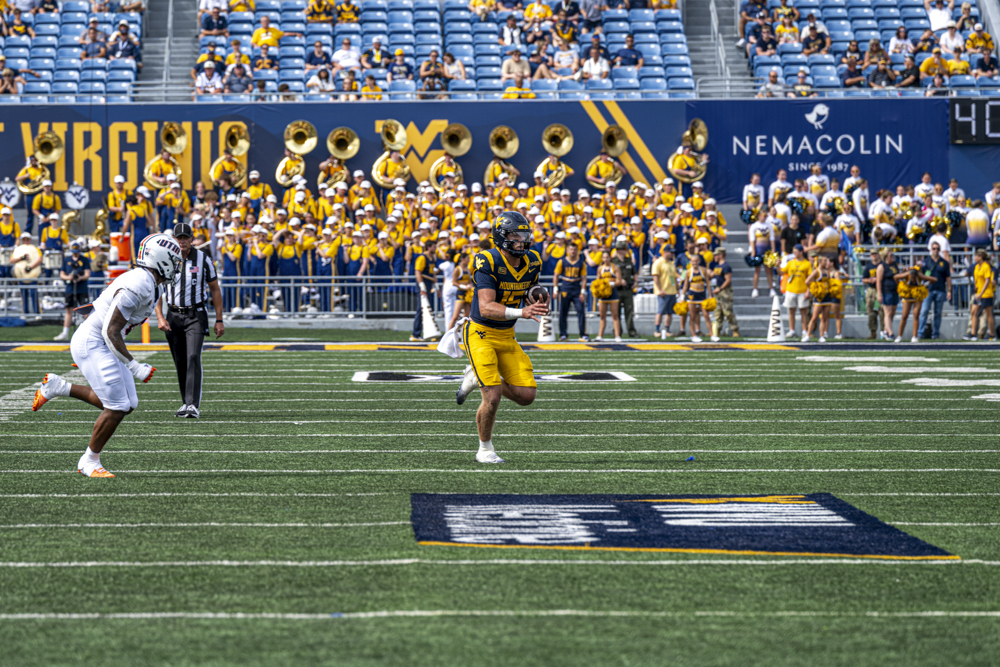
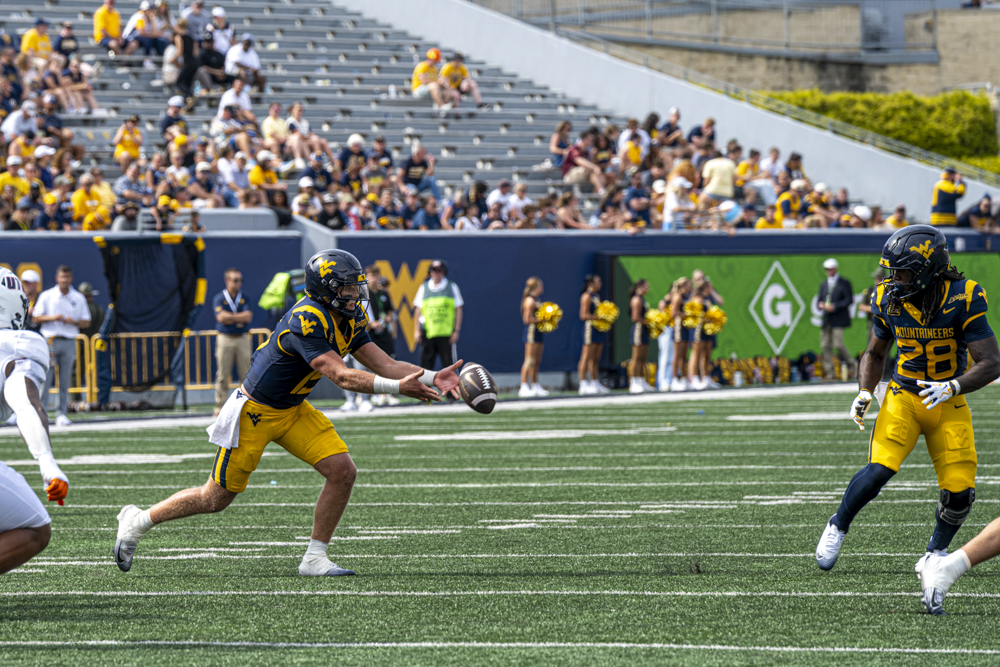
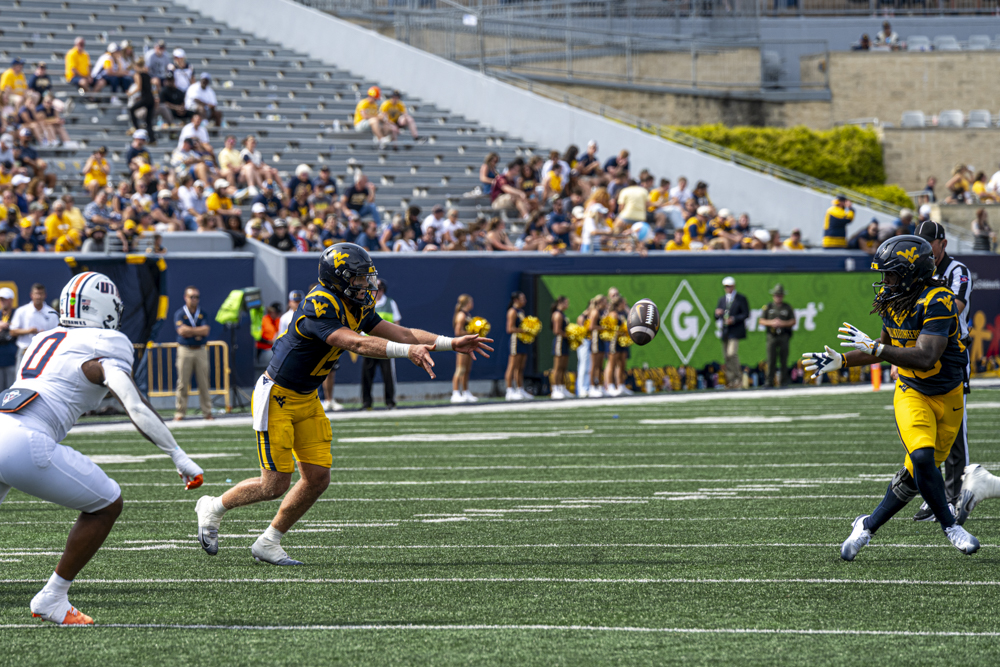
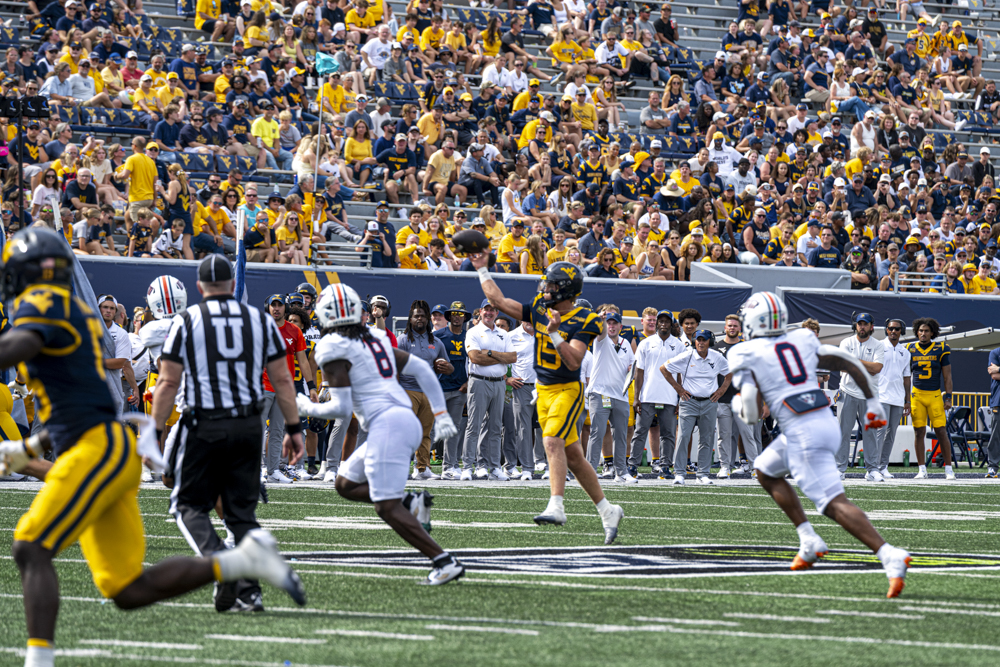
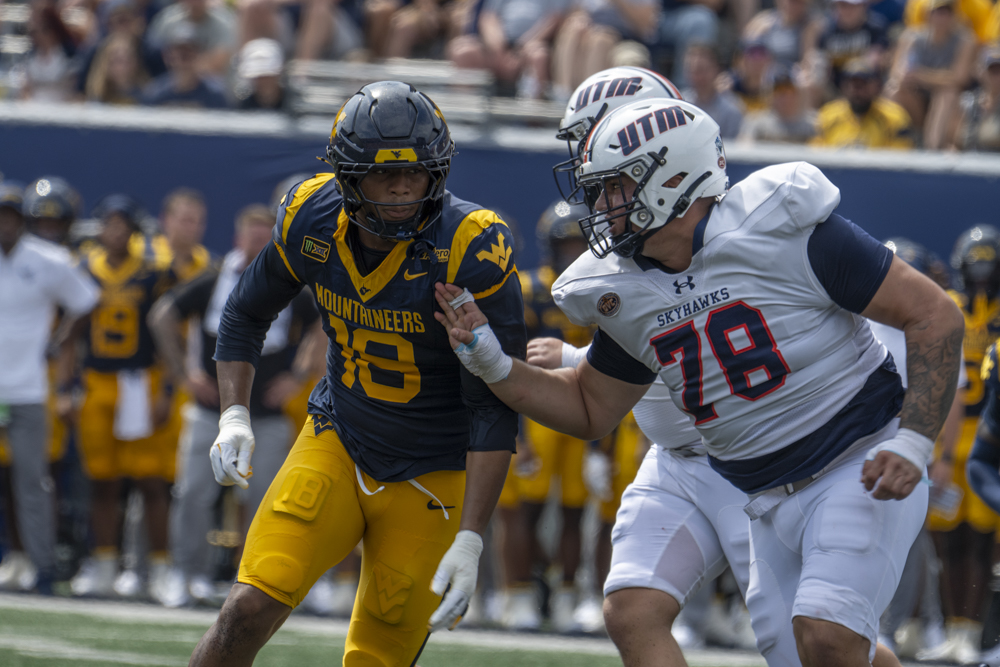
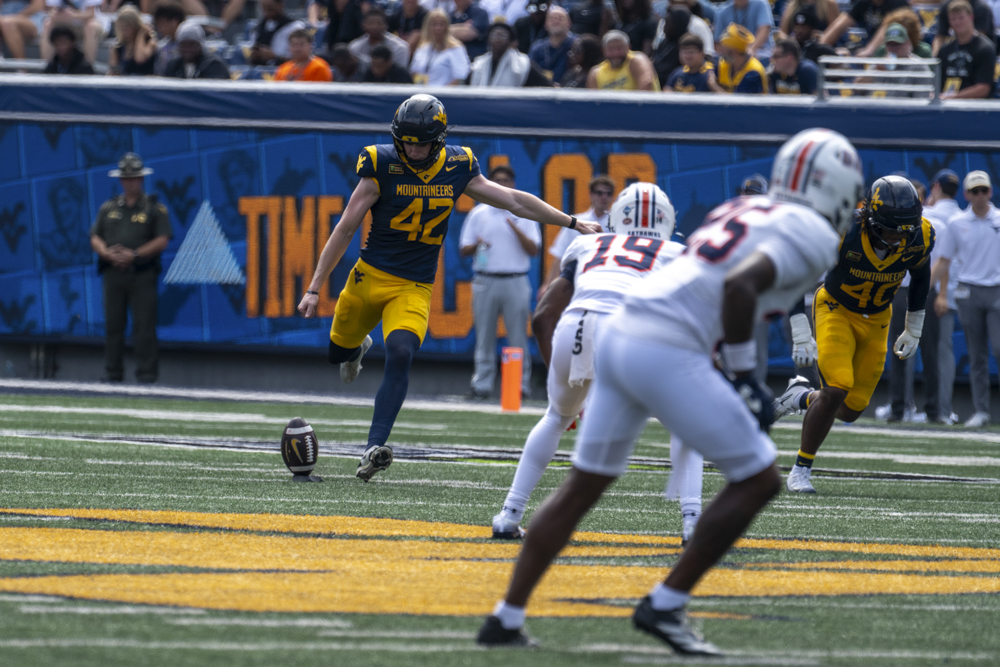
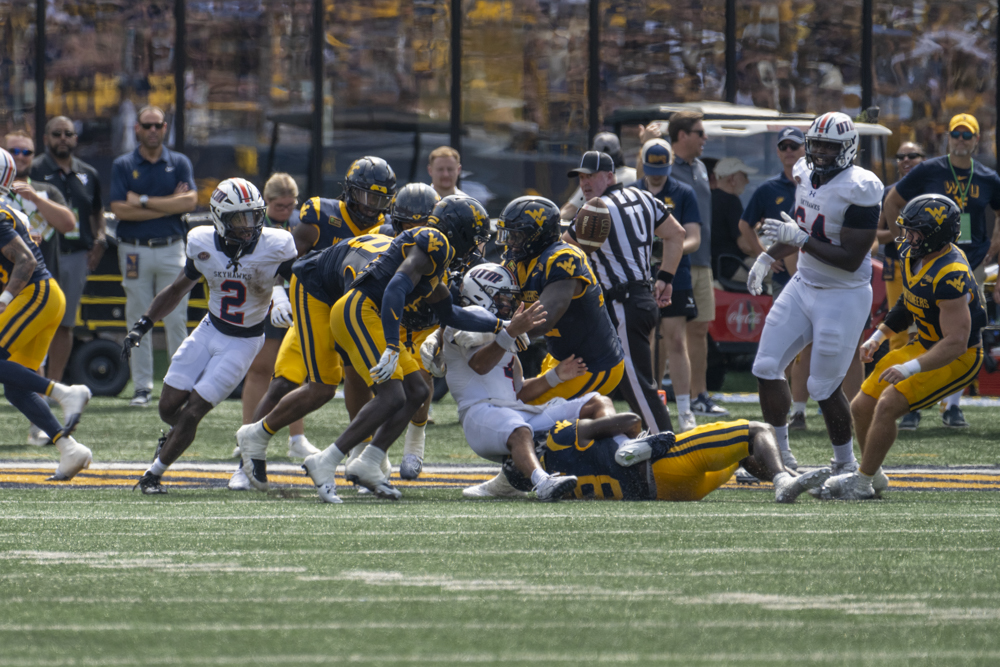
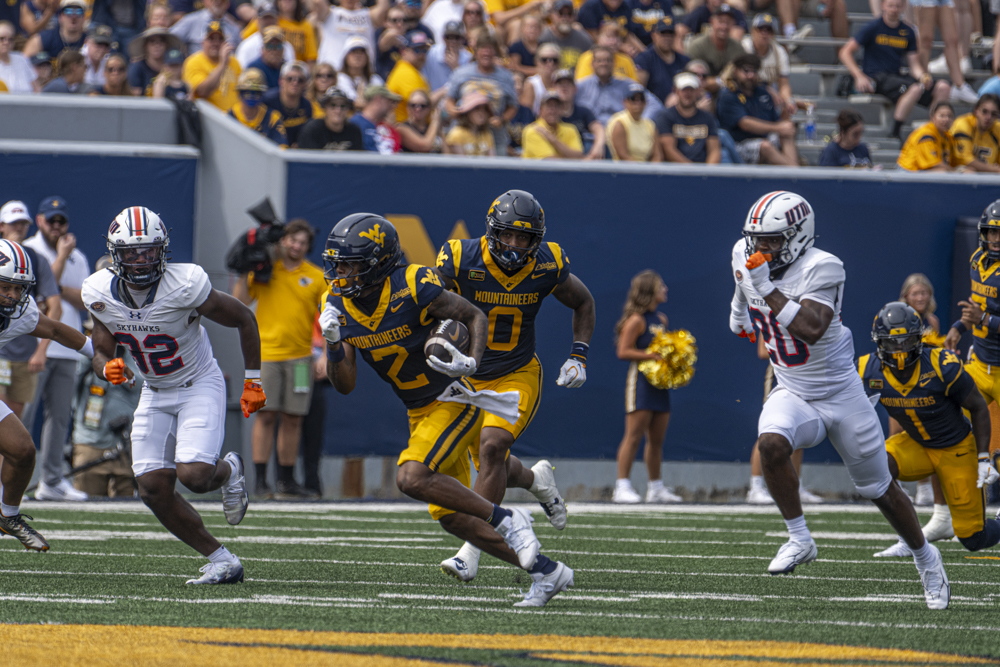
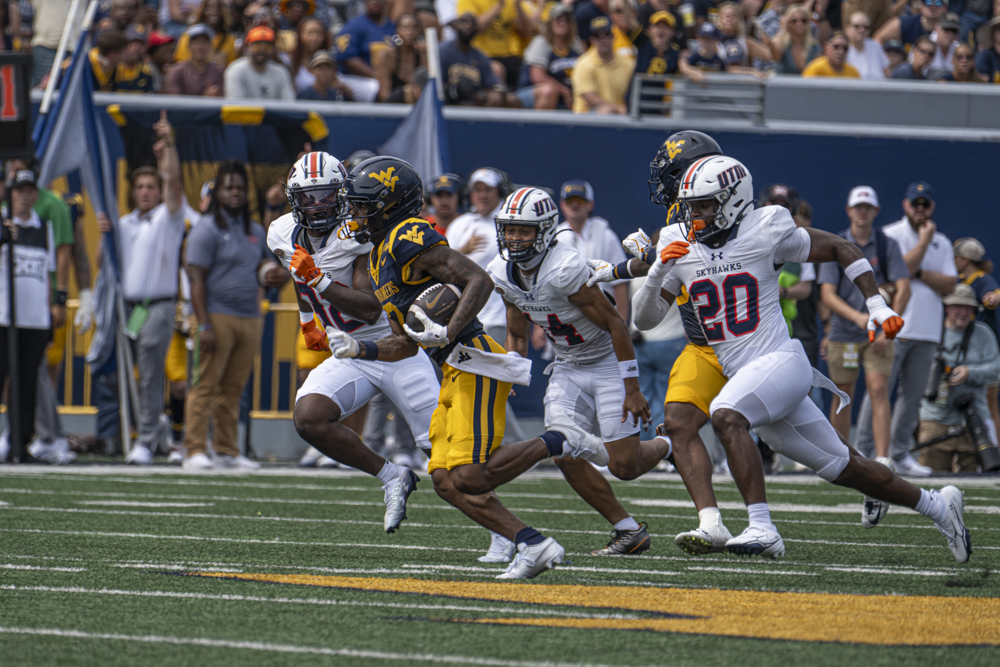
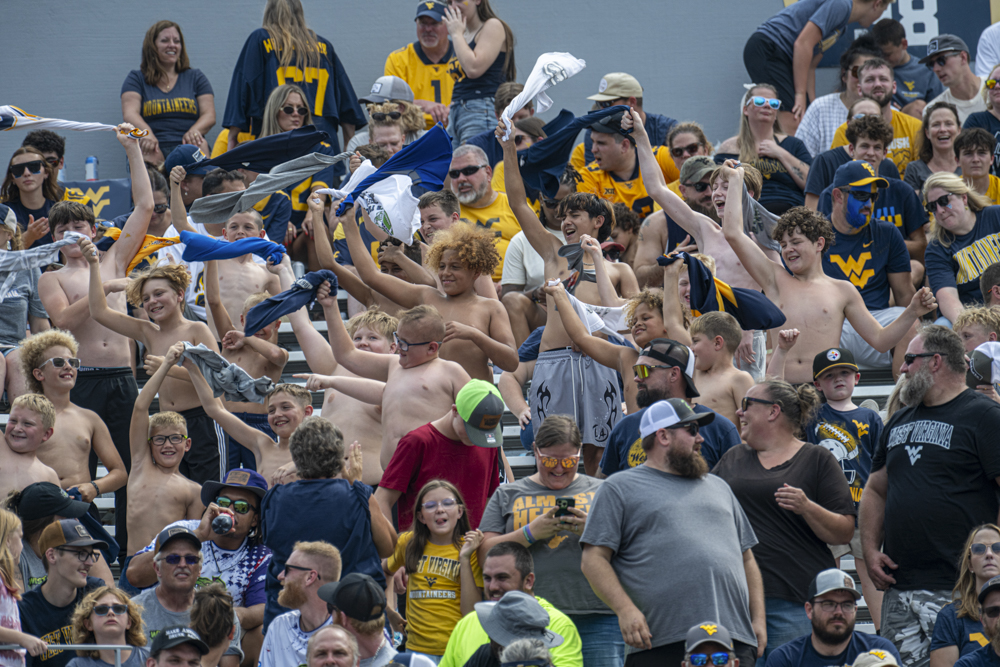
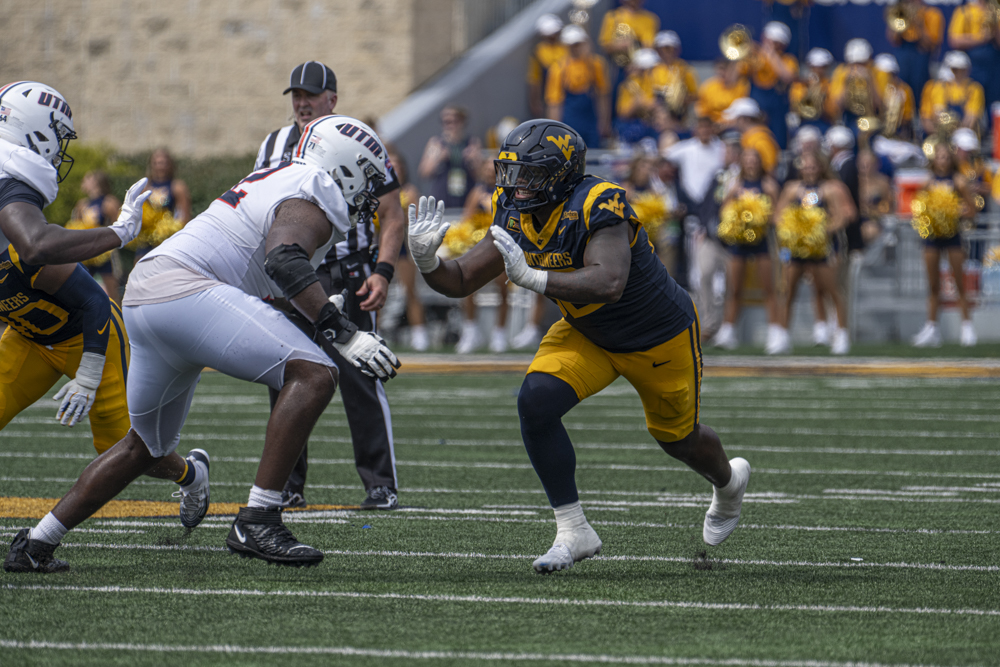
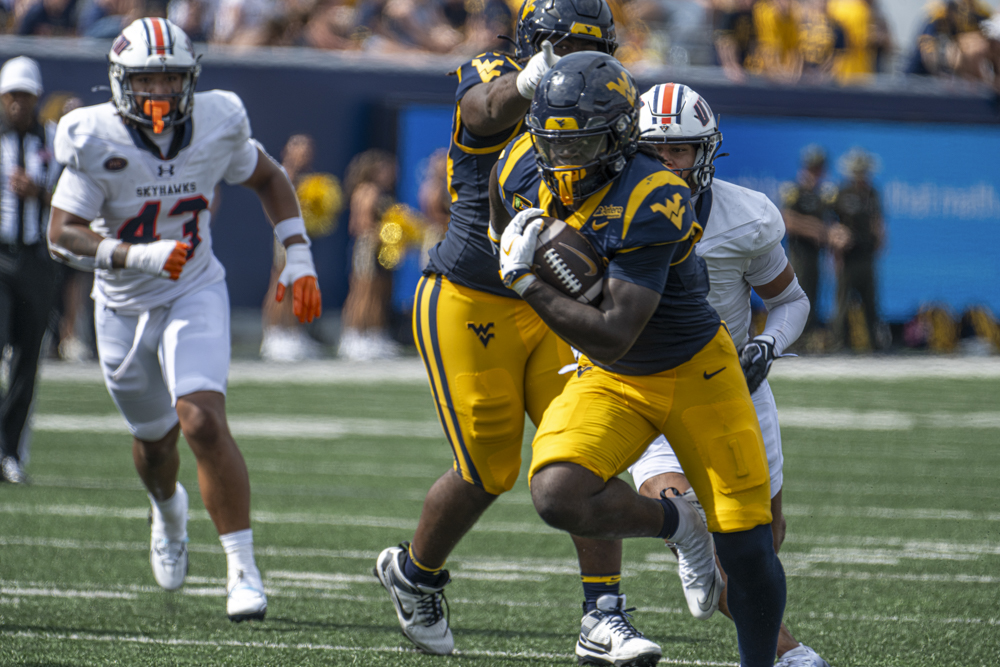
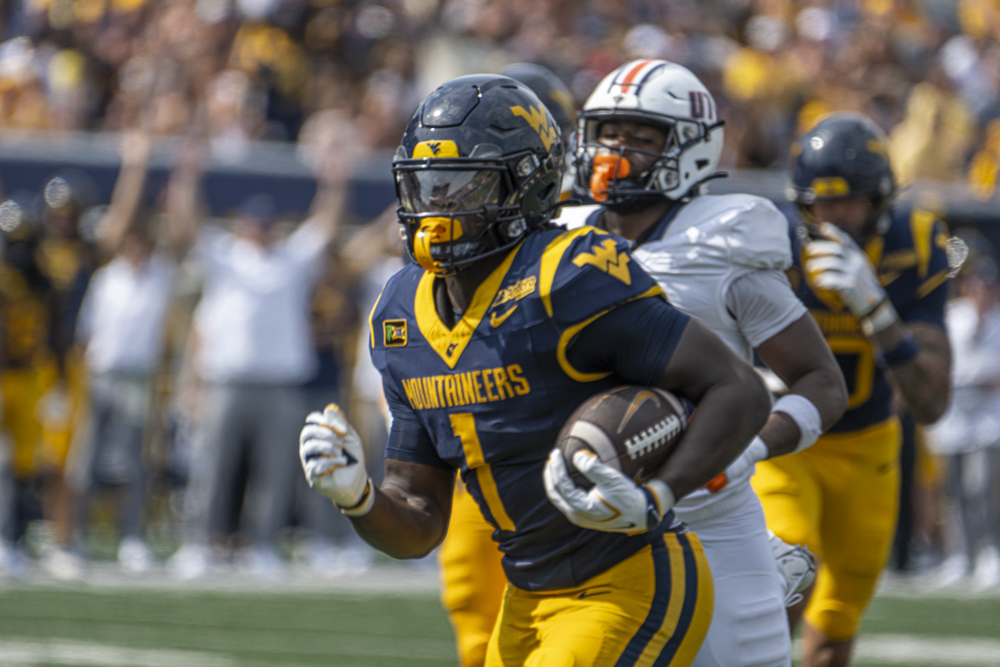
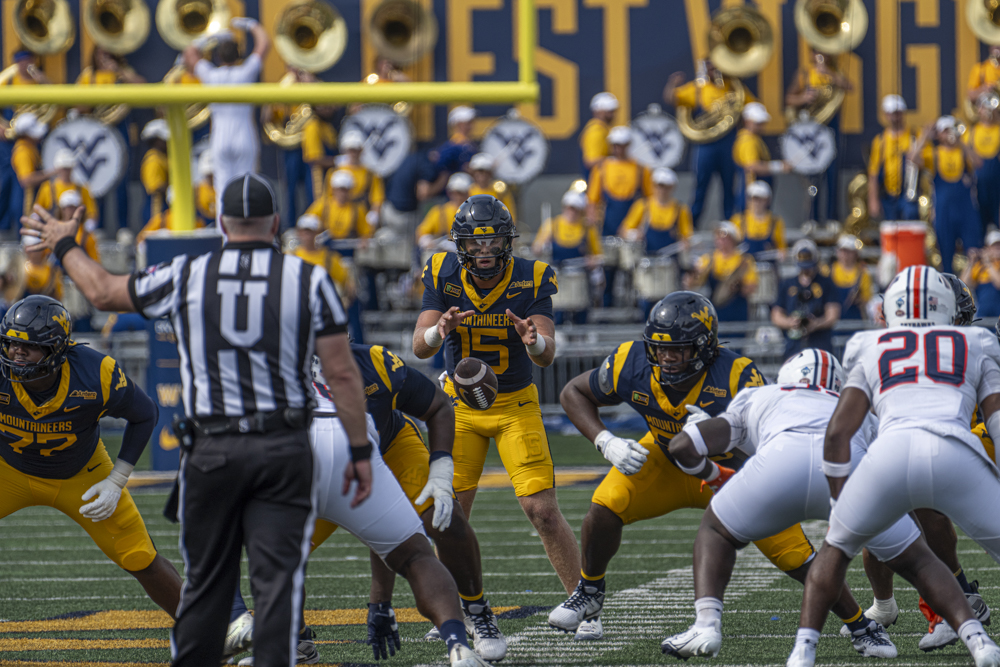
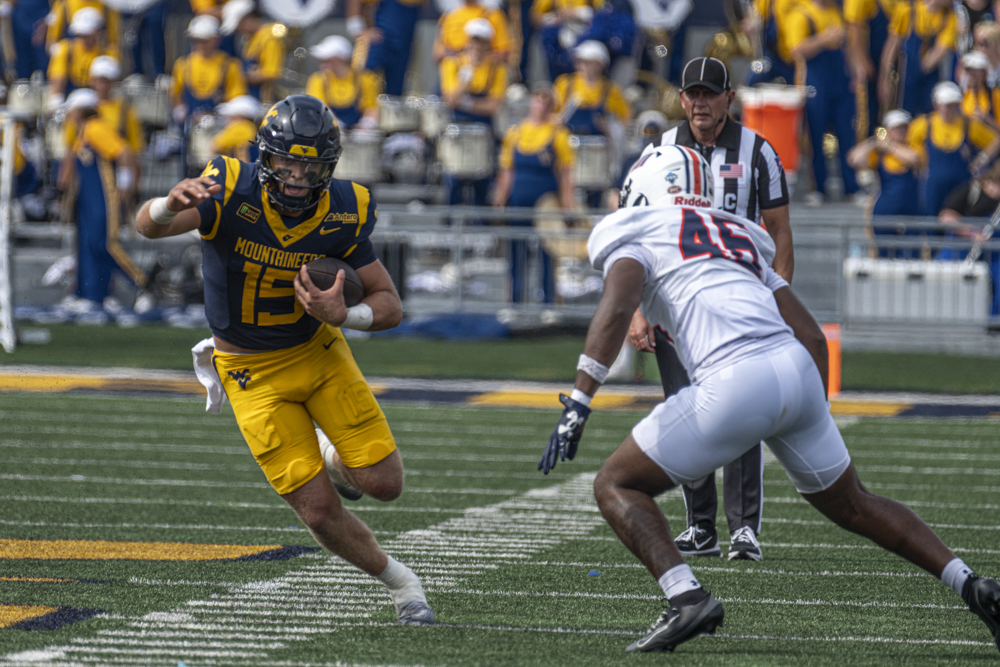
The West Virginia Mountaineers delivered a commanding performance on September 12, 2026, overwhelming the Tennessee‑Martin Skyhawks in a 52–7 victory at Mountaineer Field at Milan Puskar Stadium. WVU seized control from the opening kickoff, exploding to a 21–0 first‑quarter lead that set the tone for the afternoon. The Mountaineers played with confidence and precision—fast tempo on offense, disciplined execution, and a defense that smothered every Skyhawk attempt to gain momentum. By halftime, the game felt firmly in WVU’s hands, with the home crowd settling into the comfortable rhythm of a blowout.
In the second half, West Virginia continued to assert its dominance, mixing explosive plays with steady, methodical drives that kept Tennessee‑Martin on its heels. The Mountaineers’ depth was on full display as backups stepped in without missing a beat, maintaining the intensity and extending the lead. Defensively, WVU allowed almost nothing, forcing punts, creating pressure, and closing down running lanes. The 52–7 final score reflected not only superior talent but a complete team effort—an early‑season statement win that energized Mountaineer Nation and showcased the program’s potential moving forward.
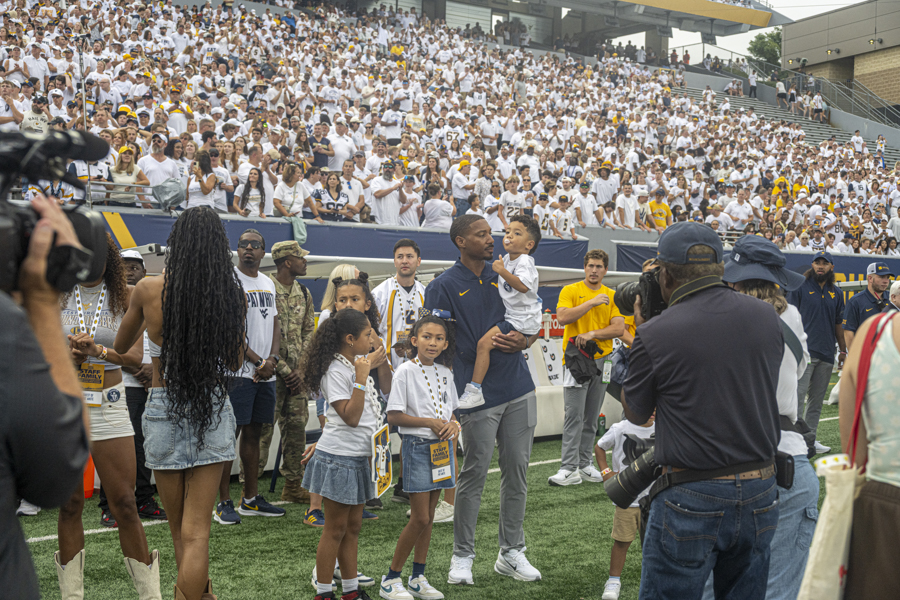
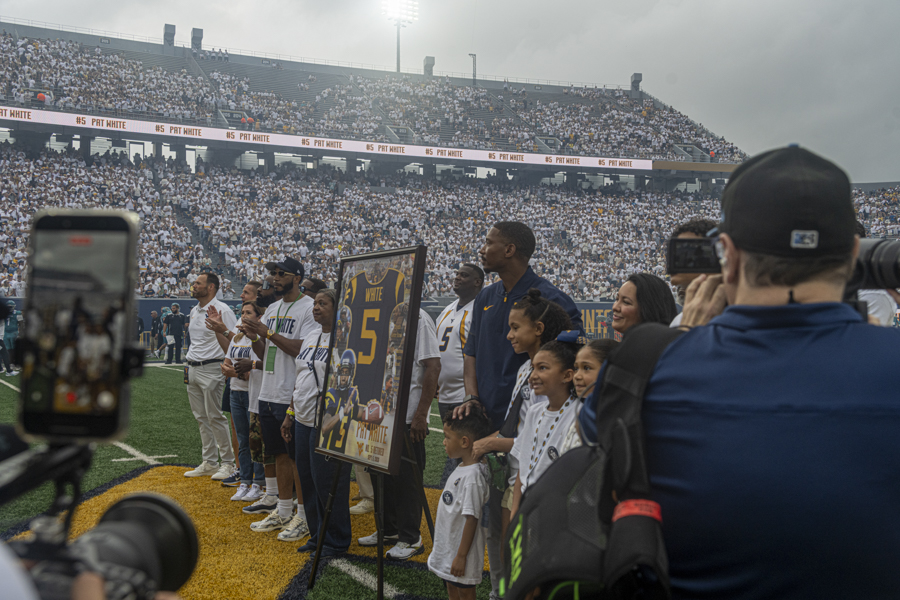
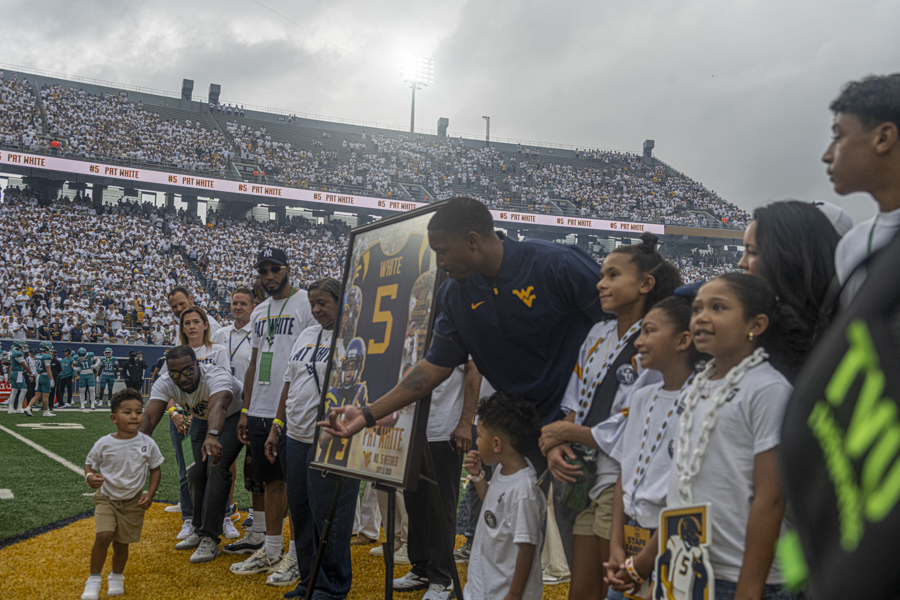
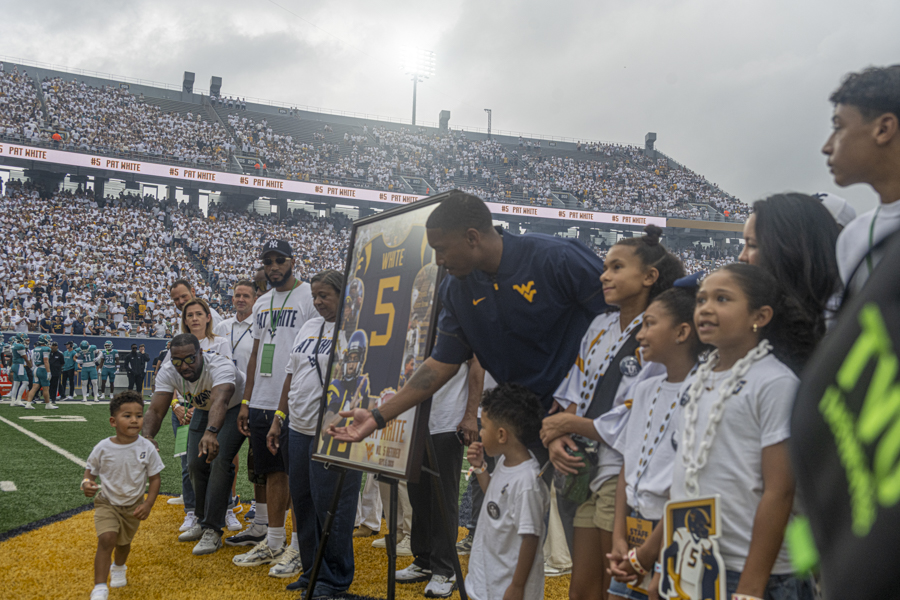
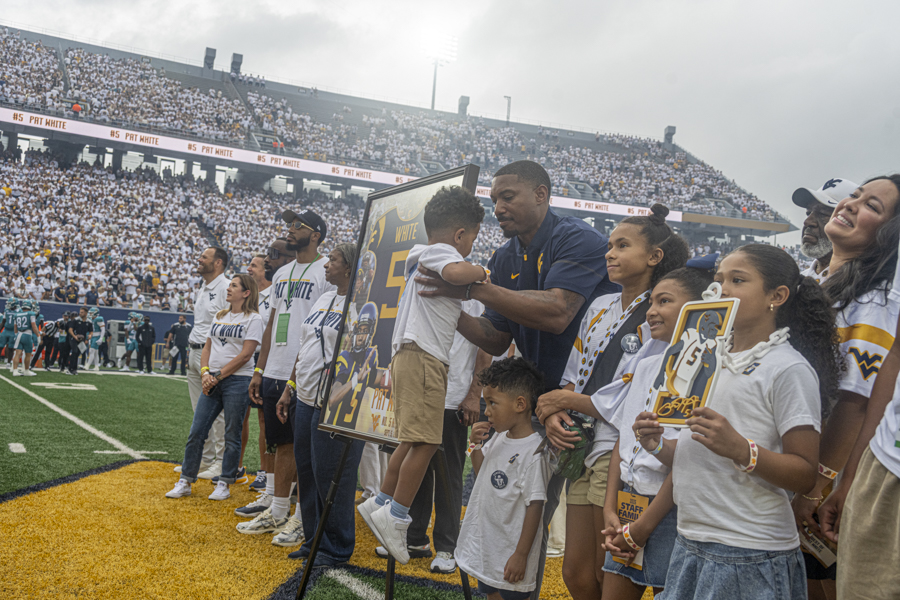
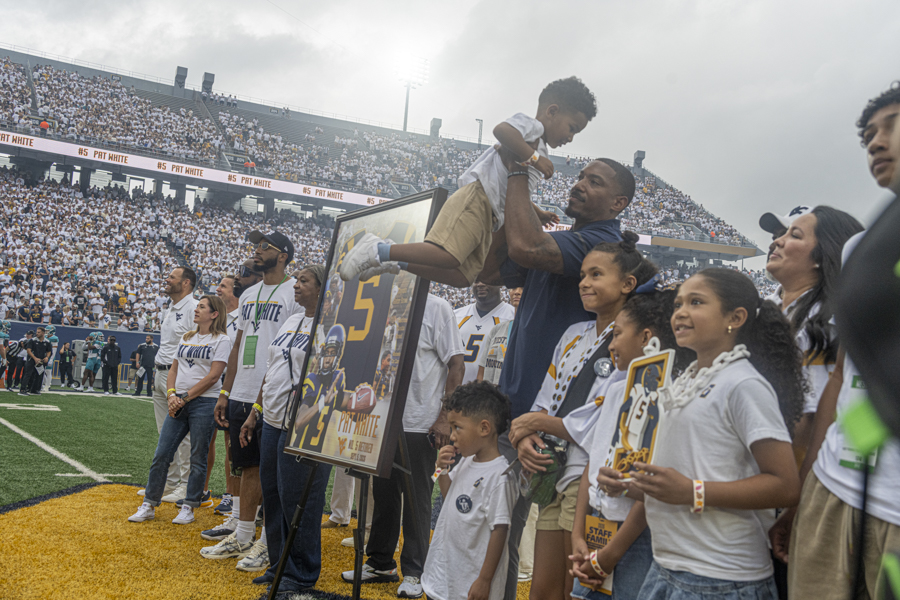
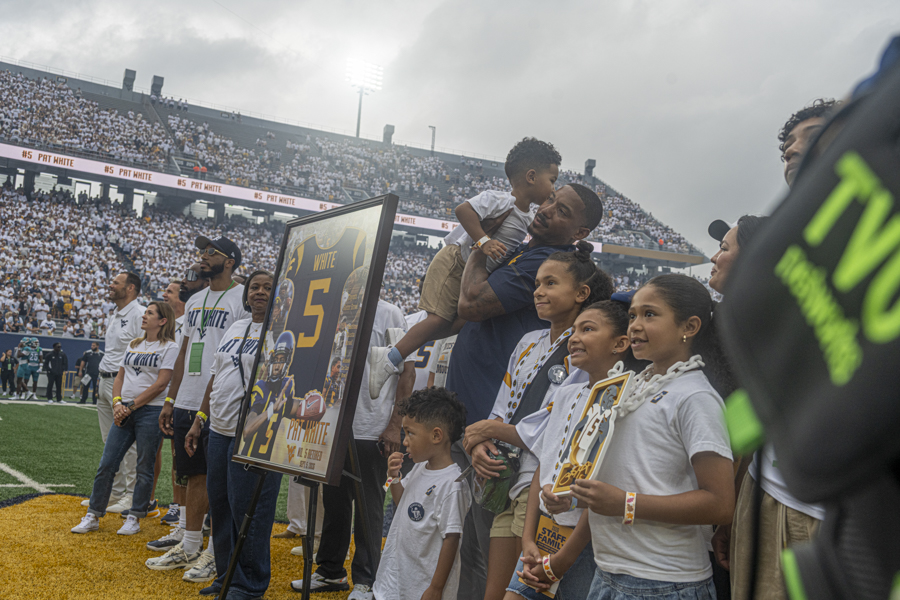
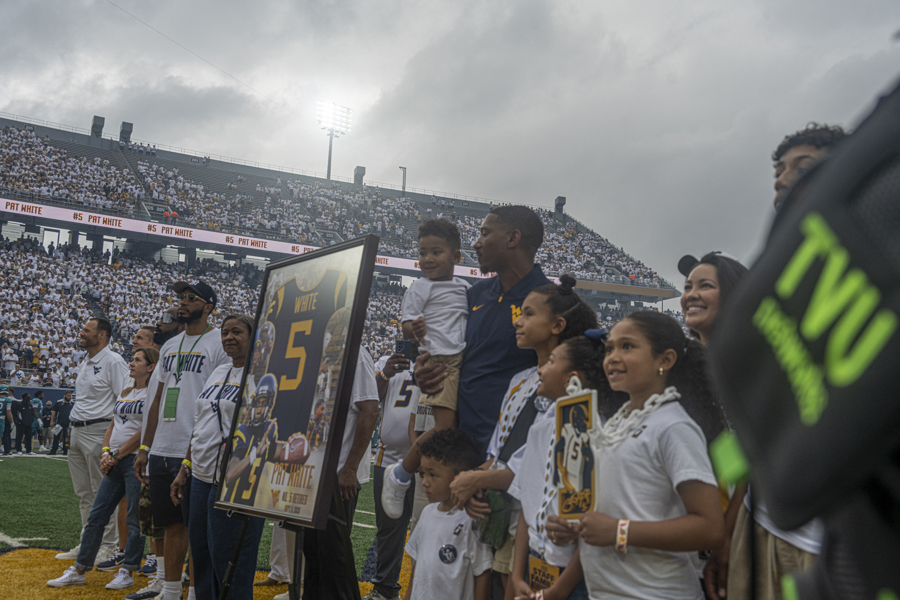
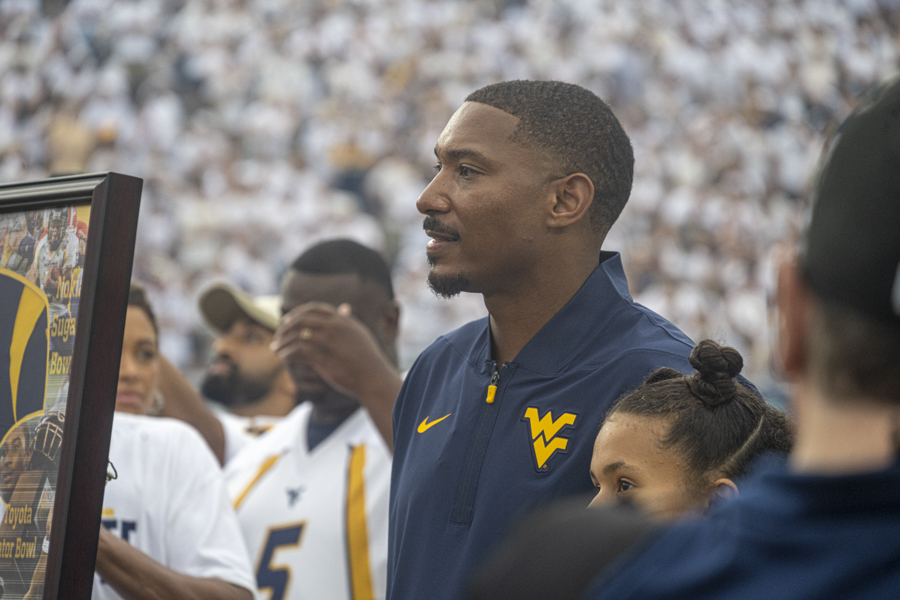
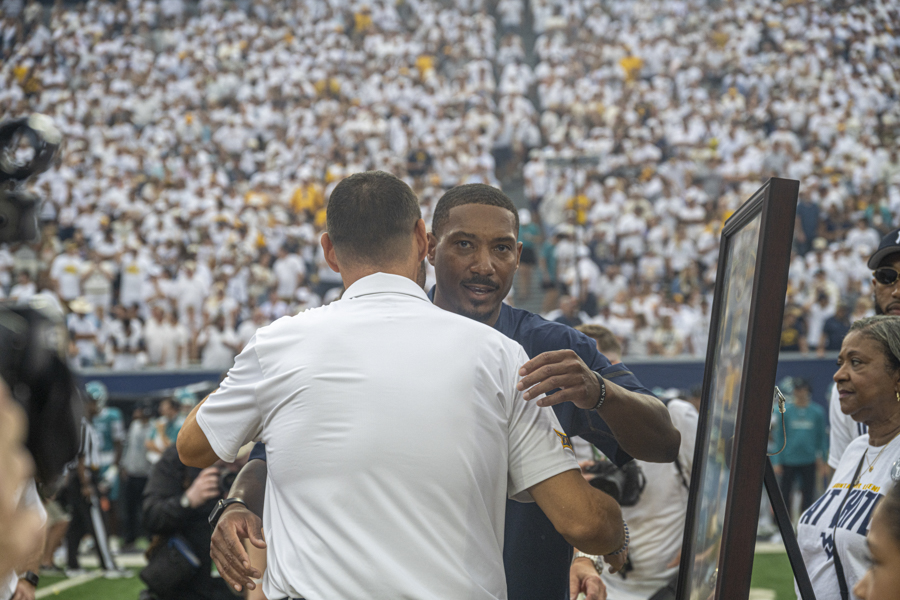
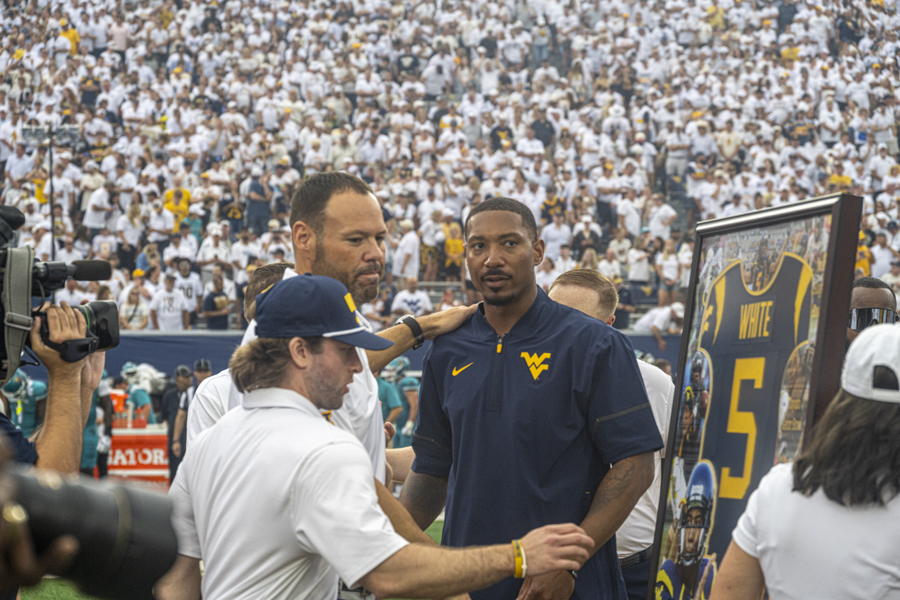
West Virginia University officially immortalized Pat White’s legendary career when his iconic No. 5 jersey was retired
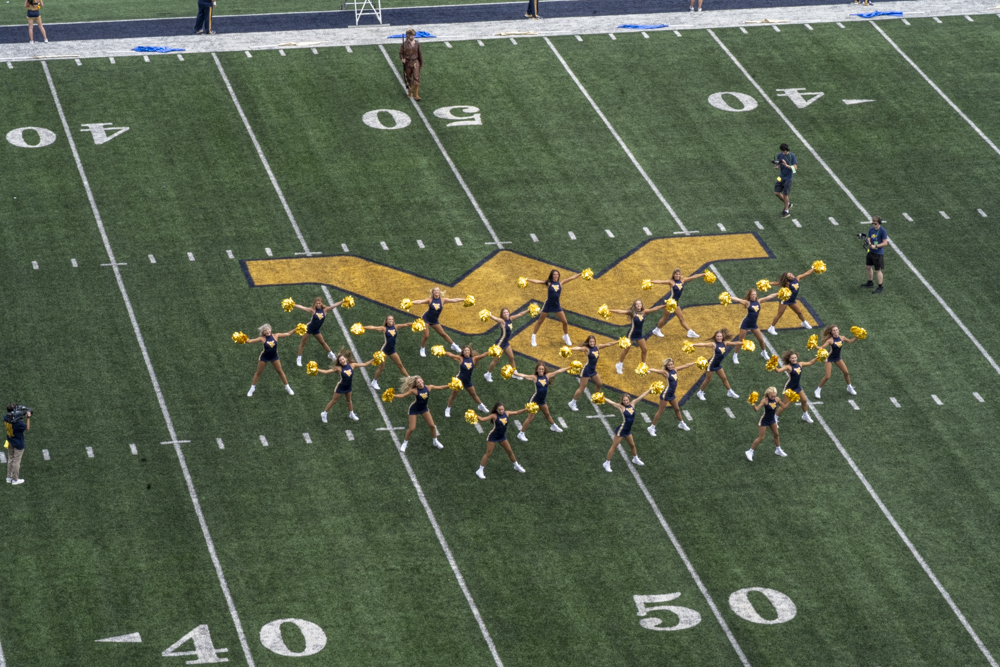
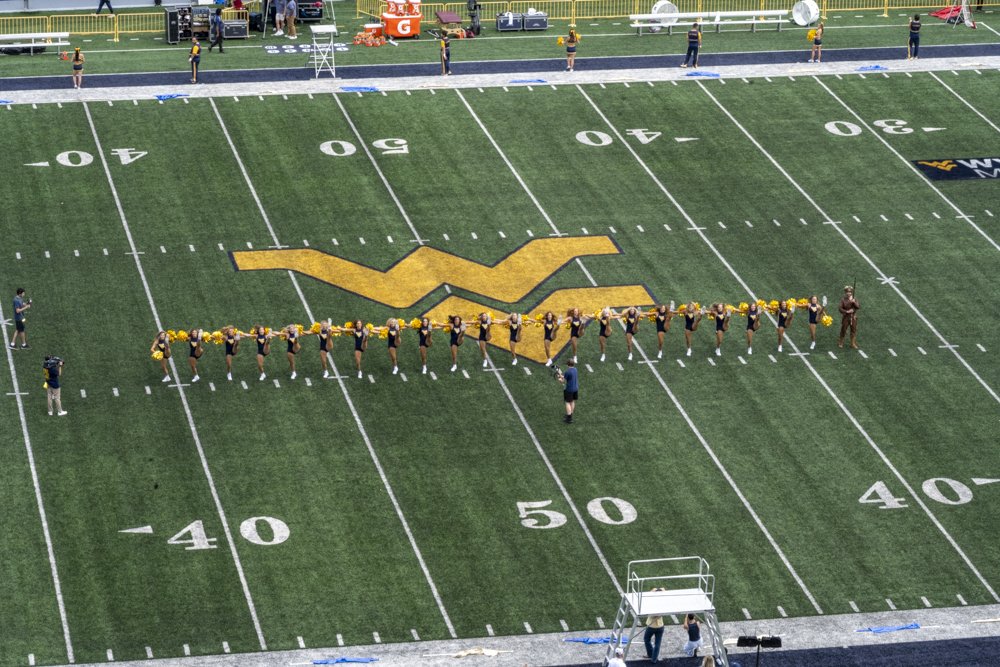
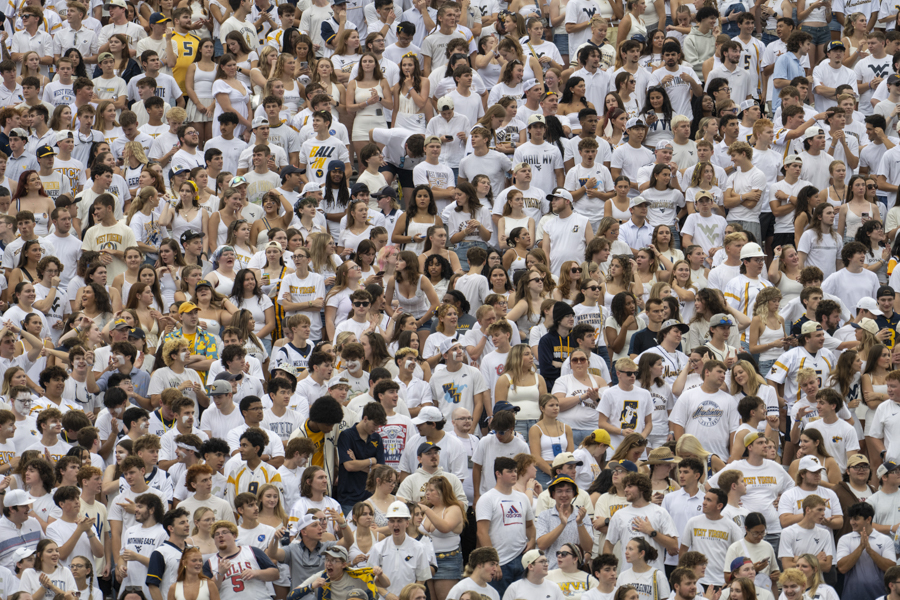
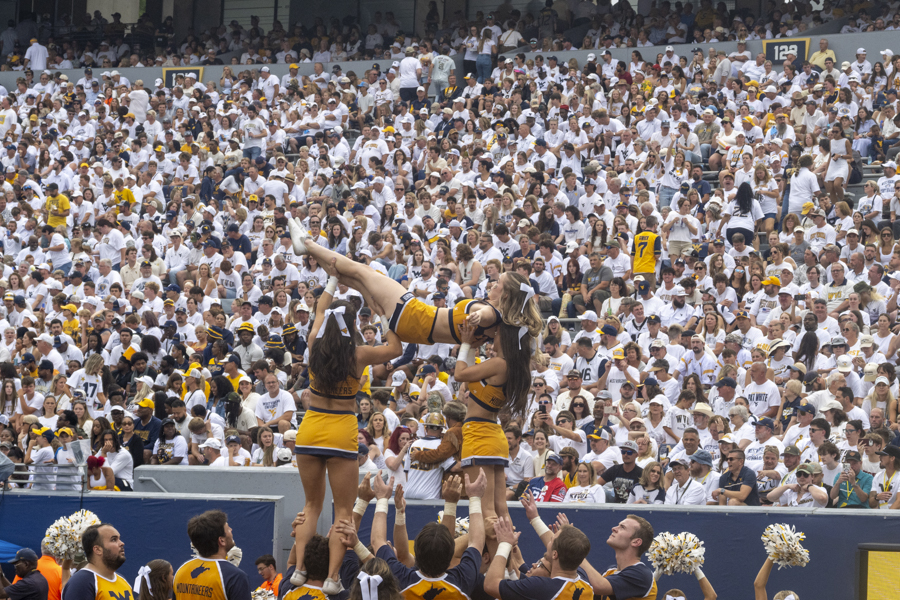
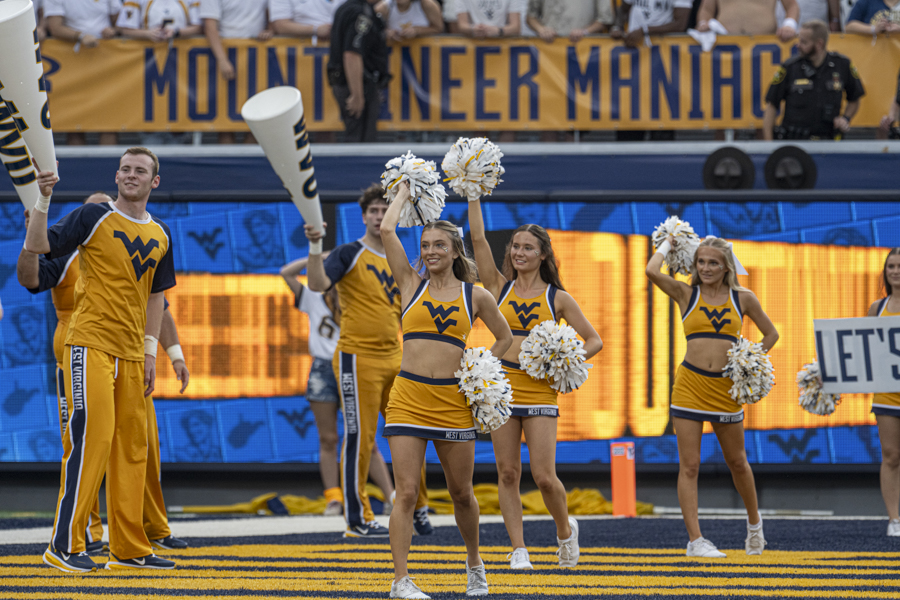
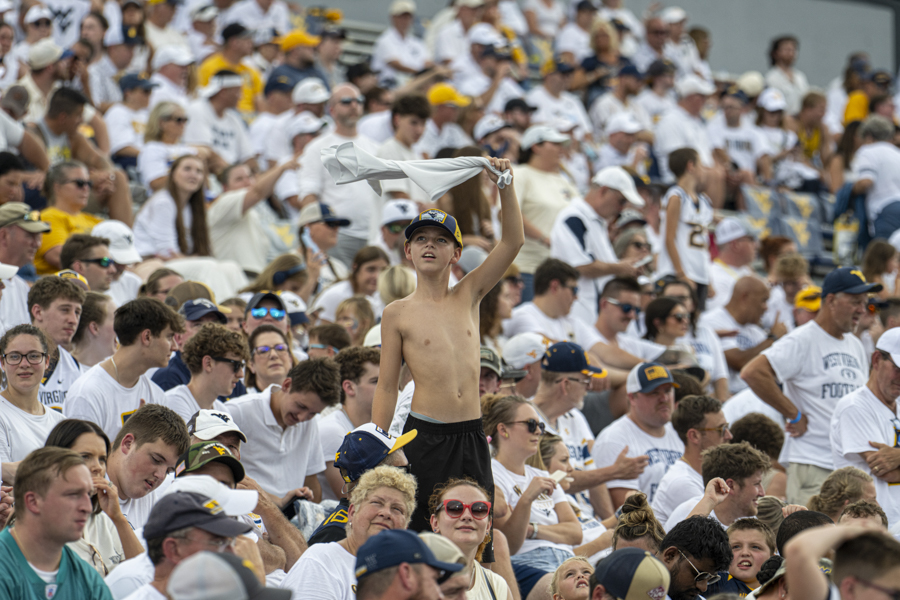
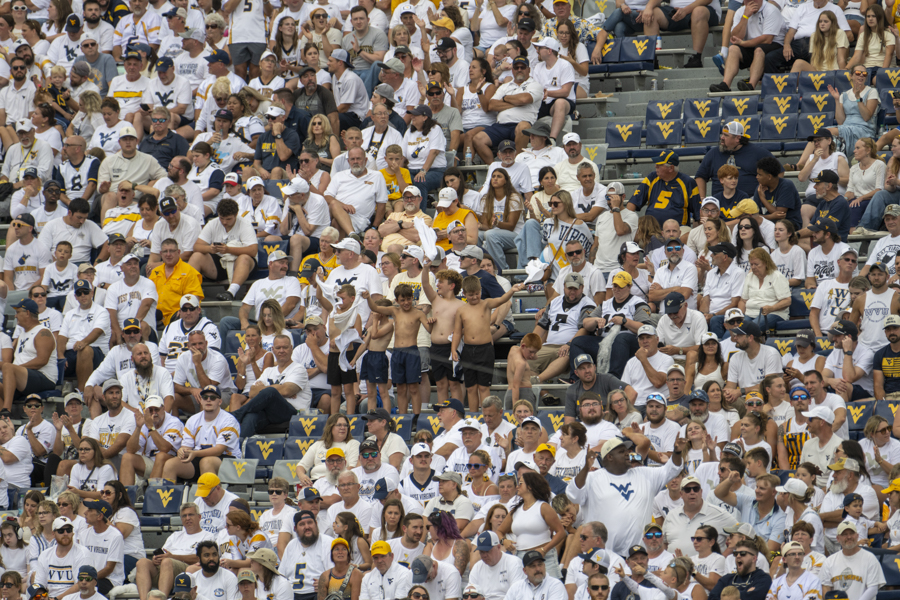
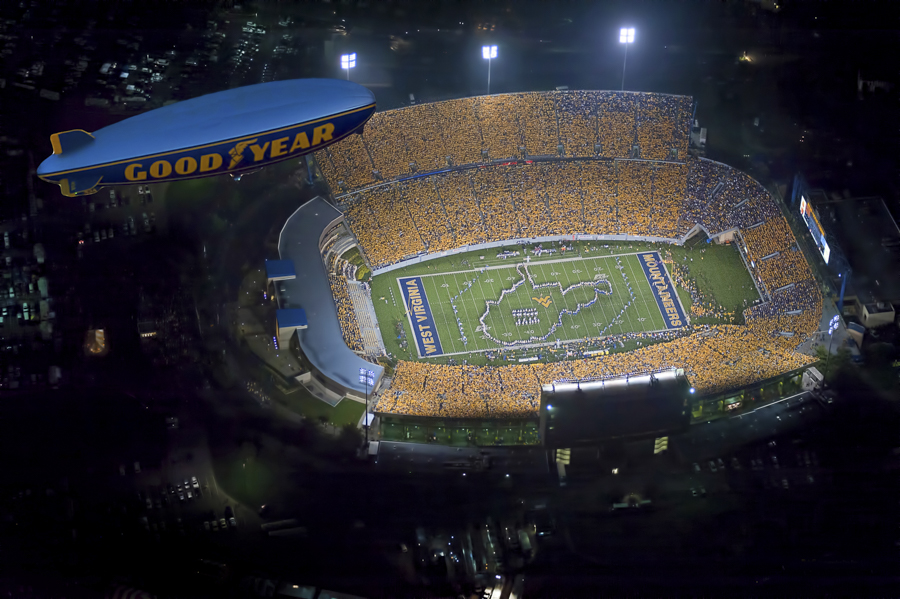
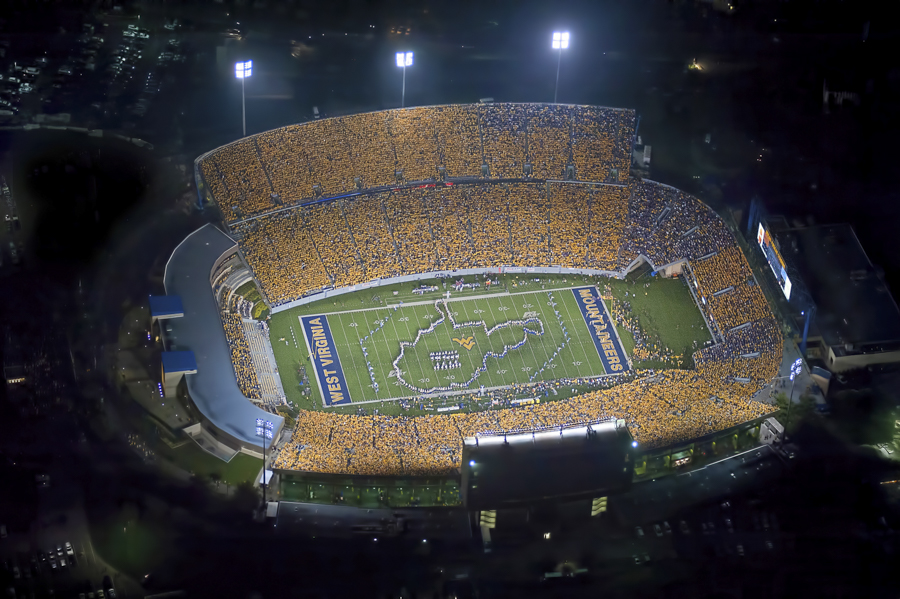
The “White Out” for Pat White at Milan Puskar Stadium gave the crowd plenty to cheer about before the game on a special afternoon honoring the retirement of Pat White’s No. 5 jersey.
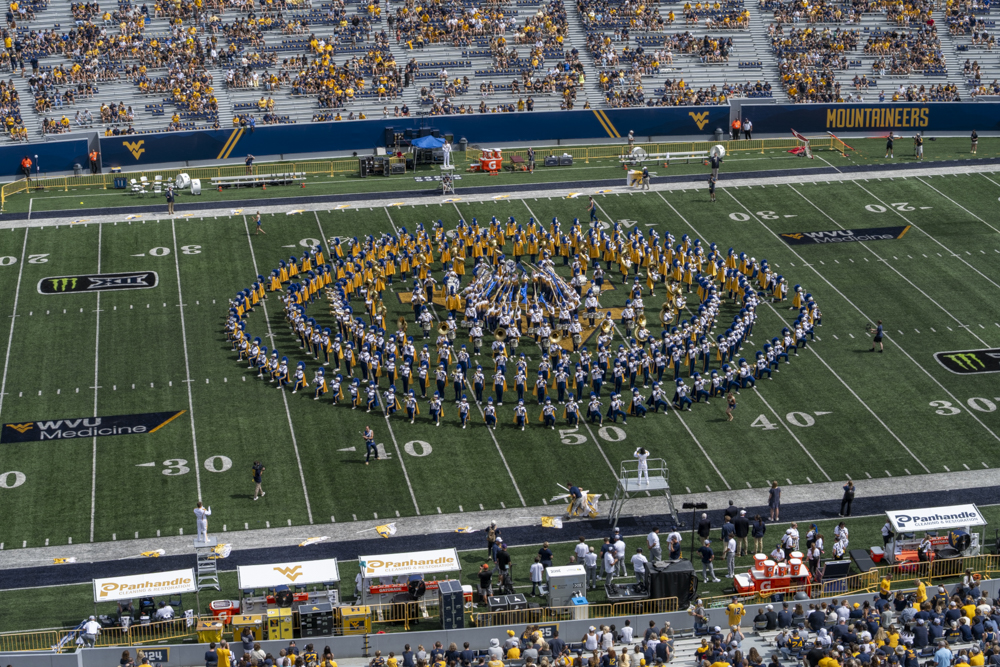
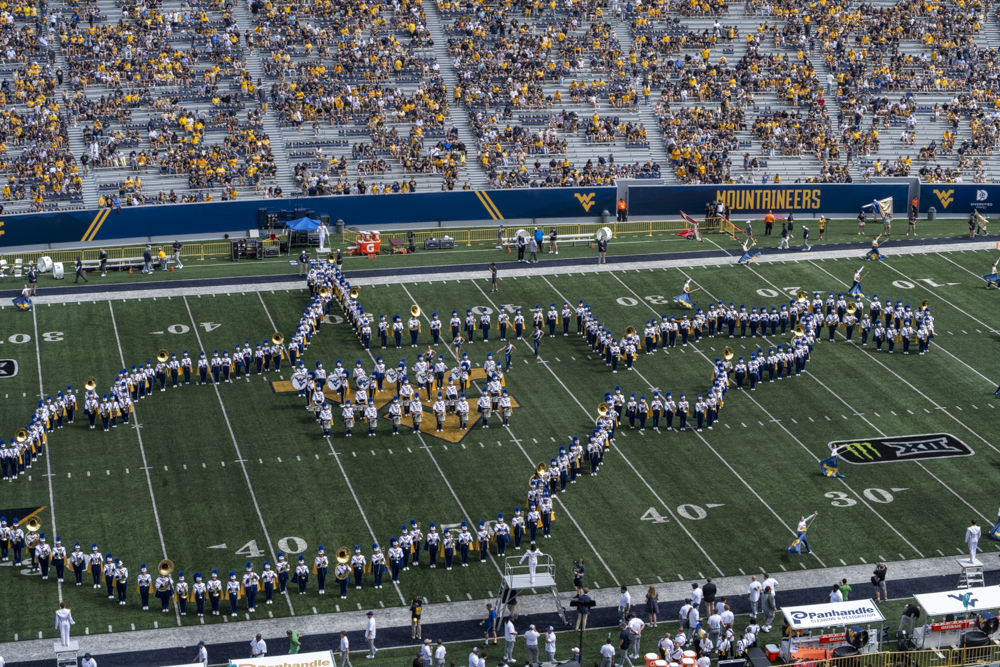
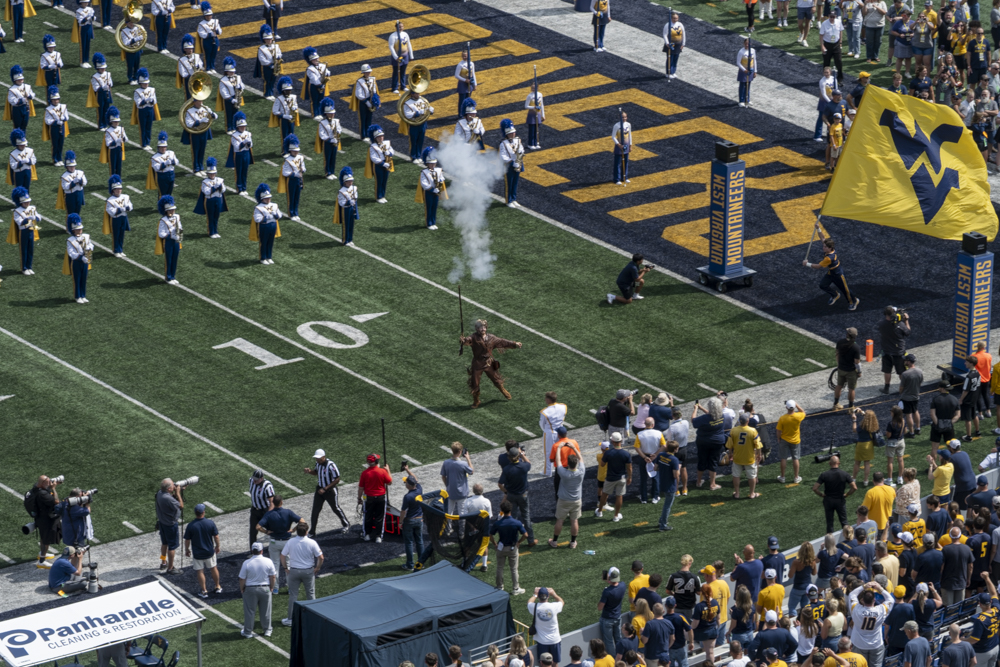
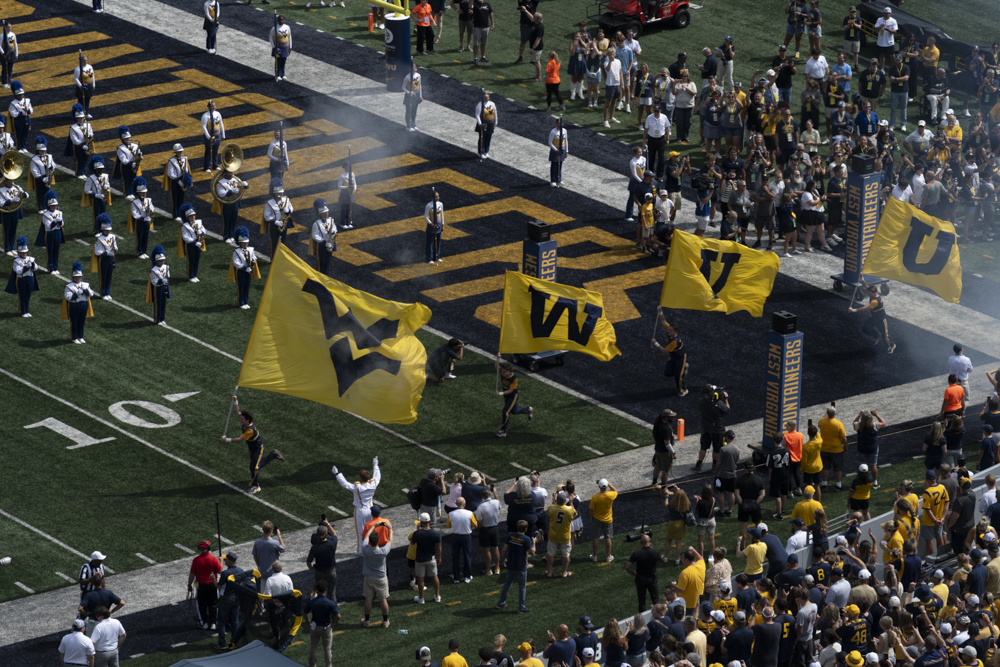
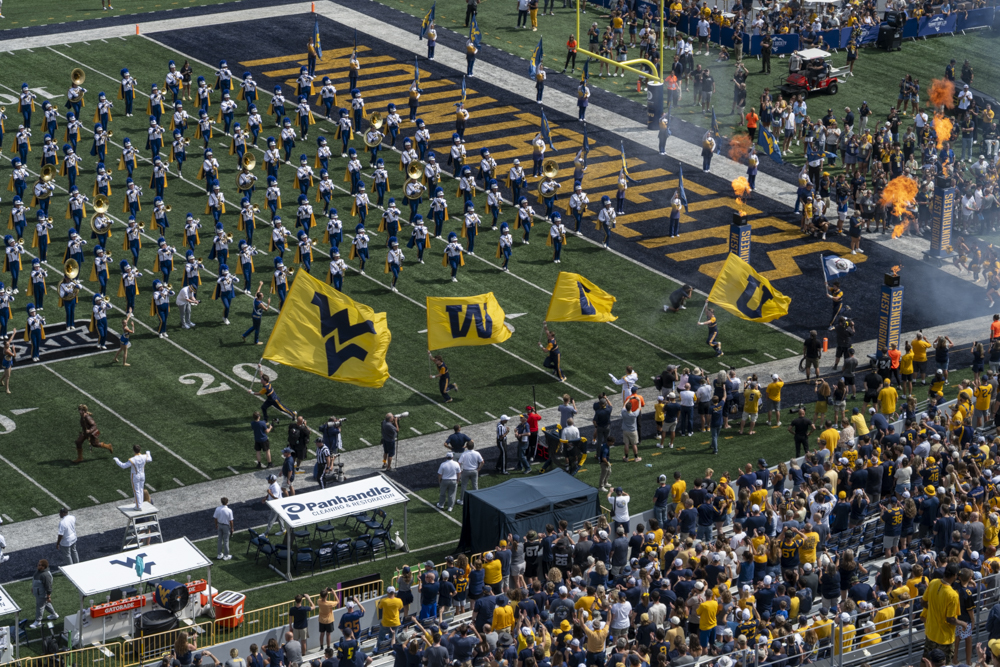
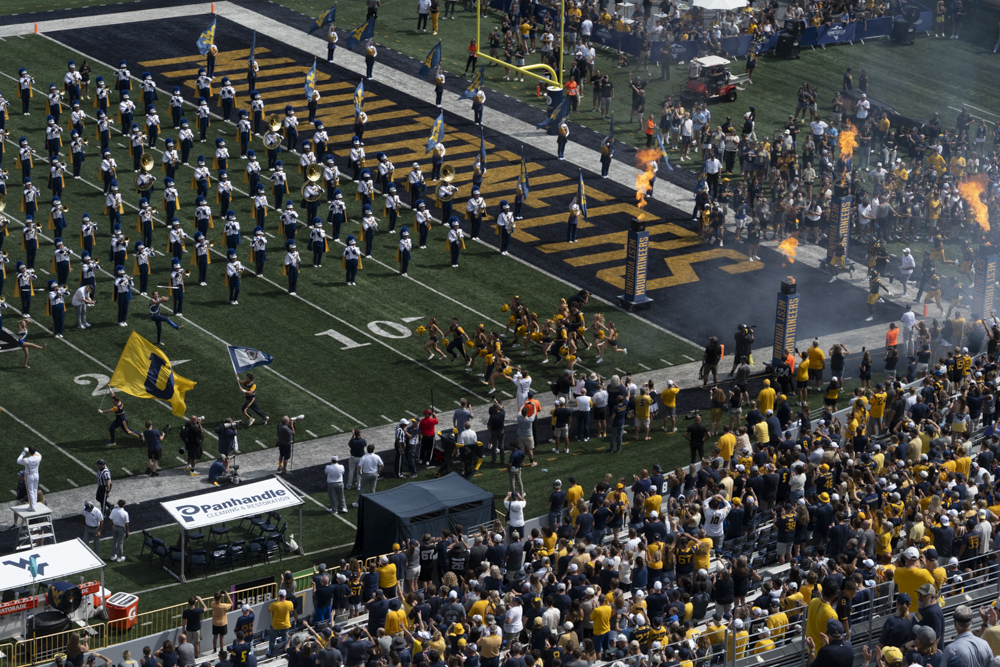
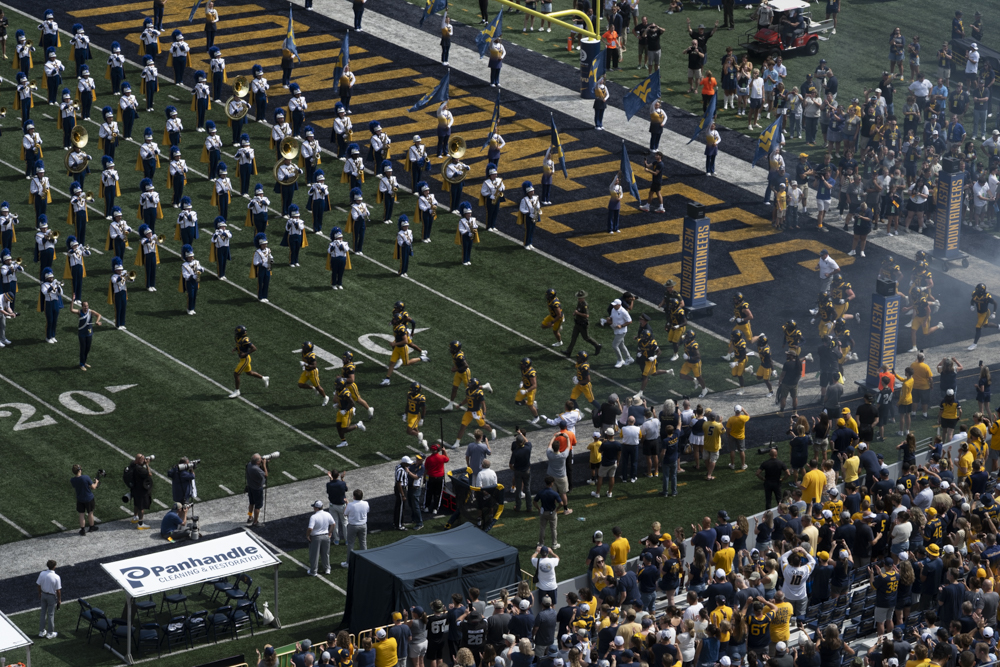
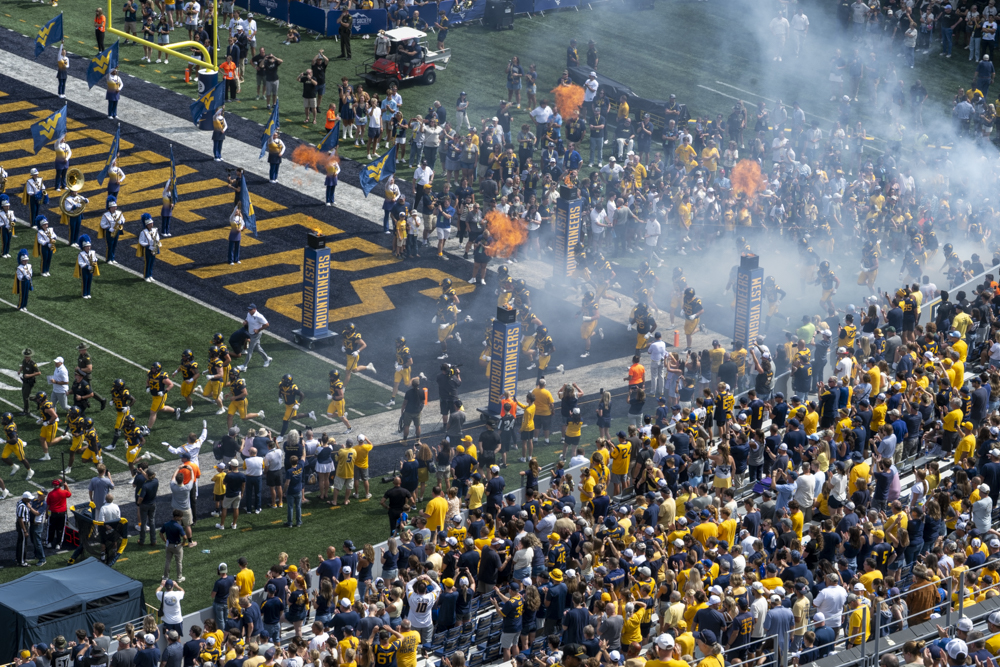
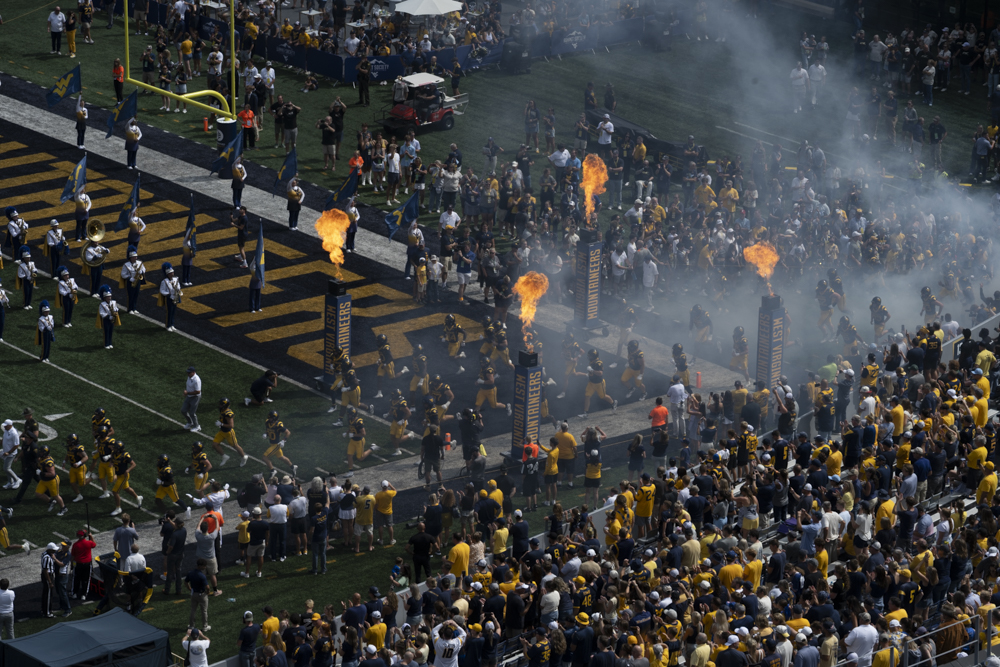
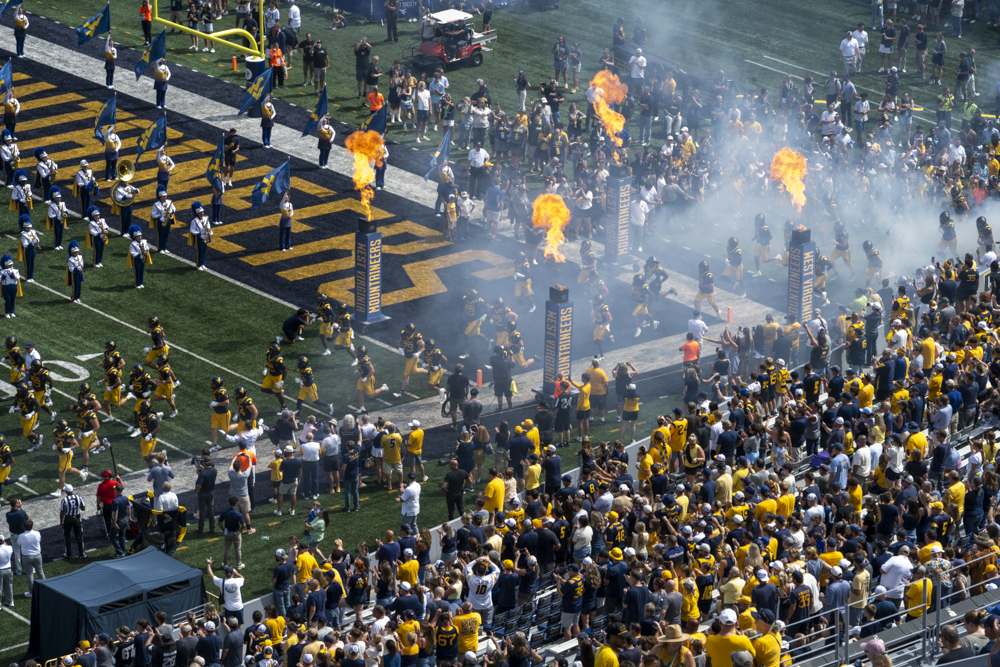
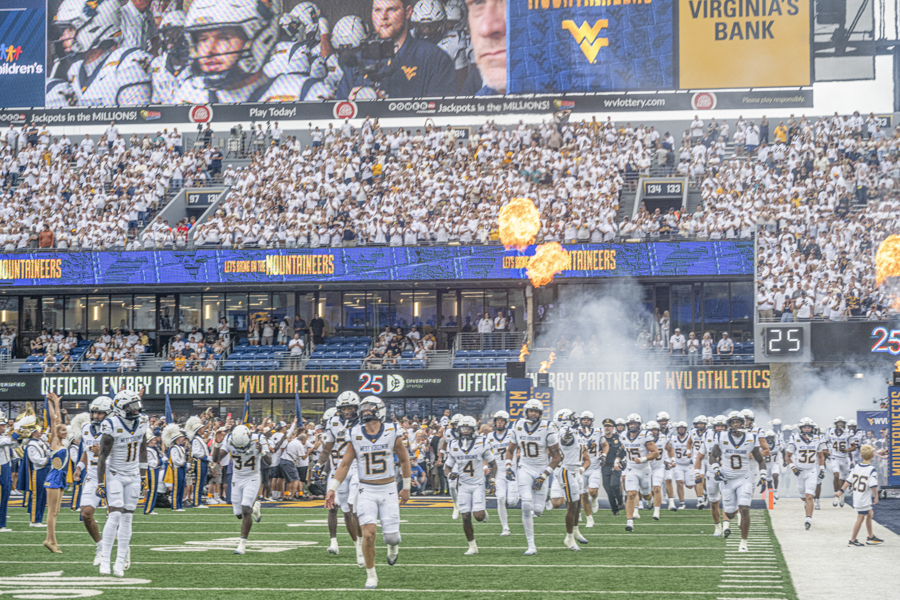
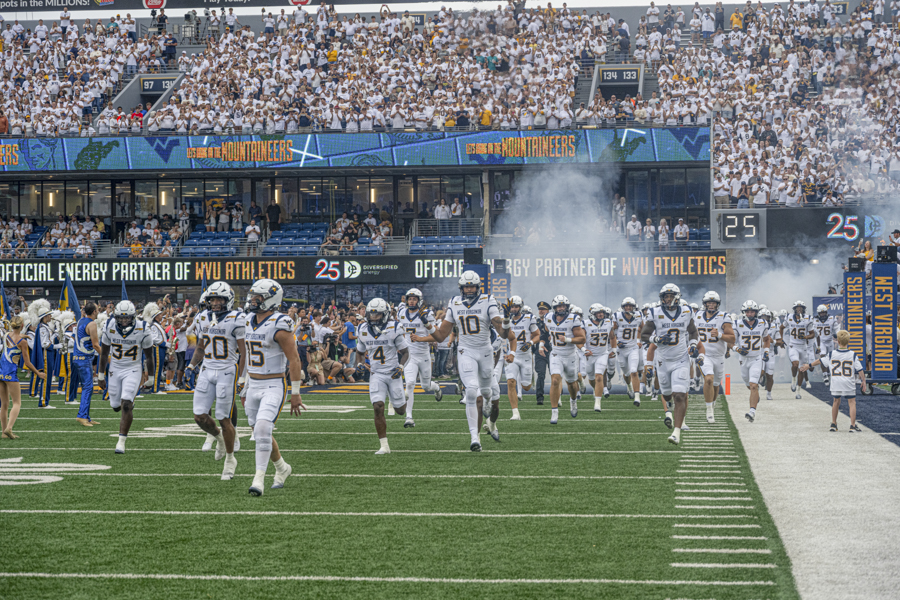
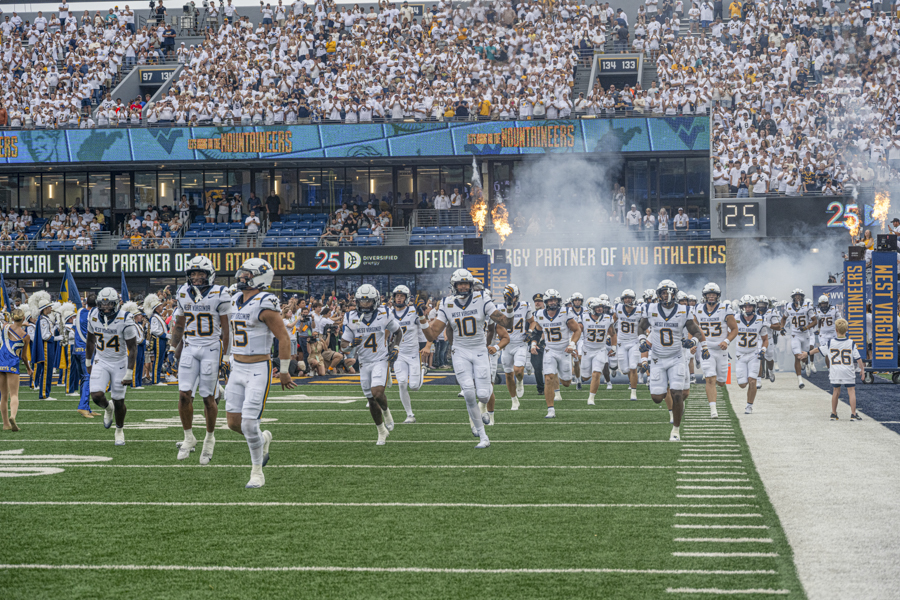
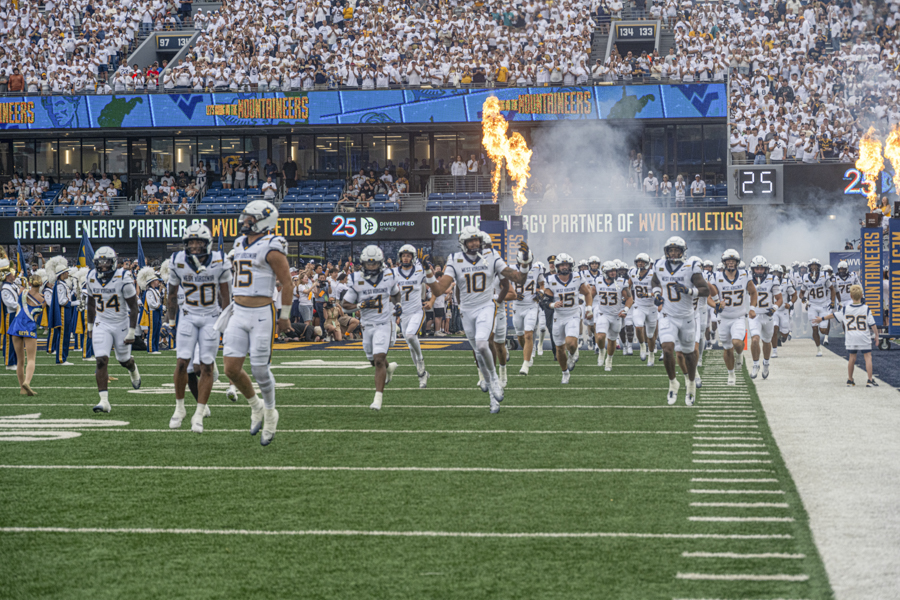
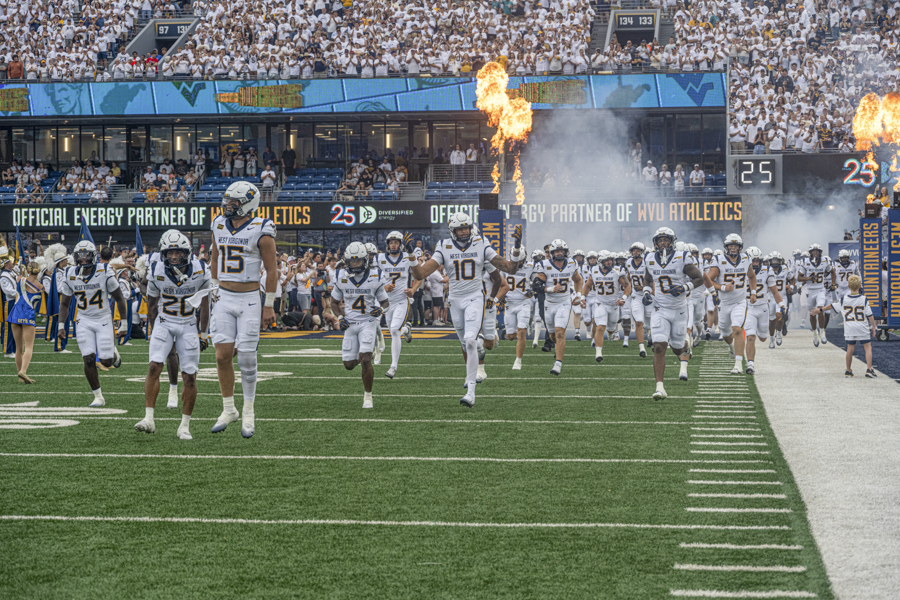
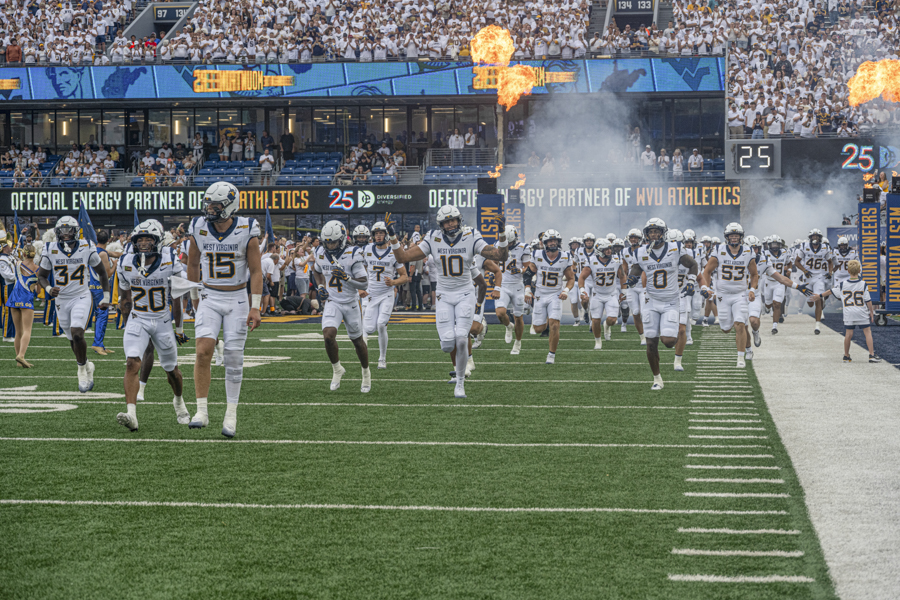
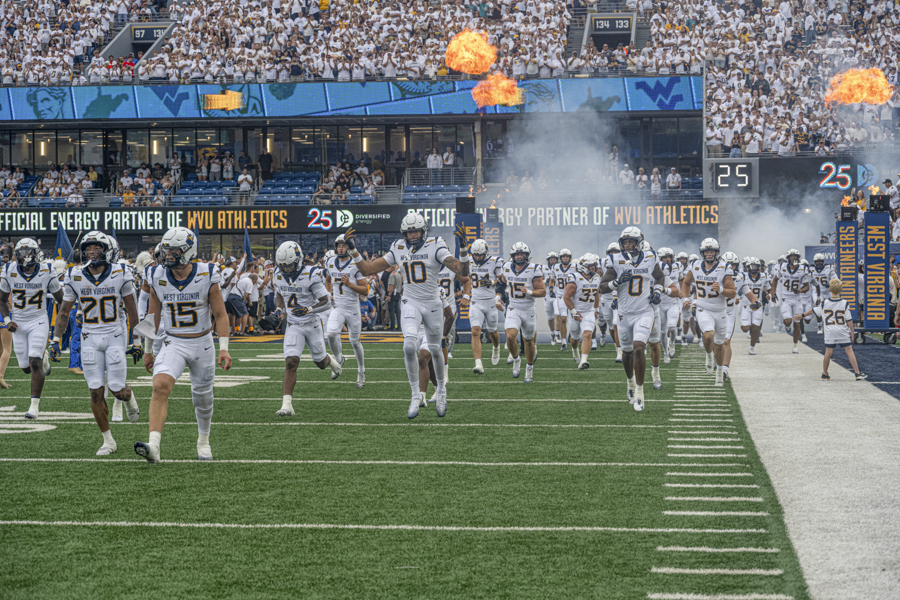
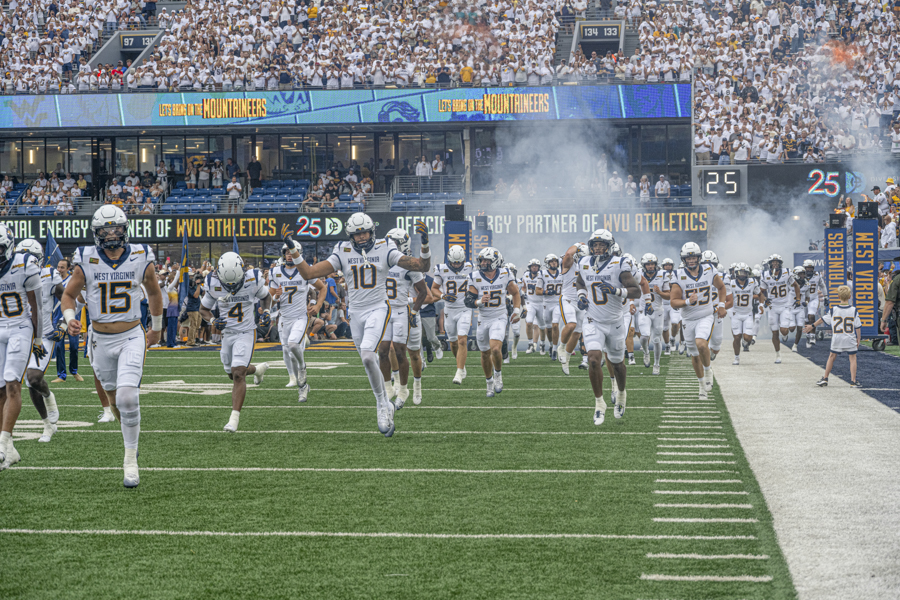
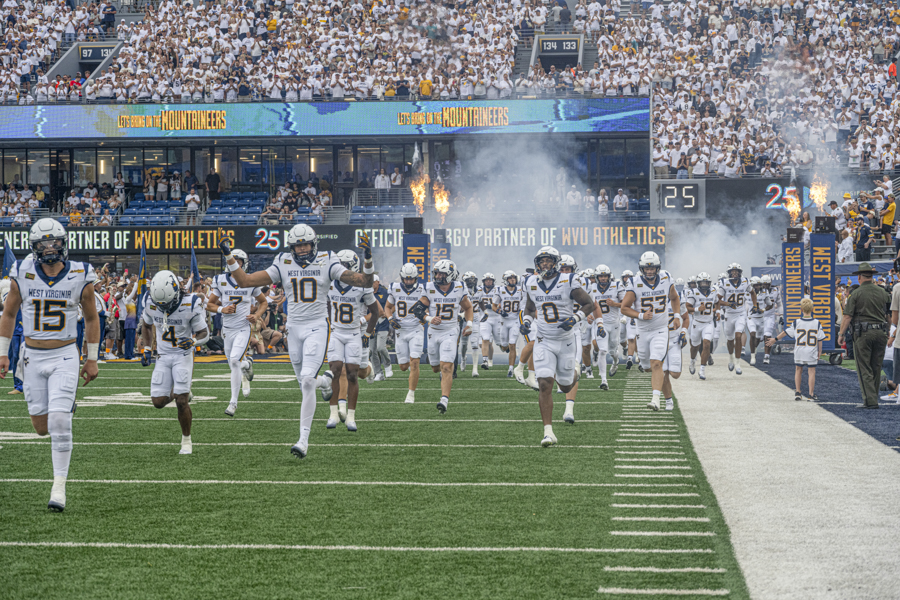
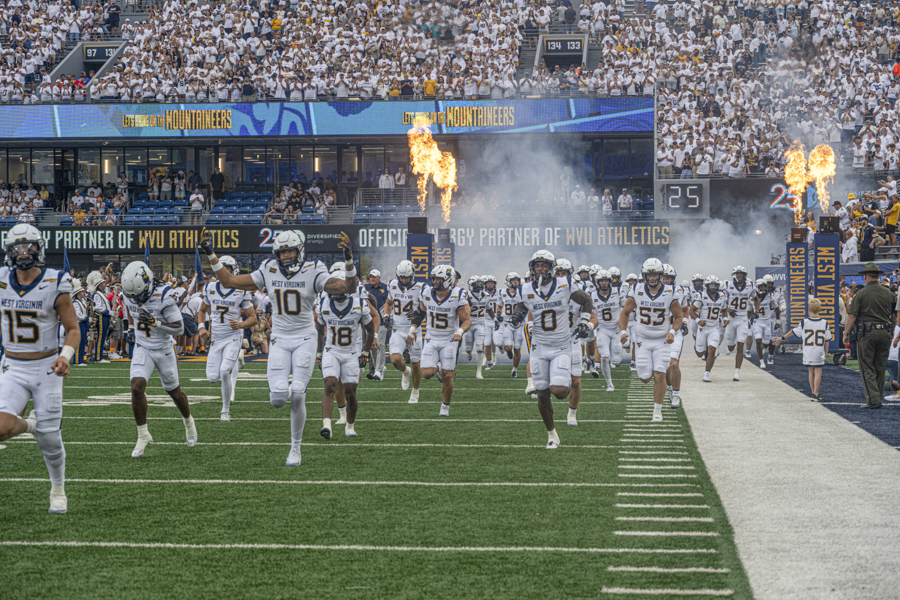
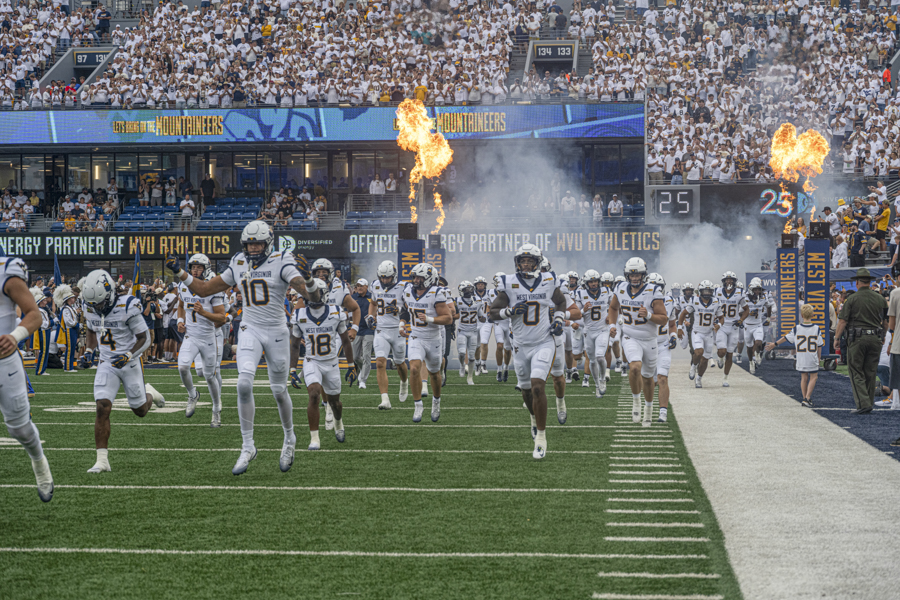
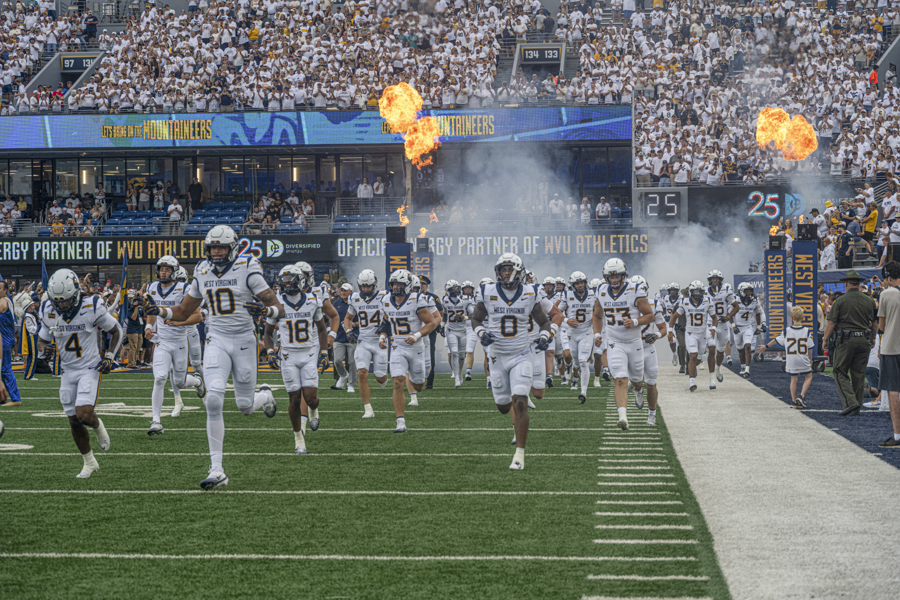
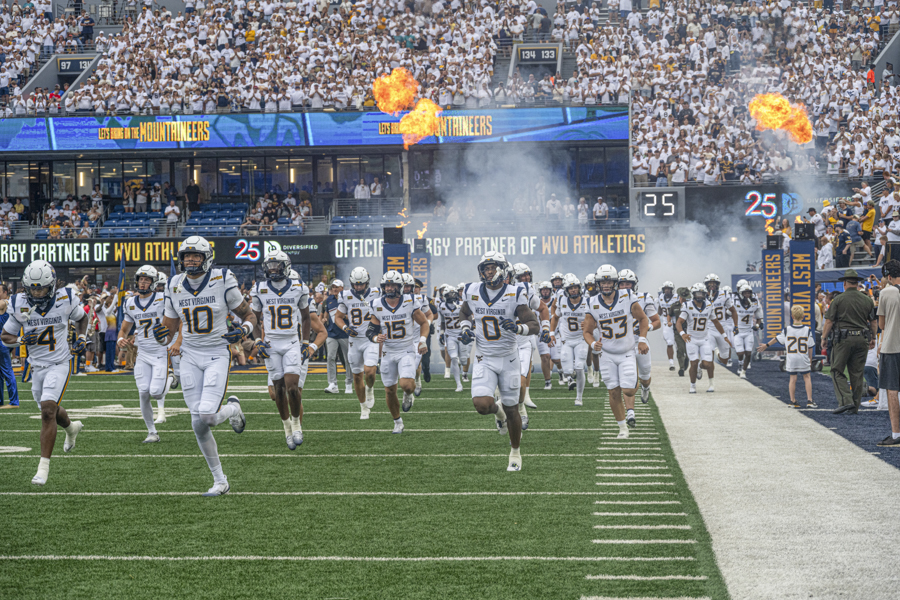
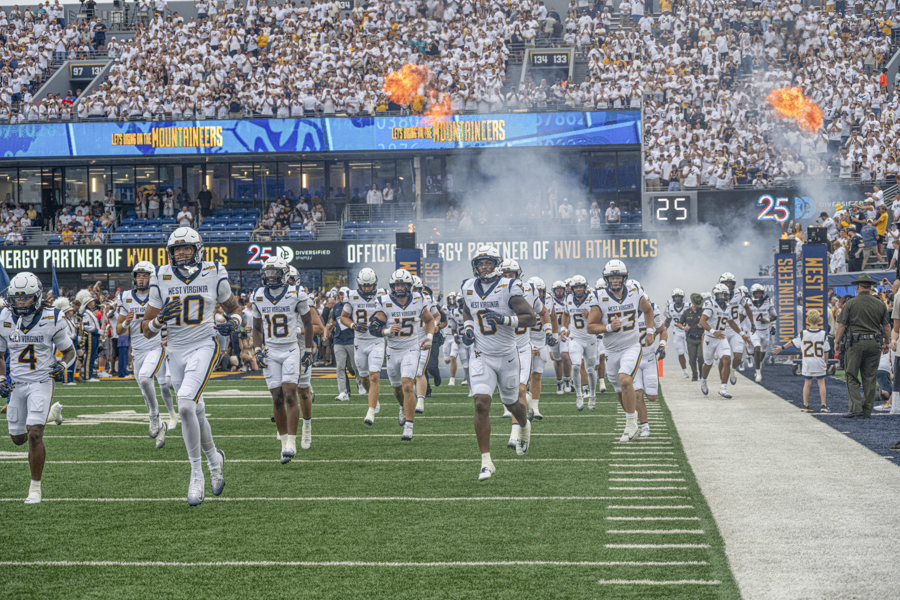
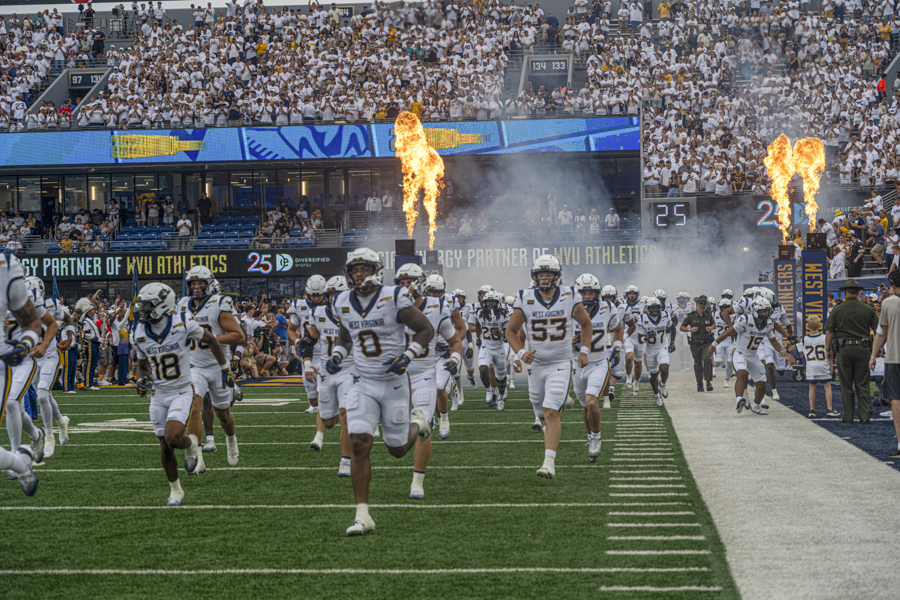
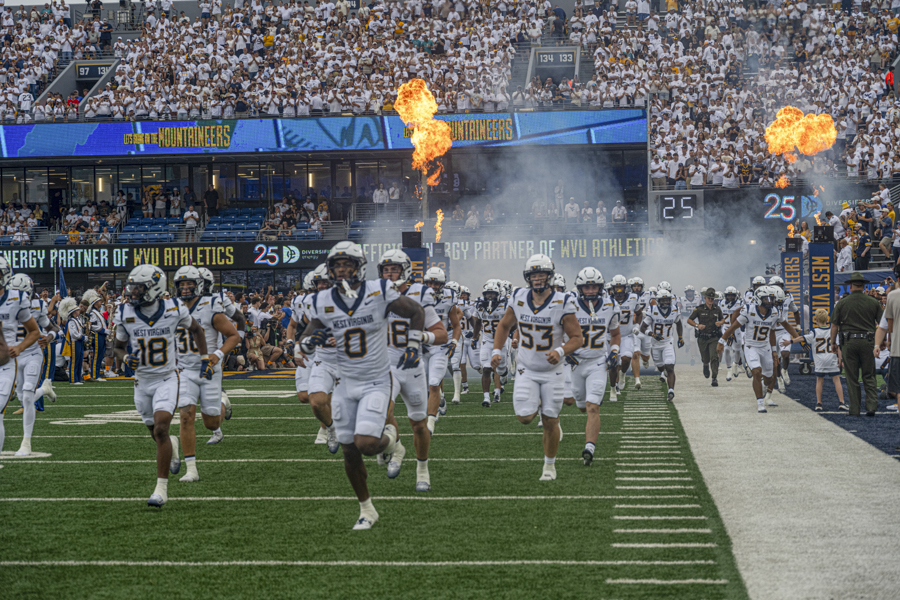
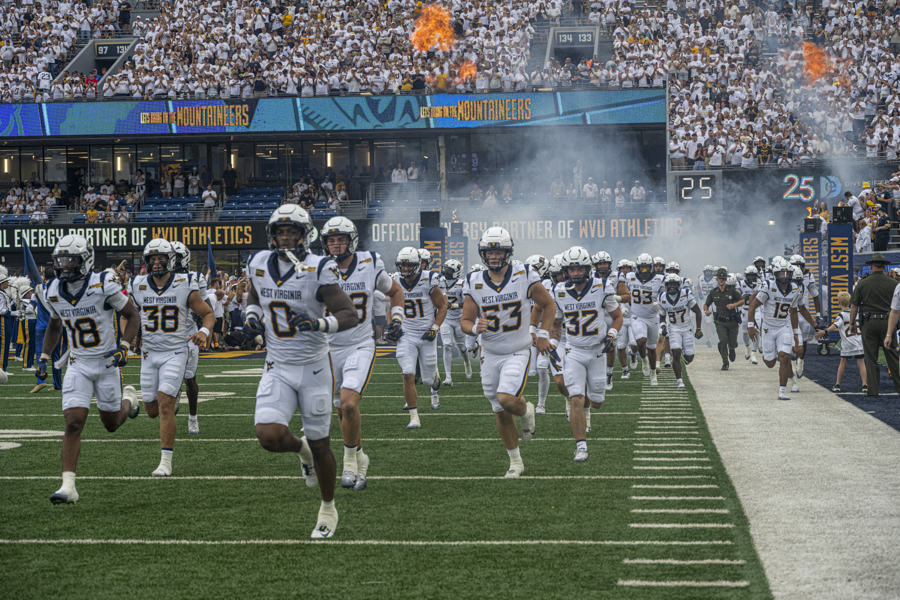
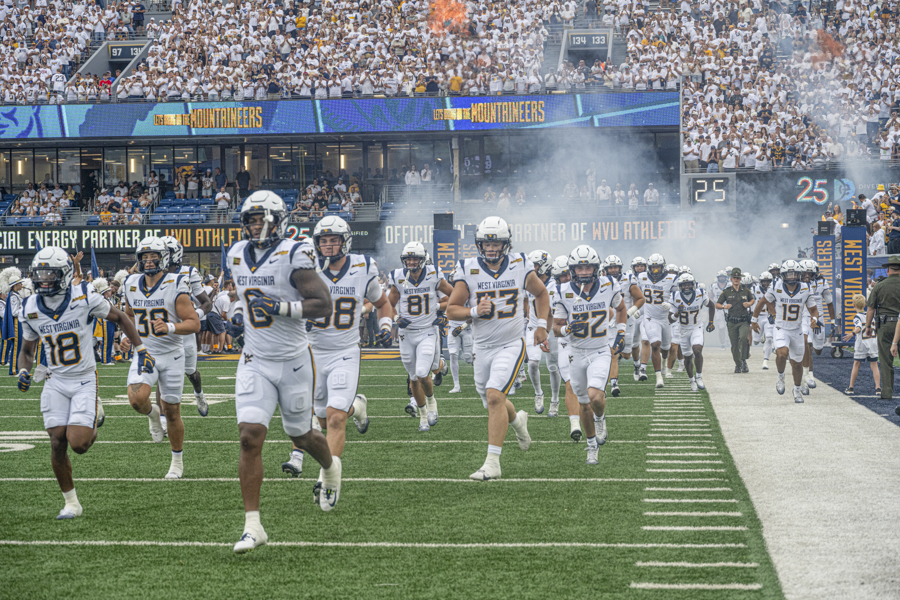
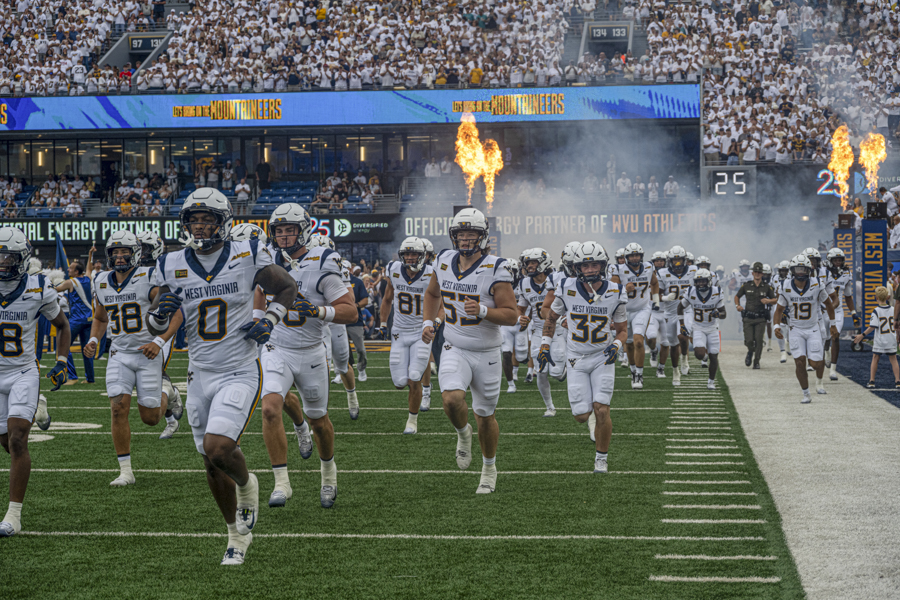
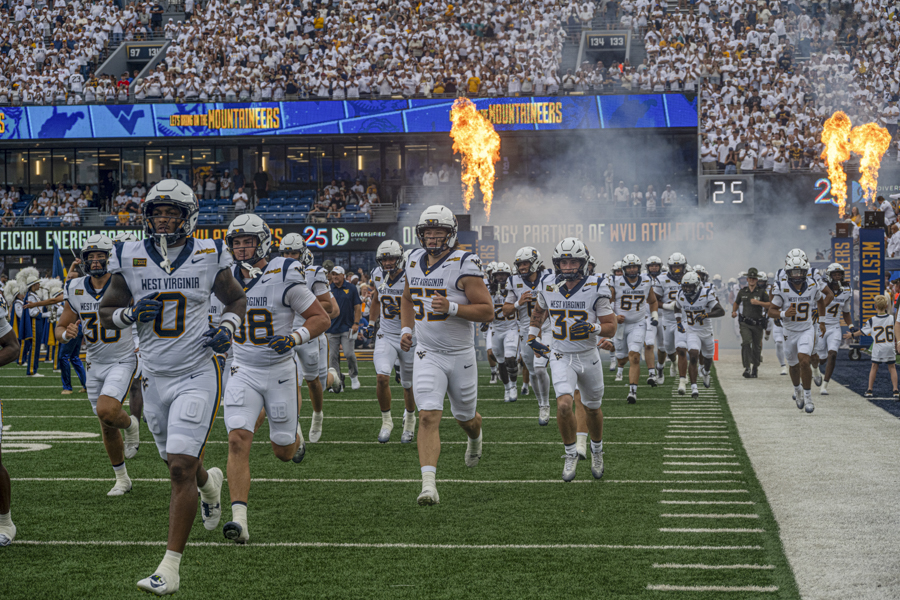
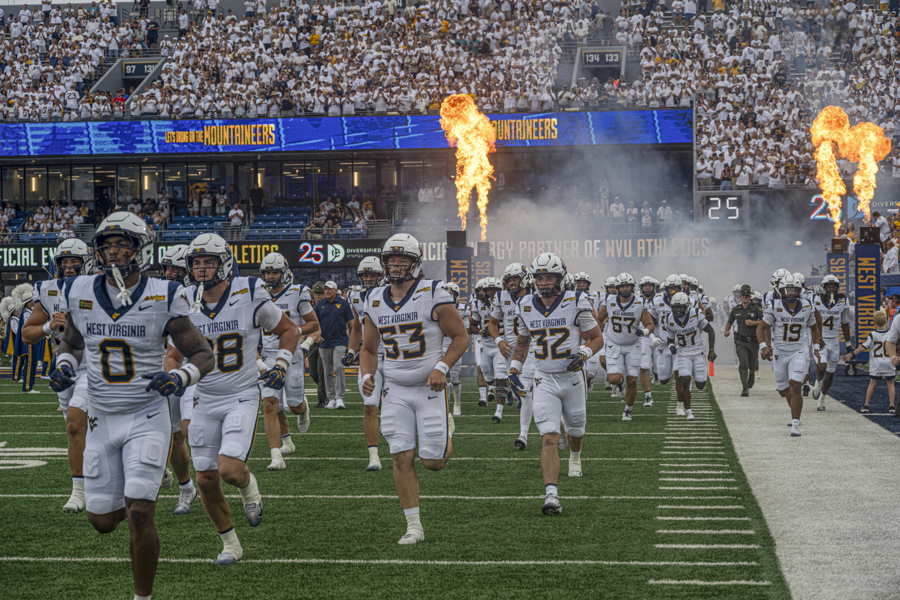
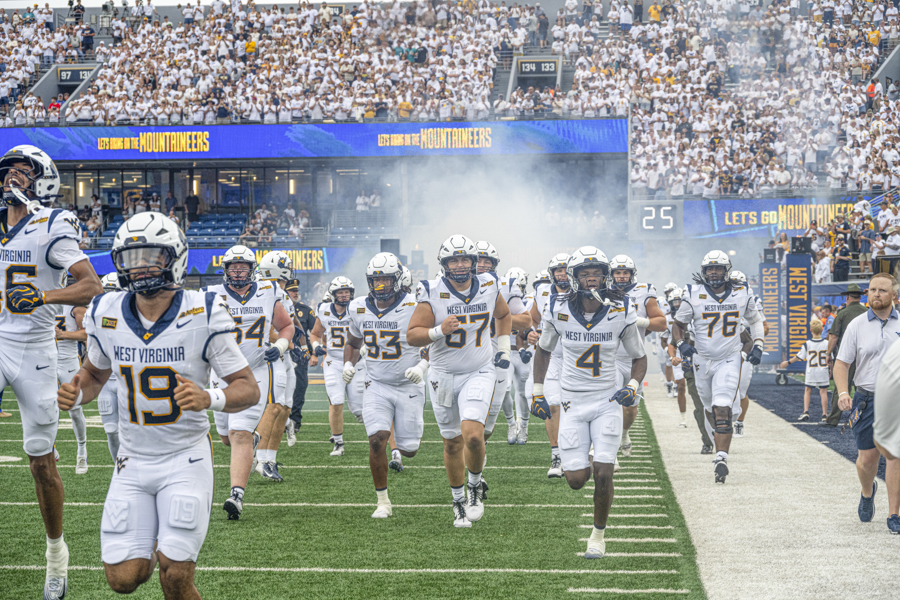
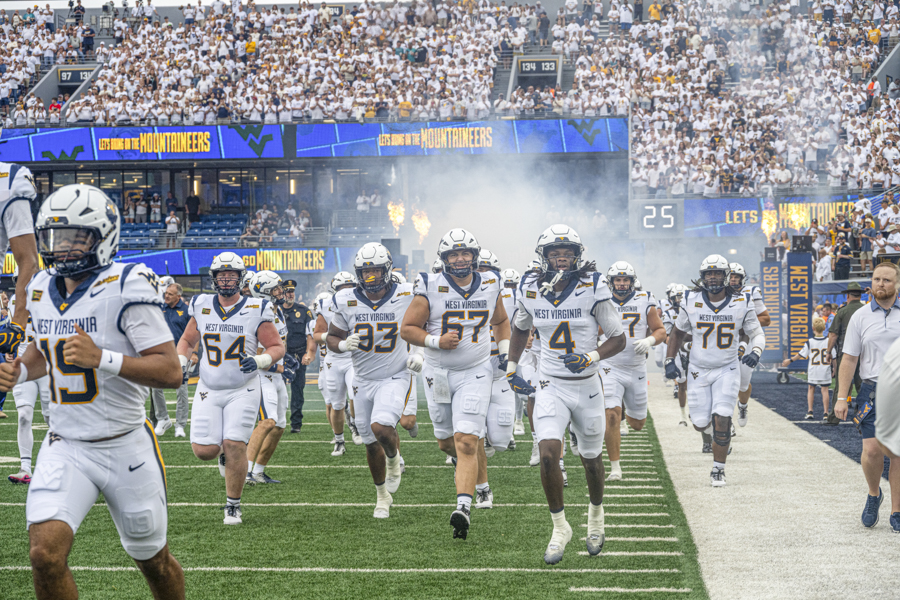
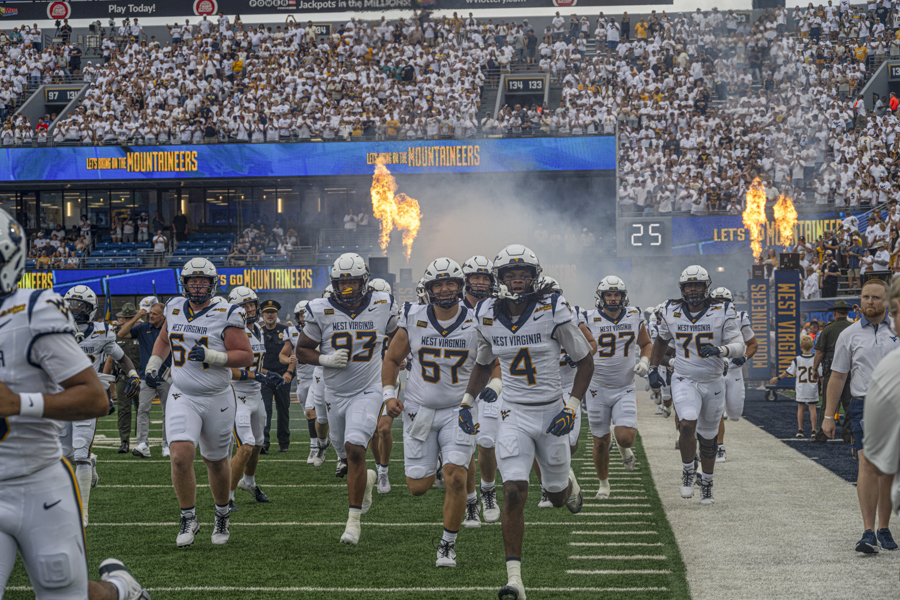
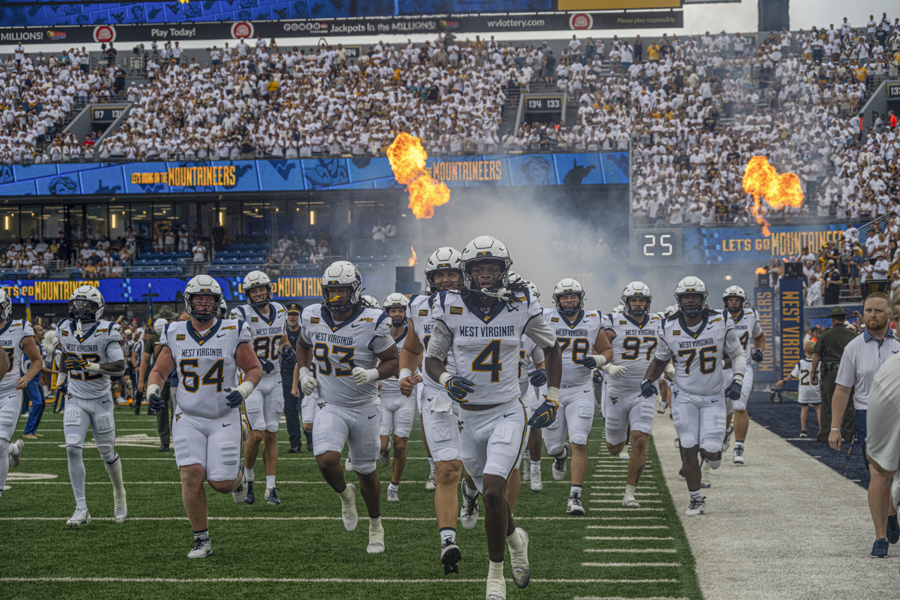
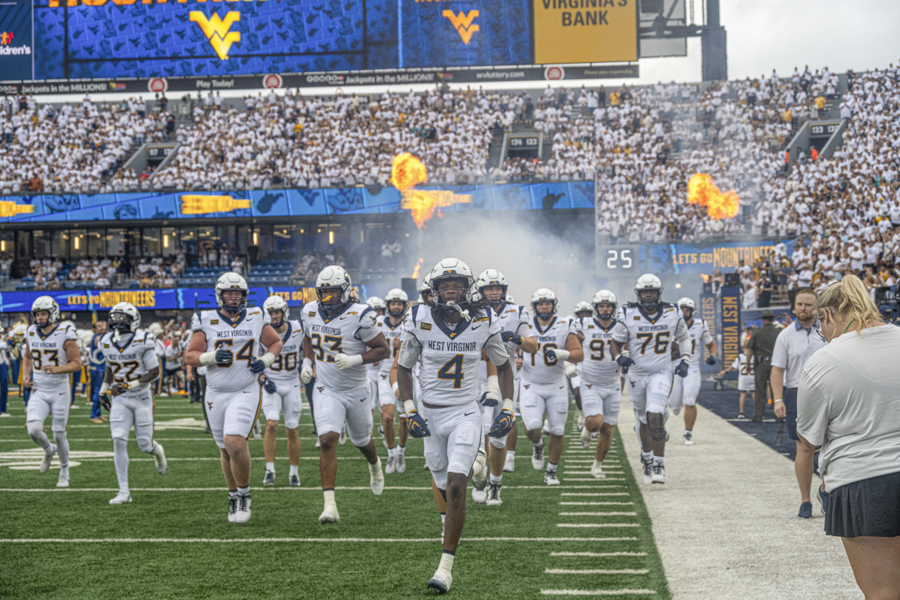
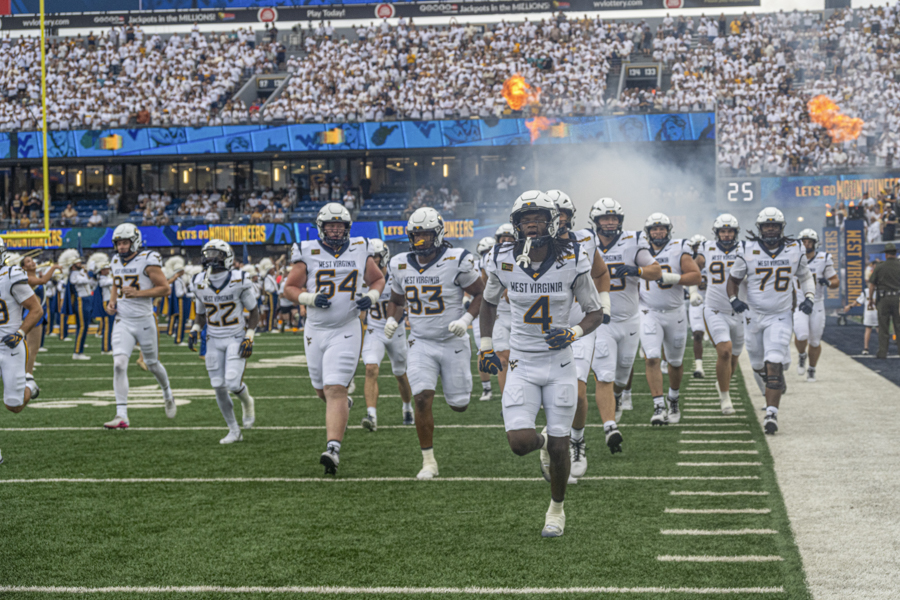
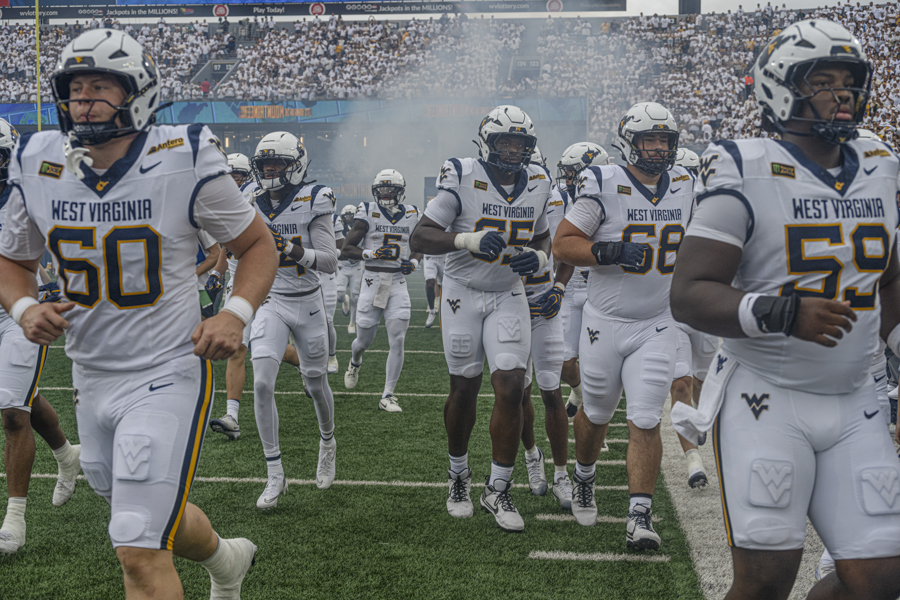
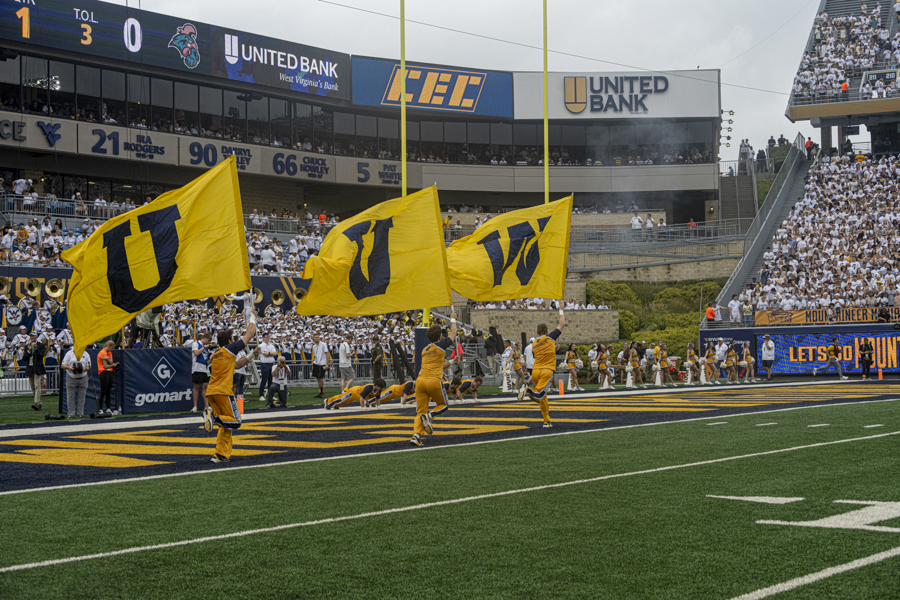
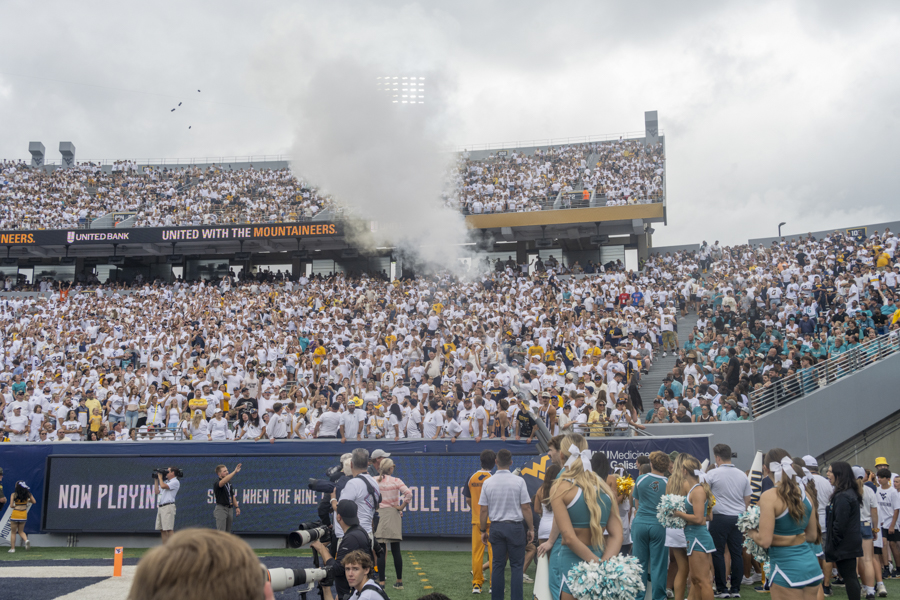
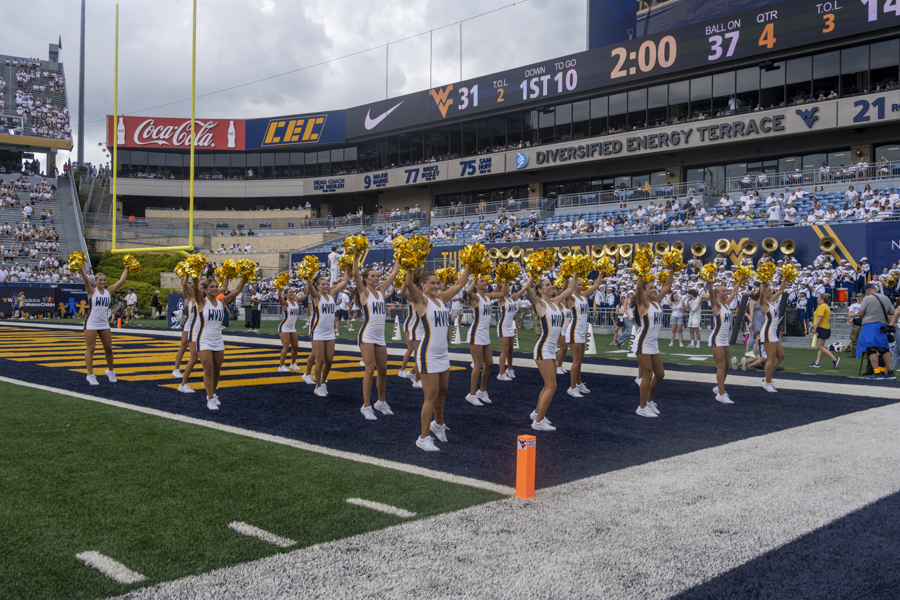
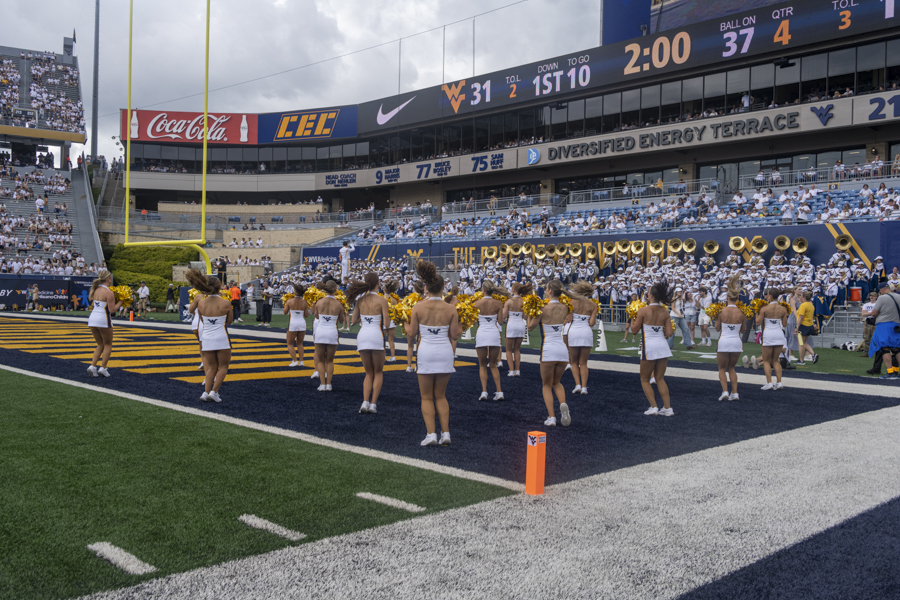
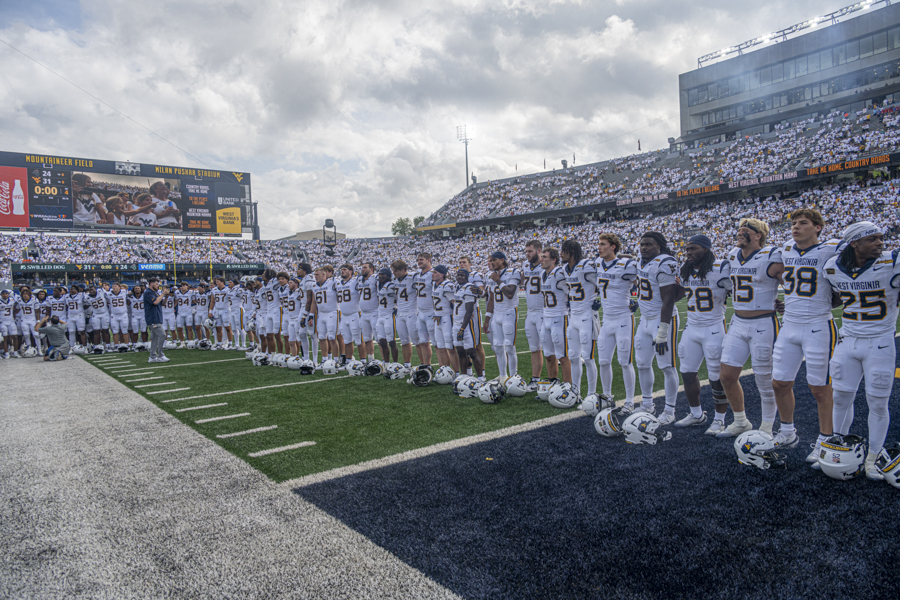
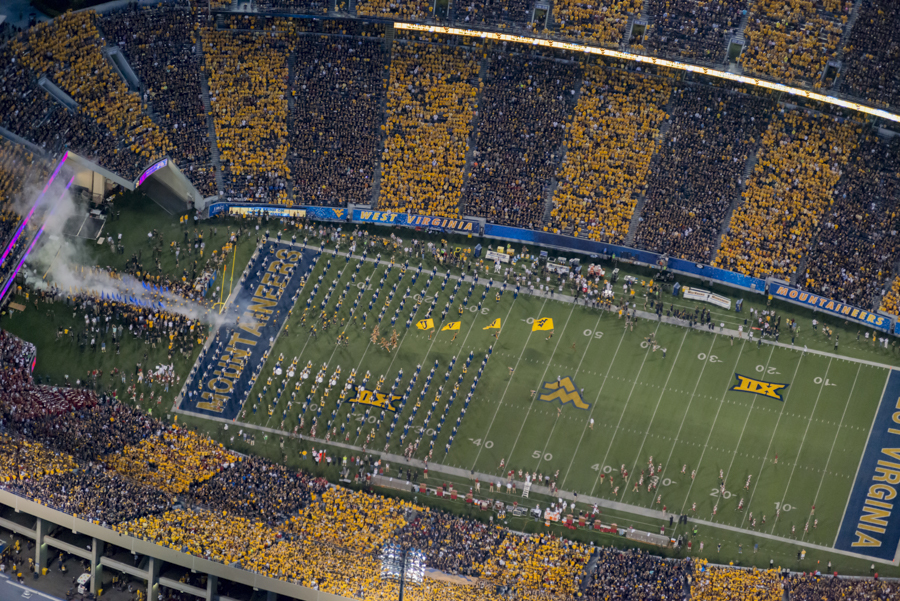
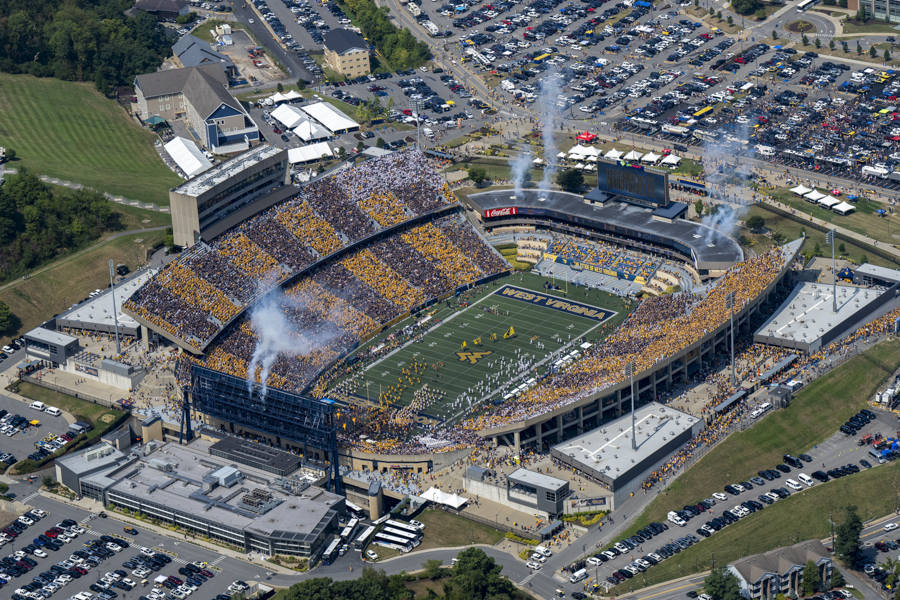
West Virginia University updated its gameday tradition by shifting how the football team enters Mountaineer Field at Milan Puskar Stadium. This change amplifies the pregame atmosphere creating an intense, unified focal point that elevates the crowd’s energy right before kickoff.
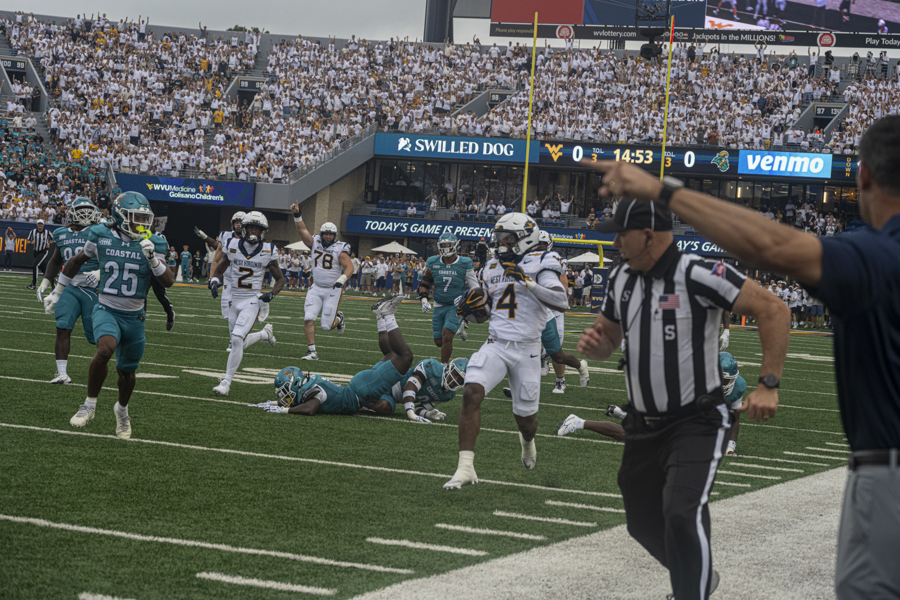
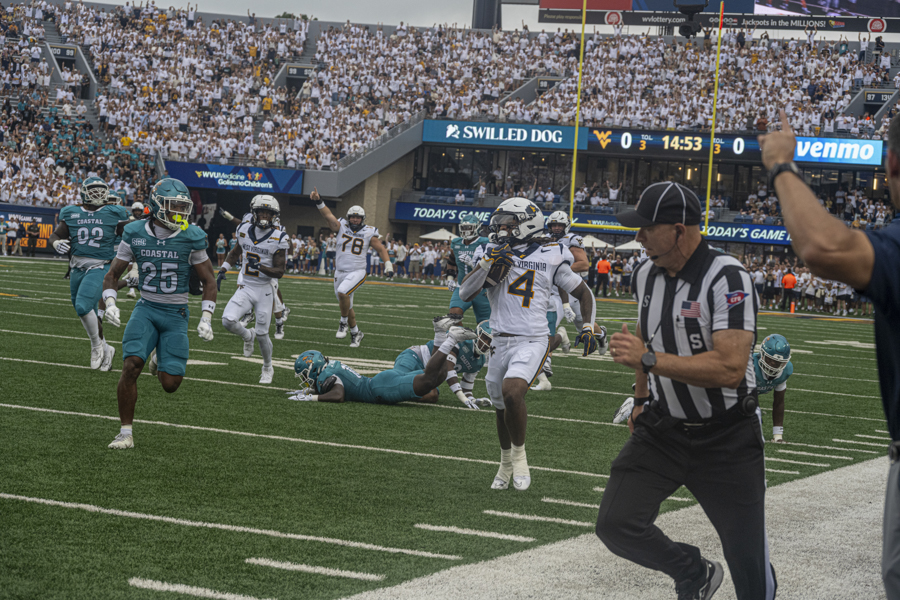
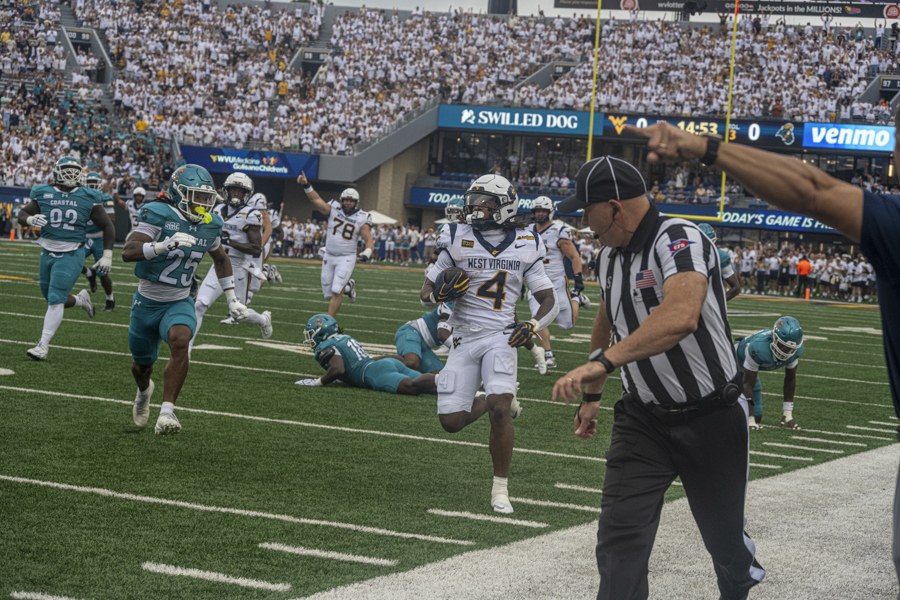
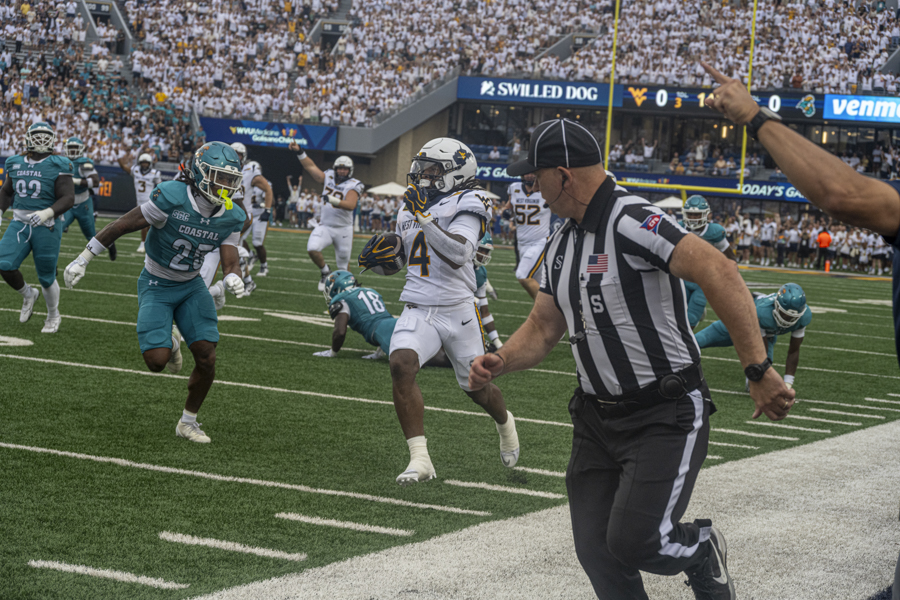
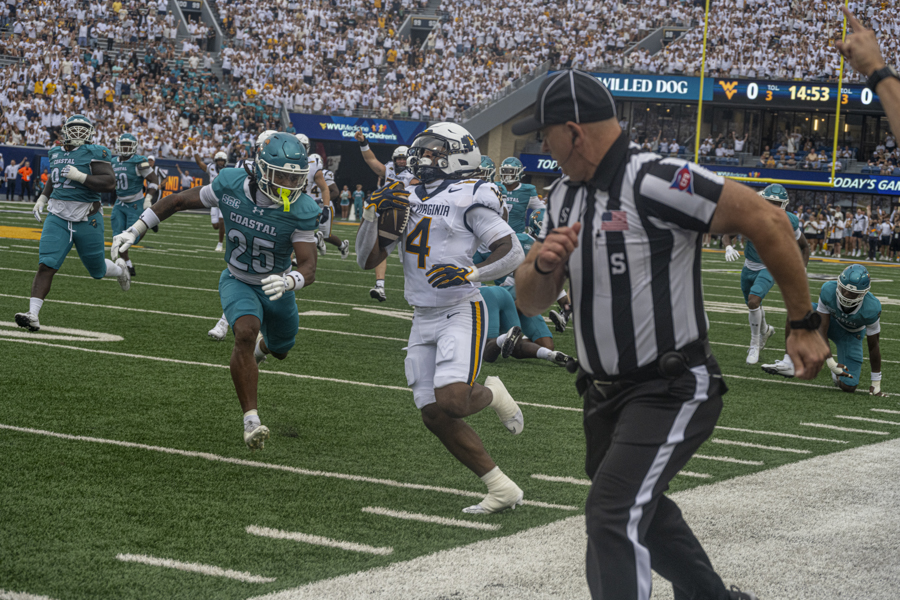
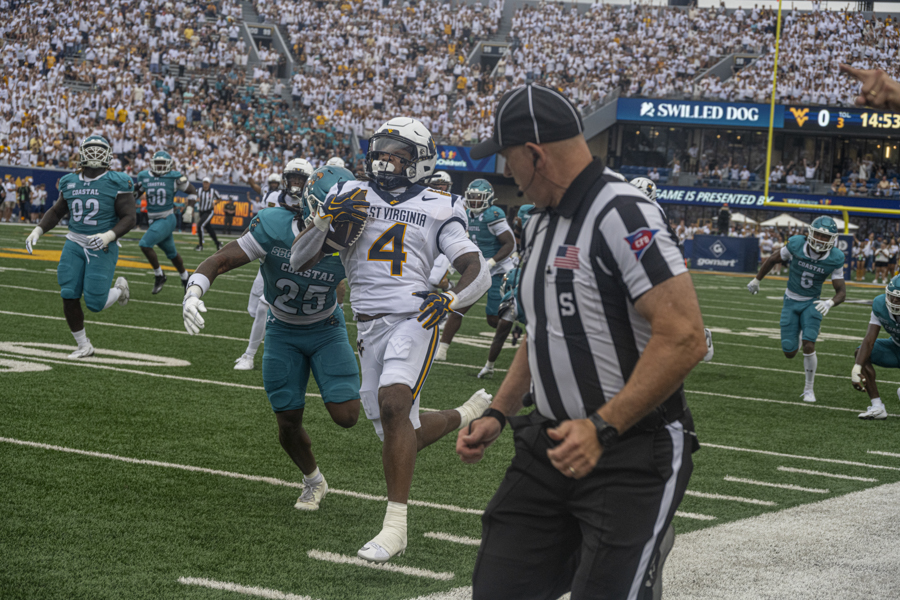
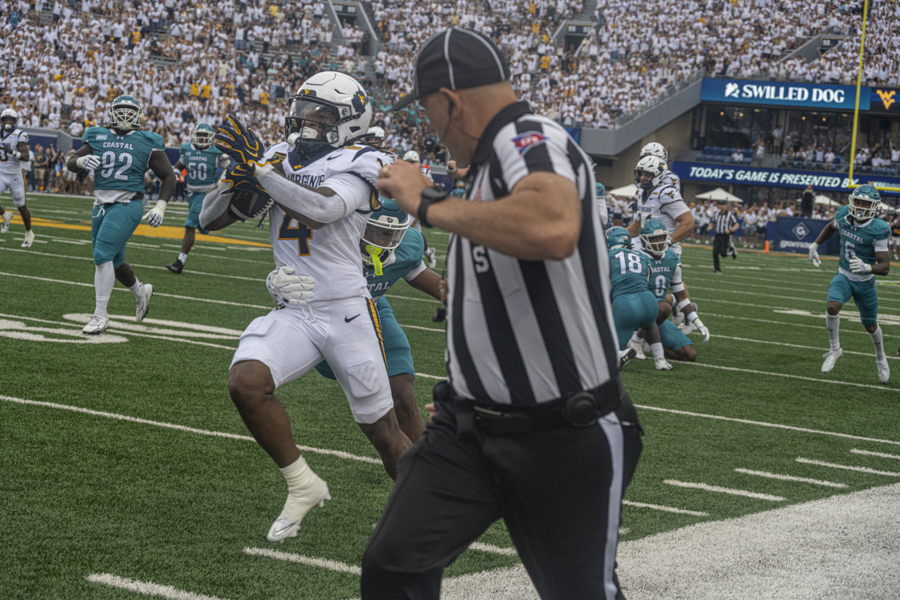
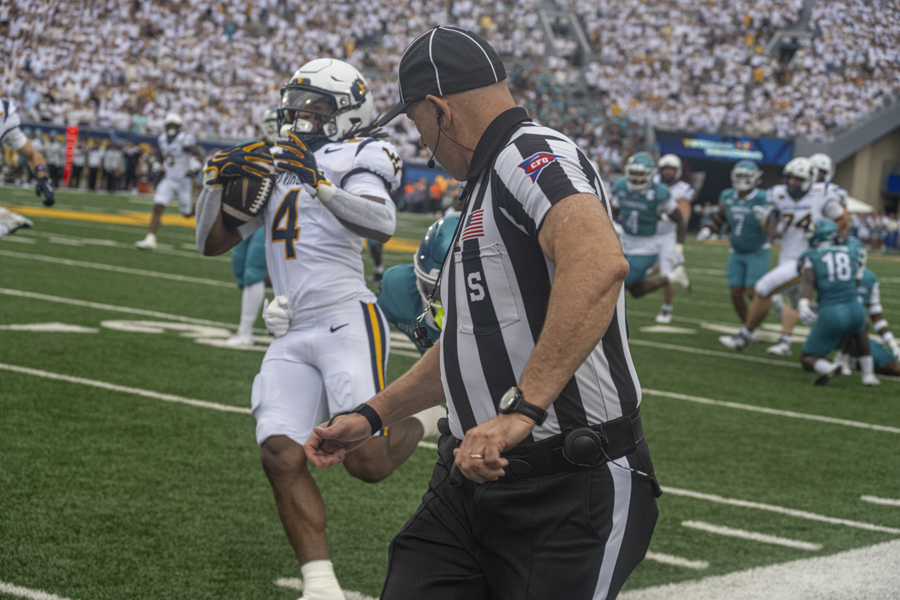
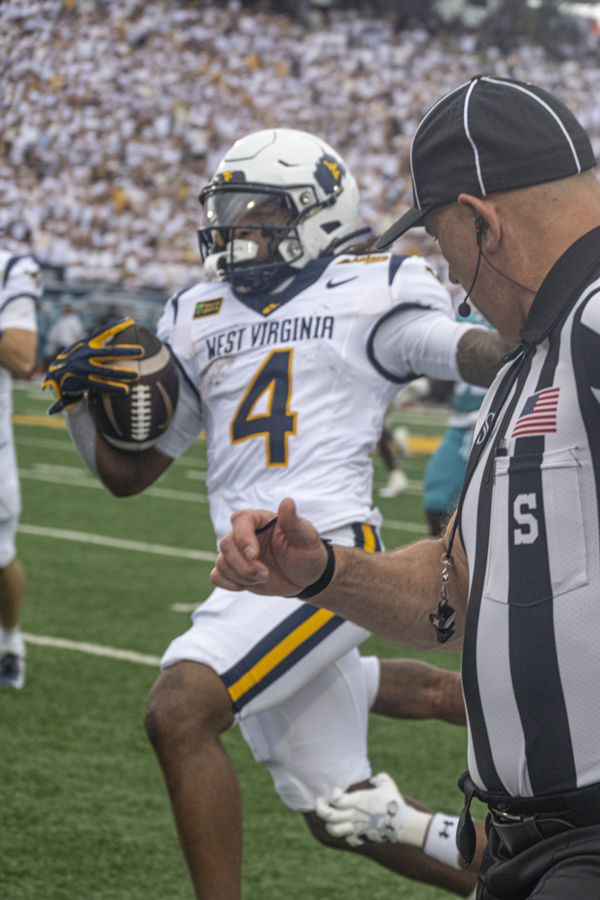
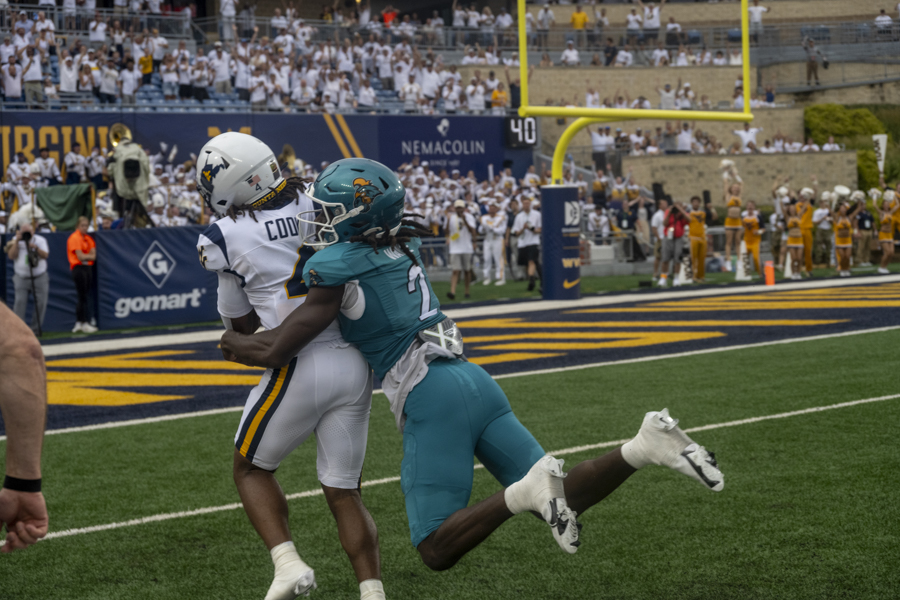
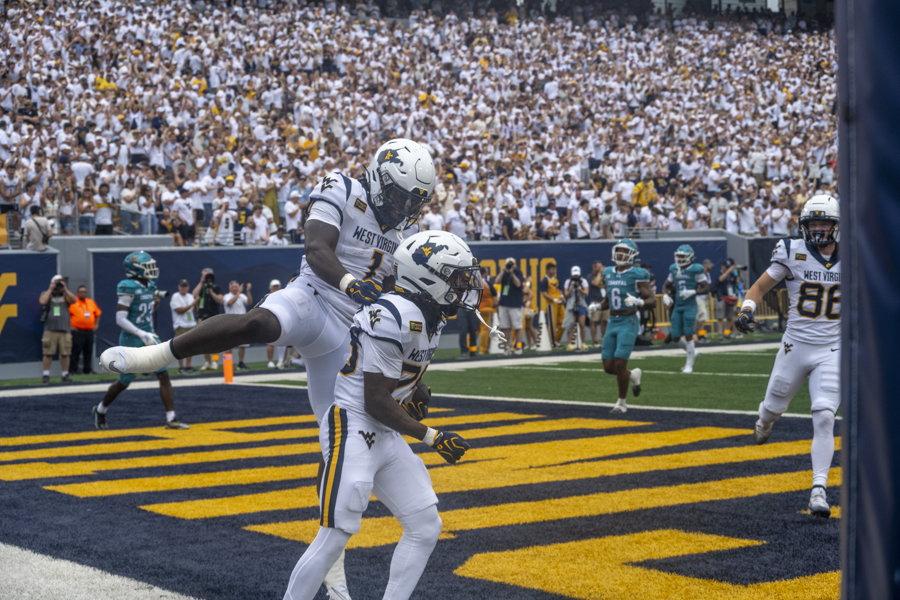
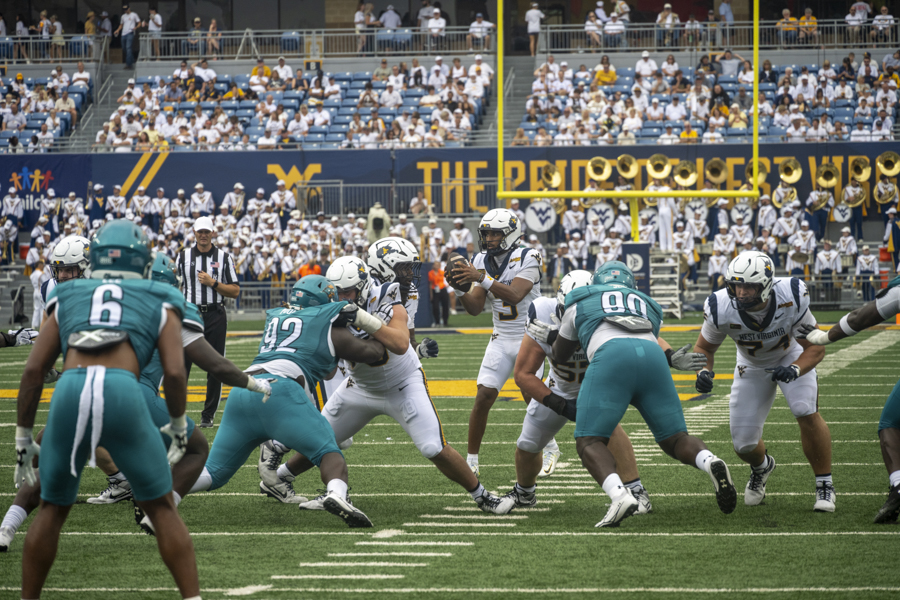
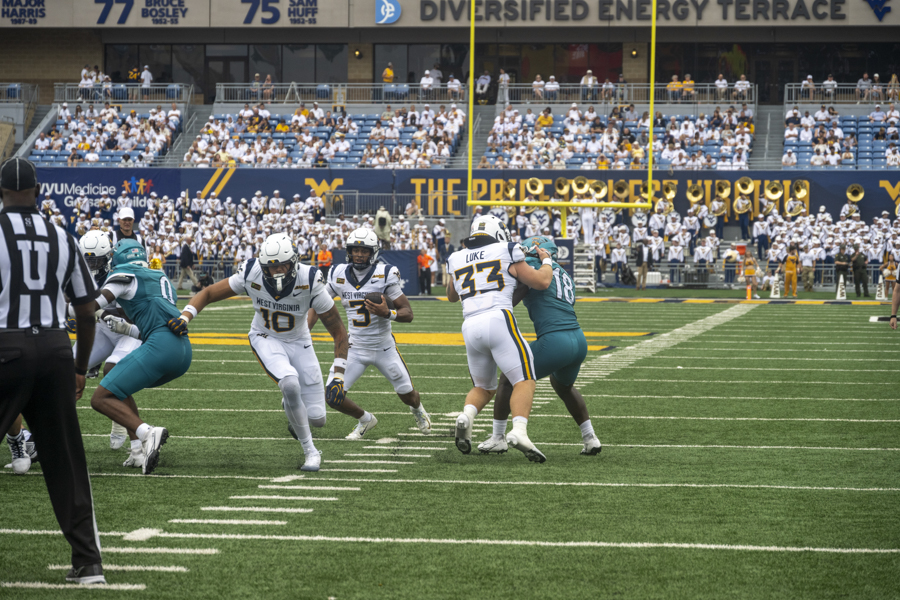
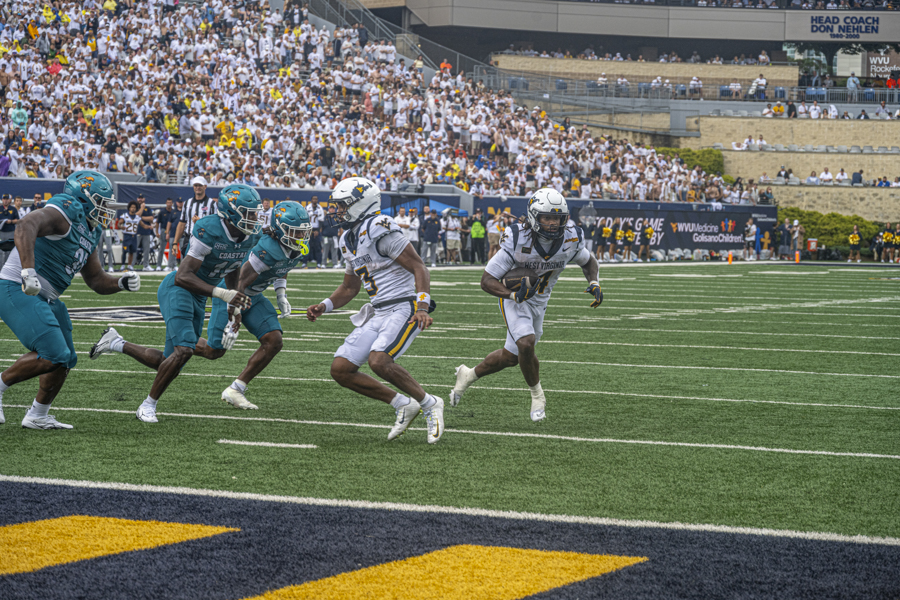
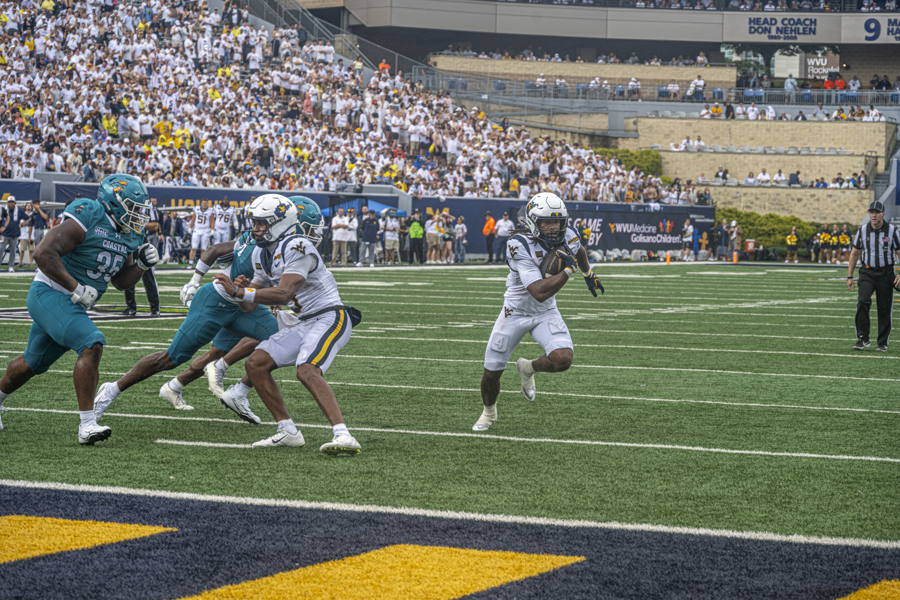
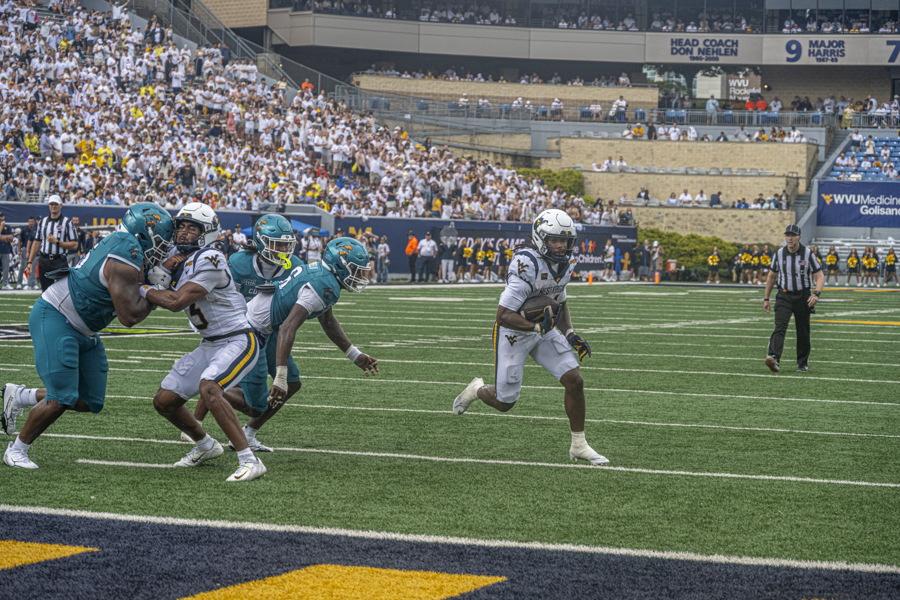
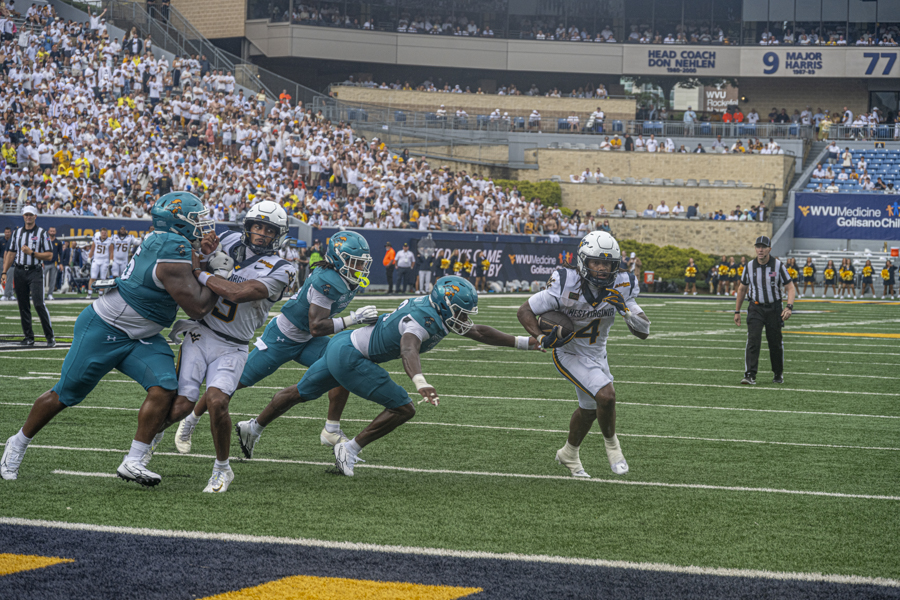
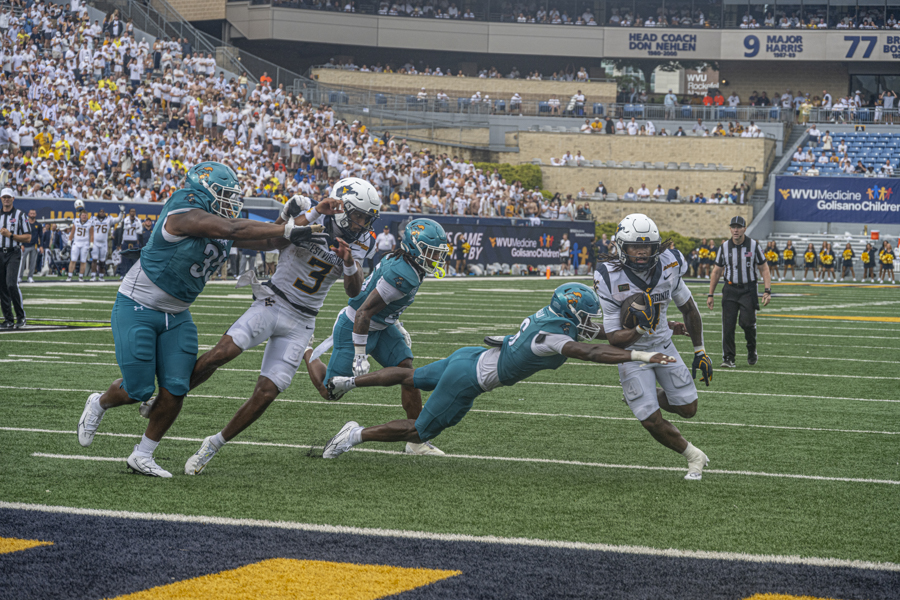
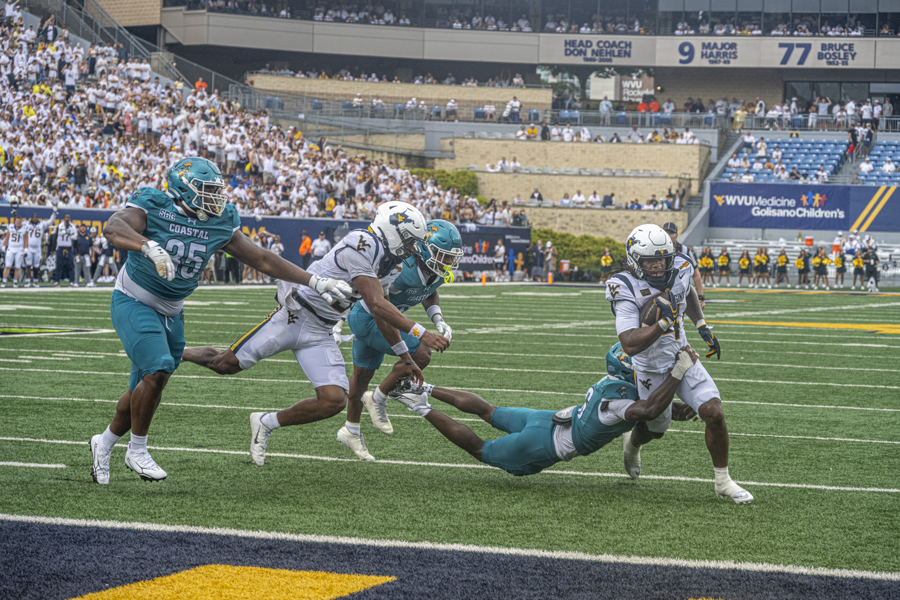
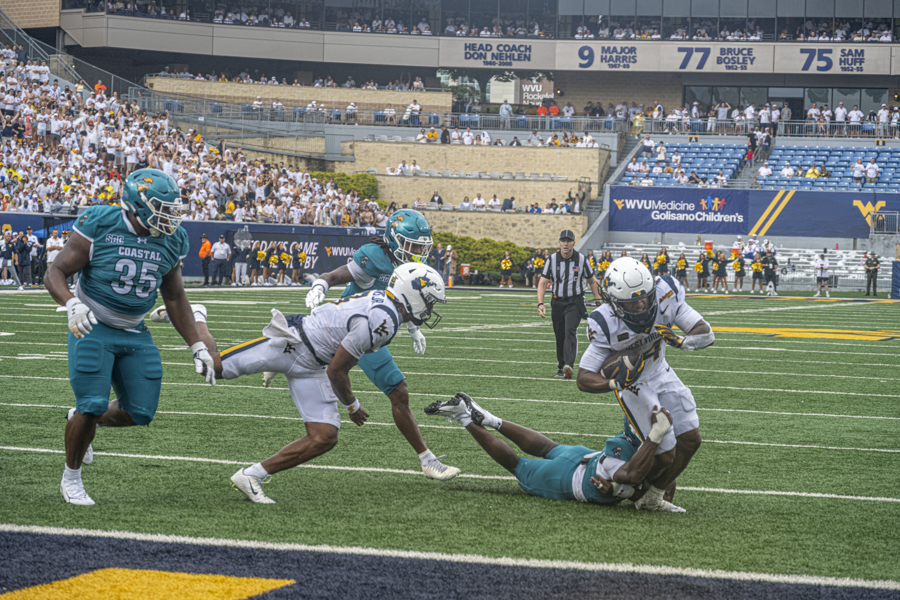
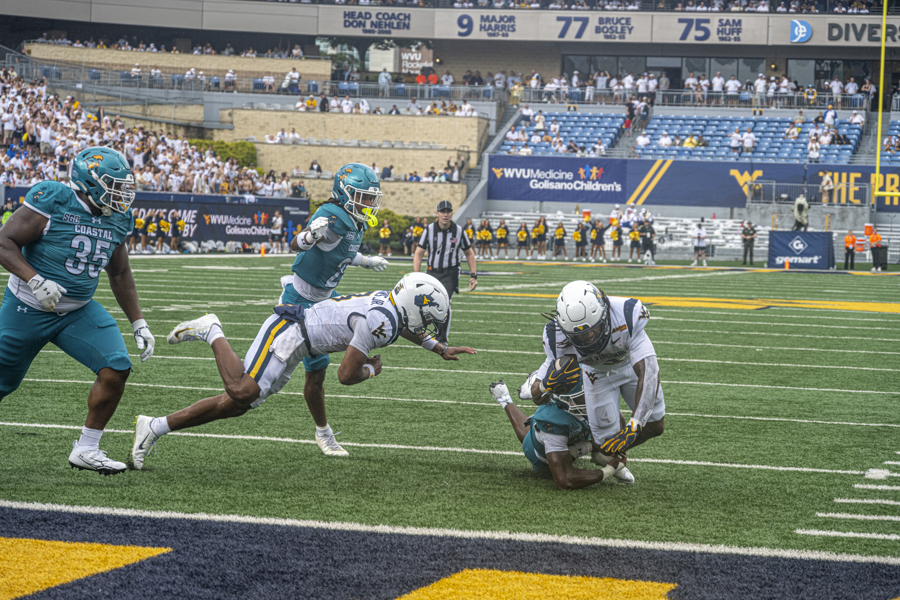
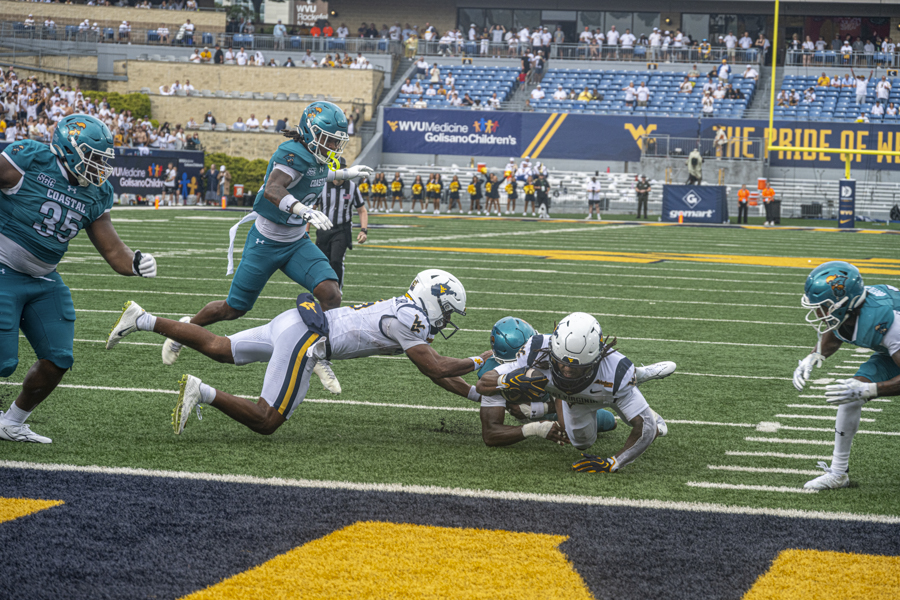
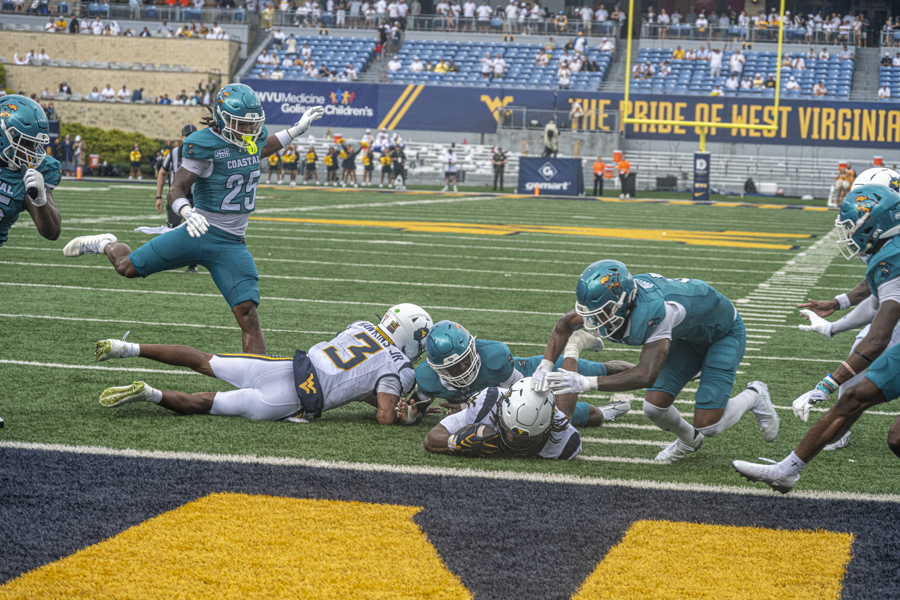
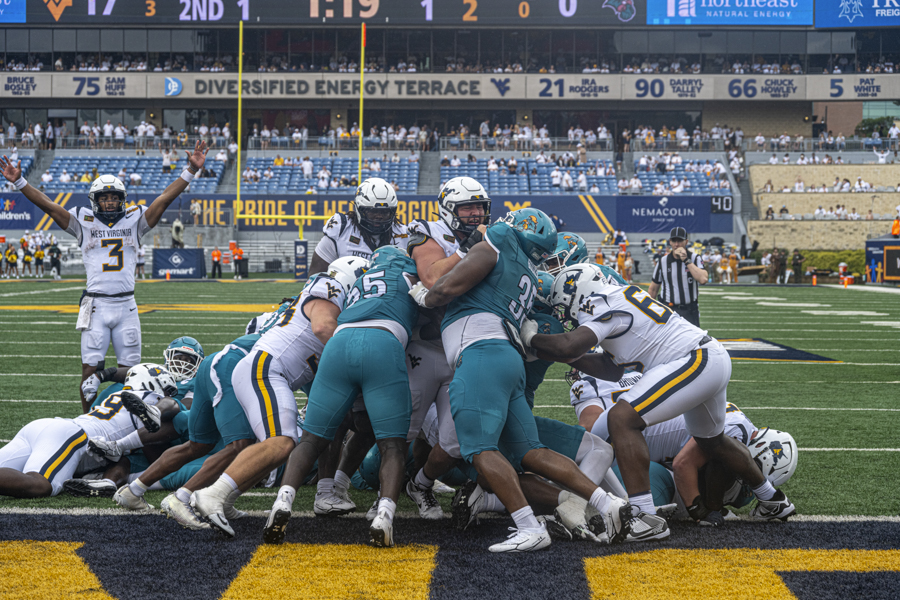
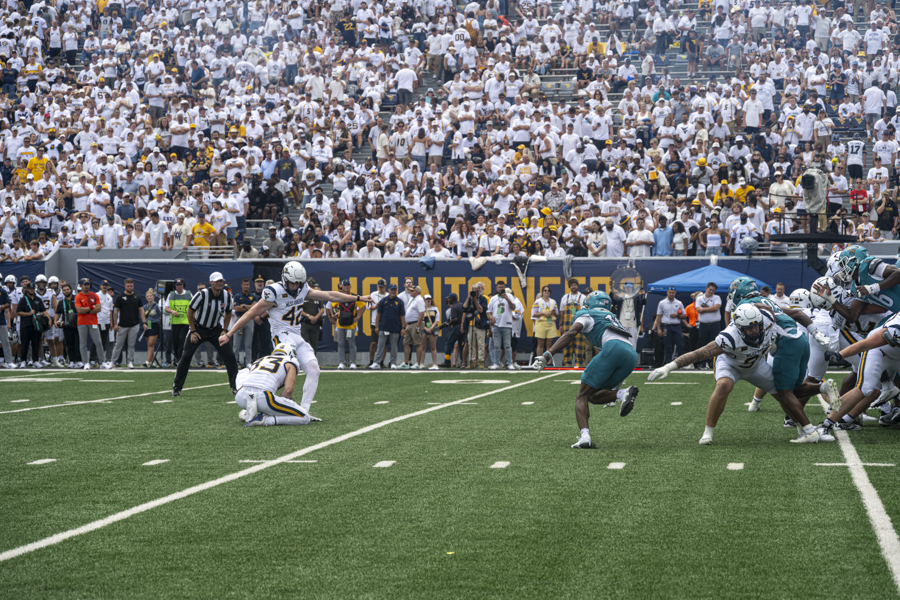
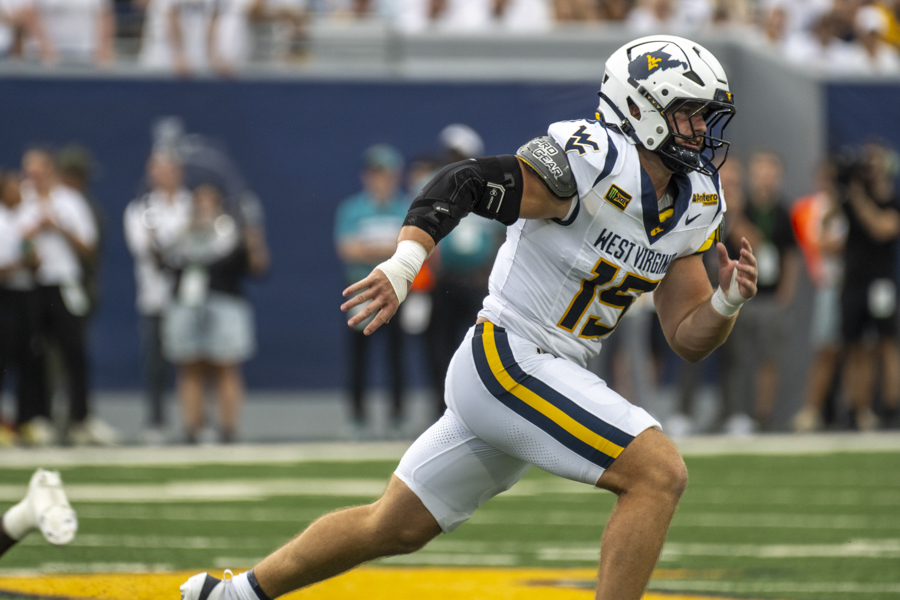
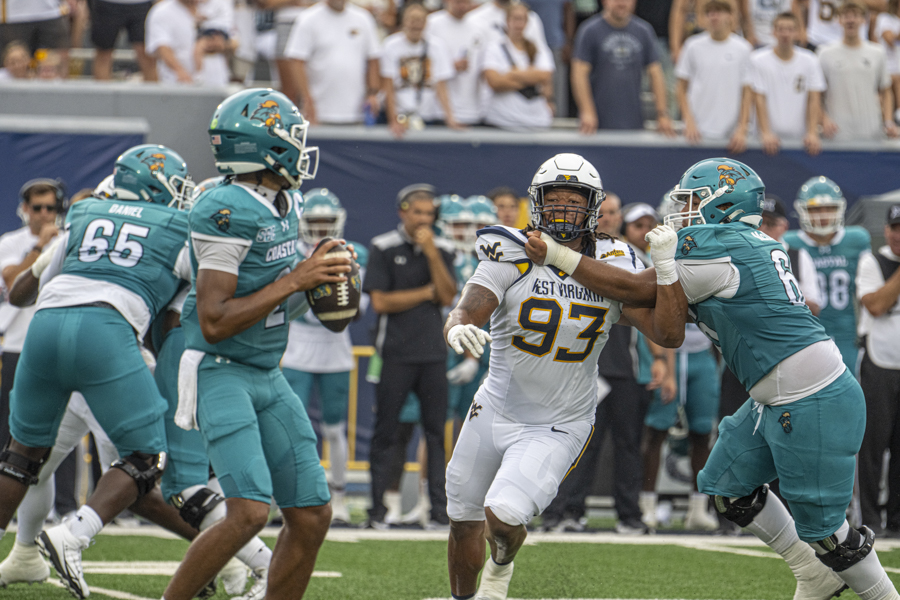
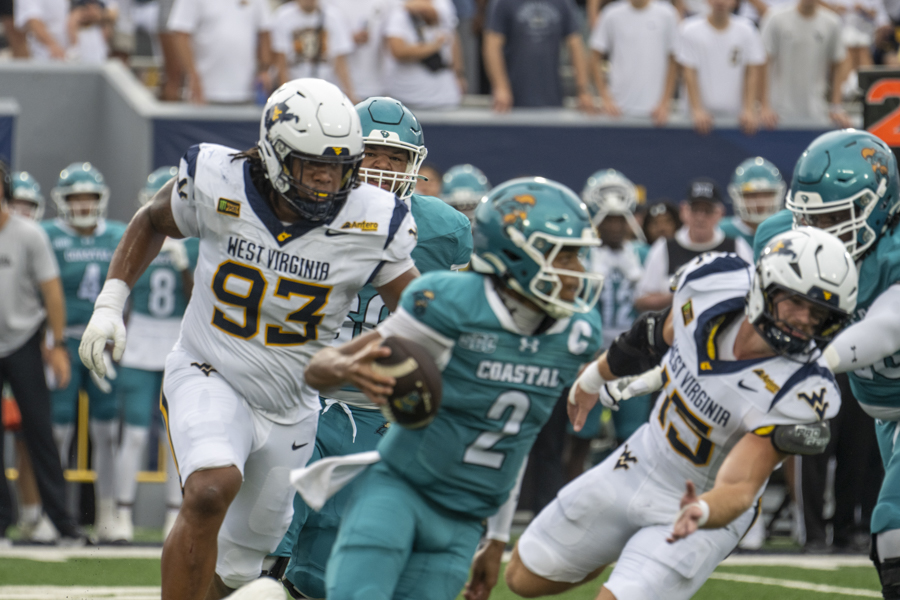
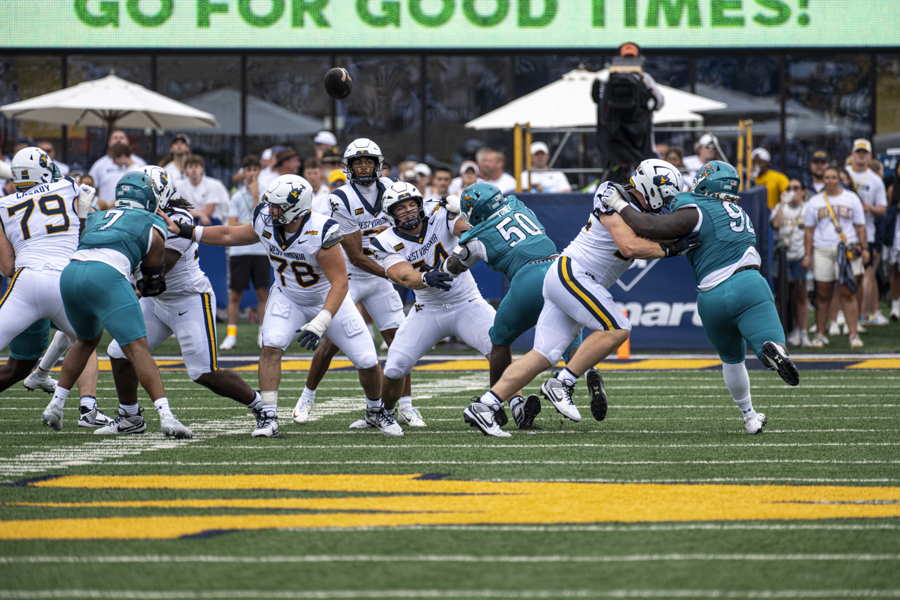
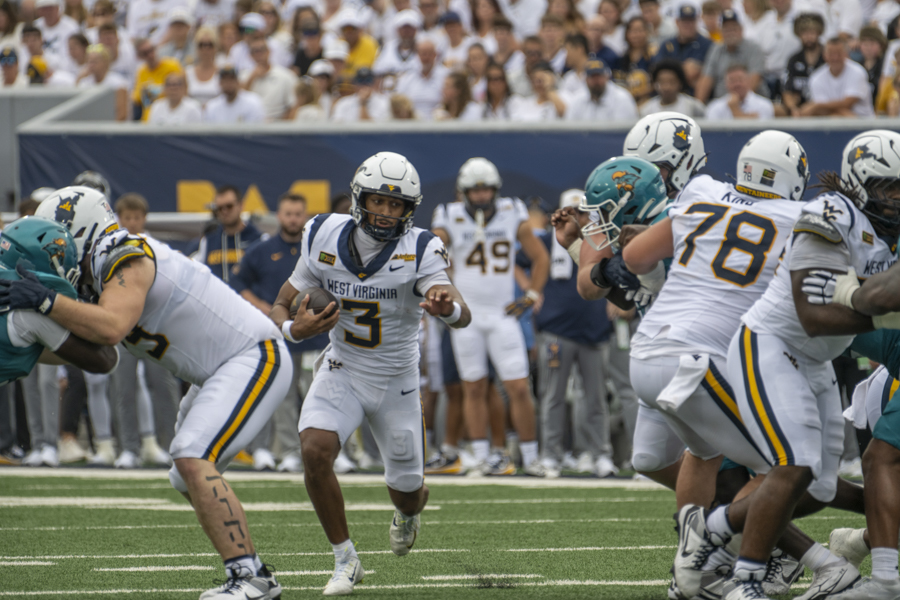
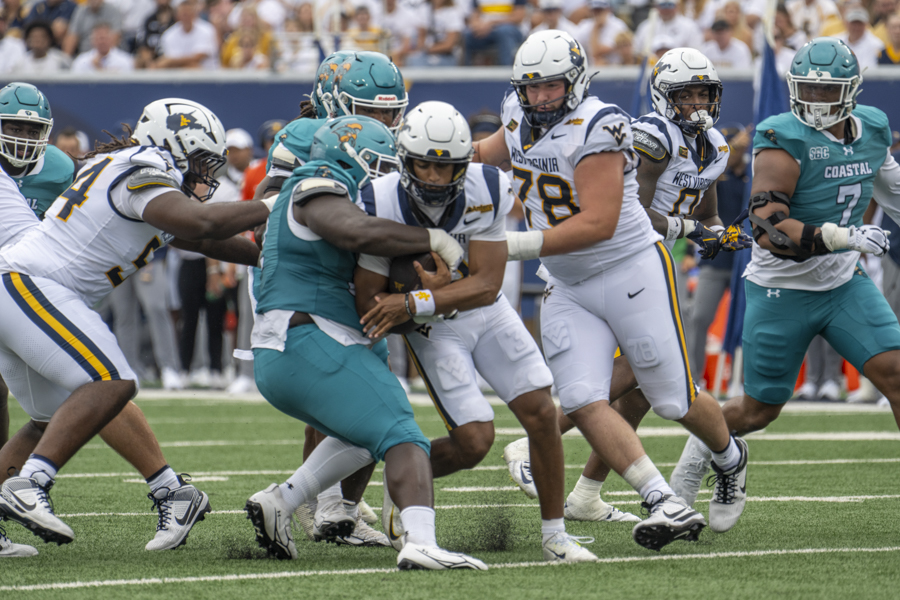
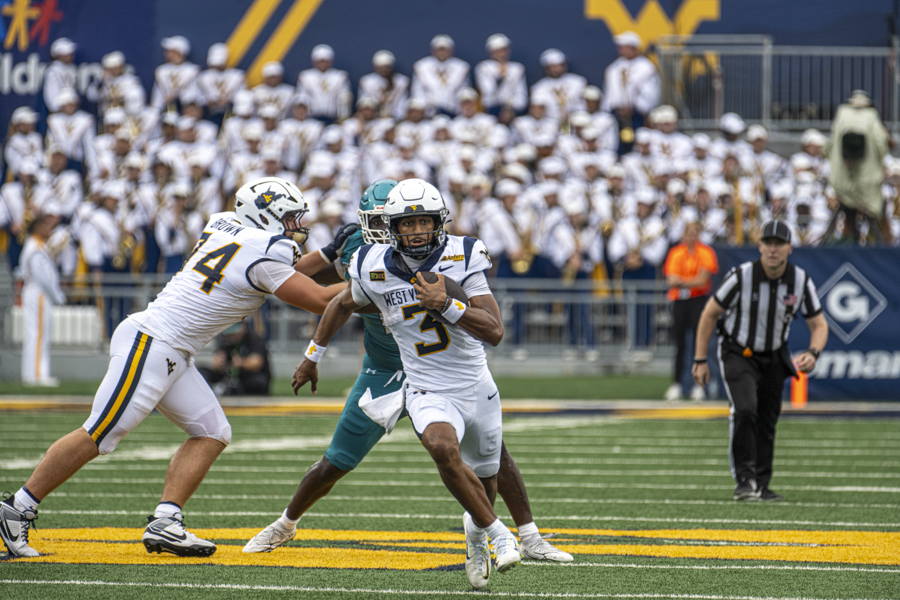
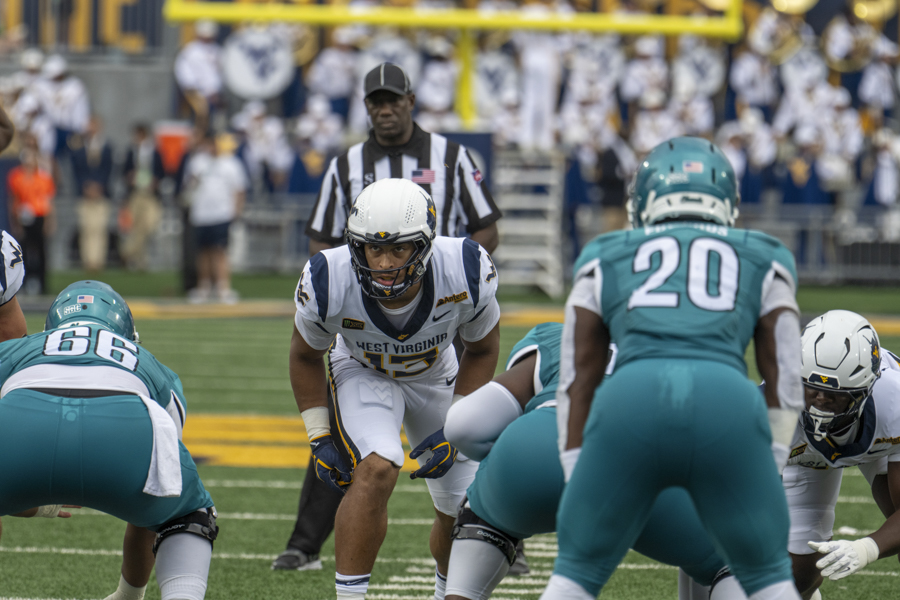
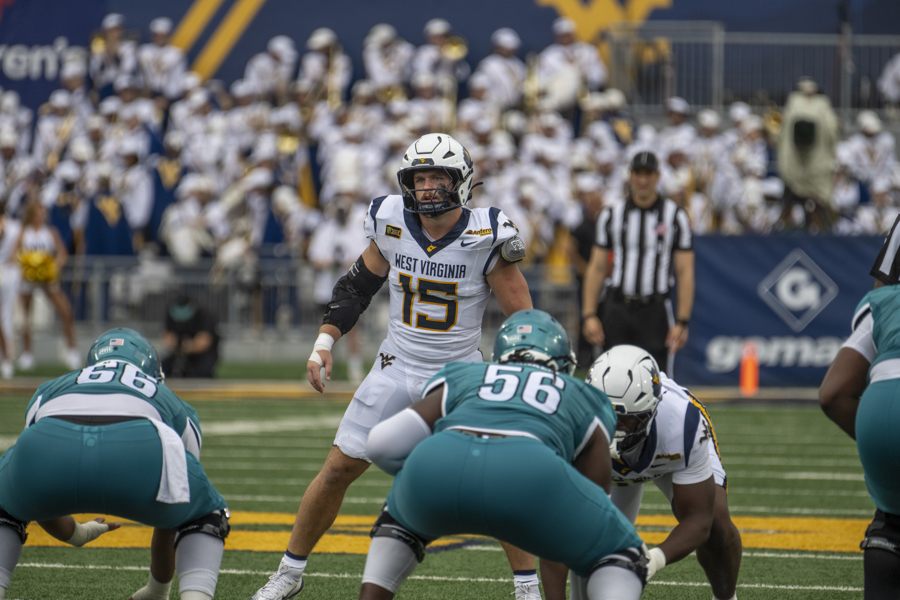
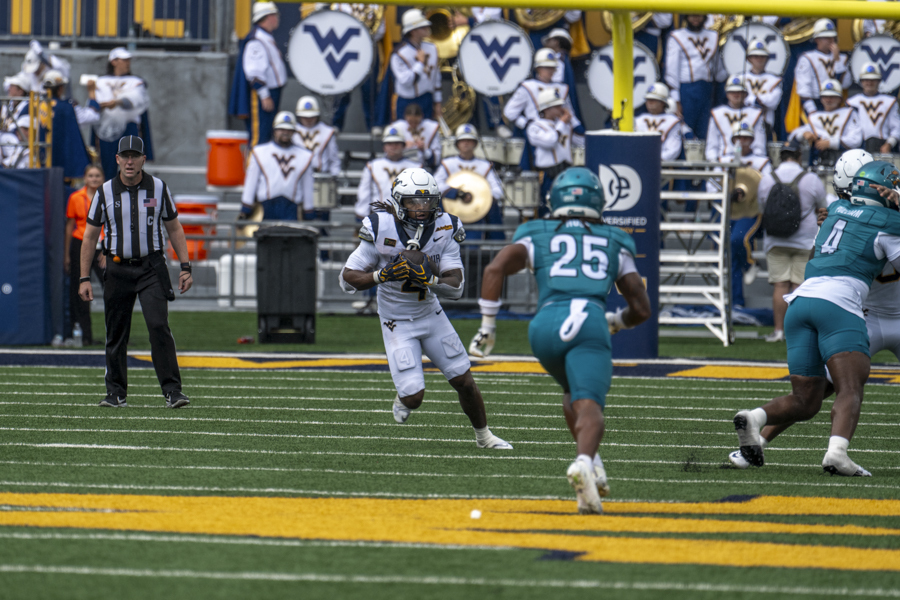
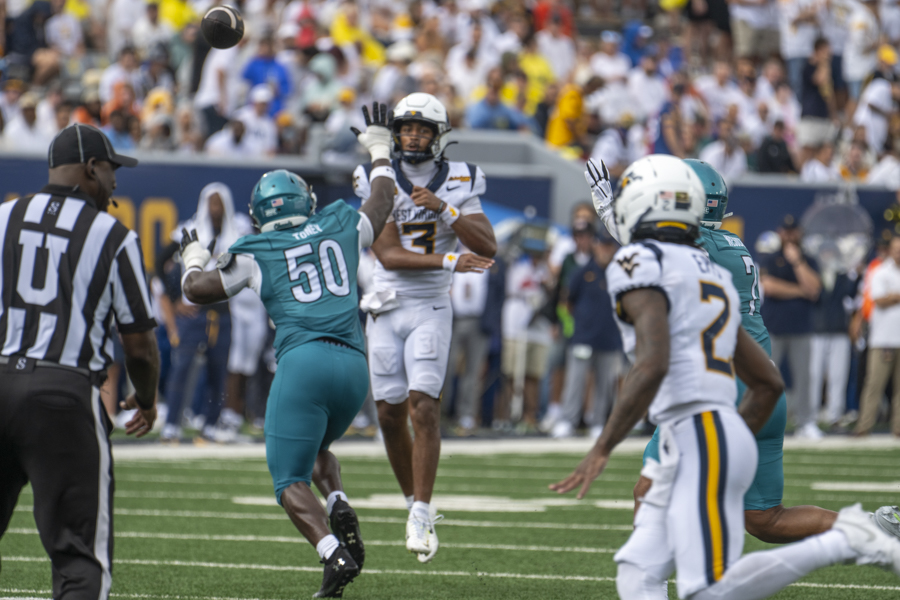
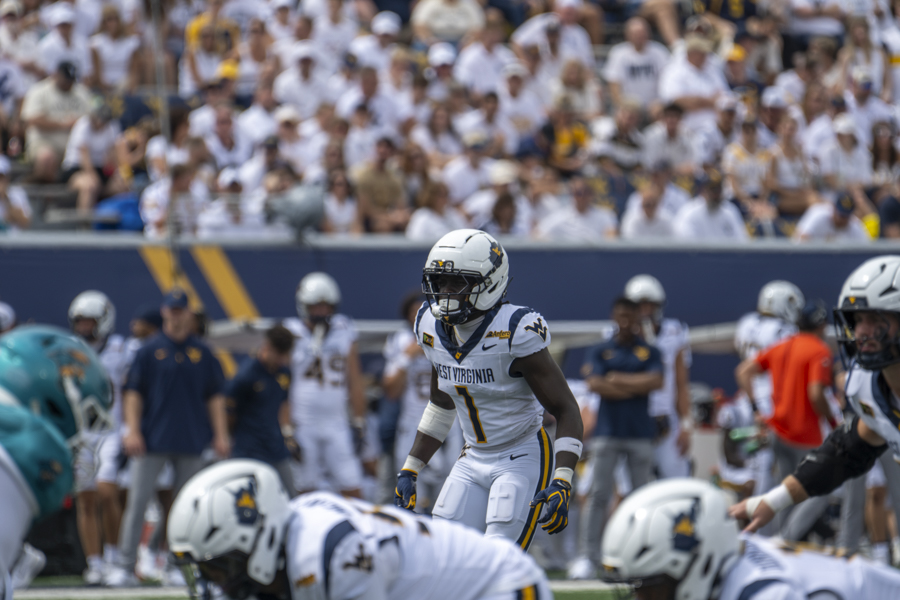
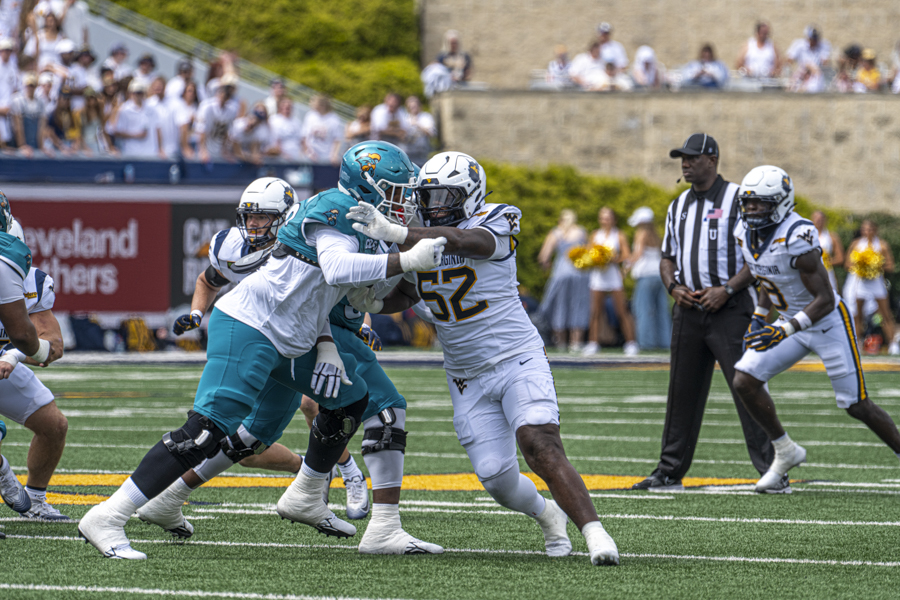
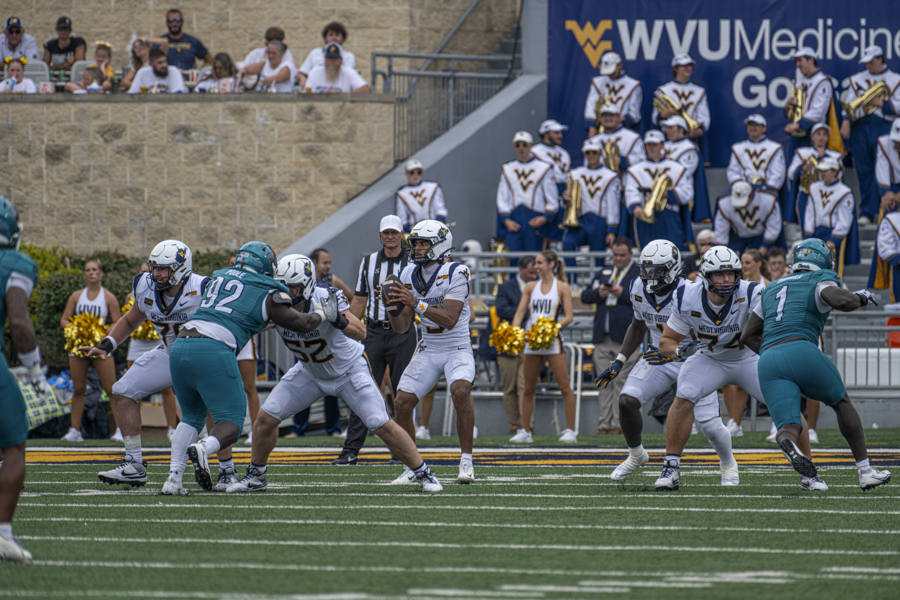
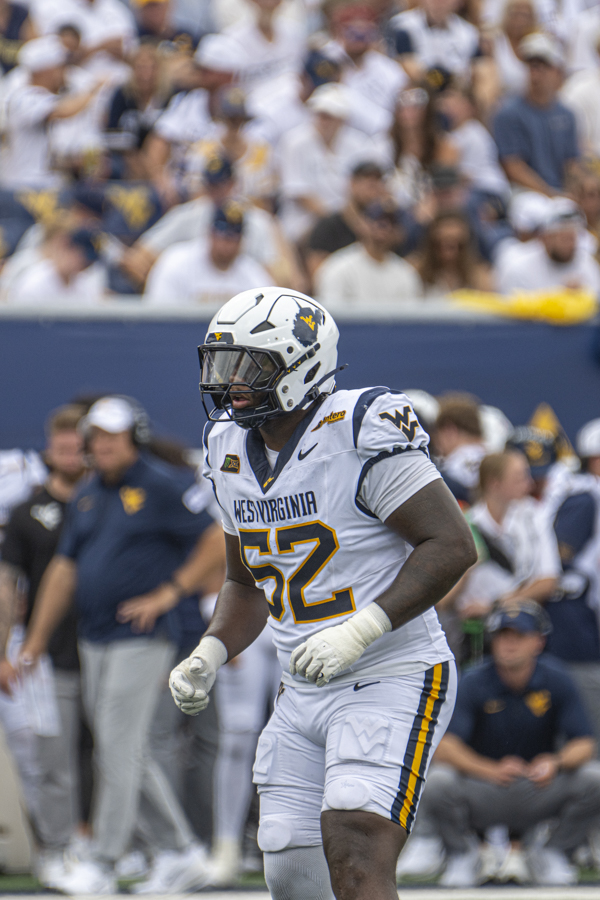
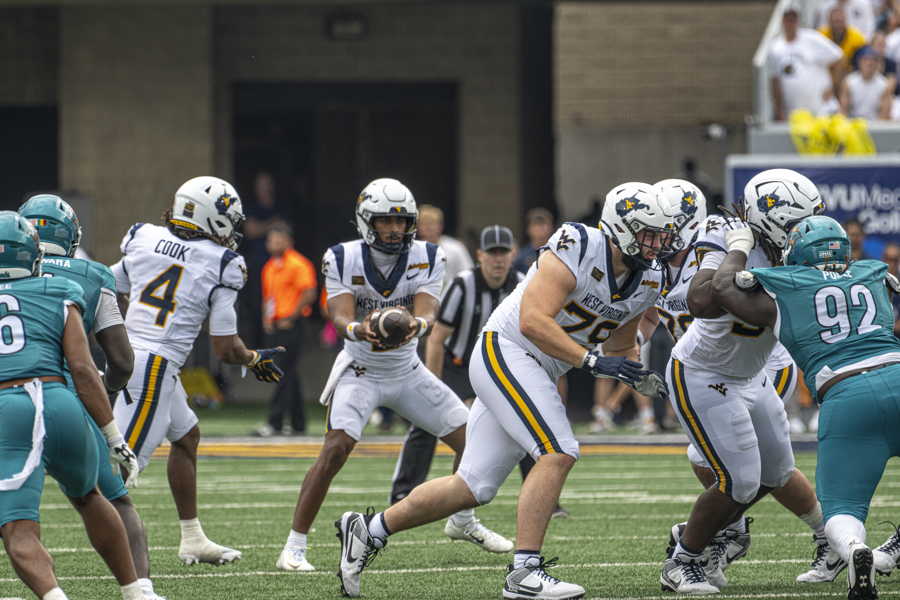
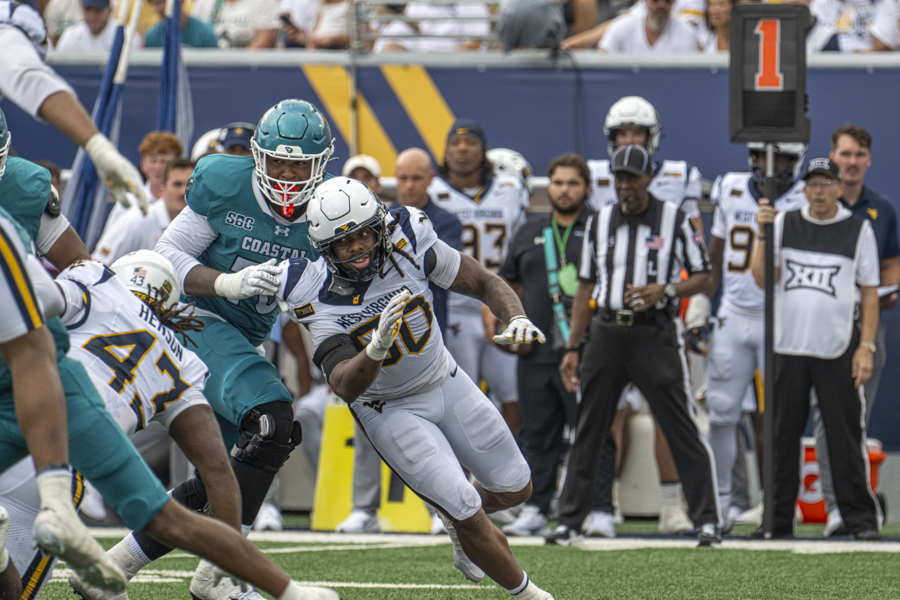
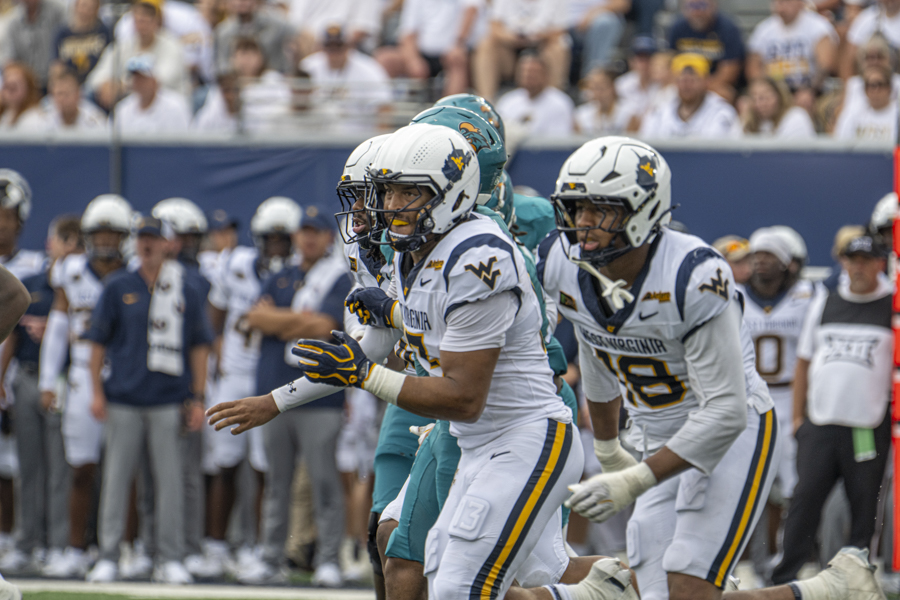
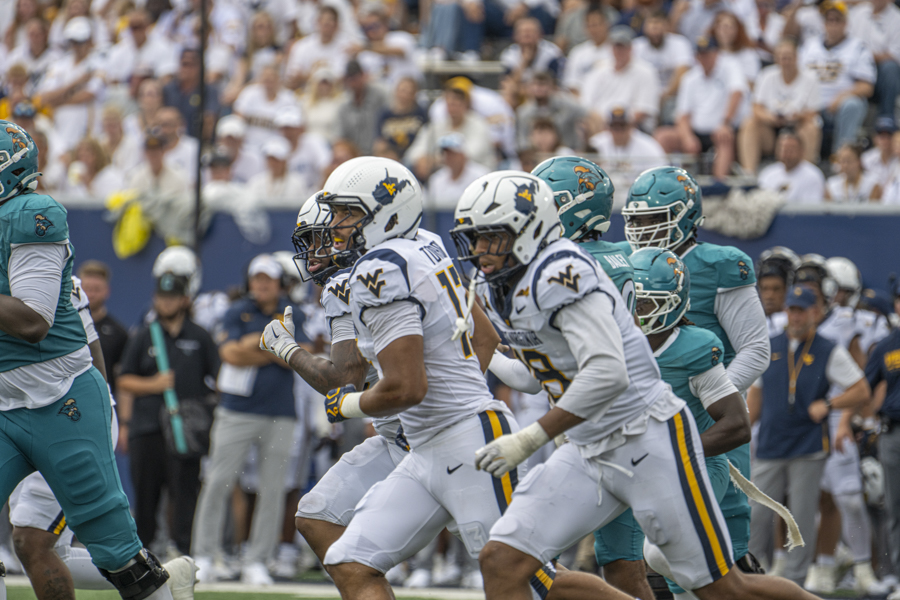
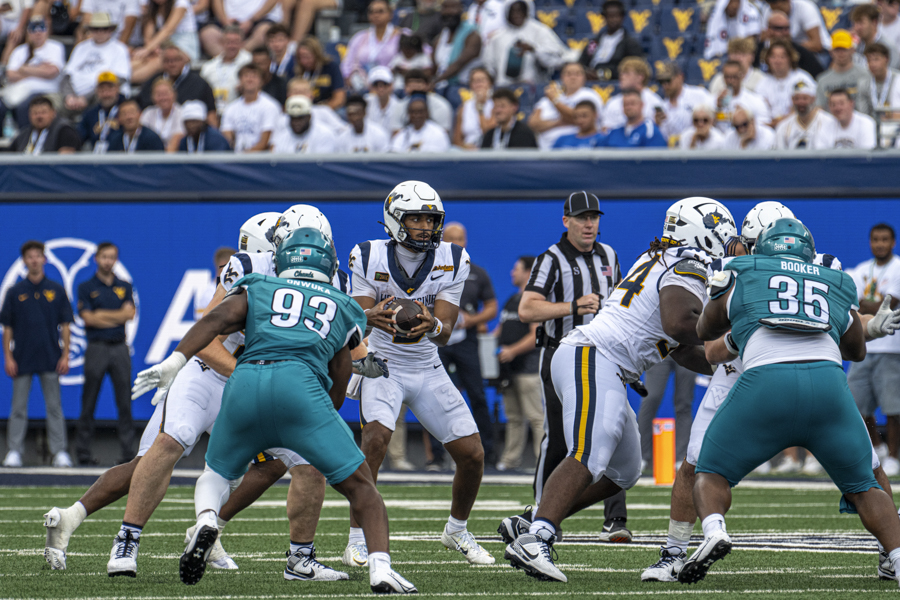
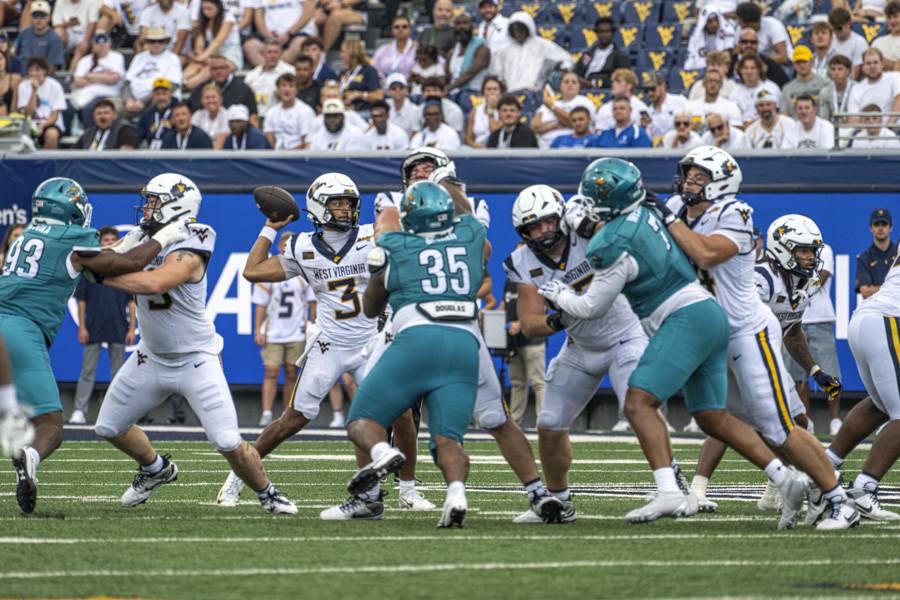
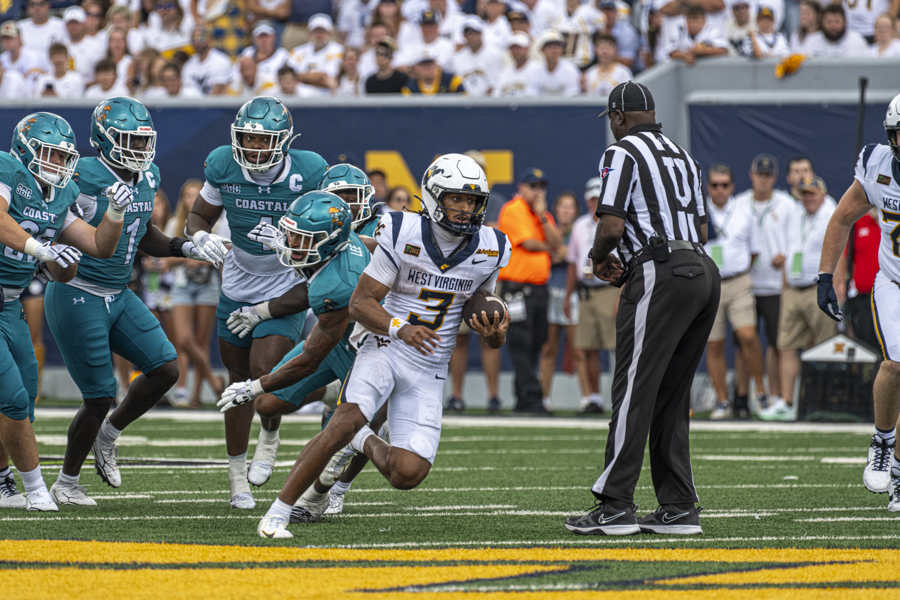
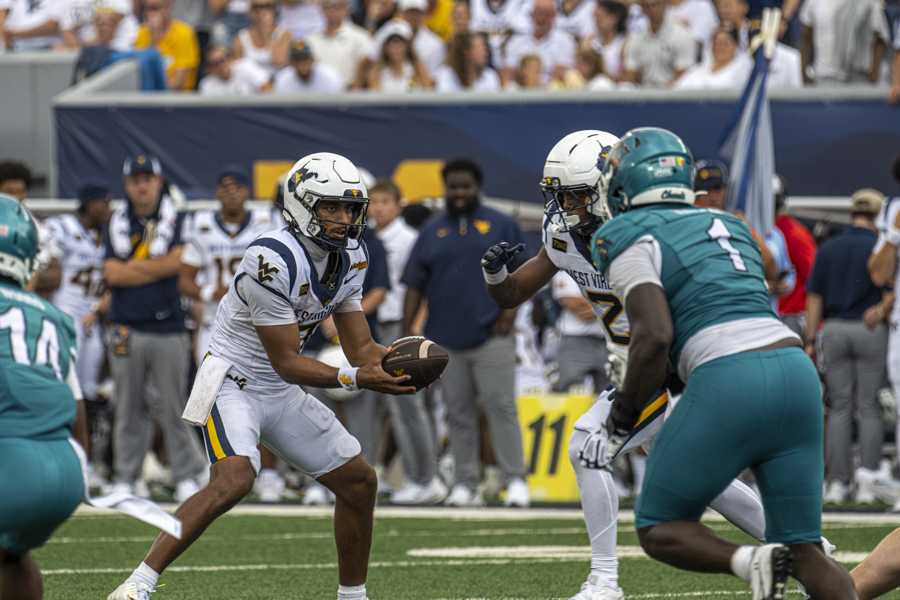
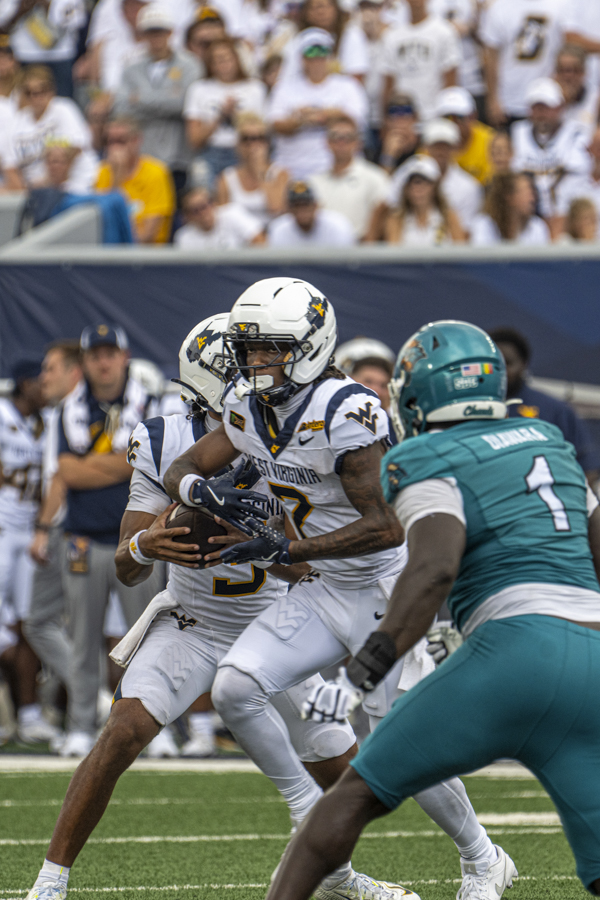
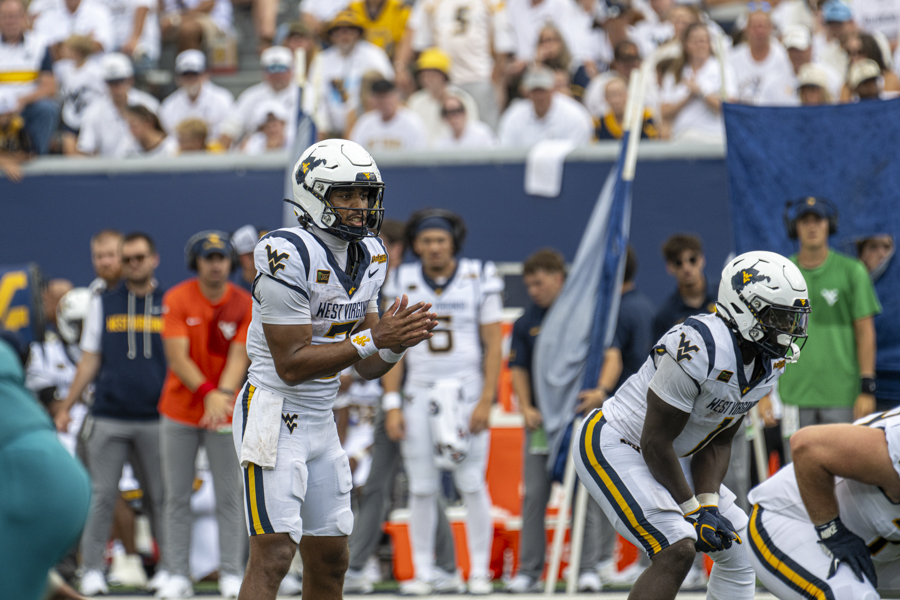
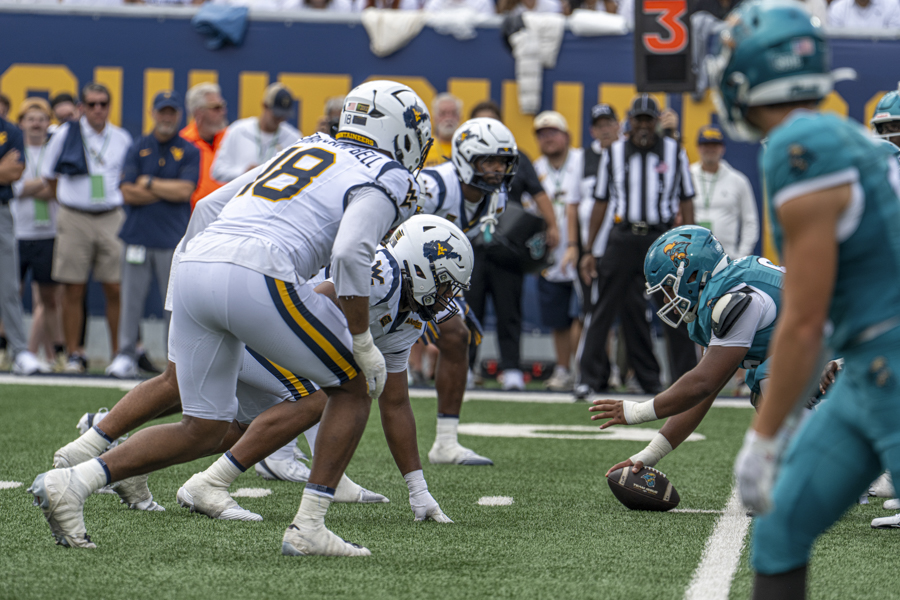
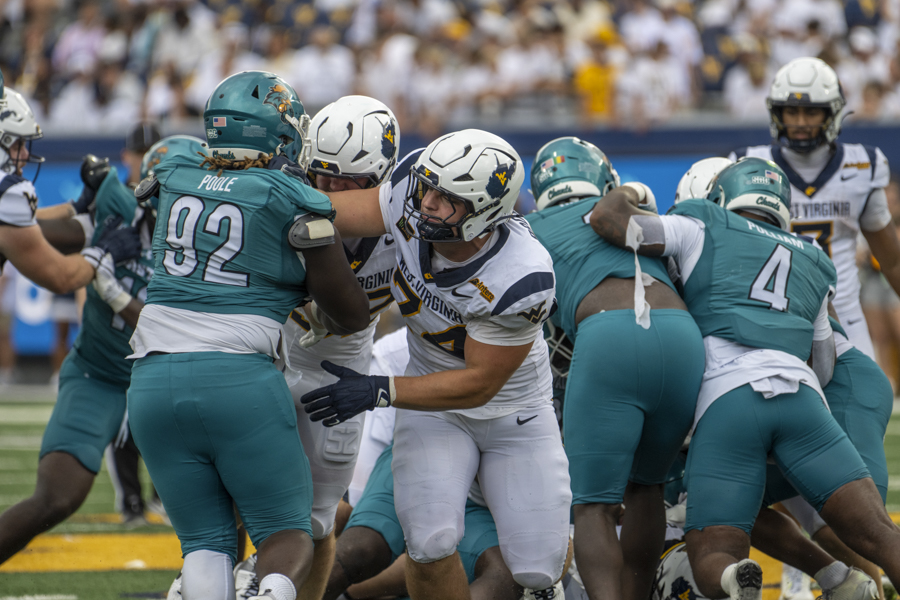
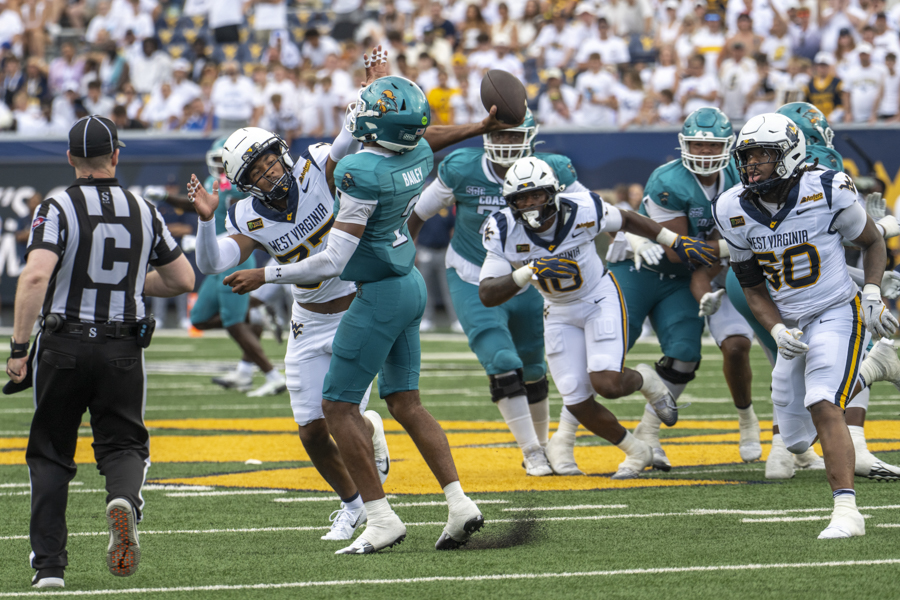
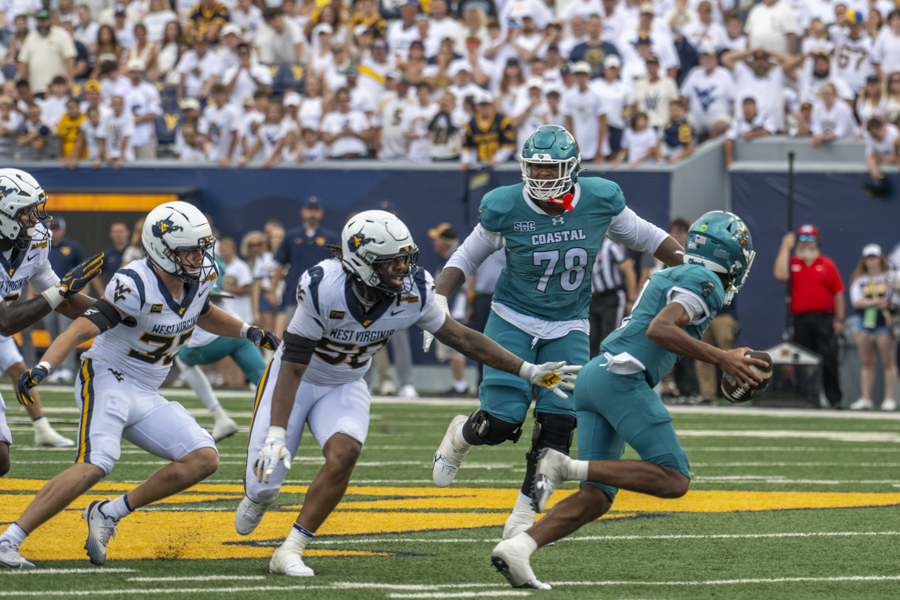
The West Virginia Mountaineers kicked off their 2026 season with a hard‑fought 31–24 victory over Coastal Carolina, a game that showcased explosive early offense and late defensive resilience. WVU stormed out to a commanding 24–0 halftime lead behind dominant performances from Cam Cook and Michael Hawkins Jr., giving the Milan Puskar Stadium crowd plenty to cheer about after a special afternoon honoring the retirement of Pat White’s No. 5 jersey.
In the first half, WVU looked nearly unstoppable. Cook set the tone immediately with a 72‑yard burst on the opening play, leading to his first of two rushing touchdowns. Hawkins Jr., in his Mountaineer debut, added a 49‑yard touchdown strike to Armoni Weaver‑Bomar and later punched in a rushing score of his own. By halftime, WVU had piled up 336 yards and controlled every phase of the game, leaving Coastal Carolina searching for answers.
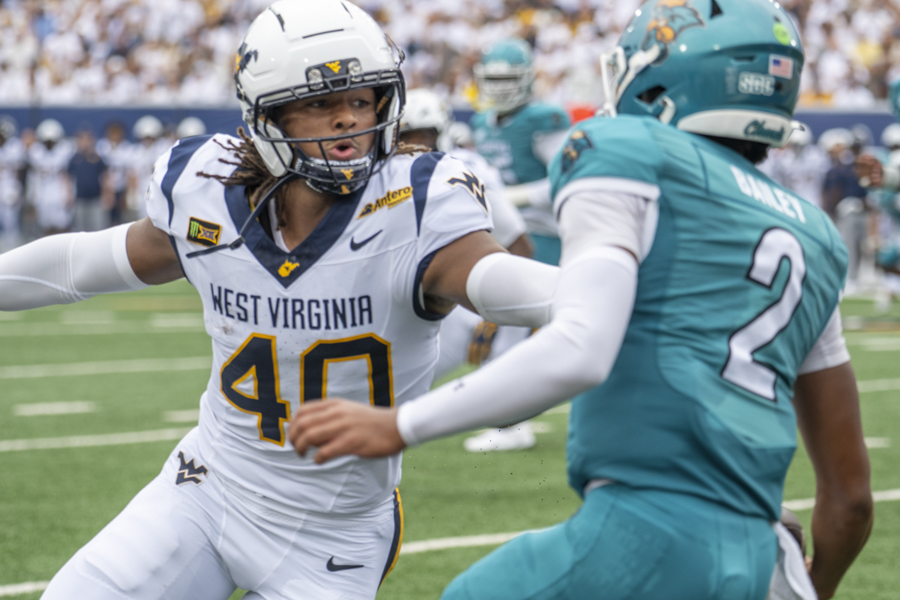
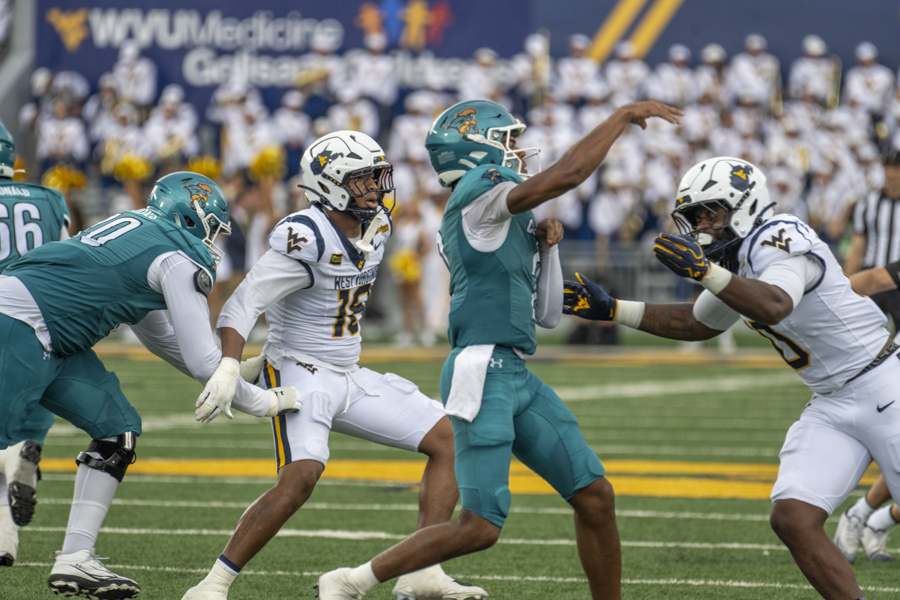
The second half, however, told a different story. Coastal Carolina quarterback Deuce Bailey ignited a furious rally, throwing three touchdown passes and helping the Chanticleers outgain WVU 425–413 by game’s end. A late field goal cut the lead to seven, but WVU secured the win when the ensuing onside kick sailed out of bounds. Despite the shaky finish, the Mountaineers walked away with a season‑opening victory and a clear sense of promise from their new offensive leaders.
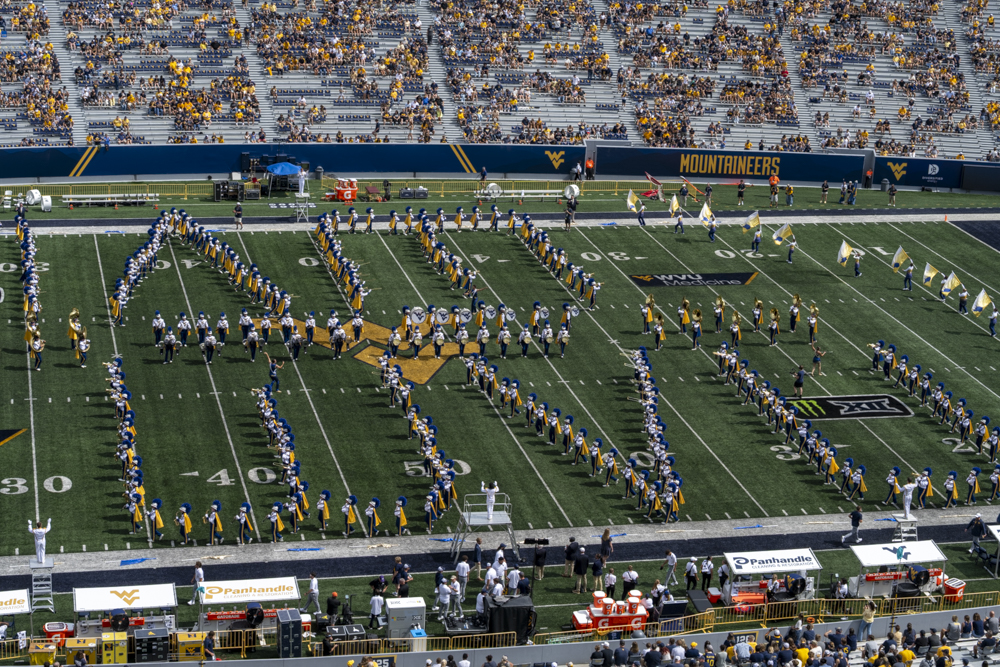
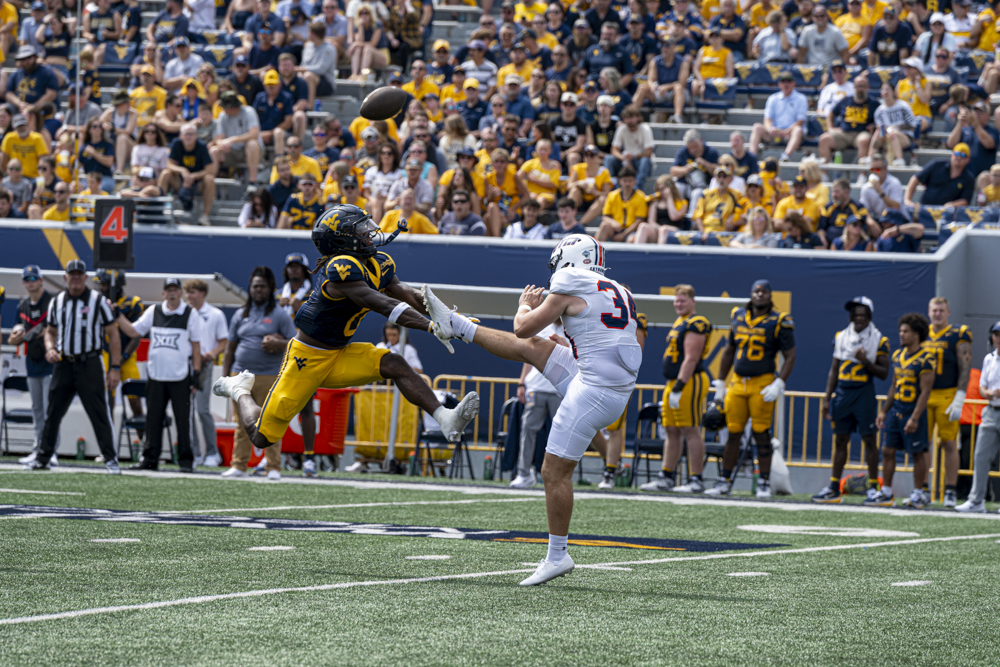
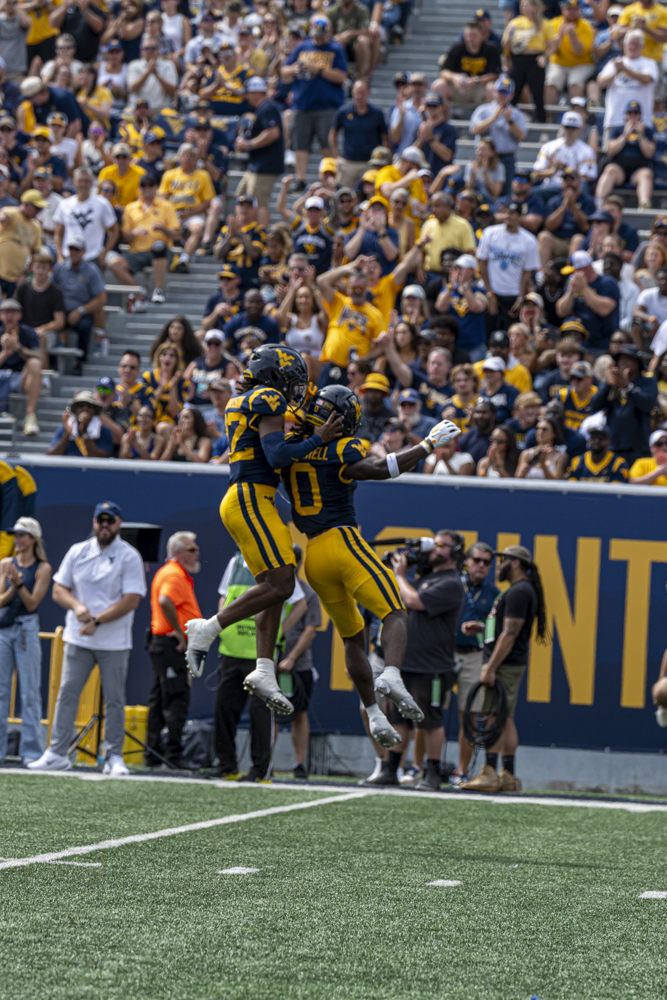
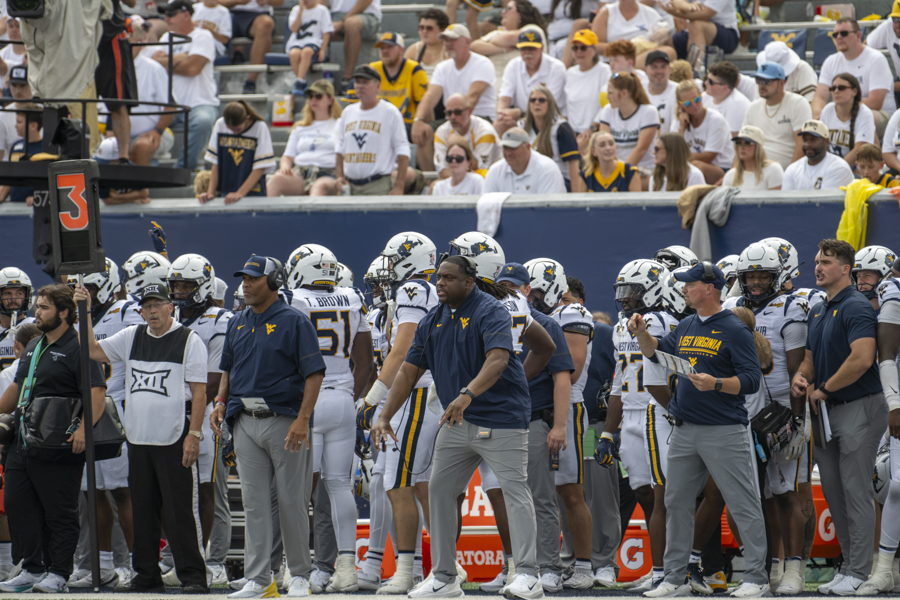
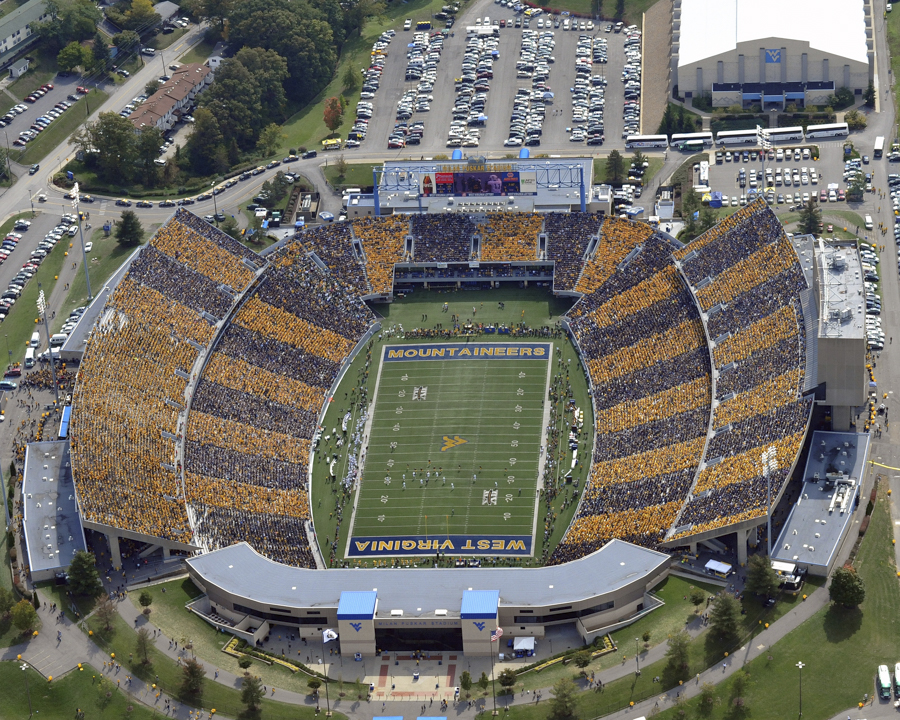
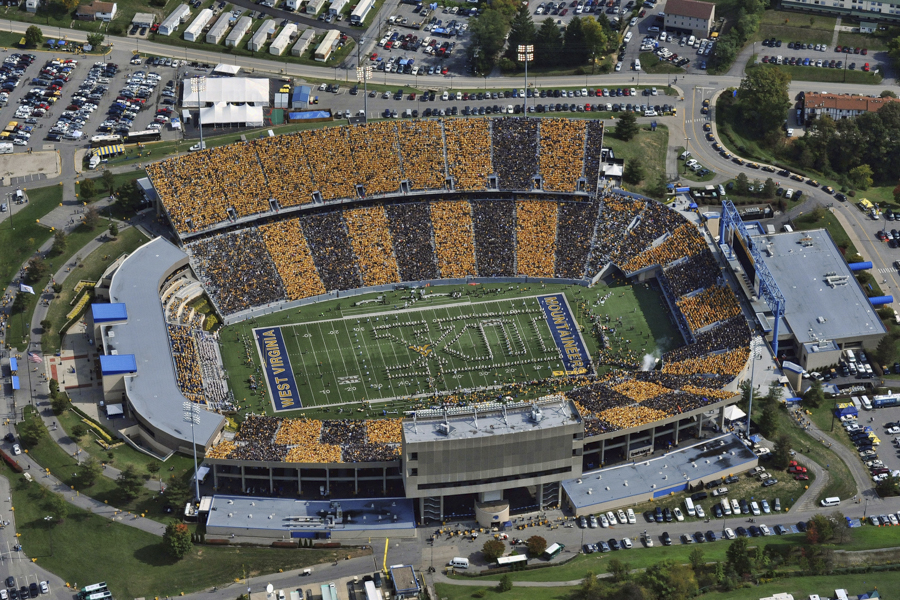
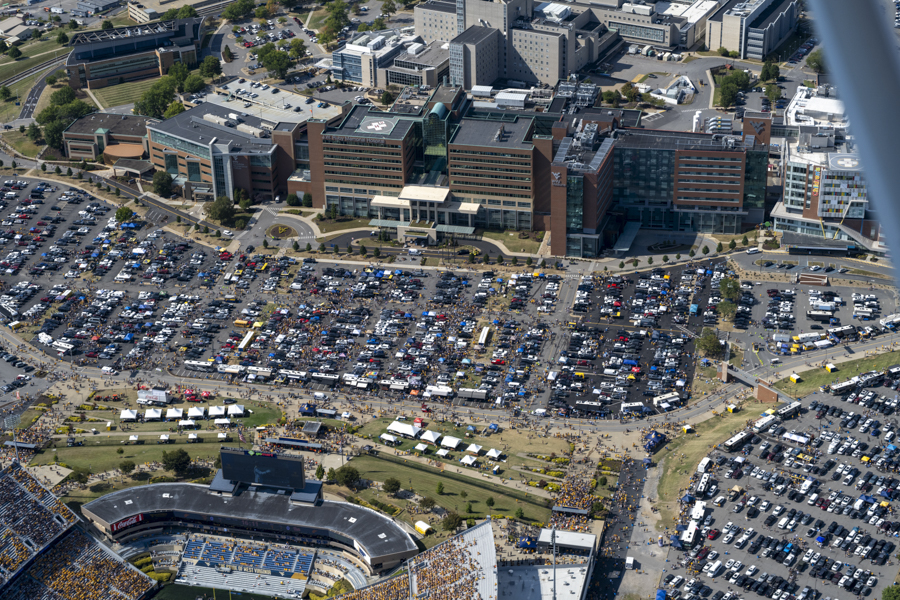
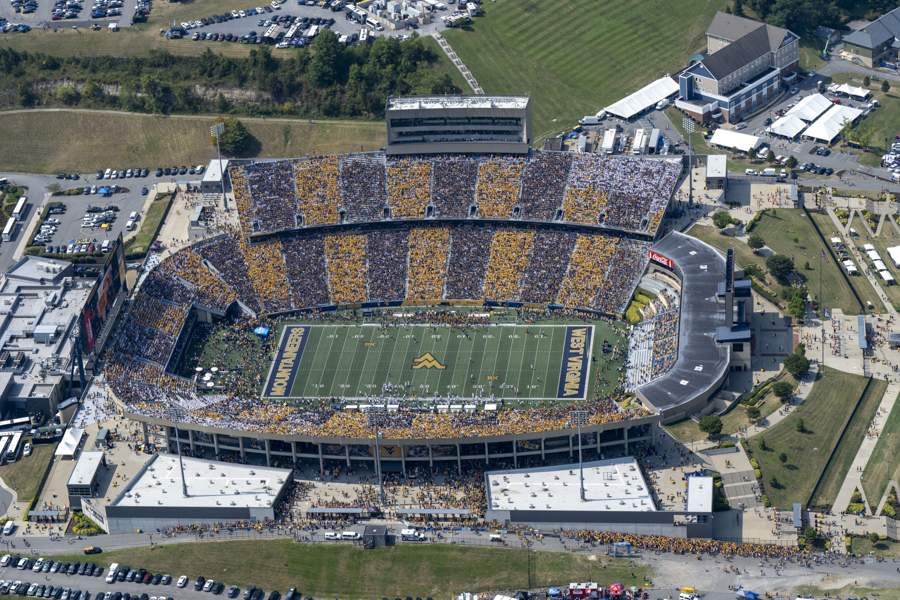
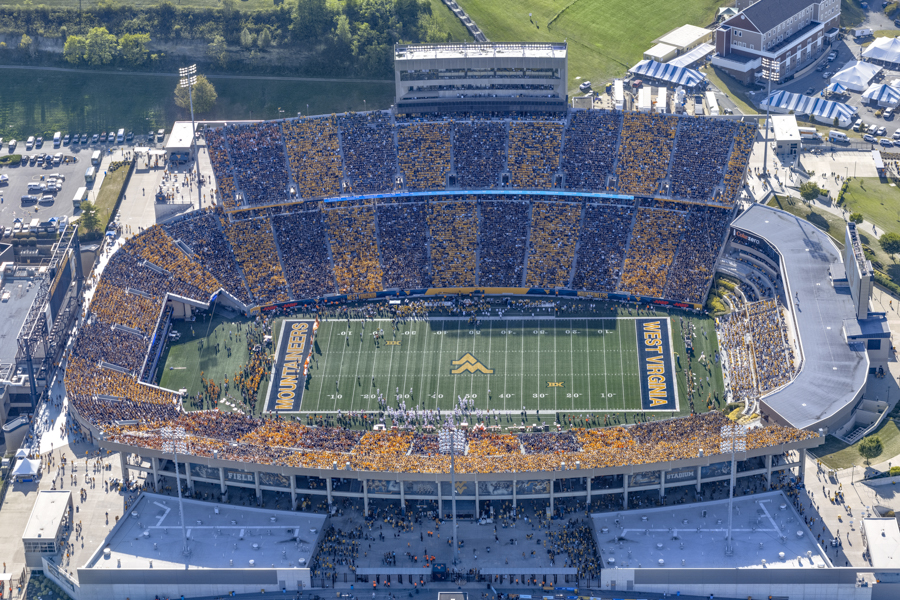
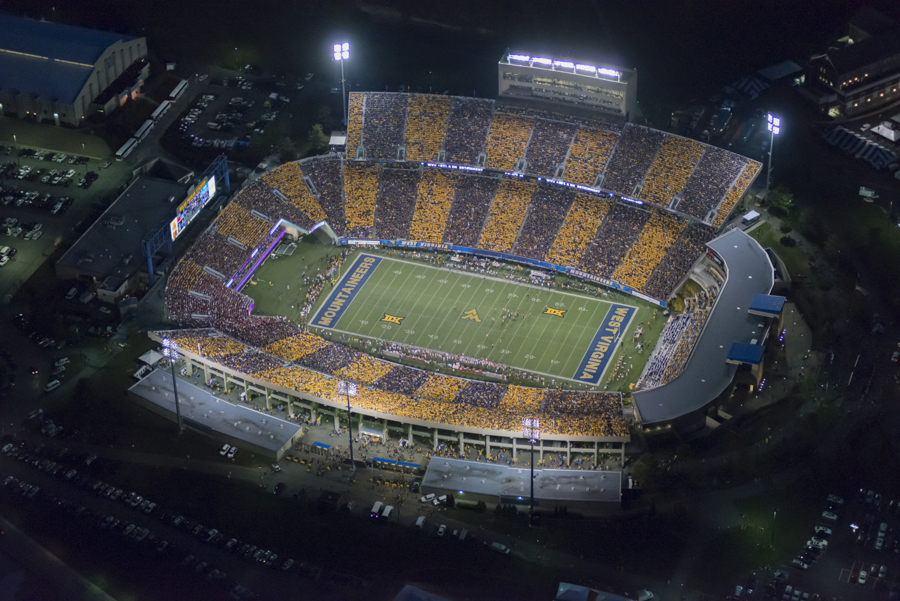
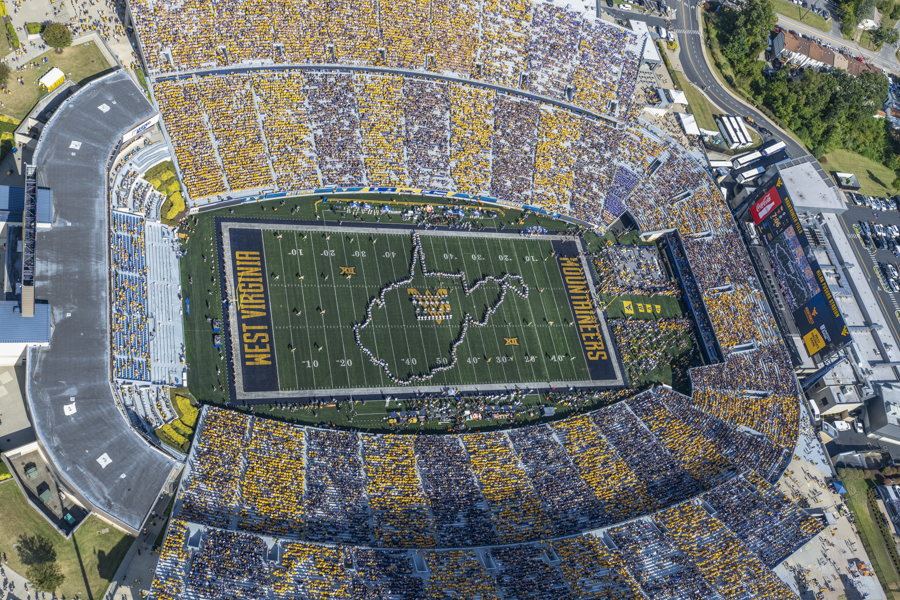
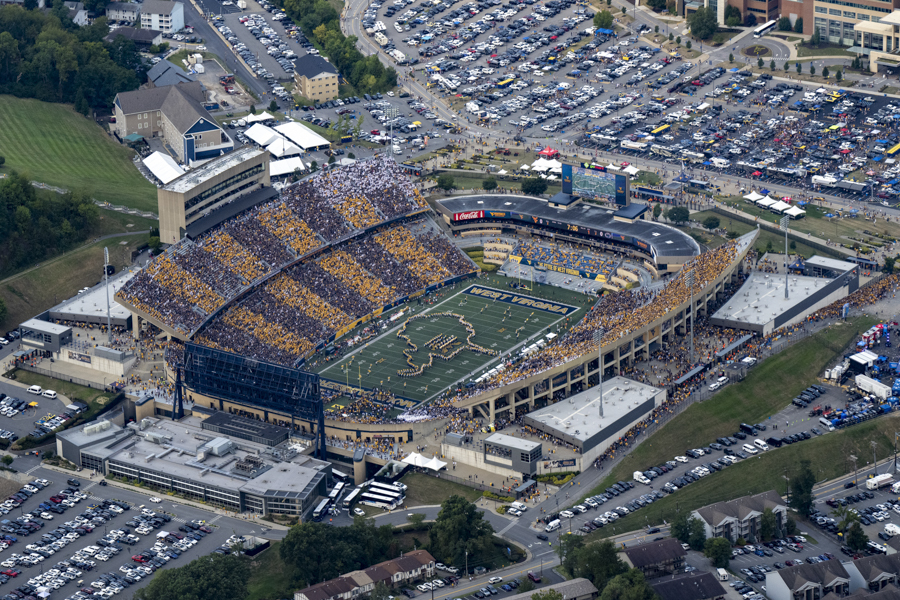
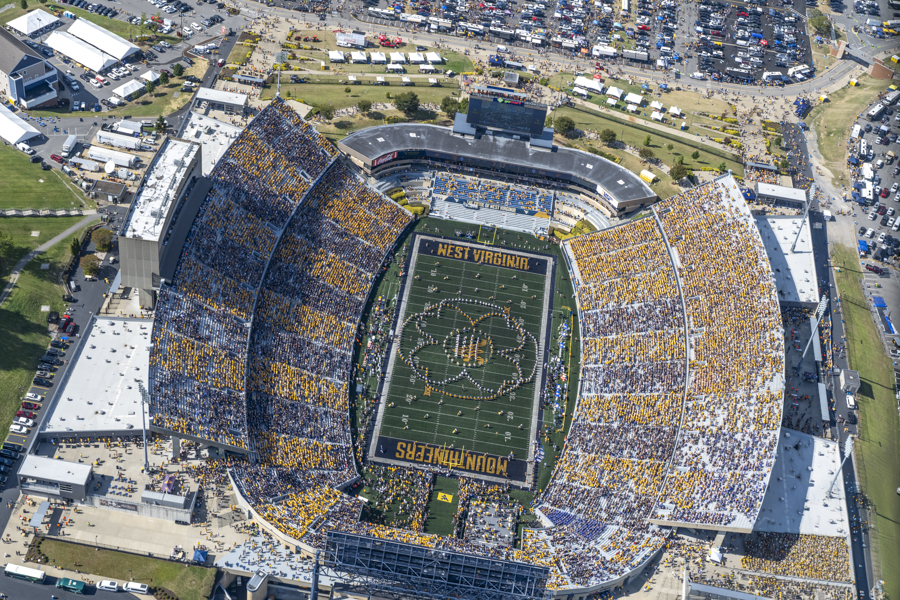
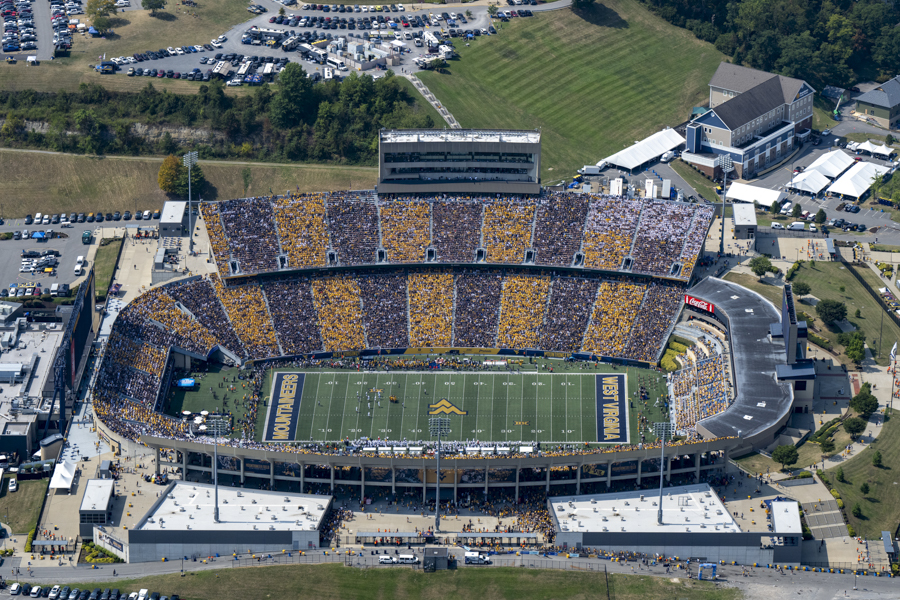
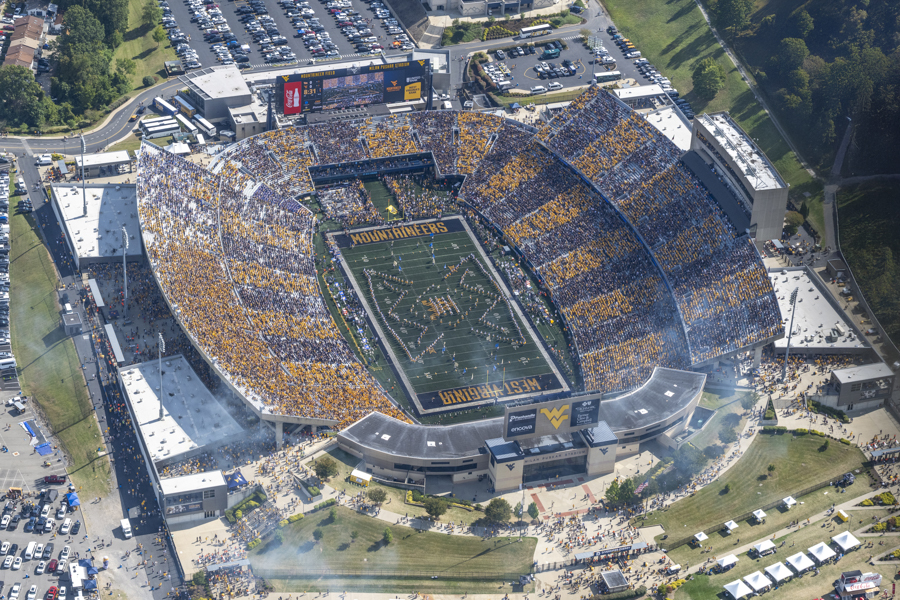
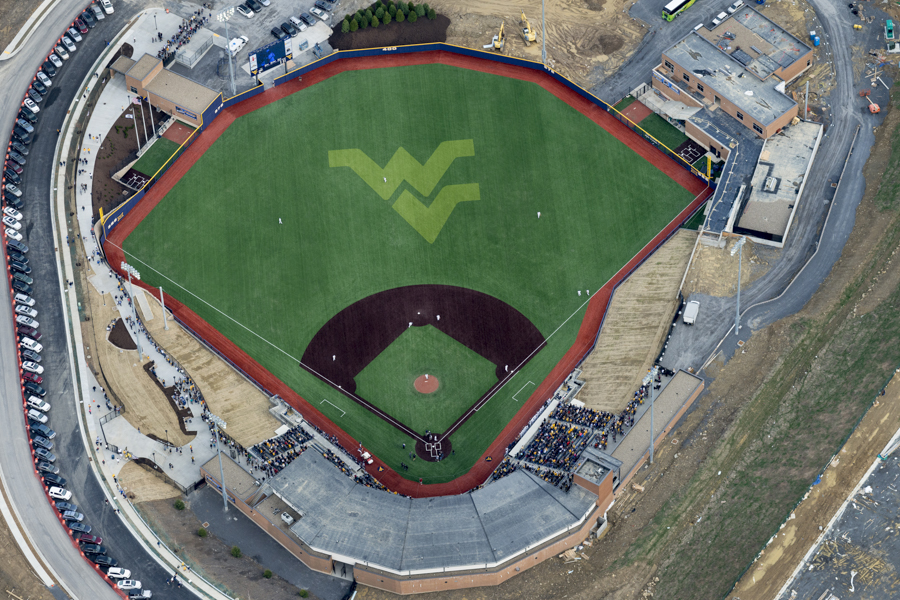
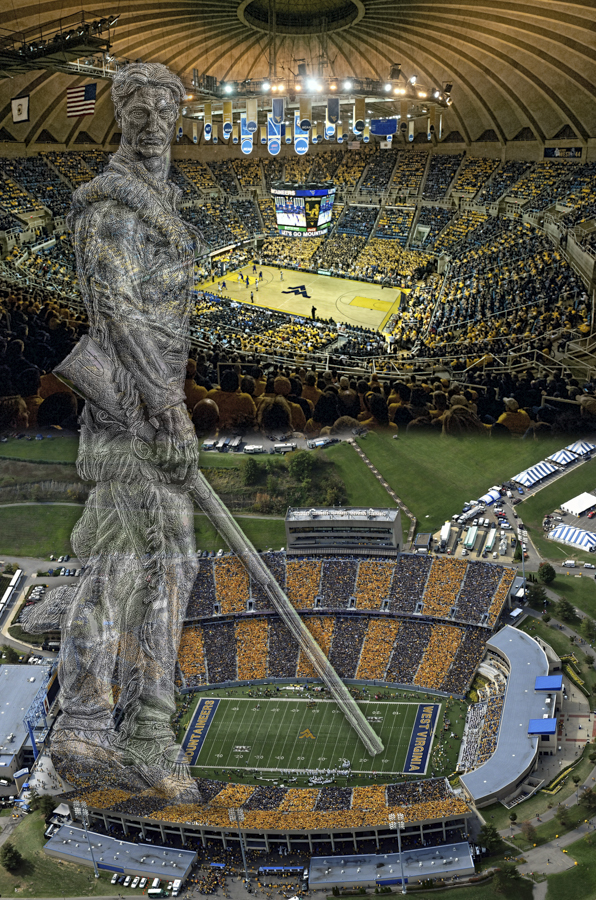
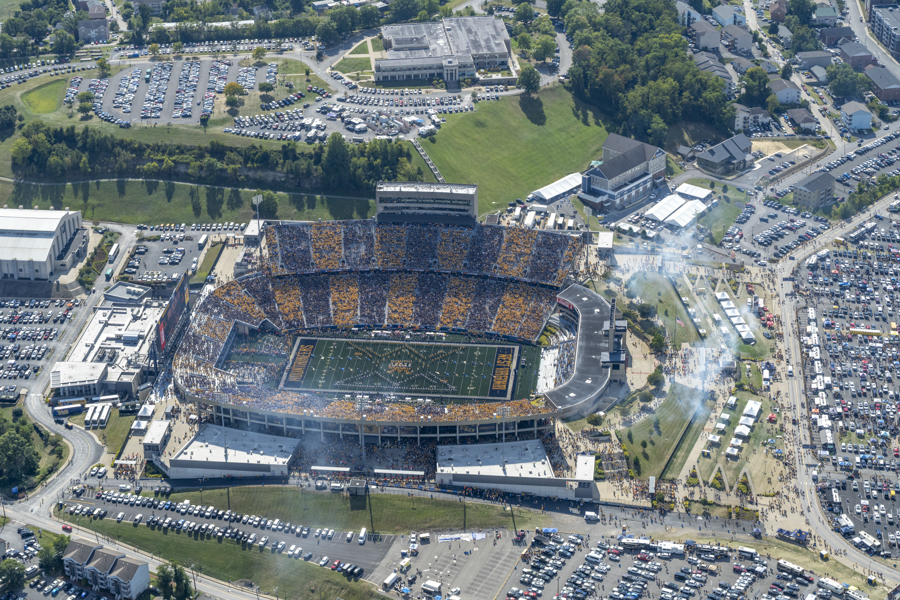
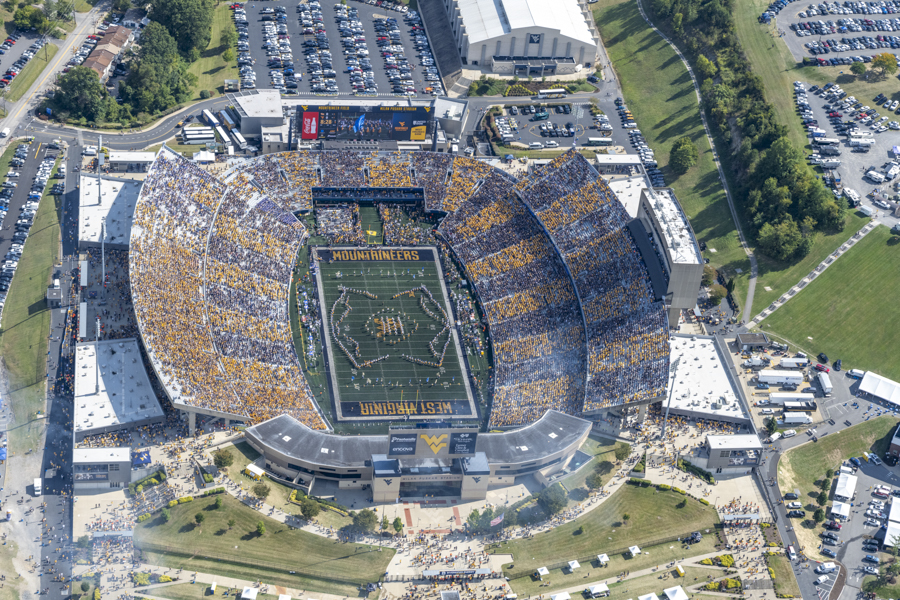
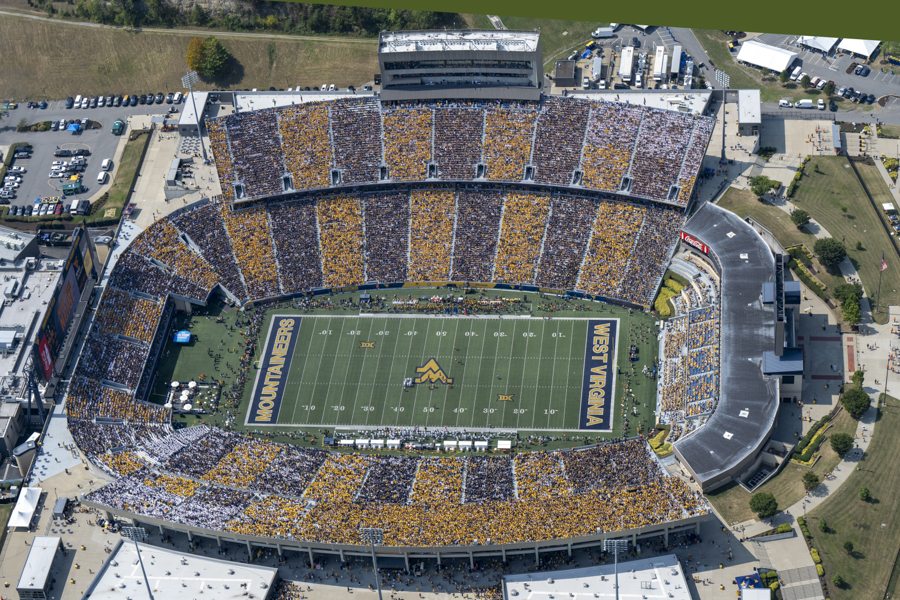
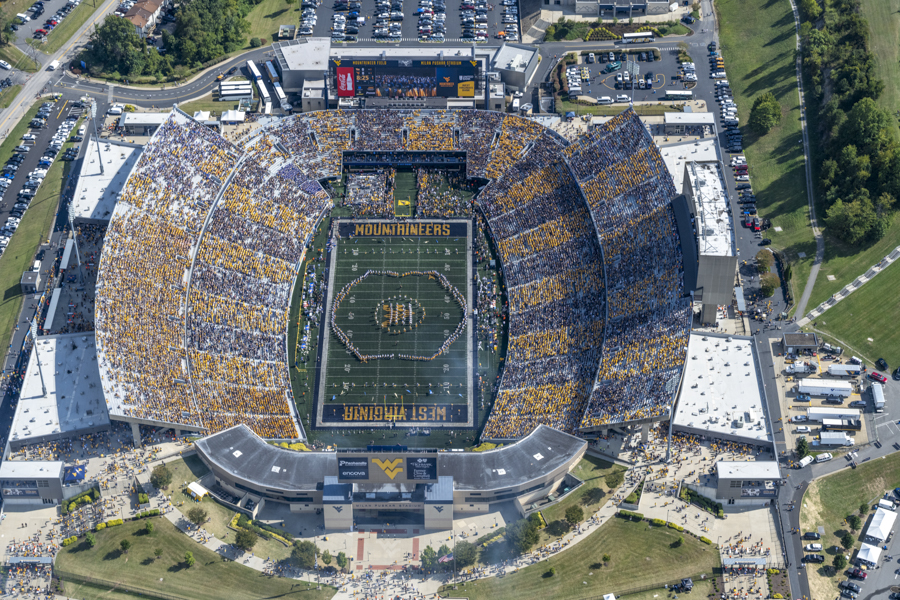
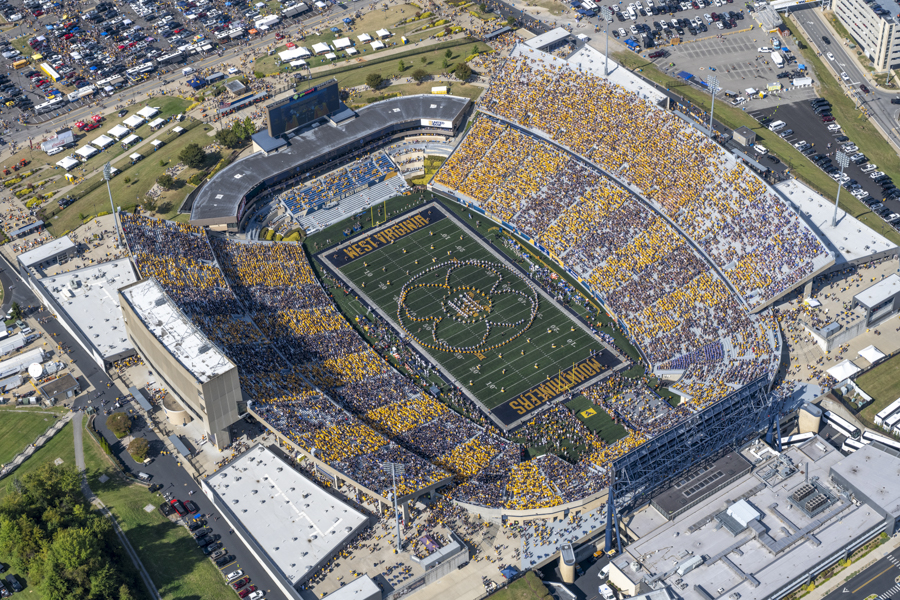
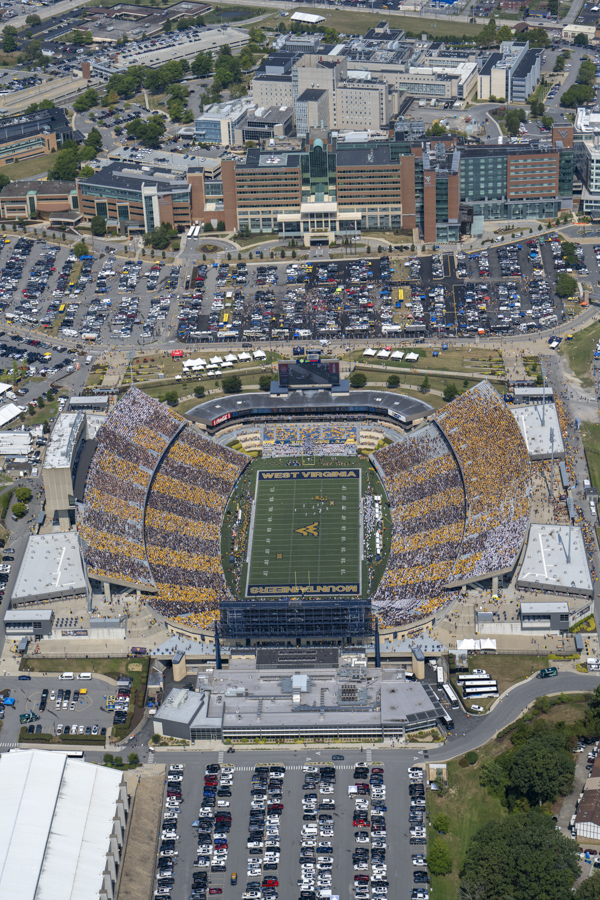
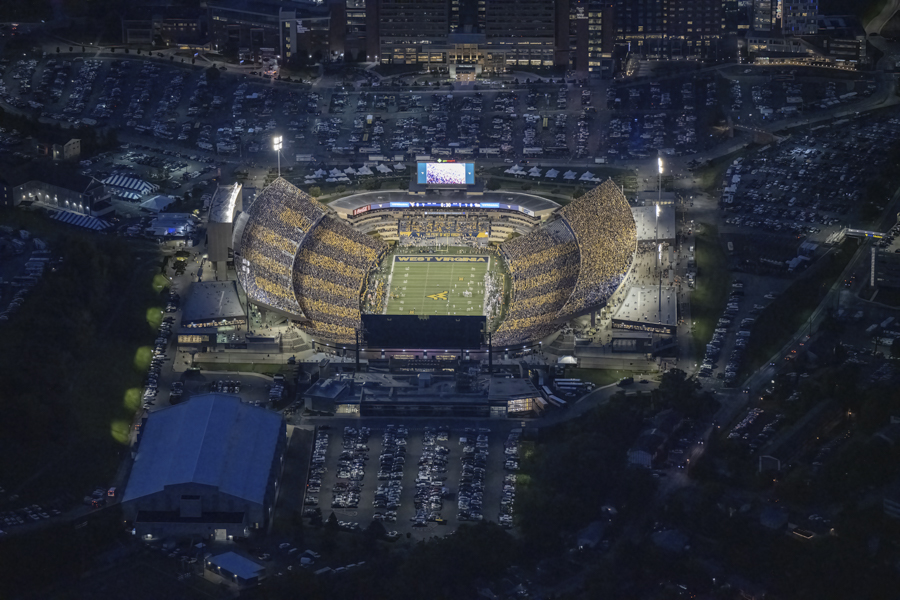
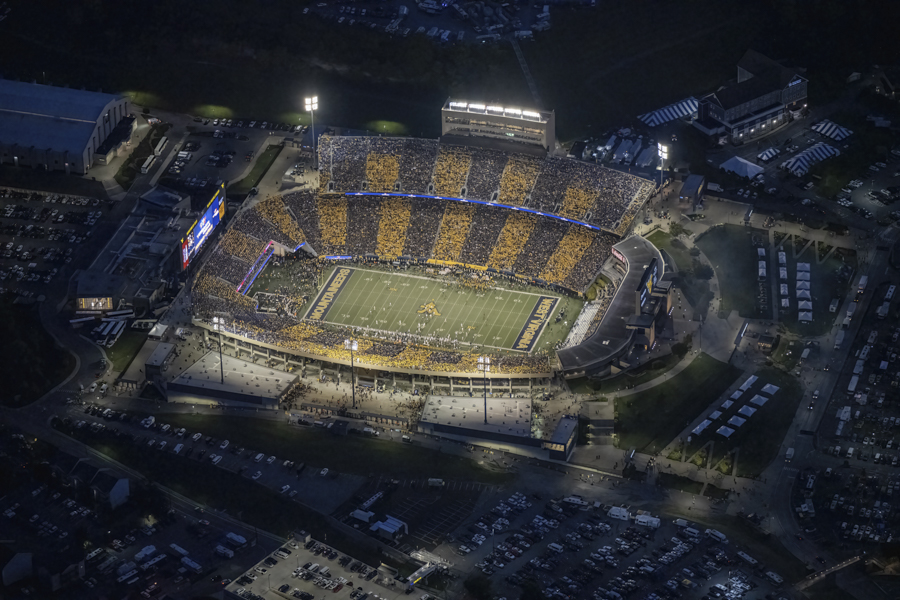
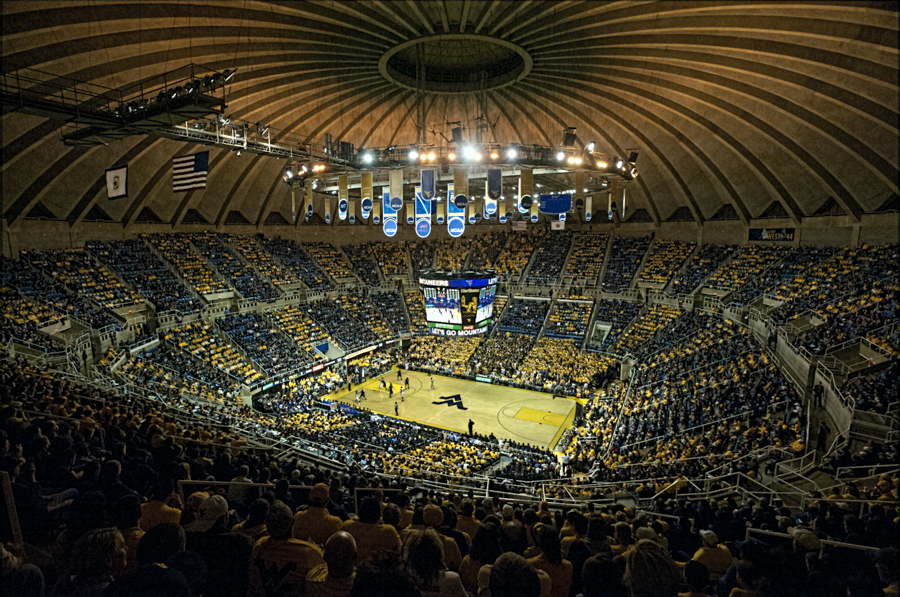
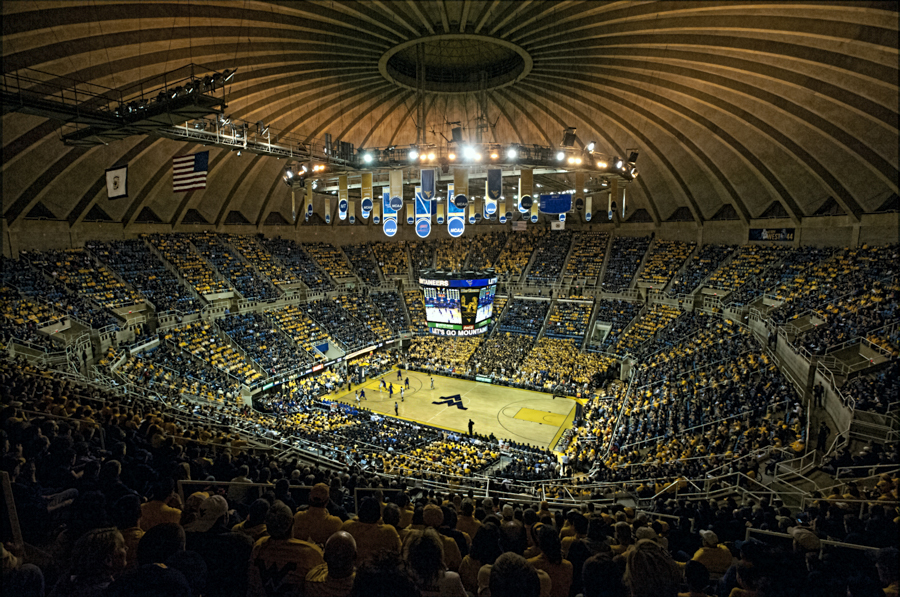
For more than sixteen years since retiring as manager of WVU Photographic Services, I’ve continued doing what I love most—capturing the spirit, energy, and tradition of West Virginia University through photography. Today, I still photograph every WVU football home game and WVU basketball home game, preserving the moments that define Mountaineer pride. Game days have a pulse all their own, and being on the sidelines with a camera in hand keeps me connected to the university and the community that shaped my career.
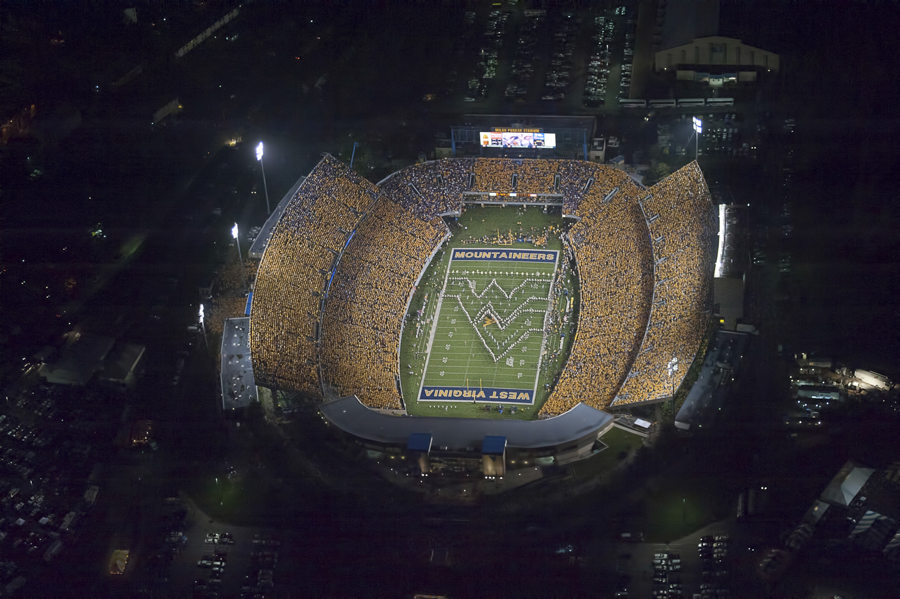
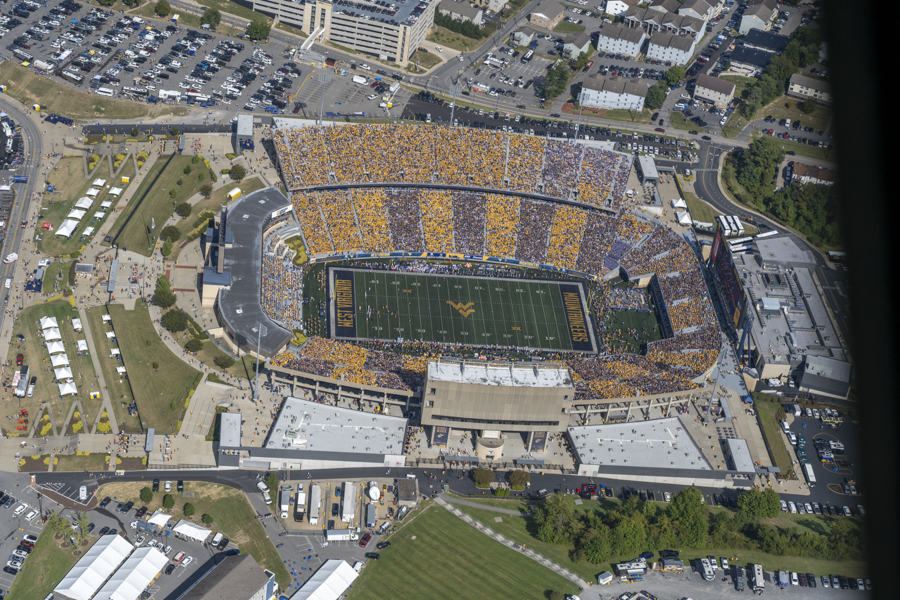
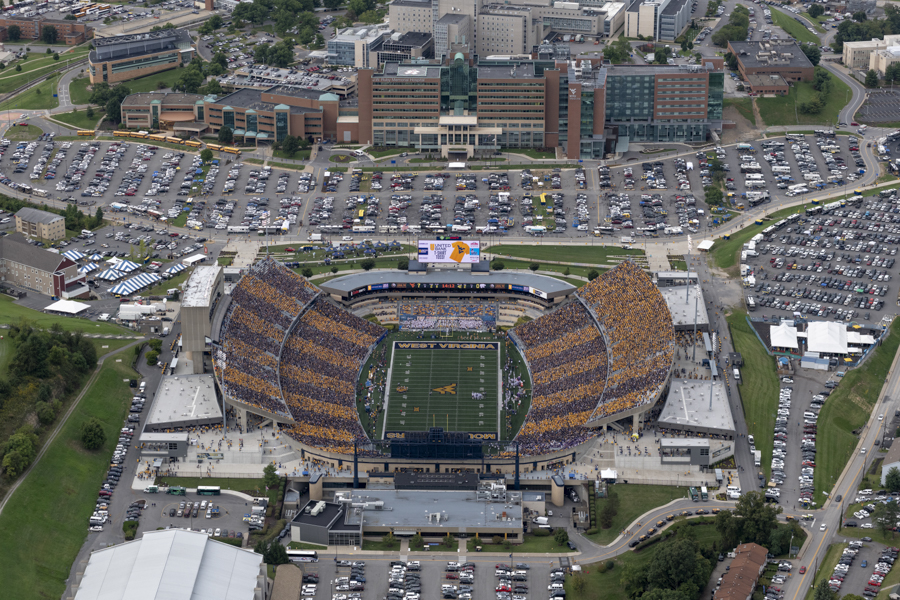
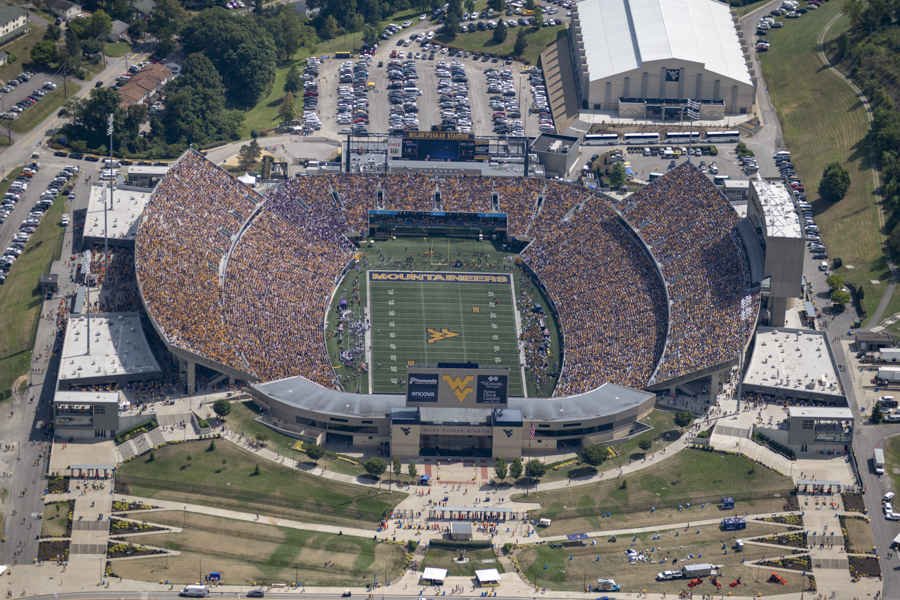
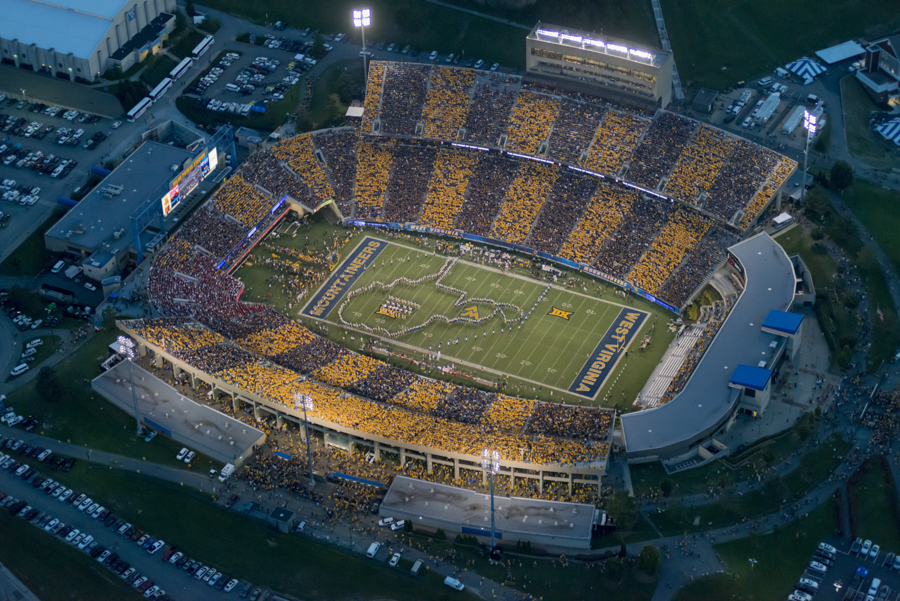
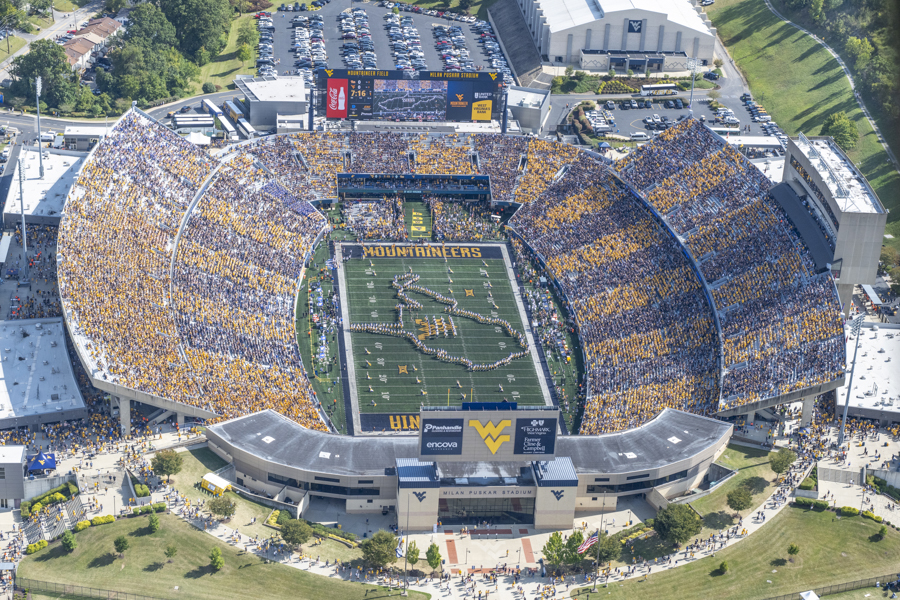
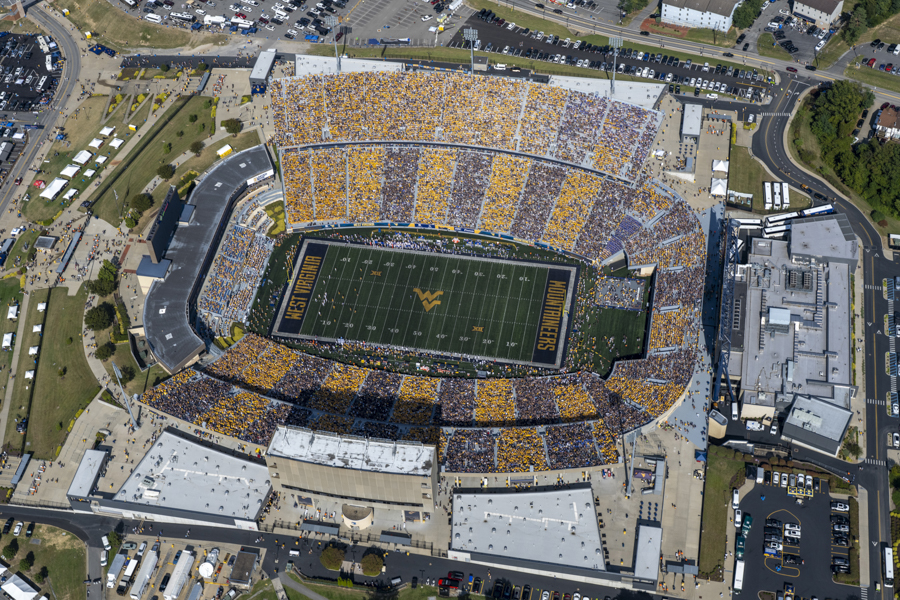
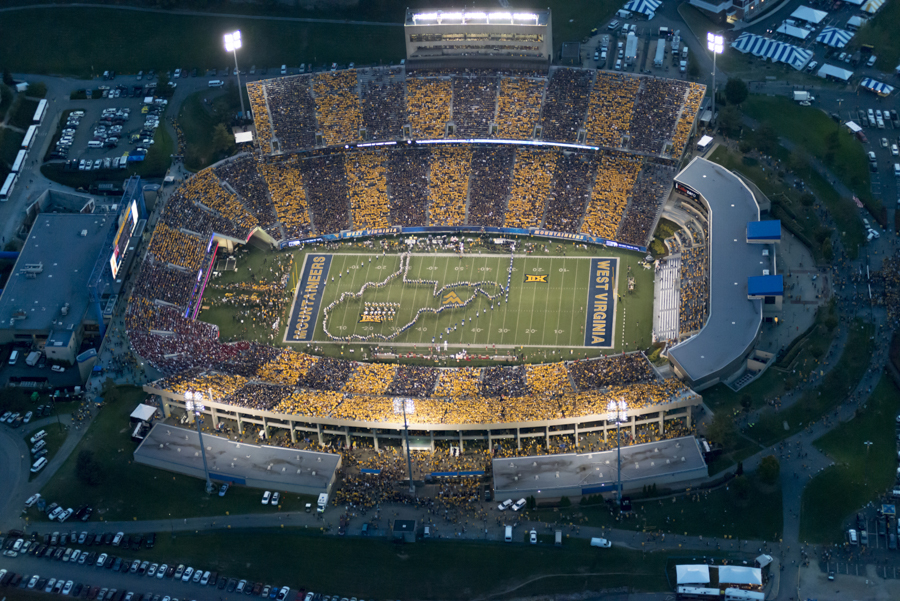
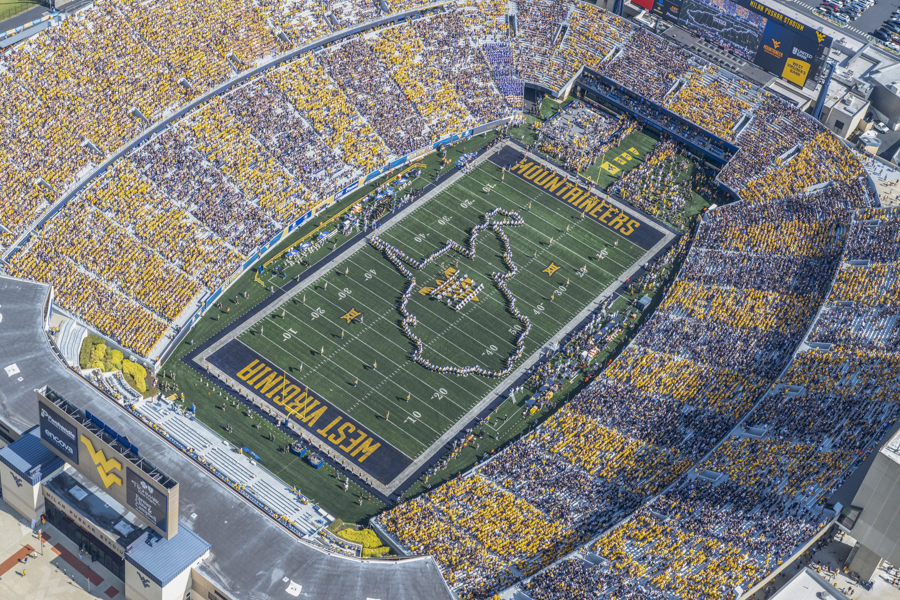
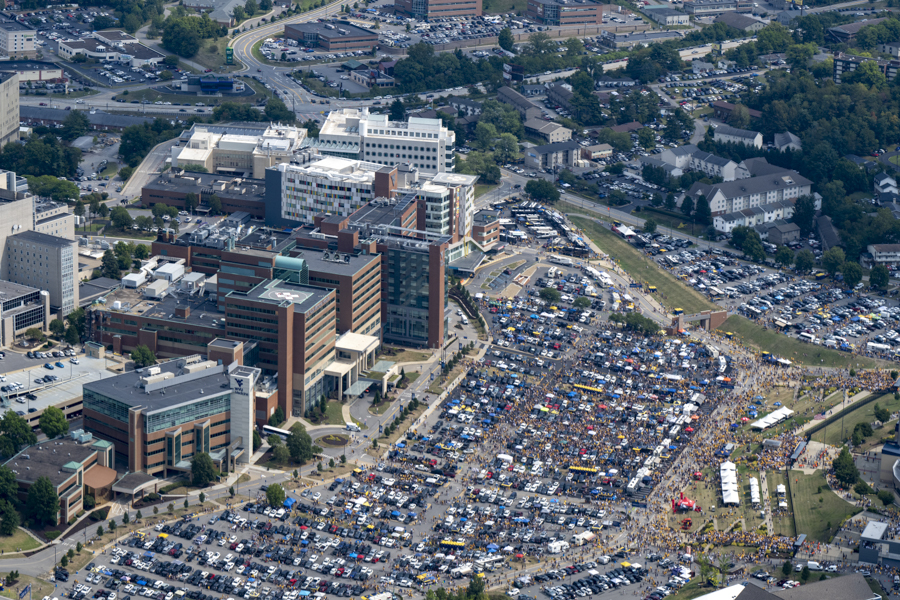
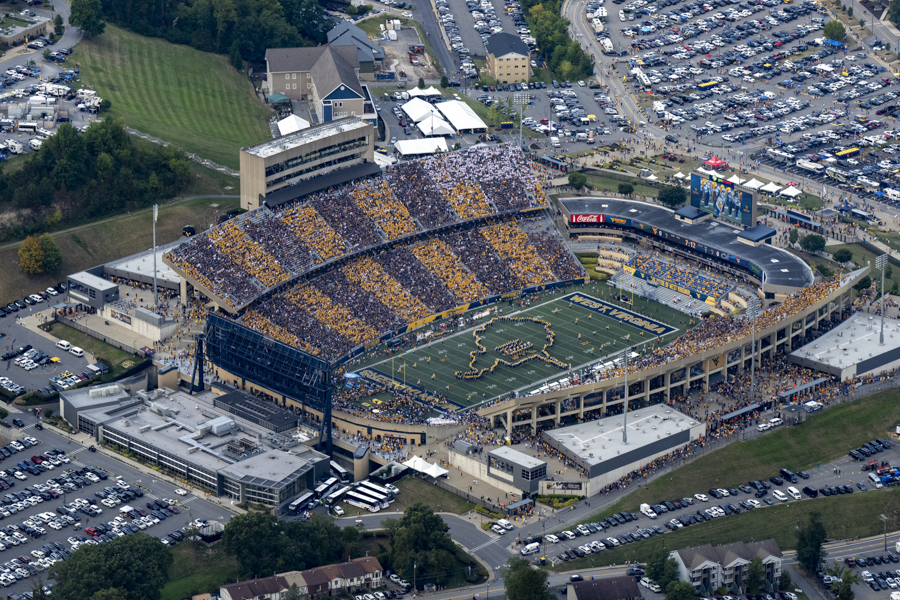
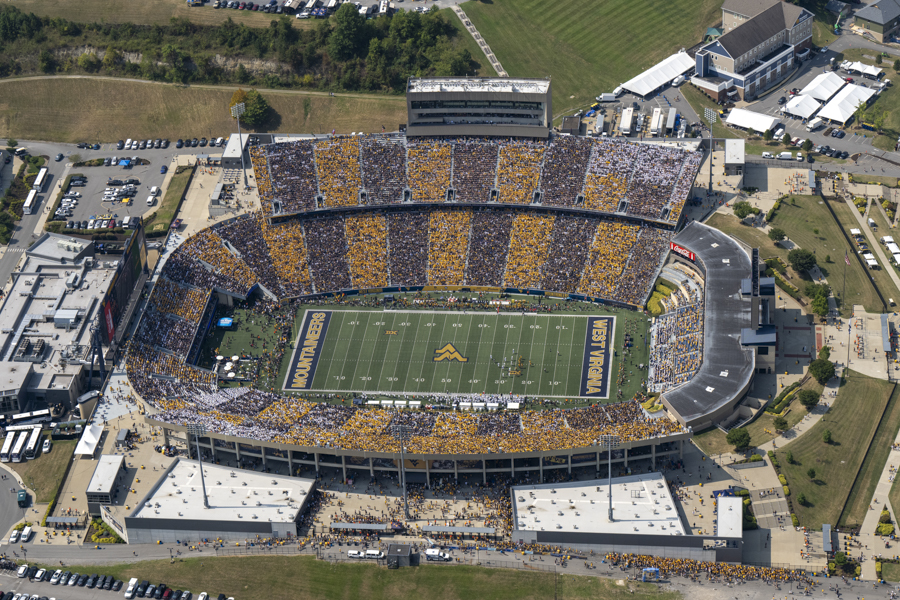
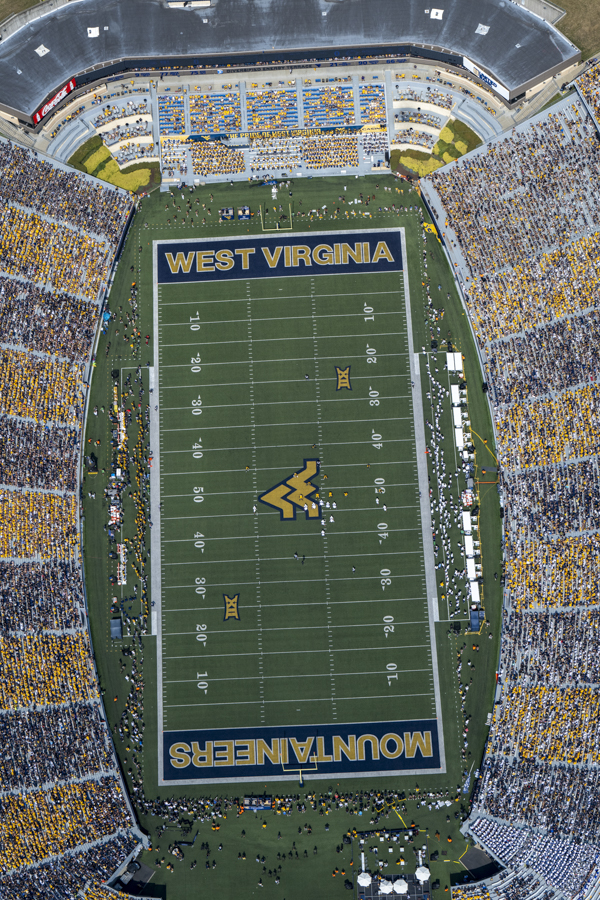
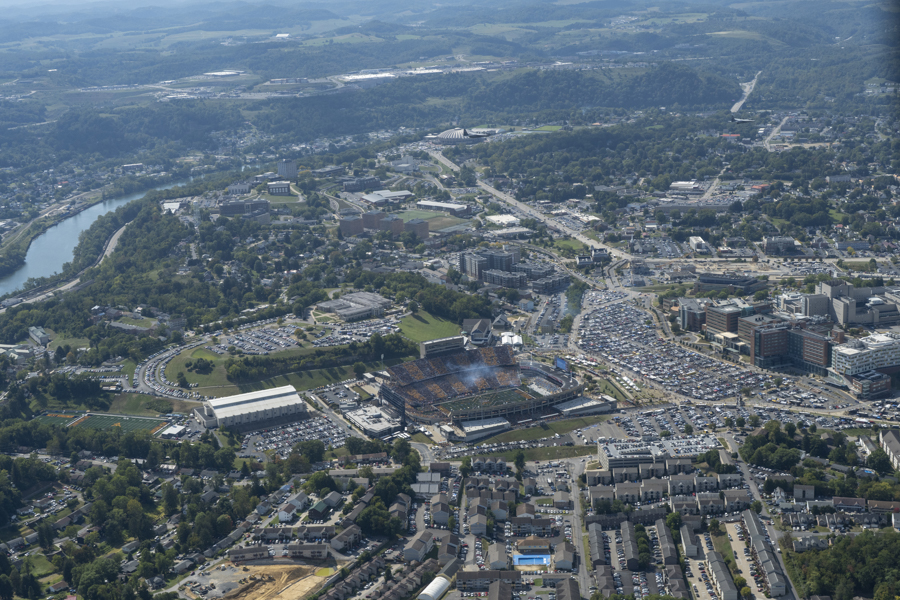
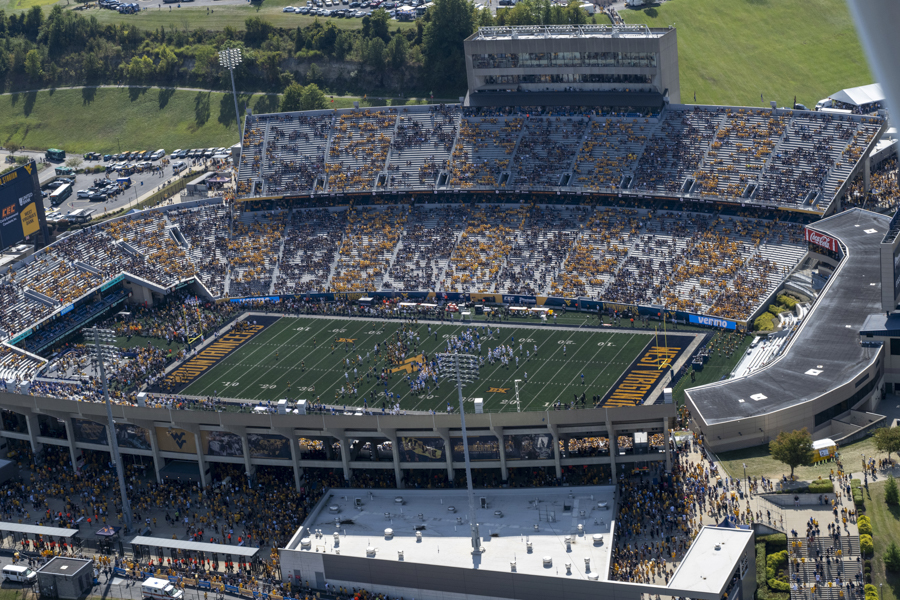
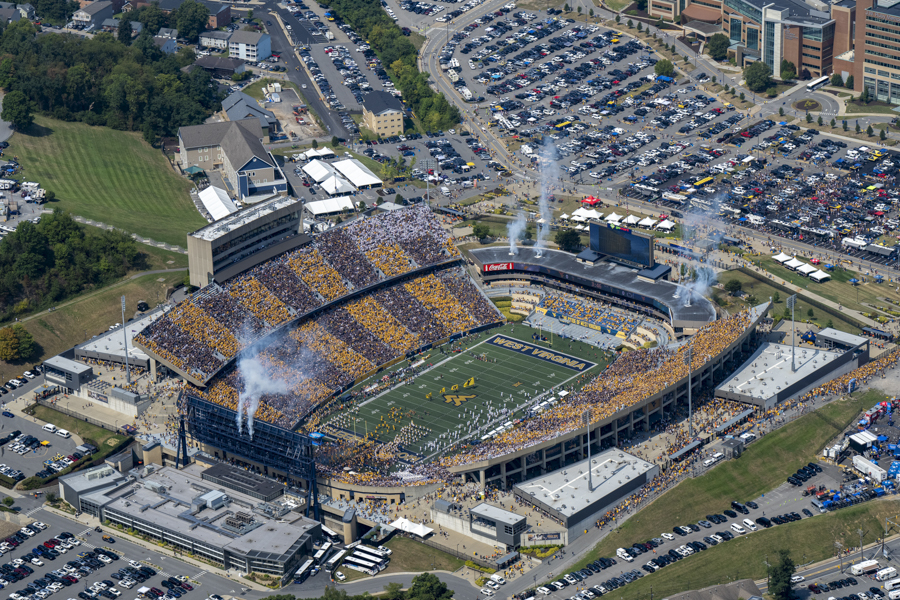
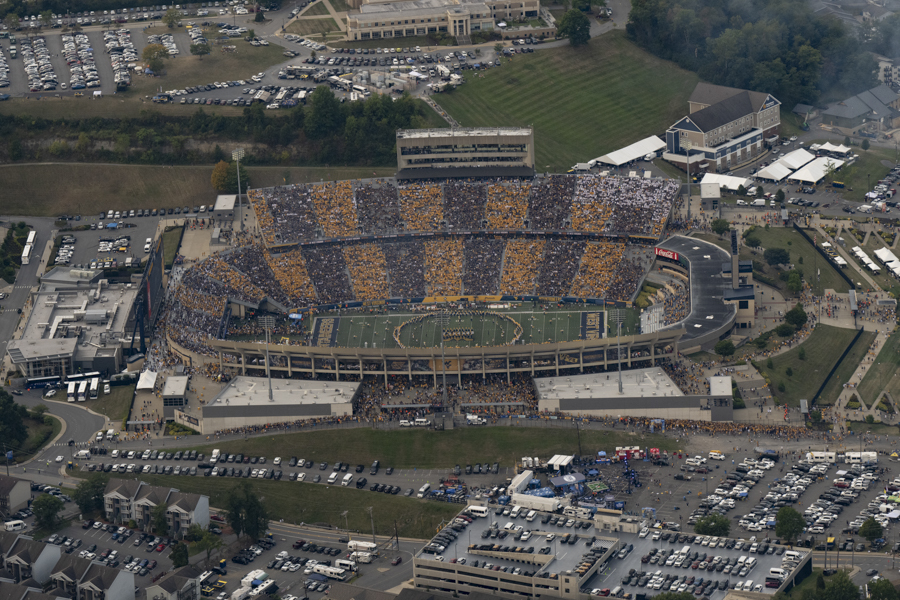
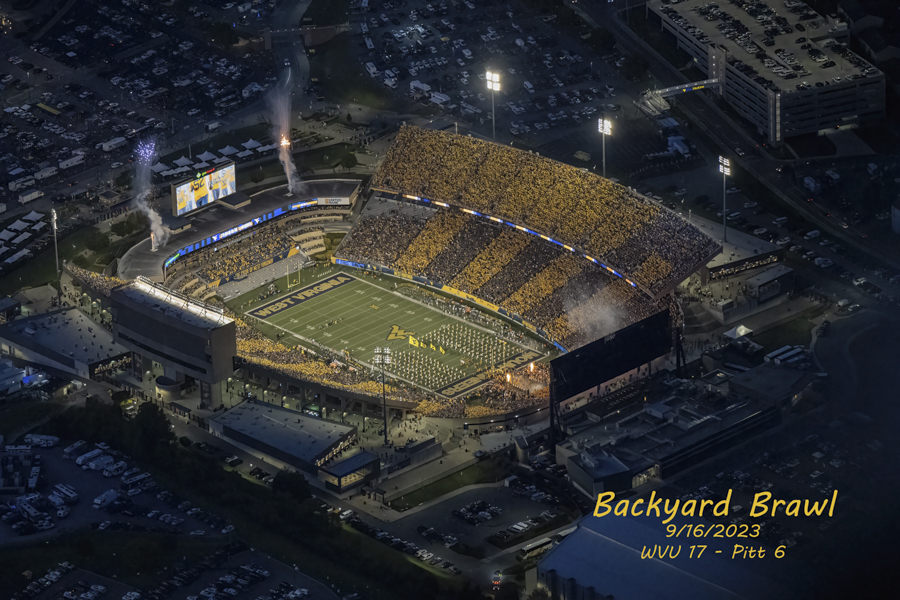
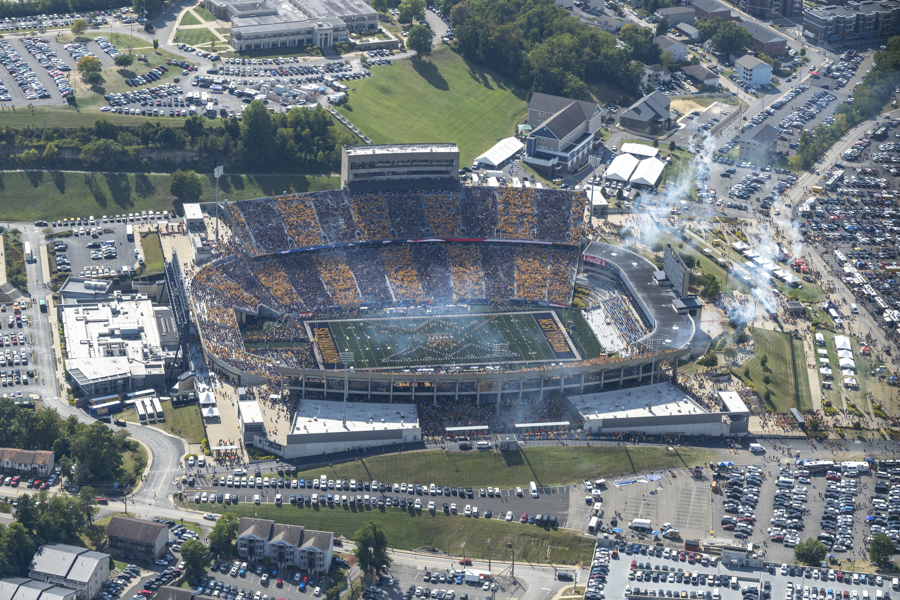
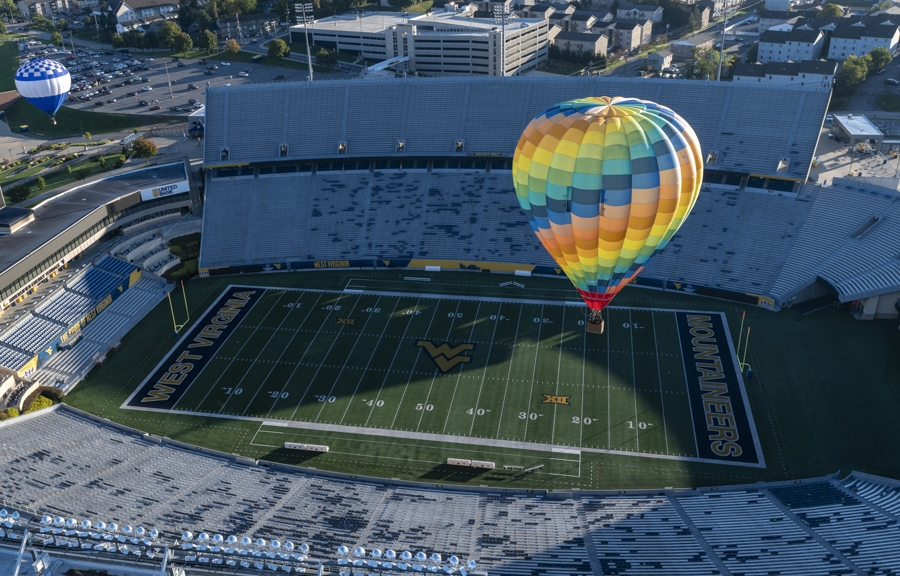
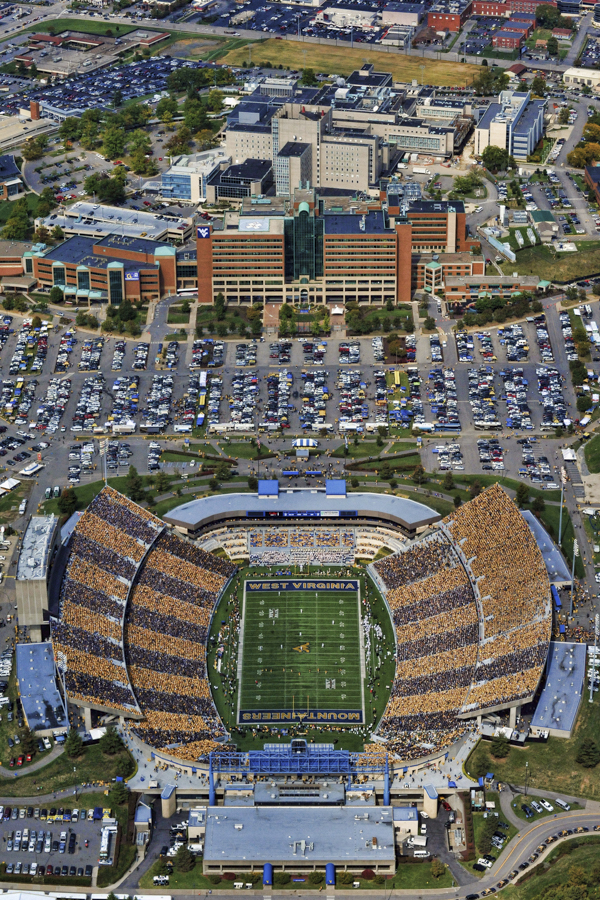
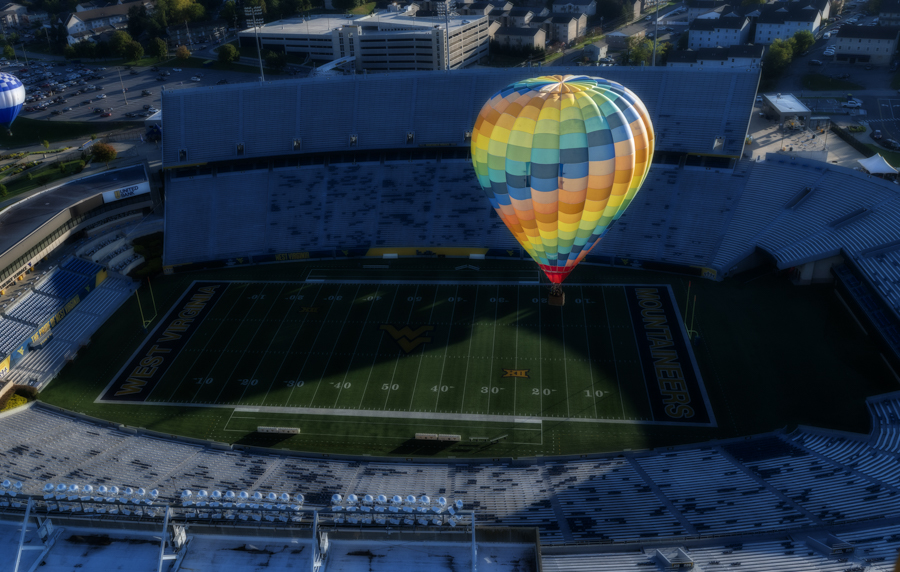
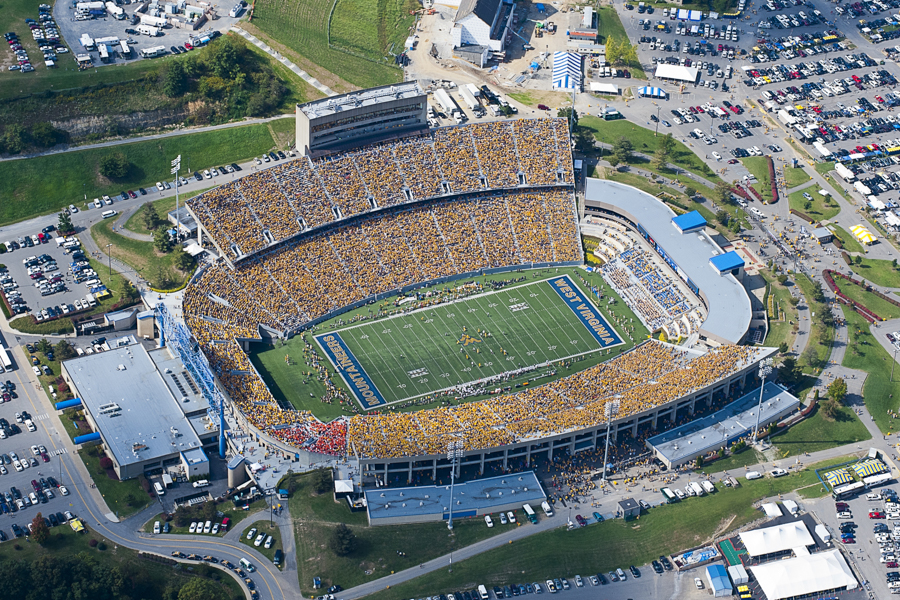
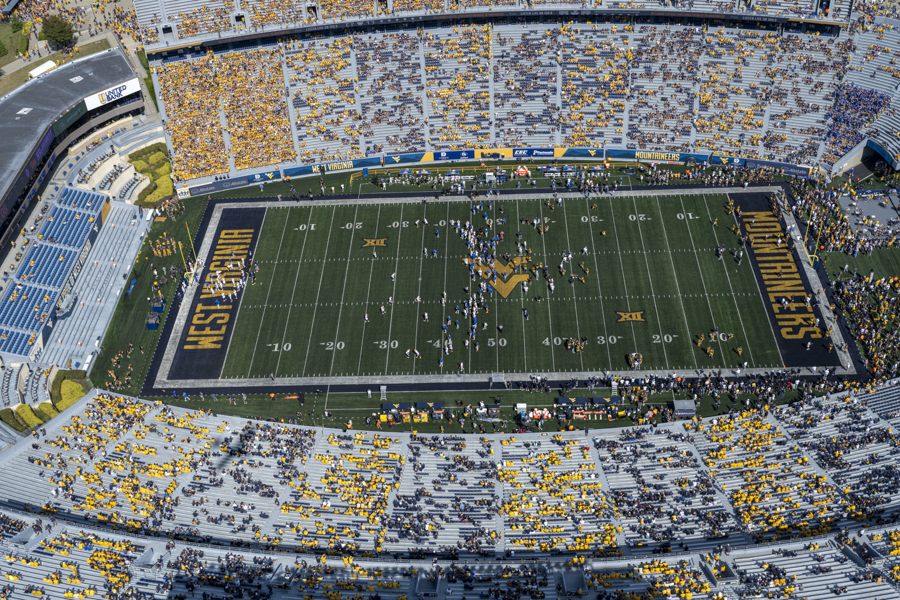
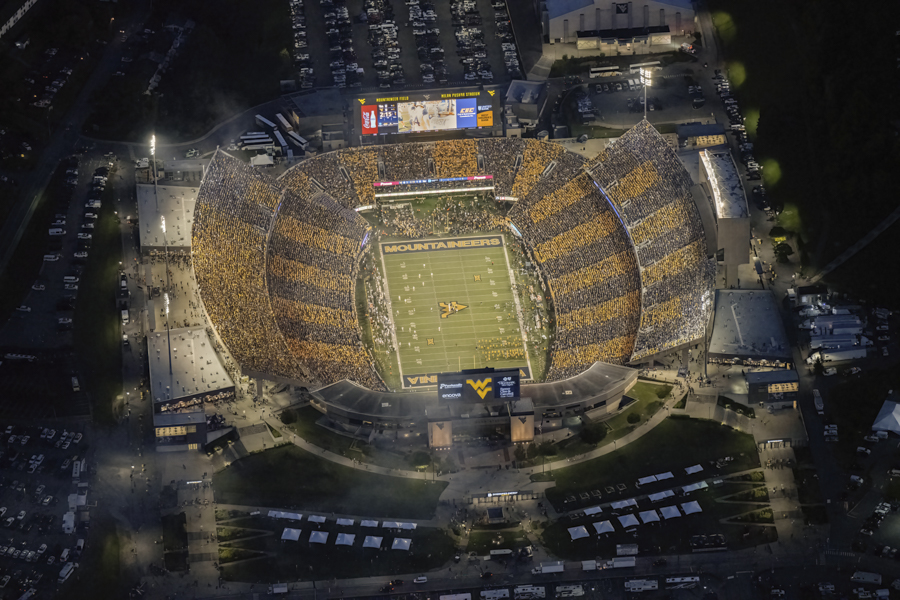
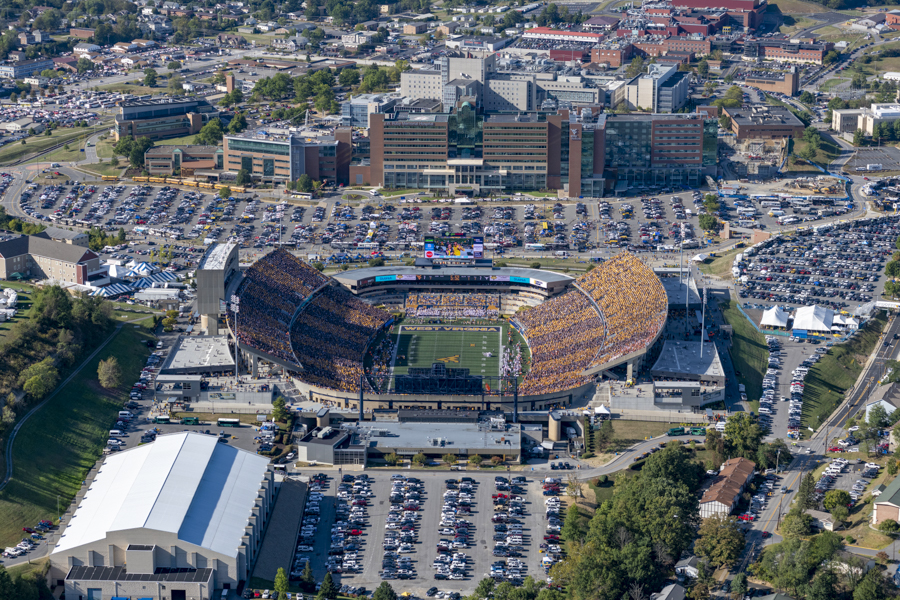
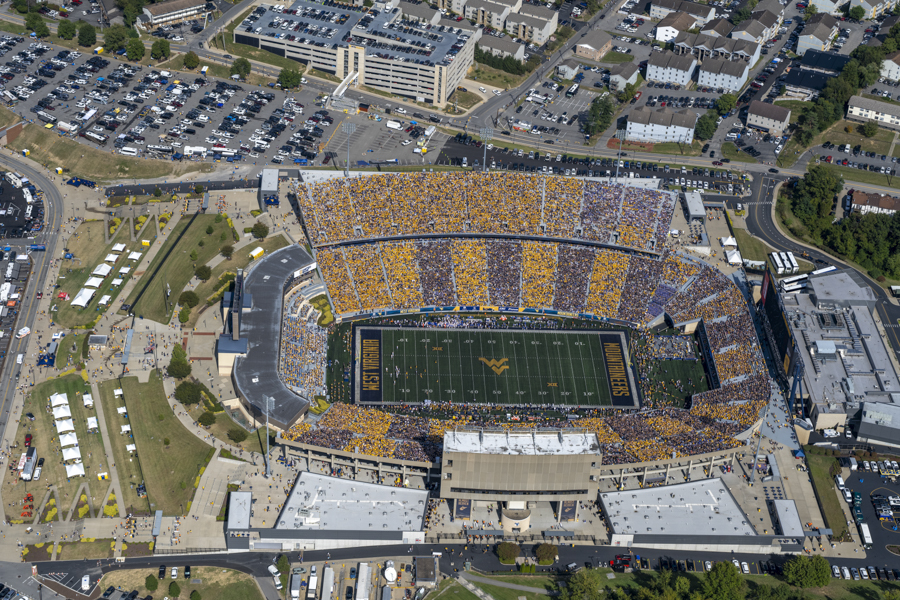
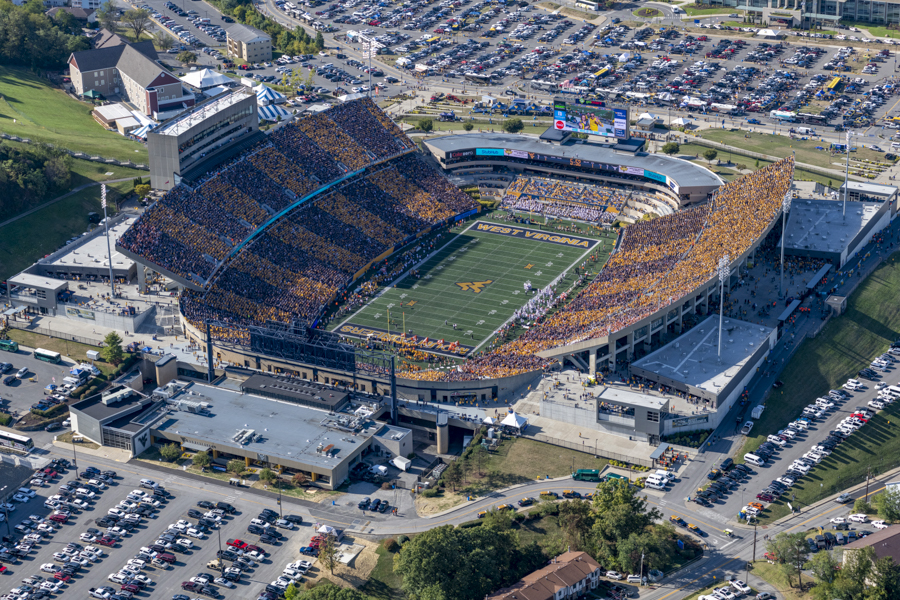
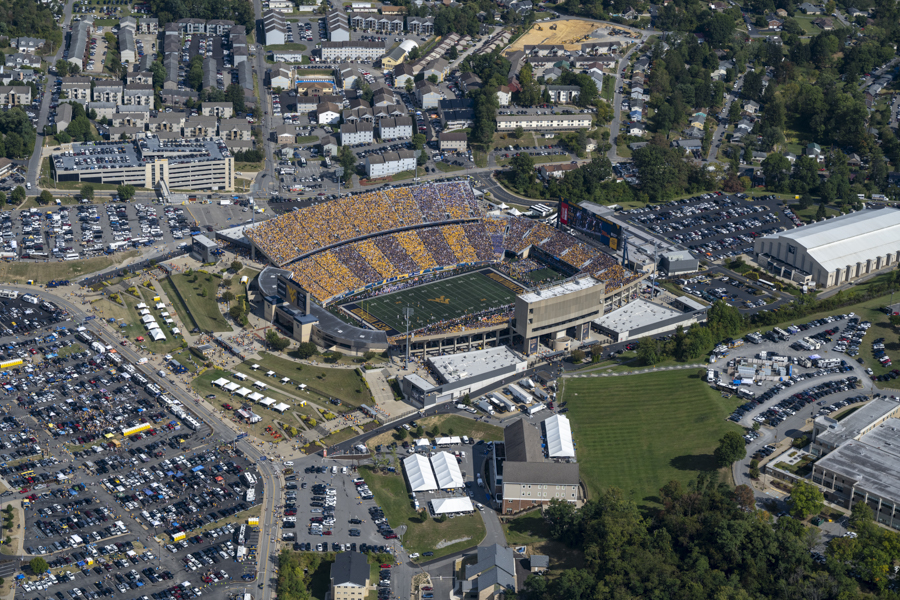
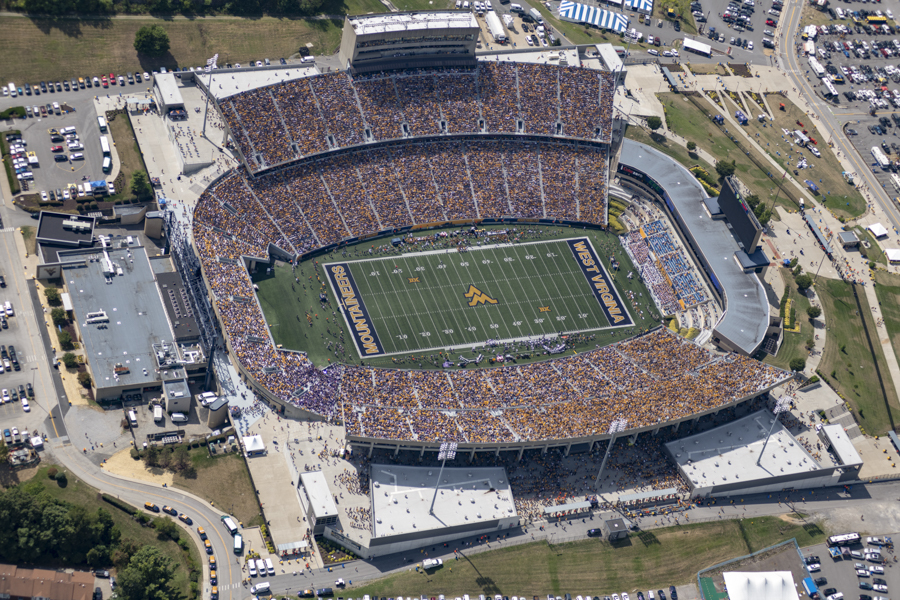
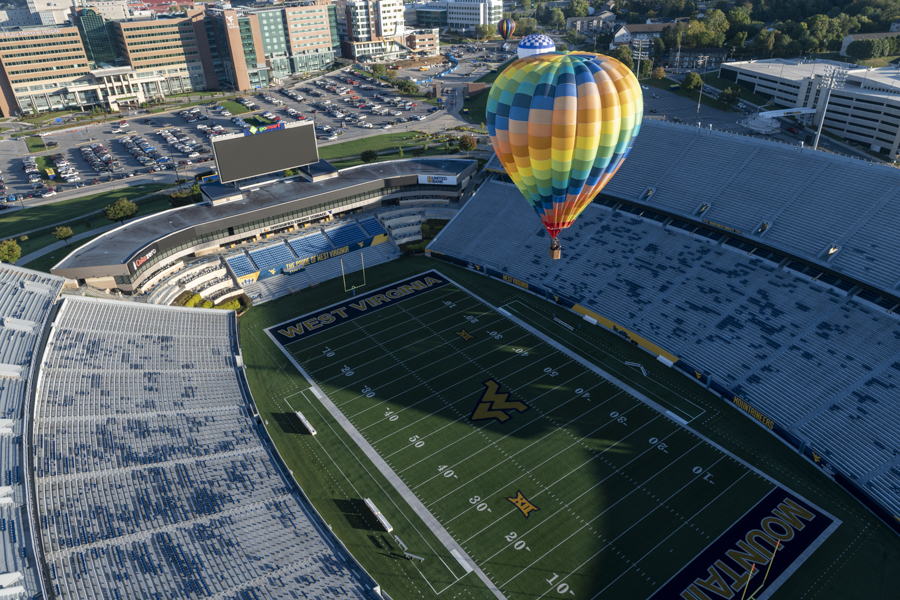
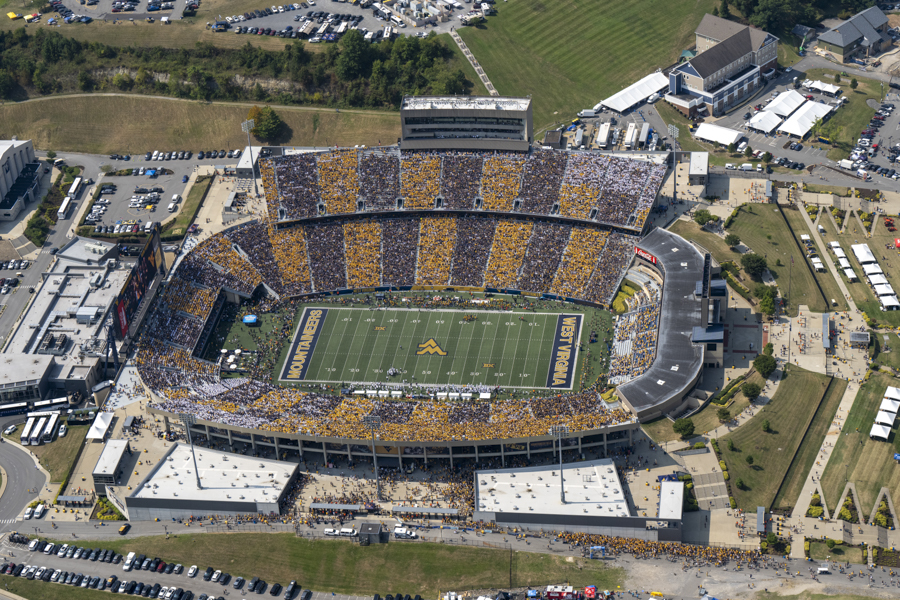
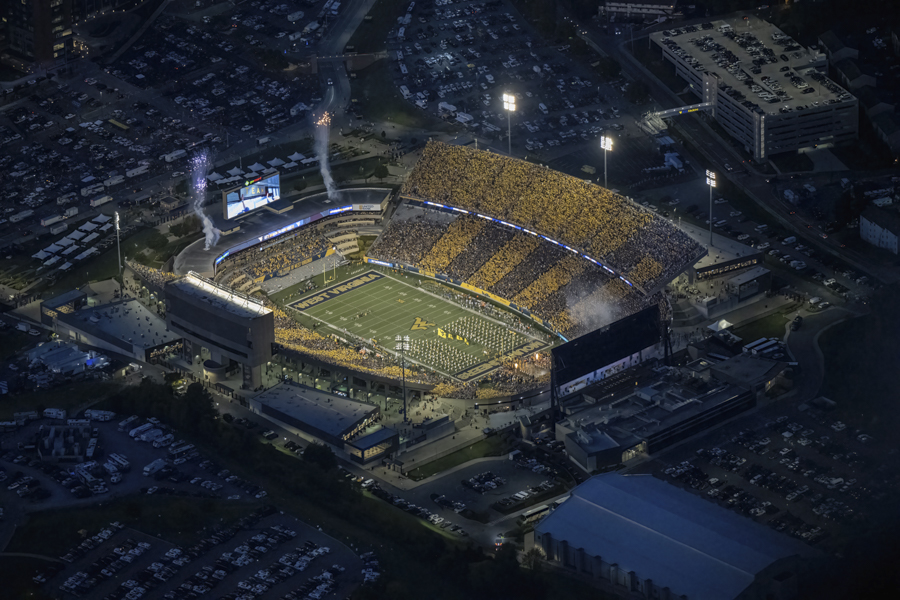
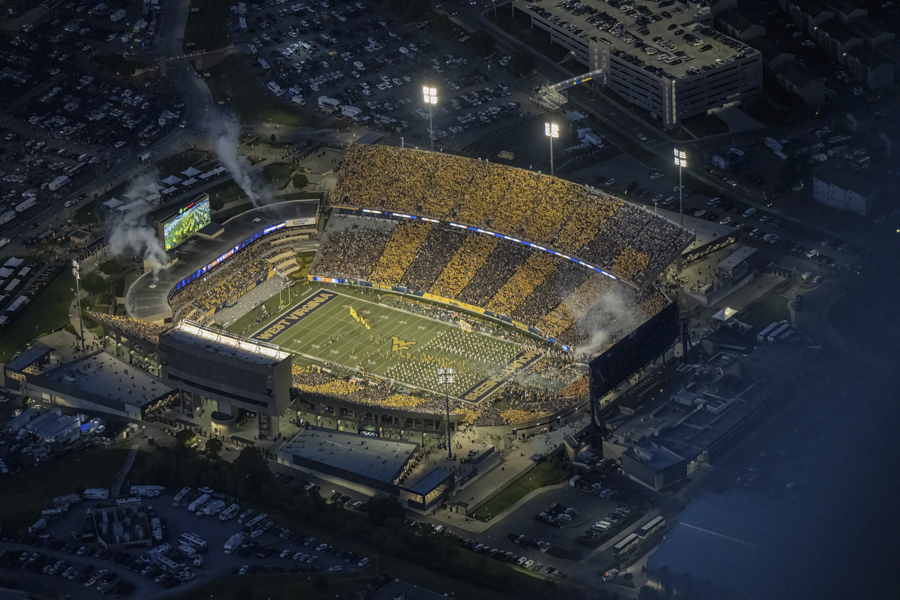
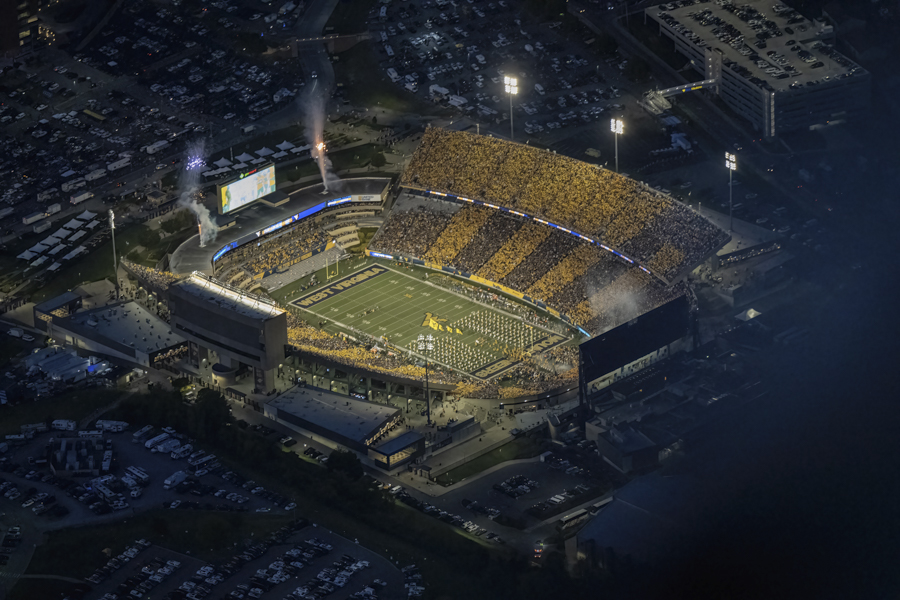
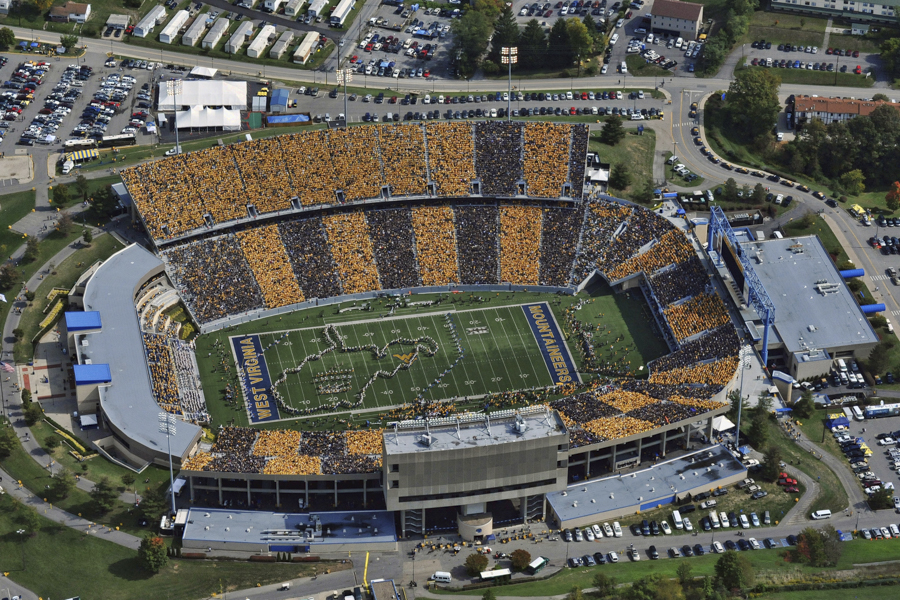
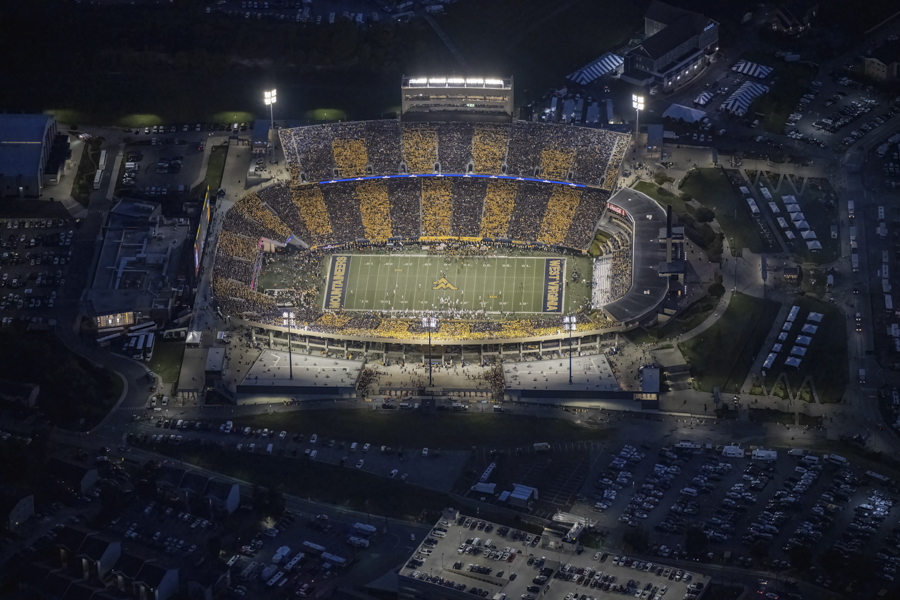
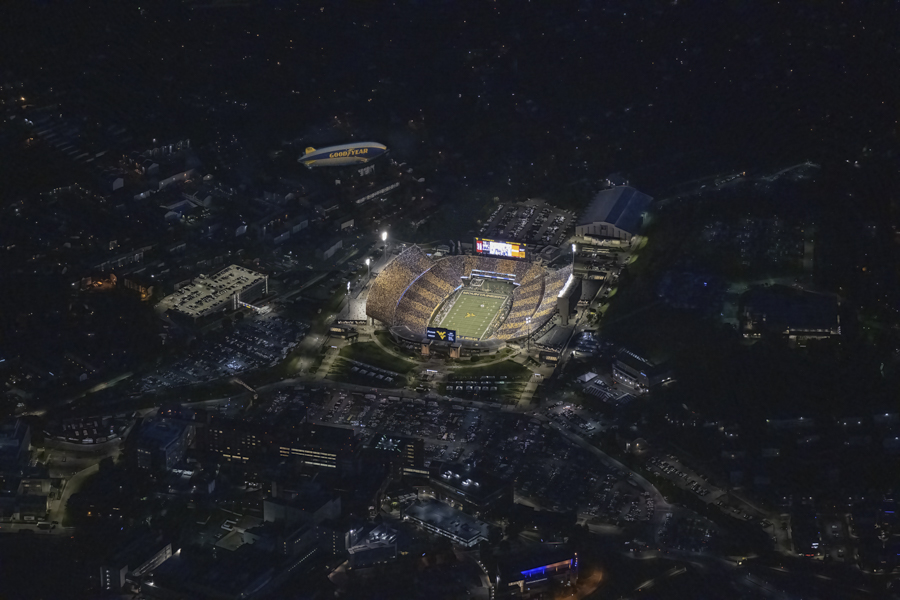
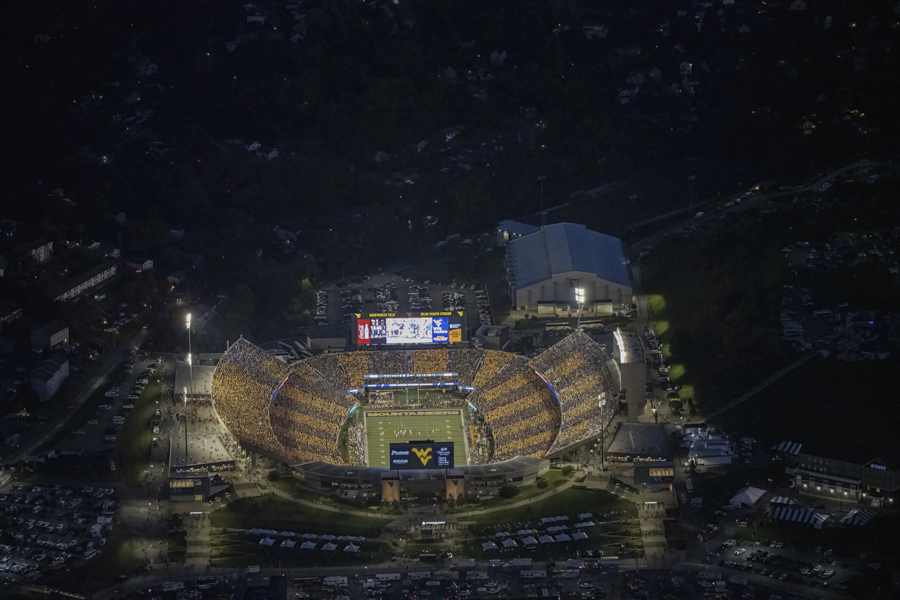
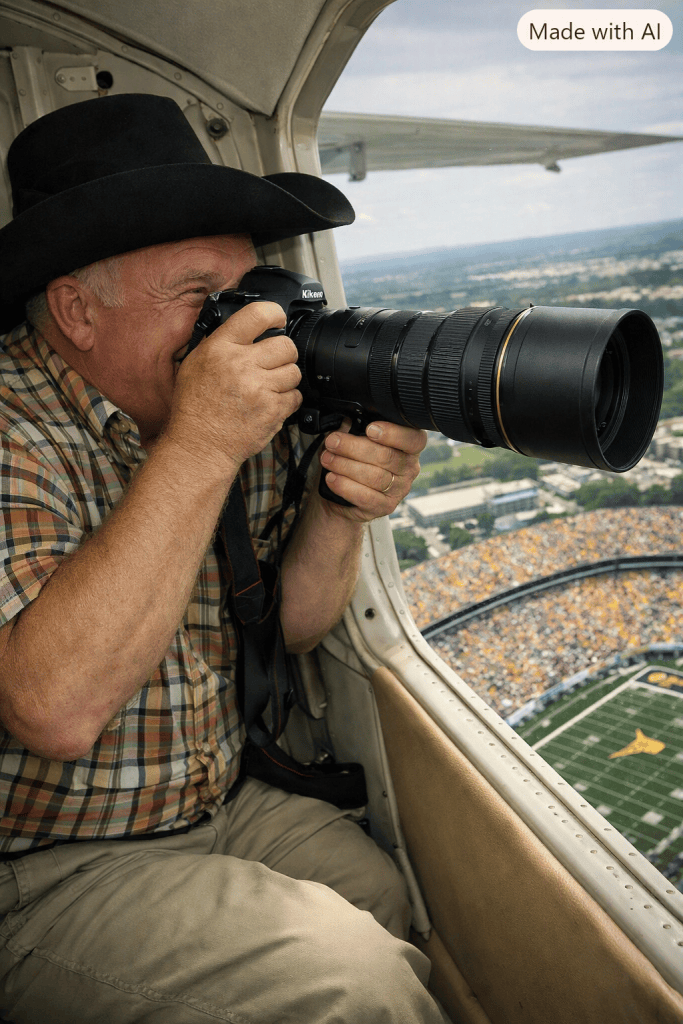
My work also includes aerial photography of major WVU football games, offering a dramatic, sweeping perspective of Milan Puskar Stadium that few ever get to see. Flying above the field and documenting the scale, color, and excitement from the air remains one of the most rewarding assignments I take on. Even after all these years, I genuinely enjoy every opportunity to photograph WVU—whether from the sidelines or the sky.
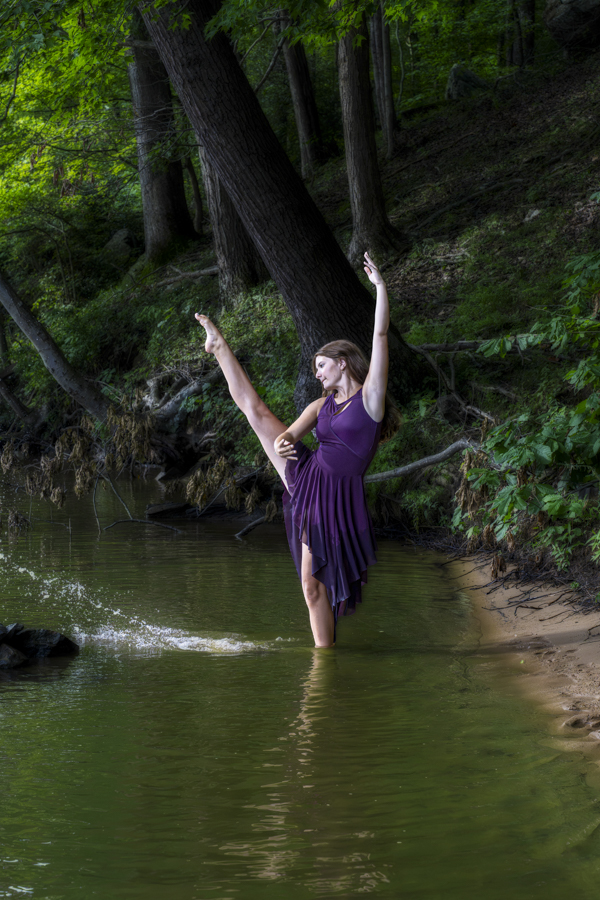
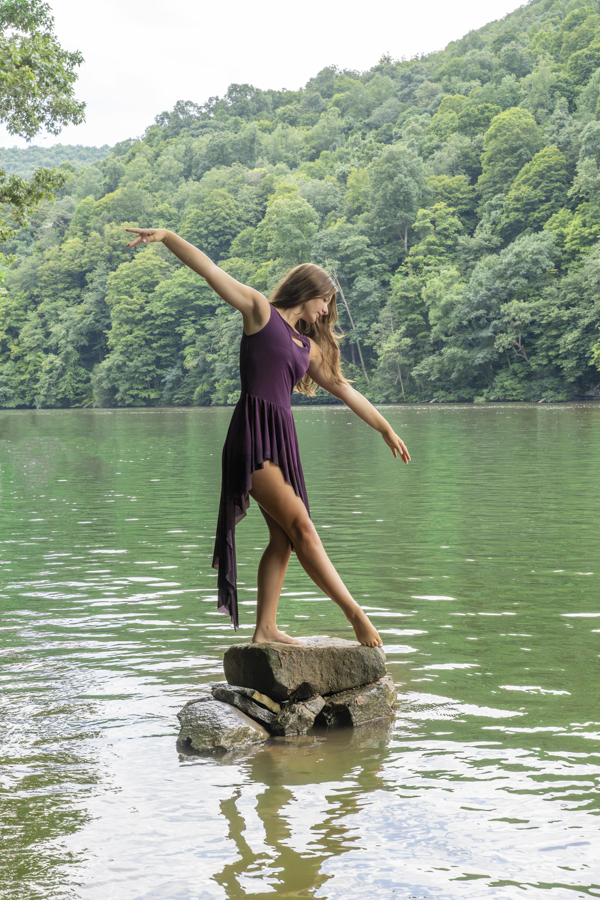
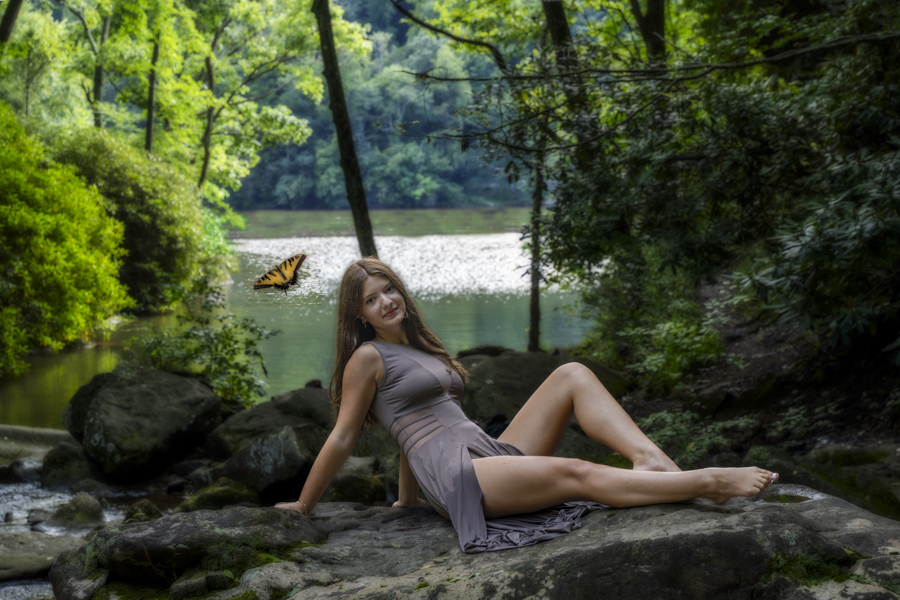
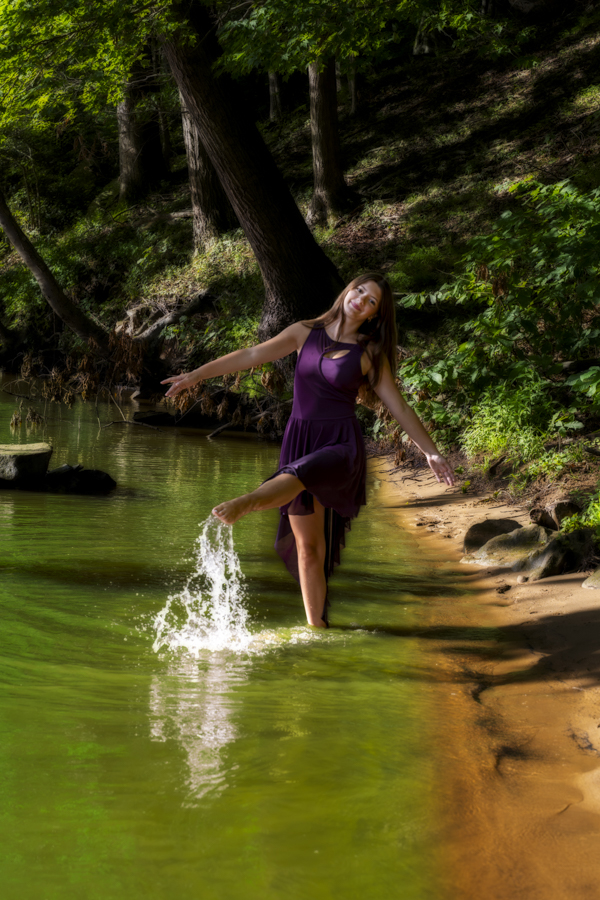
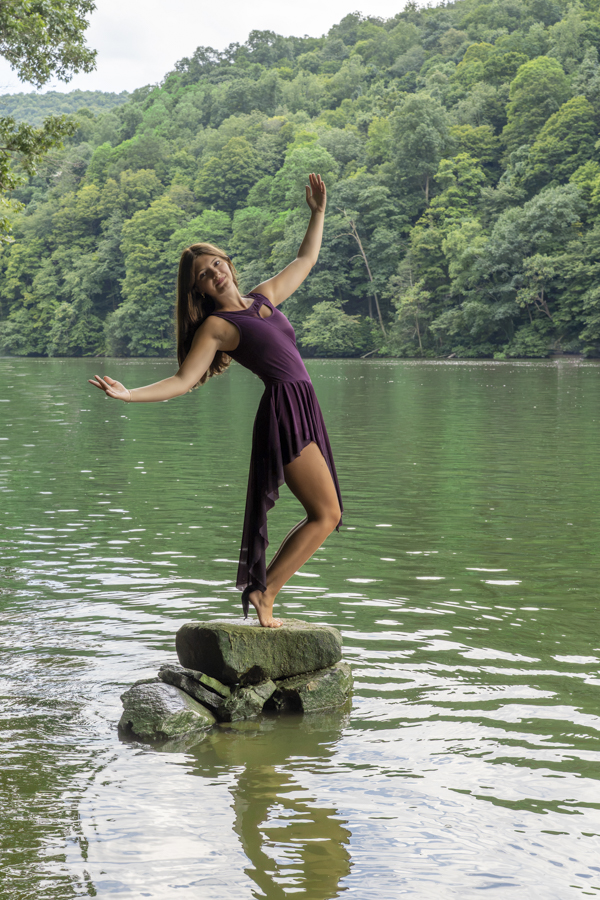
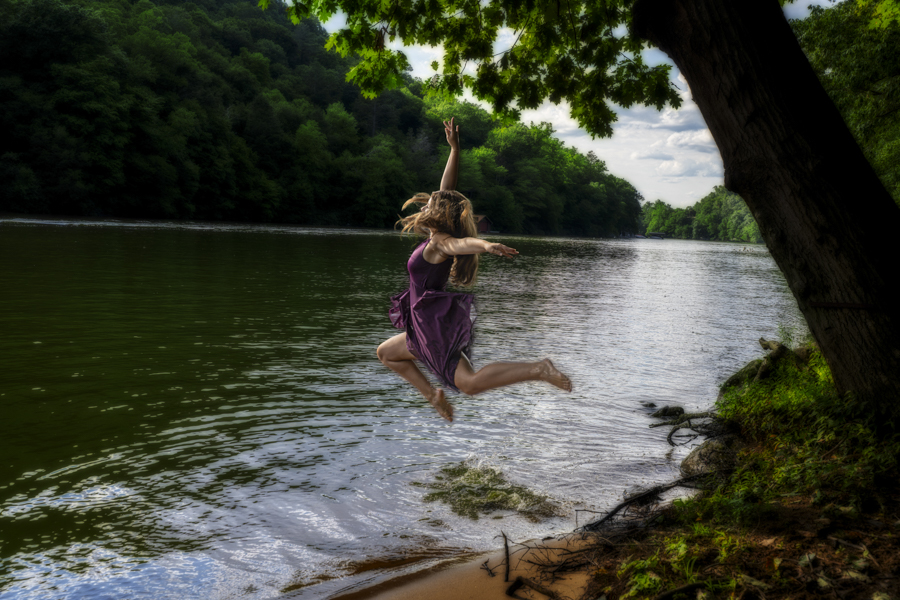
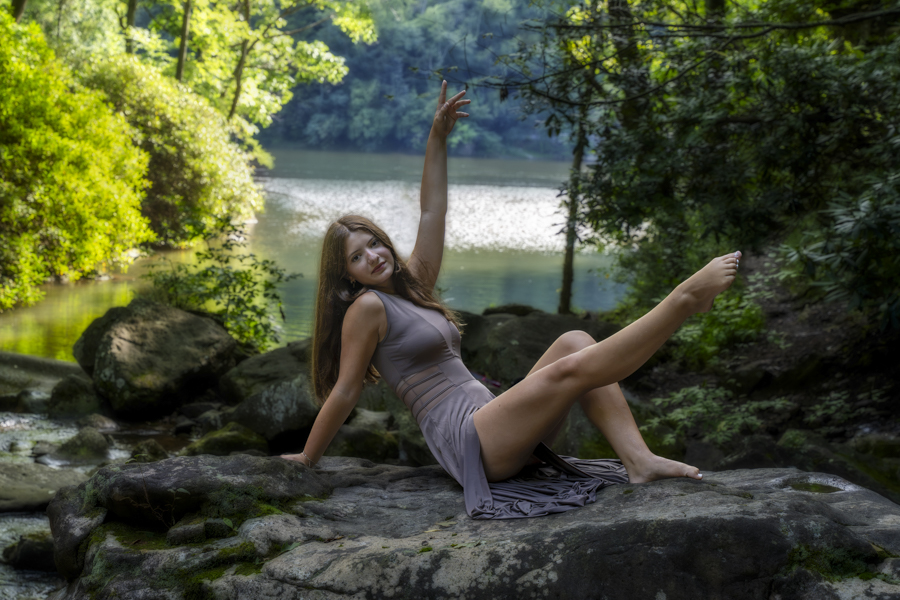
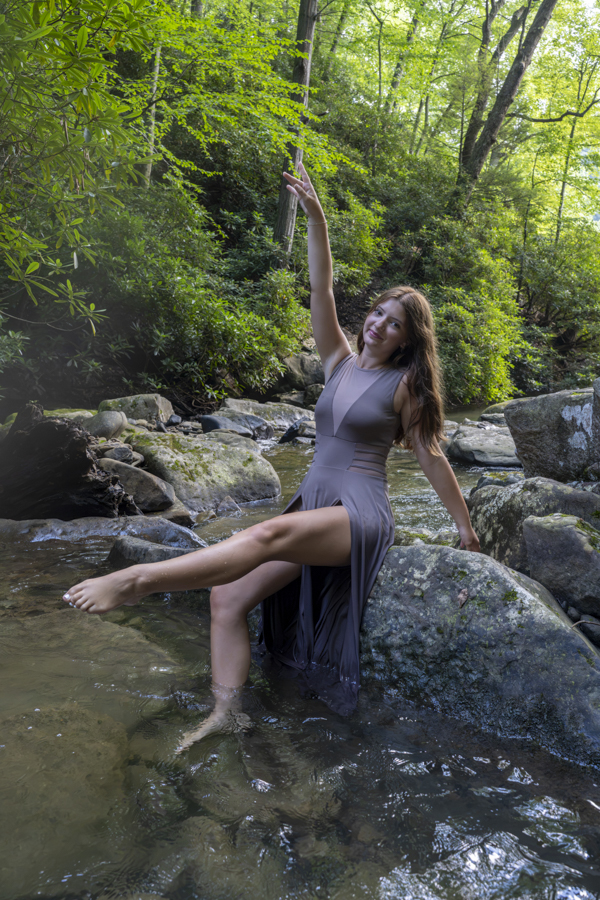
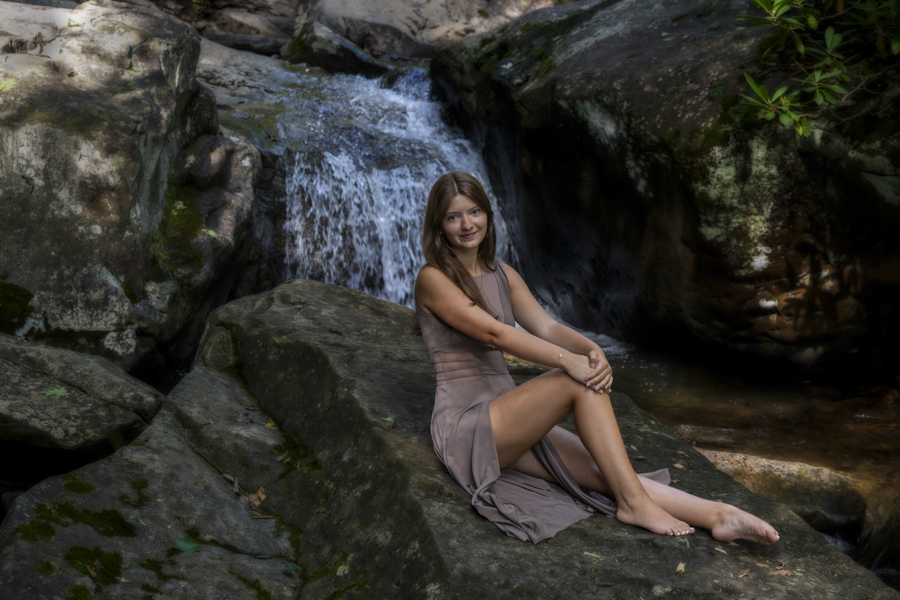
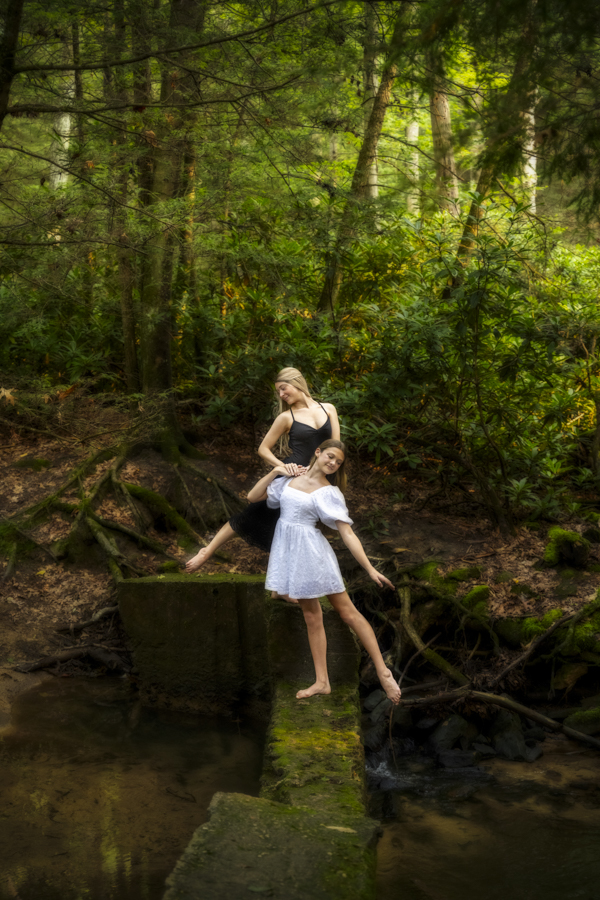
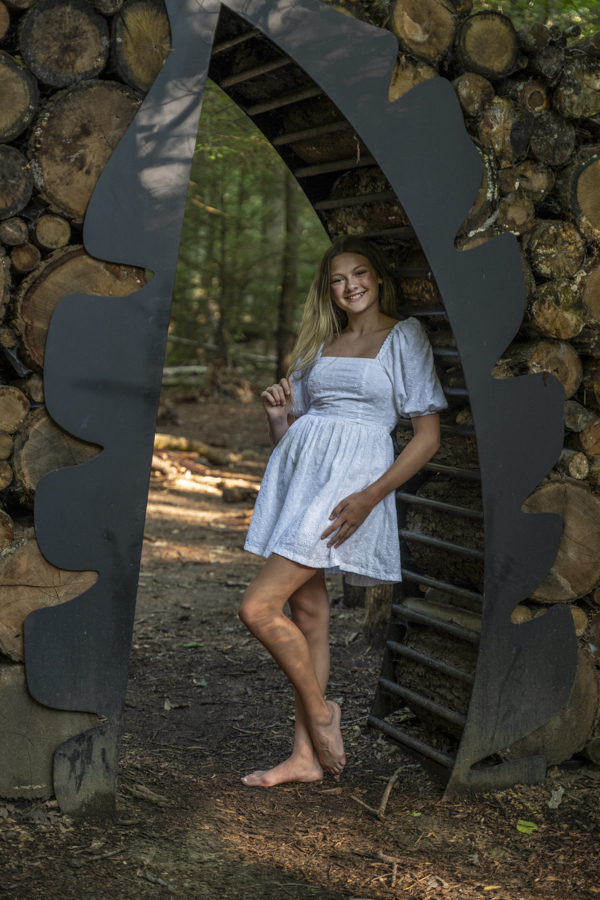
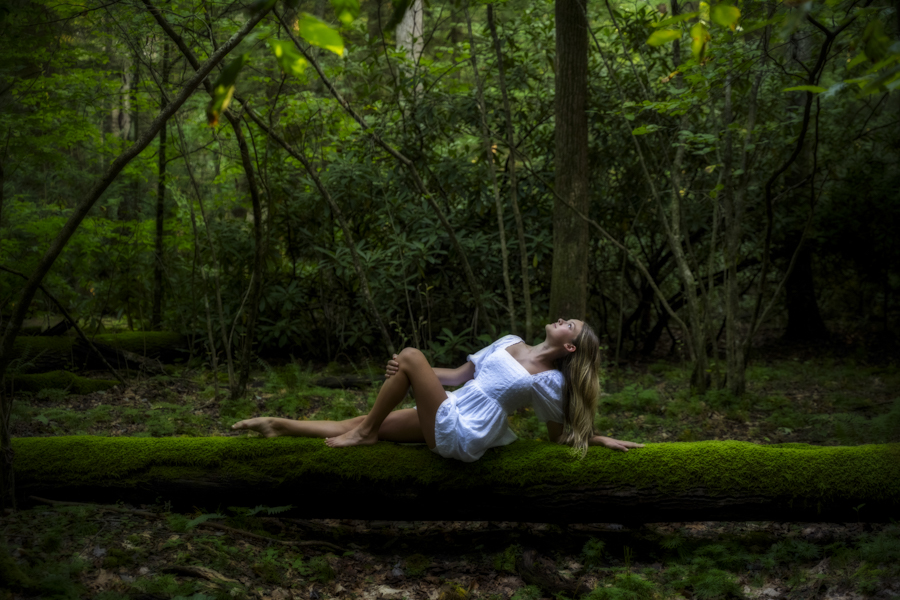
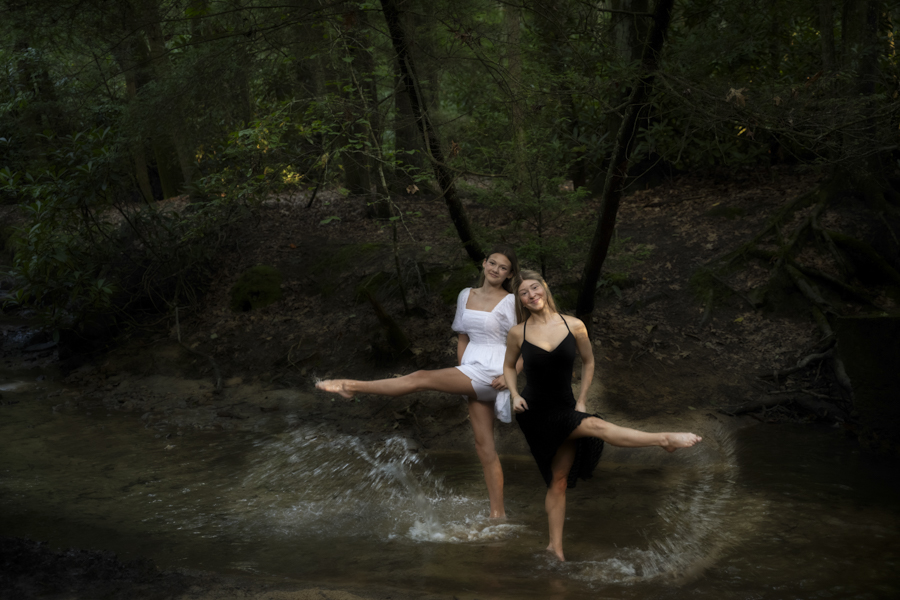
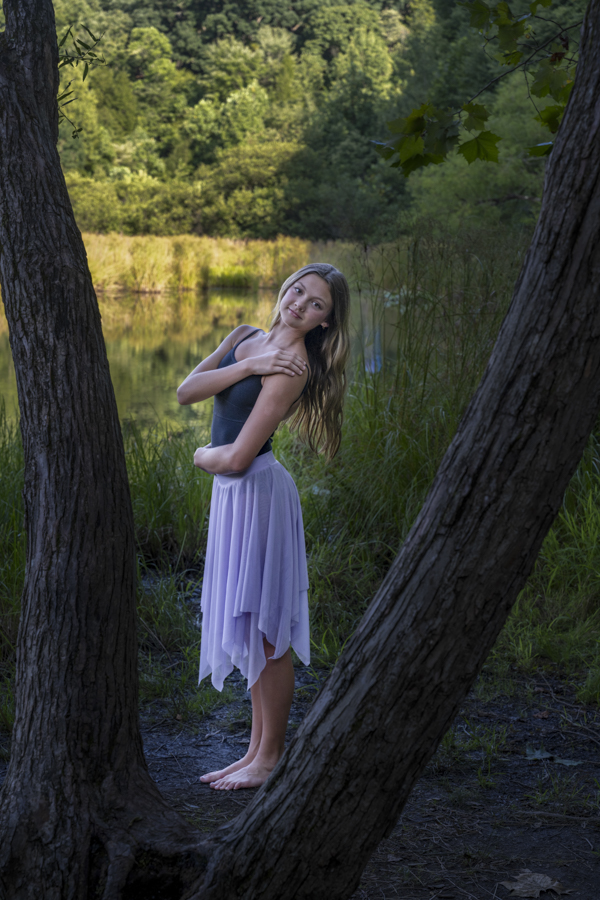
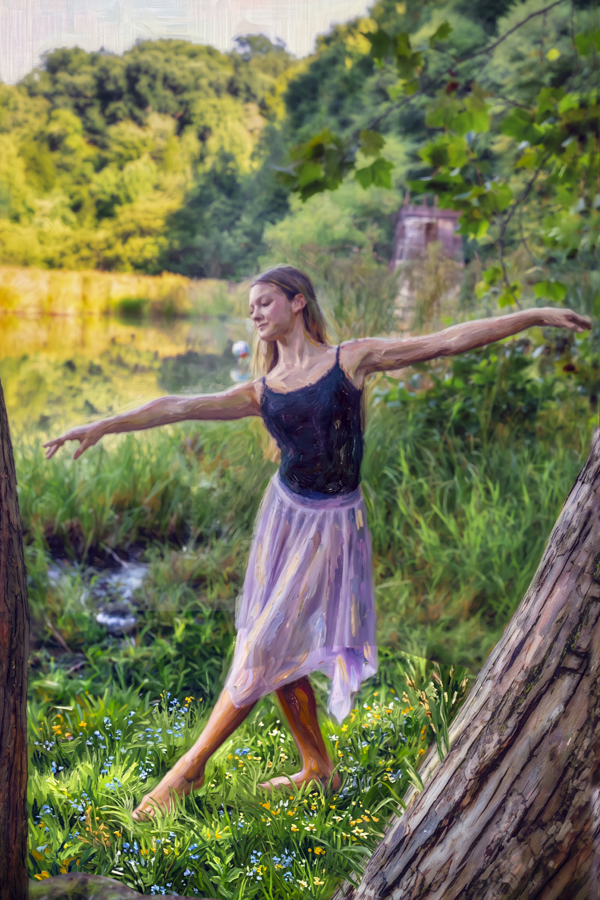
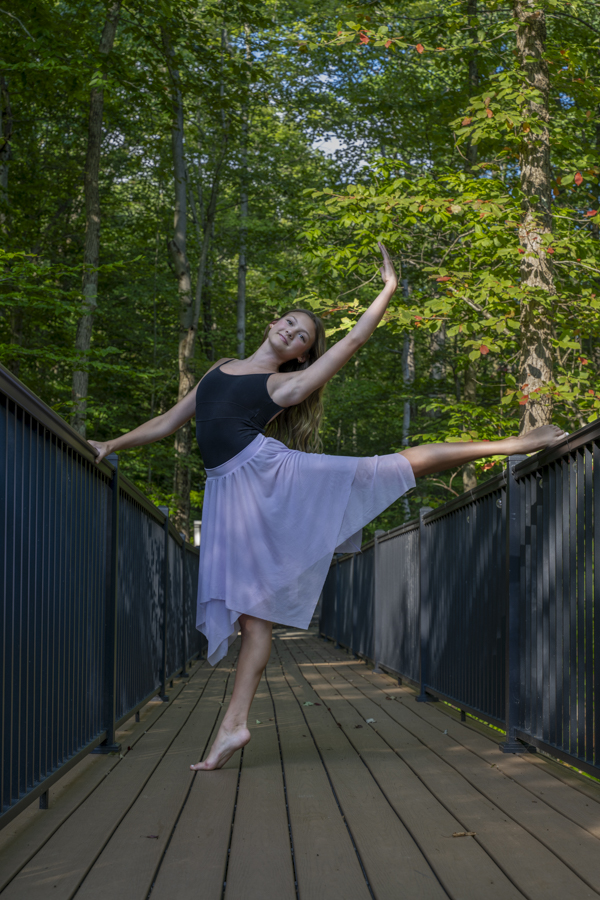
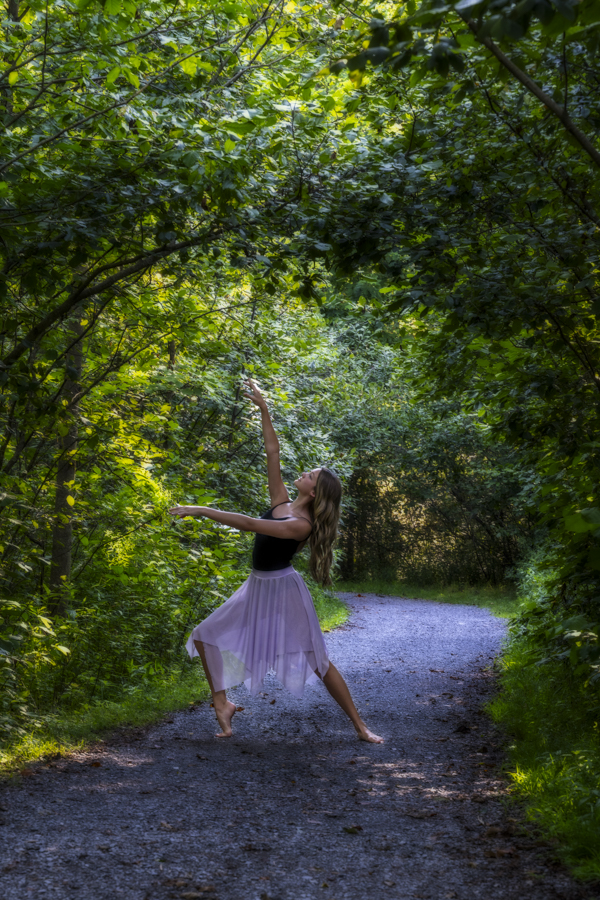
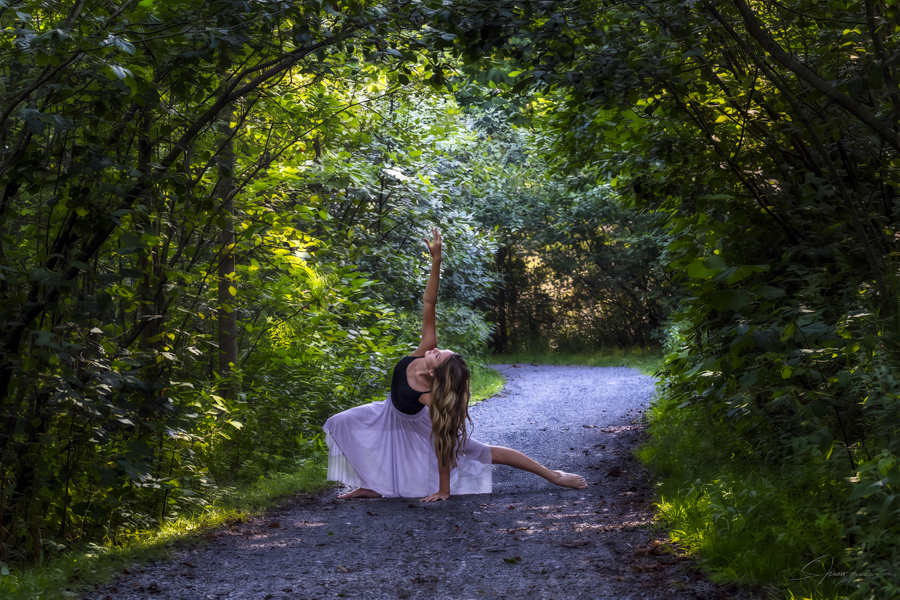
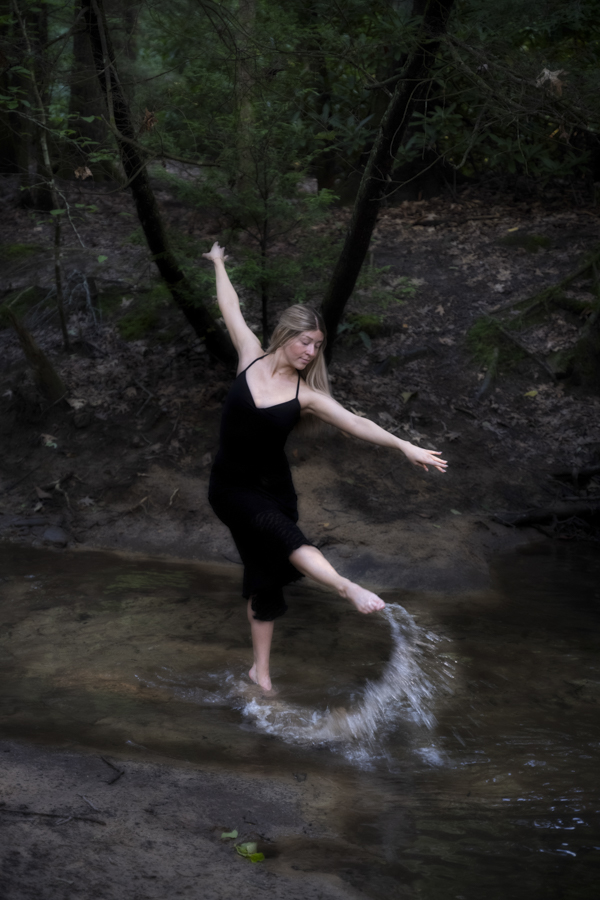
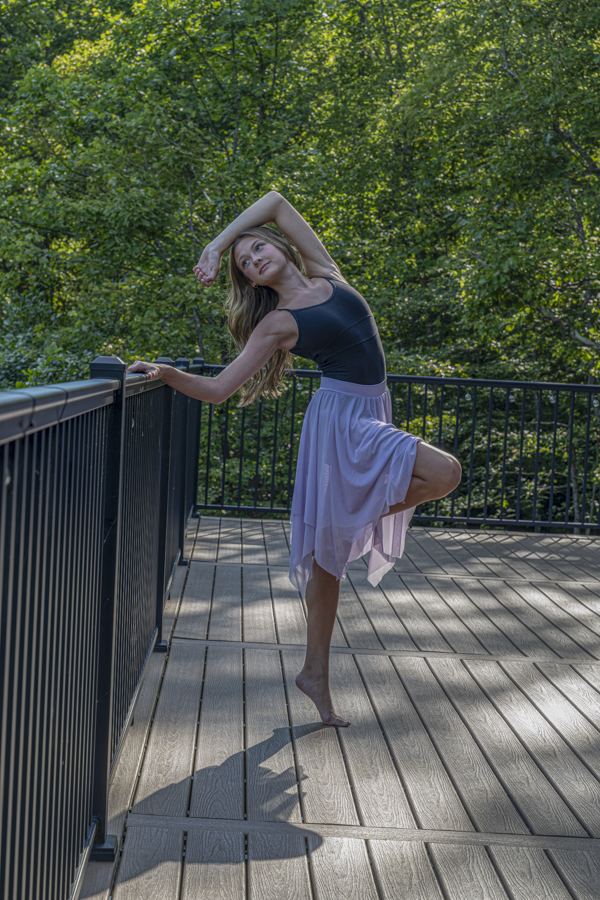
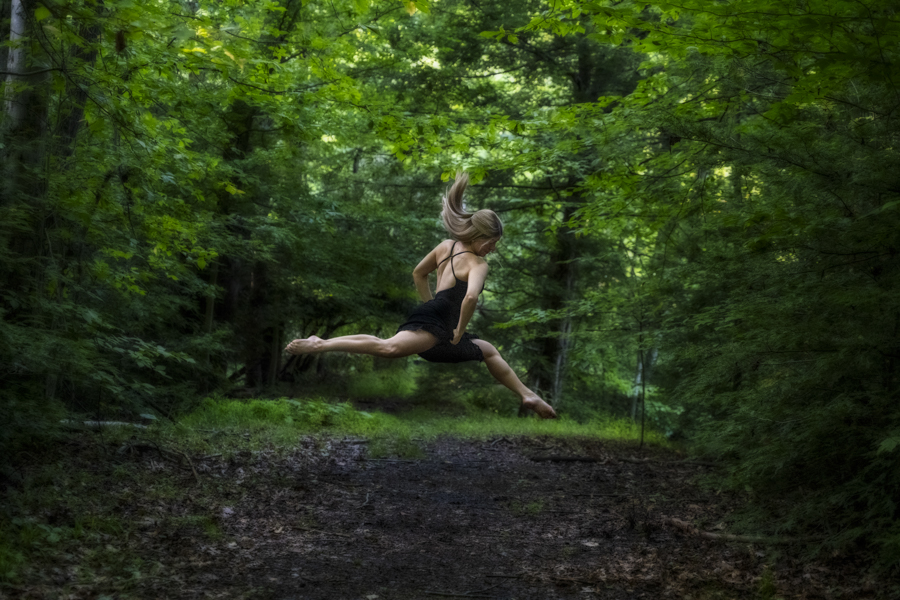
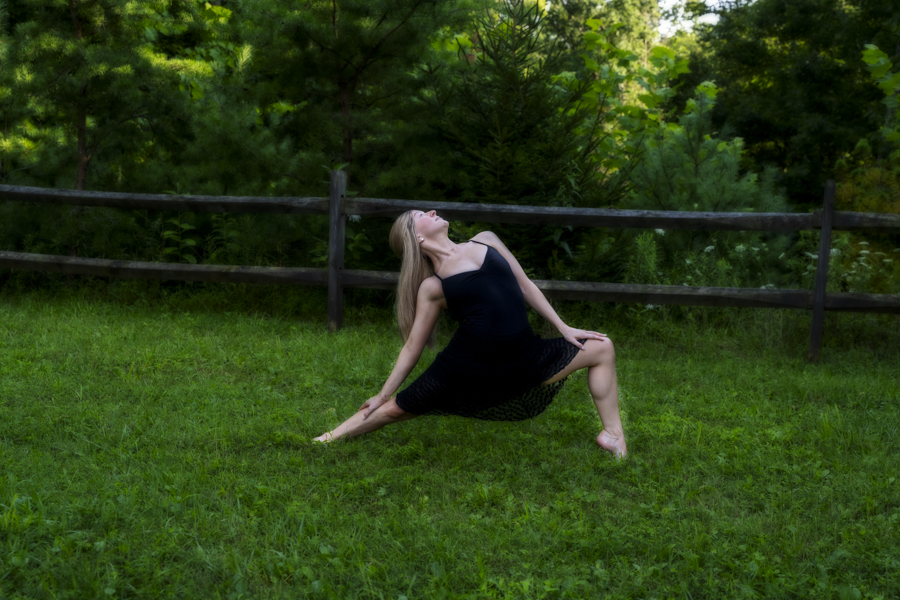
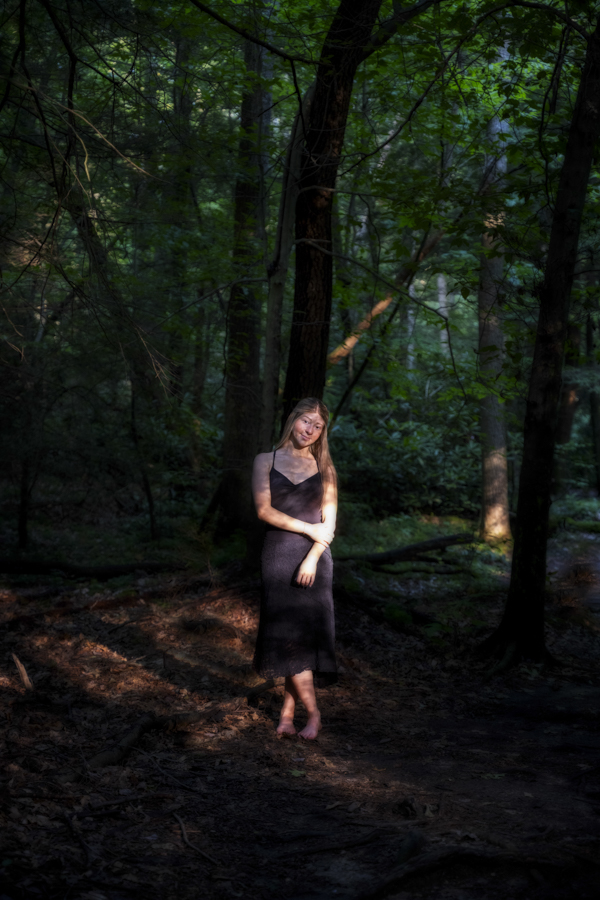
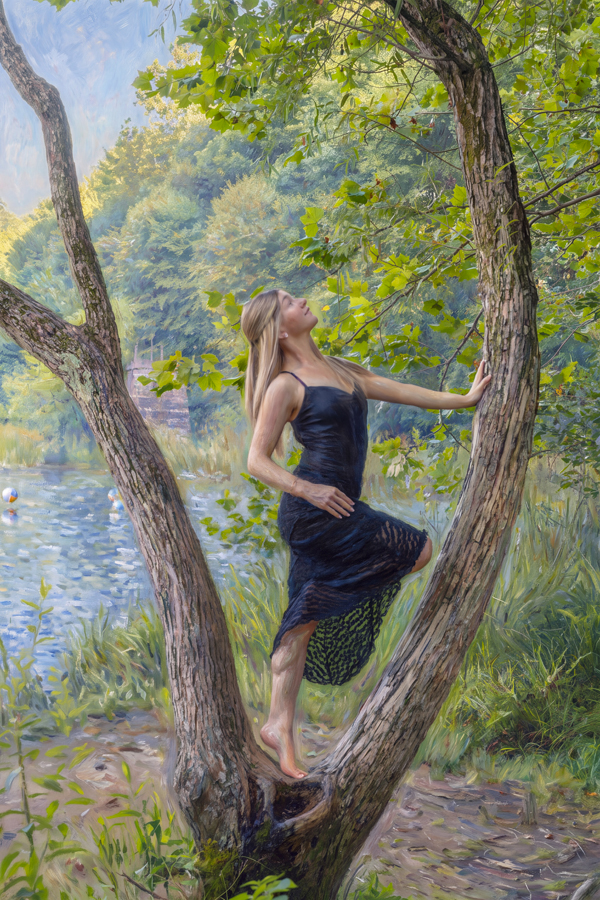
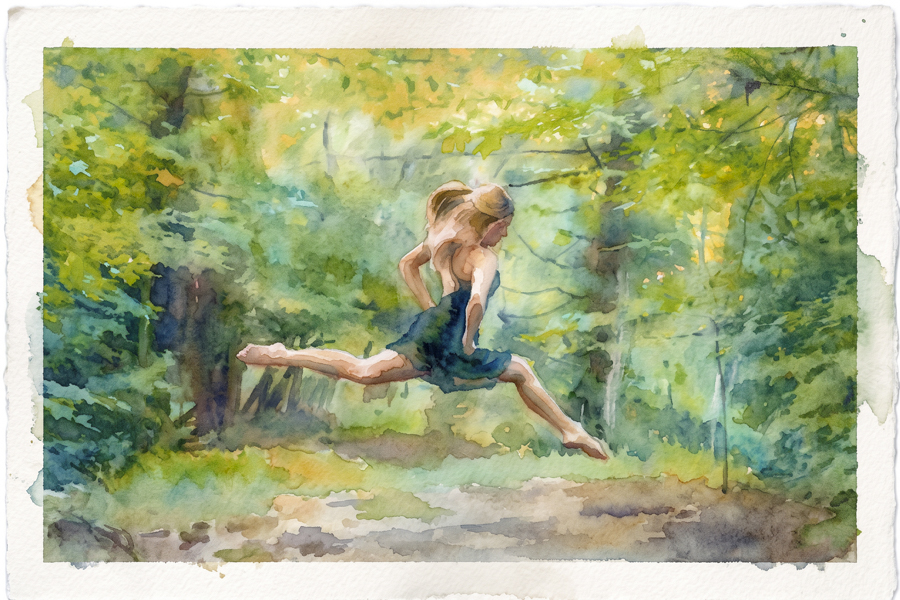
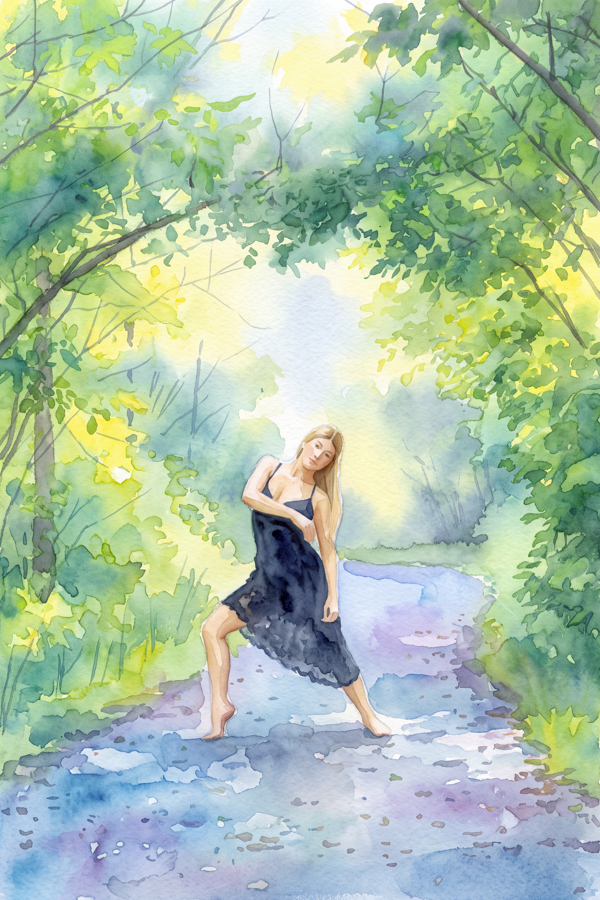
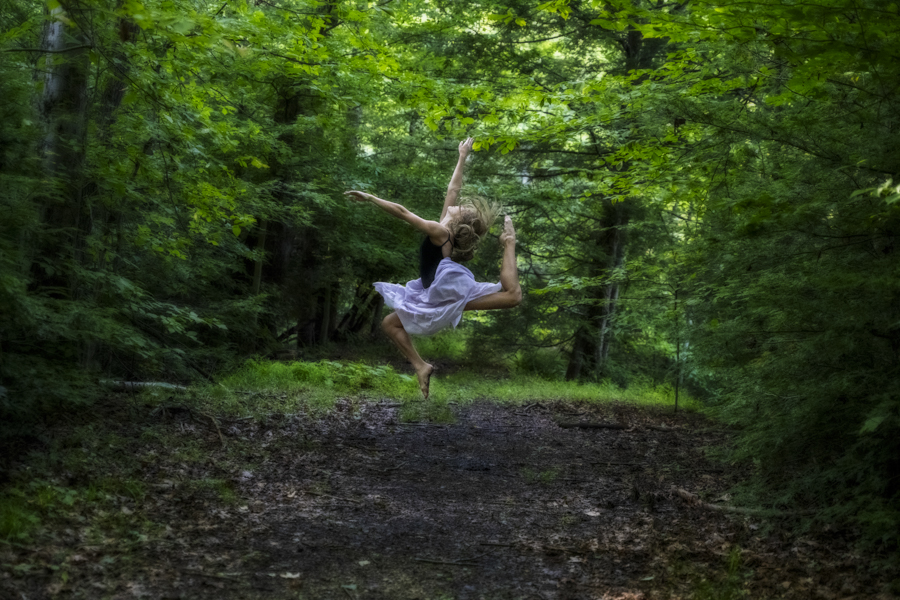
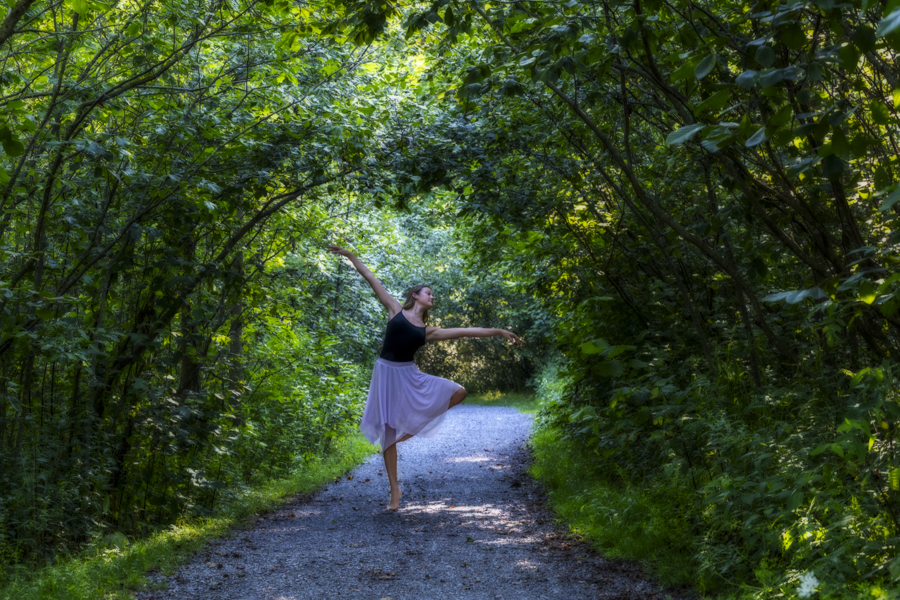
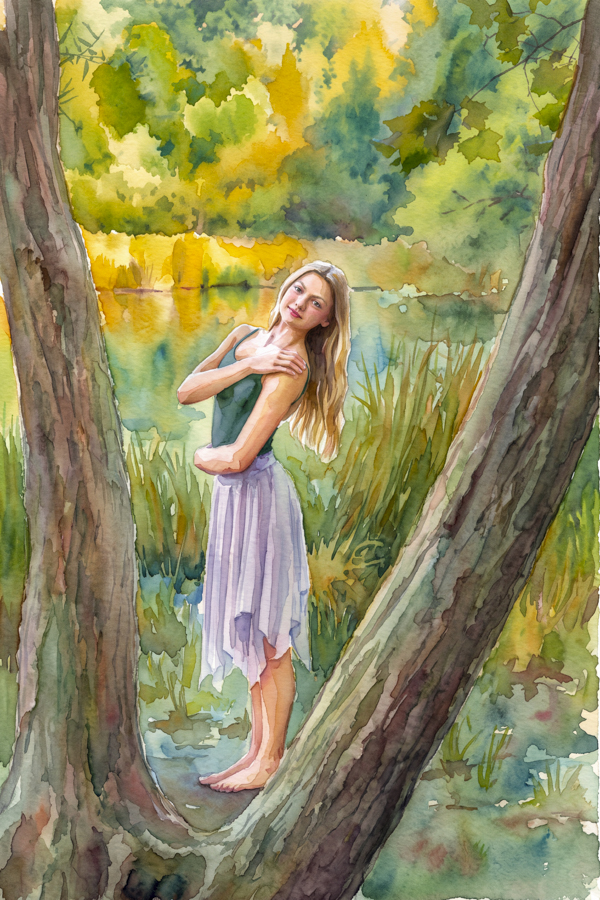
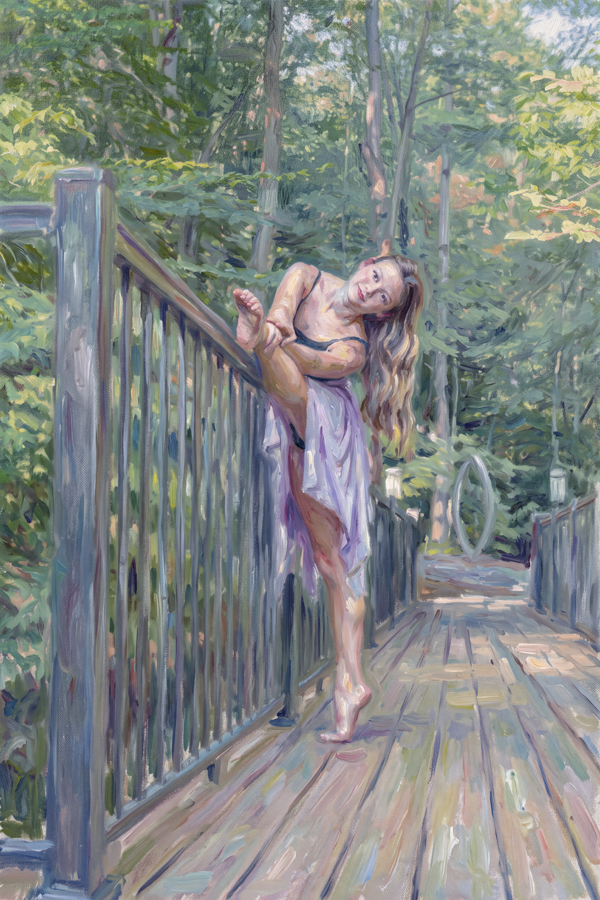
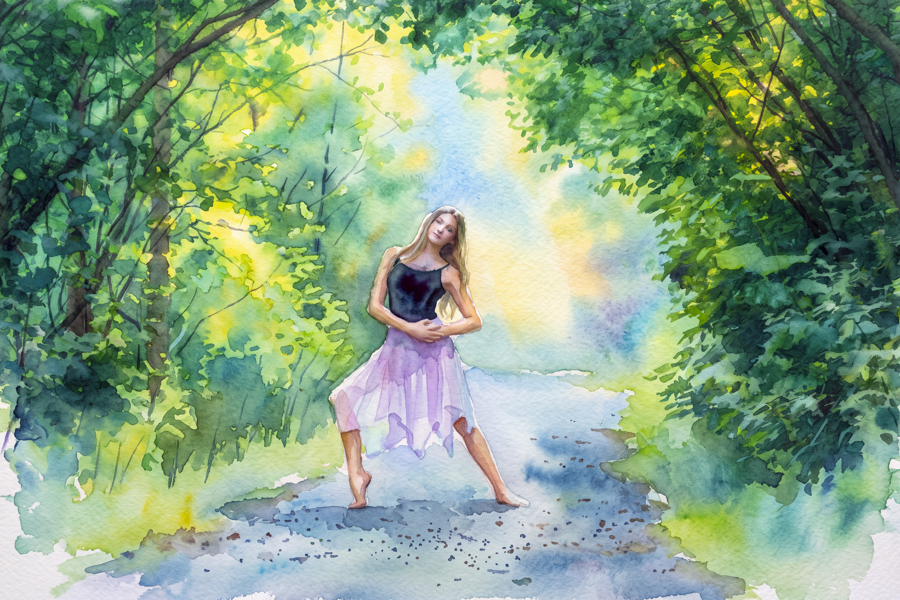
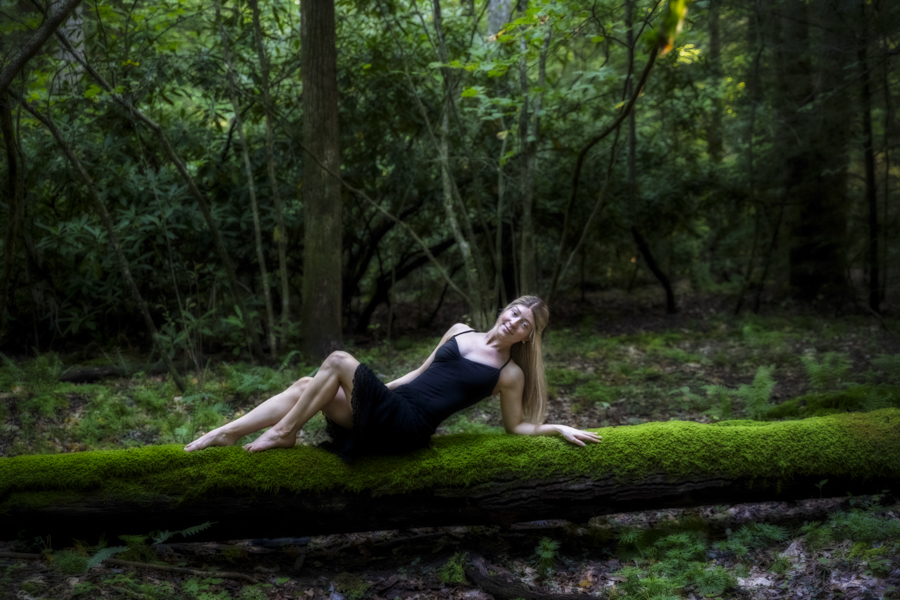
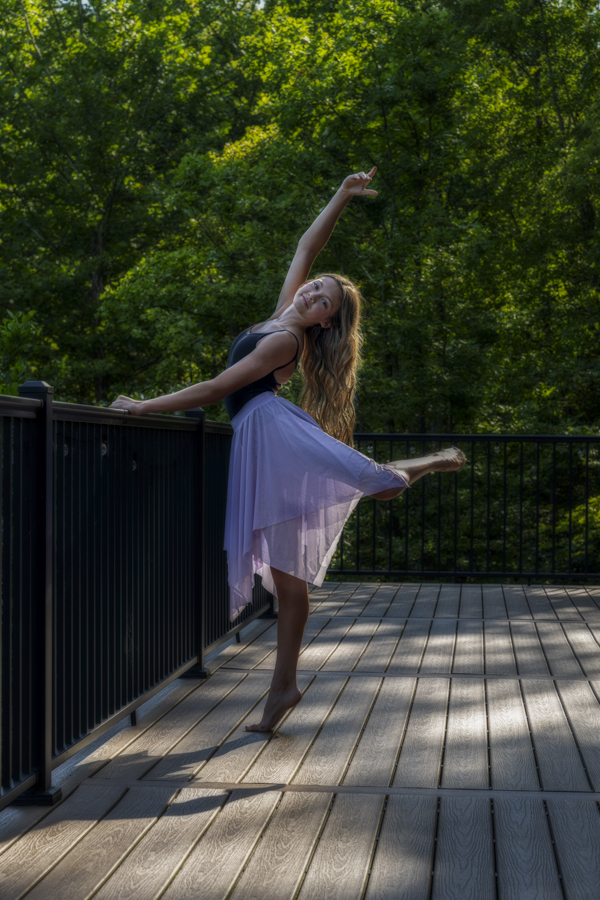
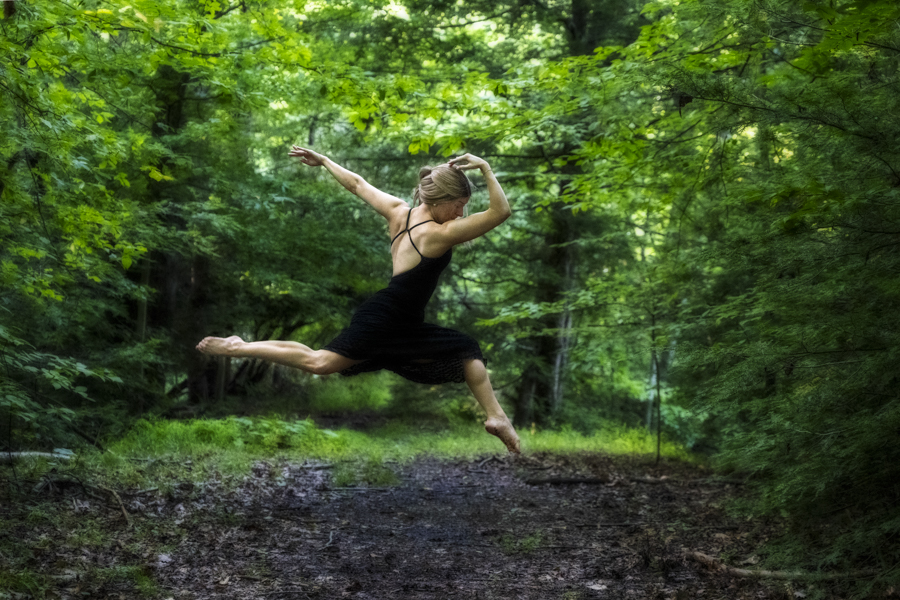
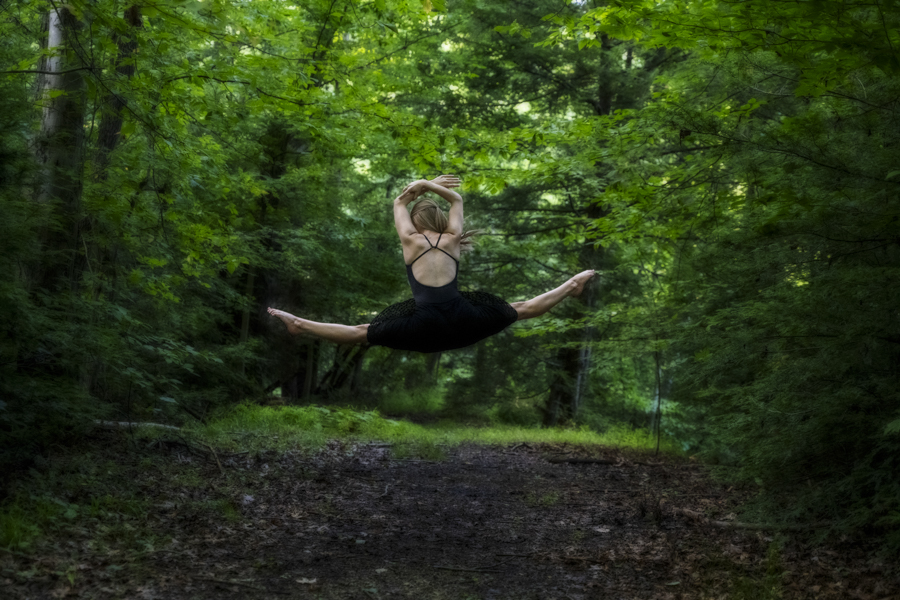
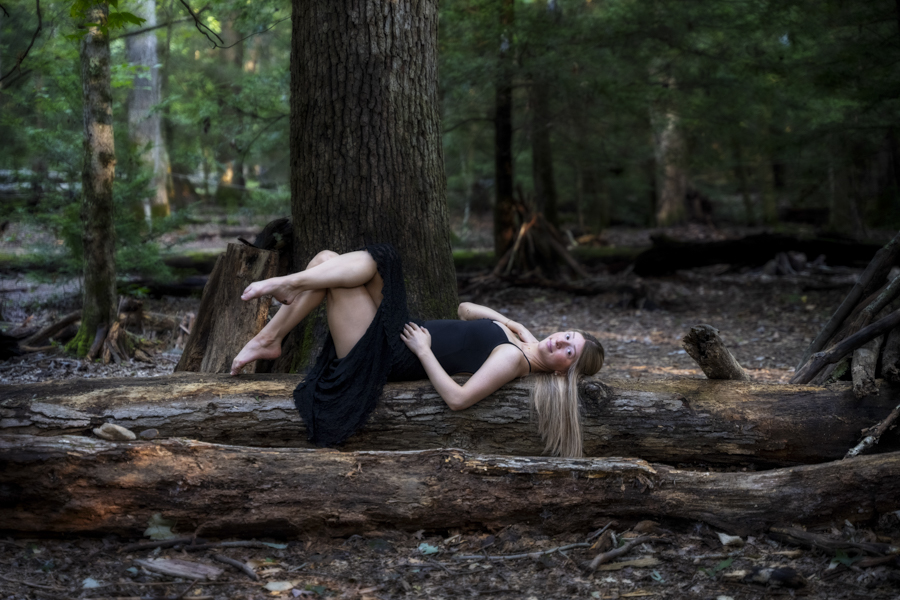
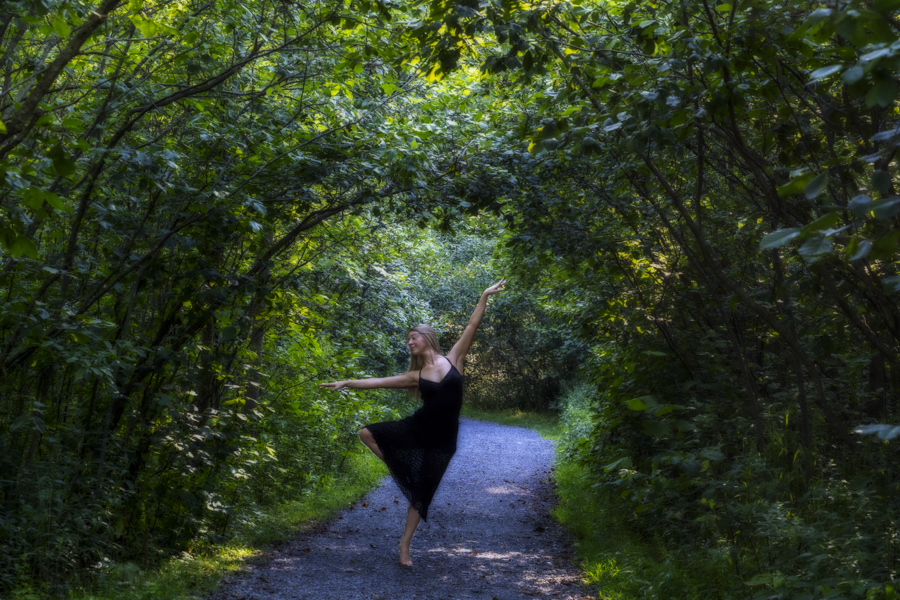
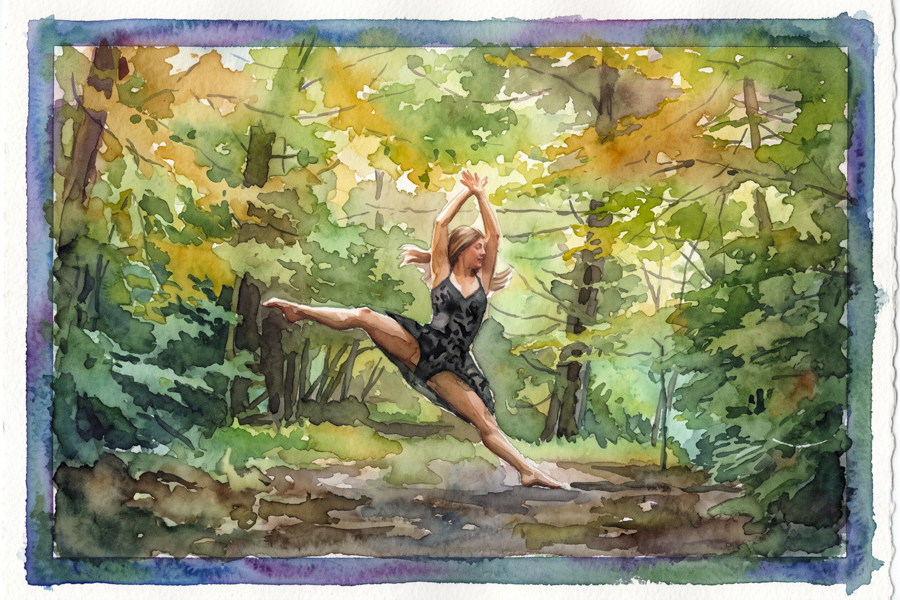
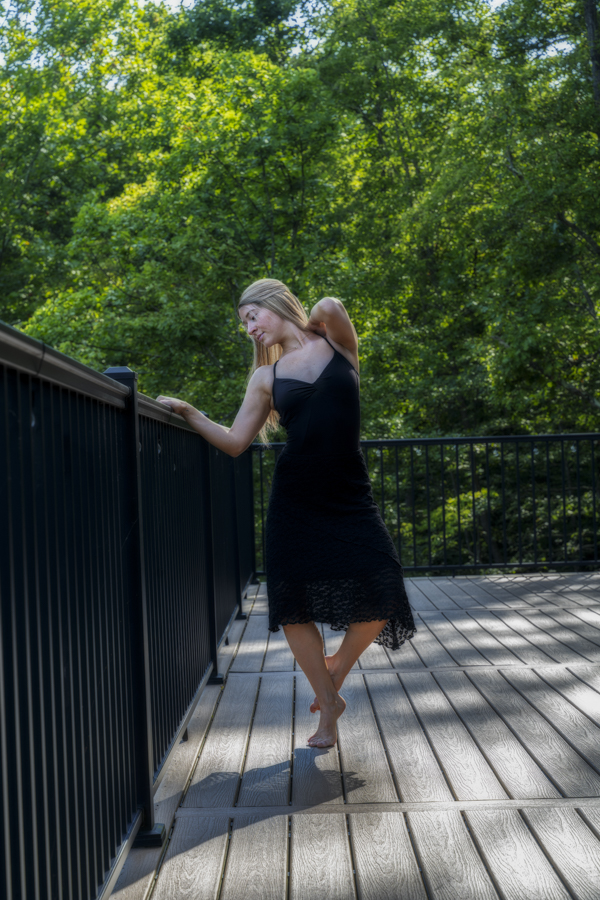
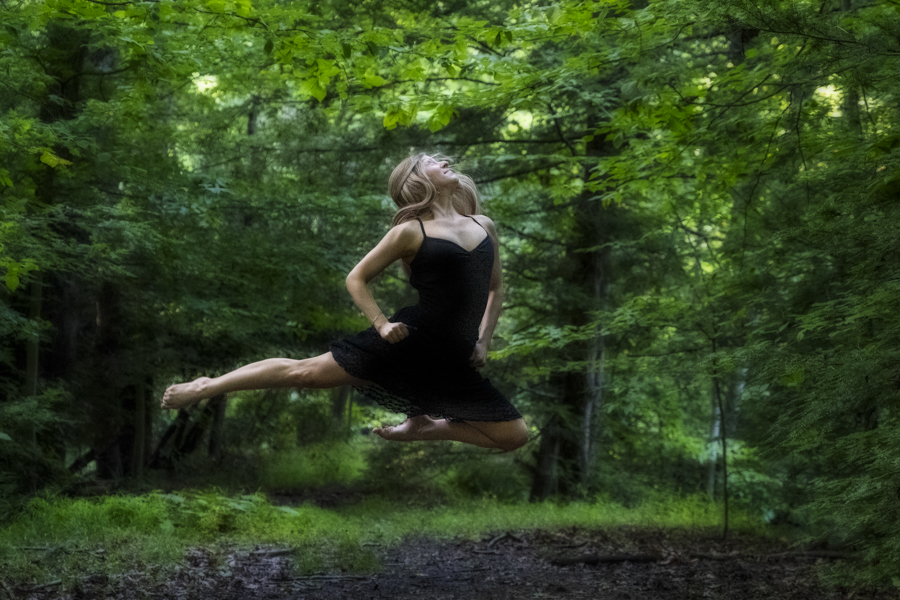
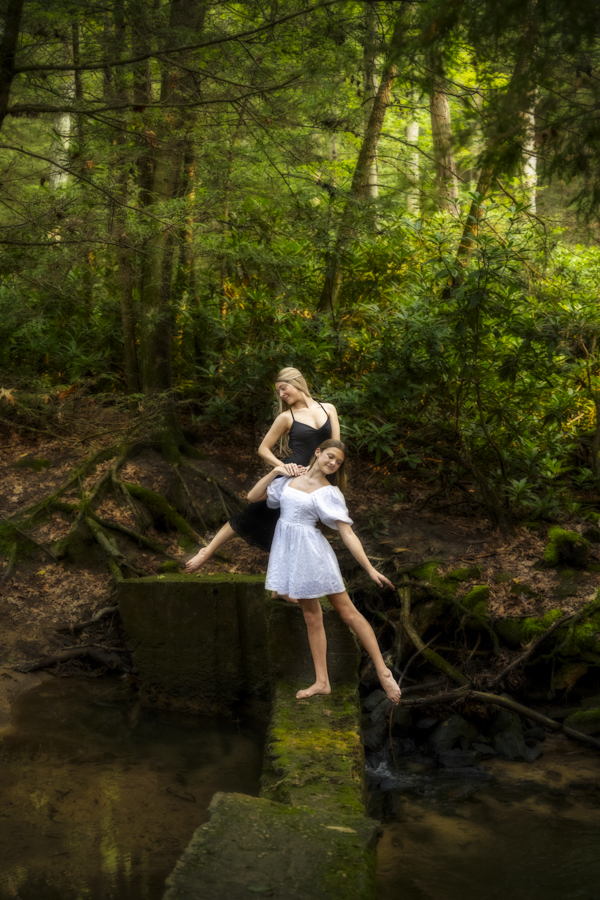
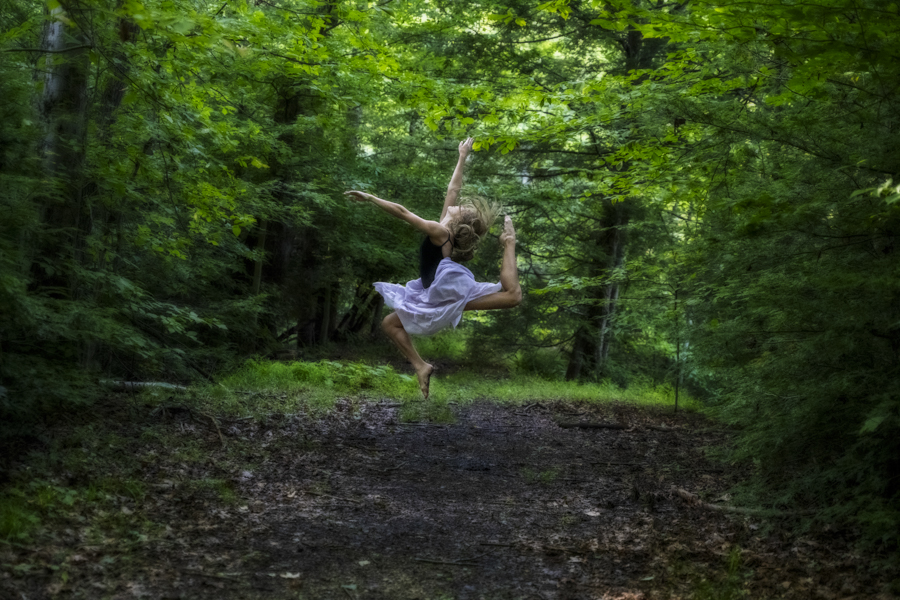
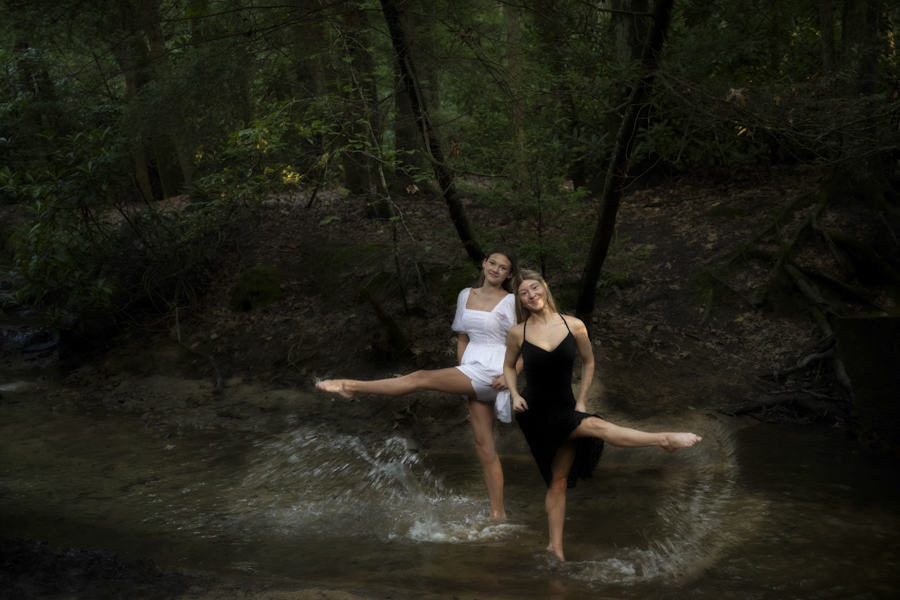
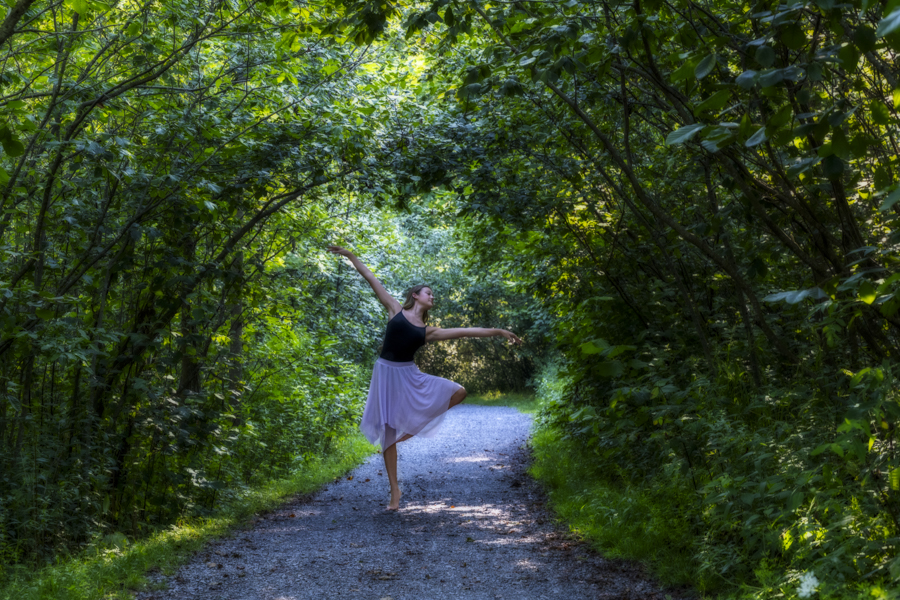
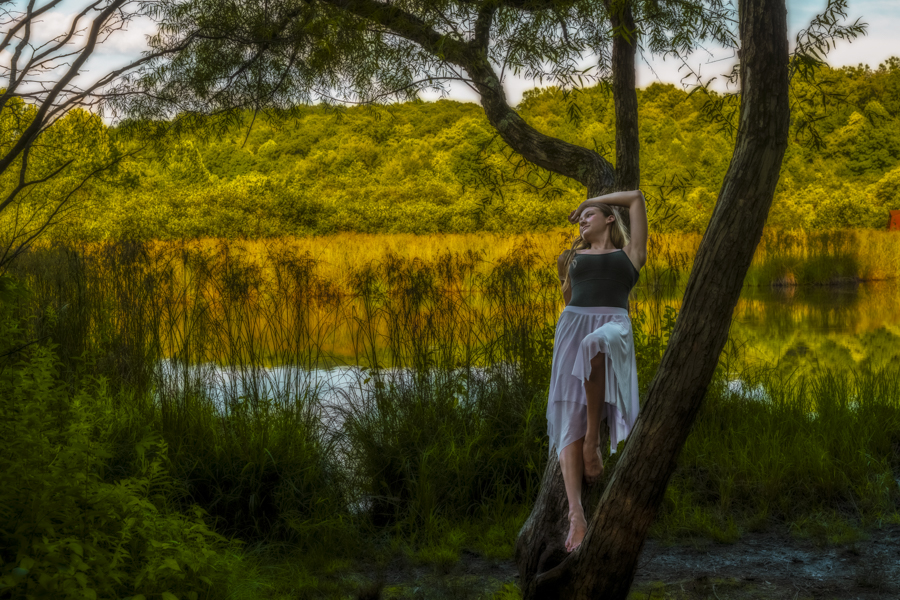
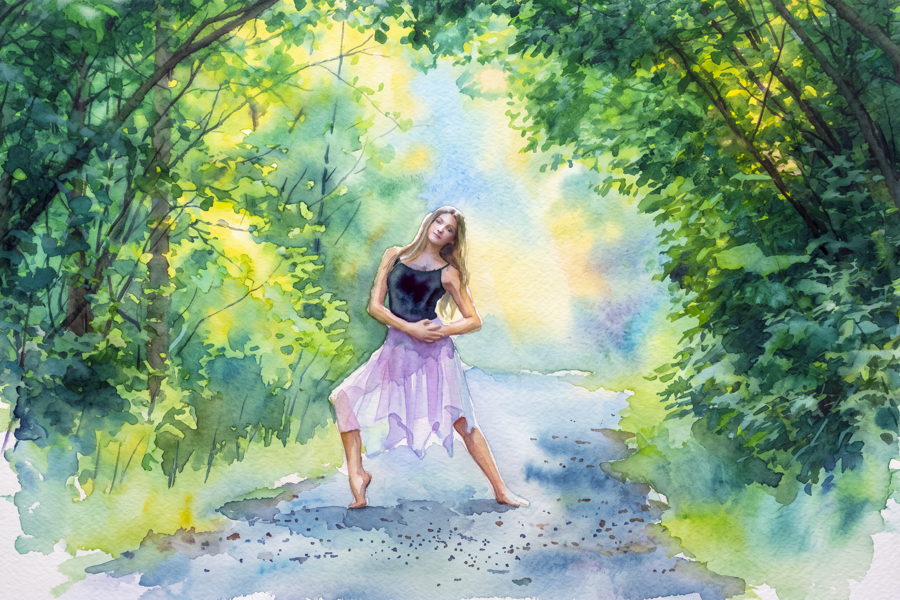
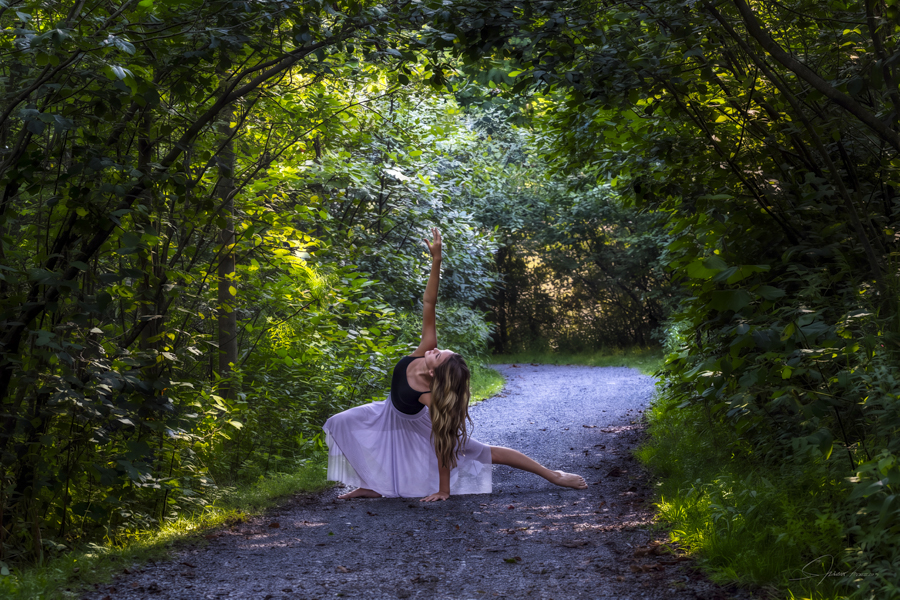
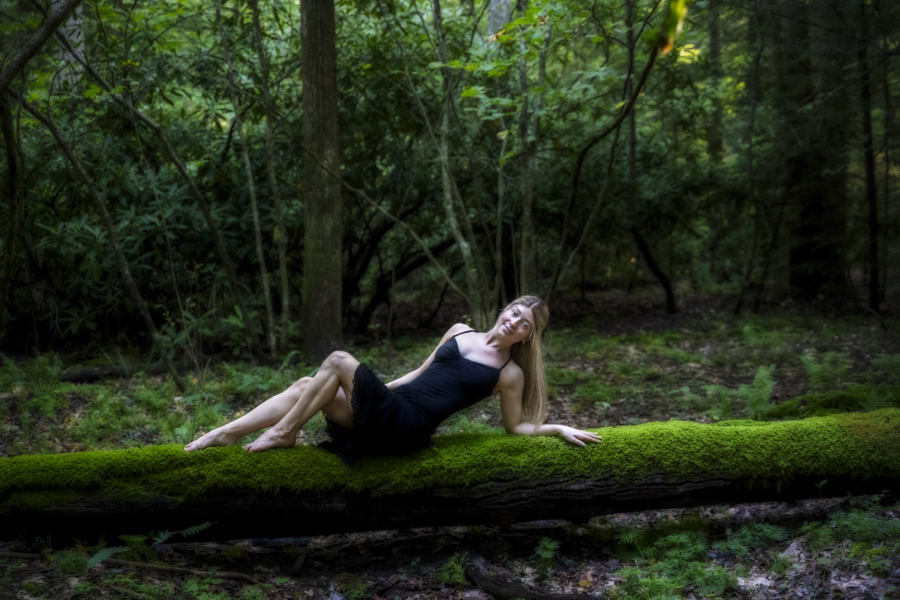
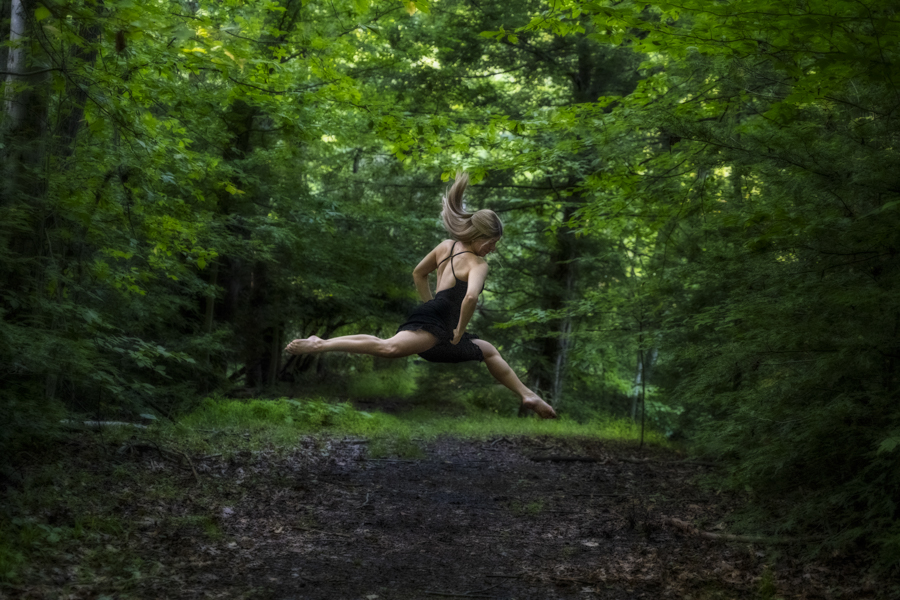
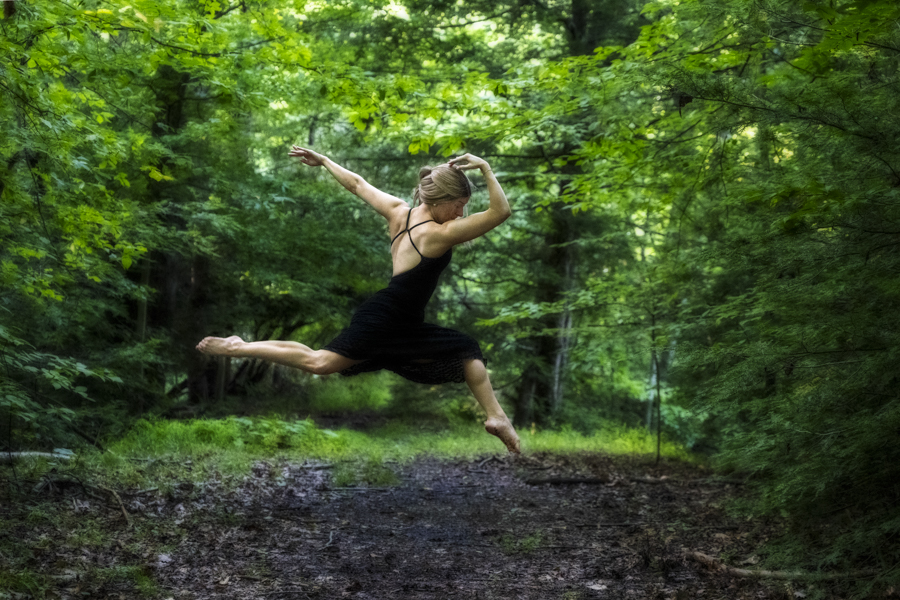
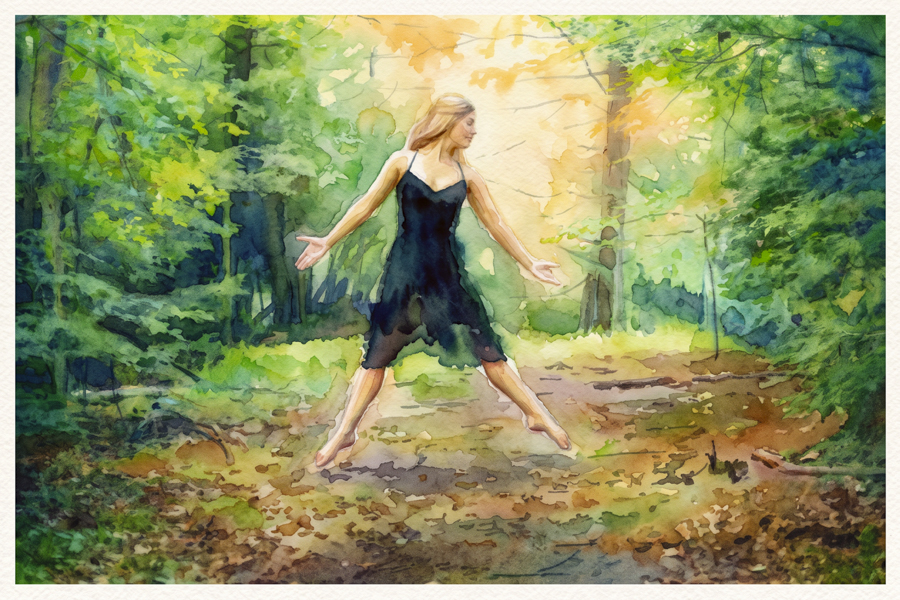
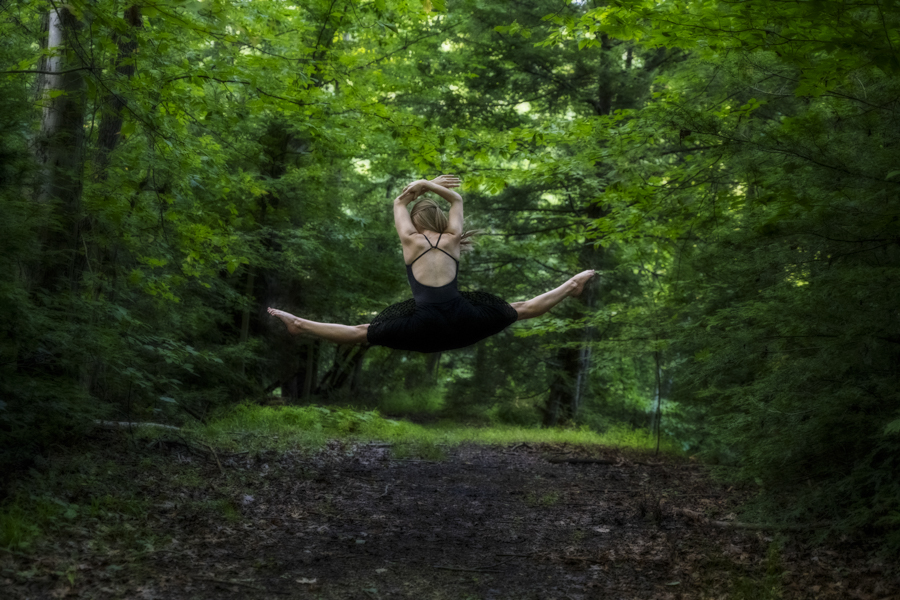
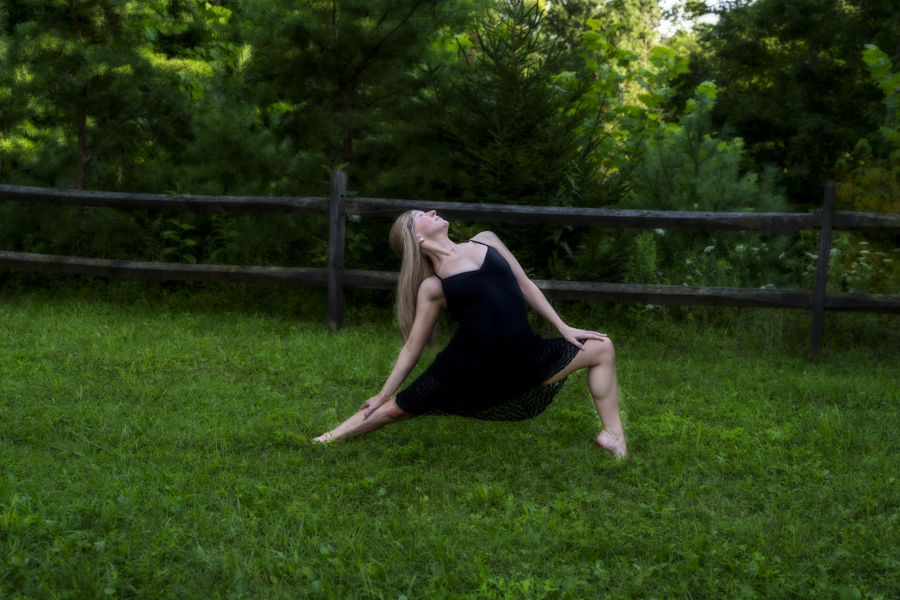
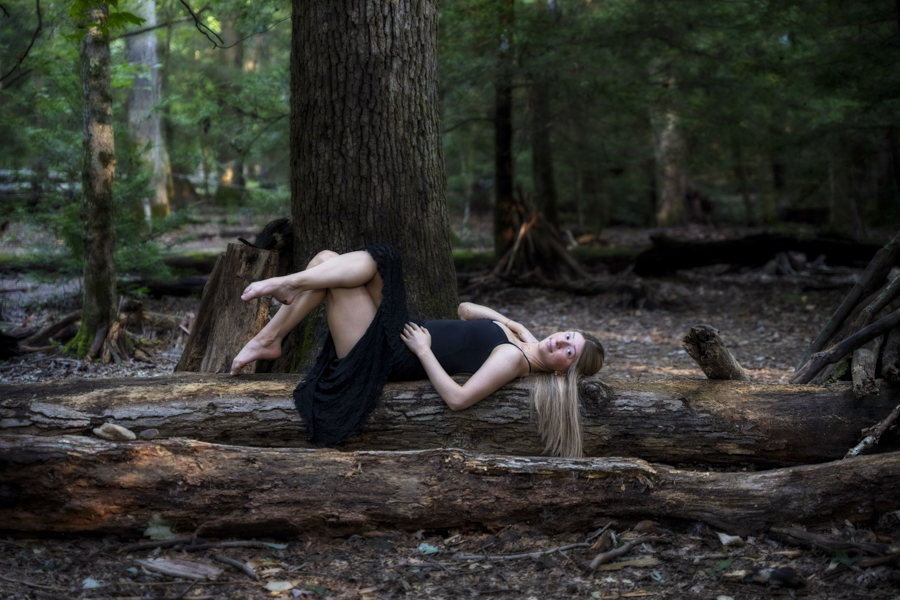
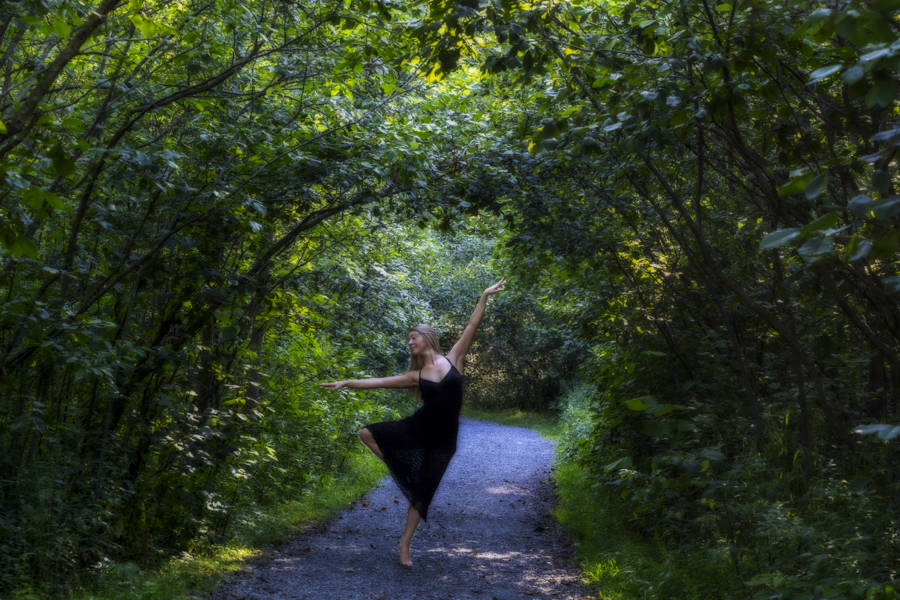
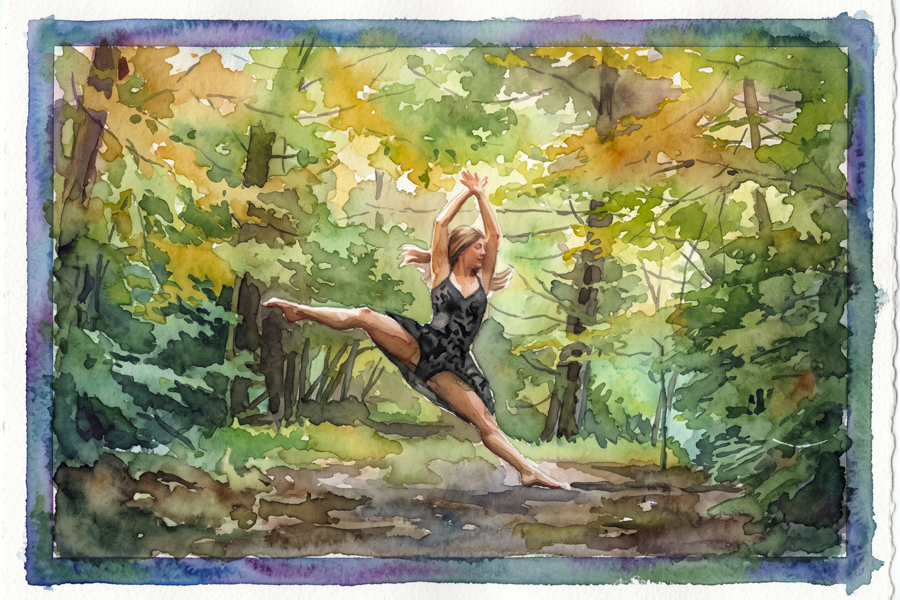
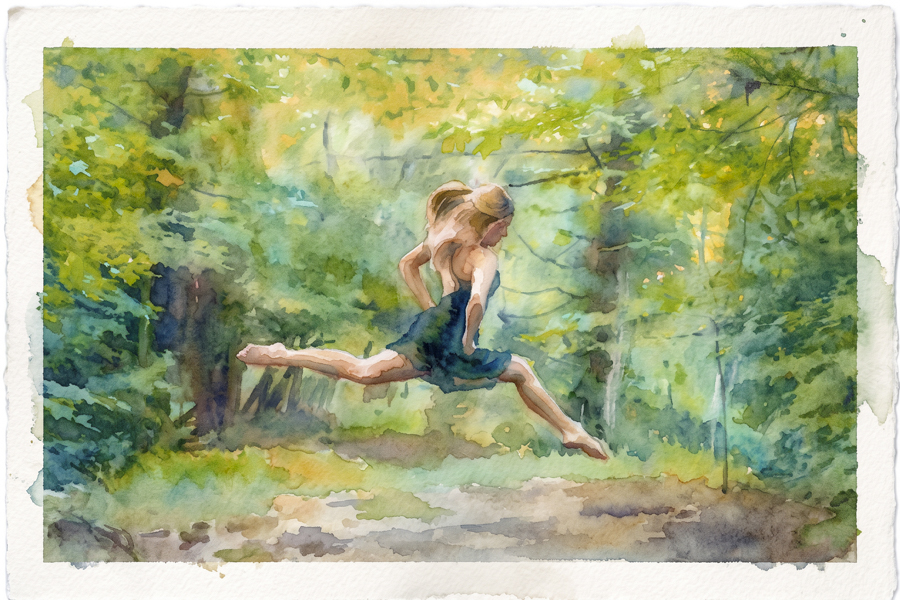
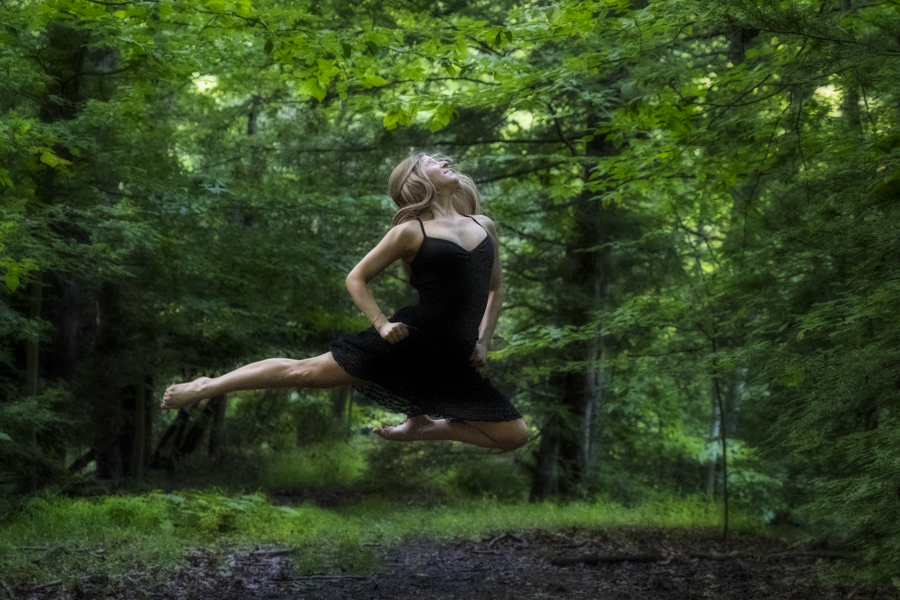
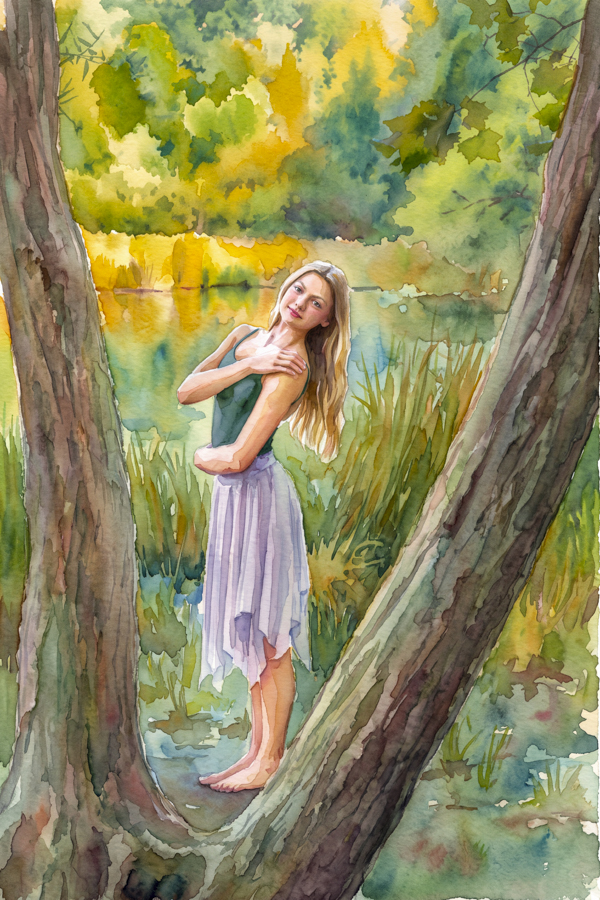
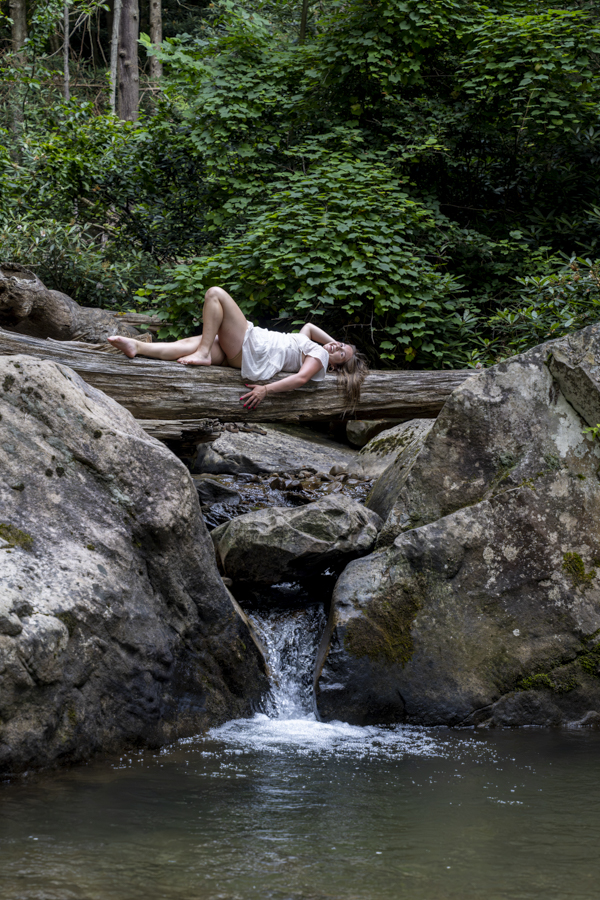
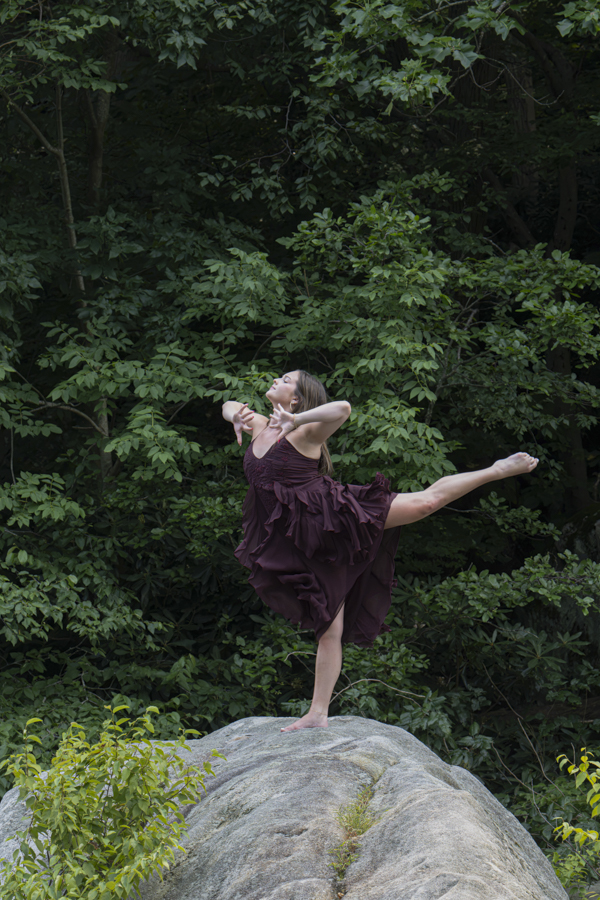
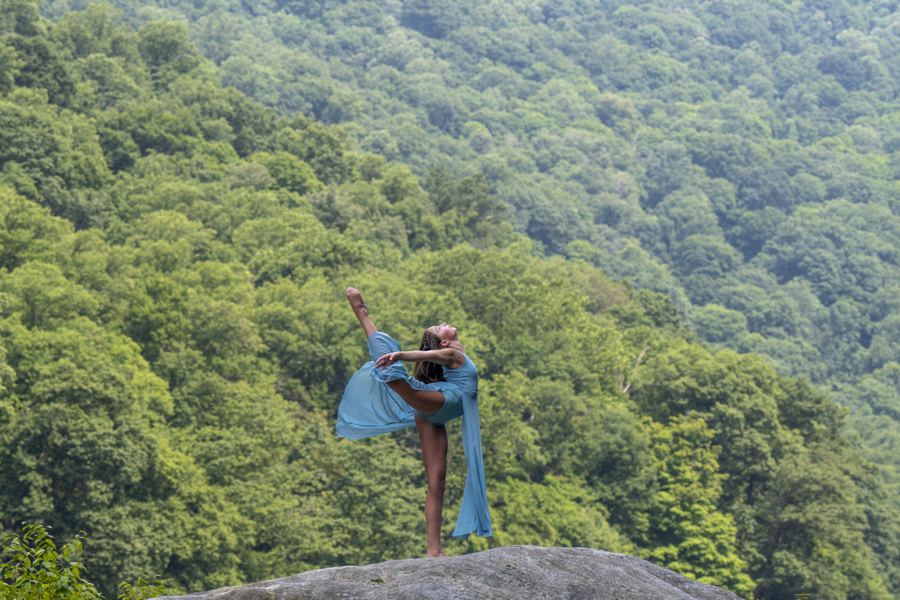
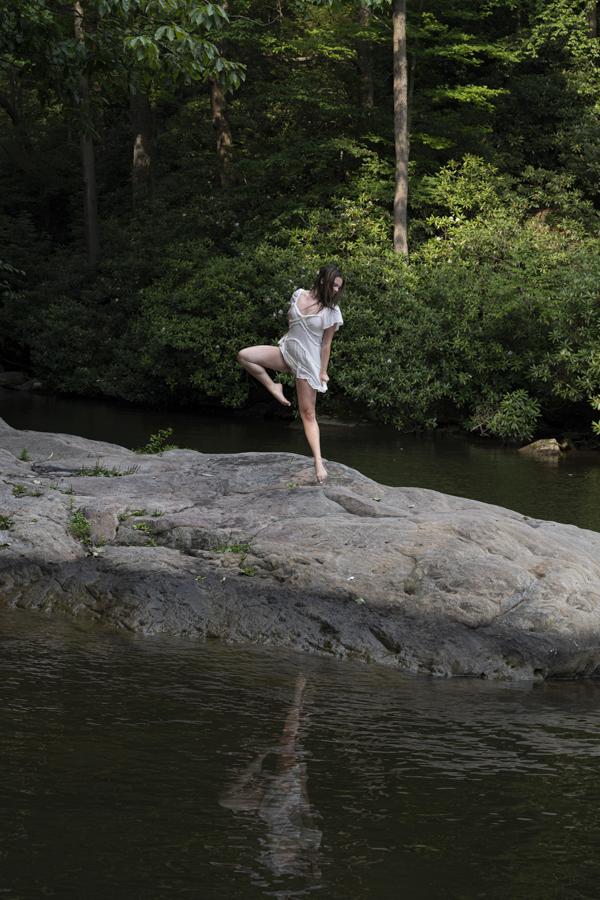
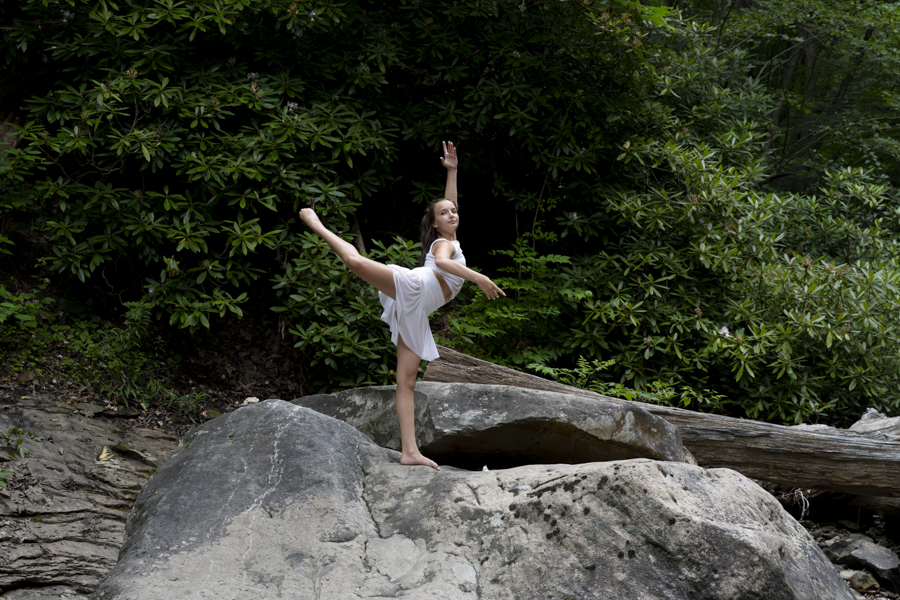
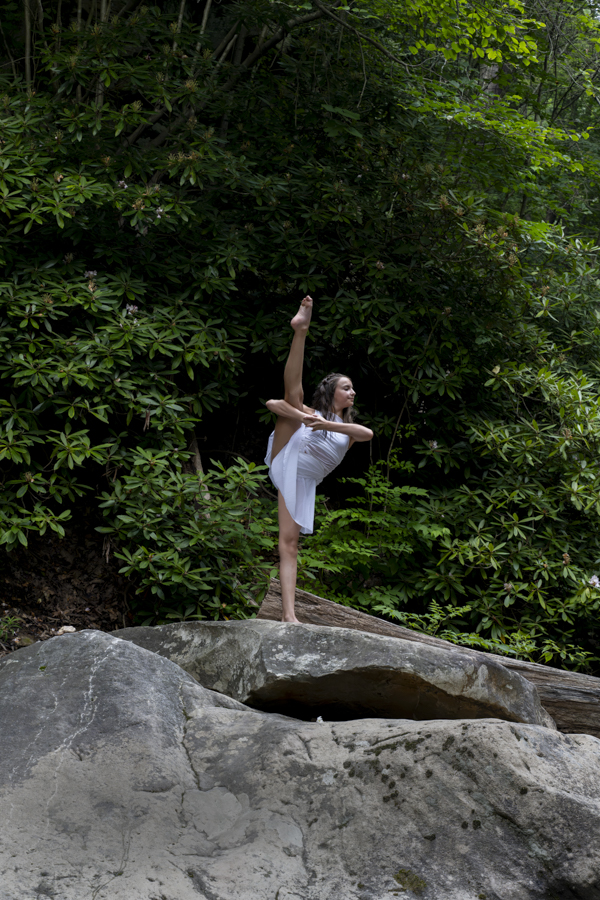
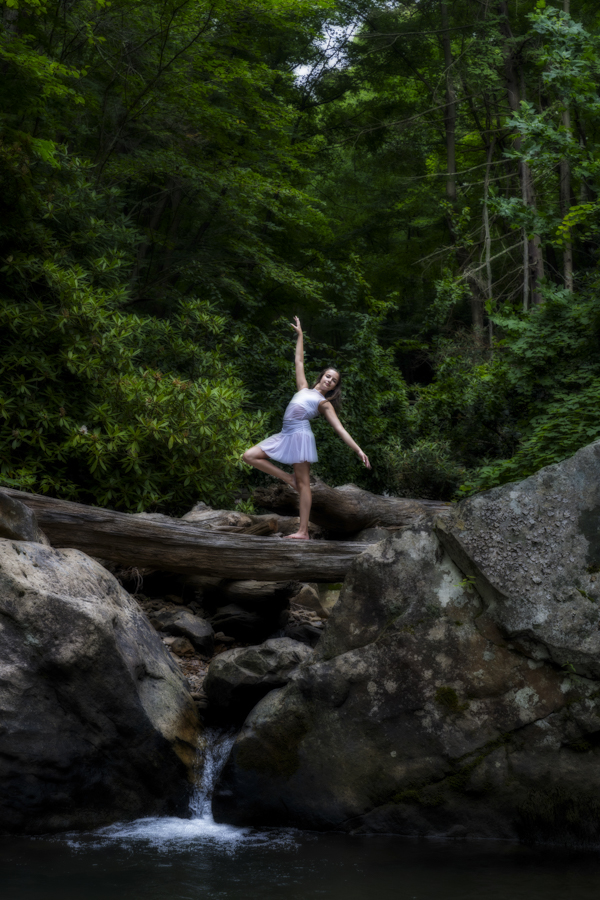
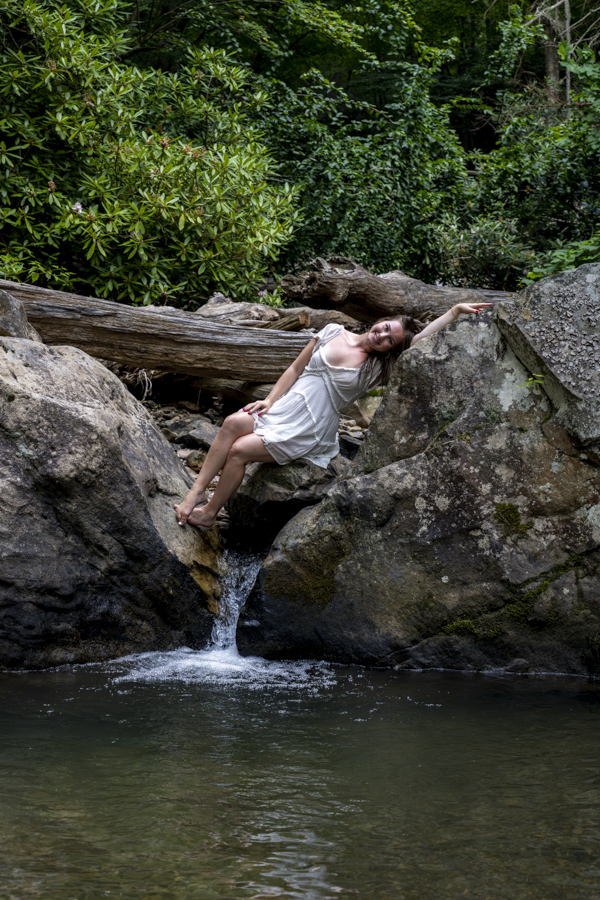
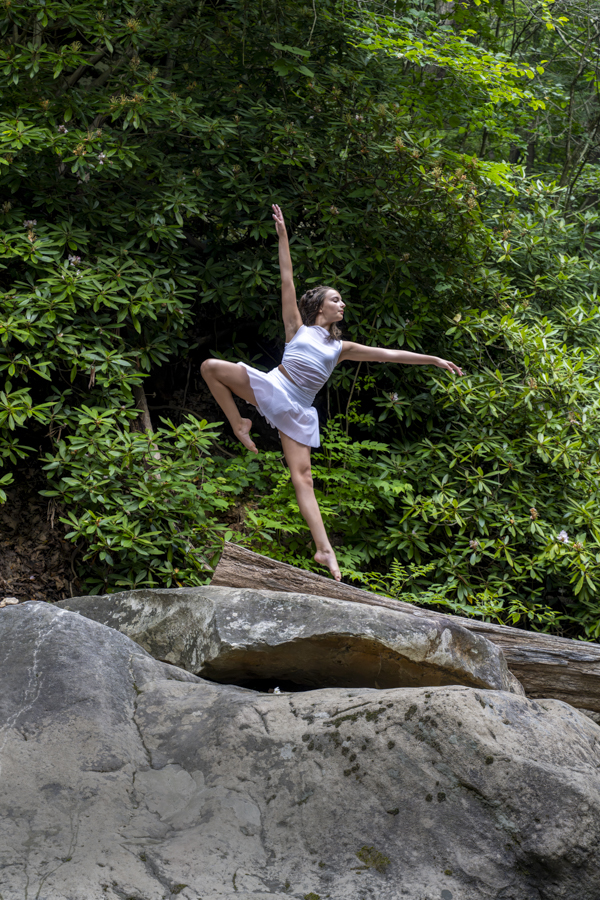
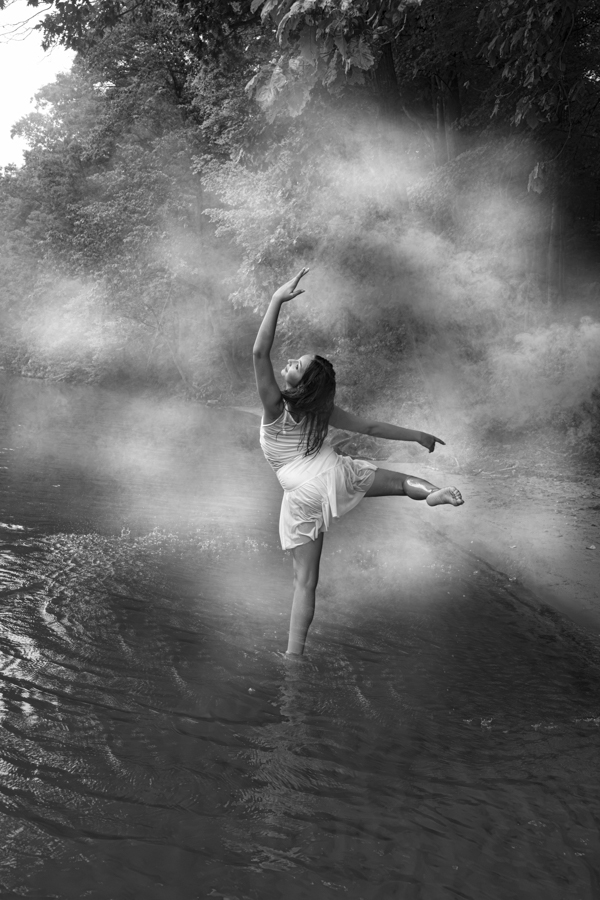
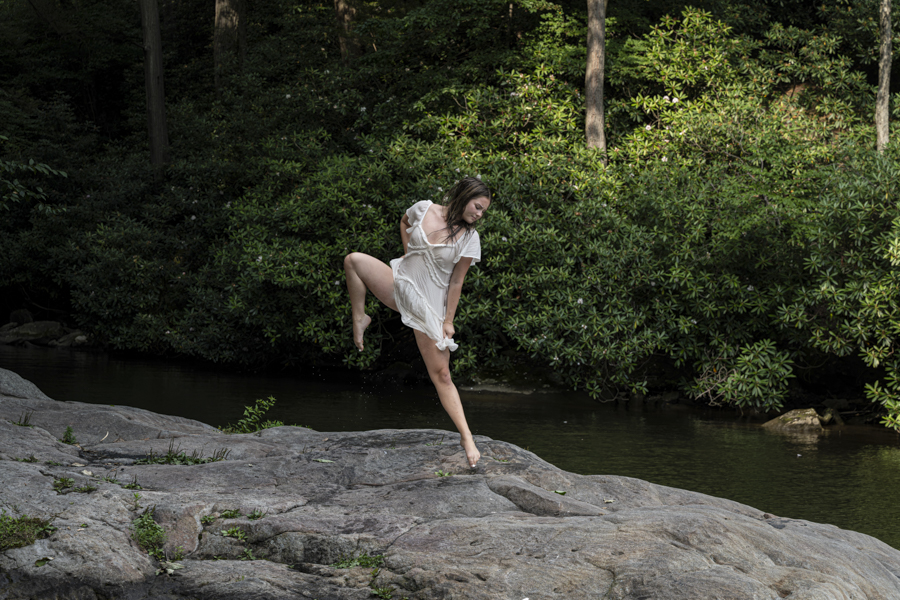
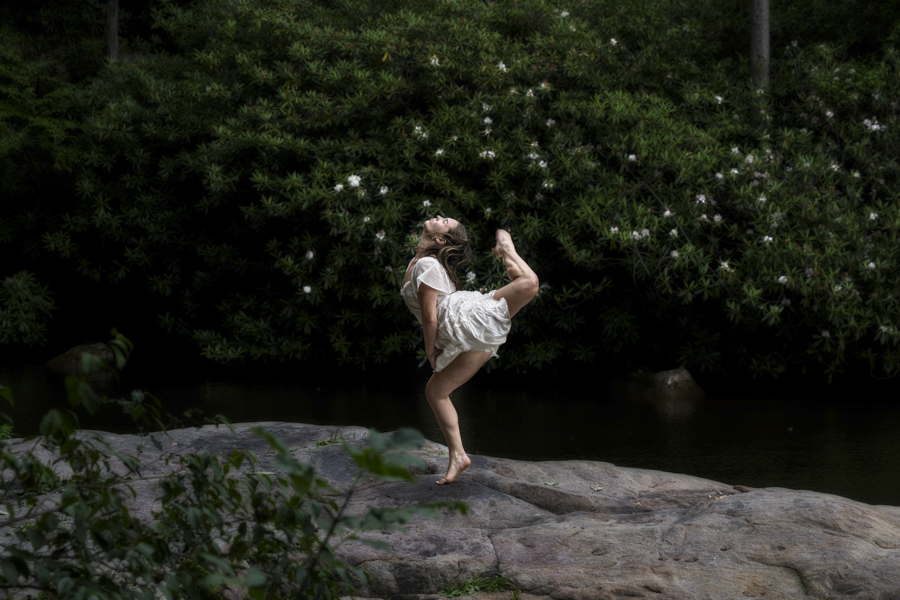
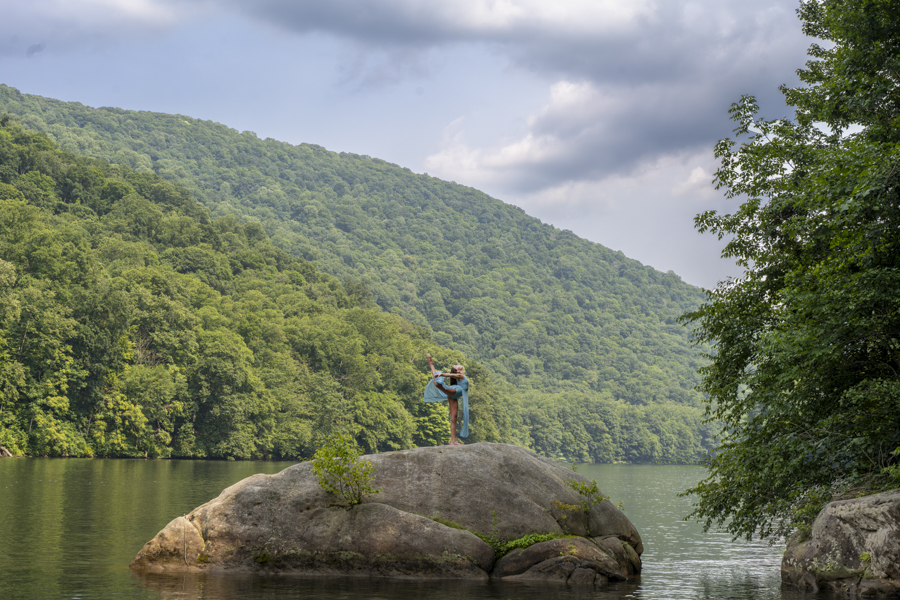
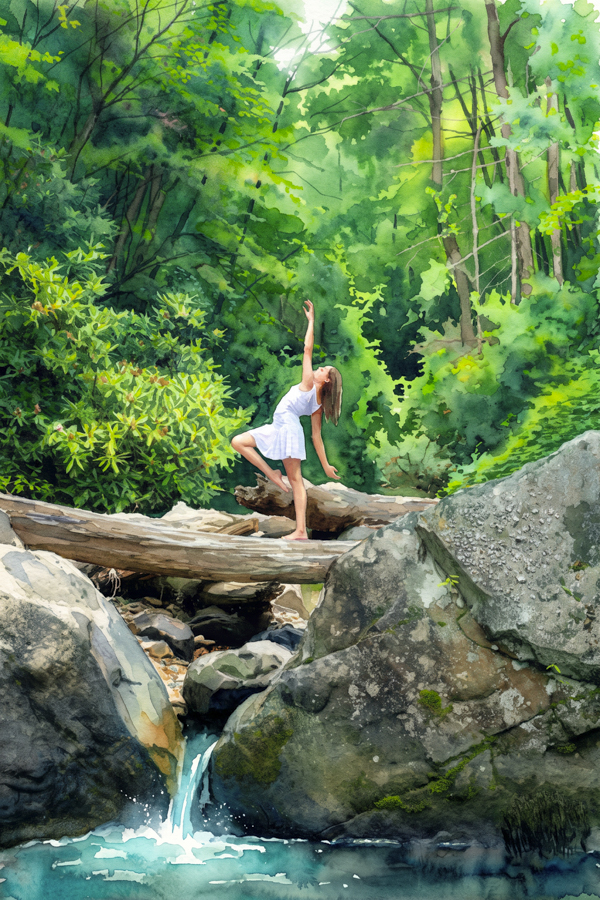
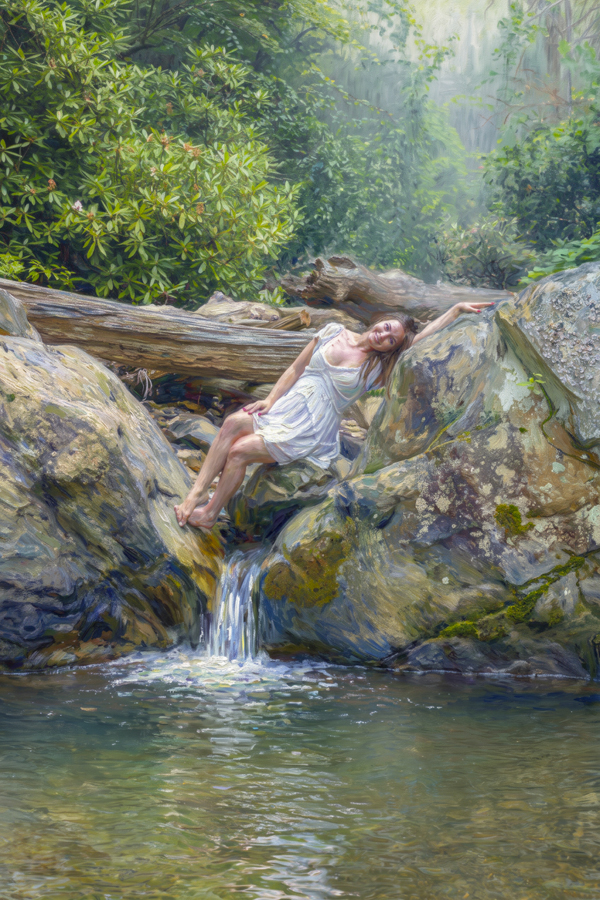
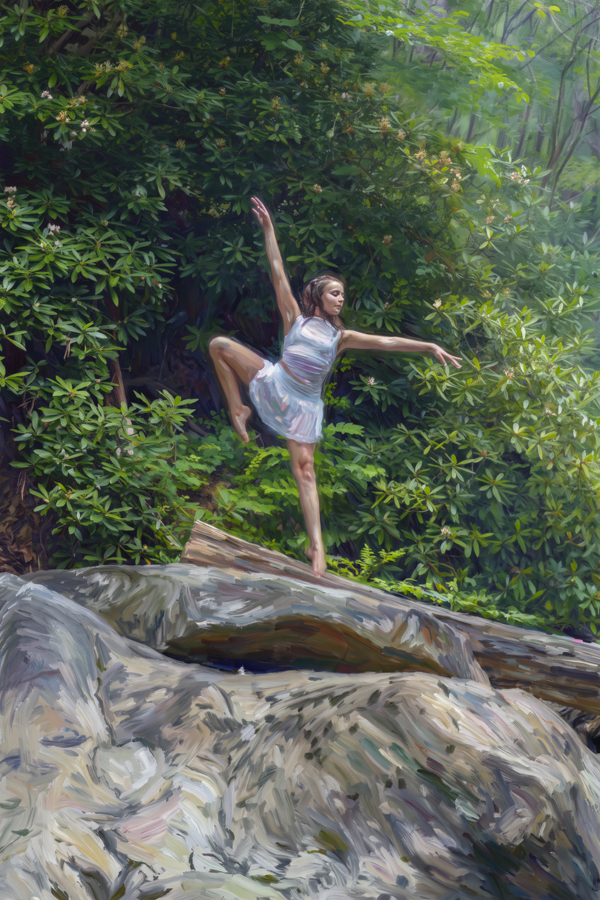
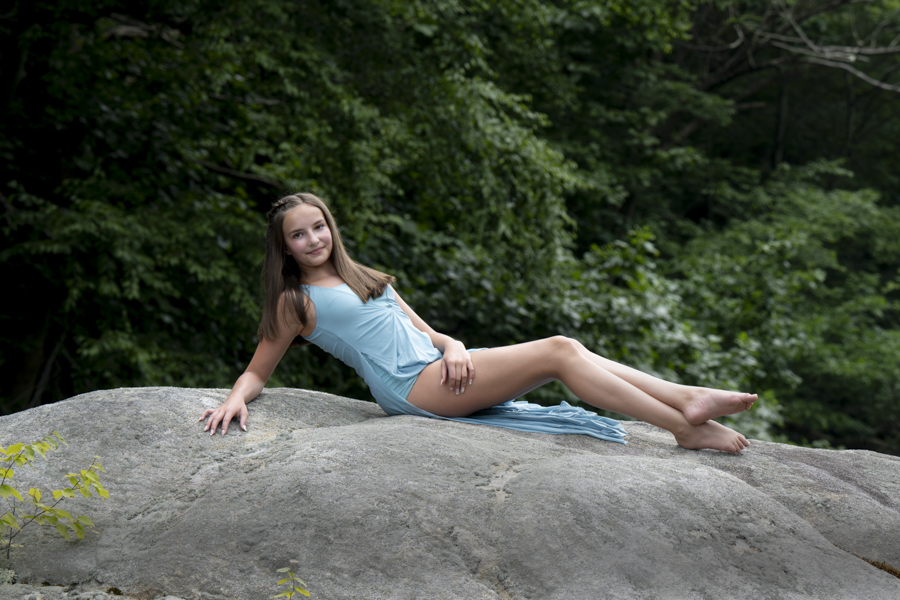
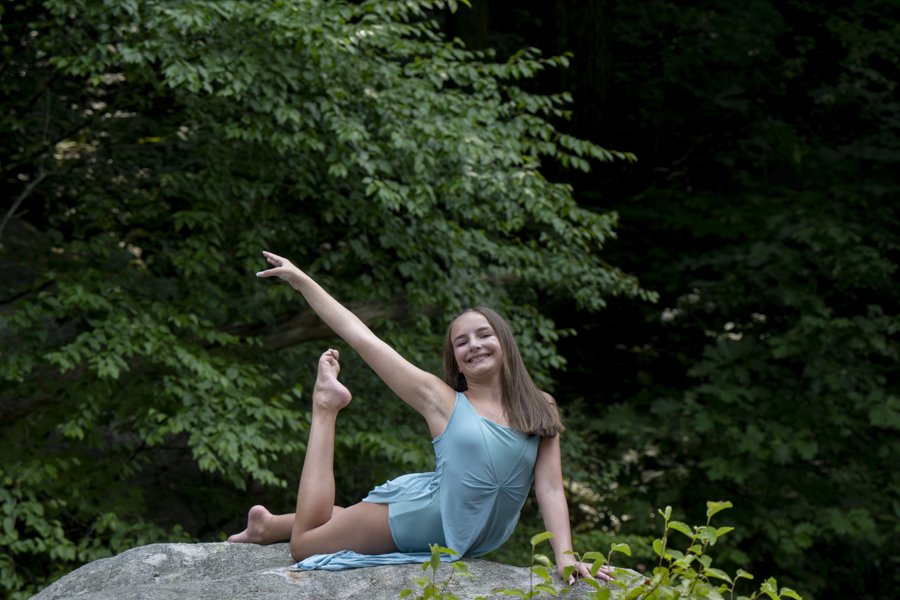
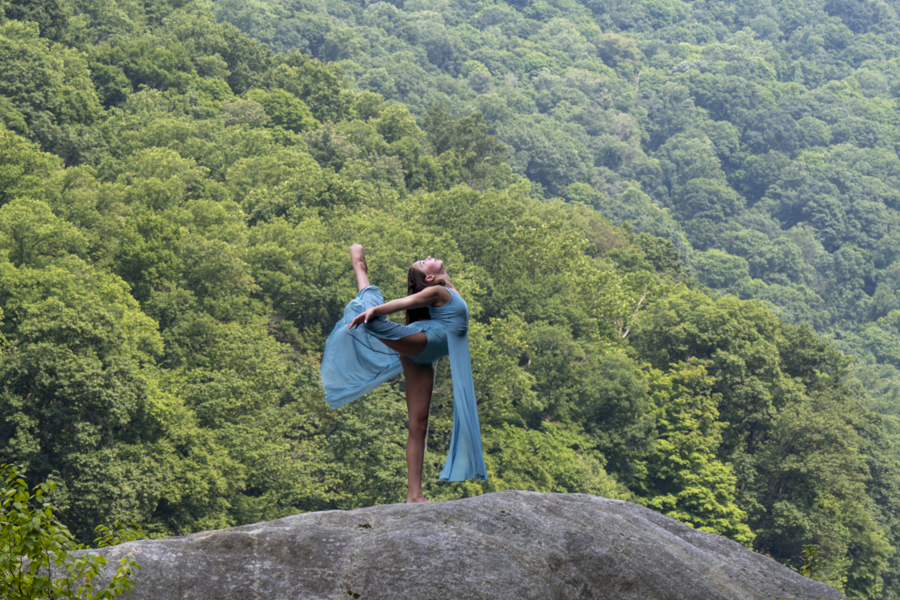
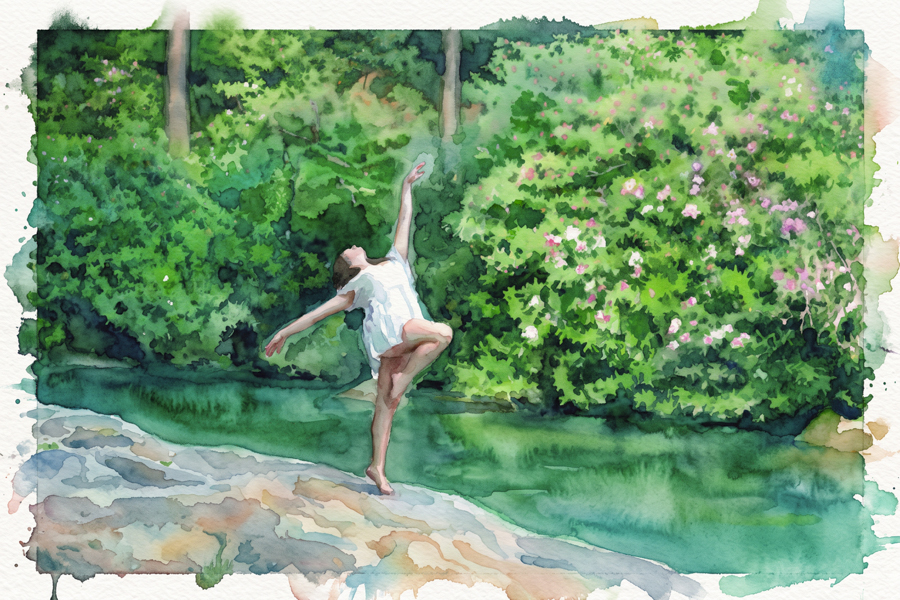
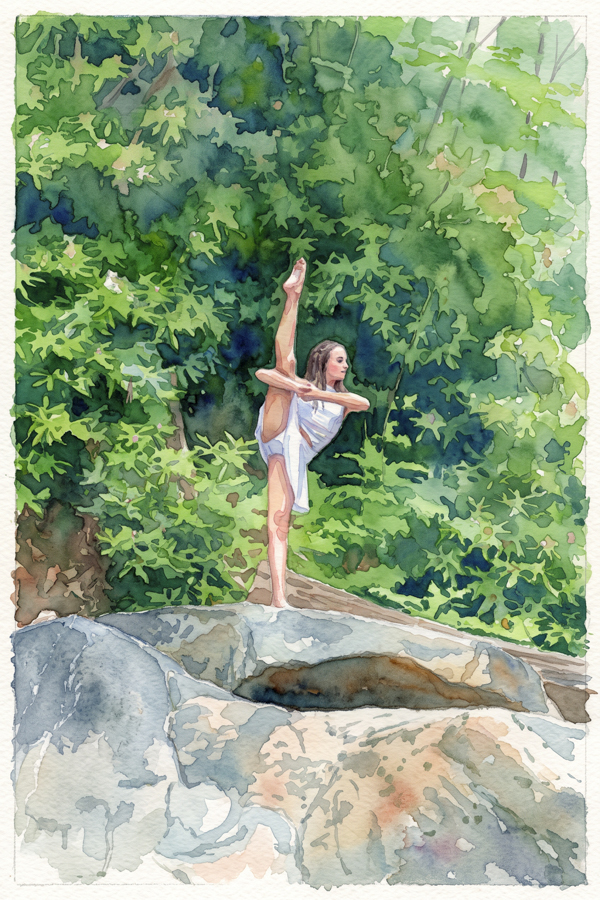
Photographing talented dancers in nature is an exhilarating study in contrasts. When you take hyper-disciplined movement out of the controlled studio and drop it into an unpredictable landscape, magic happens. A dancer’s form brings a striking sense of human precision—the sharp point of a shoe, a soaring grand jeté, an impossibly elongated line—to a world shaped by organic chaos.
Frame a contemporary artist leaping against the raw, jagged silhouette of a sea cliff, or a ballerina holding a quiet arabesque among towering, ancient redwoods, and the scene instantly transforms into a compelling dialogue between technical mastery and untamed wilderness.
The real joy, though, lies in collaborating with the environment’s fleeting elements to heighten the emotion of the motion. Nature provides a dynamic canvas that no backdrop can replicate: golden hour light catching the fine spray of a waterfall behind a turning dancer, wind breathing life into flowing fabric, or shadows stretching across desert dunes. It forces both photographer and performer to adapt in real time, turning unpredictable weather and terrain into creative partners. Capturing that exact millisecond where extreme physical exertion, artistic grace, and the wild beauty of the outdoors intersect is pure adrenaline—it’s freezing poetry in motion.
Sunlight filters through the high, glass-paneled canopy of the conservatory, casting geometric shadows across sprawling fern beds and vibrant orchids. In the center of the lush garden on Tyrone Road, two dancers move with effortless precision, their fluid motions echoing the natural curves of the surrounding flora. With every bend and leap, they transform the serene botanical haven into a dynamic stage, their footsteps silent against the stone paths. The rich scent of damp earth and blooming jasmine fills the air as they spin in tandem, their arms sweeping outward like unfurling petals, seamlessly blending human grace with the living beauty of Morgantown’s natural landscape.
As the music builds, the performance defies gravity—the dancers leap with such extraordinary elevation and suspended momentum that they seem to genuinely take flight above the exotic foliage. Caught mid-air against the lush backdrop of tropical palms, they drift momentarily weightless, their silhouettes framed by the soft, diffused light of the afternoon. Cascading vines and vibrant blooms brush against them as they descend smoothly, only to launch upward once more in a breathtaking display of strength and aerial art. In this quiet corner near Cheat Lake, the boundary between the dancers and the garden dissolves, leaving behind a fleeting, spellbinding moment of movement and imagination.
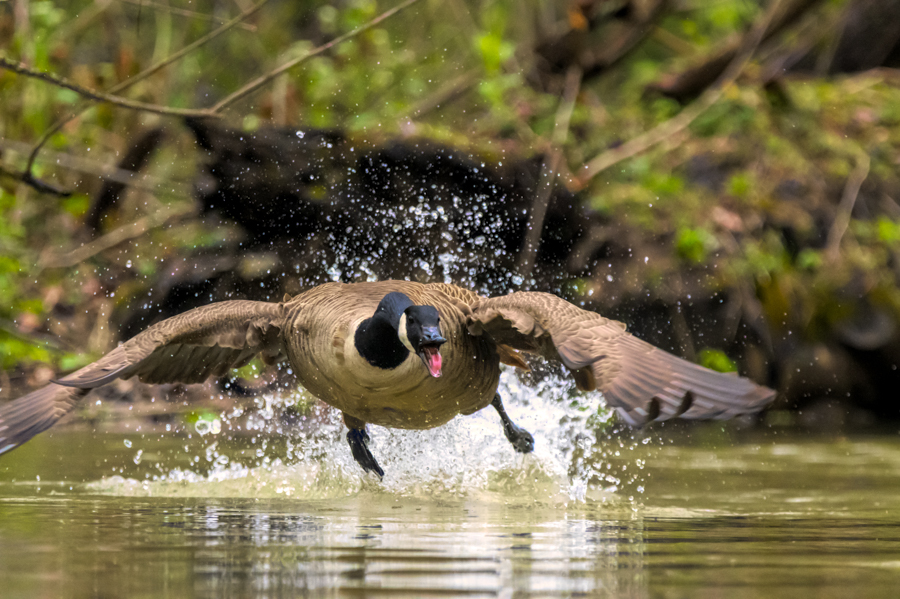
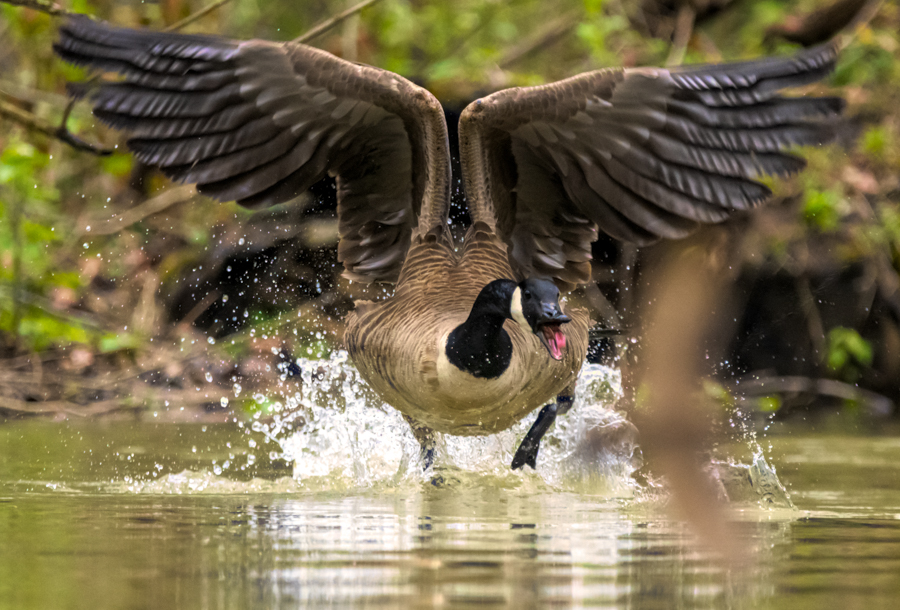
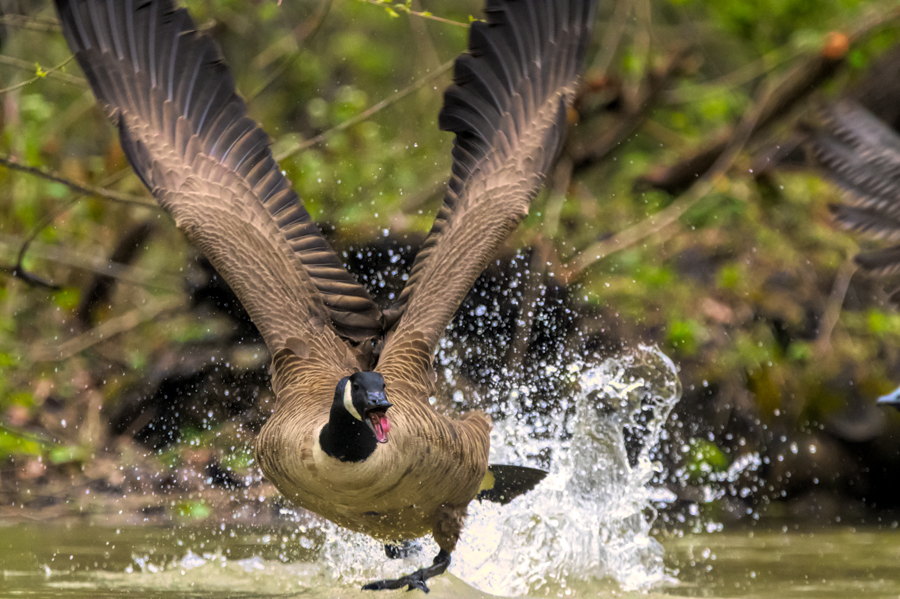
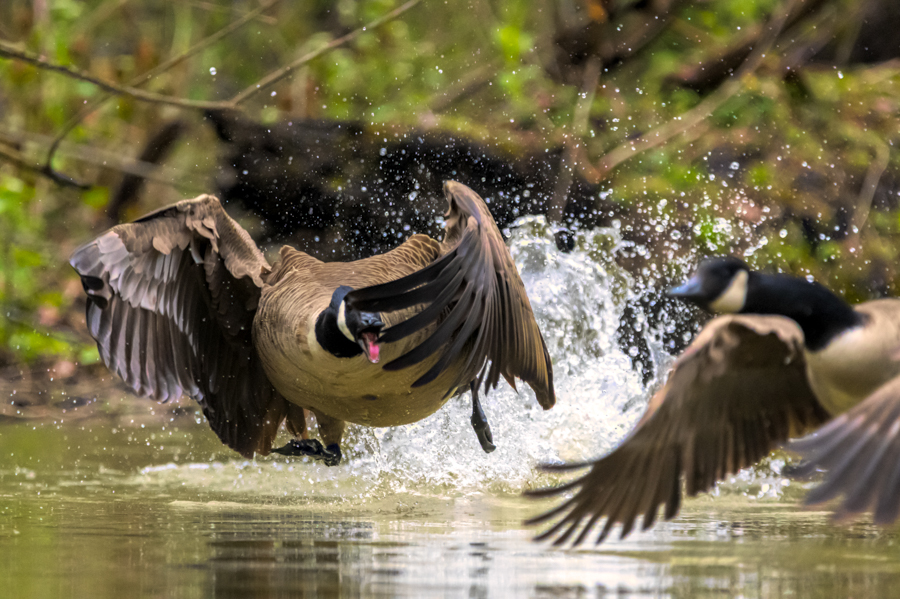
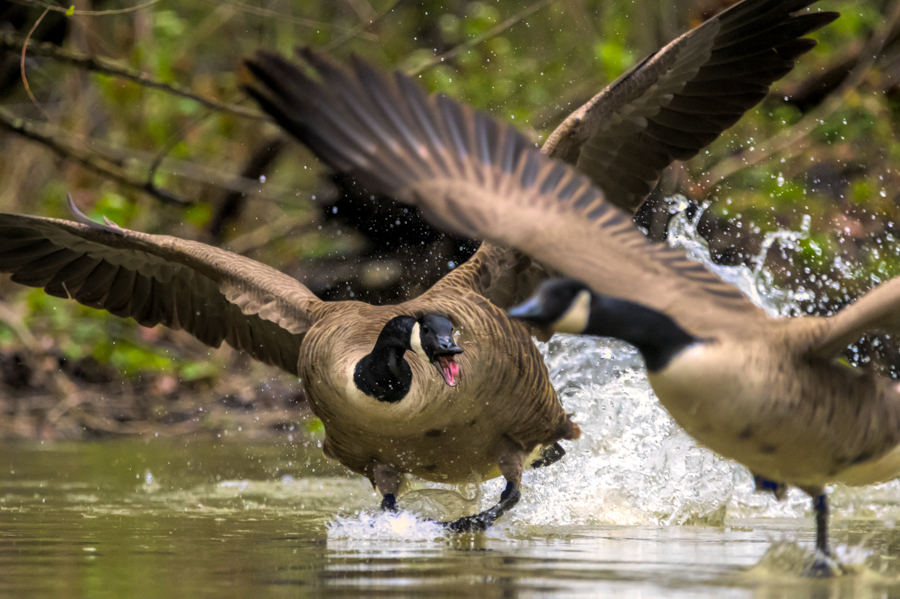
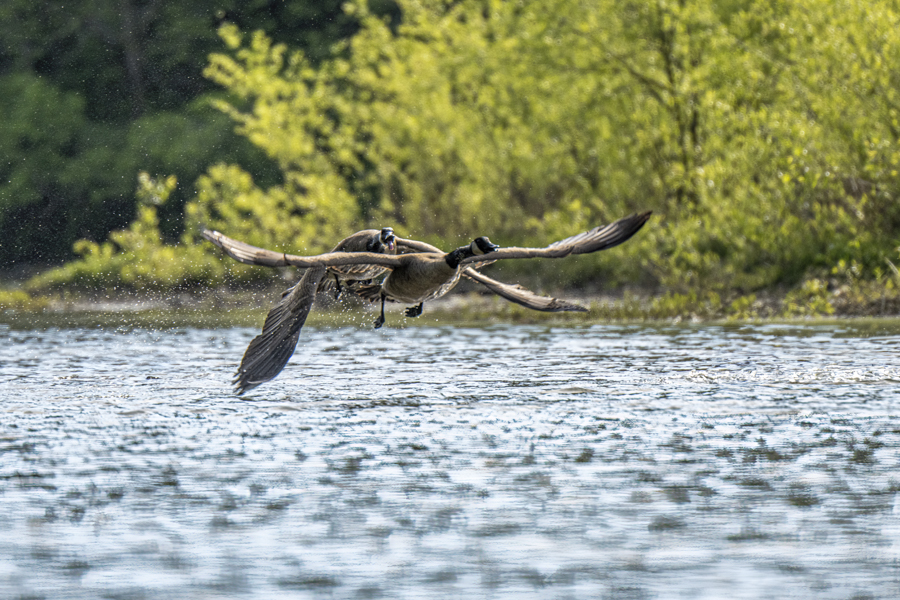
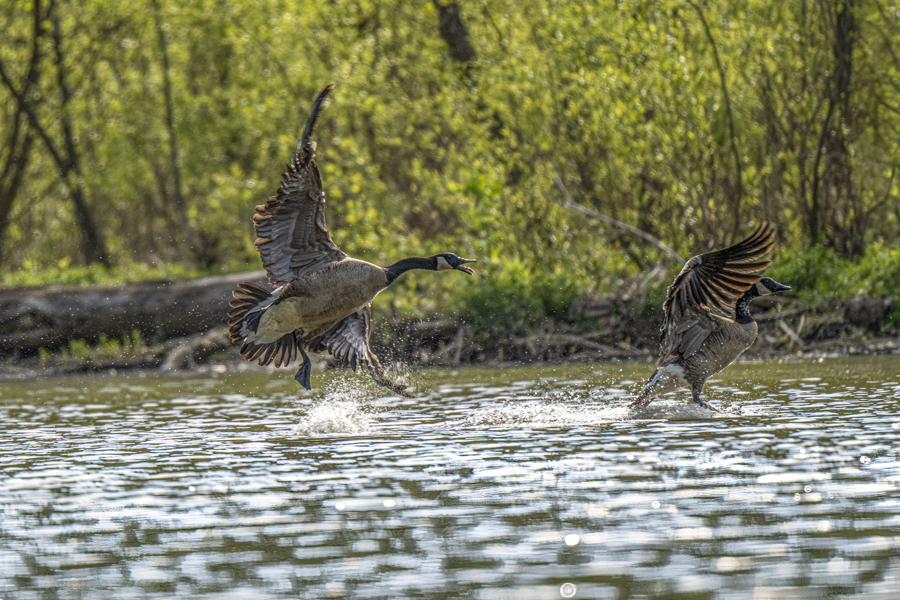
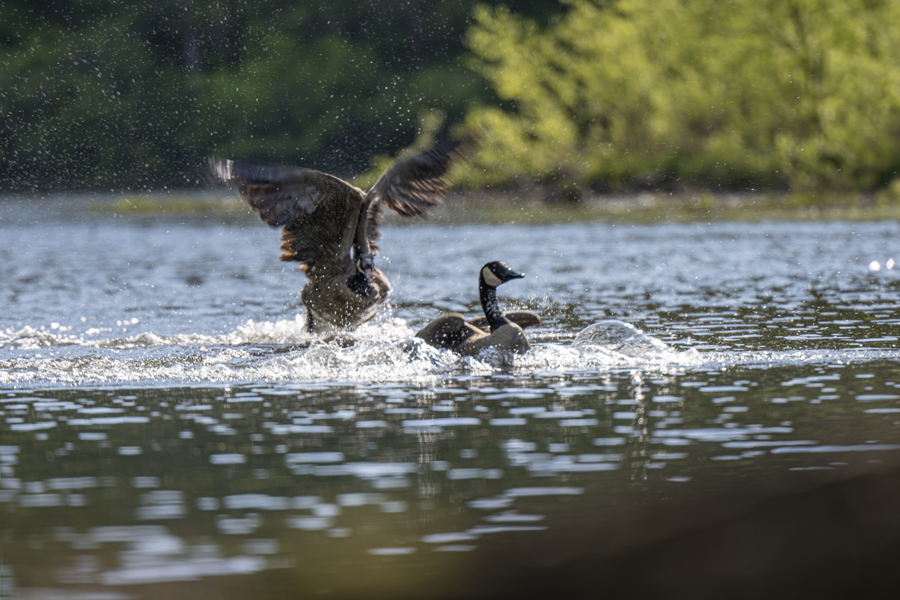
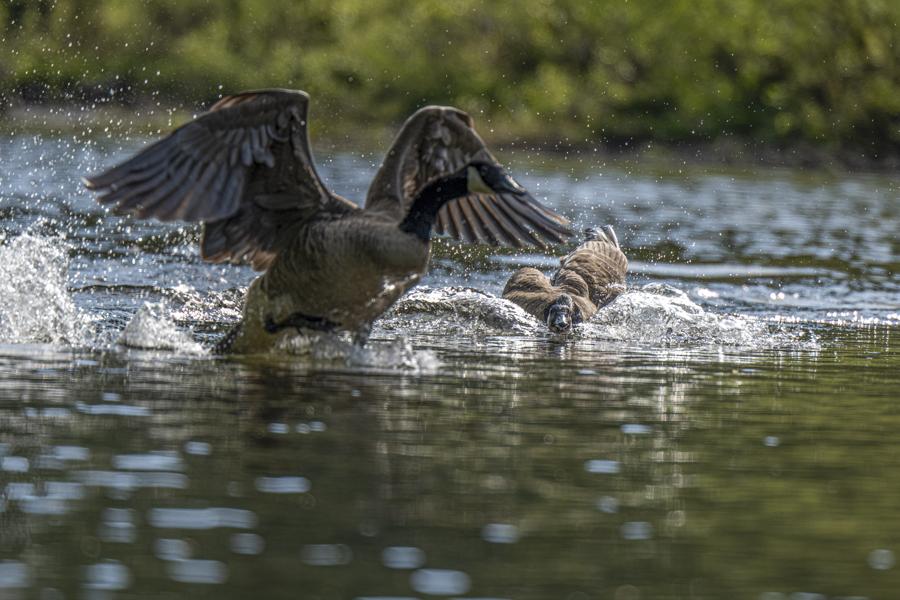
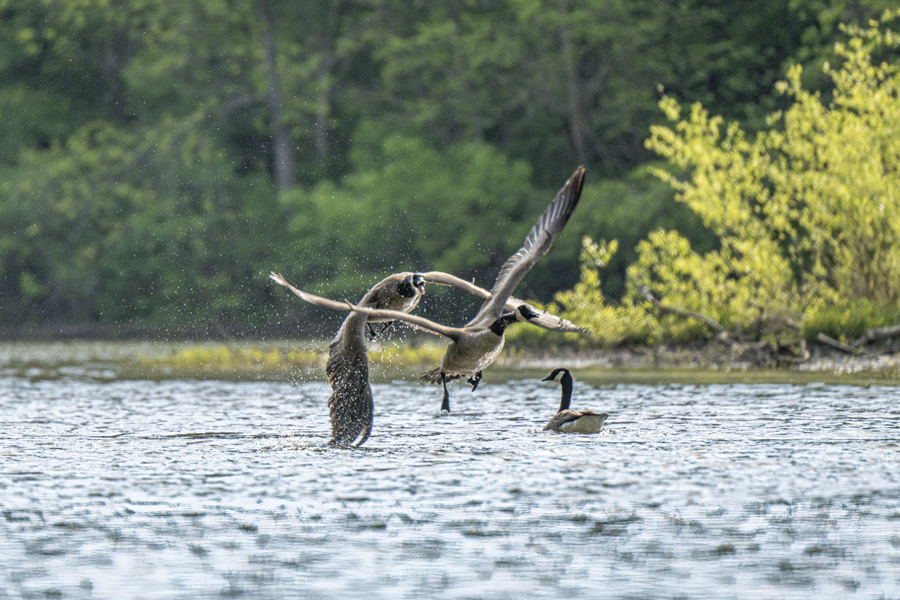
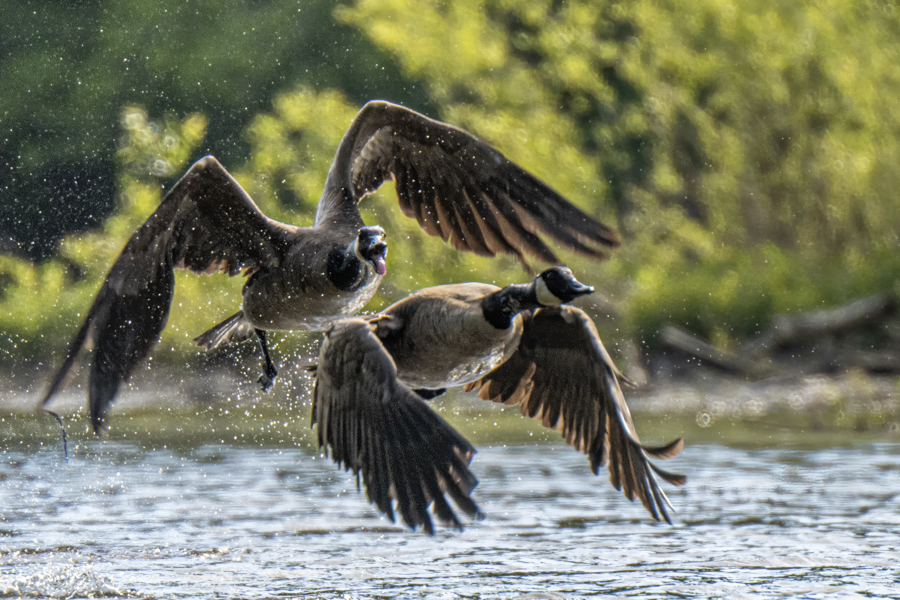
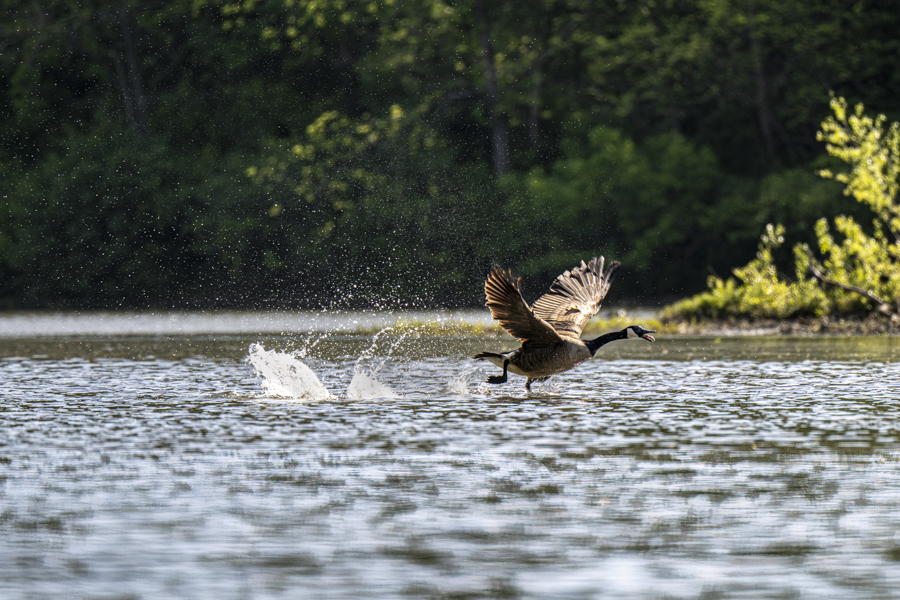
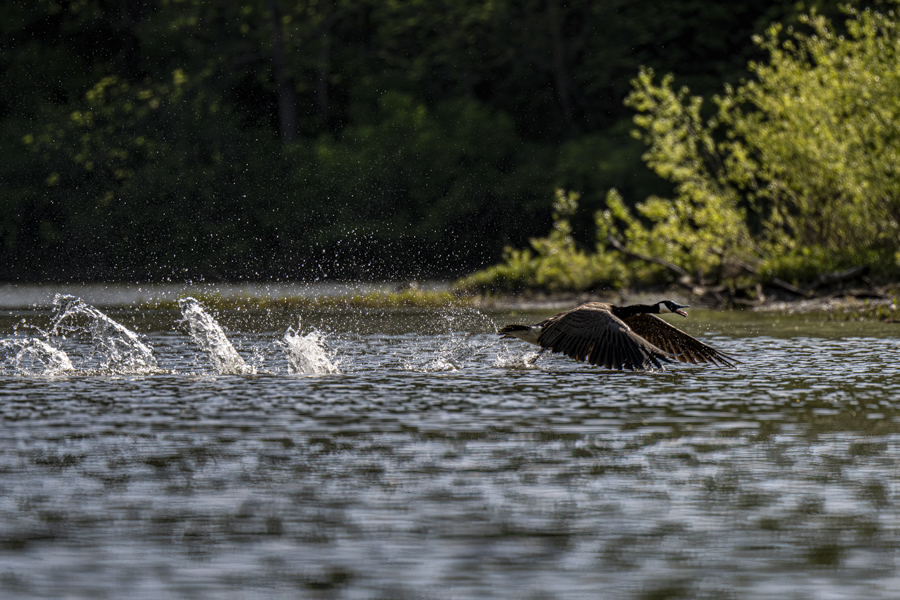
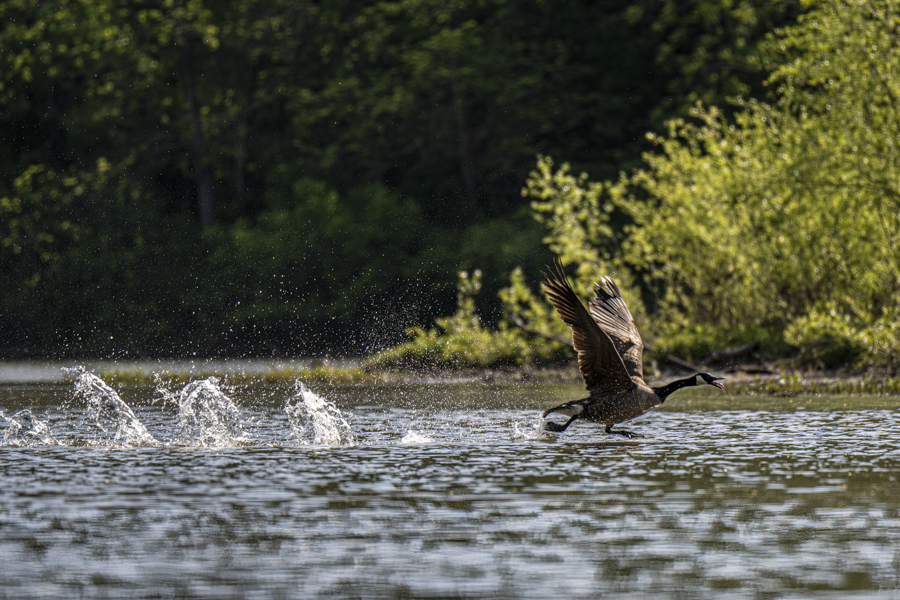
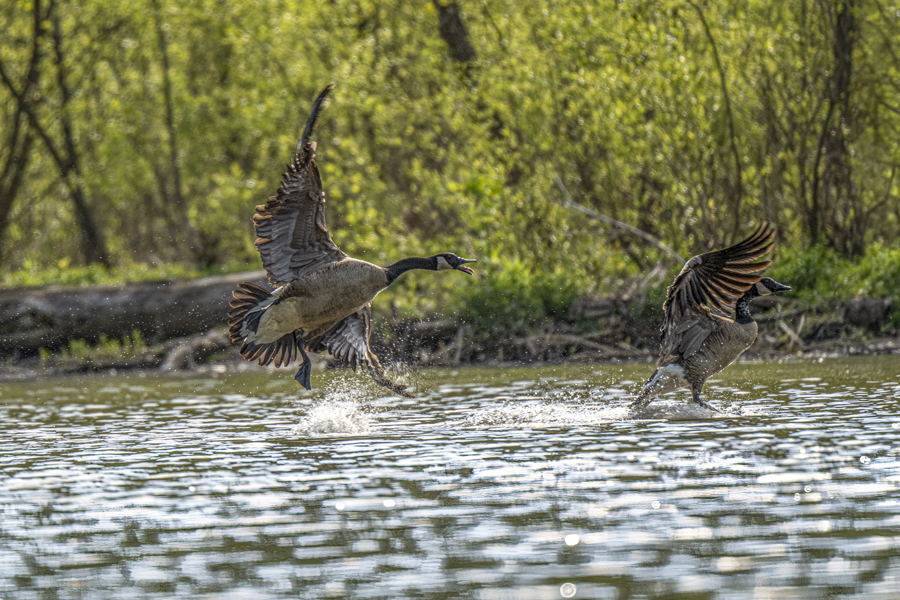
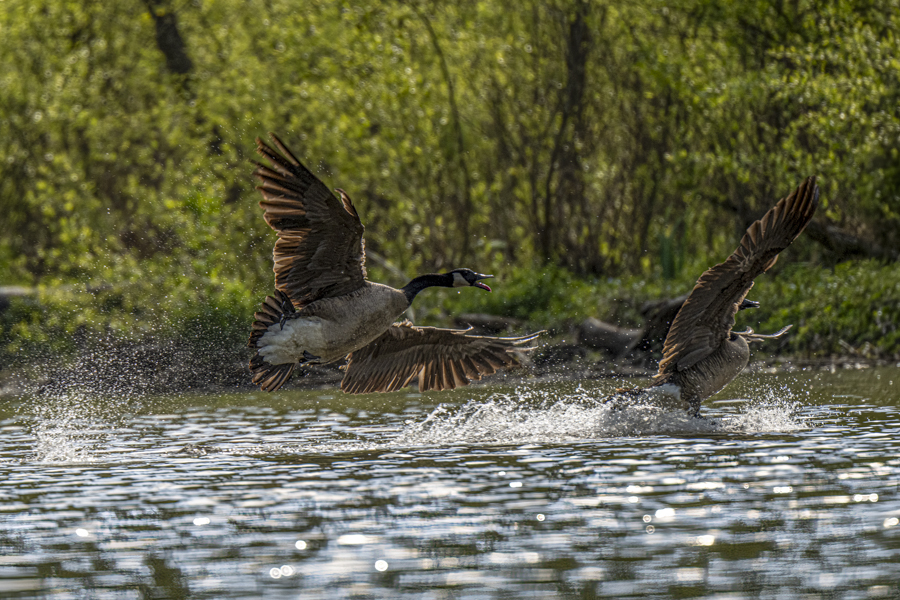
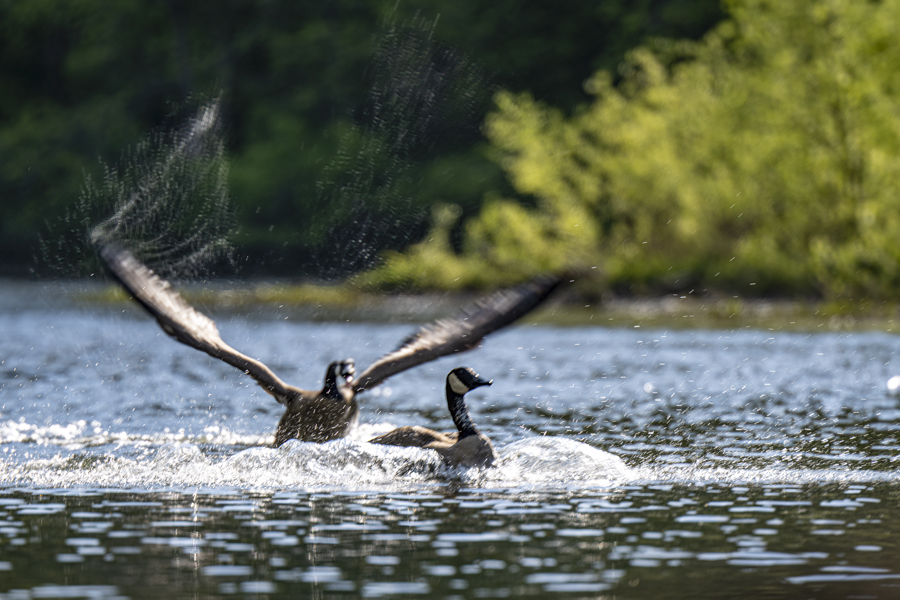
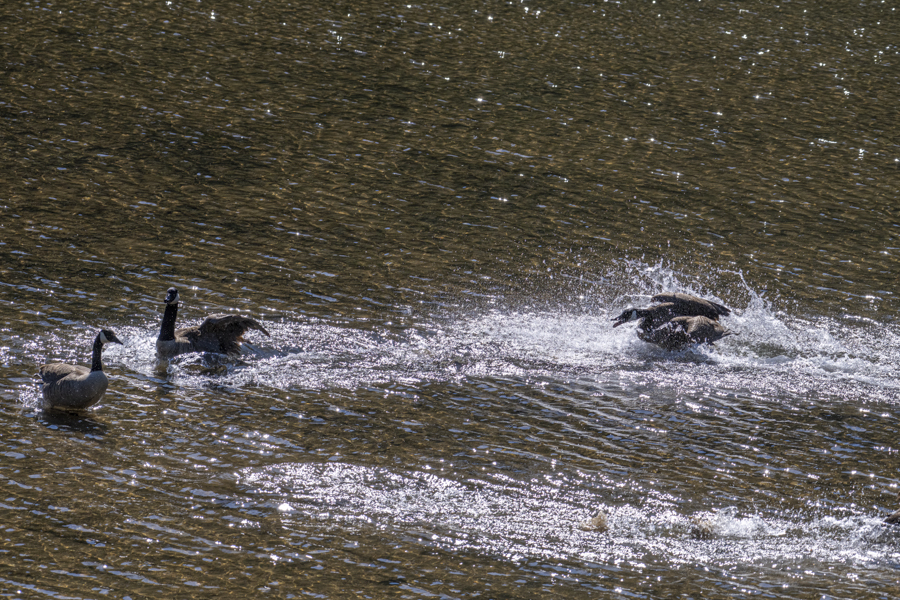
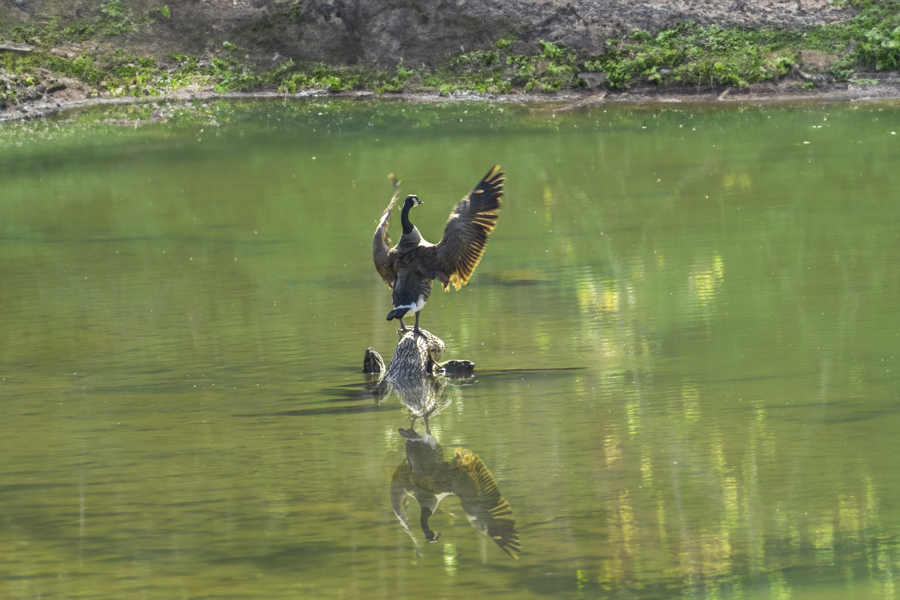
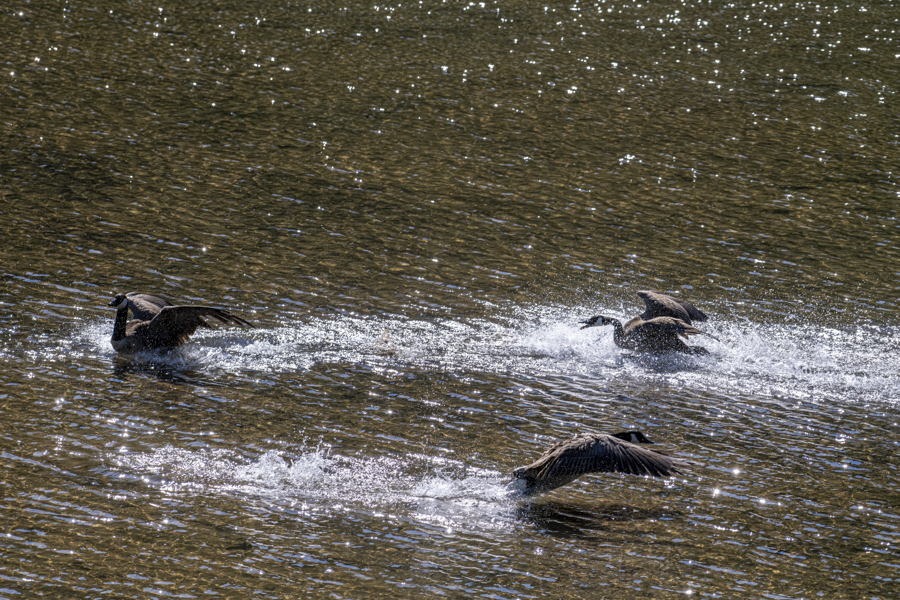
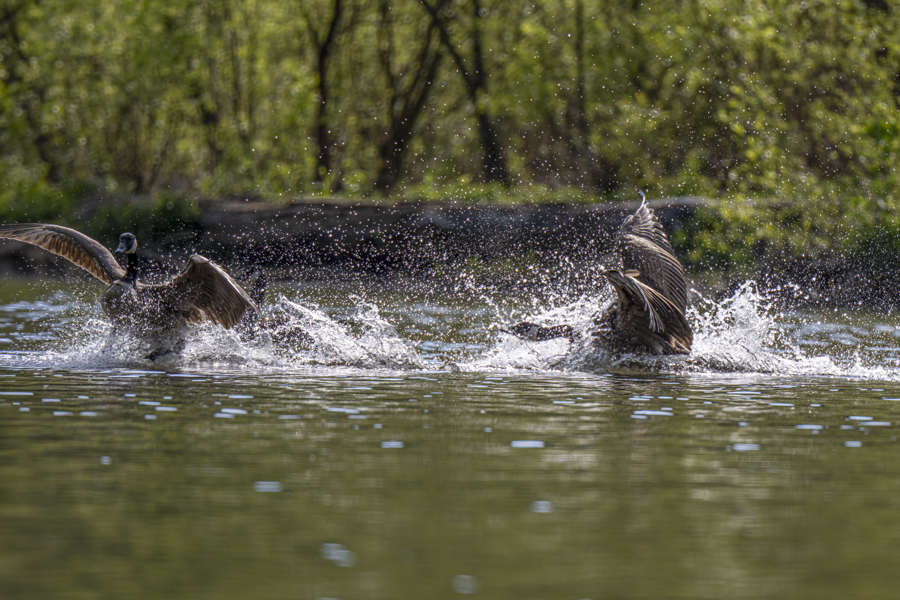
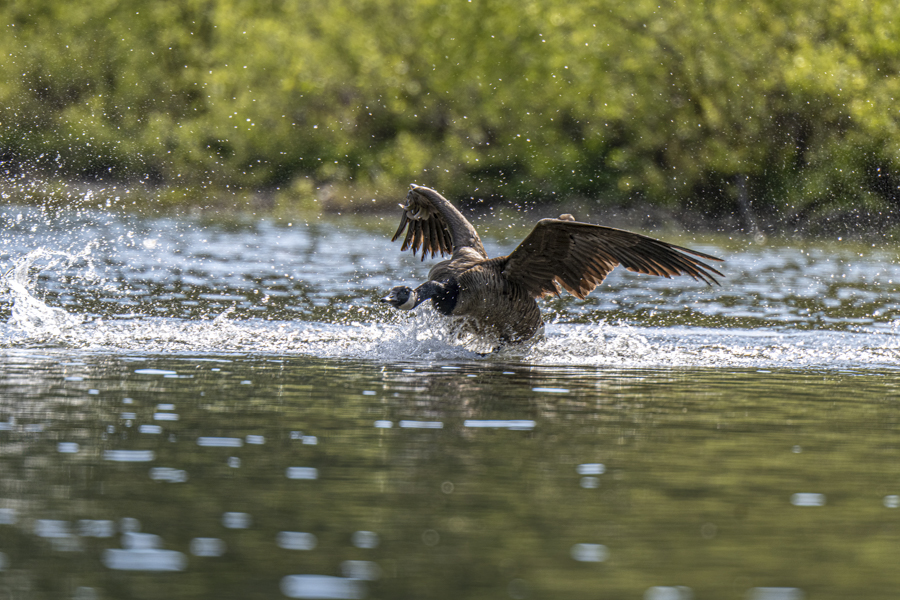
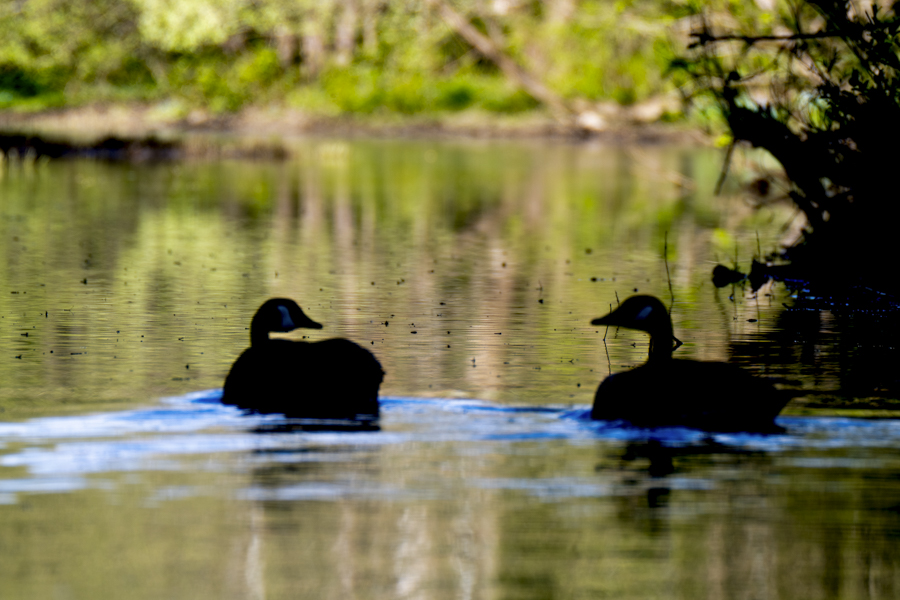
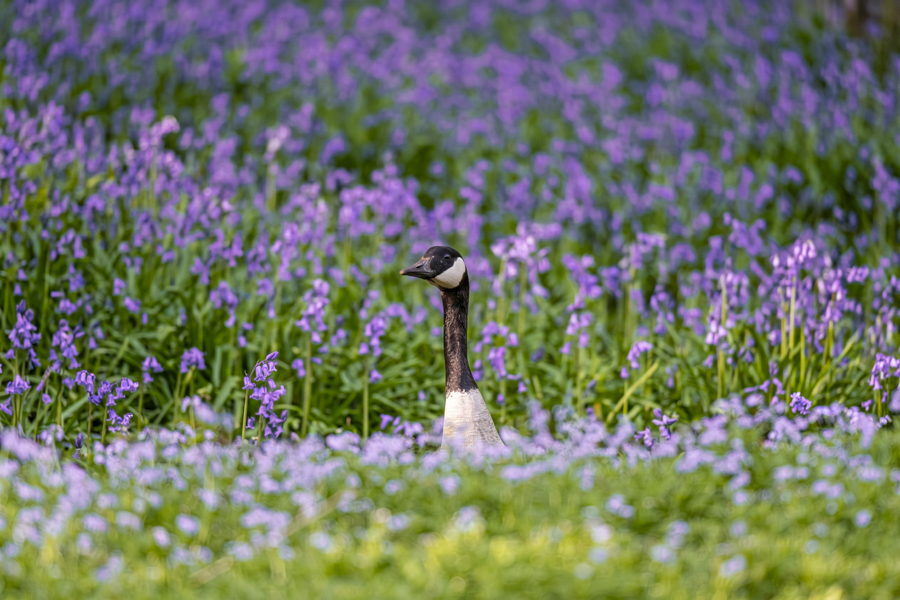
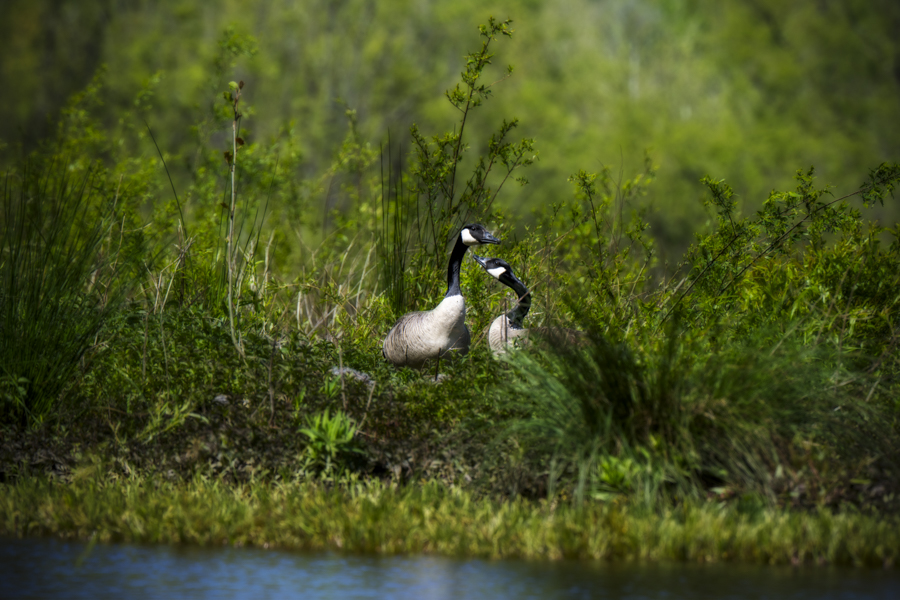
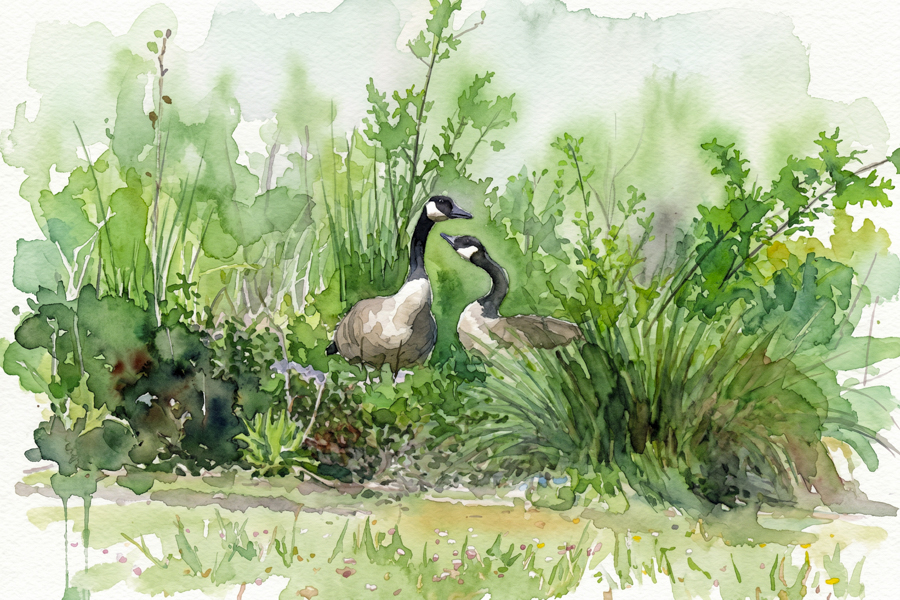
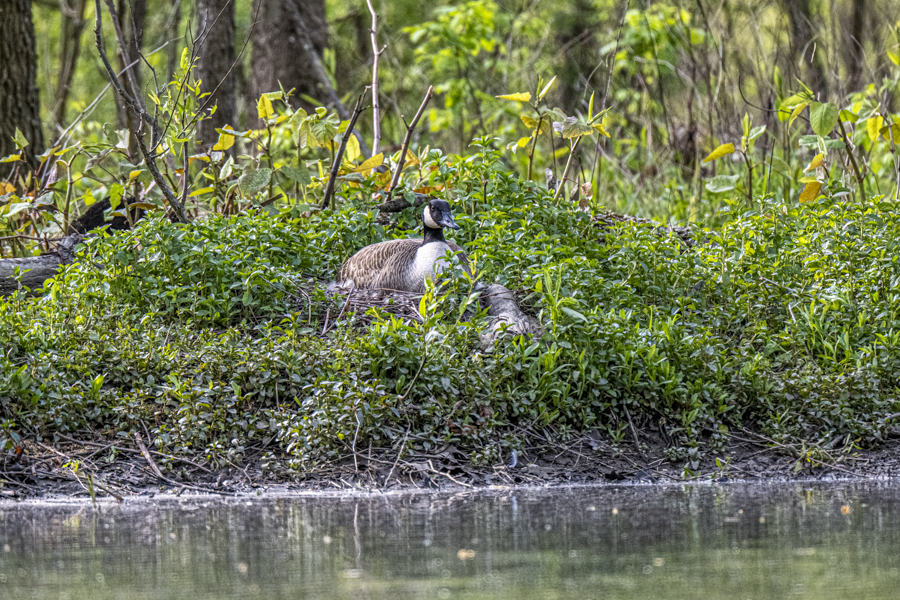
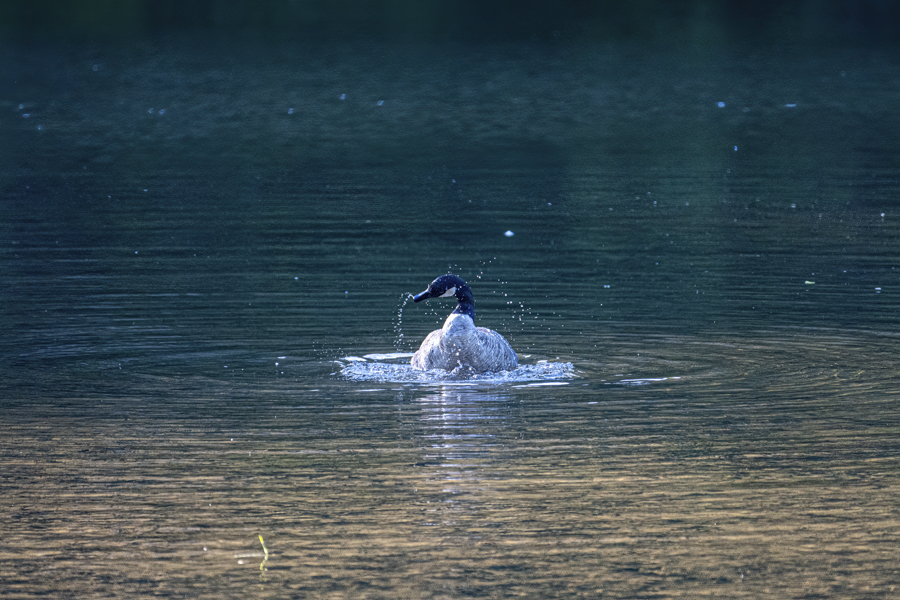
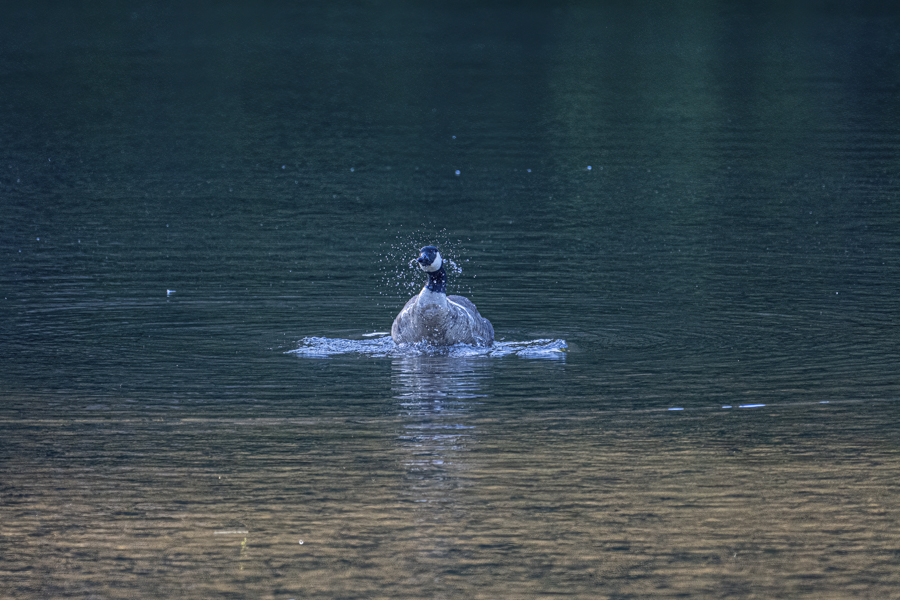
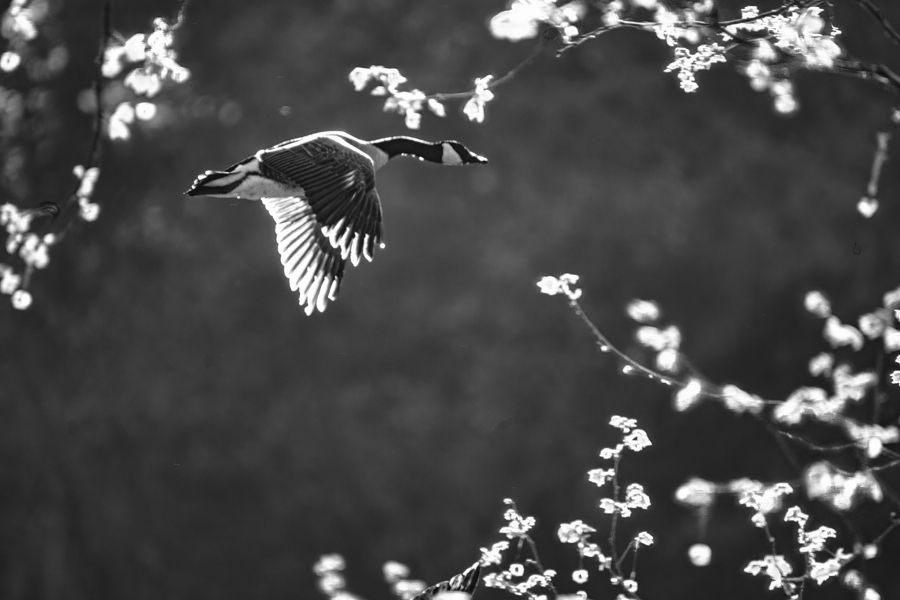
Geese fight to defend their territory because that space directly determines whether their mate, eggs, and goslings survive. During the breeding season—typically early spring through early summer—their hormones and parental instincts intensify, making them far more vigilant and reactive. A bonded pair selects a nesting site that offers safety and access to food and water, and the gander becomes the primary defender of that area. Any animal or goose that crosses the invisible boundary is treated as a potential threat, triggering a sequence of warning behaviors such as honking, hissing, lowering the neck, and spreading the wings to appear larger. If these signals fail, the goose may escalate to chasing or striking with its wings, all aimed at driving the intruder away rather than causing serious harm.
Territorial defense is also tied to competition within the flock. Geese fight to secure mates, maintain dominance, and protect limited resources like feeding areas or shoreline nesting spots. These confrontations follow a predictable ladder of escalation—starting with a stare and progressing to a head‑low posture, wing spreading, and finally a charge. The behavior may look aggressive, but it is a highly structured survival strategy. A goose that seems calm in winter can become fiercely defensive in March because the stakes have changed: defending territory means defending future offspring.
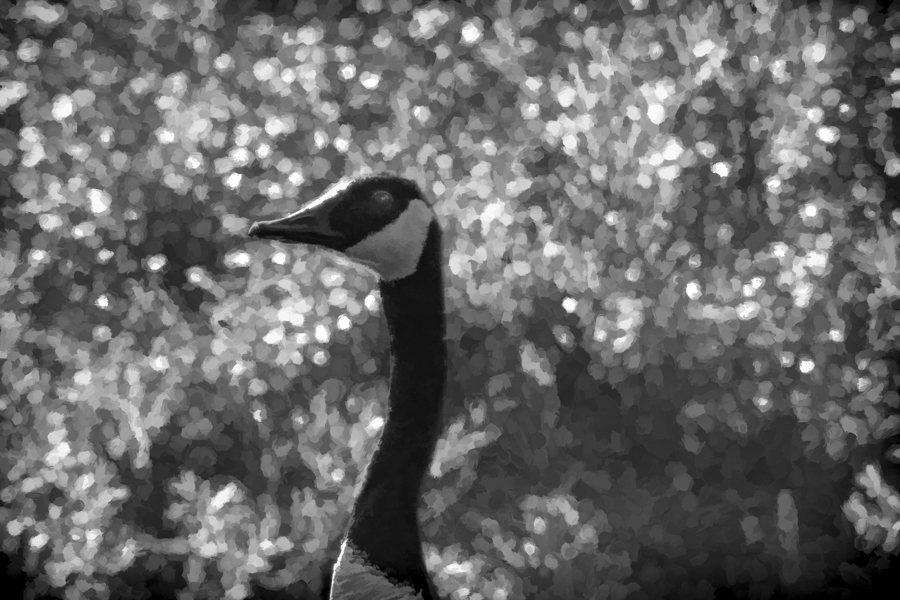
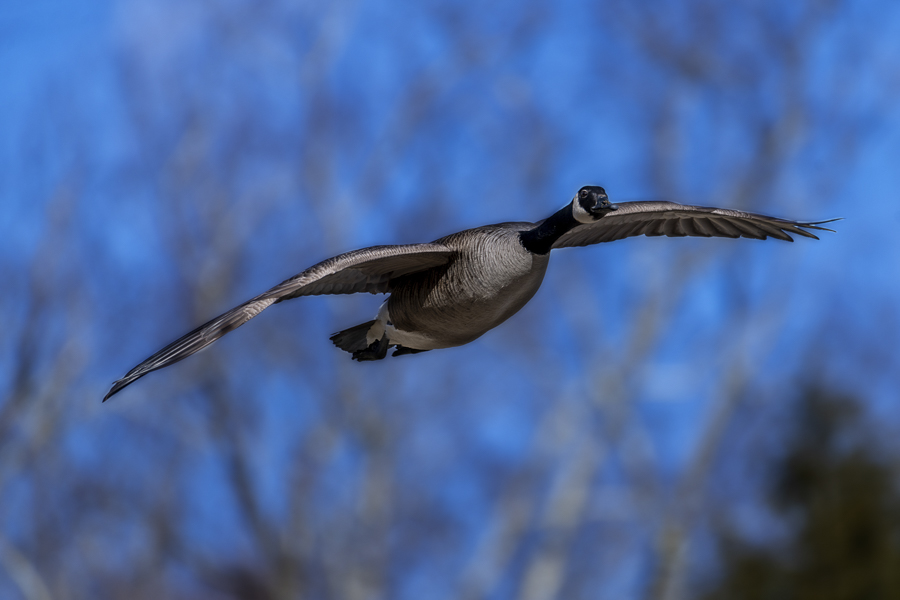
Real mad gooseMad goose chasing away competition
The Biological Imperative of Defense
The intensity of goose aggression is directly linked to their reproductive cycle and the need to defend their young. Geese are highly territorial, and this protective instinct is heightened during the nesting season, which typically runs from late February through June.
The pair has a significant investment in their clutch, which requires about 28 days of incubation before the goslings hatch. This high investment means any perceived threat near the nesting site, which is often close to water and includes urban areas like parks and golf courses, triggers a strong defensive reaction. The aggression is not random; it is a response to ensure the survival of their vulnerable offspring.
Interpreting Aggressive Displays
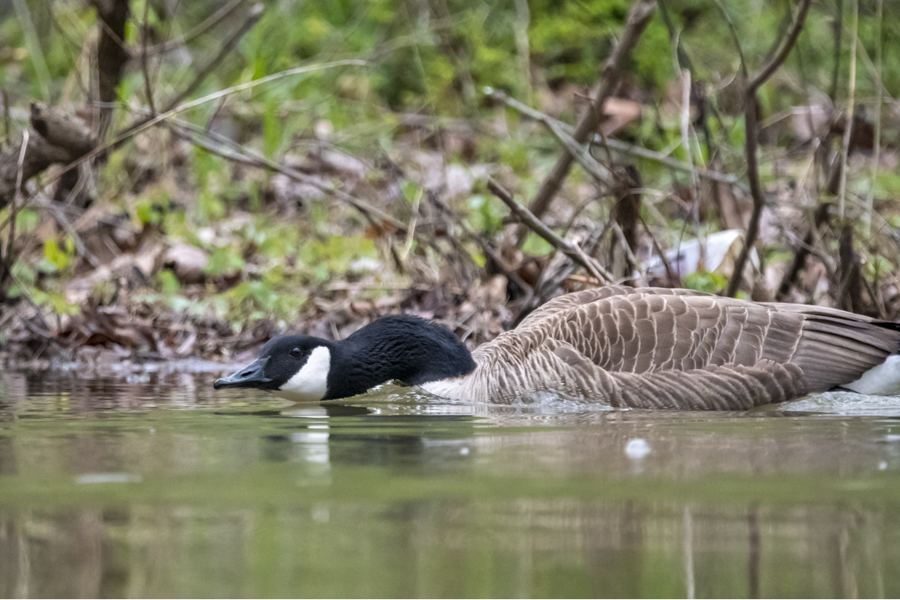
Geese use a sequence of physical and vocal signals to warn intruders to retreat before a physical confrontation occurs. The initial warning often involves loud, sharp honking combined with a specific body posture. A goose preparing to defend its space will stand erect, lower its head and neck parallel to the ground, and spread its wings to appear larger and more intimidating.
If the warning is ignored, the next step is usually a hissing sound, signaling imminent action. The goose may then engage in a “head-pump” behavior, rapidly moving its neck up and down, before charging the perceived threat. This charge is typically a bluff intended to scare off the intruder, sometimes culminating in a wing-slap or pecking, confirming that the actions are warnings rather than unprovoked attacks.
How Human Interaction Shapes Behavior
The environment created by human development, particularly in urban areas, has altered goose behavior. Geese thrive in environments with short, manicured lawns and nearby water sources. This constant proximity to people leads to a process known as habituation, where geese lose their natural fear of humans.
Artificial feeding is a major factor contributing to bolder behavior, as it causes geese to associate humans with food. When geese are fed, they become less wary and may approach people with expectation, leading to aggressive demands when food is not provided. This environmental conditioning exacerbates their natural territoriality, making them more likely to confront people who enter their space.
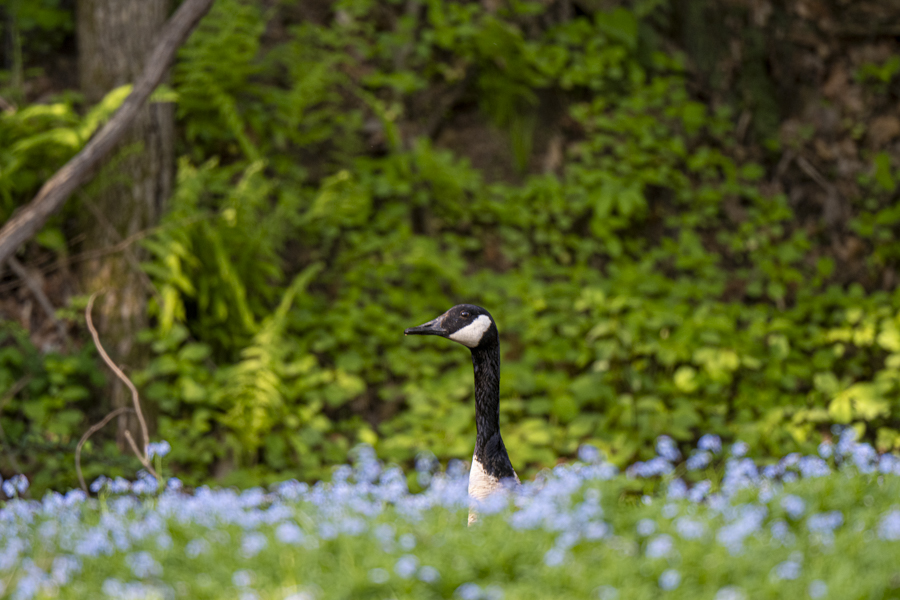
Canadian Goose
Strategies for Safe Coexistence
To avoid conflict, respect the goose’s personal space, especially during the nesting season. Never offer food to geese, as this reinforces the habituation cycle and can lead to aggressive begging. Maintaining a distance of at least 50 feet from a goose, particularly one near a nest or goslings, prevents activating its defensive instincts.
If a goose begins to display warning signs, the safest response is to maintain eye contact and slowly back away without turning your back. Running or yelling can intensify the goose’s defensive reaction. By calmly retreating and making yourself appear large, you signal that you are not a predator, which usually encourages the goose to cease its aggressive display.
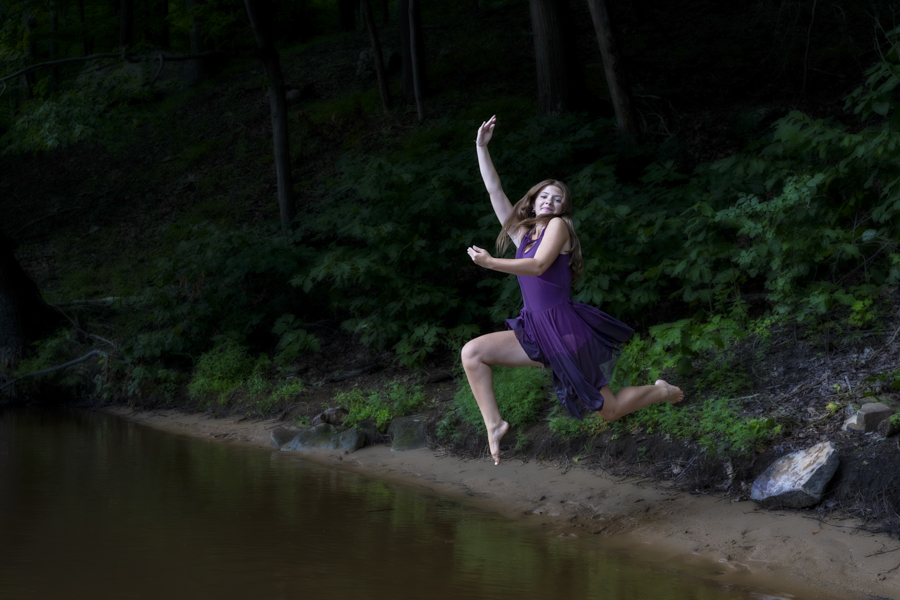
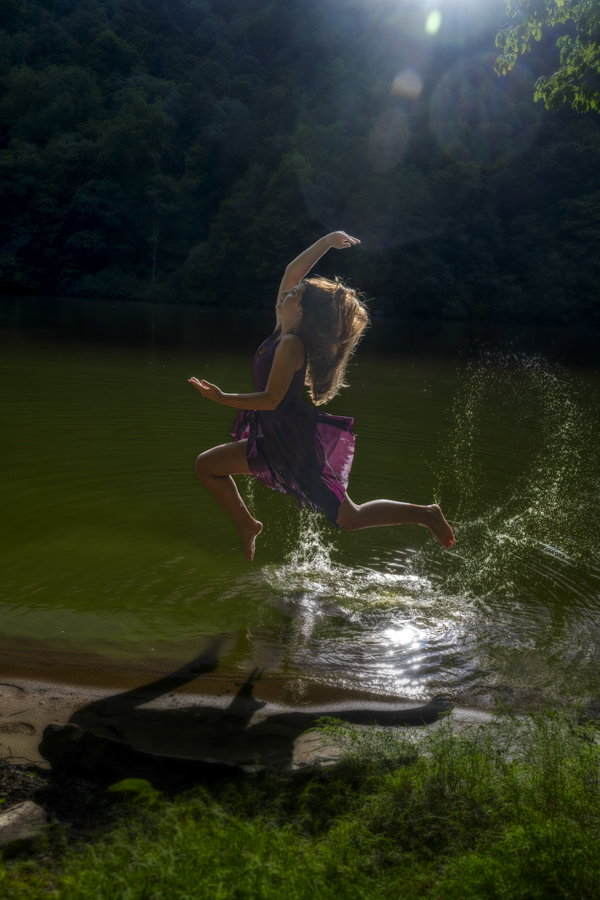
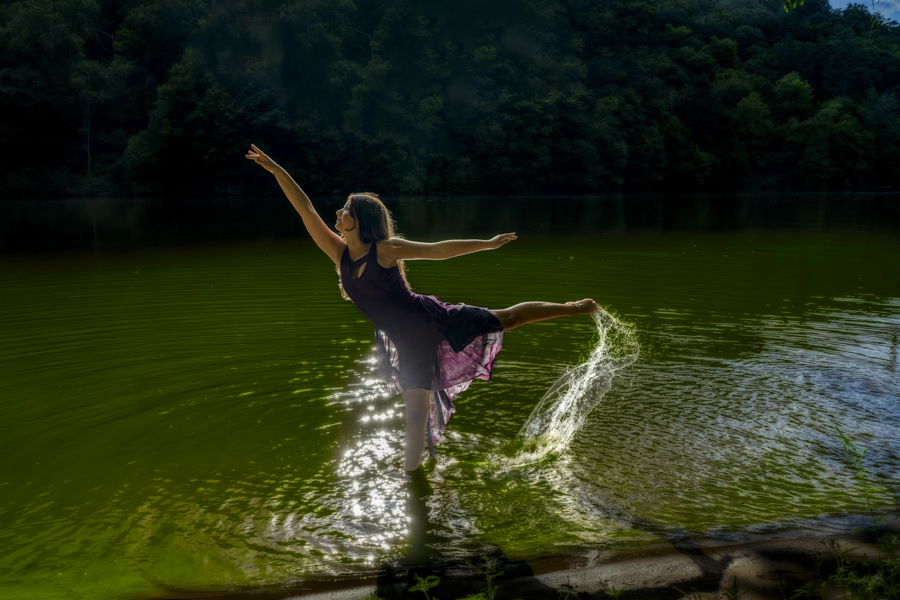
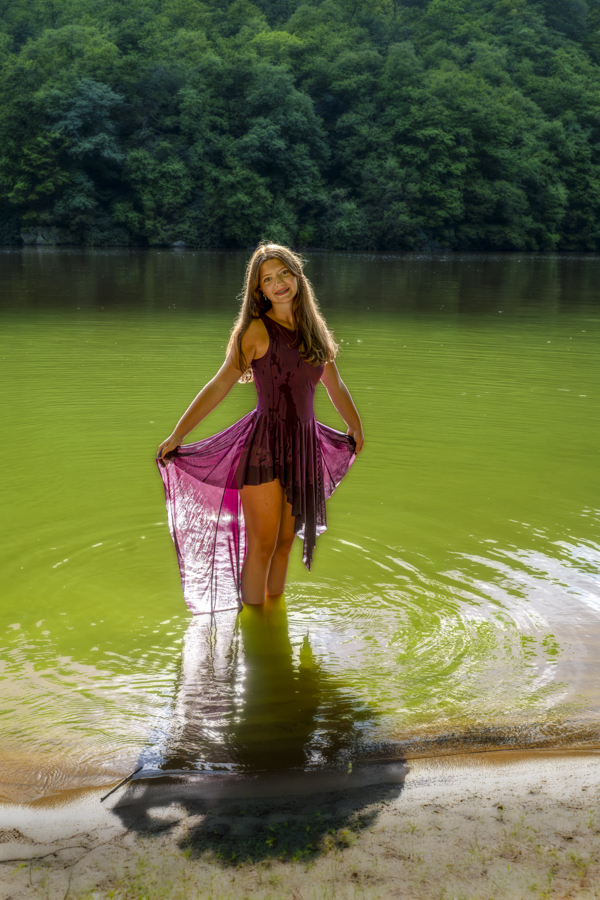
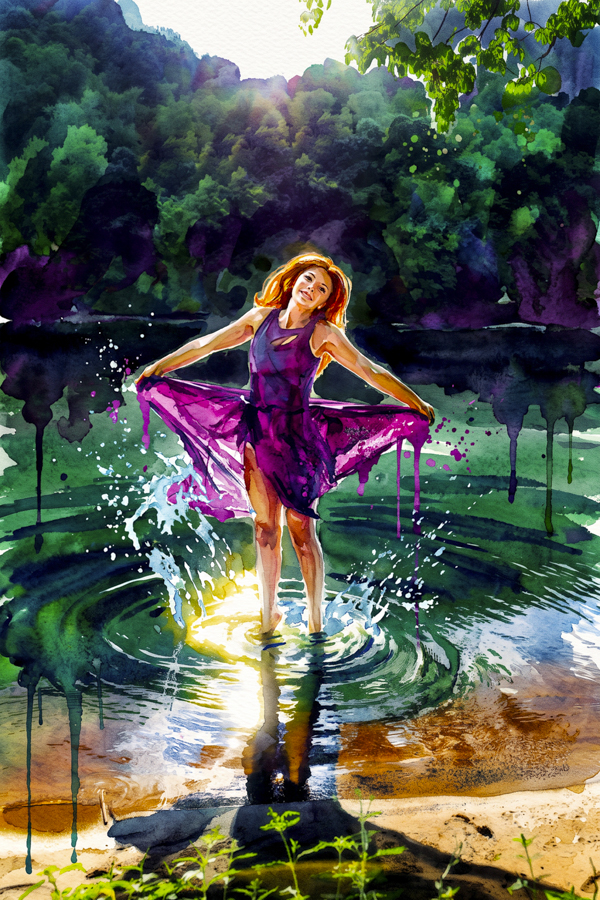
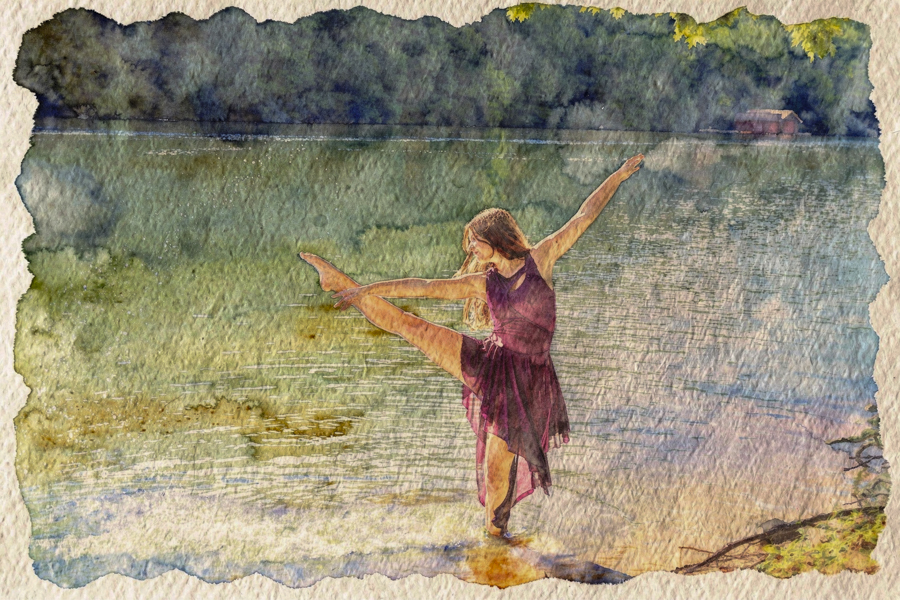
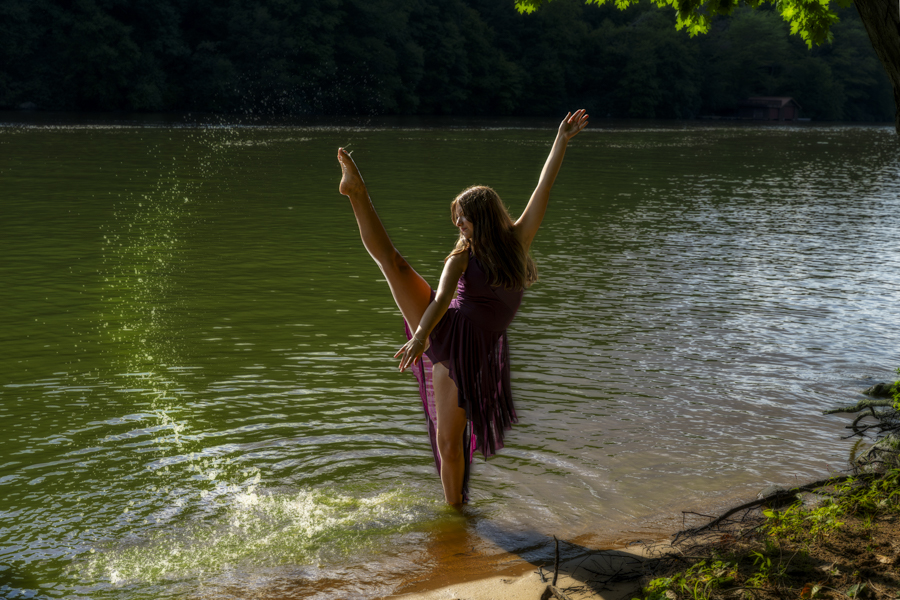
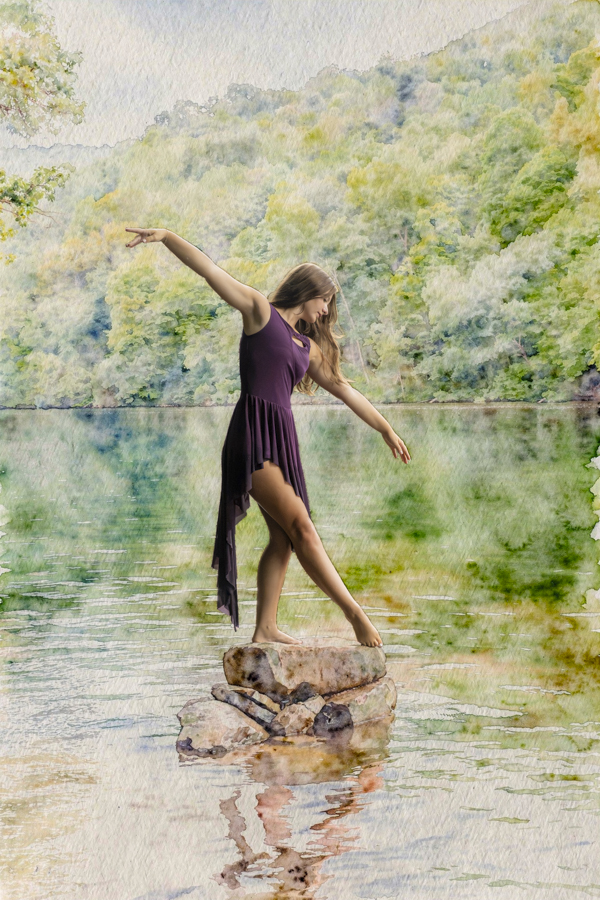
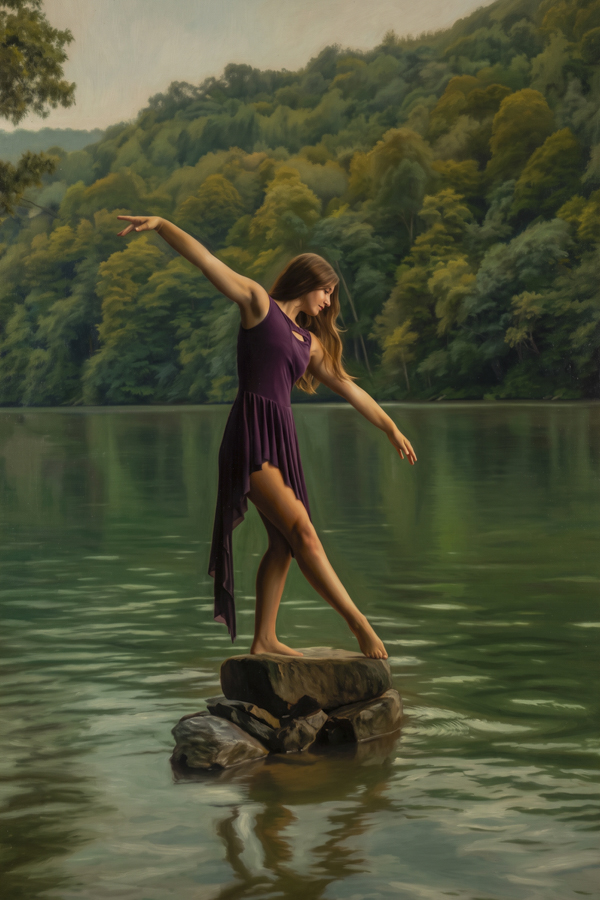
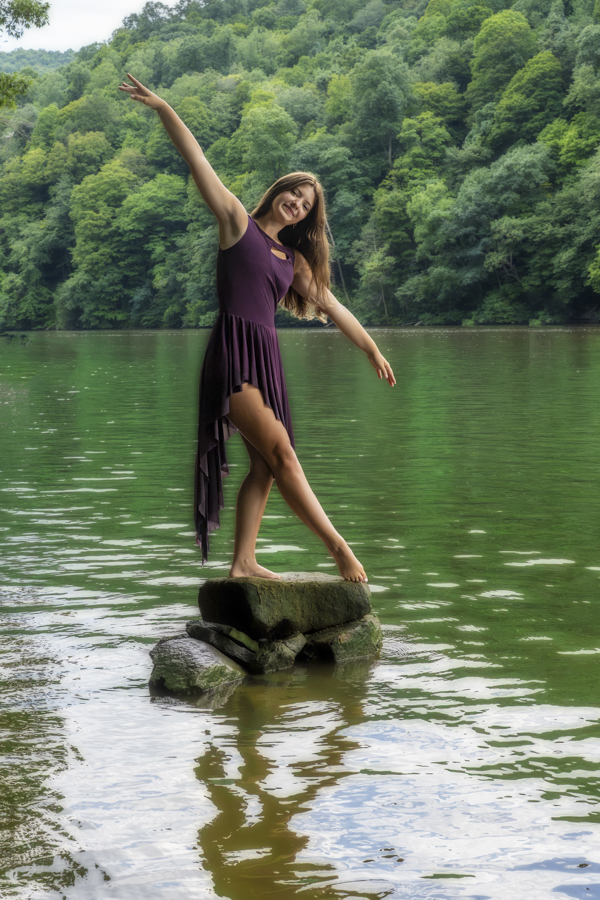
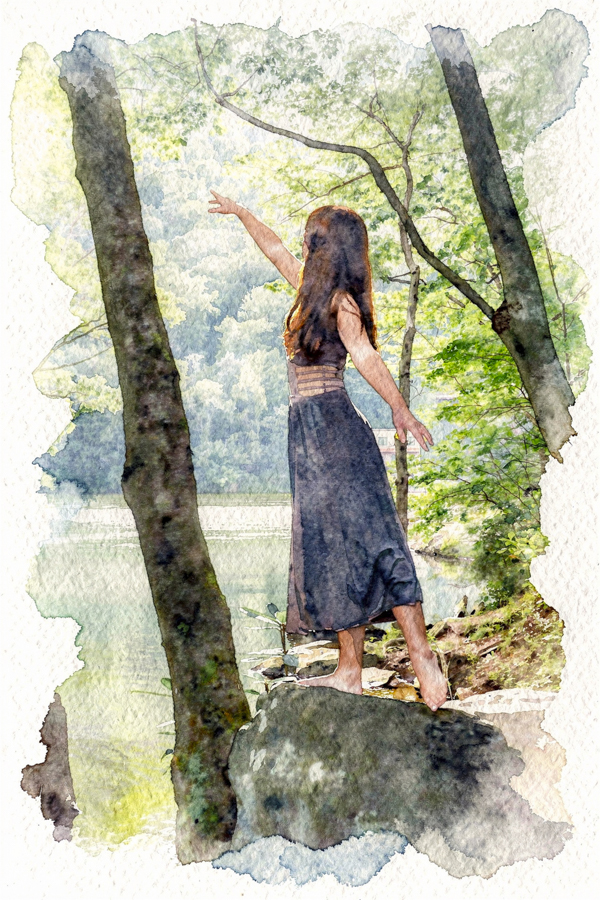
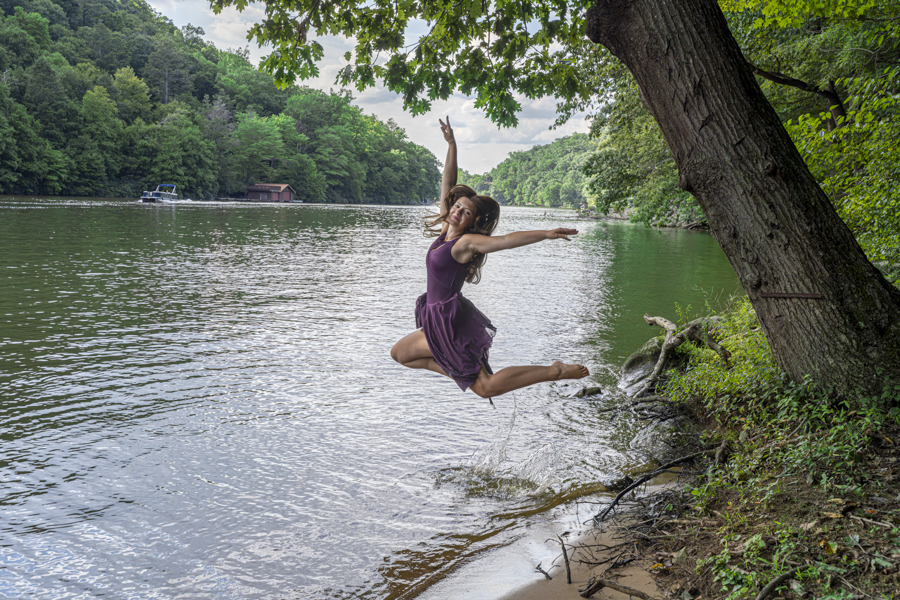
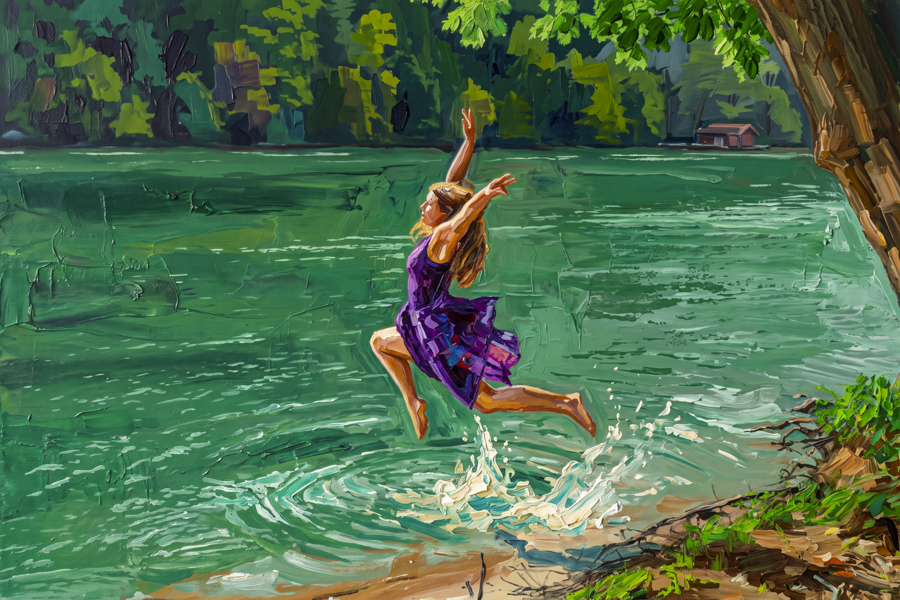
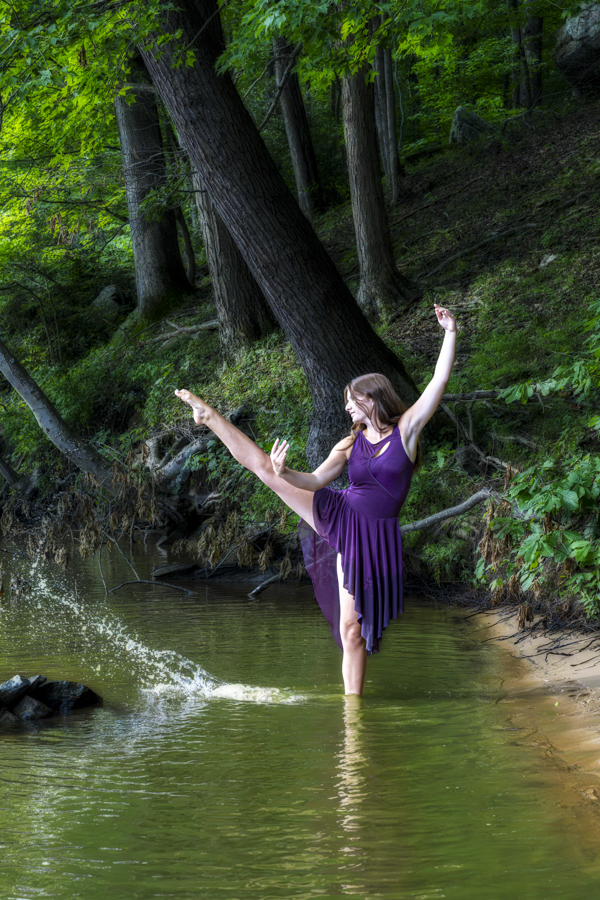
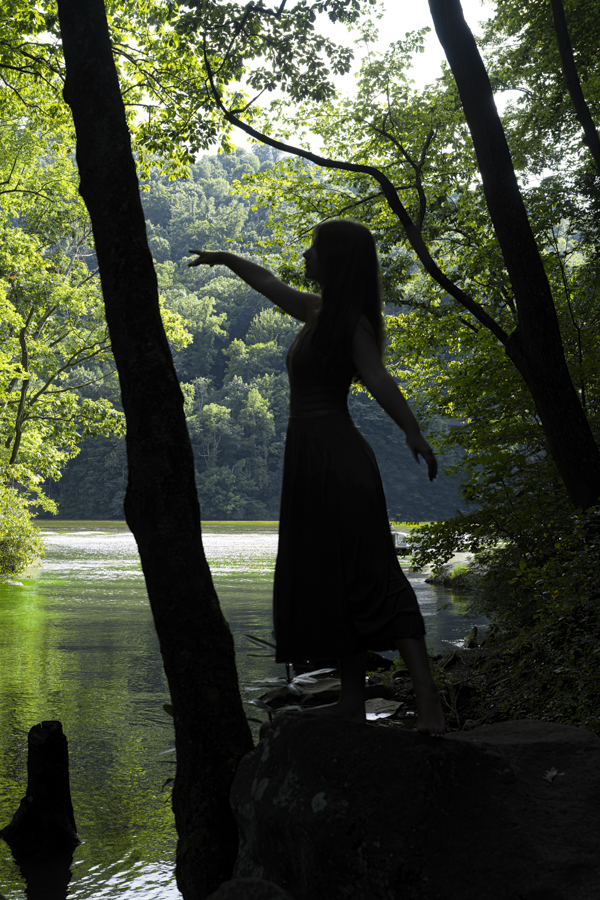
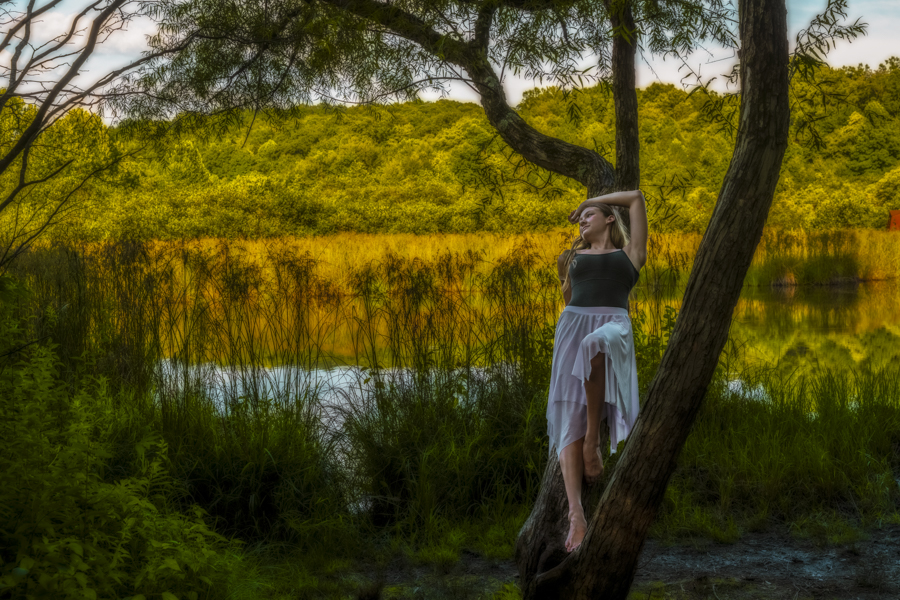
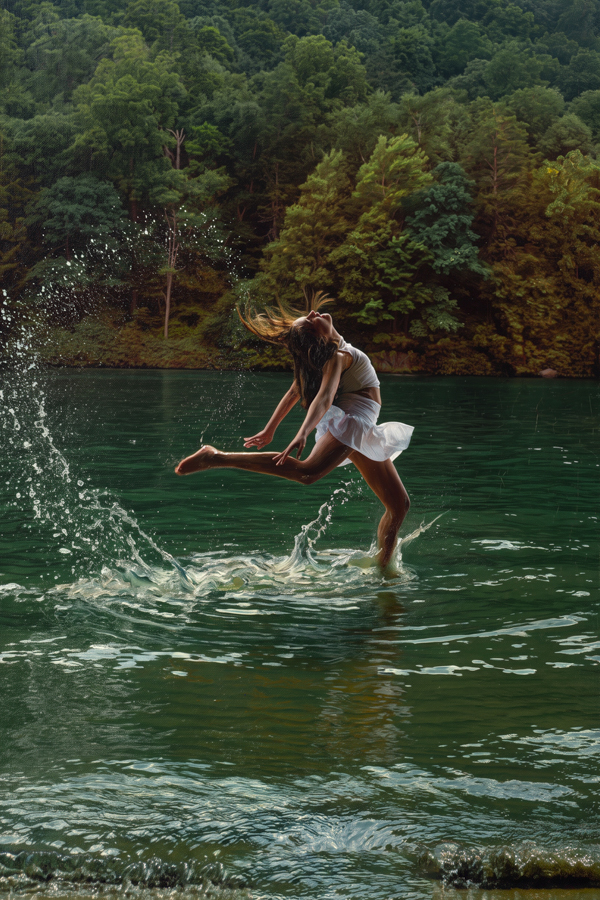
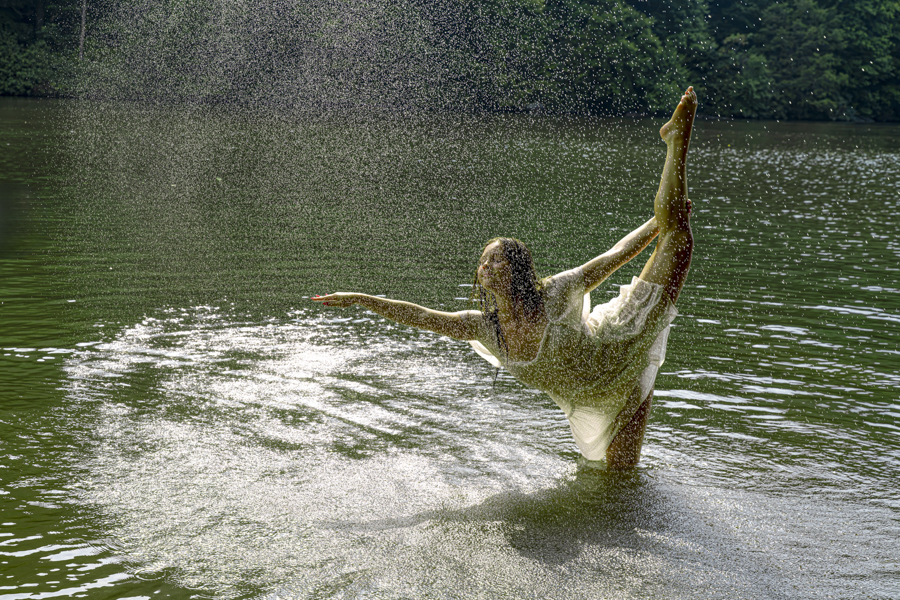
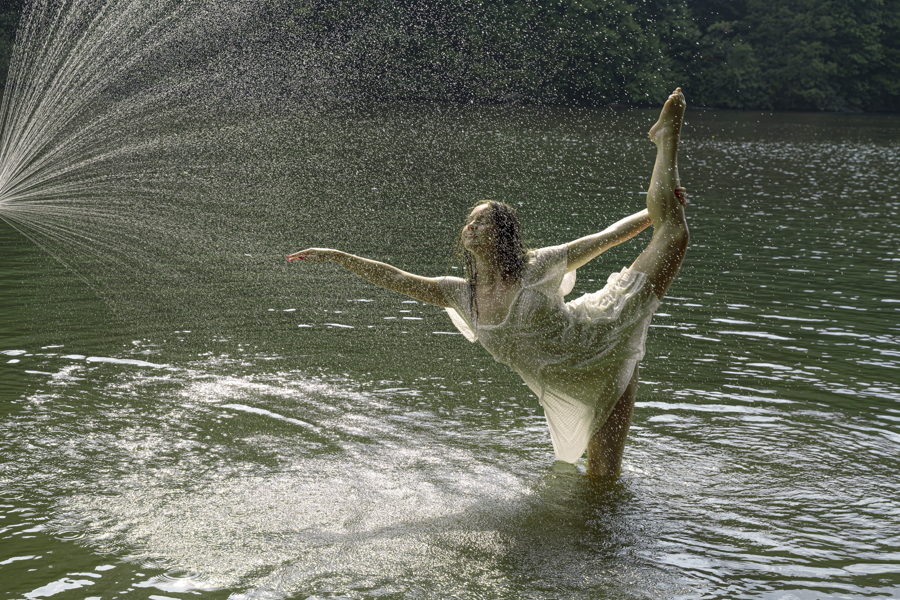
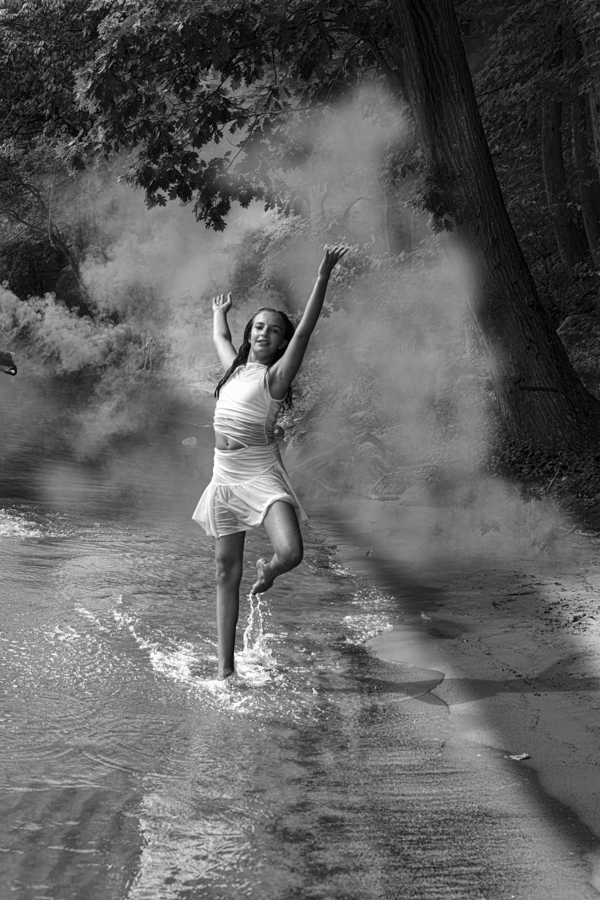
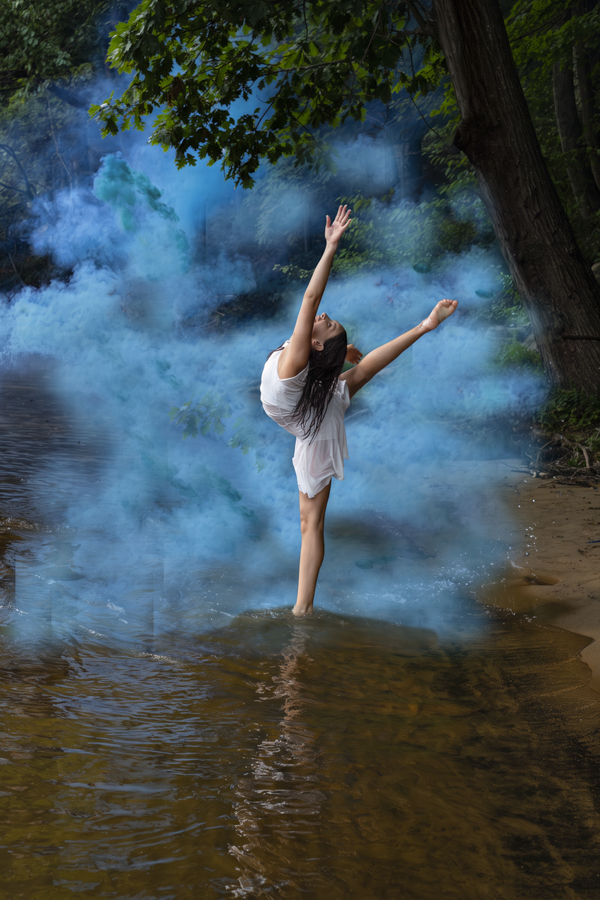
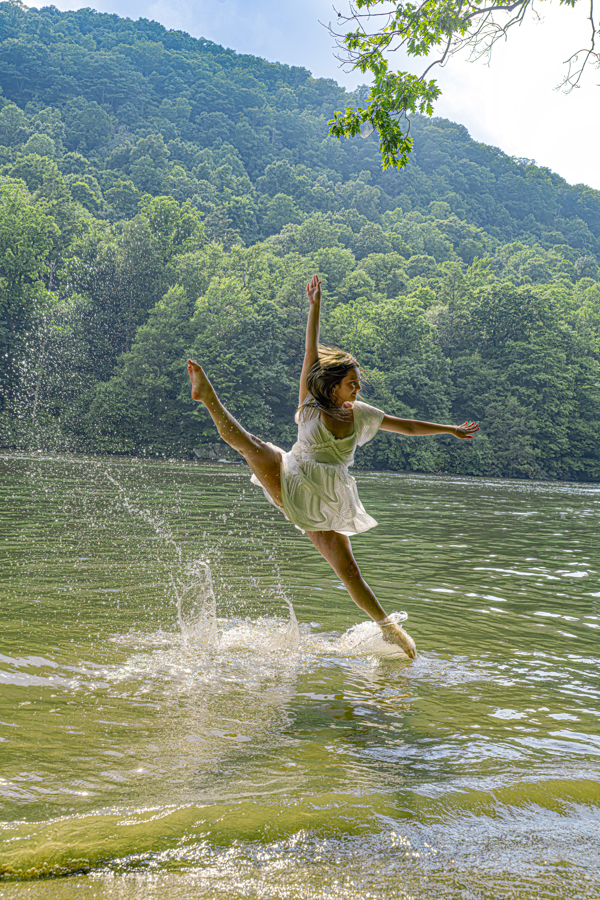
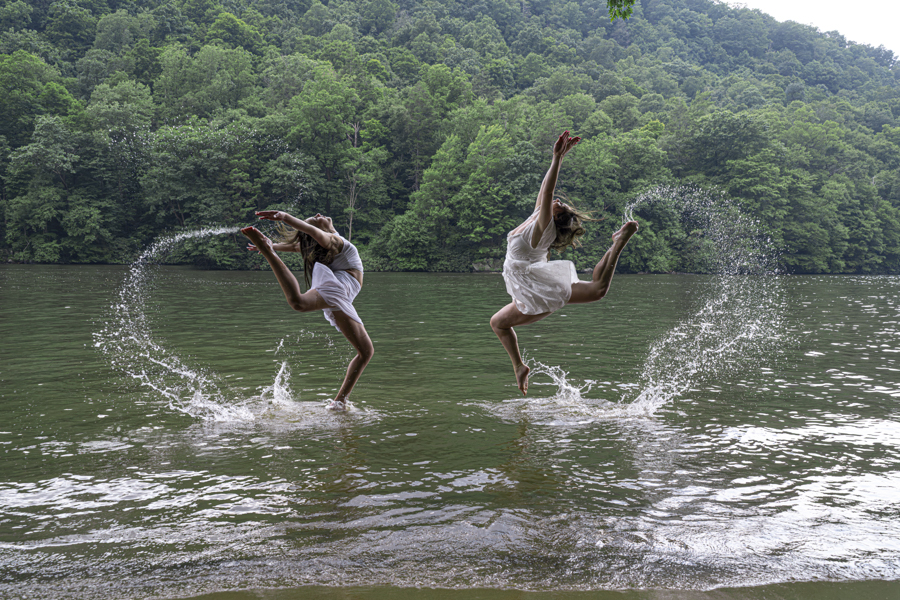
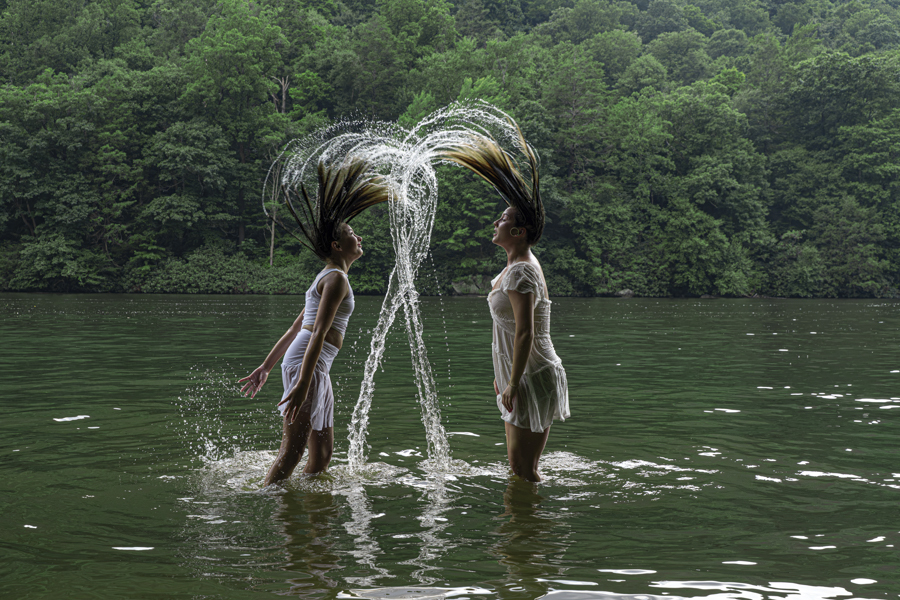
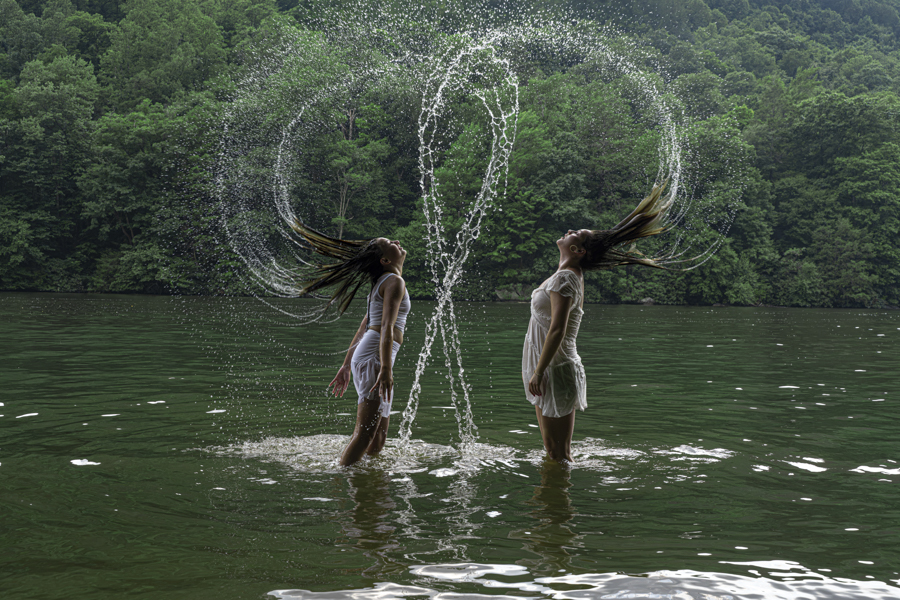
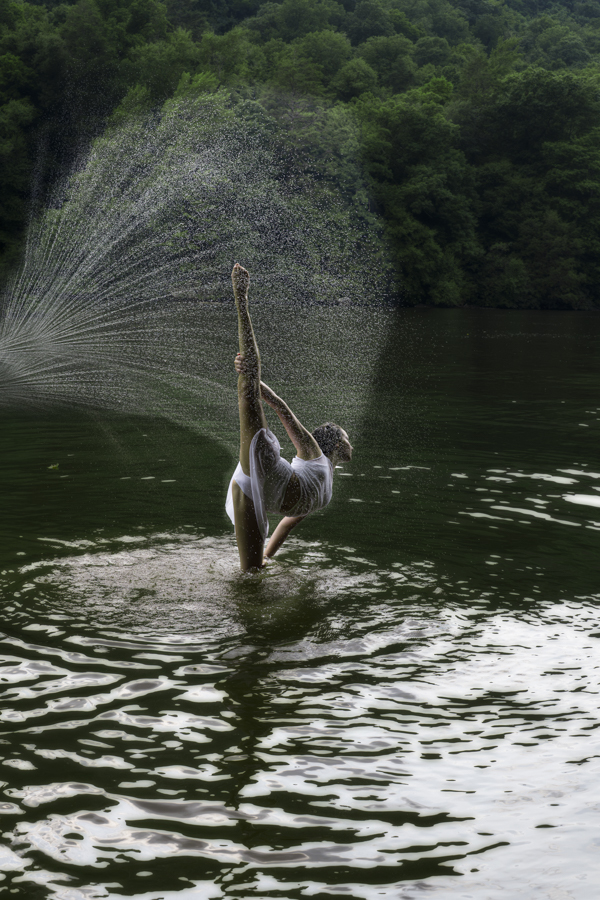
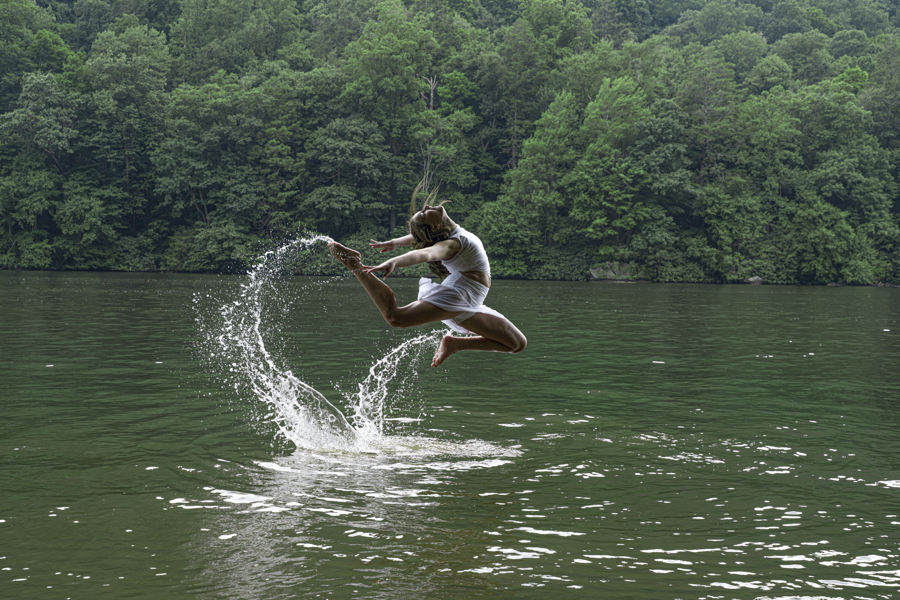
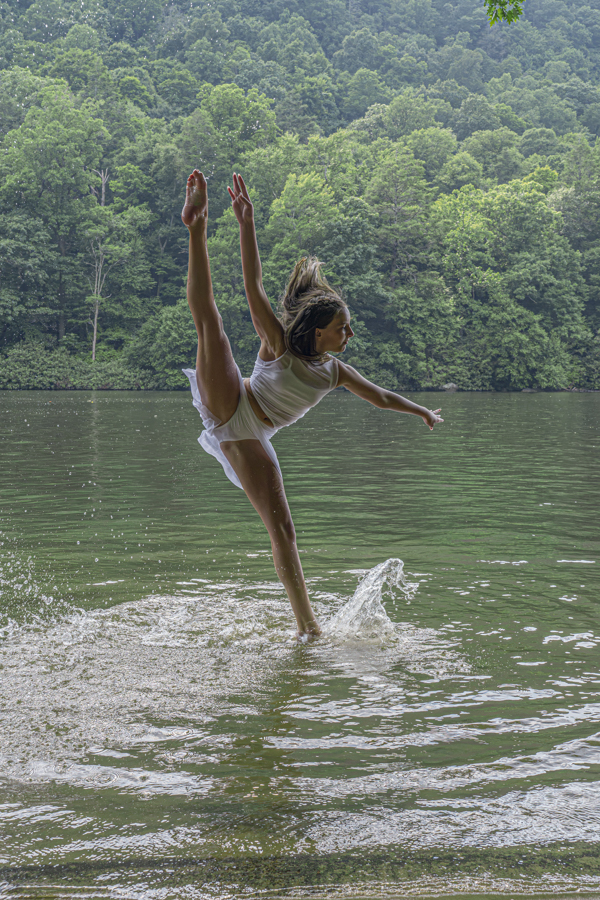
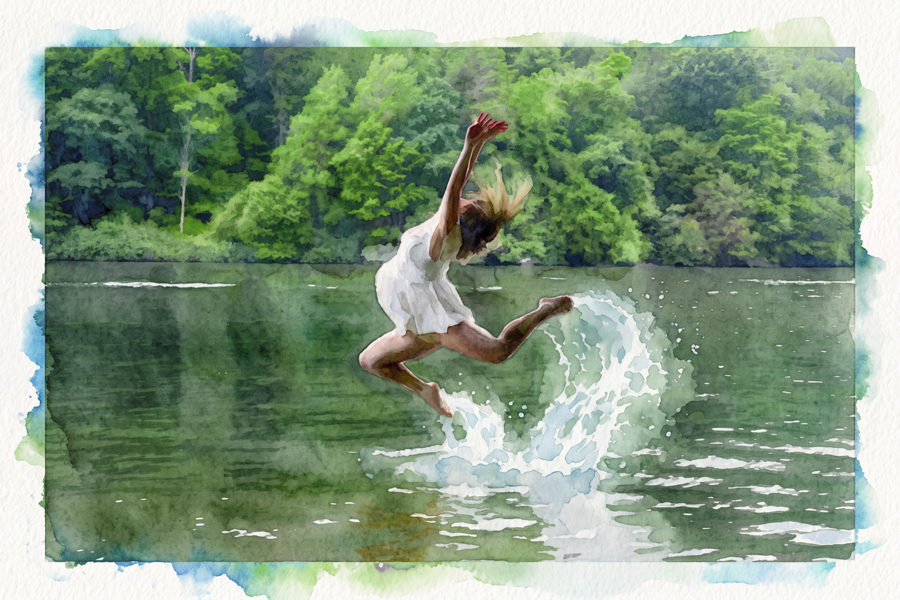
Dance in an open natural setting—especially around the tranquil, reflective expanse of a lake—transforms movement into a dialogue with nature. Freed from the rigid boundaries of an indoor studio, dancers interact with soft sands, wooden docks, and cool water, letting the environment shape their posture and rhythm. The stillness of the shoreline creates a striking contrast with the fluid power of a leap or the quiet poise of an extension. In this space, every movement feels amplified; flowing fabrics catch the lakeside breeze, and the dancer’s form mirrors the organic lines of the surrounding landscape.
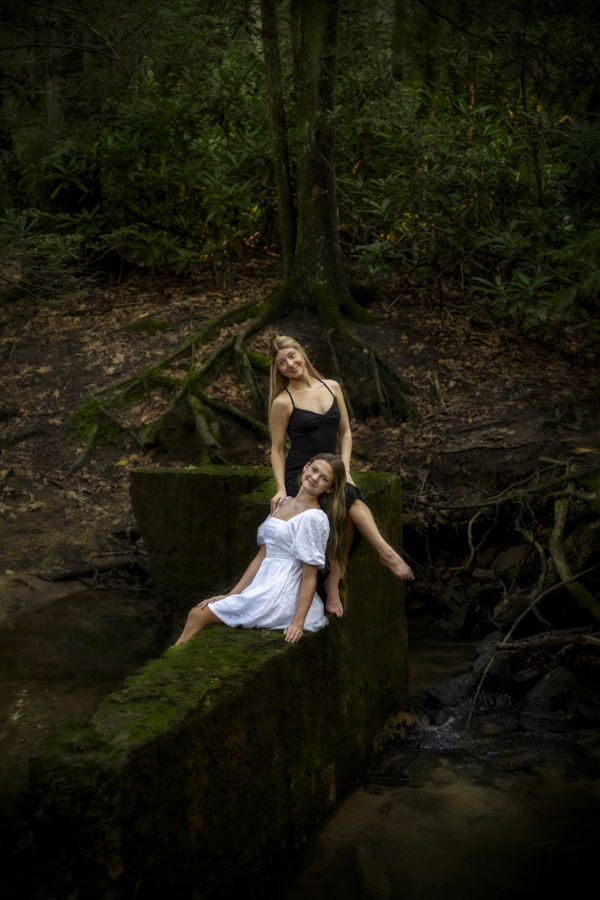
Dancers Amelia and StellaDancers Amelia and StellaDancers Amelia and StellaDancers Amelia and StellaDancers Amelia and StellaDancers Amelia and StellaDancers Amelia and StellaDancers Amelia and StellaDancers Amelia and StellaDancers Amelia and StellaDancers Amelia and StellaDancers Amelia and StellaDancers Amelia and StellaDancers Amelia and StellaDancers Amelia and StellaDancers Amelia and Stella
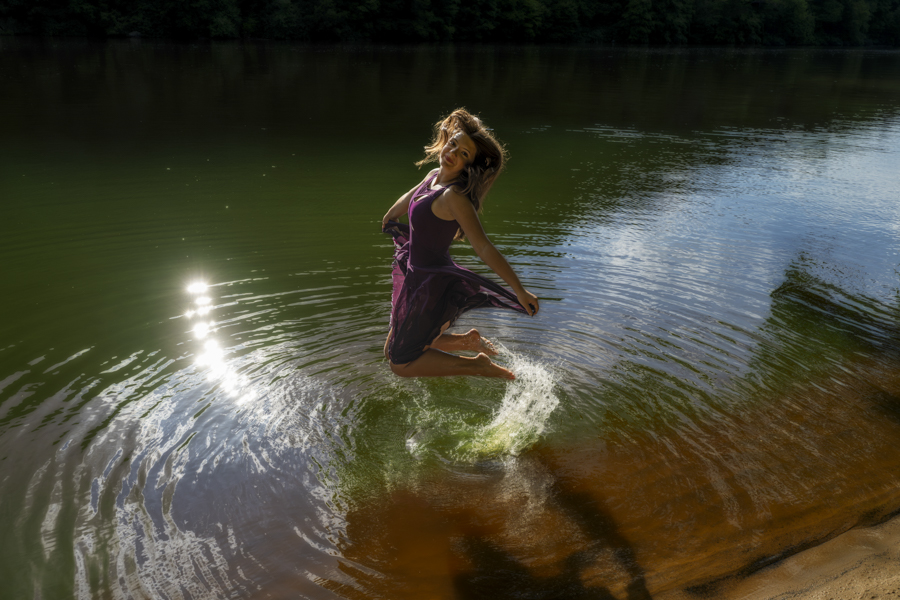
Photographing dancers in a lake environment offers a captivating play on light, texture, and motion. As seen in the image above, setting a shoot during golden hour creates a natural backlight that outlines the dancer’s silhouette against low-angled sunlight and warm water reflections. High shutter speeds allow you to freeze suspended droplets as a dancer moves through the shallows, turning splashes into dynamic, sparkling elements that frame the pose. By lowering your camera angle near the water line, you can capture both the crisp athleticism of the dancer and the expansive horizon, resulting in images that feel simultaneously grounded and weightless.
Dancers Amelia and StellaDancers Amelia and StellaDancers Amelia and StellaDancers Amelia and StellaDancers Amelia and StellaDancers Amelia and StellaDancers Amelia and StellaDancers Amelia and StellaDancers Amelia and StellaDancers Amelia and StellaDancers Amelia and StellaDancers Amelia and StellaDancers Amelia and StellaDancers Amelia and StellaDancers Amelia and StellaDancers Amelia and StellaDancers Amelia and StellaDancers Amelia and StellaDancers Amelia and StellaDancers Amelia and Stella