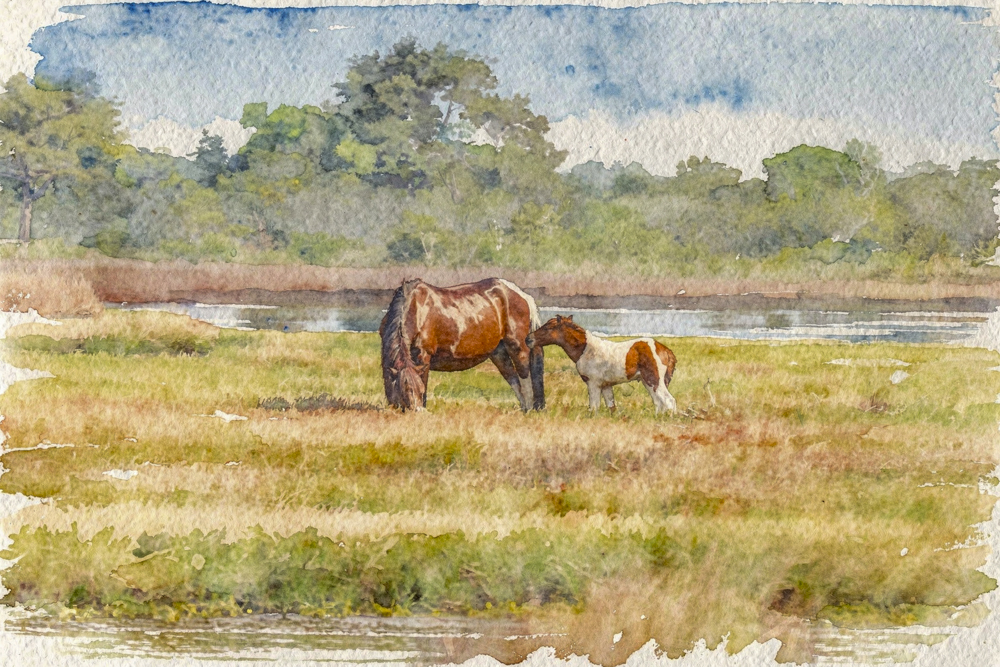
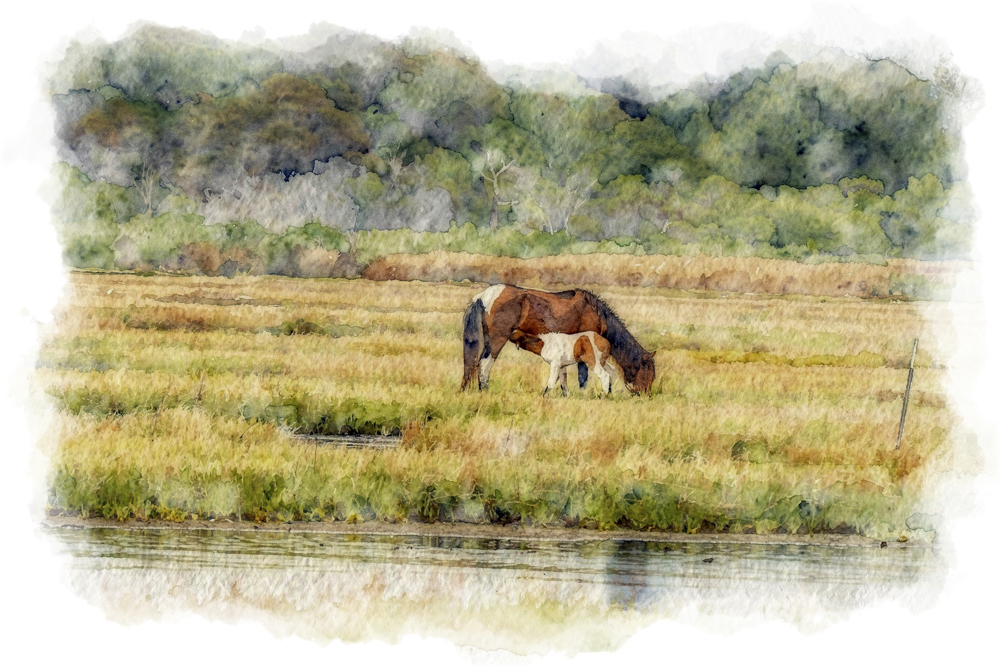
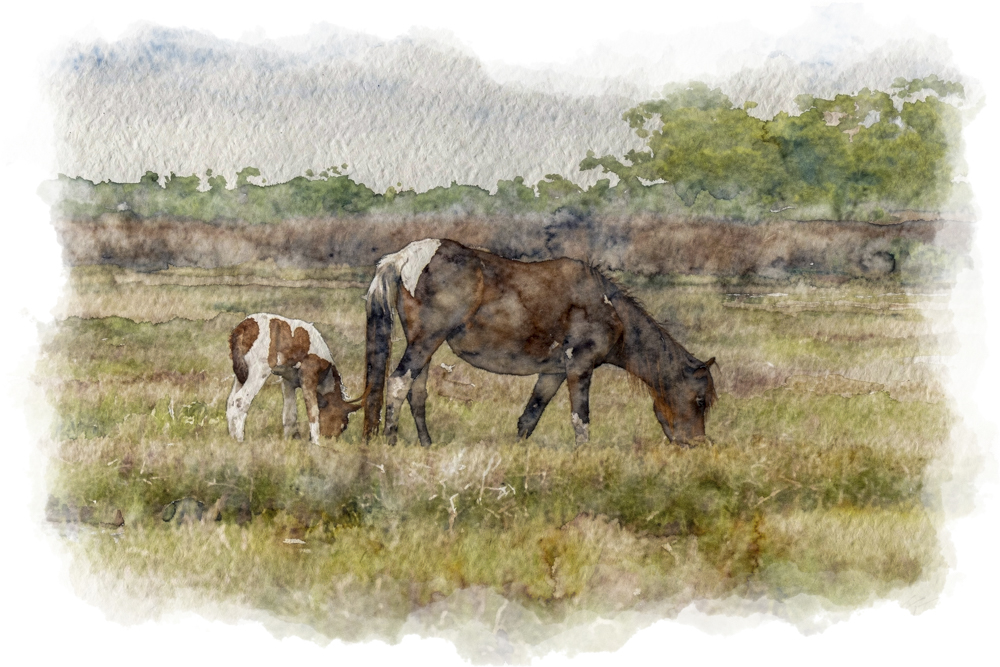
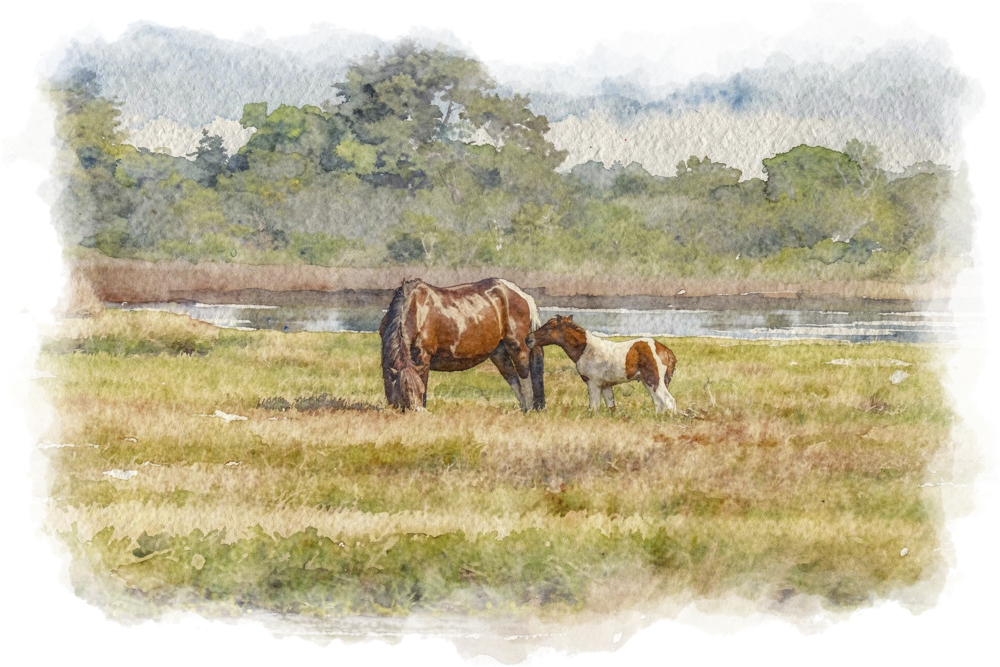
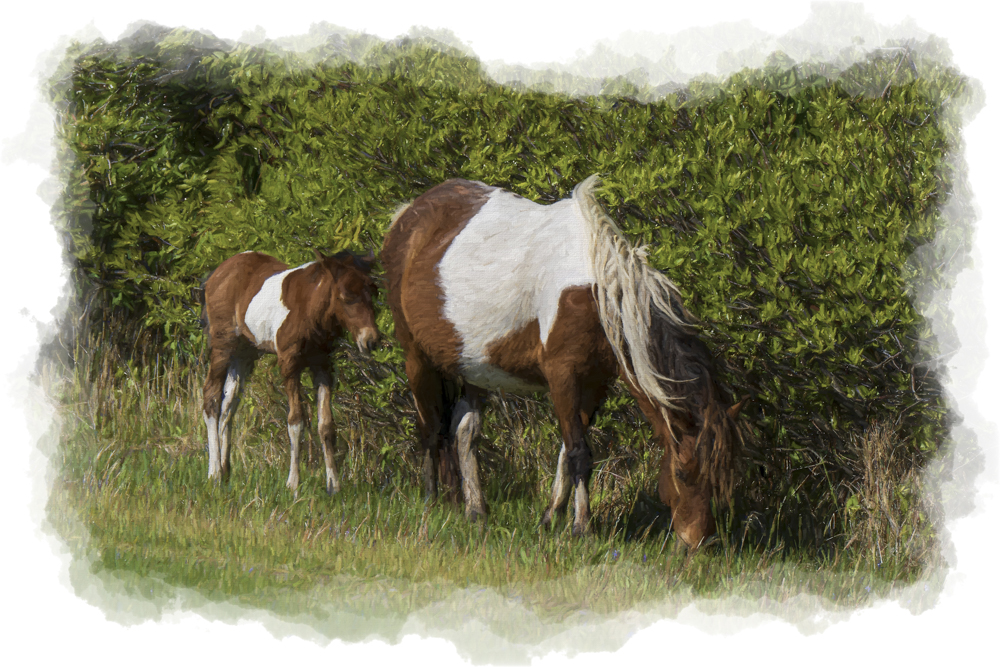
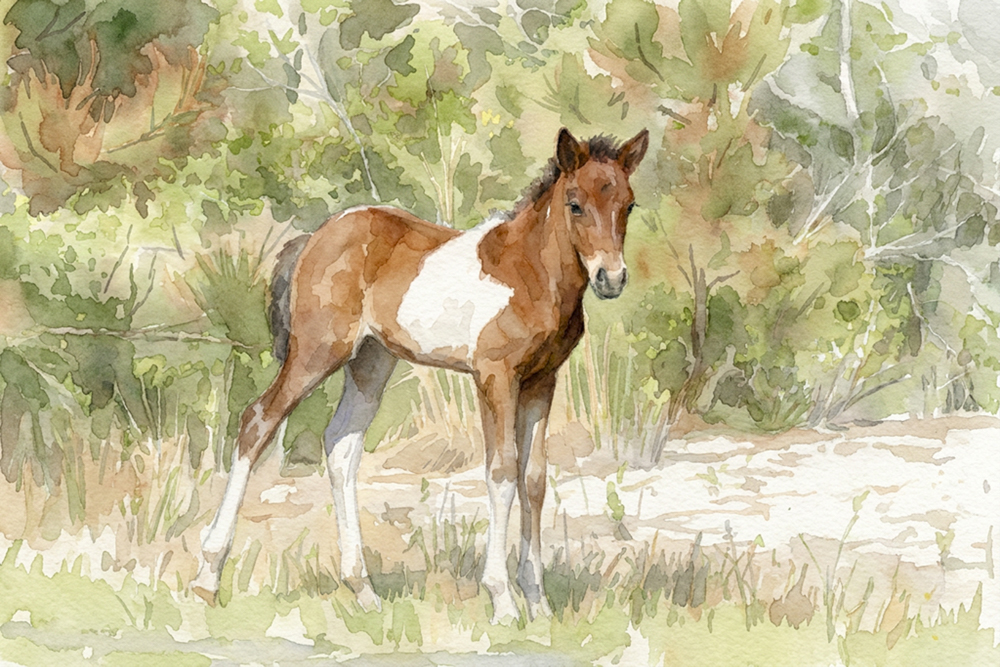
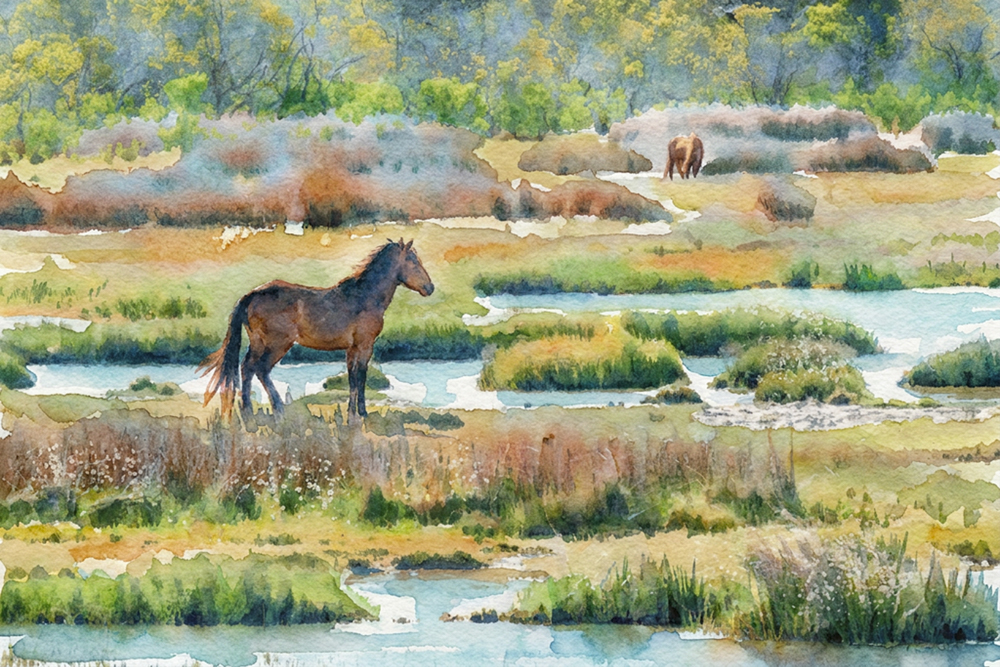
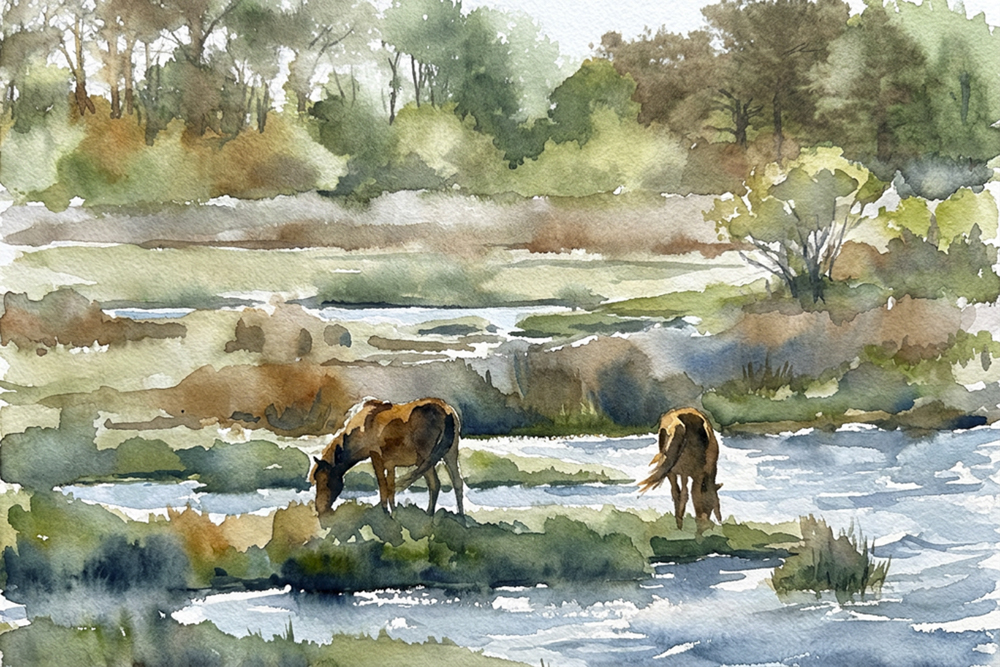
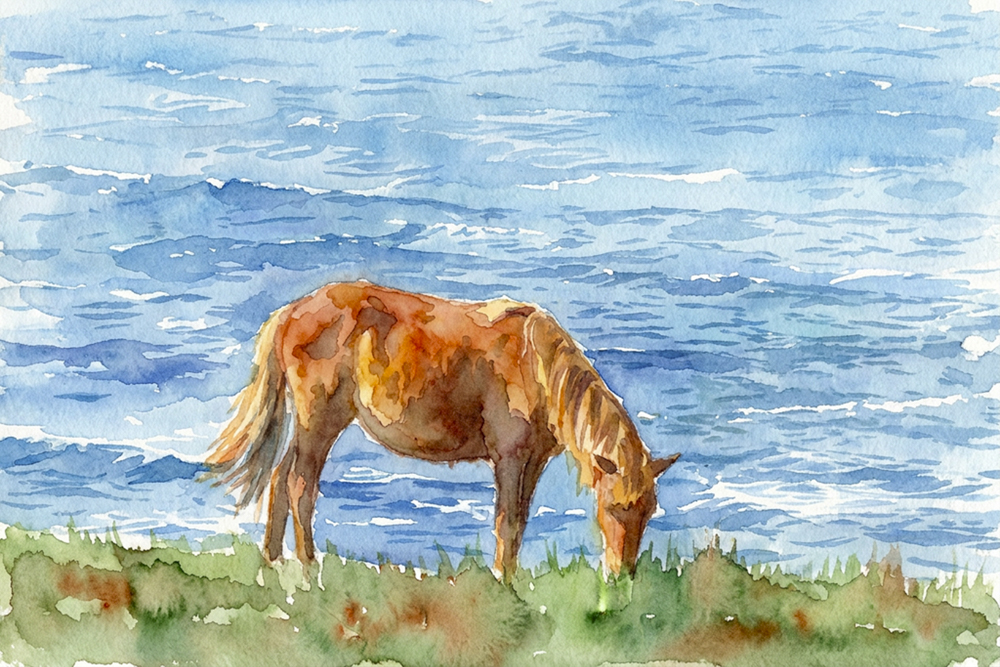
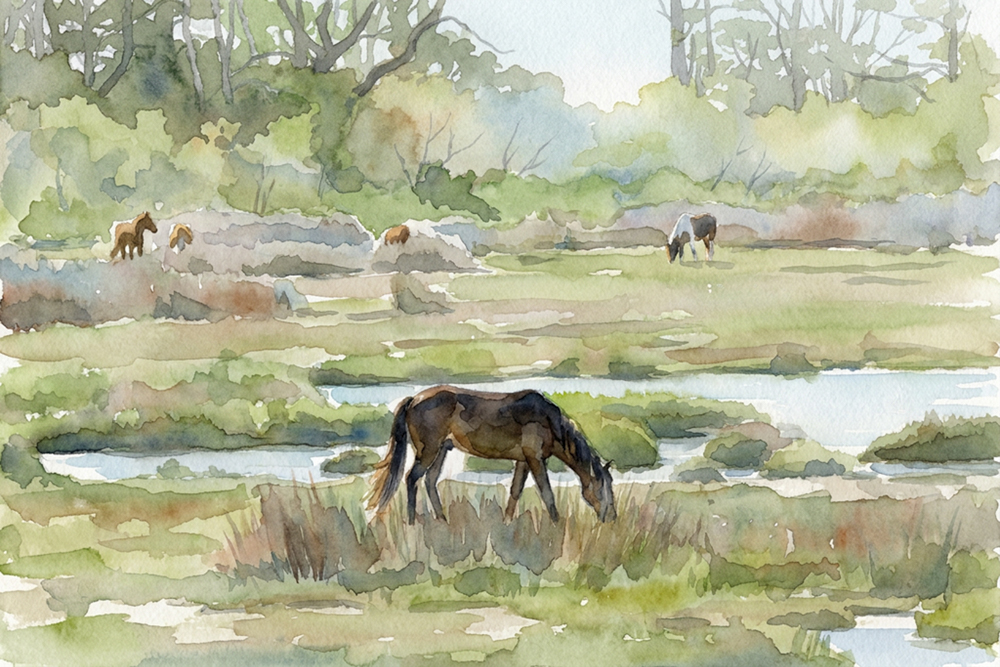
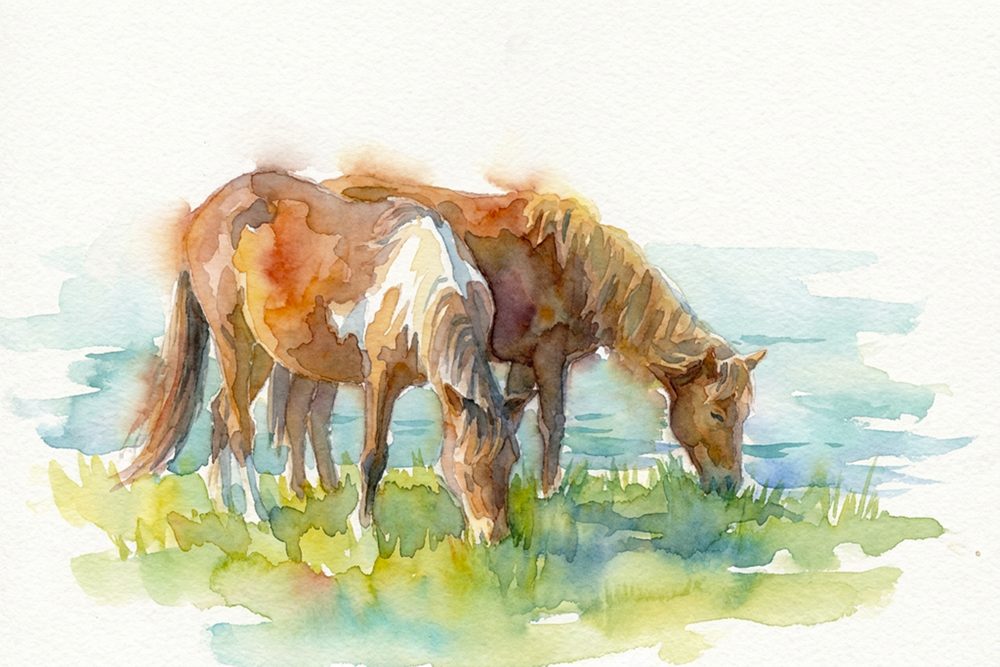
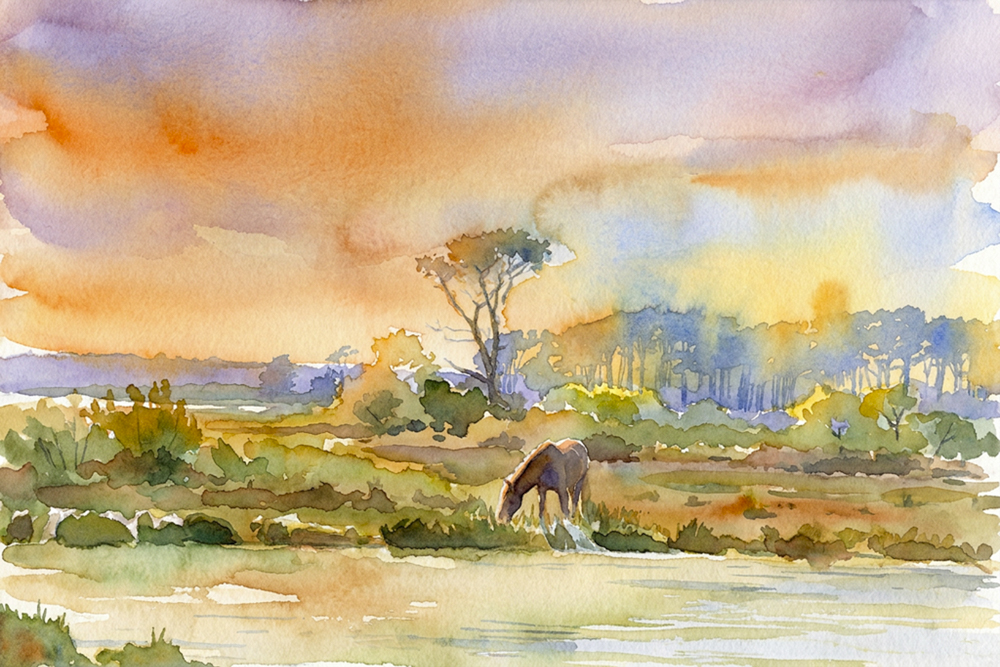
The wild horses of Assateague Island are a naturalized, free‑roaming population descended from domestic animals that adapted over centuries to the island’s harsh, windswept environment. Split into two herds—one managed by the National Park Service in Maryland and the other by the Chincoteague Volunteer Fire Company in Virginia—their numbers are carefully controlled to protect the fragile barrier‑island ecosystem. The Maryland herd is maintained within a target range of 80–100 horses through long‑term fertility management, while the Virginia herd is capped at about 150 adults under a federal permit. Although not considered a native species, they are protected as part of the island’s cultural and ecological heritage, and conservation efforts focus on maintaining genetic health, preventing overgrazing, and ensuring visitors keep a safe distance so the horses can remain truly wild.
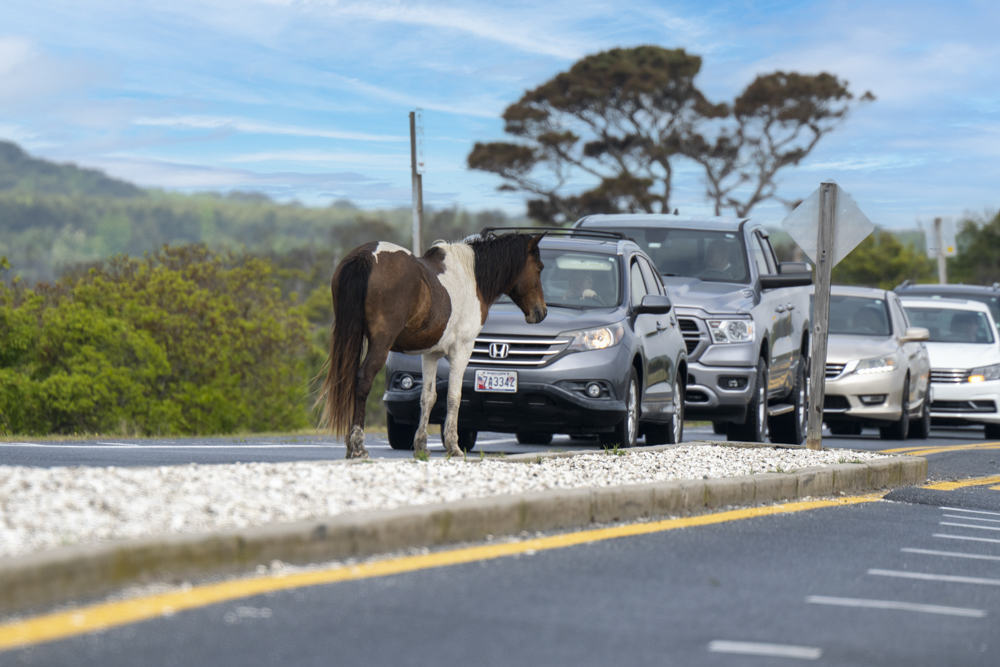
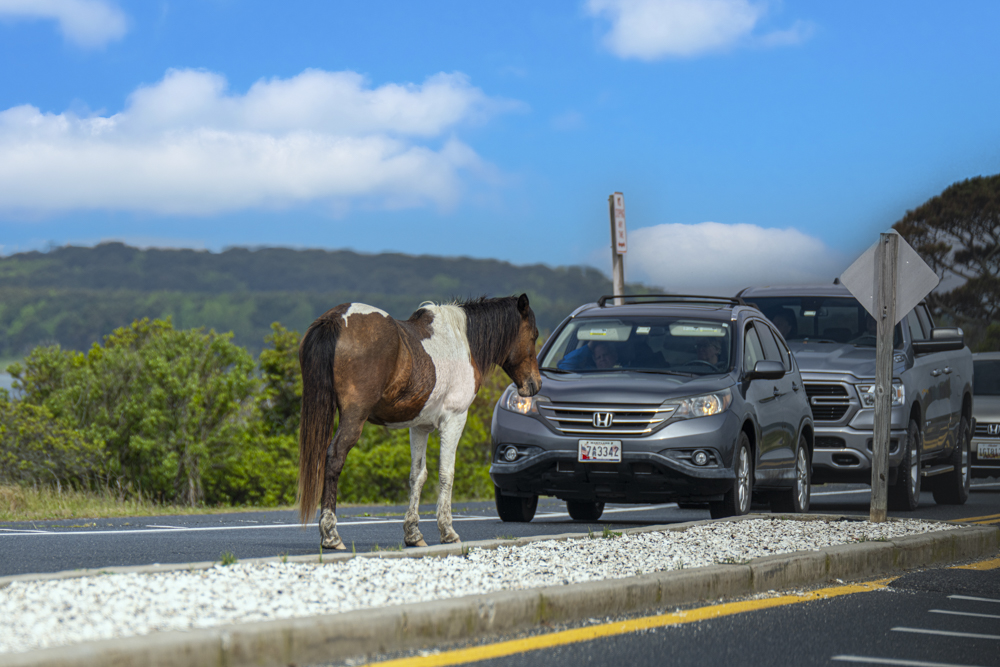
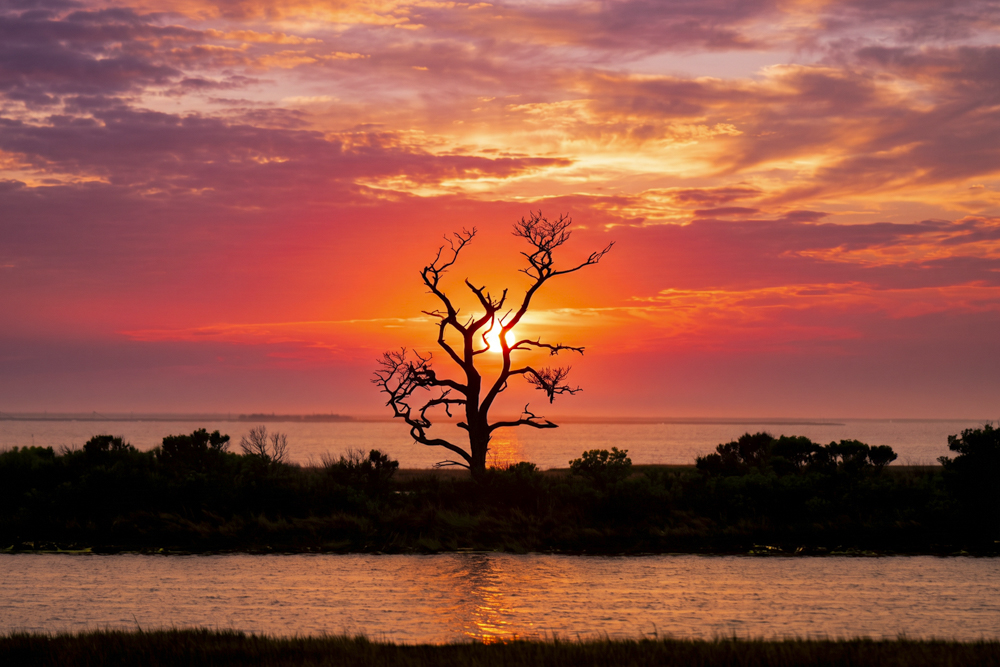
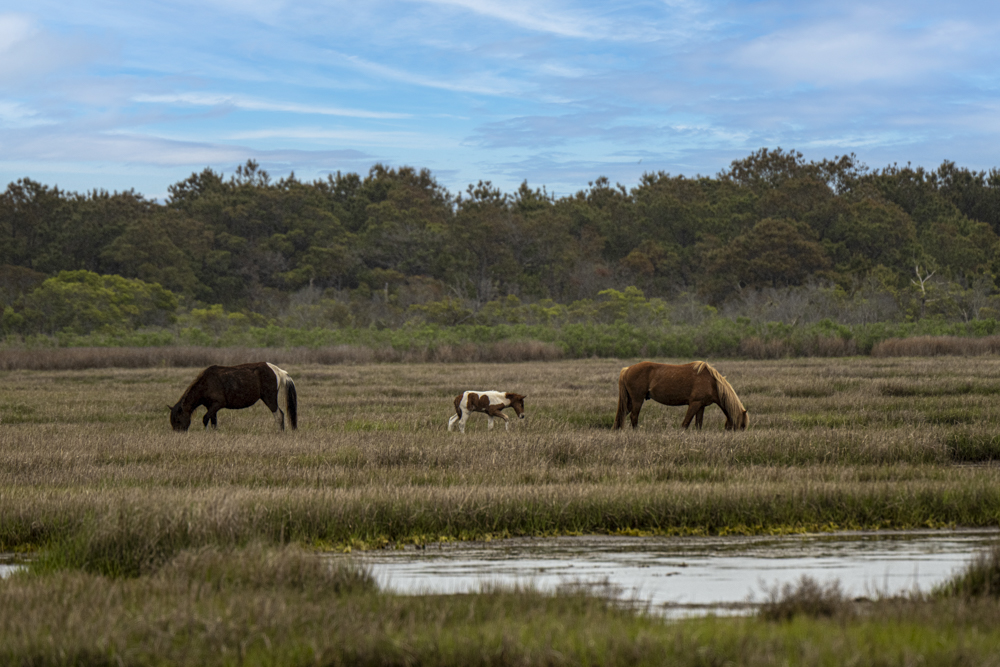
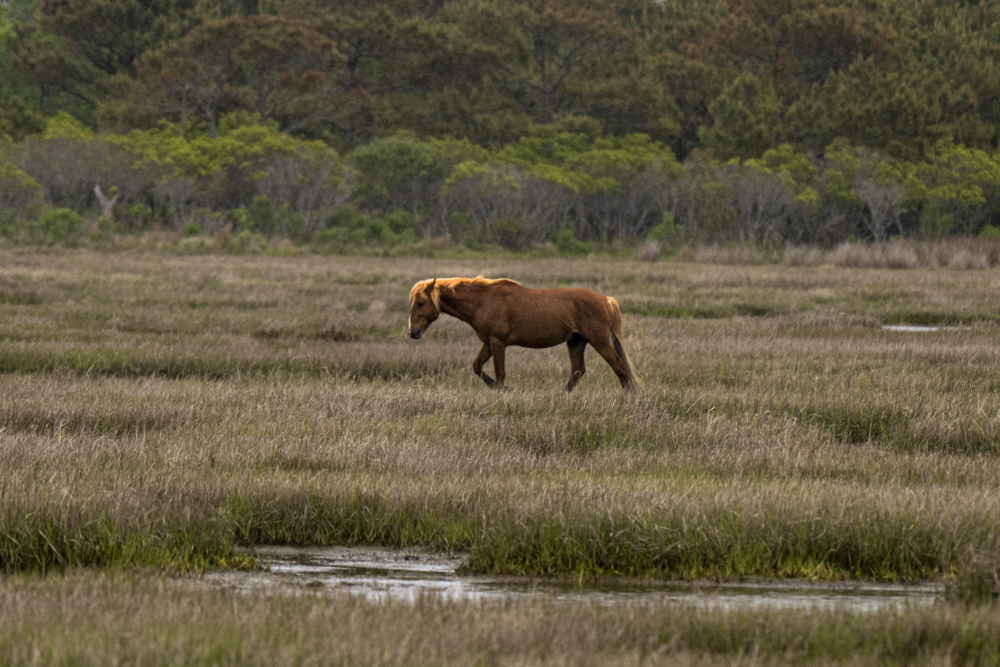
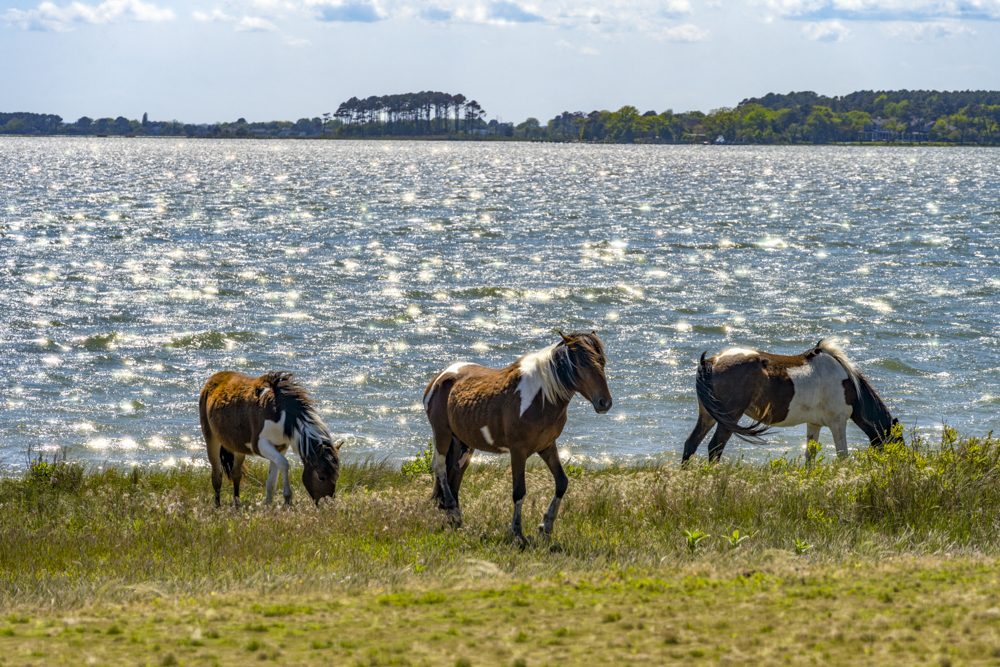
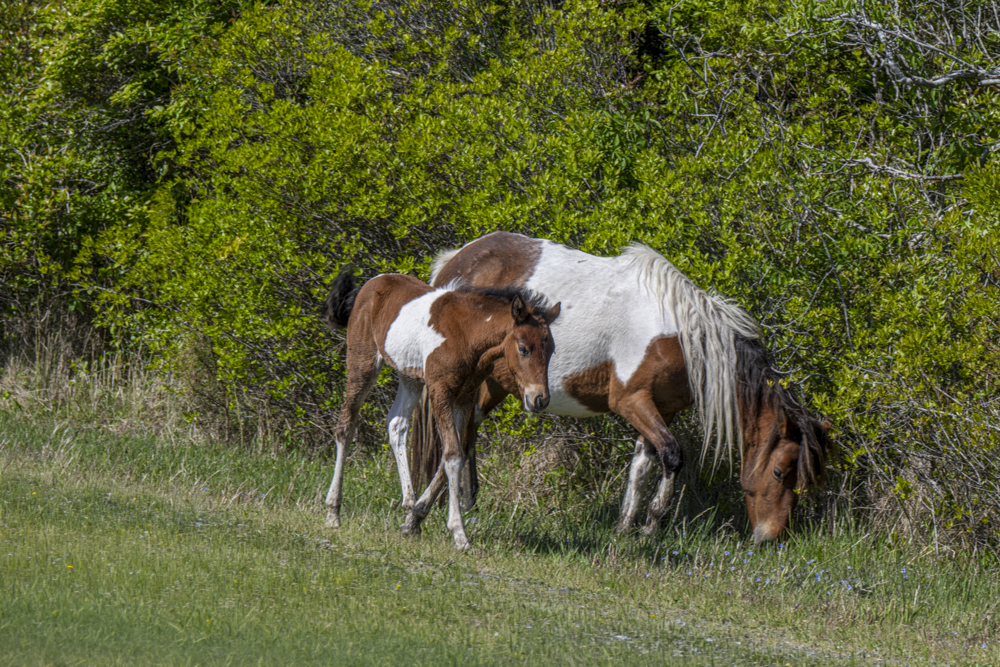
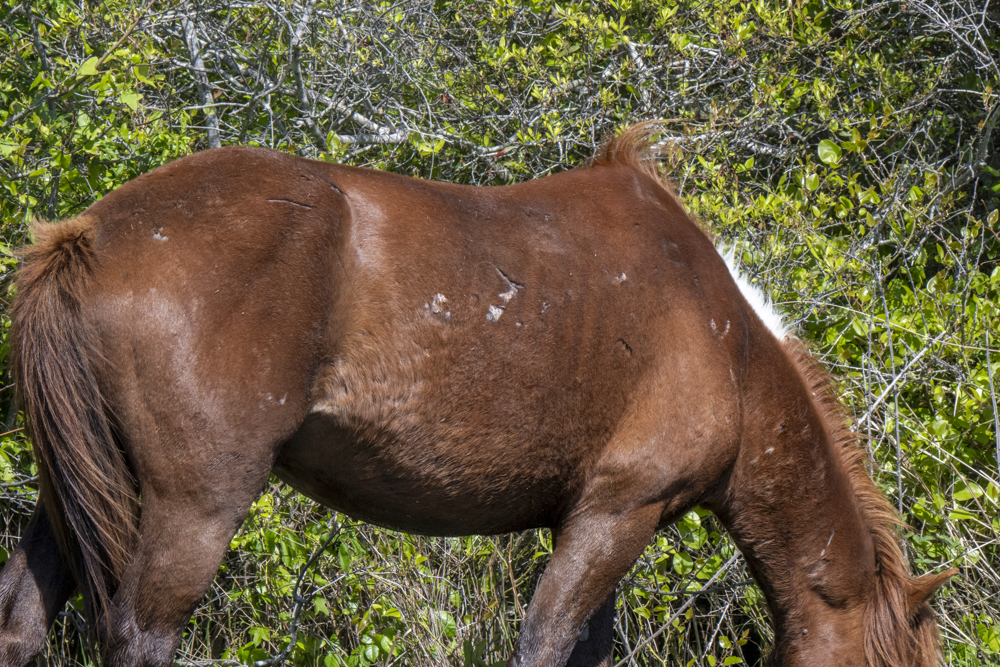
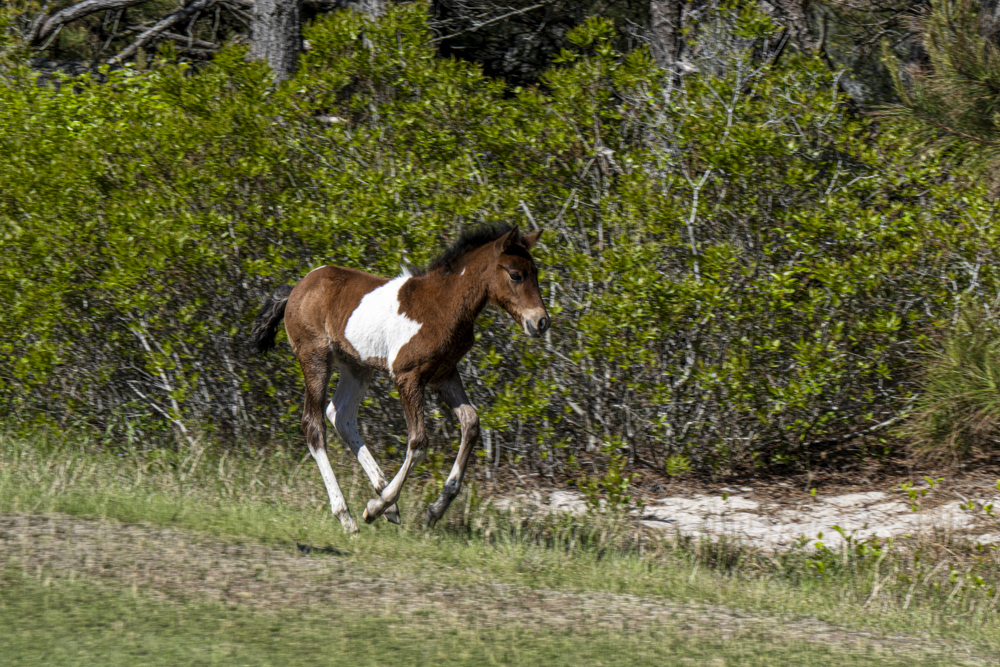
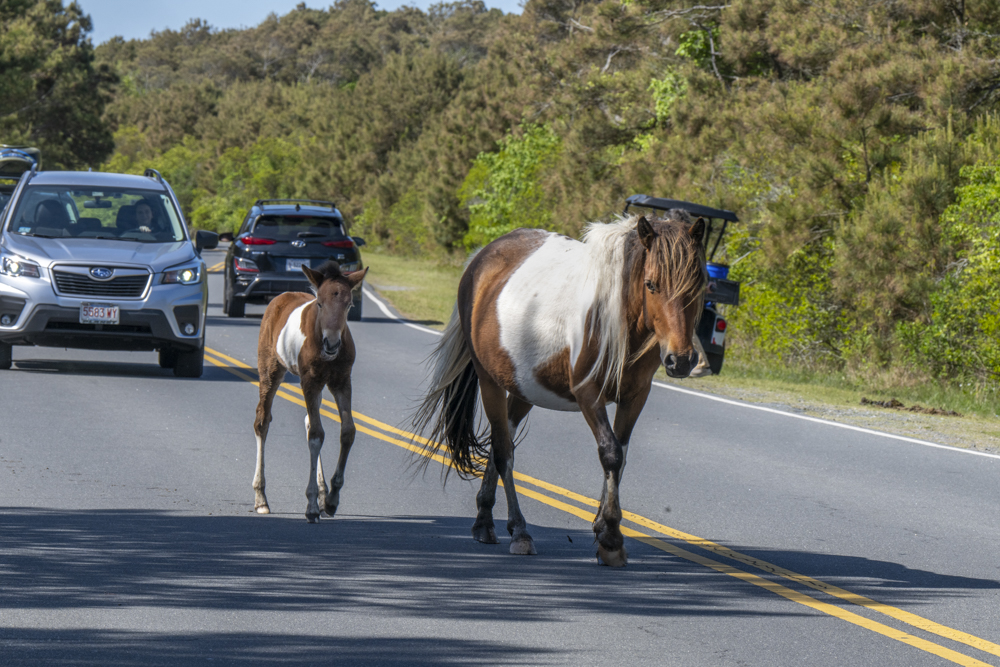
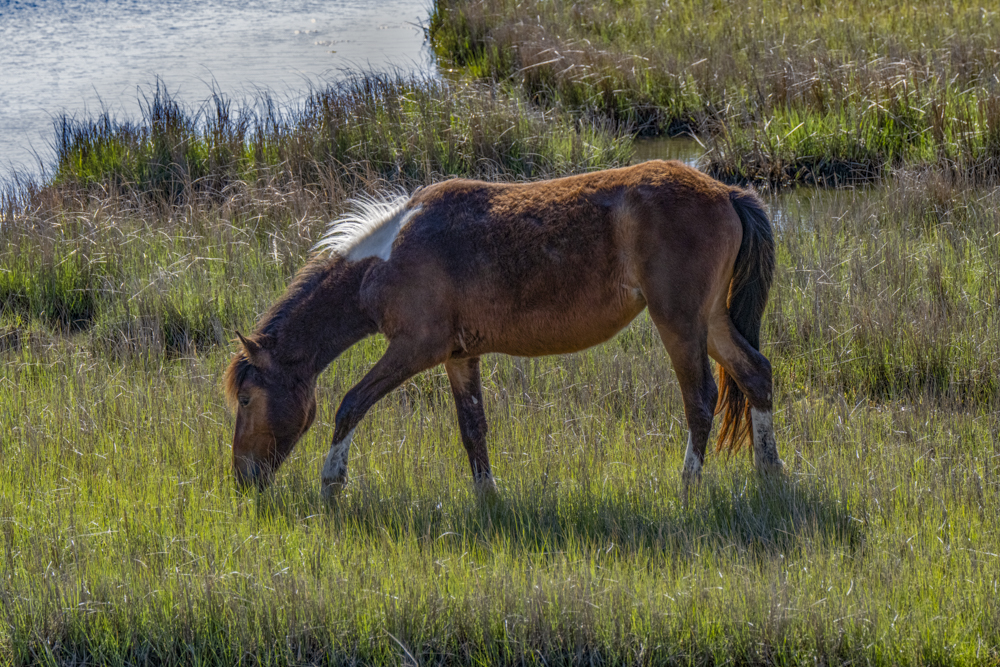
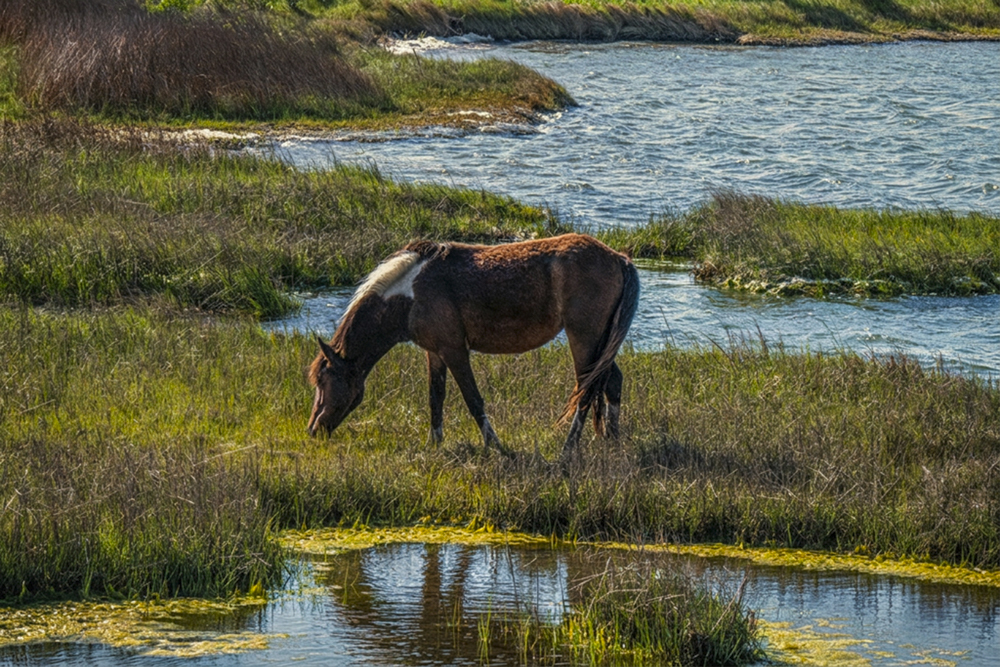
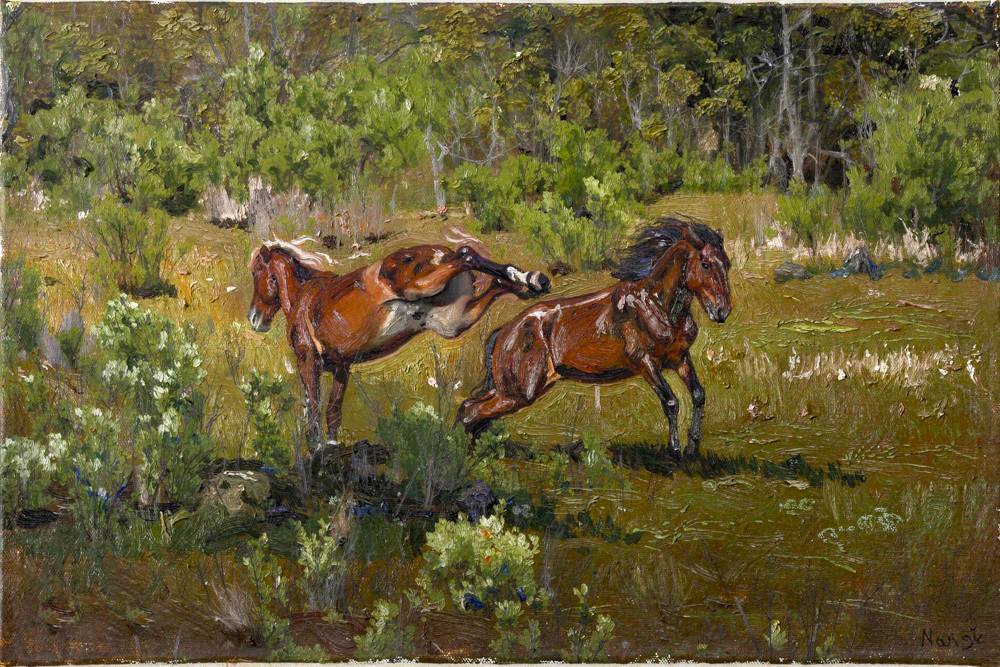
Artistic Rendering of the wild horses
Stallions on Assateague Island often clash in dramatic, rearing battles because competition is at the core of their social structure. These wild horses live in small bands led by a dominant stallion, and maintaining control over mares—and the territory that supports them—is essential for passing on genes and ensuring the band’s stability. When a rival approaches, stallions use ritualized aggression: circling, squealing, striking, and occasionally full‑contact fighting. Though intense, this behavior is a natural part of establishing hierarchy, reducing long‑term conflict, and keeping the population’s social order intact. Their fights look fierce, but they’re driven by instinctive roles within a complex, tightly knit wild herd.
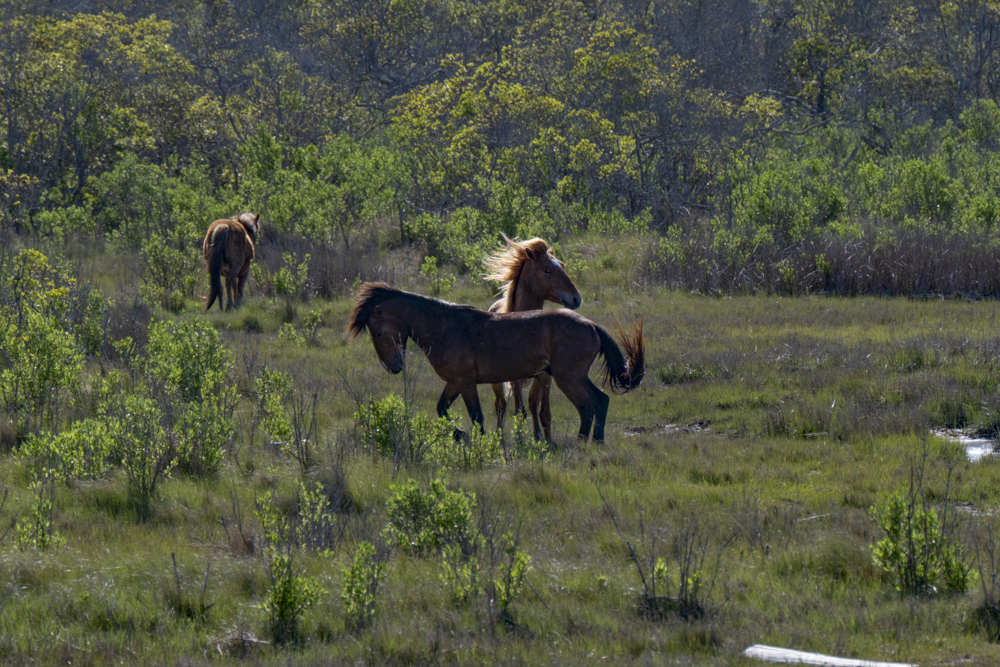
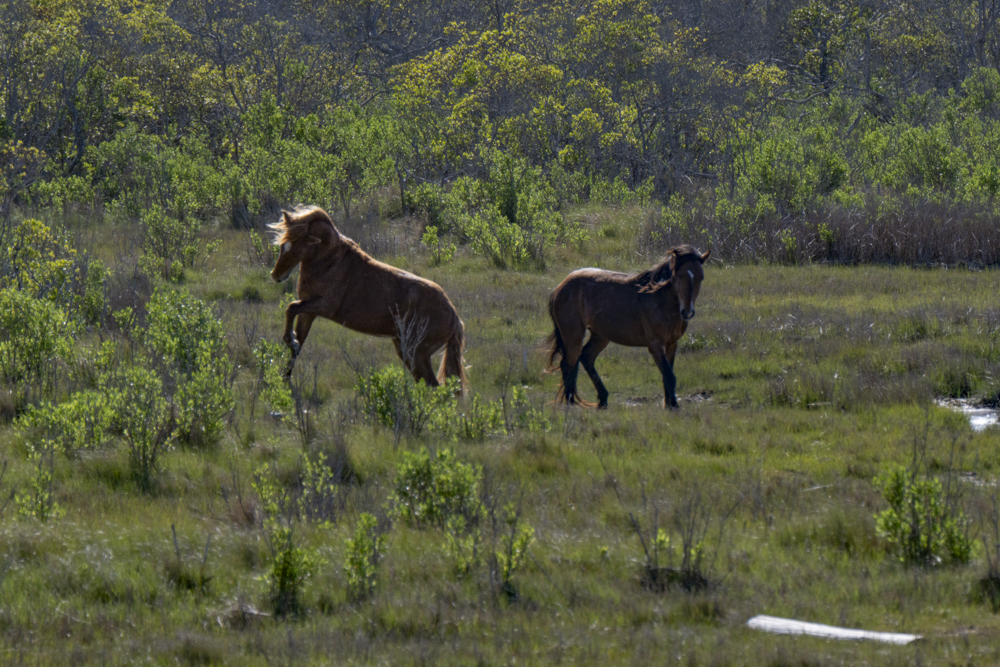
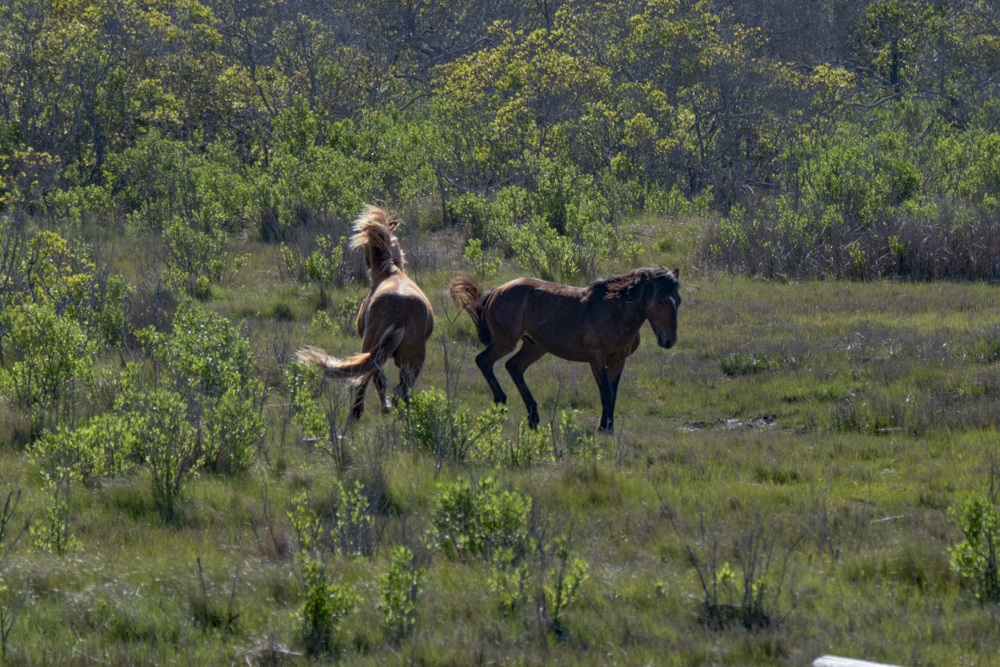
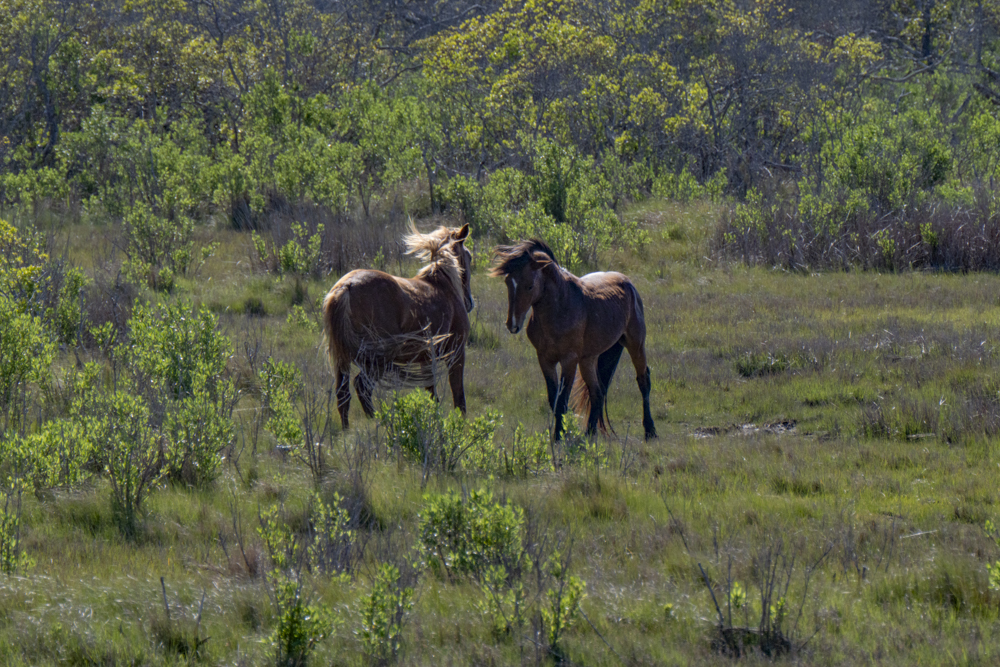
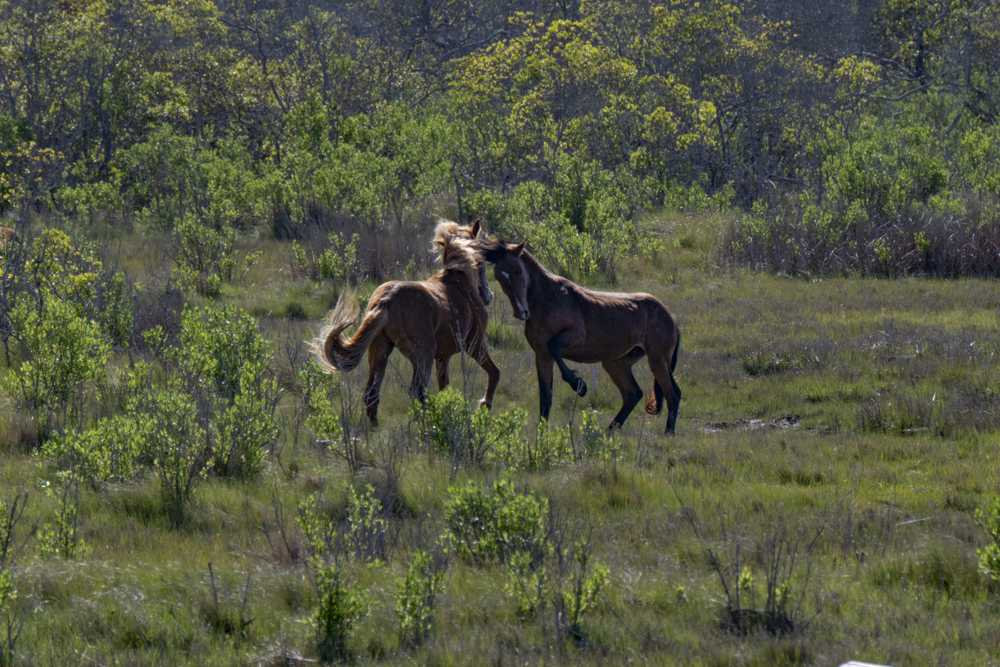
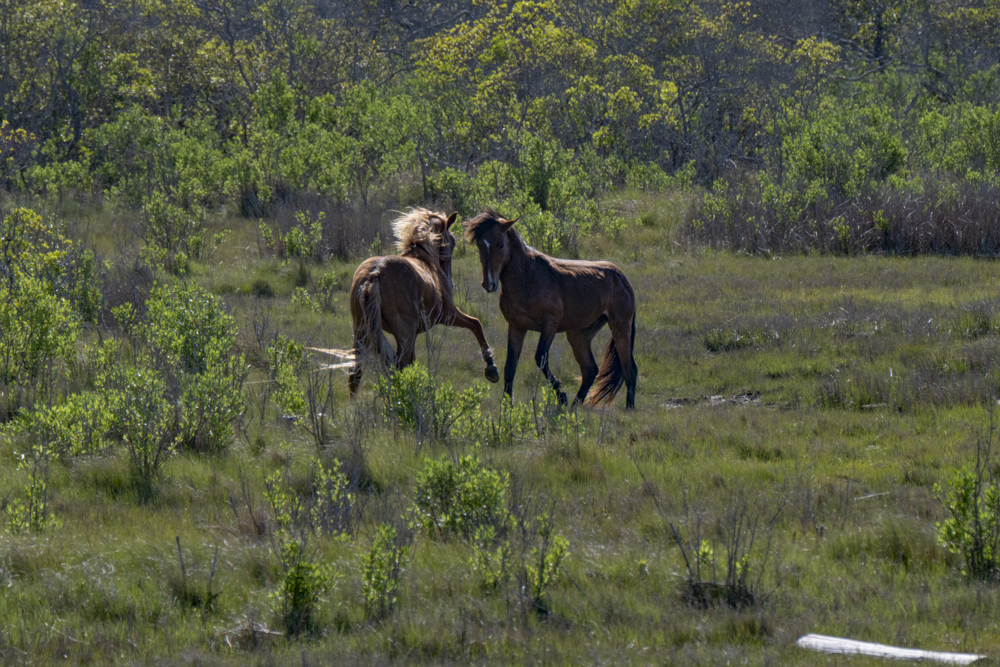
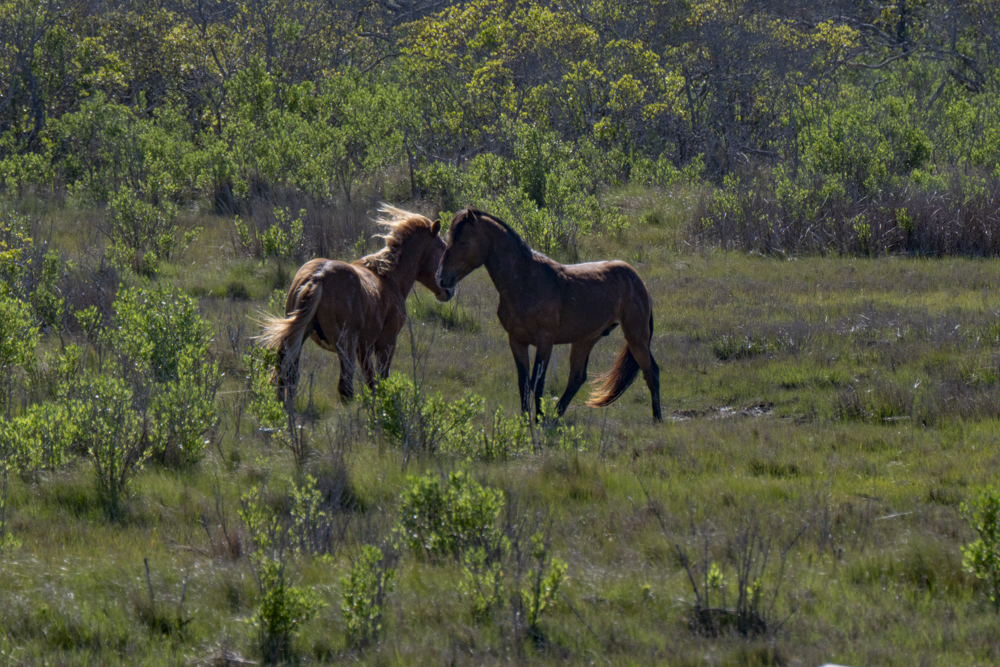
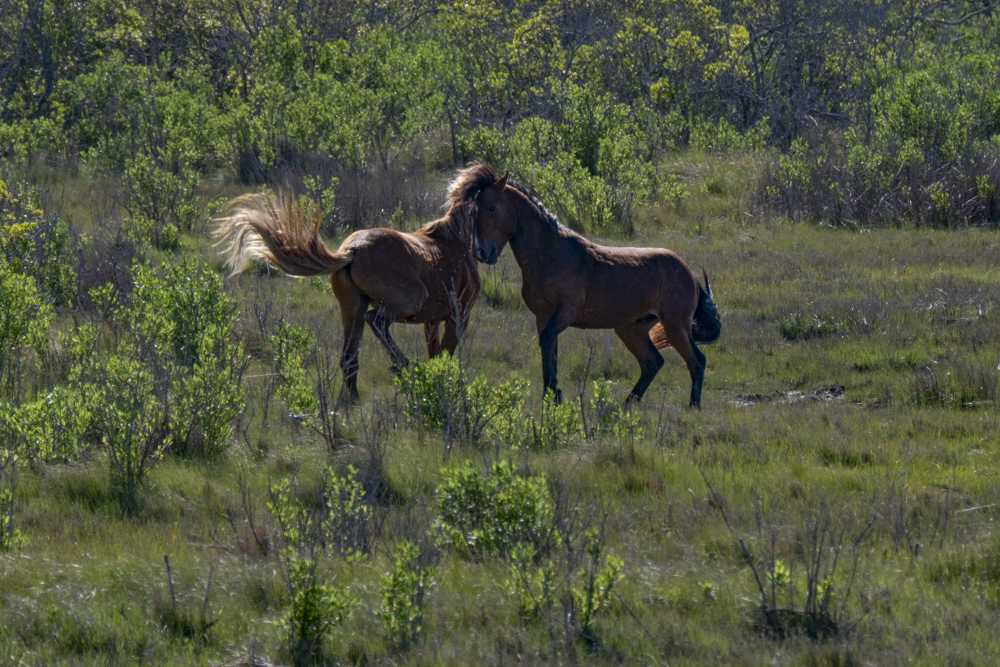
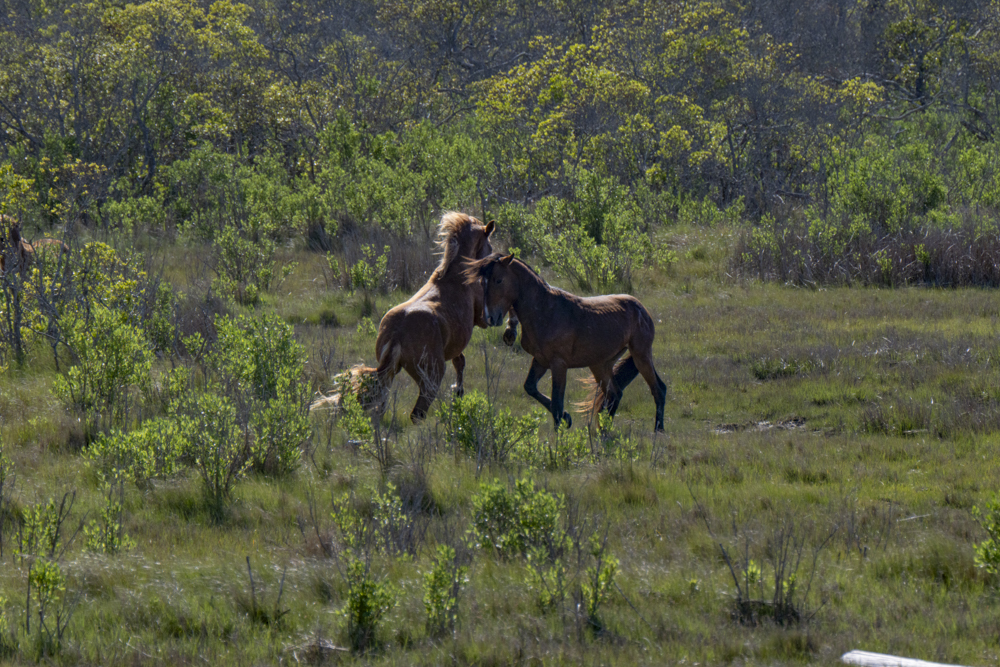
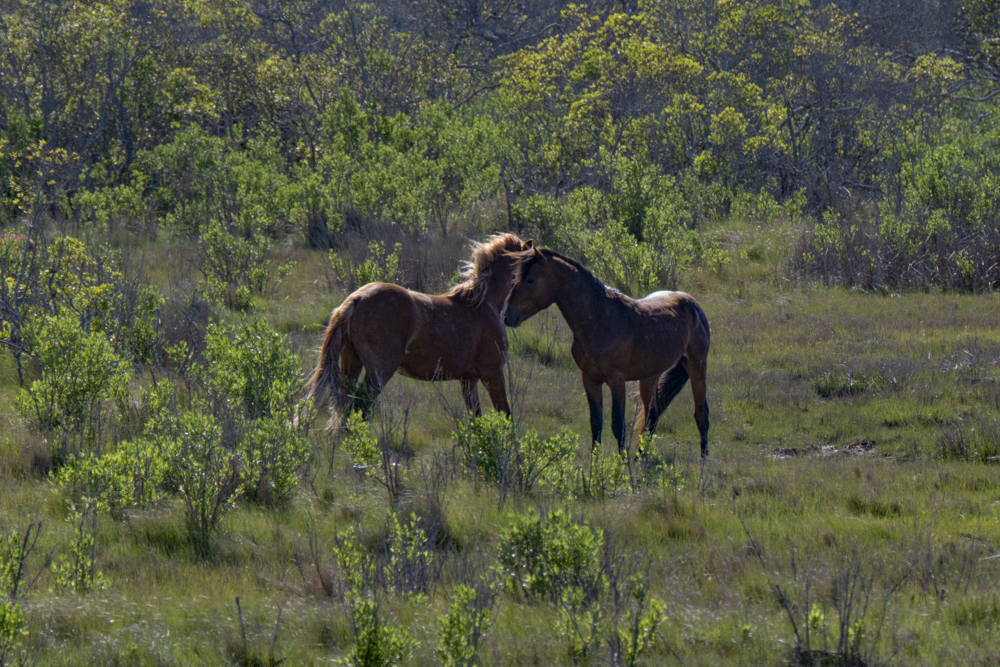
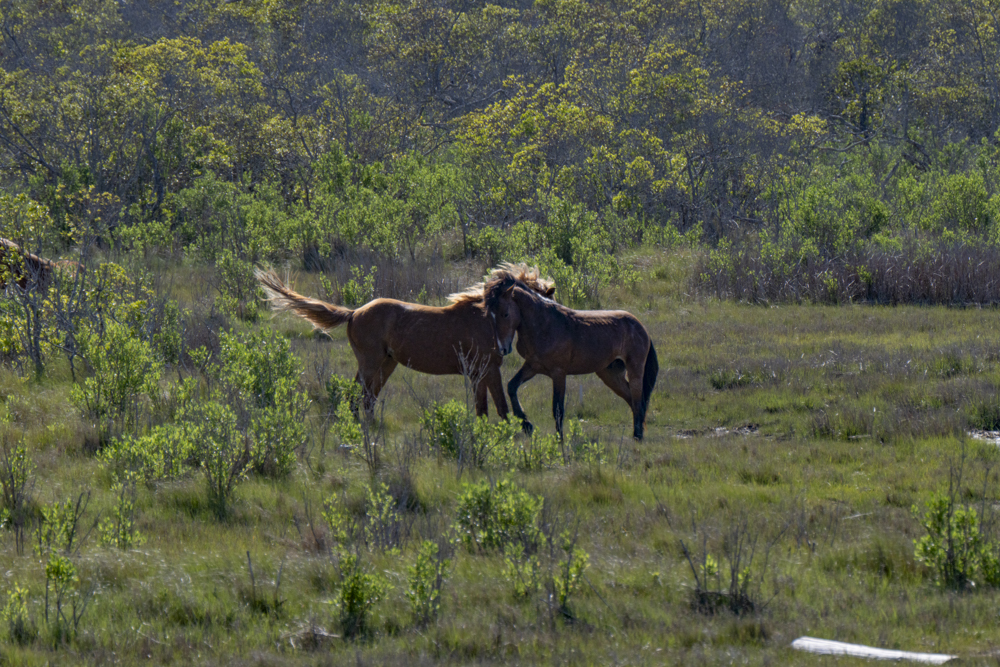
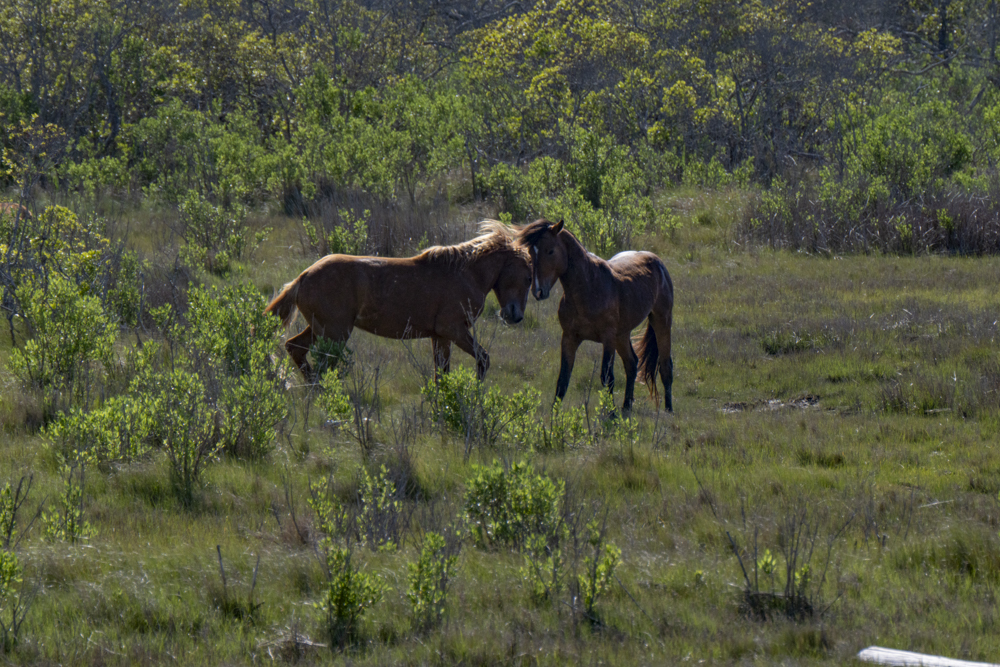
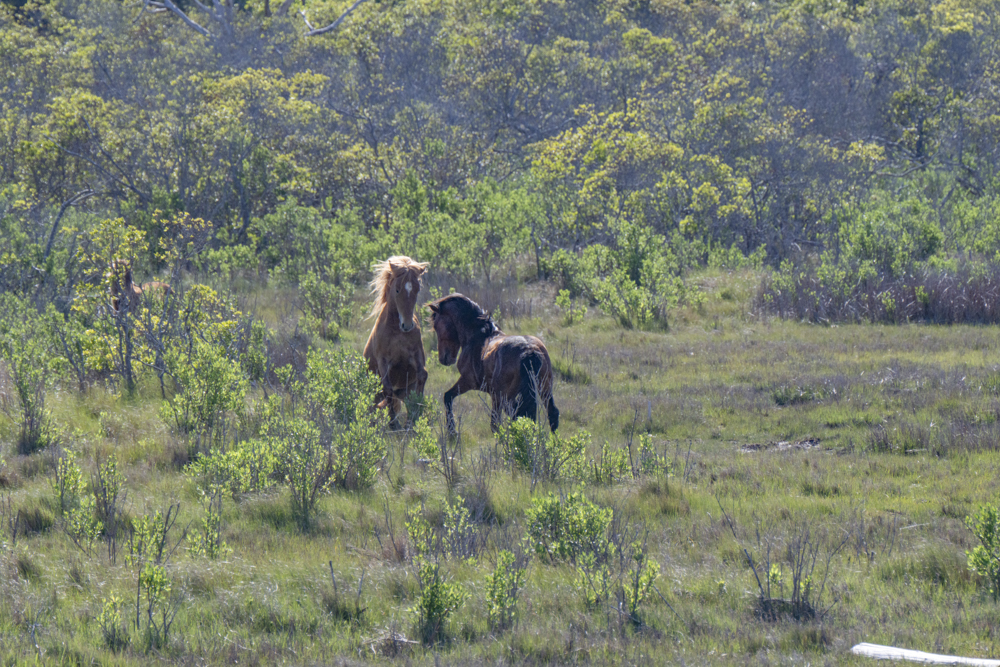
Artistic rendering of the horse fight


Leave a Reply